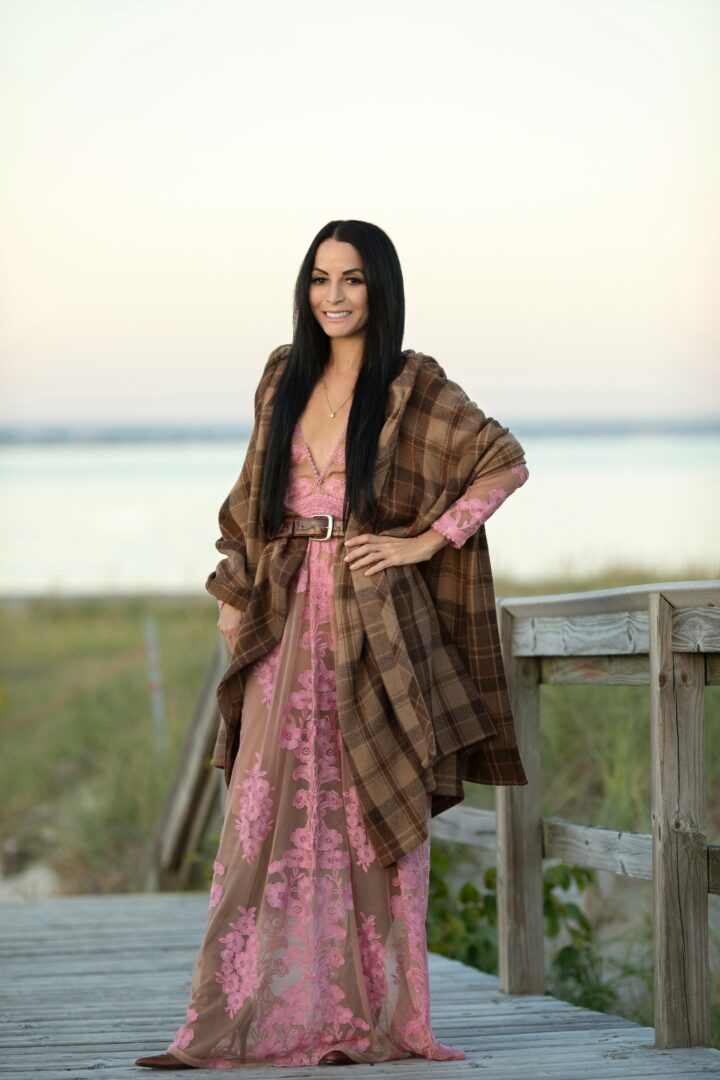
We were lucky to catch up with Christine Anastos recently and have shared our conversation below.
Christine, so good to have you with us today. We’ve always been impressed with folks who have a very clear sense of purpose and so maybe we can jump right in and talk about how you found your purpose?
I did not sit down one day and decide to find my purpose. It unfolded over decades.
I was raised by two parents who were my world. They taught me discipline, courage, and personal responsibility. If something was wrong, you did not look away. You did something about it. That became the backbone of my 35 year career as an environmental engineer. I have always followed the data. I have always asked hard questions. I have never been afraid to stand alone if the facts demanded it. I do not do well with injustice.
My parents were also my strongest advocates. They believed in me when I chose unconventional paths and when I took risks that did not make sense to everyone else. They stood behind me fully. That example shaped how I move through the world. Years later, I stepped into that same role for them. I was my mother’s caregiver and healthcare advocate for 17 years during her journey with Non-Hodgkin Lymphoma, and I did the same for my father when he needed me. Advocacy was no longer professional; it was personal.
In 2016, I was diagnosed with breast cancer after months of pushing to be heard. Genetic testing at the time of diagnosis linked it to environmental factors. The connection between my professional life and my personal life became undeniable.
There is another part of my story that took longer to confront. I always believed I would be married and have children. When that did not happen, I carried the belief that I had failed at something fundamental. Every other goal I set, I achieved. This was different. It was not something I could control or accomplish on my own. I spent years seeking validation because I felt I had fallen short of my own expectations.
I did deep personal work at the Kripalu Center for Yoga & Health in Stockbridge, Massachusetts. That is where I faced the belief that my worth was tied to the roles that I was unable to fulfill.
While building my public benefit corporation, Connect & Thrive, Inc. (CAT), and working full time as an environmental engineer, I looked up one night and it was nearly 3:00am. I remember thinking that if I had children, I would be up in a few hours getting them ready for school. I would not be doing this work in the middle of the night. CAT would not exist.
Then I understood something clearly. I was giving birth to something else. I was building CAT. It required commitment, protection, sacrifice, and long-term vision. It had the potential to reach far beyond me.
That was the moment I stopped measuring my life against a script that was never fully mine in the first place.
Purpose, for me, is alignment between what I was taught, what I have lived, and what I am willing to build – and, I am still building.
Let’s take a small detour – maybe you can share a bit about yourself before we dive back into some of the other questions we had for you?
I am the Founder of Connect & Thrive, Inc. (CAT), a woman owned public benefit corporation dedicated to uplifting cancer previvors, patients, thrivers, and caregivers by expanding access to evidence-based healing modalities and healthy living products so they can move forward with confidence and hope.
For 35 years, I worked as an environmental engineer focused on compliance, regulatory integrity, and root cause analysis to protect the environment and public health. My career required me to examine complex systems, identify where they break down, and hold them accountable. That same discipline led to the creation of CAT.
During the 17 years I cared for my mother through her journey with Non-Hodgkin Lymphoma, and later during my own breast cancer diagnosis, I experienced firsthand how fragmented supportive care can be. Women are often expected to manage side effects, financial strain, and long-term recovery with limited guidance. Many integrative services that ease anxiety, fatigue, neuropathy, sleep disruption, and other treatment related challenges are not covered by insurance. At the same time, when friends and family want to help, they are often unsure how to do so in a way that is meaningful and lasting.
CAT provides two meaningful ways to offer support.
Through personalized KittyFunds™, powered by the generosity of friends and family, and through E-Gift Cards, women can access CAT’s carefully curated Marketplace. One hundred percent of donations are reserved for their exclusive use in CAT’s Marketplace, where trusted partners offer services and products not typically covered by insurance.
What makes CAT distinct is that it is not a general crowdfunding platform. It is a structured ecosystem built around three pillars: Empower; Engage; and, Educate.
We Empower women to take control of their healing journey through the use of KittyFunds™ and E-Gift Cards.
We Engage them with a curated network of trusted partners within CAT’s Marketplace, offering evidence based integrative therapies and healthy living products that complement conventional care.
We Educate through our Resource Center, which provides research, tools, and guidance to help women make informed decisions during treatment, recovery, and thrivership.
CAT is also focused on innovation. We are developing technology that will allow us to recommend supportive modalities based on symptoms and treatment experiences, and to analyze anonymized outcome data so that access to care becomes more informed and less overwhelming.
What feels most meaningful to me is that this model addresses financial toxicity and access at the same time. A cancer diagnosis should not determine who has access to supportive care and who does not. Friends and family want to help. Employers want to support their employees. Healthcare providers want better continuity of care. CAT offers infrastructure that connects all three.
We are expanding our Marketplace partnerships, strengthening our Resource Center, increasing awareness of KittyFunds™ and E-Gift Cards, and building relationships within the healthcare and employer communities. Spreading the word is critical. The more people who understand that CAT exists, the more women we can serve.
After decades spent protecting the environment and public health through engineering, I am now applying the same rigor to building infrastructure that helps women CONNECT with trusted partners and supportive resources so they can truly THRIVE.
CAT is here. And we are building a community where support makes hope possible.
If you had to pick three qualities that are most important to develop, which three would you say matter most?
When I look back, three qualities have shaped my journey more than anything else: systems-based thinking; patient advocacy; and, a relentless pursuit of equitable solutions.
The first is systems-based thinking. As an environmental engineer, I was trained to look beyond the surface of a problem. When something fails, there are root causes. There are structural explanations. That mindset carries into everything I do. Whether I am reviewing a regulatory framework or building Connect & Thrive (CAT), I am asking the same questions: Where does this system break down? Who is left out? What is the long-term impact?
For those early in their journey, I would encourage you to resist quick answers. Learn to trace problems upstream. Understand how policy, incentives, and infrastructure influence outcomes. The deeper you understand the system, the more effective your solutions will be.
The second is healthcare and patient advocacy. Advocacy is not abstract for me. I was my mother’s healthcare advocate for 17 years during her journey with Non-Hodgkin Lymphoma, and I learned how much strength it takes to navigate the medical system. Later, during my own breast cancer diagnosis, I had to advocate for myself after months of being dismissed. Advocacy requires preparation, composure, and the willingness to ask difficult questions.
If you are early in your career, learn to speak clearly and calmly in high pressure situations. Prepare. Know your facts. Do not be intimidated by titles. The ability to advocate effectively can change outcomes.
The third is a relentless pursuit of equitable solutions. I do not do well with injustice. Whether in environmental compliance or cancer care, I have always been driven by the belief that access should not depend on privilege. Building CAT is an extension of that belief. Cancer’s financial toxicity is real. Support should not be reserved for those who can afford it out of pocket.
For those starting out, I would say this: decide early what you are unwilling to compromise. Equity is not a slogan and it requires persistence and patience – and. it oftentimes requires standing alone. But if you stay aligned with your values, your work will have integrity.
These three qualities continue to guide me. Systems thinking helps me see the structure. Advocacy helps me navigate it. And the pursuit of equity reminds me why the work matters.
To close, maybe we can chat about your parents and what they did that was particularly impactful for you?
The most impactful thing my parents did for me was instill an uncompromising sense of integrity.
They taught me the value of a dollar at a very young age. They taught me to help those less fortunate. And they made it clear that character is revealed when something is difficult, not when it is convenient. Integrity was not optional. It was expected.
That foundation shaped every major decision I have made.
As an environmental engineer, I entered a field where cutting corners can have real consequences for communities and ecosystems. Early in my career, I witnessed serious misconduct involving pollution that threatened public health and the environment. In 2002, I filed an environmental whistleblower and sexual harassment lawsuit against my former employer. Retaliation followed. A year later, the company pled guilty to environmental crimes.
Speaking up was not about being fearless. It was about being aligned with what I was taught. When harm is occurring, you address it. If you are silent, you are complicit.
Their example also shaped how I cared for my mother during her 17 year journey with Non-Hodgkin Lymphoma, how I advocated for myself during my own breast cancer diagnosis, and how I ultimately built CAT. Integrity, advocacy, and responsibility are not separate chapters in my life. They are expressions of the same values my parents lived every day.
Alongside their unconditional love, they raised me with a strong moral compass that has never wavered. It continues to guide me, especially in the moments when the right path is also the hardest one.
That is the most impactful gift they gave me.
Contact Info:
- Website: https://connect-and-thrive.com/
- Instagram: https://www.instagram.com/connect_and_thrive/
- Facebook: https://www.facebook.com/CATconnectandthrive
- Linkedin: https://www.linkedin.com/in/christine-anastos/
- Twitter: https://x.com/CAT_SocialX

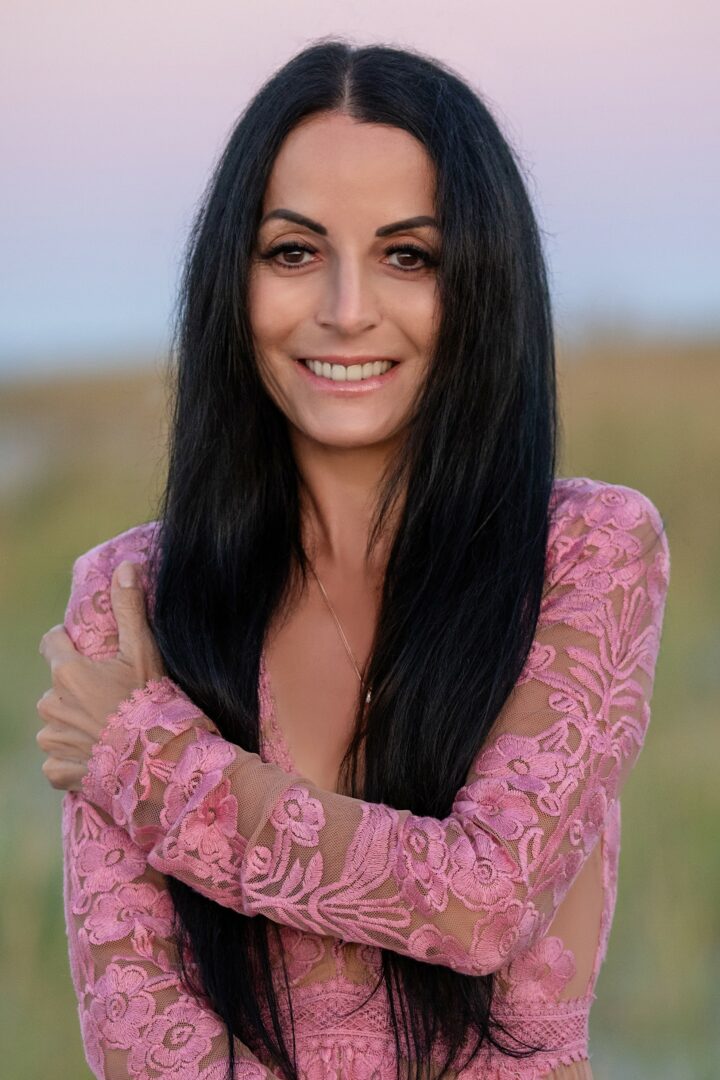
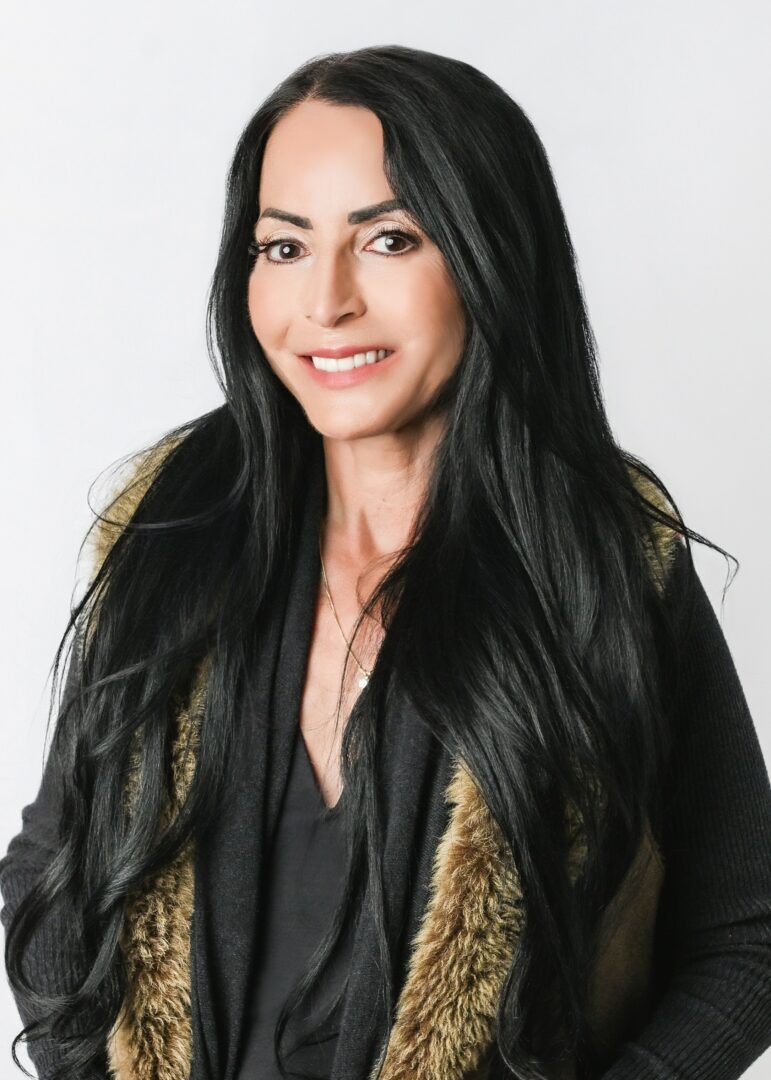
Image Credits
Dawn Gagye (first 4 starting with the primary photograph) Tammy Davison (remaining 4)