Alright – so today we’ve got the honor of introducing you to Christopher Gioitta. We think you’ll enjoy our conversation, we’ve shared it below.
Hi Christopher, really appreciate you joining us to talk about a really relevant, albeit unfortunate topic – layoffs and getting fired. Can you talk to us about your experience and how you overcame being let go?
By 2023, I had been at Amazon for over six years and was working toward a promotion I had wanted for a long time. I had just completed my annual performance review and my manager let me know that I had received a “Top Tier” performance rating — the highest possible rating which is awarded to only about 20% of top performers company-wide. I was also told that my next promotion was under consideration and expected to move forward in the next cycle. I went to sleep that night feeling very proud and excited about the future.
Twelve hours later, I woke up to an email from HR saying my entire organization, roughly 9,000 people, had been eliminated as part of a large reduction. A few minutes after that, I had lost access to everything — my email, internal communication tools, all of it.
I was genuinely shook! I had never been laid off before. I had read about layoffs and seen them happen to other people, but I had never experienced it myself. For anyone who has been through a layoff, it’s a very strange mix of emotions: anxiety, panic, maybe some relief.
A few months prior to the layoffs, I had already been thinking seriously about starting Parea Travel and trying to figure out how I could transition from my corporate role into entrepreneurship. There were so many considerations, but the layoff became the catalyst that forced me to do it. Looking back, I don’t think I ever would have started Parea without being laid off and forced to take action. It would have been too easy to just go back into another corporate role.
I told my wife, “Give me one year, and don’t let me quit or get distracted, no matter what.” She held me to it. That year became the foundation for Parea Travel.
I really believe timing is everything. When something happens that feels negative a the time, it’s really impossible to understand why it’s happening. Sometimes it takes months, years, or even decades to understand, but usually those situations end up taking you exactly where you’re supposed to be!
Appreciate the insights and wisdom. Before we dig deeper and ask you about the skills that matter and more, maybe you can tell our readers about yourself?
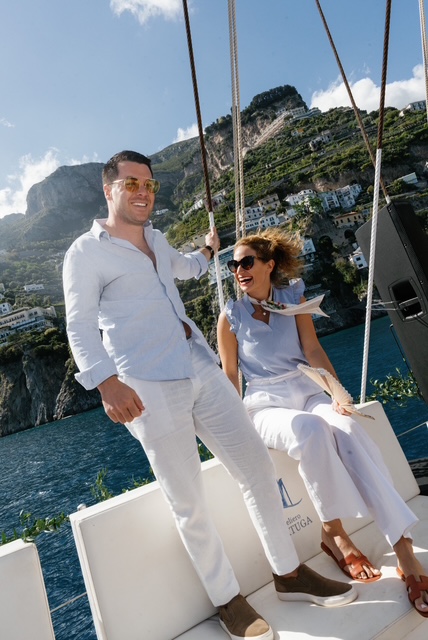
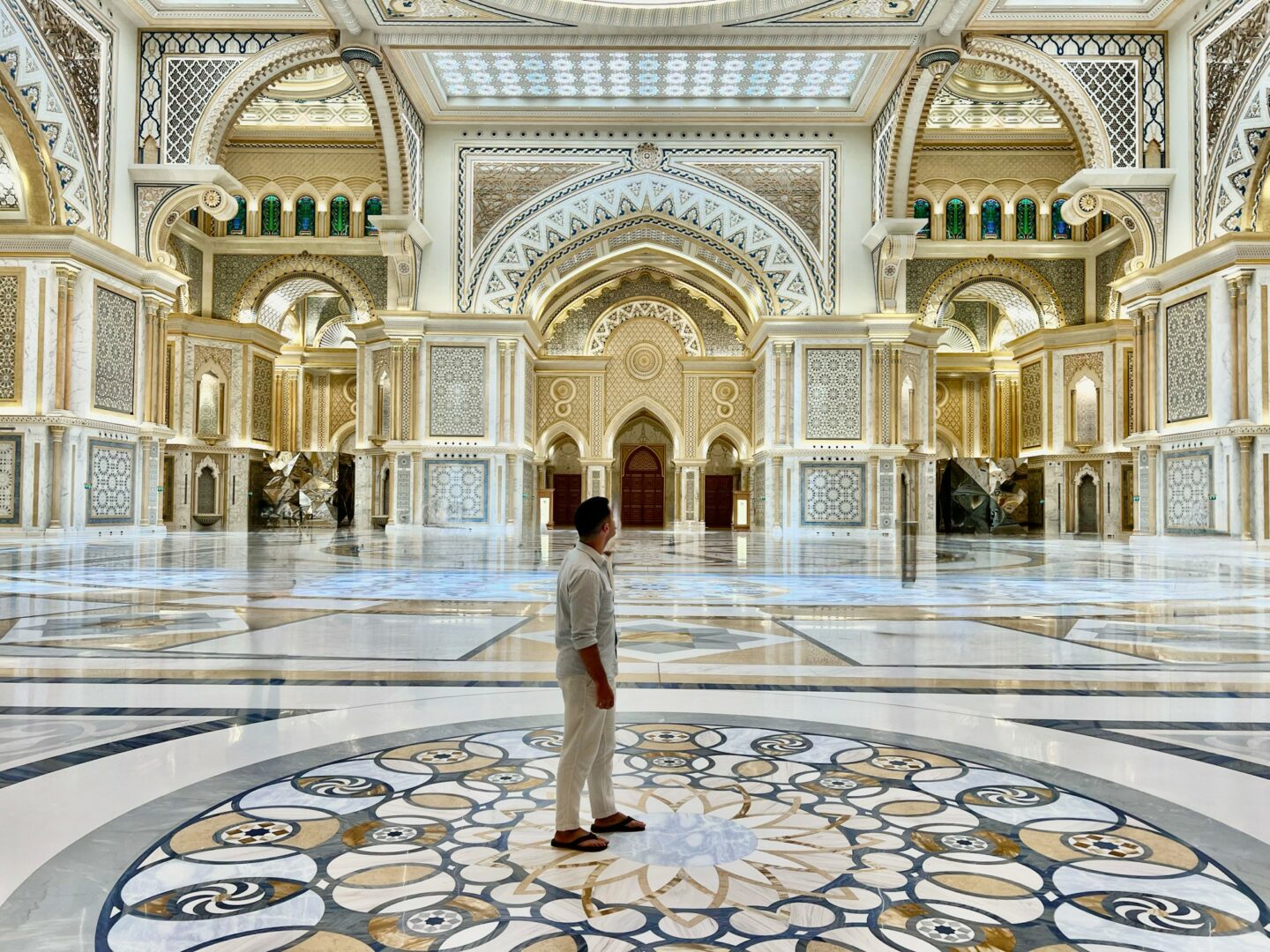
I’m the founder of Parea Travel, a luxury travel agency that also operates like an event planning company. We work primarily with UHNW families, luxury brands, and corporate clients to design and coordinate group travel experiences around the world. We really help anyone who wants support planning an exceptional travel experience.
We’re living through a really exciting time in the travel industry. We’re seeing one of the largest generational transfers of wealth, and younger generations are prioritizing experiential travel more than ever. That shift is creating demand for more curated travel experiences, which is exactly what we do.
We focus primarily on the new and emerging hotel yachting market, with bands like The Ritz-Carlton Yacht Collection, Four Seasons Yachts, Orient Express Sailing Yachts and Aman at Sea. These are basically the world’s top hospitality brands bringing their hospitality and service to sea. They are nothing like traditional cruises. They are small, intimate yachts that feel more like floating boutique hotels.
A lot of people are very interested by these new products but don’t know where to start or feel overwhelmed by the planning and logistics of a floating hotel. That’s where we come in. We help guide clients through the planning process, handle the coordination, and make everything very easy so they can just enjoy the experience.
There is so much advice out there about all the different skills and qualities folks need to develop in order to succeed in today’s highly competitive environment and often it can feel overwhelming. So, if we had to break it down to just the three that matter most, which three skills or qualities would you focus on?
There’s so much noise on social media where it seems like everyone is a young entrepreneur who became successful overnight. Most of that isn’t real. What worked for me was spending a decade building real, practical skills and experience first.
Communication has always been huge for me. At Amazon, we weren’t allowed to use PowerPoint presentations. If you had an idea, an update, or wanted leadership to invest in something, you had to write it out as a one page document or a six page document. This forces you to really think. You write it, read it, rewrite it, and become super critical of your own ideas before anyone else sees them. Even today, I still default to writing things out when I’m thinking through ideas or business strategy. It’s one of the most valuable skills I learned and it translates to pretty much everything.
I also think it’s critical to spend time figuring out what you truly want to do long term, rather than jumping into something simply because there’s an opportunity to make money. I like the concept of ikigai, a Japanese philosophy which is basically the intersection of what you’re good at, what you enjoy doing, and what can realistically support you financially.
If I had one piece of advice for people early in their careers, it would be to focus on building real skills, be intentional about what you enjoy doing day to day, and pursue a path that connects them.

As we end our chat, is there a book you can leave people with that’s been meaningful to you and your development?
There have been a lot of books I’ve read over the years but one that really resonated with me recently is Die With Zero by Bill Perkins. It goes into the relationship between money and time and the idea that experiences (like travel) actually compound over time.
One example from the book is about someone debating if they should buy a vacation home in Europe. He keeps analyzing it strictly as an investment and pushing it off because he thinks his money can perform better in the market. What he doesn’t consider are the years of memories he would build there with his spouse, the experiences his kids would have growing up visiting that place, and eventually memories with grandkids. How much is that worth to you?
And when you have those experiences, you take photos, you put them on your refrigerator or next to your bed, and you see them every day. You relive those moments over and over again. The compounding effect of remembering and reliving those experiences can end up bringing you more joy over time than the actual experience itself!
Contact Info:
- Website: https://www.pareatravel.com
- Instagram: https://www.instagram.com/travelwithparea
- Facebook: https://www.facebook.com/people/Parea-Travel/61580009533132/
- Linkedin: https://www.linkedin.com/company/pareatravel
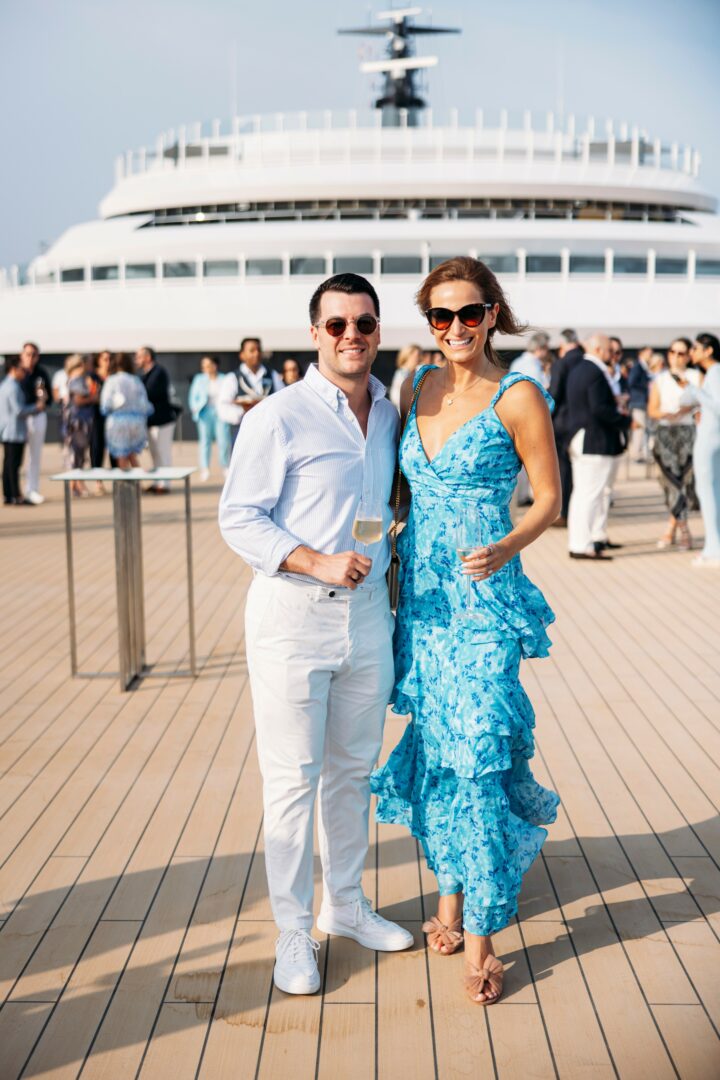
Image Credits
Abby Jiu Photography
so if you or someone you know deserves recognition please let us know here.