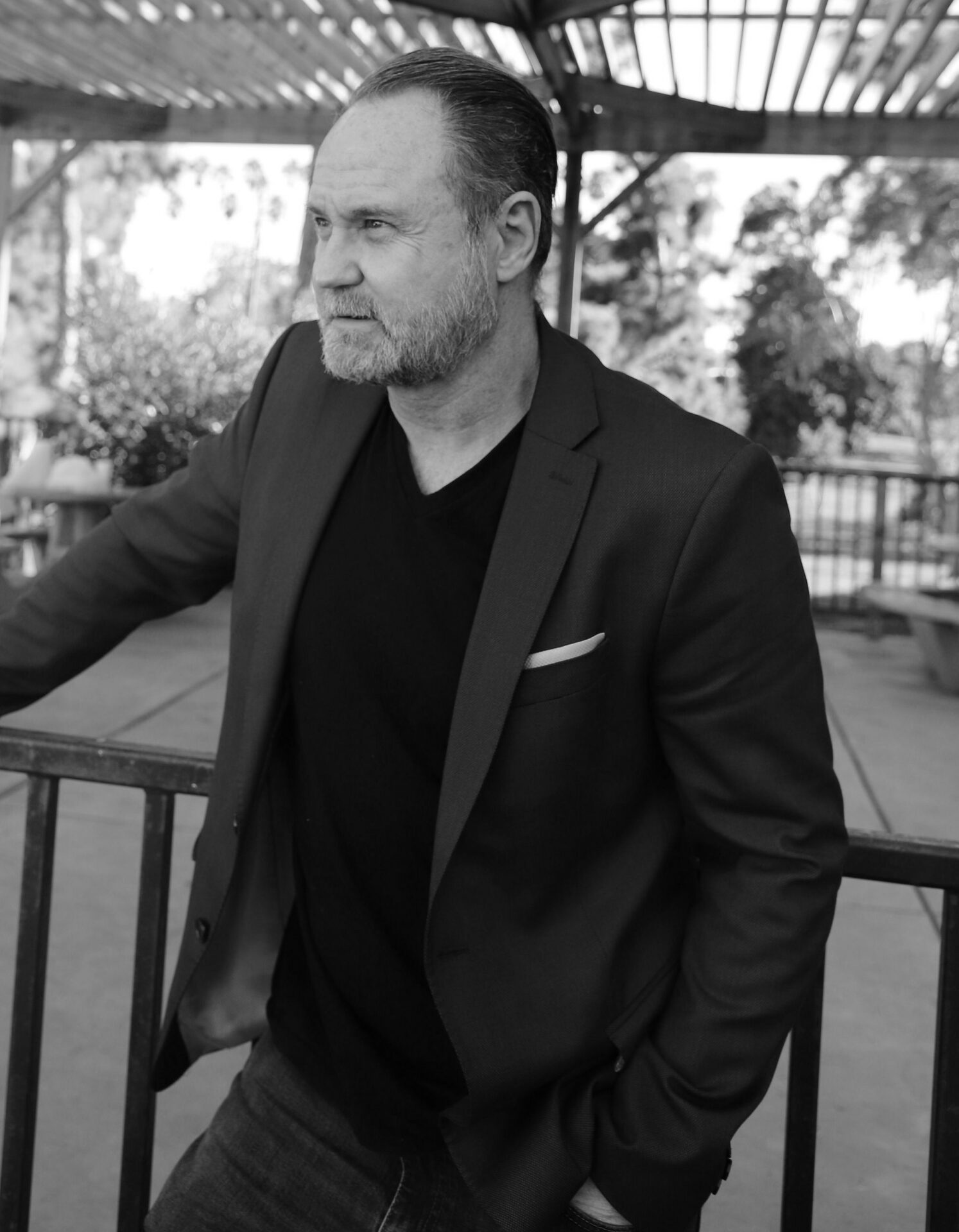
We’re excited to introduce you to the always interesting and insightful Christopher Mercier. We hope you’ll enjoy our conversation with Christopher below.
Alright, so we’re so thrilled to have Christopher with us today – welcome and maybe we can jump right into it with a question about one of your qualities that we most admire. How did you develop your work ethic? Where do you think you get it from?
I like to believe a persons work ethic is something that evolves out of and along with their character. There is the ago old saying, ” do it like its the last thing you will ever do” or something to that nature. For me, that has meant you have to approach everything you do as something you truly care about. Something your willing to do whatever it takes to get a right, meaning extra work hours or whatever sacrifices needed (within reason obviously) so that your proud of what you have done. If not don’t do it. This has been a way of operating for me ever since I can remember. Now, in all honesty there are occasions, like with all rules, when thing brake down but for the most part I like to feel like I have held to this standard throughout most of my professional life.
Great, so let’s take a few minutes and cover your story. What should folks know about you and what you do?
What we – (fer) studio – do is offer unique architectural solutions to help you build your dreams. Contemporary iconic Trans-relational ENVIRONMENTS for building ambitiously creative lives.
For us the most exciting thing about Architecture is its ability to change and improve your life and it can and should do this in a multitude of ways. However today we find that most of what gets built in the world only offers part of the solution as to us its seems to be based on an inappropriate or out of date model. That model is mainly focused on the (ware) ‘housing’ of activity and has produced a world full of what we term as ‘Buildings’, not Architecture. This model sees the aim of design alone, as one of efficiency of use, efficiency of cost and efficiency of flexible nondescript space. And under todays strenuous economic and cost prohibitive conditions, we can certainly understand how this might have come to be. But does that make it right? Under this approach, design is initiated & completed around three main objectives mentioned above, and once complete (meaning a flexible nondescript floor plan and box shape enclosure), it is then decorated with applied architectural enticements/appendages, set in an aesthetic styling & branding motif, that best suites the local real estate market. An in its aftermath we now live in a world of strip malls, corner convenience stores, parking lots and fast food establishments that support local subdivision developments, office parks and Shopping malls. All of these structures offer exactly what they promised, efficiency of use, cost and space, stylized appropriately for the local market. What they don’t offer, is any place to live an amazingly creative and inspired life, fully engaged and interdependent with the surrounding environments (natural and manmade) in which they are part of. What this doesn’t do is truly improve our quality of life from the full perspective as we discussed above. Instead, it provides us cost effective, convenience, and flexibility at the additional cost of being emotionally uninspired about the environments we spend our lives in. We feel this isn’t the true intention of Architecture, or at least the one we would like to create with the world.
As such we offer a unique way of studying, thinking and approaching design.
What (fer) studio is trying to do is slightly different, or at least we like to think so. We are approaching the question of design and architecture first from a larger perspective. That being, what is the overarching aim of Architecture? Why do we have Architecture? What’s it for? Over history there have been many attempts to answer this question, which has led to many theories and manifesto’s. Our position is this, the single overriding purpose of Architecture is to improve the actions and or performance of human activity, through lived use (experience). What we think this means is that Architecture is trying to find a way to affect or influence immediate and future human action through the way it sets up relationships in the physical world. And these relationships, pending how they are formed or their intention, ultimately shape the way we as people take action, move, feel and perform in the environment. As we discussed above, some of this shaping involves, economics, flexibility, and convenience, all great things but to us that’s not all.
Think of the strip mall, how its designed to invite you to make a purchase, first through its brightly identifiable signage, then through its ease of parking out front and finally through its ease of use or convenience/in & out nature. The design is all about supporting your effort to make a quick and easy purchase. Now imagine an old Italian hill town in Tuscany, built on the side of hill with twisting narrow streets where cars barely fit if at all and stone steps, a small intimate piazza intertwined with natural vegetation springing up from its corners. Here, we might say something opposite is happening. The convenience, the flexibility of the modern world is almost nonexistent and something else instead is made evident. Here the focus of life is not about how quickly we can navigate through the environment (un heathered) to achieve and complete an immediate goal (get toilet paper from CVS) and then move on to other tasks. Instead, here the focus is on living life with deeply engaged with our surroundings. Here the environment, instead of being seen as a hindrance to be navigated is instead seen as a world to explore. Here life and the environment it occurs in are celebrated together and offer a sort of inspired living, enjoyment to be alive.
So, what we are proposing is not to go back to building Italian hill towns. As beautiful as they are, they are not of our time. What we are proposing is to stop building the ‘Buildings’ we have been for centenaries that only focus on part of the equation and which missing, to us what is most important part of what Architecture has to offer, the celebration of daily actions of lives through positive engagement with our environment.
Contemporary iconic Trans-relational ENVIRONMENTS for building ambitiously creative lives.
There is so much advice out there about all the different skills and qualities folks need to develop in order to succeed in today’s highly competitive environment and often it can feel overwhelming. So, if we had to break it down to just the three that matter most, which three skills or qualities would you focus on?
Take your time, take your time, take your time! something I need to remind myself of weekly. I have come to understand it takes years of life experience to truly understand something. At least for me it has. I see everyone out in the world rushing to have, present, and sell the next big thing and I did to for a long time. What I rarely see is thoughtful, consistent, daily deliberate practice and action that I believe is required to offer real value in the world. Value is a difficult thing I believe to understand, it is easily mistaken for convenience of ease. Today, I feel like much of what is bought and sold is around convenience of ease, get rich quick schemes, medications that mask the pain but don’t address the real medical problem, we are in an era of a sort of oversimplification of things maybe. We want the answer to be easy so we can move on to the next headline or sound bite or post.
My advice is to you and to me is to slow down, consider what real value means, practice daily consistent actions that build your character and your professional understanding. Spend your lifetime pursuing what you do as a craft so that someday you might be considered a Master craftsperson in your field.
What do you do when you feel overwhelmed? Any advice or strategies?
To me this a great and profound question to tackle and one that I wish more educational institutions should/would try to address. There is no single answer to this that I aware of at the same time I would estimate that this condition and how one responds to it has more to do with building and sustaining a successful life than any other out there.
As a business owner/creator/entrepreneur/artist/father/husband/and all the other roles that I play, this literally seems to come up almost every month in some aspect of my life. To me this is really a question about what I do when my life has some sort of breakdown that initially appears unsolvable. Funny part about this is that growing up I think we are taught that breakdowns and resulting overwhelm only happen to people who don’t do their homework. Over the years I have come to realize that doing ALL your homework is super important to controlling some level of the breakdowns that might occur, but the reality is, life is a continually set of breakdowns, overwhelm, resolution, relax and repeat. Don’t get me wrong, with deliberate practice and accurate thinking one gets better at diverting these battles, but they never go away, no matter how much money you have or have not.
So here is my advice and what I do. First of all I have worked very hard on myself to try to get real comfortable in living in a state of uncertainty that emotionally occurs for me once a breakdown and or overwhelm hits. While in this state my initial goal is to try and see the problem(s) from a different perspective. To do this I loosely follow a method developed by the Philosopher John Dewey called the ‘Pattern of Inquiry’. Here is my hacked version of it, 1) Identify the problem(s). 2) Articulate the problem. (this isn’t as easy as it might appear) 3) Determine what caused the problem and possible solution options. 4) Consider the solutions as actionable/reasonable situations. 5) Test or model the solutions in real time.
Long story short is that overwhelm and breakdowns are what we all do when we go to work. We all have jobs because we are offering some sort of solution to a problem someone else is having or has had. Try not to let yourself get emotionally overloaded with what could happen and instead quickly shift to trying to consider the problem that is causing the overwhelm in a different light. It all comes down to your perspective.
Contact Info:
- Website: www.ferstudio.com
- Instagram: @ferstudio
- Facebook: https://www.facebook.com/ferstudio/
- Linkedin: https://www.linkedin.com/in/christophermercier/
- Other: https://vimeo.com/ferstudio
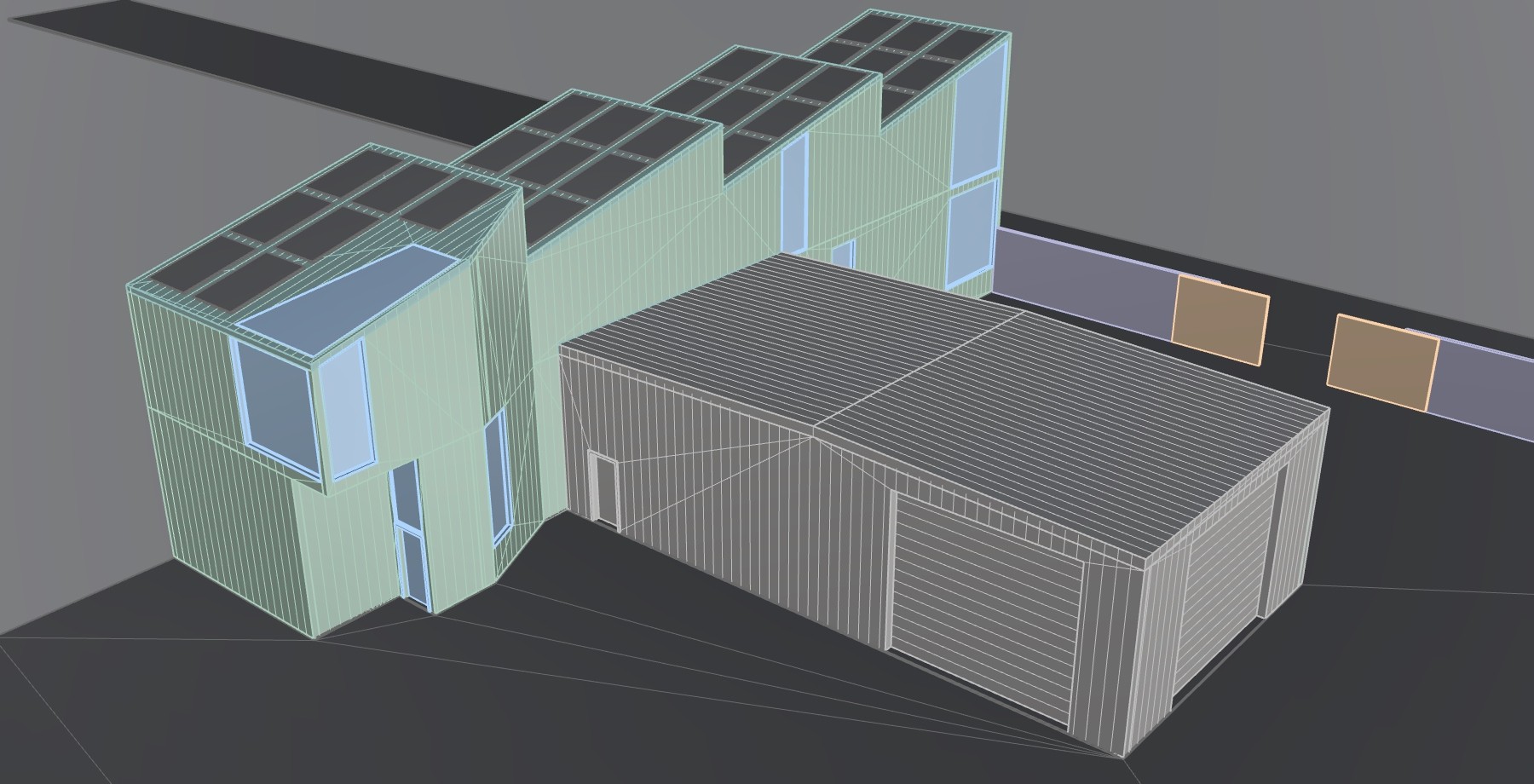


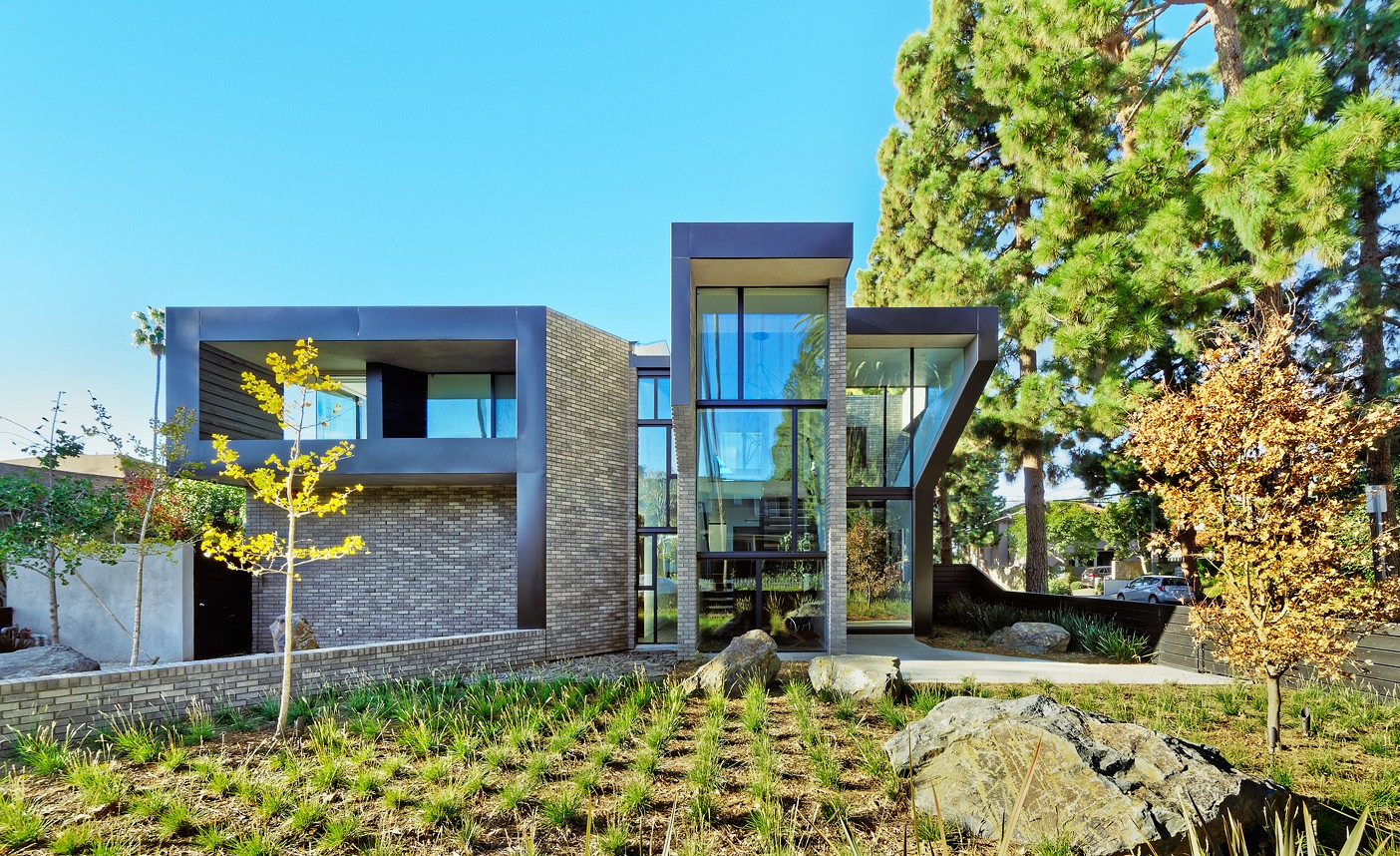
Image Credits
Josh White Photography John Gaylord Photography