Alright – so today we’ve got the honor of introducing you to Chuck McGee III. We think you’ll enjoy our conversation, we’ve shared it below.
Hi Chuck, appreciate you sitting with us today to share your wisdom with our readers. So, let’s start with resilience – where do you get your resilience from?
Where do I get my resilience?
I: The Stage.
After two decades in theatre, I discovered that 7:59 p.m. is a polite suggestion and 8:00 p.m. is a flaming decree from the gods. Sets half-painted? Lead actor still hunting for his motivation (or his pants)? Too bad—the curtain rises. My nervous system was forged in that nightly sprint from chaos to applause, so deadlines now look less like guillotines and more like mildly inconvenient speed bumps.
II: The Bar.
Then I spent years slinging drinks to a rotating cast of lovebirds, bar-stool philosophers, and people convinced the jukebox needed “Sweet Caroline” for the 37th time. Nothing buffs your emotional armor quite like calmly garnishing a martini while someone insists you ruined their life by using the wrong olives. Compared to that, boardrooms and executive coaching sessions feel positively spa-like.
III: The Ice.
And just when I thought I was tough, I started lowering myself into a tub of 33-degree water every morning. Turns out true resilience isn’t found in call times or corkscrews—it’s in the moment you voluntarily sit in liquid misery, exhale, and remind your nervous system that panic is optional. Everything else in life warms up nicely after that.
So yes, my resilience is theatre deadlines, barroom diplomacy, and the daily, freezing-cold reminder that comfort is overrated but breathing is non-negotiable.”
Thanks, so before we move on maybe you can share a bit more about yourself?
As a Type 1 Diabetic and Traumatic Brain Injury survivor, I have faced many personal health challenges. For years I was searching for practical and impactful ways to improve my health. In 2015 I was reintroduced to breathwork, and after feeling the benefits as well as the massive shift this brought into my life, I switched professions and dedicated my life to helping others discover their own personal power to help themselves.
Since then I have traveled worldwide studying different breathwork modalities. My first introduction to conscious breathwork was through the Wim Hof Method, which included weeks of instruction from Wim Hof himself. I was the first American Instructor to help lead the Wim Hof winter expeditions in Poland, and I continue to expand my knowledge in this and other breathwork modalities.
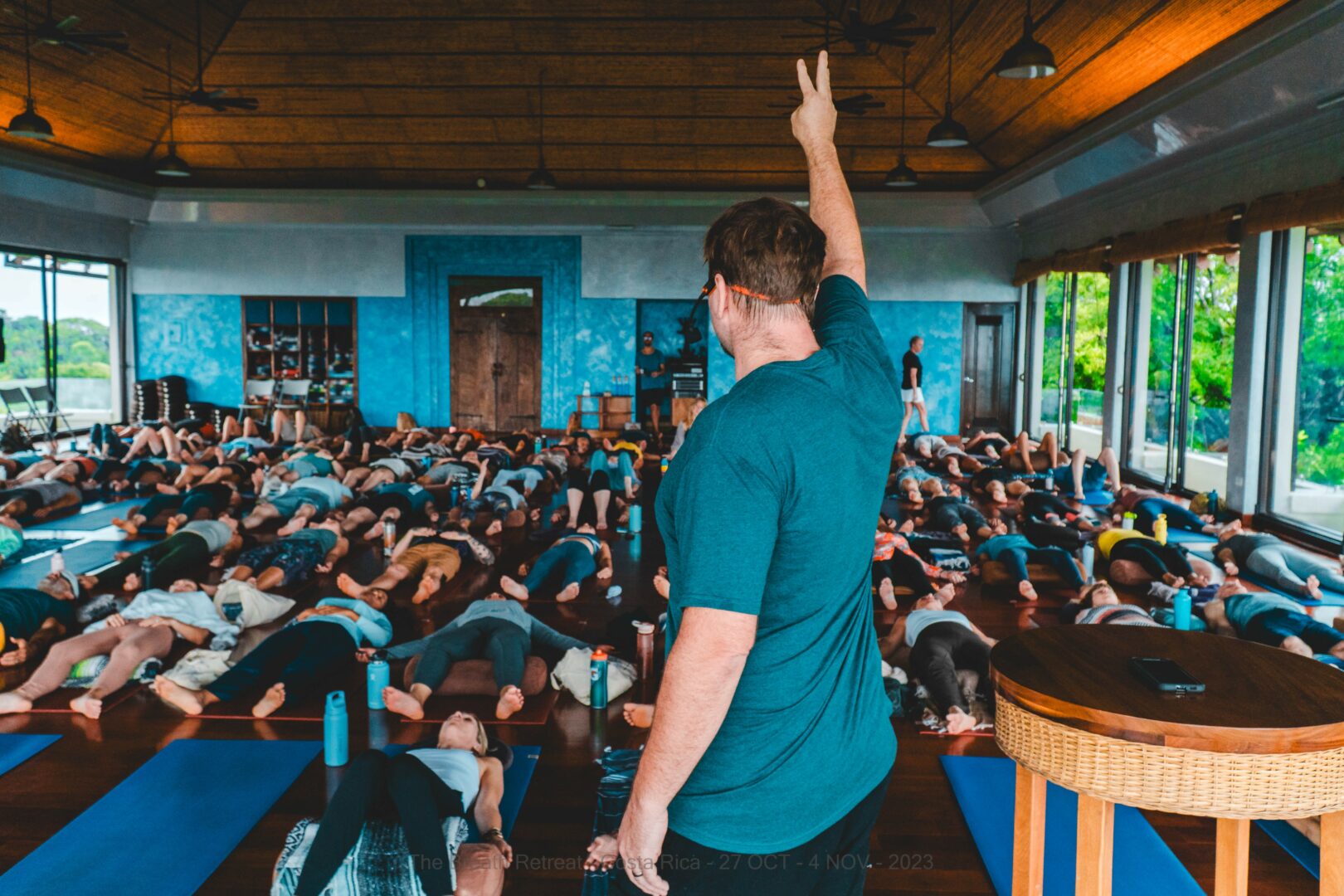
Now, for the last ten years I have been working in a healthcare setting applying foundational and functional breath coupled with specific breathwork protocols to help reduce chronic pain, anxiety, and depression. By pioneering effective breath tools for Traumatic Brain Injury recovery and daily management, it led to me conceive the 8-5-12-5 Ratio that has become a keystone of my work. My goal is to empower people through their own personal and individual breathwork.
“Everyone’s physiology is different, I know there is no cookie cutter approach to optimal health, however I believe that functional breathing can positively impact everyone.”

If you had to pick three qualities that are most important to develop, which three would you say matter most?
Reflecting on my journey, here are the three qualities, skills, or areas of knowledge that have been most impactful:
Self-Awareness and Adaptability
Early on, I learned the importance of understanding myself deeply—especially my strengths and limitations. Whether through my neurodivergent lens or by recognizing patterns in how I engage with others, self-awareness has been foundational in navigating both personal and professional challenges.
Advice for others: Develop self-awareness early. Spend time reflecting on your reactions, triggers, and patterns. Recognize what energizes you and what drains you. This insight will help you make better decisions, avoid burnout, and align with your true path.
Breathwork and Nervous System Regulation
The physiological power of breathwork has been a game-changer. It goes beyond performance or fitness; it’s been integral to navigating stress, anxiety, and decision-making. When we regulate our nervous system, we’re more focused, present, and able to handle the challenges that come with any journey.
Advice for others: Start with the basics of breathwork and nervous system regulation. Whether it’s through techniques like my 8-5-12-5 ratio or simply learning to breathe with intention, don’t underestimate the power of the breath in shaping your experience.
Philosophical and Strategic Thinking (Taoism, Stoicism, ACT)
Integrating philosophies like Taoism and Stoicism has given me a flexible, resilient mindset. Stoicism taught me to accept what’s out of my control, while Taoism offered a way to flow with life’s natural rhythms rather than struggle against them. Adding Acceptance and Commitment Therapy (ACT) principles helped me approach emotions and setbacks without judgment, making my responses more constructive.
Advice for others: Read deeply and philosophically. Practice strategic thinking that lets you respond to life’s challenges with calm, clarity, and acceptance. These frameworks don’t just provide answers; they teach you how to approach life’s questions.
To summarize:
Focus on self-awareness and adaptability.
Prioritize nervous system regulation (breathwork).
Embrace philosophical frameworks for resilience and strategic thinking.
Developing these early on will give you a solid foundation to face obstacles, grow with purpose, and ultimately find more joy in the journey.
What would you advise – going all in on your strengths or investing on areas where you aren’t as strong to be more well-rounded?
One of the Eternal Questions, doubling down on your strengths or fixing your weaknesses. Here’s the thing: it depends, but I’m pretty biased toward going all-in on your strengths. Why? Because that’s where your natural genius lies, and where you can make the most impact with the least resistance. You’ll waste way less time fighting against your own nature if you double down on what you already do well.
You see, a lot of folks get fixated on the idea that they need to be well-rounded, but here’s the thing: if you’re mediocre at everything, you’re still mediocre. You can spend years working on your weaknesses, but you’ll never beat someone who is already exceptional in that area. Remember the story of the tortoise and the hare? Everyone loves the tortoise, but they’re not trying to win races. They’re just…there.
Here’s a personal anecdote: I spent years trying to get better at “small talk.” I wanted to be more social and less awkward in large groups. Guess what? It didn’t work. I’m just better off with a defined role in a group or working one-on-one, where I shine. I stopped worrying about my lack of small talk skills and focused on the areas where I’m actually a powerhouse. It made all the difference.
If you focus on what makes you unique, you’ll find that the right people will notice, and you’ll build on your strengths. Plus, all that effort spent on your weaknesses? Well, it’s just a way to guarantee you are playing in an arena where cannot win.
Contact Info:
- Website: https://www.icedvikingbreathworks.com/
- Instagram: https://www.instagram.com/icedvikingbreathworks/
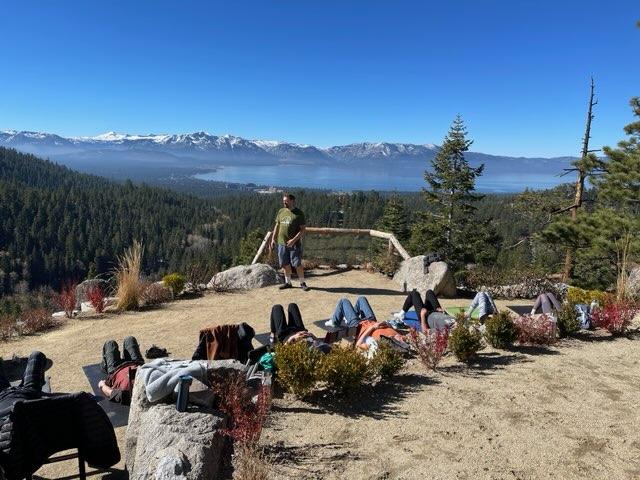

Image Credits
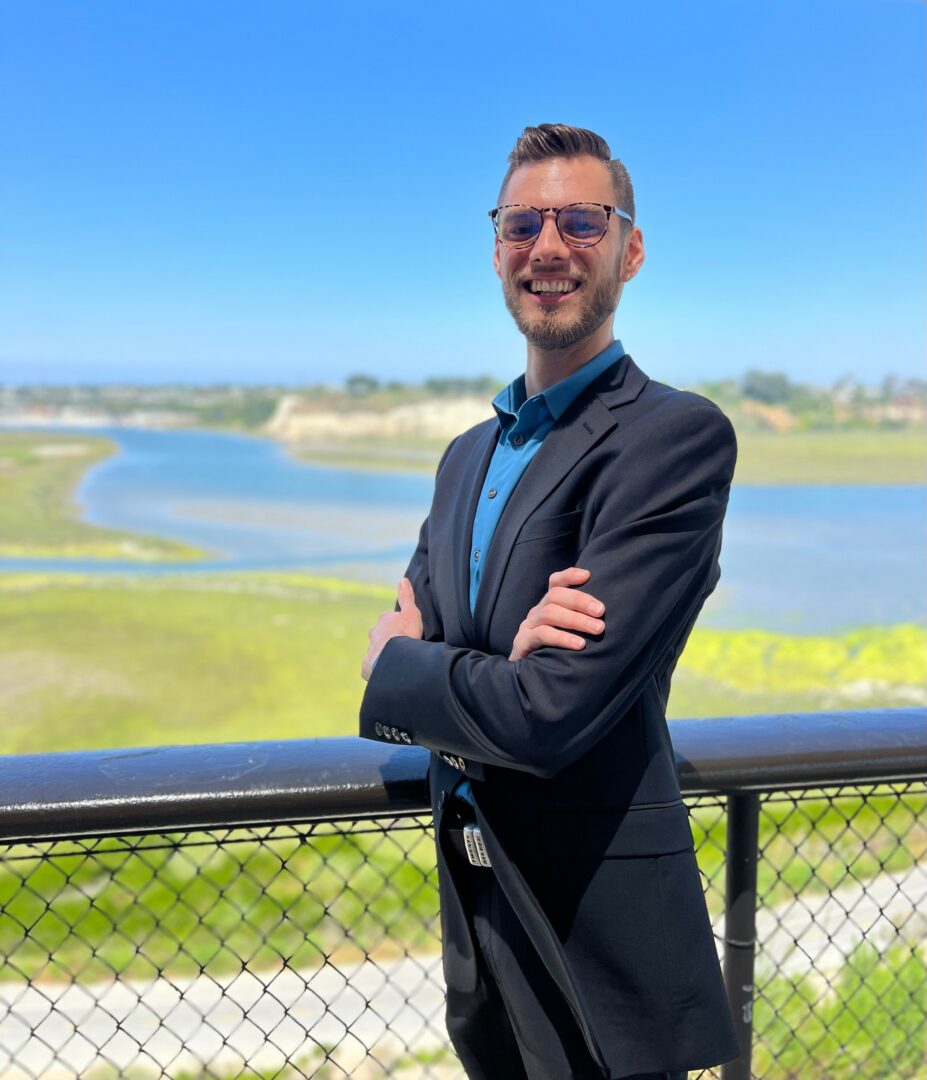
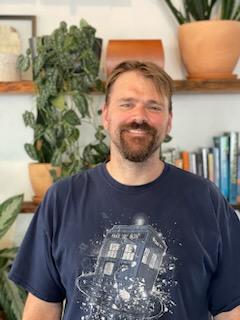
Headshot By Adrian Kuipers
The Two Images that begin with DSC Where taken by Sanjay Soekhoe
so if you or someone you know deserves recognition please let us know here.