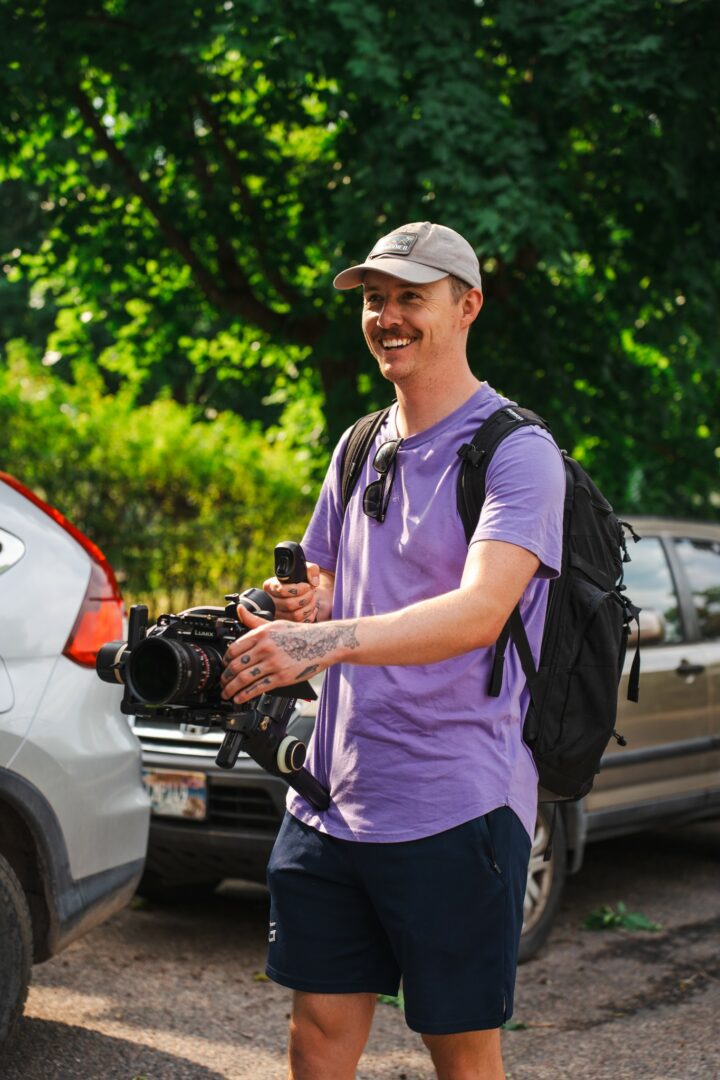
We’re excited to introduce you to the always interesting and insightful Colter Olmstead. We hope you’ll enjoy our conversation with Colter below.
Colter, so good to have you with us today. We’ve got so much planned, so let’s jump right into it. We live in such a diverse world, and in many ways the world is getting better and more understanding but it’s far from perfect. There are so many times where folks find themselves in rooms or situations where they are the only ones that look like them – that might mean being the only woman of color in the room or the only person who grew up in a certain environment etc. Can you talk to us about how you’ve managed to thrive even in situations where you were the only one in the room?
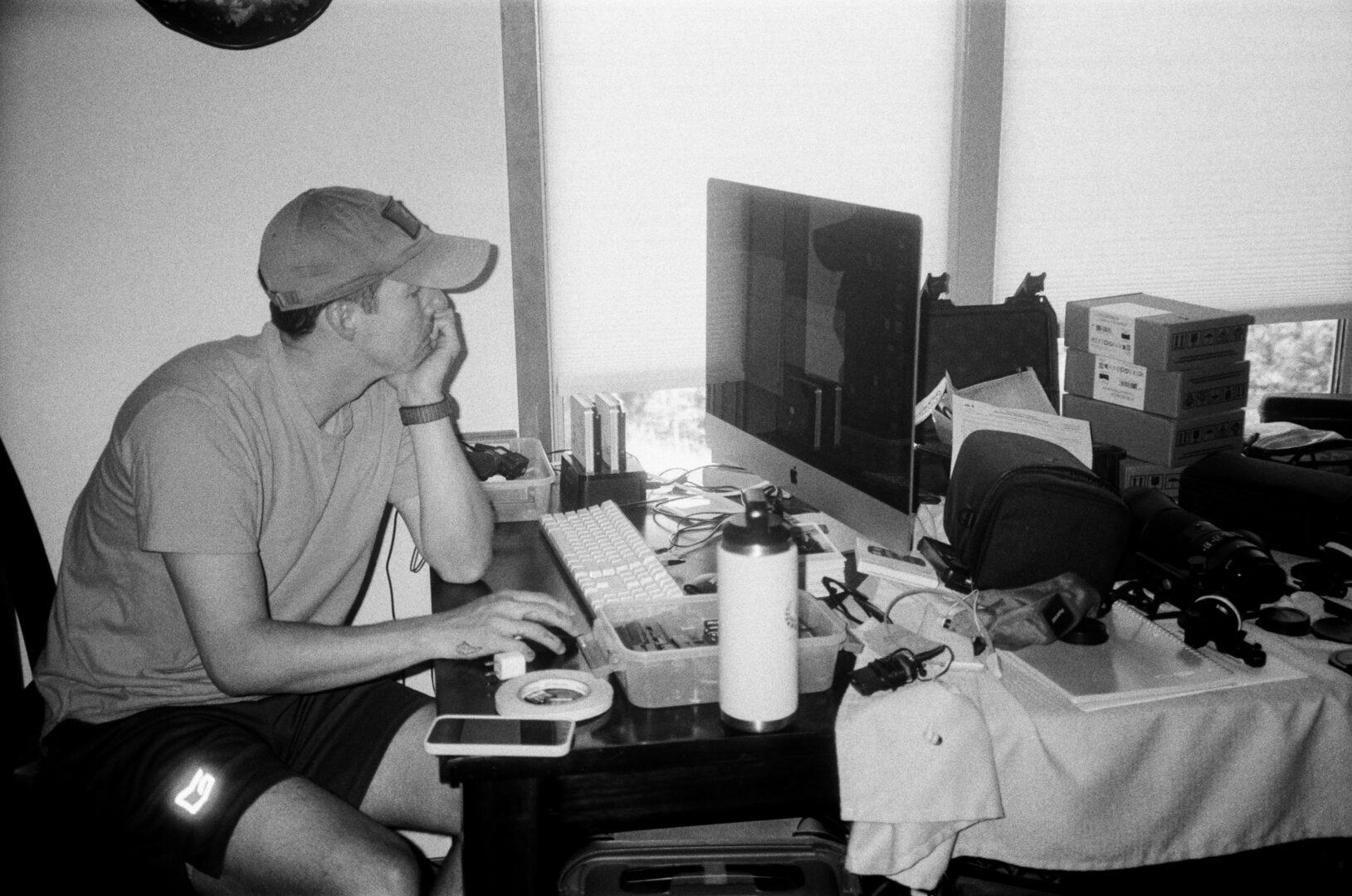
Being effective as an individual can be challenging; It might be the hardest part of being an independent contractor and creator. Building a work ethic and sticking to it when nobody is around takes a lot of dedication and patience to create a routine that allows you to be successful. It’s different for everyone, but what’s worked for me is creating consistency in my routines. As a freelance filmmaker, my work isn’t always the same, so my main focus over the years has been creating a loose daily structure where I go into each day and know roughly what I need to get done. Creating a daily and weekly checklist simplifies my workflow into smaller checkpoints that I can achieve. This has made even more daunting tasks seem much more reasonable and relieved a lot of stress that I dealt with early on.
Another thing that has led to my effectiveness when I’m the only one in the room is that, regardless of the busy or slow times, I take a small portion of each day to work on my personal projects. This might only mean 15 minutes at the end of the day, but working on something I’m passionate about helps me recalibrate to get through the other tasks that can make things boring. Overall, a lot of it comes down to just showing up each day with a steady workflow.
Thanks for sharing that. So, before we get any further into our conversation, can you tell our readers a bit about yourself and what you’re working on?
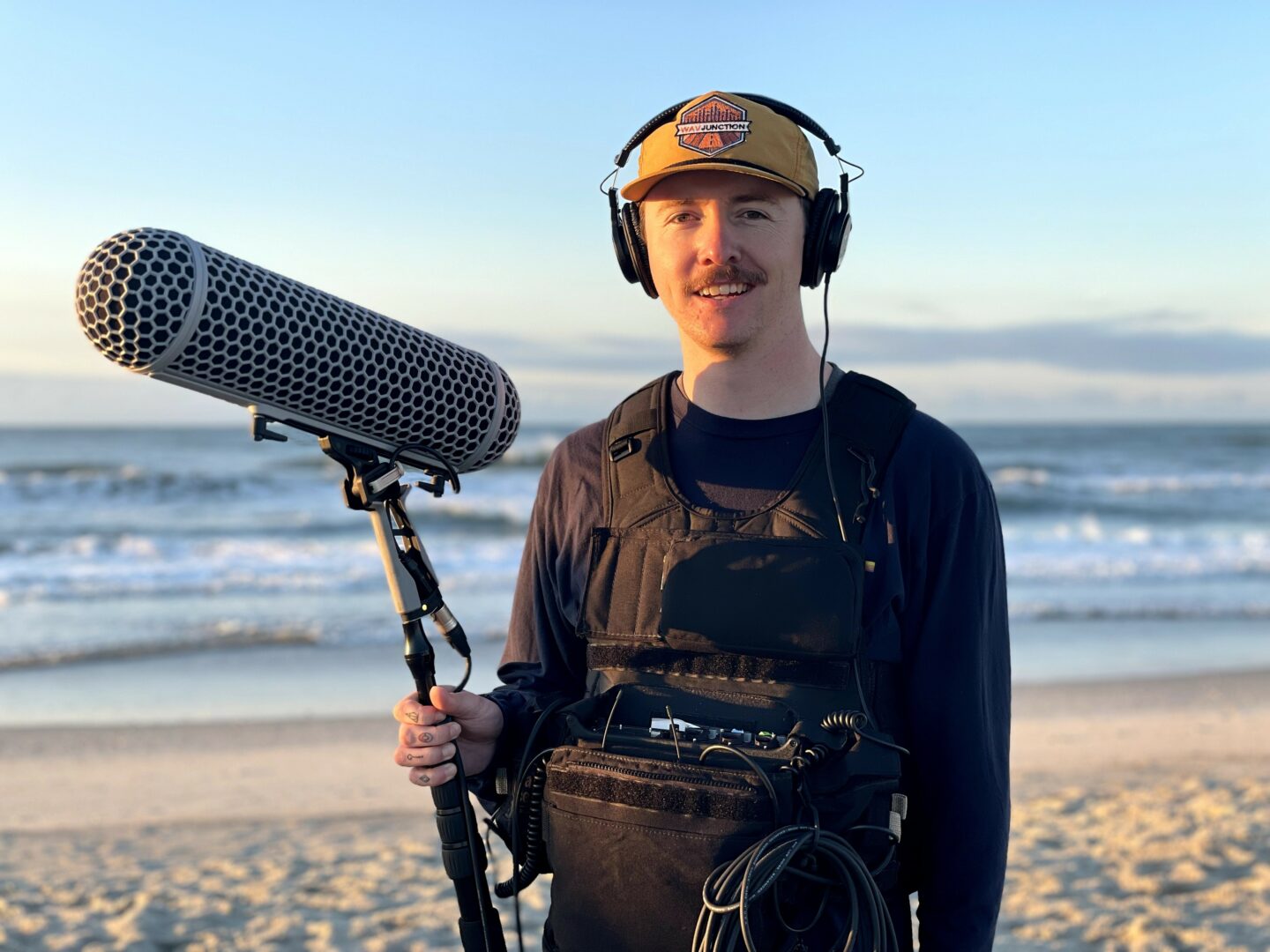
My name is Colter Olmstead. I’m based in Missoula, Montana, and I’m a filmmaker and community member. I’ve been working in the film industry in Montana for about 10 years now. I started out working with a lot of local musicians making music videos, then transitioned into the post world working in editing and sound design fields.
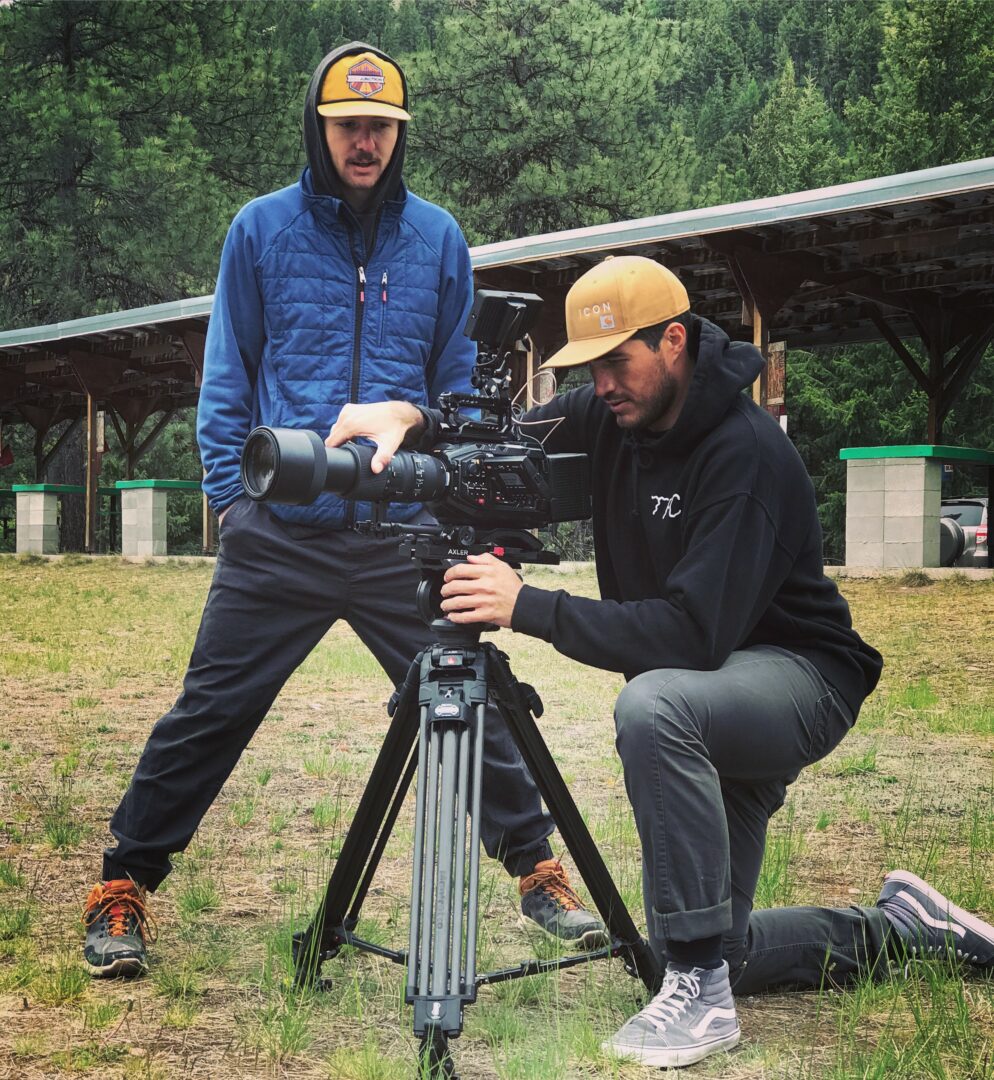
My film career has always been about connecting with groups, and fortunately, I have now moved into primarily working on documentary projects in the humanities and nonprofit worlds. I love working with our small communities around the state, where I have the privilege of capturing and telling stories that impact the people who work and recreate in our area of the world.
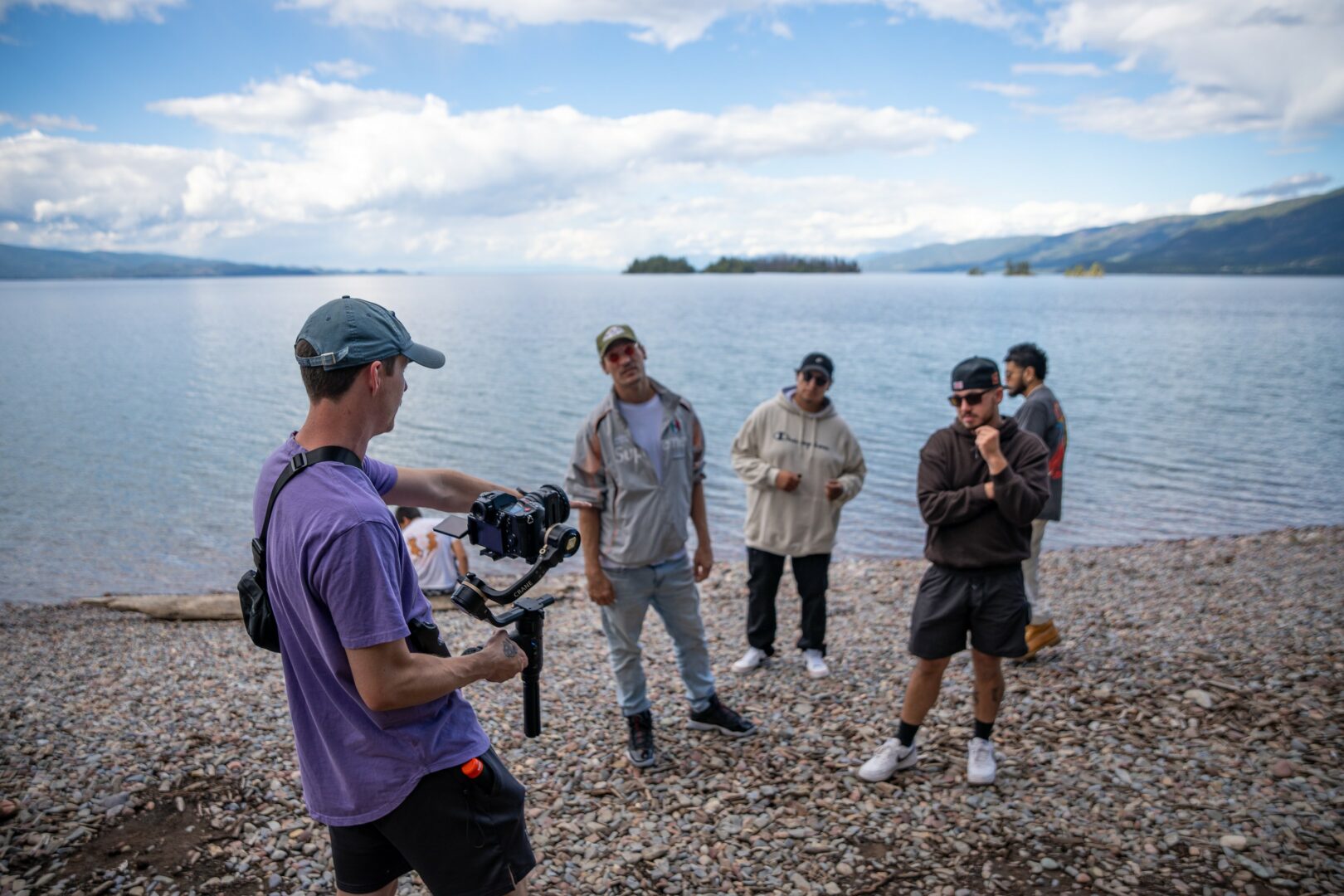
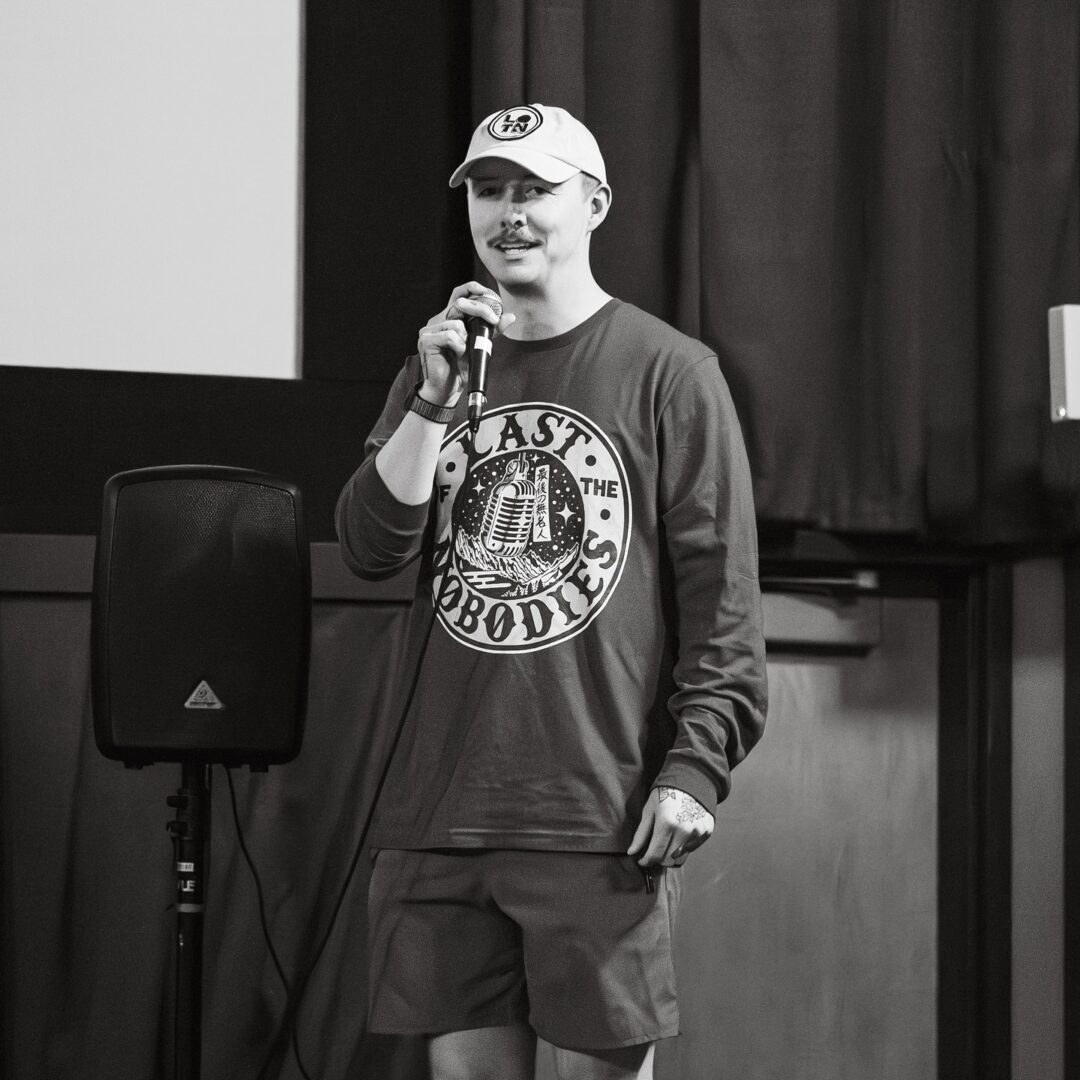
A current project that I’m really excited about is a documentary called Last of the Nobodies, where I gathered 24 artists from around Montana for 10 days to create a collaborative hip hop album. It was an extremely difficult project, not a lot of support for Montana hip hop (shocker, I know), but super rewarding to build the base of a music community for our state. We just released the documentary online to the public, and the album is also available on streaming.
Looking back, what do you think were the three qualities, skills, or areas of knowledge that were most impactful in your journey? What advice do you have for folks who are early in their journey in terms of how they can best develop or improve on these?
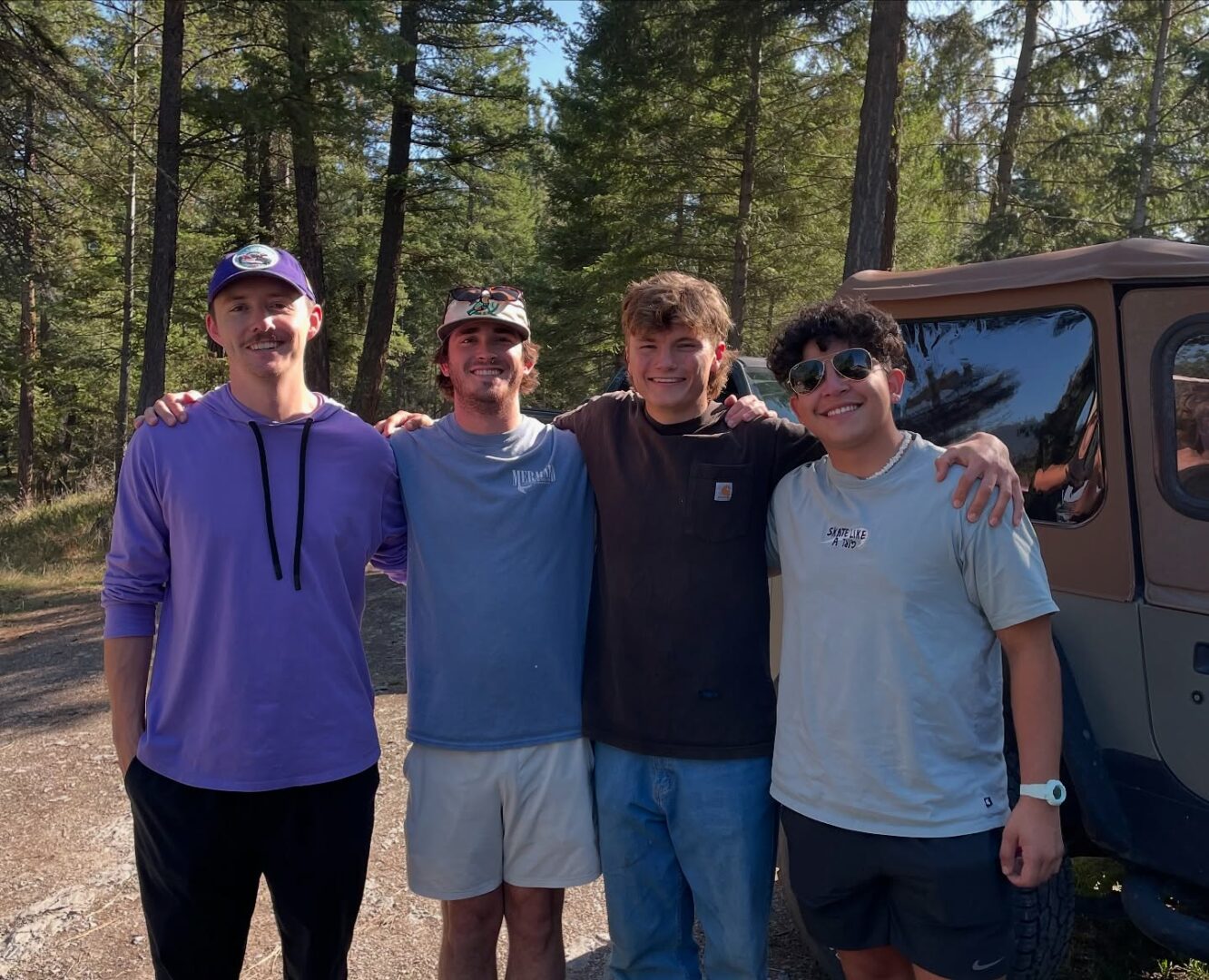
Three qualities that were most impactful to my journey would have to be one: community. Find your communities, which can be in your work, your recreation, your passions, but finding those groups of people that have shared interests with you is huge!
Second, networking and collaboration. As a creative, especially in a smaller market, creating a network of creators has continued to have a big impact. If you have a project you are working on or want to work on, and see someone on social media who is doing a similar thing, reach out to them. The worst thing that can happen is you get left on read or they say no, and then you move on. But not reaching out and missing out on a possible opportunity can be far worse. If you have an interest, look into local Facebook or event pages; odds are there is a community out there for you, you just have to look for it.
And 3rd, and what might be most important as far as skills go, is accountability. Holding myself and those who work with me has been huge for me. It creates a standard in whatever group or setting that you are in, and will not only raise your level of effectiveness, but those around you as well.
Alright so to wrap up, who deserves credit for helping you overcome challenges or build some of the essential skills you’ve needed?
There are a ton of people that I could name who have helped me develop the knowledge and skills to be successful, especially throughout my life. Currently, I would have to say my mentor, Clare Ann Huff, has had a major impact in my life, both professionally and personally. She has spent many years working in the nonprofit sector and is currently the Executive Director for MAPS Media Institute, and has taught me so much on how to navigate that world, as well as taught me how to operate as a freelancer and community member. She’s given me a lot of support to share my voice for my community, and I can’t thank her enough. Major shout-out to CA!
Contact Info:
- Website: https://www.colterolmstead.com/
- Instagram: https://www.instagram.com/colterolmstead/
- Facebook: https://www.facebook.com/colterolmsteadfilm
- Linkedin: https://www.linkedin.com/in/colterolmstead/
- Youtube: https://www.youtube.com/@theskinnyfilmer
- Other: https://www.lastofthenobodies.com/
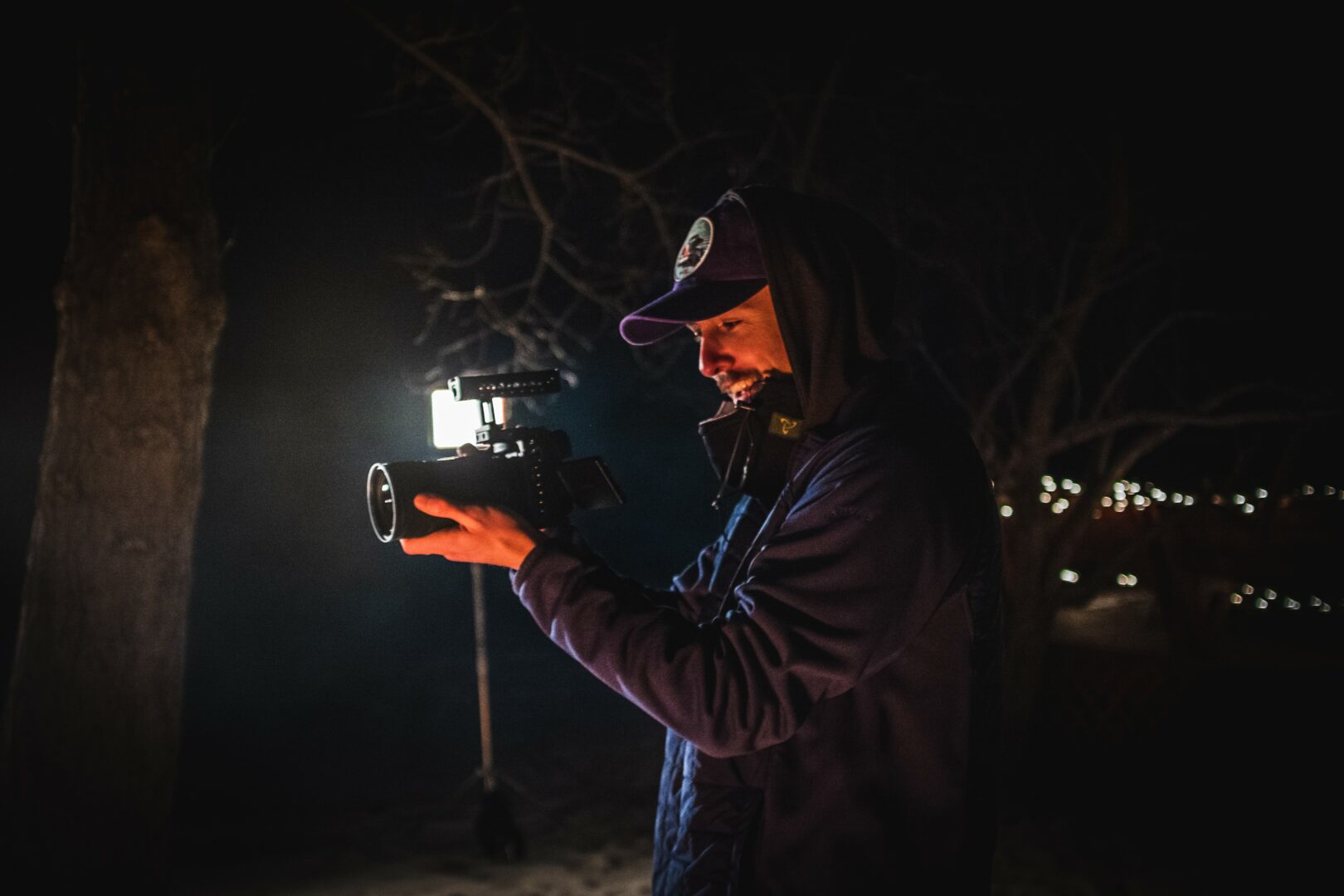
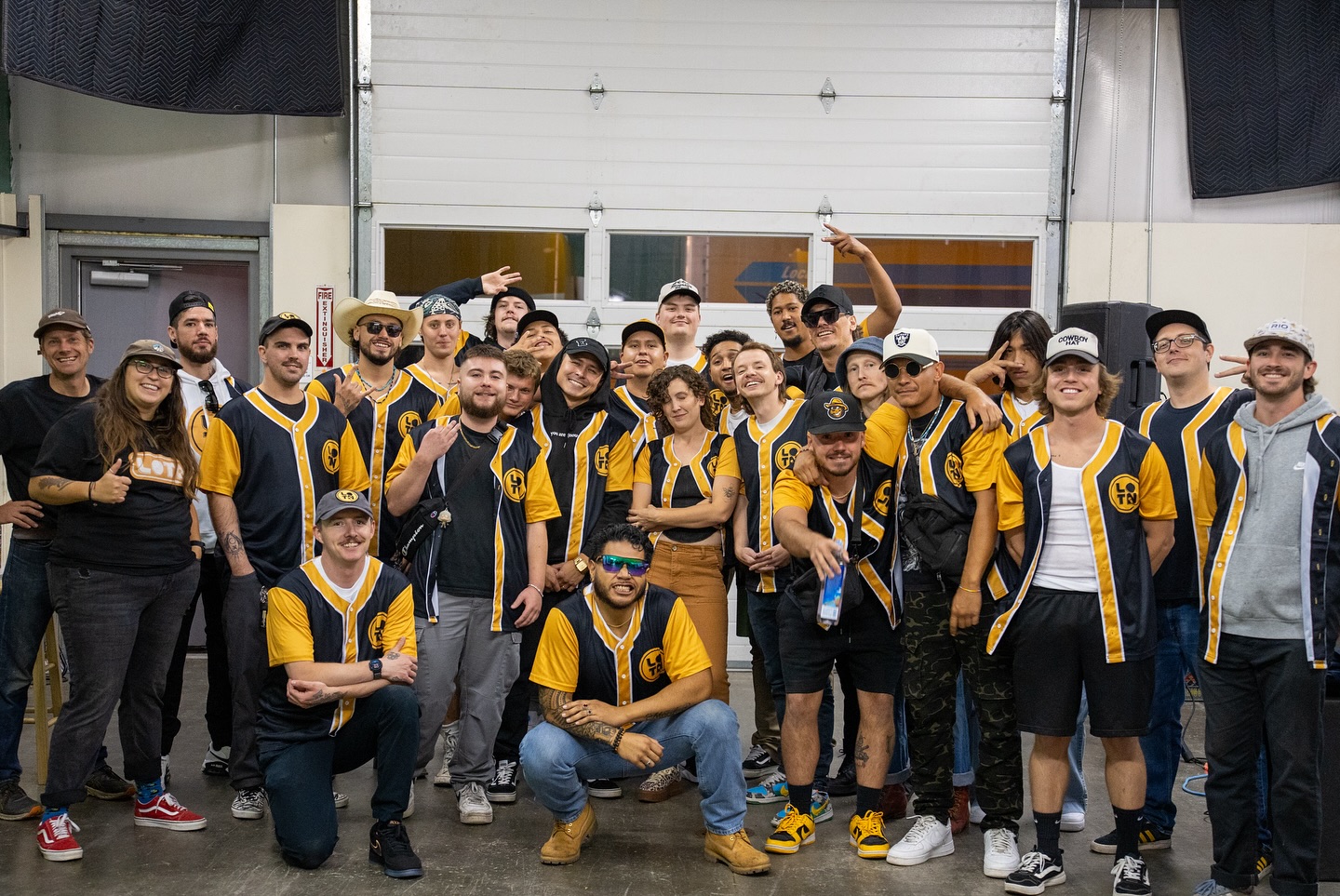
Image Credits
Sam Overturf
TC Lathrop
so if you or someone you know deserves recognition please let us know here.