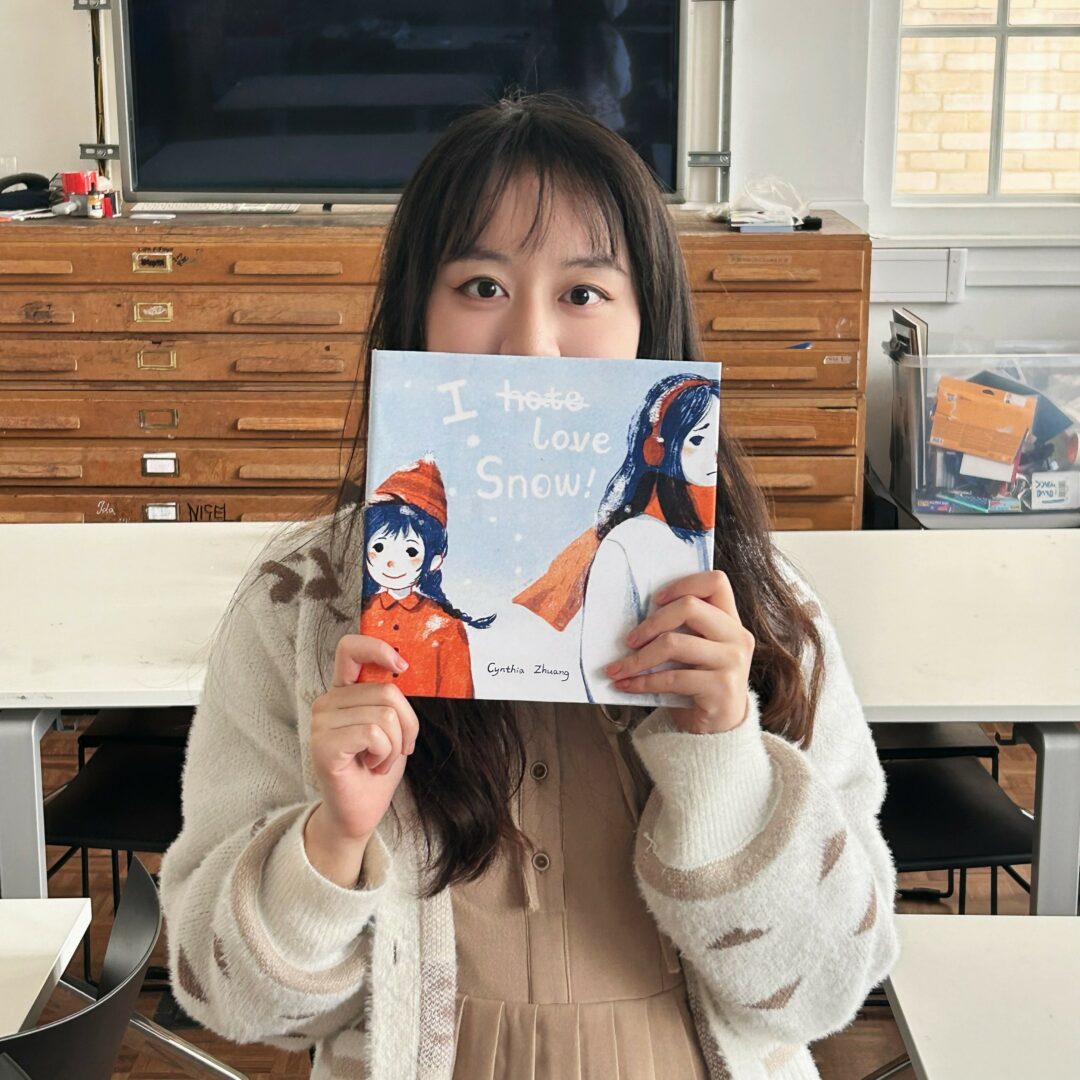
We were lucky to catch up with Cynthia Zhuang recently and have shared our conversation below.
Cynthia, appreciate you making time for us and sharing your wisdom with the community. So many of us go through similar pain points throughout our journeys and so hearing about how others overcame obstacles can be helpful. One of those struggles is keeping creativity alive despite all the stresses, challenges and problems we might be dealing with. How do you keep your creativity alive?
I believe that art comes from life. To keep creativity flowing, one must have a deep love for life itself. I enjoy sketching, capturing everyday moments with my pen, and observing the small details that often go unnoticed. These little details hold sparks of inspiration. Sketching is also a way for me to document my life—it helps me slow down and focus, creating a space for deeper artistic exploration.
In addition, I find inspiration by appreciating different forms of art. Art is a vast and interconnected field, with each discipline having its own focus. However, many artistic principles are universal. For example, I learn a lot about composition and storytelling from films, while fashion inspires my character design. Exploring and studying diverse artistic expressions not only enhances my aesthetic sense but also keeps my creativity fresh and constantly evolving.
Great, so let’s take a few minutes and cover your story. What should folks know about you and what you do?
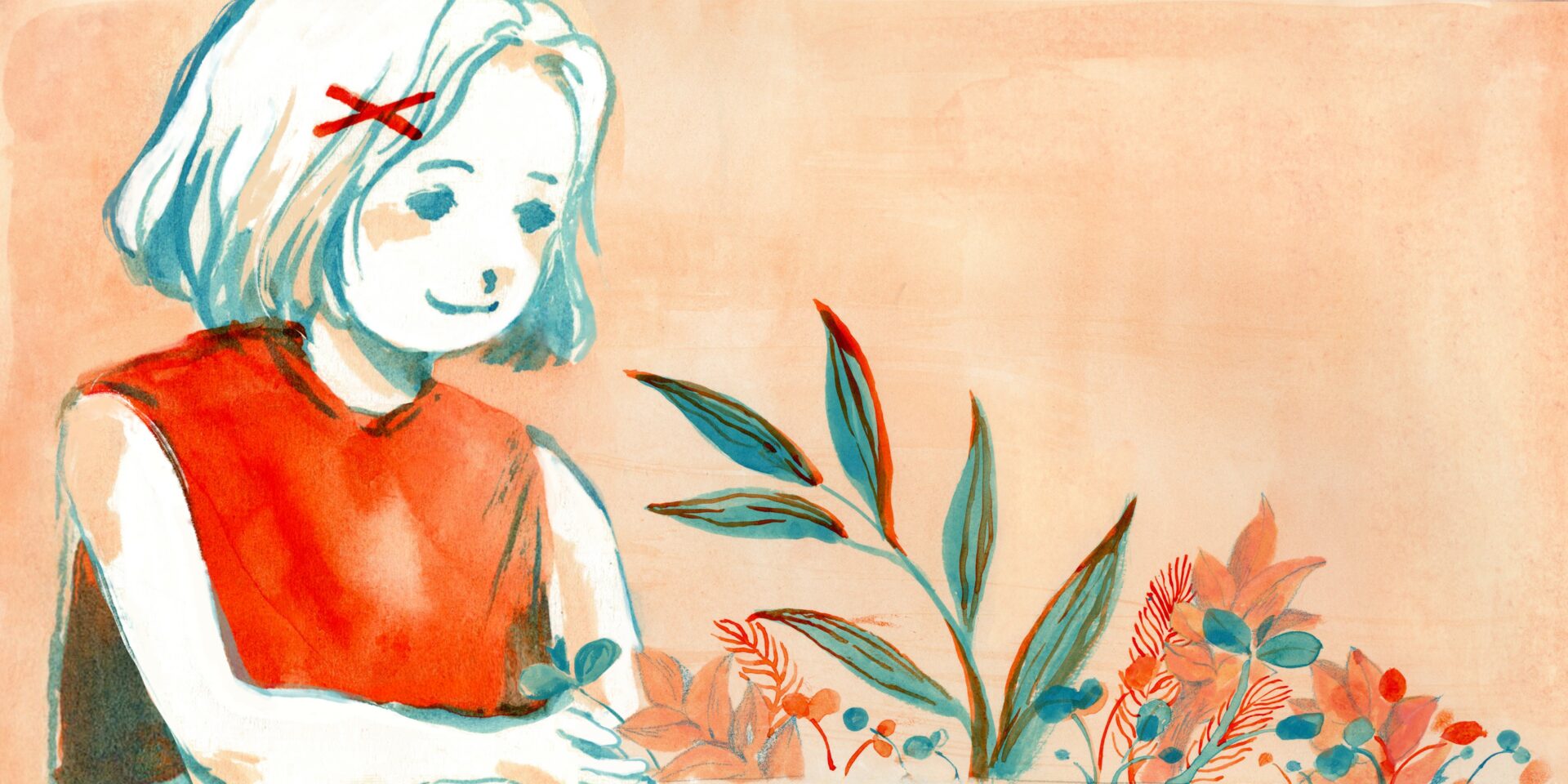
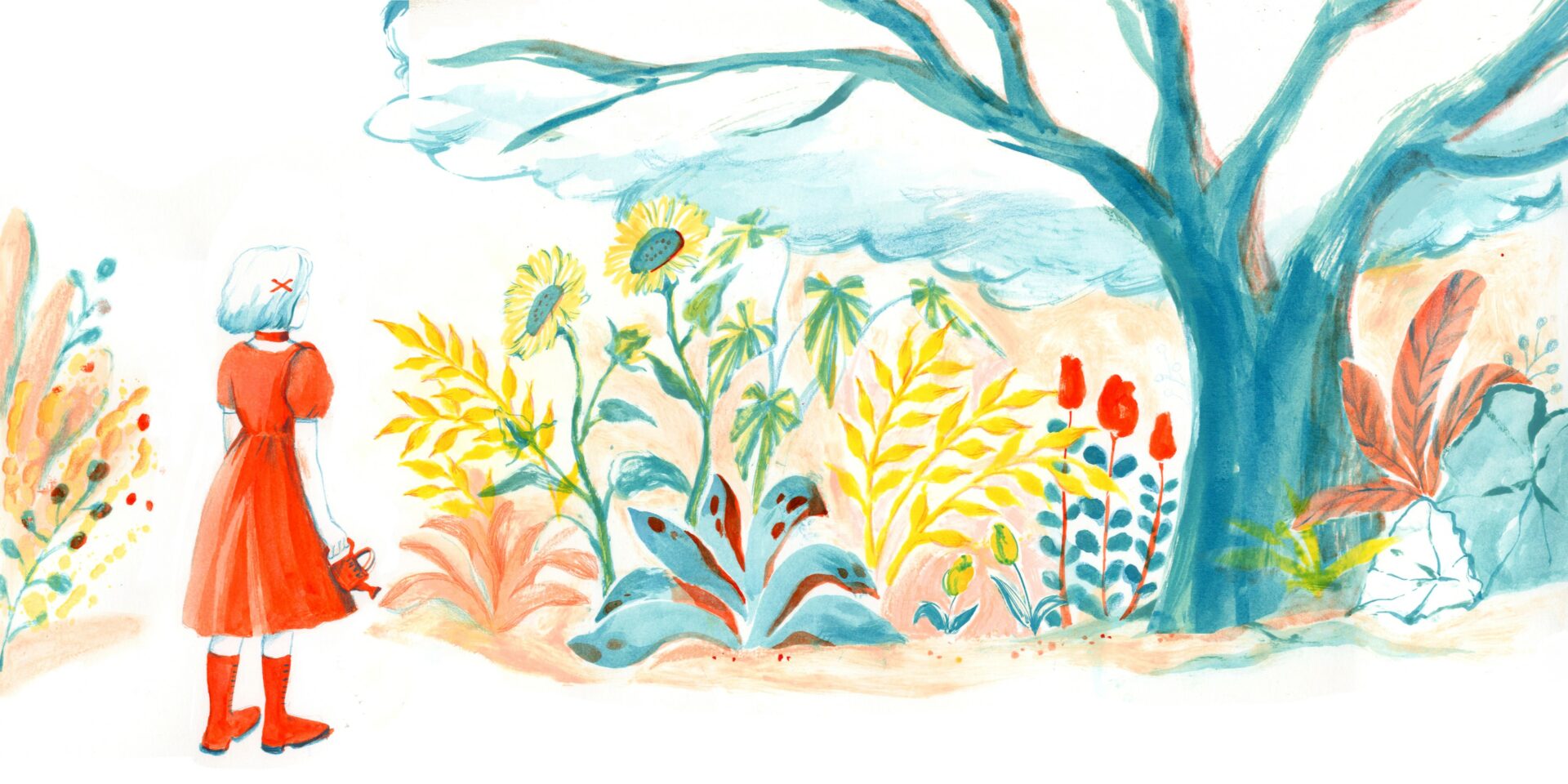
I am a children’s book illustrator, and my goal is to create vibrant and imaginative visuals for young readers. I love illustrating characters, capturing their emotions and movements with expressive, relaxed lines. Bright, saturated colors are a key part of my work, and I especially enjoy using the limited color palette.
To create illustrations for children, I believe it’s essential to keep a childlike heart. How can a simple story be told in a fun and engaging way? How can I find beauty in everyday moments? I solved these problems by shifting my perspective to see the world through a child’s eyes. This allows me to discover fascinating details and reflect on thoughts that adults often overlook. This process is what excites me most about creating picture books—it keeps my creativity fresh and makes every project unique.
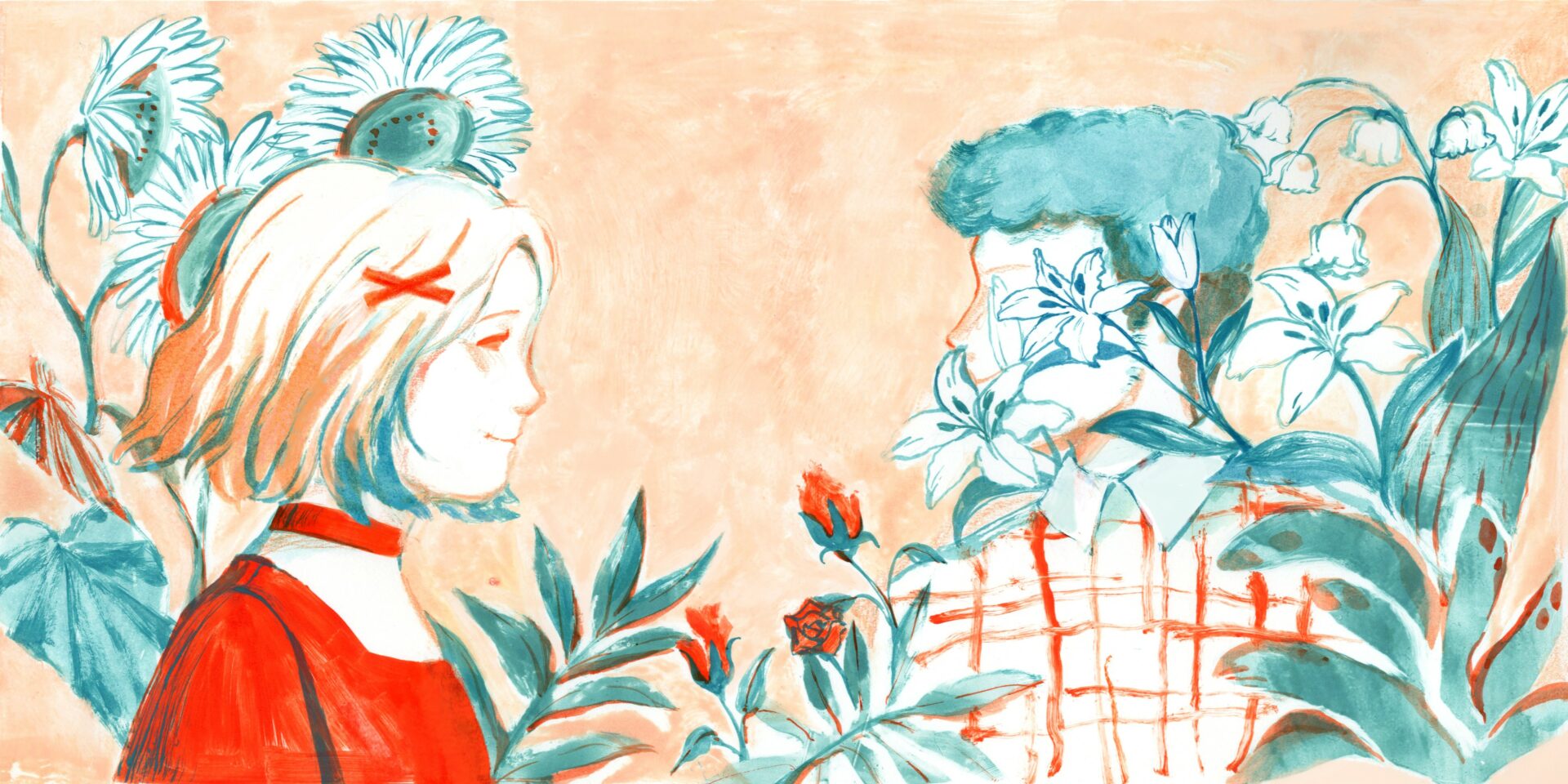
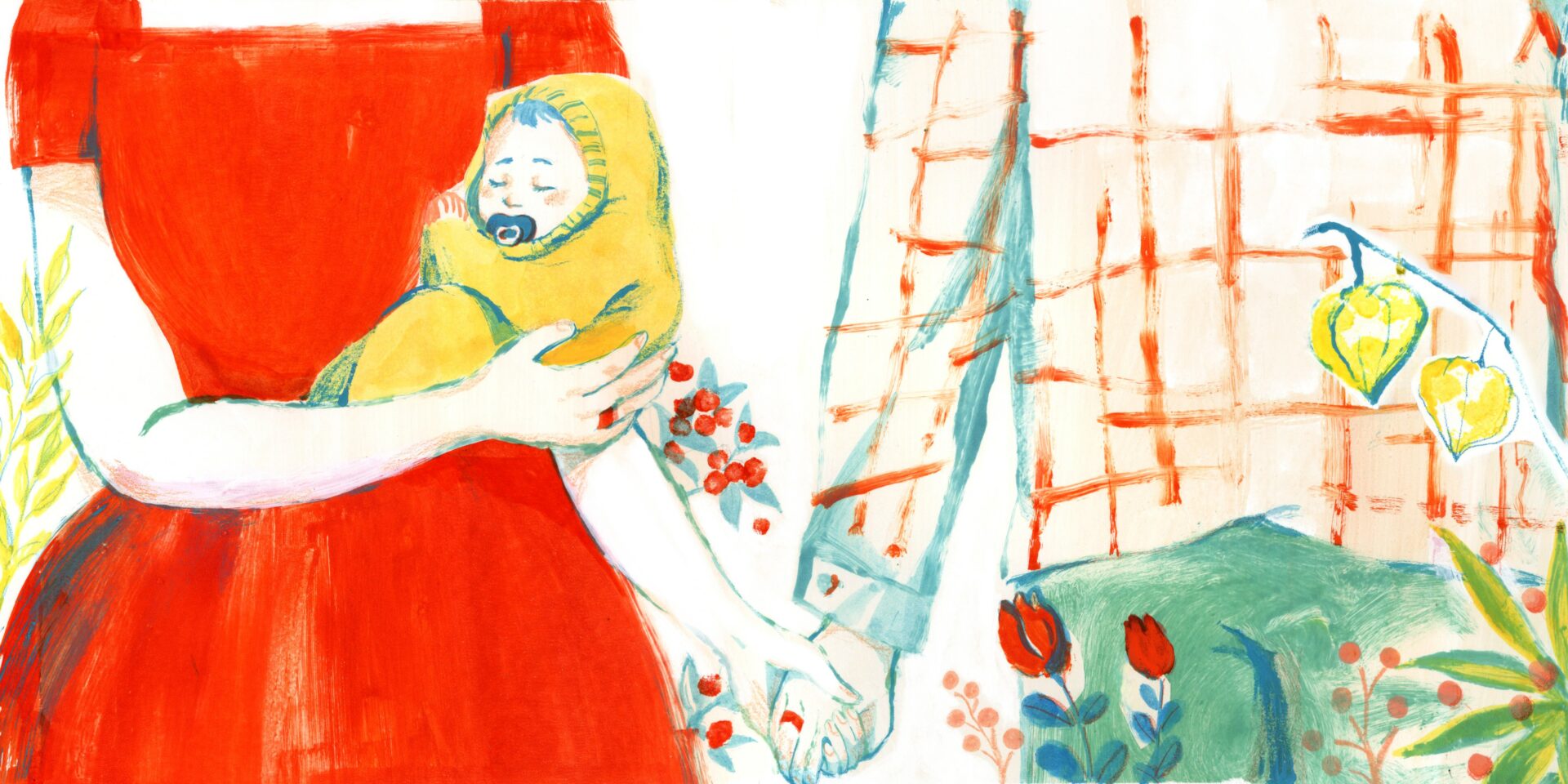
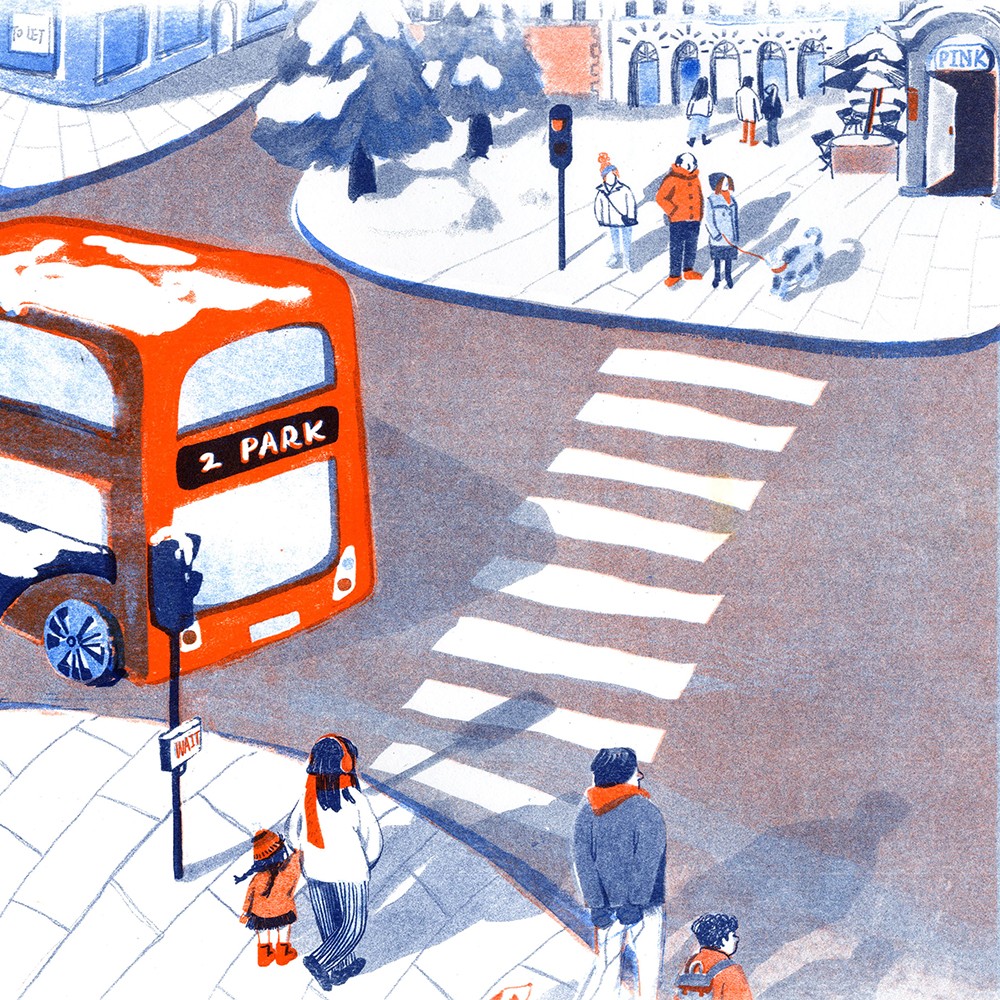
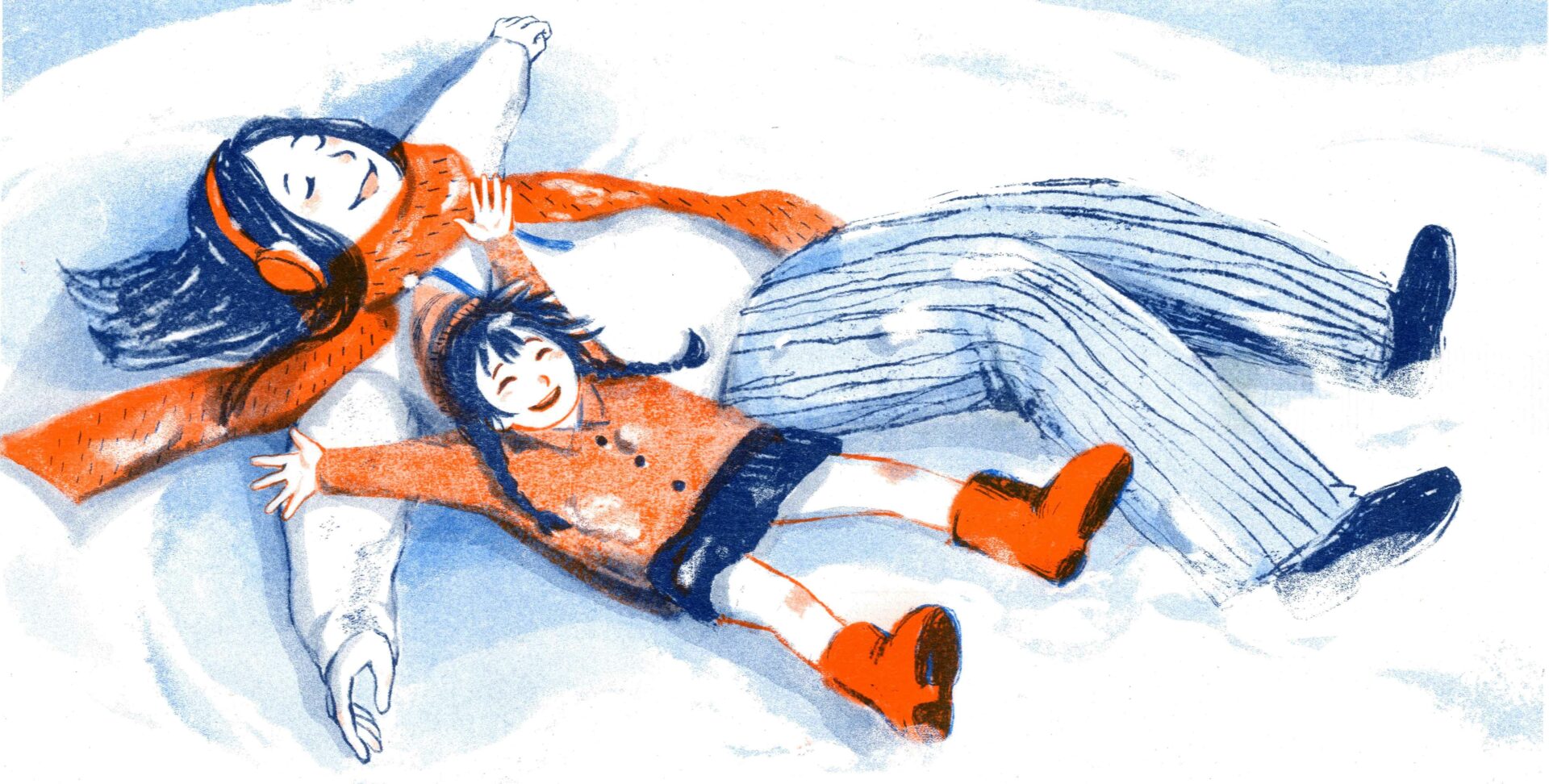
As a graduate of Cambridge School of Art, I am currently working on three picture books. The Garden was one of my graduation projects, where I used my signature vibrant colors and color transitions to tell a story about the cycle of life. Another project, Give Me Back My Sunglasses!, is an exploration of new materials and character design—I experimented with pastels, a material I had never used before, and focused on illustrating animal characters, which was a fresh challenge for me. Before these, I created I Love Snow!, a wordless picture book using only an orange and blue color palette. All three books will be showcased at the Bologna Children’s Book Fair, where I hope to further discover the children’s publishing industry.
Looking back, what do you think were the three qualities, skills, or areas of knowledge that were most impactful in your journey? What advice do you have for folks who are early in their journey in terms of how they can best develop or improve on these?
For me, three essential qualities as an illustrator are persistence, keen observation, and an endless sense of curiosity.
Artistic talent and technical skills are valuable, but the most important factor in improving as an illustrator is persistence. Rather than overthinking the creative process in my mind, I prefer to put ideas onto paper as soon as they come to me. Even if the initial sketches are rough, incomplete, or not visually appealing, the act of drawing them out is crucial. This allows me to refine and develop my concepts into finished pieces. That’s why drawing every day—whether through sketches or doodles—is so important. No matter how busy life gets, I believe in never stopping the act of drawing.
Observation is another key skill, especially since I often work from life. The more attentively you observe something while sketching, the better you understand how to depict it. Storing these observations in your memory helps you incorporate them naturally into your work, rather than relying solely on reference images. Strong observational skills also enhance the details in an illustration. Whether in picture books or commercial illustration, every element within a composition carries meaning. The ability to arrange these visual details effectively is largely developed through careful observation of the real world.
Finally, curiosity is what drives continuous growth. Once an illustrator establishes a personal aesthetic, their work naturally aligns with that style. However, staying too long in a creative comfort zone can lead to stagnation. Exploring new subjects, experimenting with different artistic techniques, and integrating these discoveries into one’s style is essential for long-term creative evolution. Keeping a curious mindset allows me to keep pushing boundaries and improving as an artist.
As we end our chat, is there a book you can leave people with that’s been meaningful to you and your development?
A book that has played a significant role in my development is Illustrating Children’s Books: Creating Pictures for Publication by Martin Salisbury, a professor at my university. This book provides a systematic introduction to the key aspects of picture book creation, along with an overview of the publishing industry. As someone who originally studied textile design in my undergraduate years and later transitioned to children’s book illustration in my master degree, I found it incredibly helpful.
One of the most valuable things I gained from this book was its exploration of different artistic techniques in picture book illustration. Seeing various approaches laid out side by side made me realize that mastering a medium doesn’t necessarily require formal training in a traditional academic system. Instead, experimenting—”playing” with materials—can be the best way to discover what works for you. There is no single “correct” way to illustrate; what matters most is finding the approach that suits you best. This concept helped me understand that developing a personal visual language comes from exploration, curiosity, and hands-on experience.
Contact Info:
- Website: https://www.cynthiazhuang.work
- Instagram: cynthiazhuang85
- Linkedin: https://www.linkedin.com/in/cynthia-zhuang-8b1627344

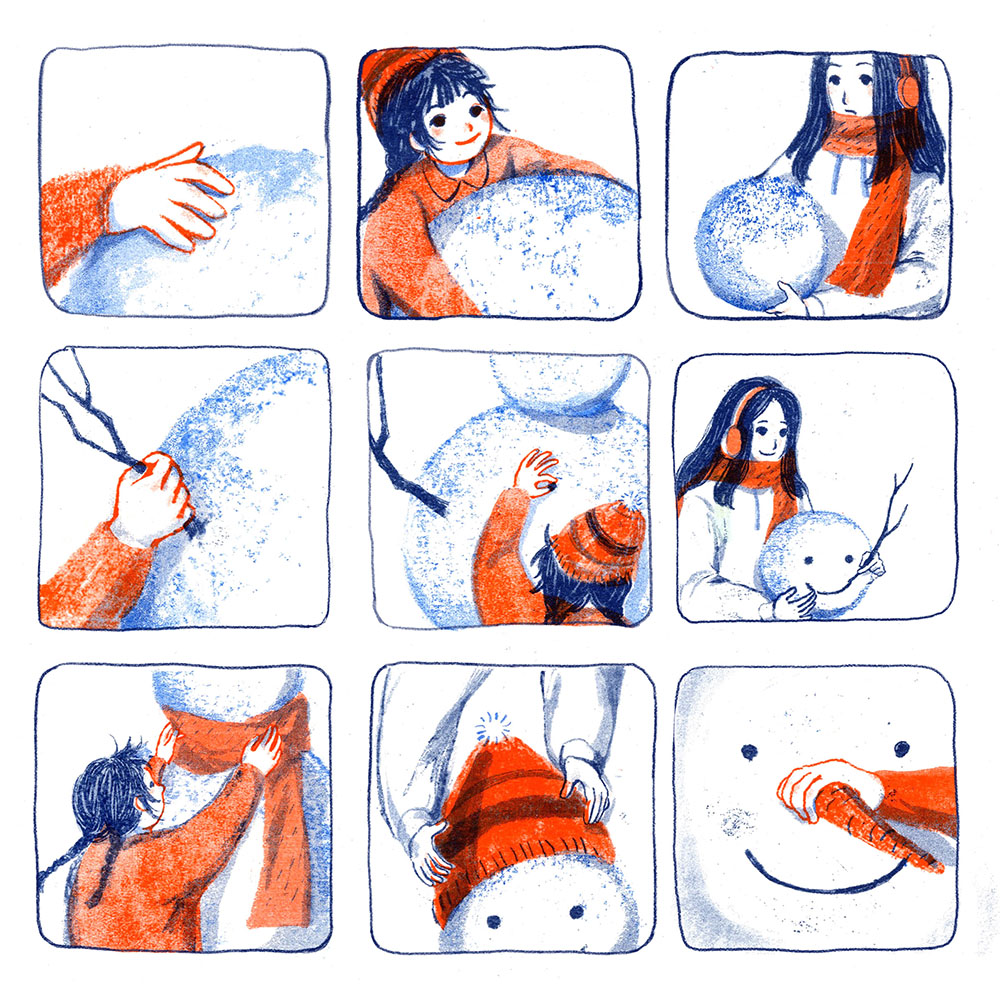
Image Credits
Illustrations from my picture book.
so if you or someone you know deserves recognition please let us know here.