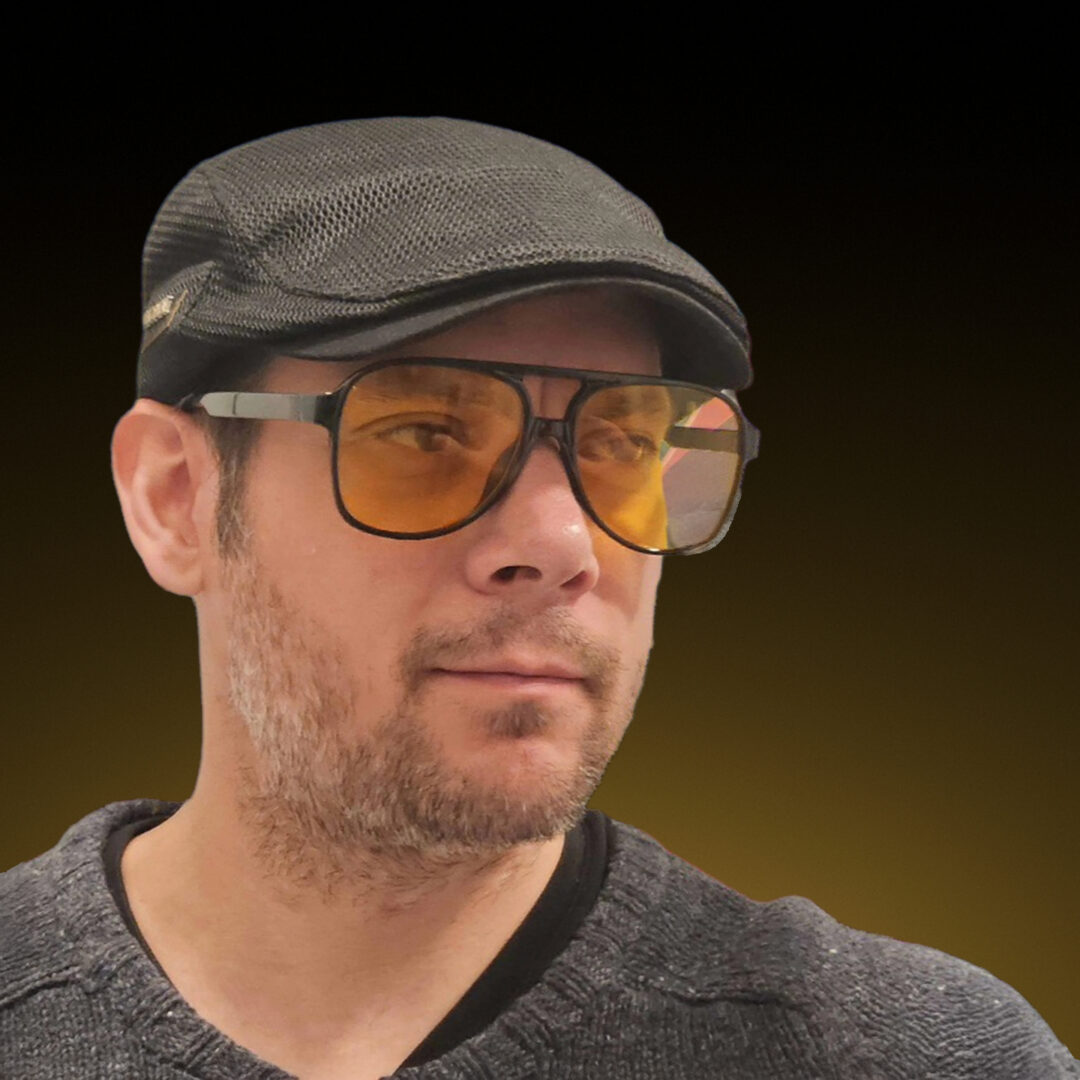
We caught up with the brilliant and insightful DAMIEN BARTLETT a few weeks ago and have shared our conversation below.
Hi DAMIEN, appreciate you sitting with us today to share your wisdom with our readers. So, let’s start with resilience – where do you get your resilience from?
My resilience comes from building myself in stages — long before I had any training, connections, or a clear path — and choosing to start anyway.
My first exposure to creativity happened in 1996, when I studied Media Design and Communication in the UK. It was mostly photography and entertainment theory with a little filming mixed in. It didn’t teach me cinematography or screenwriting, but it planted the idea that I belonged in the creative world, even if I had no idea how to break in.
Fast-forward to 2010, when someone asked me if I had ever written a screenplay. I hadn’t. Then they asked if I’d like to try. I had absolutely no idea where to begin, so I did the simplest thing possible: I Googled “how to format a screenplay.” That’s literally how my filmmaking journey started — page by page, mistake by mistake, with no training or roadmap. It taught me that if something calls to you, you move toward it, even before you feel ready.
A few years later came the moment that really shaped my mindset. I met Lenny Windsor, the British comedian and Las Vegas performer who wrote for The Benny Hill Show. He was the first person with real entertainment experience who encouraged me directly. I asked him, “How do I get into making TV shows?” I expected a long explanation. Instead, he laughed and said, “Stop overthinking it. Go out there with a camera and your friends and film your TV pilot. You’ve already got a camera.” That sentence cut straight through every excuse I didn’t even realize I was making.
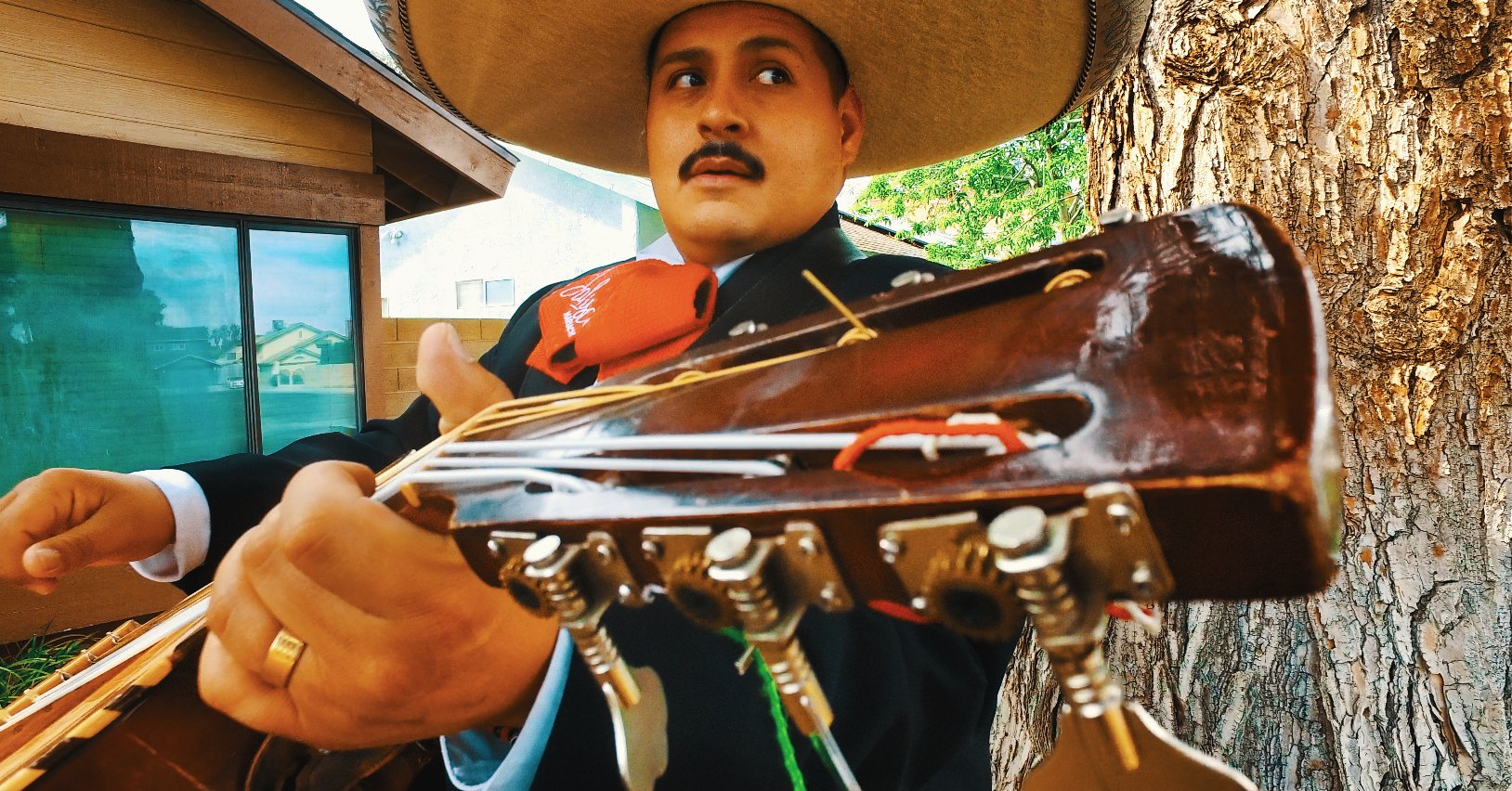
Around 2016, I took my first real film course — the same one Quentin Tarantino took with Dov S-Simmons. His guerrilla filmmaking philosophy was exactly what Lenny had been telling me: stop talking about making films and go make them. By that point, I understood film school was fuel, not permission.
Those milestones — media school in ’96, writing my first screenplay in 2010, Lenny’s push in 2016, and the Dov S-Simmons training — formed the backbone of my resilience. Every time my career evolved, it was because I started before I felt ready.
Over the years, I’ve had to reinvent myself constantly: from photography to video, from client work to directing, from traditional filmmaking to pioneering hybrid-AI cinema. None of that came with instructions. Every stage required stepping into the unknown and growing into the version of myself who could handle it.
There were long stretches where I was shooting nonstop, editing through the night, learning new tools alone, raising my daughter, and trying to build something bigger than my circumstances. There was no safety net — just momentum and the refusal to quit.
Now, as I develop a new hybrid cinematic pipeline combining live performance, motion capture, AI pipelines, and cinematography, I rely on the exact same resilience. There’s still no map. But there wasn’t one when I wrote that first screenplay either — and I figured that out.
To me, resilience is choosing action over hesitation and becoming the person the next chapter requires, even if you have to Google the first step.
Thanks, so before we move on maybe you can share a bit more about yourself?
I’m a Hybrid-Cinema Director, Photographer, and the Founder of Undisputed Visual Media (UVM Film Studio), where my focus is on creating a new style of filmmaking that blends traditional cinematography, motion capture, and next-generation AI tools. What excites me most about my work is that we’re not just adapting to new technology — we’re actively shaping what the future language of cinema will look like. I’m building pipelines and processes that didn’t exist even a year ago, and that freedom to innovate is what drives me every day.
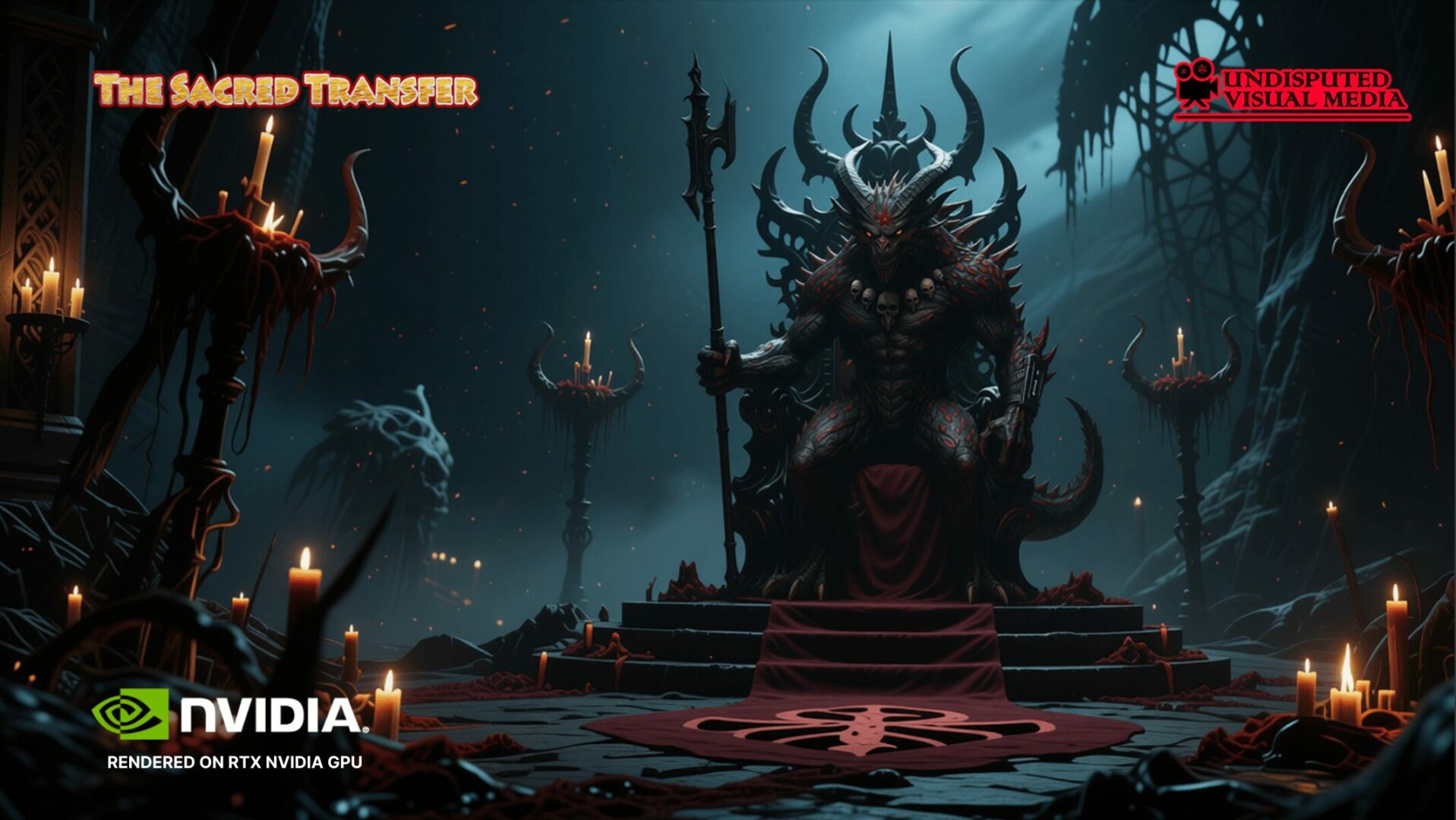
My flagship project is The Sacred Transfer, a sci-fi film that merges live actor performances, motion capture, and multi-pass AI workflows to create a visual world that feels both grounded and otherworldly. The goal isn’t to replace filmmakers or actors with AI — it’s to empower them. We’re proving that advanced cinematic storytelling can be achieved by small independent teams without sacrificing quality or human expression. AI becomes an enhancer, not a substitute.
Alongside the film, Undisputed Visual Media continues to produce photography and video content for brands, events, artists, and businesses across Las Vegas. What makes our studio unique is our ability to combine real-world production experience with cutting-edge AI-enhanced workflows. Whether it’s a commercial, a music video, a narrative piece, or a social campaign, we can move quickly while delivering work that looks cinematic and intentional.
Right now, we’re expanding our hybrid-cinema pipeline even further. We’re developing new workflows that integrate AI seamlessly into the filmmaking process — not as a shortcut, but as part of the creative grammar. We’re also building relationships with emerging tech companies, futurist legacy directors, and creatives exploring the next evolution of storytelling. These collaborations are helping shape what independent filmmaking can become as artistry and technology continue to merge.
Overall, my work is about storytelling, innovation, and challenging the idea that you need a massive studio system to produce visionary cinematic work. This next chapter for UVM Film Studio is about expansion — new tools, new partnerships, new stories, and creating films that feel like they’re coming from the ‘ past, present, and future ‘ : all at once.
If you had to pick three qualities that are most important to develop, which three would you say matter most?
Looking back, the three qualities that had the biggest impact on my journey were:
(1) learning by doing,
(2) adaptability,
(3) and storytelling instinct.
1. Learning by Doing
My entire career is built on taking action before I felt “ready.” I wrote my first screenplay by Googling how screenplays were formatted. I shot my first TV pilot because Lenny Windsor told me to stop overthinking it and go film something with the camera I already had. Every major step in my path came from experimenting first and figuring out the details second.
My advice: don’t wait for permission, funding, or the perfect moment. Start small, start messy, but start.
2. Adaptability
The industry changes constantly — especially now with AI reshaping how films are made. I’ve had to reinvent myself many times: photographer to filmmaker, filmmaker to director, director to hybrid-cinema creator. Every shift required letting go of old habits and embracing new tools, new workflows, and new ways of thinking.
My advice: stay curious, stay flexible, and don’t be afraid to evolve. The people who adapt win the long game.
3. Storytelling Instinct
Technology is powerful, but it means nothing without the human element. Whether I’m shooting traditionally or building multi-pass AI cinematic sequences, the heart of the work is always story — emotion, character, pacing, energy, intention. That instinct came from years of observing people, studying photography, writing, experimenting, and trusting my own voice.
My advice: sharpen your storytelling through practice. Watch films, analyze scenes, write ideas down, take photos, study light, listen to people. Story is the one skill that translates across every tool and every era.
For anyone early in their journey: focus on momentum, adaptability, and storytelling above everything else. Skills can be learned, tools will change, but those three qualities stay with you for life and shape every chapter of your creative career.
What is the number one obstacle or challenge you are currently facing and what are you doing to try to resolve or overcome this challenge?
The biggest challenge I’m facing right now is learning to operate inside a completely new filmmaking reality while rebuilding my entire creative process from the ground up. One moment that felt similar was when I was invited to test-direct on a virtual-production stage. I said yes, but the second I walked into the volume, it hit me how different this world really is. I literally had to sit down on the floor for a moment just to get my bearings.
In traditional filmmaking, you move the camera through a physical environment.
In virtual production, the entire environment moves around the camera.
You’re not just directing in 3D space — you’re thinking in multiple dimensions at once, inside a living digital world that reacts to every decision you make.
That experience showed me exactly how rapidly filmmaking is evolving — and how much mental rewiring it takes to stay ahead of it.
Over the last six months, that rewiring has become my daily reality. I’ve had to break apart everything I knew about production and rebuild a hybrid-cinema pipeline that merges live performance, motion capture, and multi-pass AI workflows. There’s no manual for this. No established workflow. No mentor who has already solved the problems I’m facing. It has been the most challenging and exhausting period of my career.
It’s overwhelming at times. I’m tired, but I feel like it’s exactly where I’m supposed to be.
I’m not trying to replace filmmakers or actors with AI — I’m trying to empower them. I’m building a new cinematic language that lets small independent teams tell stories that once required massive budgets and studios. Every day, I’m solving problems no one has solved yet, adapting to technologies that change weekly, and creating workflows that didn’t exist a year ago.
The challenge is heavy — but the mission is heavier. And that mission is what keeps me moving through the hardest parts.
Contact Info:
- Website: https://www.undisputedvisualmedia.com
- Instagram: @undisputedvisualmedia
- Linkedin: https://www.linkedin.com/in/damien-j-bartlett
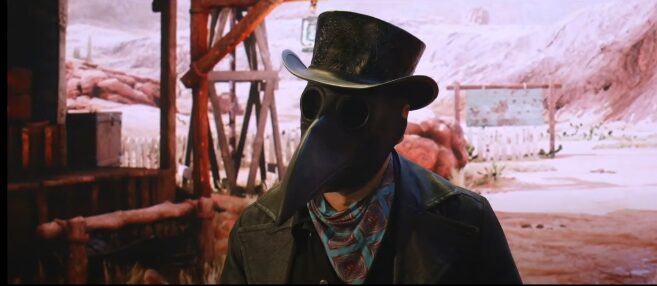
Image Credits
ALL IMAGES CREDITED TO: UNDISPUTED VISUAL MEDIA, UVM FILM, THE SACRED TRANSFER
so if you or someone you know deserves recognition please let us know here.