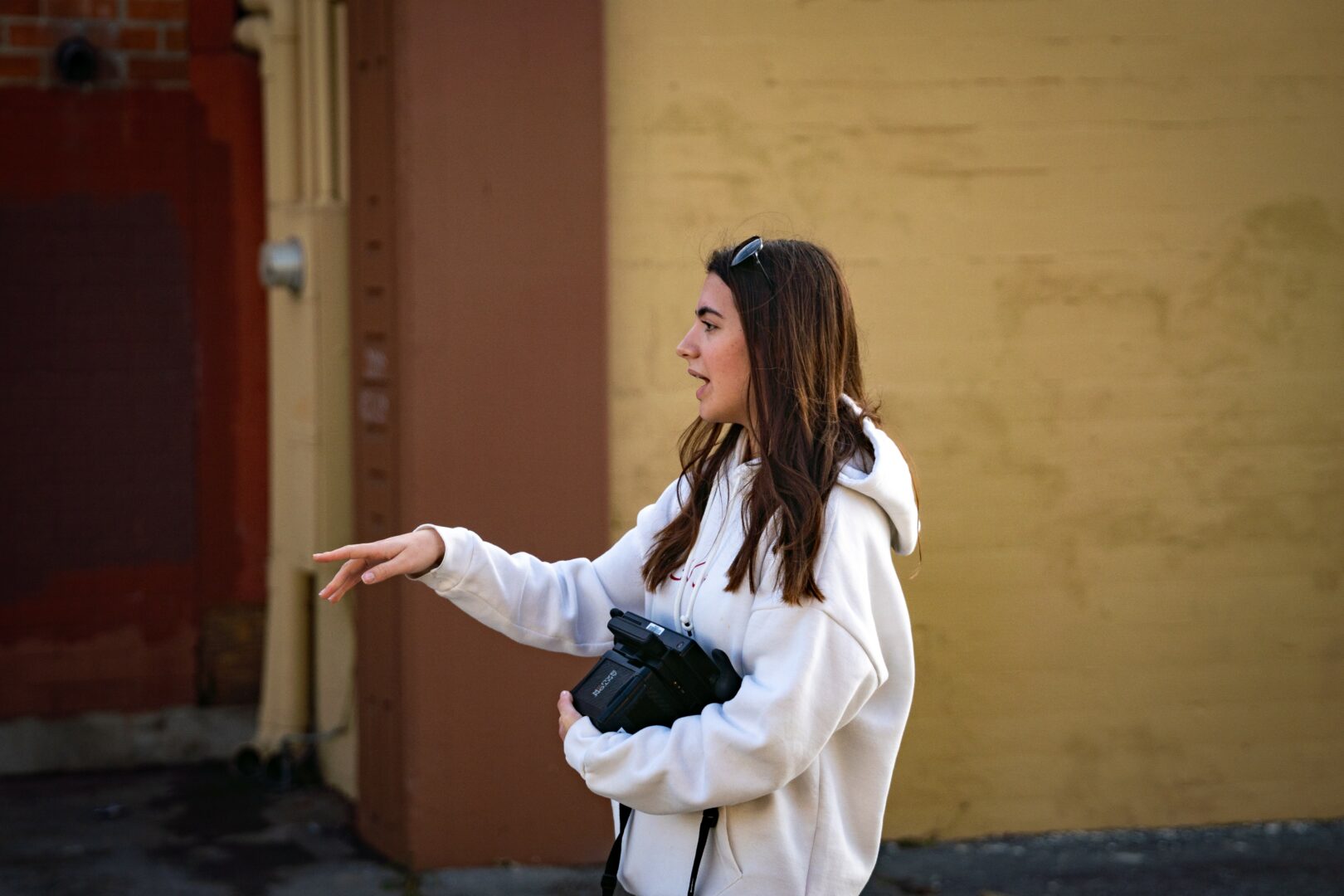
We’re excited to introduce you to the always interesting and insightful Daniella Raphaël. We hope you’ll enjoy our conversation with Daniella below.
Hi Daniella, really happy you were able to join us today and we’re looking forward to sharing your story and insights with our readers. Let’s start with the heart of it all – purpose. How did you find your purpose?
Through filmmaking I have found a way to materialize my imagination and use it to elicit the deepest emotions from my audience. Film, at its core, is the art of playing with human emotion, so I’ve always ask myself how much can one feel from a character, a story, a single shot?
My dream began when I was six years old, watching The Wizard of Oz. I was mesmerized by the moving images, the shift from black and white to color, and the music. I felt elated and strangely free, though I couldn’t explain why. I was too young to articulate it, but something ignited within me that day. From then on, I chased that feeling however I could. I began in theatre. I auditioned for every school play, attended drama classes after school, and immersed myself in performing. I loved it, but something was missing. I felt as though I was constantly nearing satisfaction yet never fully reaching it.
At fourteen, I received my first camera and attempted to make a short film, a silent one, inspired by the old films I had watched growing up. For the first time, I felt entirely free. I wasn’t stepping into someone else’s fantasy; I was creating it. It was thrilling and from that moment on, I never stopped writing and directing.
Arriving at USC’s School of Cinematic Arts, I was surrounded by people who loved film as fiercely as I did. As I began to experiment more boldly with genre, tone, and theme, I slowly realized that many of the stories I told reflected things from my own life, which I wasn’t even aware of.
One of these stories was my junior thesis, Le Beyrouth. The film follows a family surviving a night of bombing during the Lebanese Civil War. Only after making it, did I realize the family on screen was a replica of my own with the same dynamics, tensions, and coping mechanisms. When it premiered at the LA Shorts International Film Festival, I saw many members of the audience have a strong emotional reaction it, and I felt a strange sense of satisfaction. Whilst one should never smile at another’s tears, I allowed myself to because I realized my imagination had touched someone deeply. That is when I understood my purpose.
While I may play with imagination, I cannot do so without engaging the fabric of my own life. Since my Junior Thesis, I’ve continued to pursue imaginative stories grounded in my emotional experience that resonate with audiences. My latest short film, though set in Lebanon, speaks to anyone who understands that while leaving home is painful, returning can be even more so. In making it, I discovered that specificity does not limit a story; it expands it. By anchoring imagination with personal experience, I was able to transform a culturally specific narrative into one that resonates universally.
Through such projects, I have come to realize that my purpose is to marry imagination with lived experience. Only then can I elicit genuine empathy from an audience. It is in the union of the personal and the fantastical that stories can speak to a shared feeling.
Great, so let’s take a few minutes and cover your story. What should folks know about you and what you do?
I’m a British Lebanese filmmaker who grew up in London. When I was very young, I wanted to be a clown as I loved entertaining people and making them laugh. Performance fascinated me. But it was when I watched The Wizard of Oz at six years old that I fell in love with films.
I started making short films with my friends in high school. I began by experimenting with silent ones, inspired by the silent era that had so deeply impacted me. Charlie Chaplin and Wings (1927) remain some of my greatest inspirations. I strongly believe film is first and foremost a visual medium, and dialogue should support an image, not replace it.
I went on to study Film & Television Production at the University of Southern California’s School of Cinematic Arts. At USC, I wrote and directed my junior thesis film, Le Beyrouth, inspired by my father’s childhood during the Lebanese Civil War. The film was selected at the Academy Award and BAFTA-qualifying LA Shorts International Film Festival. The experience reinforced my desire to tell stories that are personal yet universally resonant. I was later asked to direct a dance film, Baraye, in honor of the Persian “Women, Life, Freedom” movement. While the film circulated festivals, what meant most to me was how deeply it resonated within the Persian community. It reminded me that cinema can be both artistic expression and cultural dialogue. Most recently, I produced one of four senior thesis films at USC, which premiered at the Santa Barbara International Film Festival. I have also completed my latest 25-minute short, Mon Premier Amour, which I wrote and directed in Lebanon.
As a filmmaker, I seek to marry imagination with lived experience, particularly my cultural experience between the Europe and the Middle East. The most exciting part of what I do is collaboration. Filmmaking brings together people from completely different backgrounds, and through a shared love of cinema, we build something that did not exist before. There is something extraordinary about that collective creation. But the true reward for me is when an audience responds emotionally to my stories. That is when I know I’ve tapped into something deeply human. Looking ahead, I am developing my first feature film, which I plan to produce in Europe.
There is so much advice out there about all the different skills and qualities folks need to develop in order to succeed in today’s highly competitive environment and often it can feel overwhelming. So, if we had to break it down to just the three that matter most, which three skills or qualities would you focus on?
First and foremost: hard work. Nothing meaningful gets built without it. Talent is valuable, but without discipline it rarely sustains itself. Film, especially, is not a romantic profession; it’s logistical, demanding, and often exhausting. Developing a strong work ethic means building daily organization into your life: setting goals, meeting deadlines, following through. The creative spark is important, but structure is what allows it to exist consistently.
Second is collaboration. Filmmaking is inherently collective. One cannot make a film alone, so surrounding yourself with people who share your passion, who are kind, open, and generous, is essential. But collaboration is not just about finding the right people; it’s also being open to other opinions, willing to listen, and secure enough in your vision to let it evolve. Some of my favorite project breakthroughs came from trusting my collaborators.
Third is watching films relentlessly. Growing up, I watched great and terrible films alike. Both are equally educational. Great films inspire you and expand what you think is possible. Flawed films teach you how you might have done something differently. To shape the future of cinema, we must understand and respect its history.
Thanks so much for sharing all these insights with us today. Before we go, is there a book that’s played in important role in your development?
The book that has played the most important role in my development is The Picture of Dorian Gray by Oscar Wilde. It has been my favorite novel for years.
On the surface, it is a warning against vanity and hedonism. Yet paradoxically, the novel itself seduces the reader through its lush, intoxicating language. Wilde makes the beauty seem irresistible despite its danger. That juxtaposition has always fascinated me.
At its core, the novel argues that beauty is meaningless if the soul beneath it is corrupted. Dorian becomes obsessed with preserving his exterior while neglecting his moral interior. One line that has always stayed with me is: “There were moments when he looked on evil simply as a mode through which he could realize his conception of the beautiful.” It’s a chilling idea that one might justify wrongdoing in the pursuit of aesthetic perfection.
As a filmmaker, that resonates deeply. We work in an industry obsessed with image, glamour, and prestige, but Dorian Gray reminds me that artistry without integrity is hollow. A beautiful image means nothing if it lacks emotional or moral truth.
Wilde’s novel is a cautionary tale, but also a mirror. It constantly asks: what are you sacrificing in pursuit of beauty? That question has stayed with me and continues to guide both my art and my life.
Contact Info:
- Instagram: https://www.instagram.com/daniella_raphael_film?utm_source=ig_web_button_share_sheet&igsh=ZDNlZDc0MzIxNw==
- Linkedin: https://www.linkedin.com/in/daniella-raphael
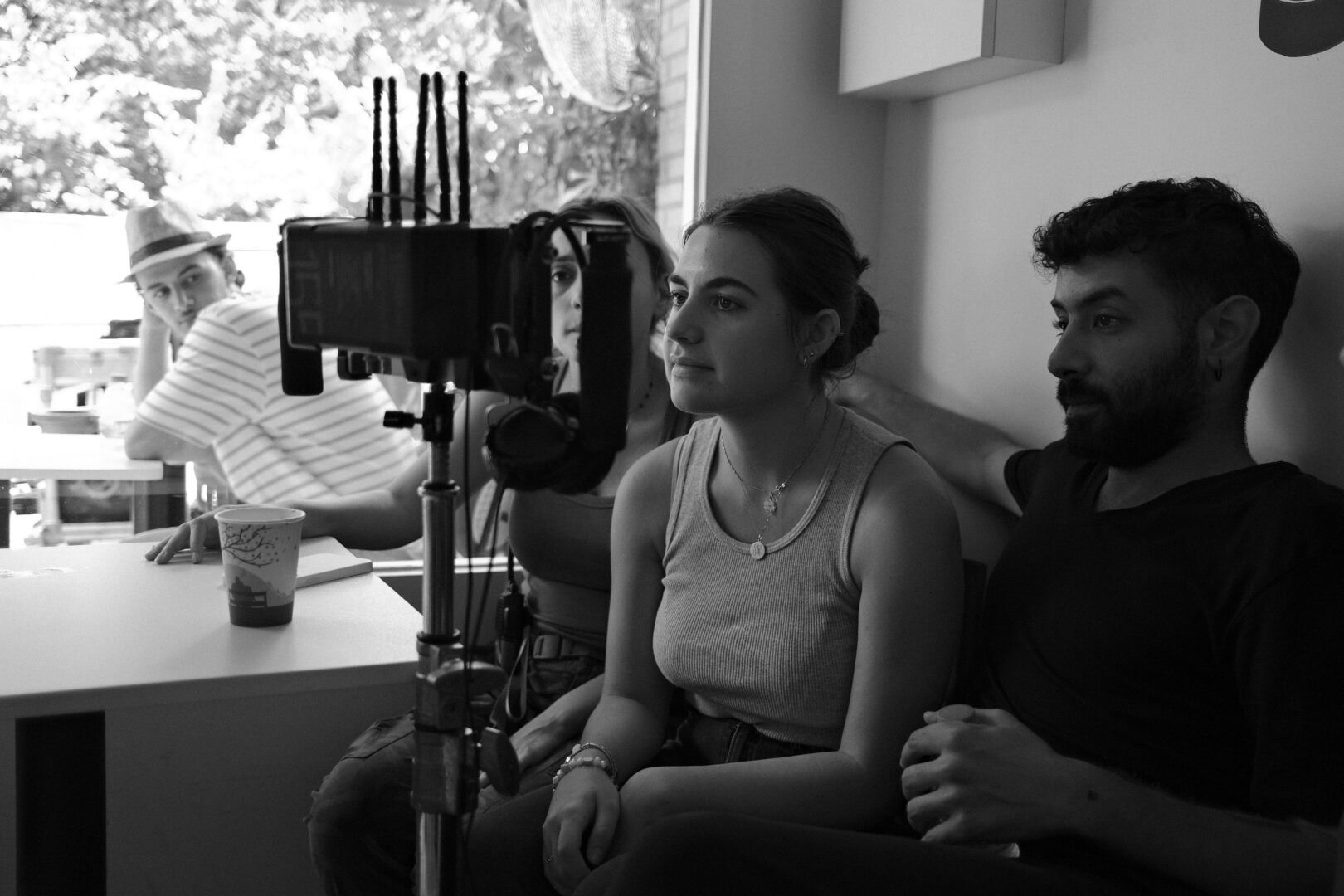
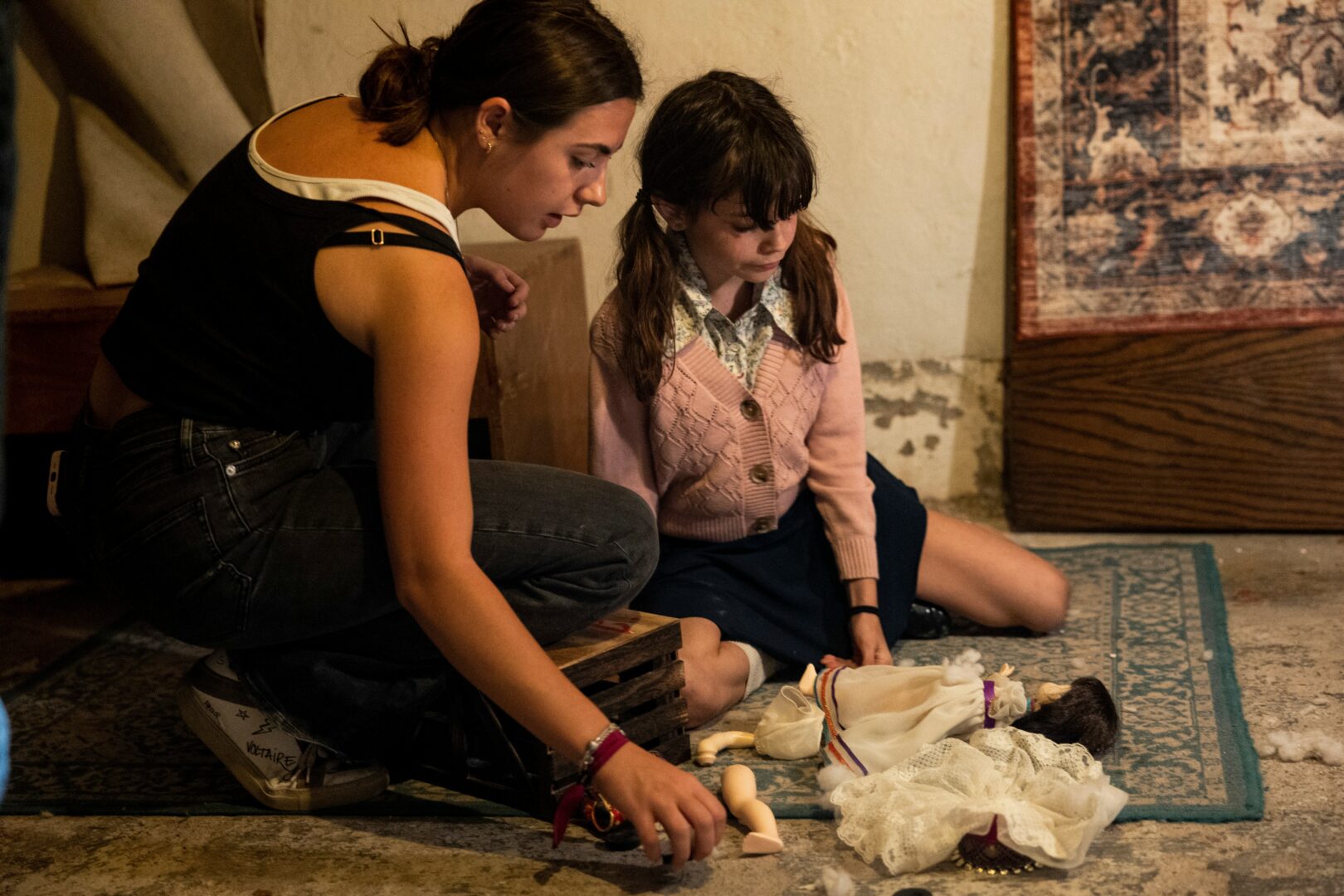
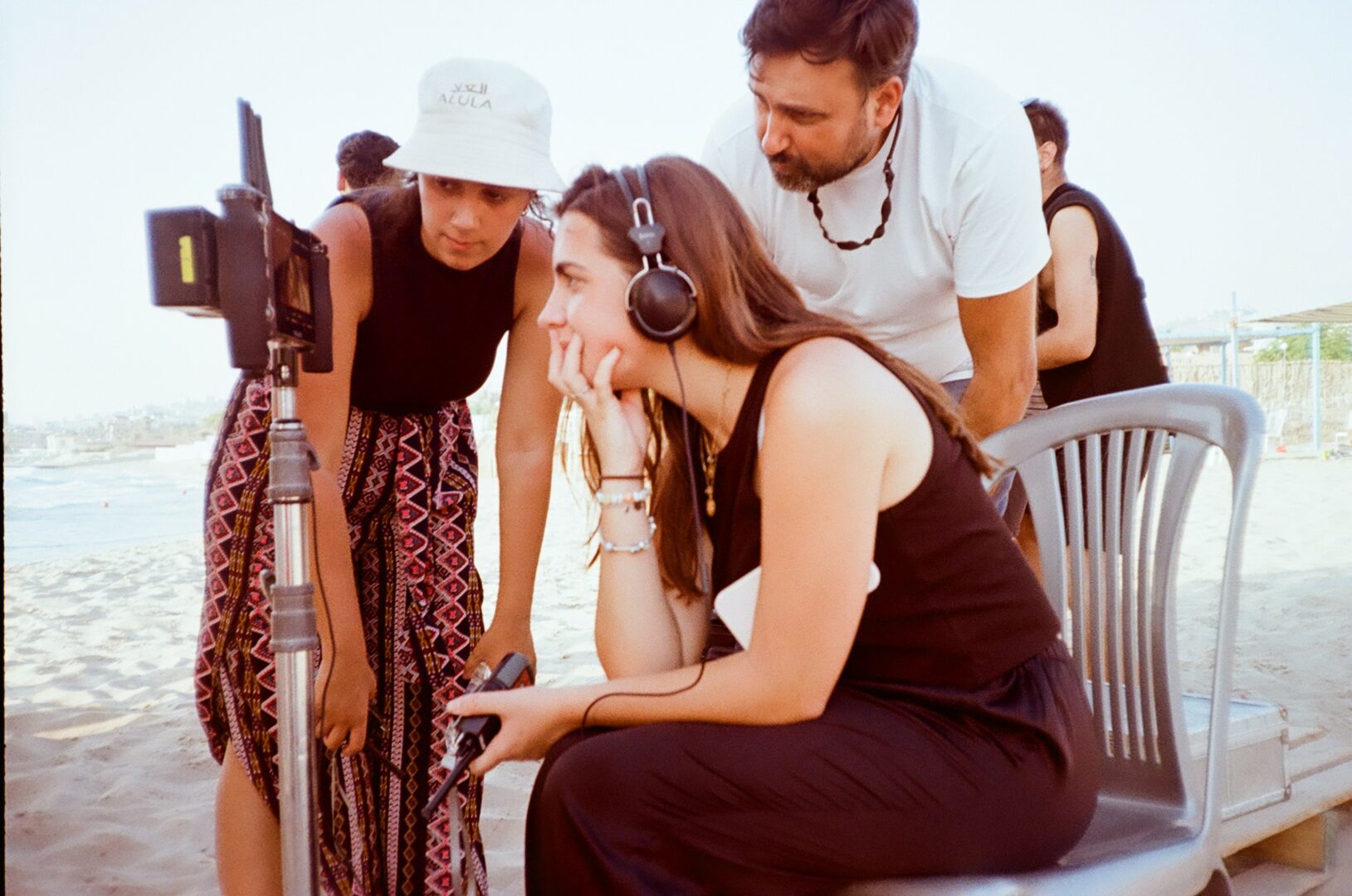
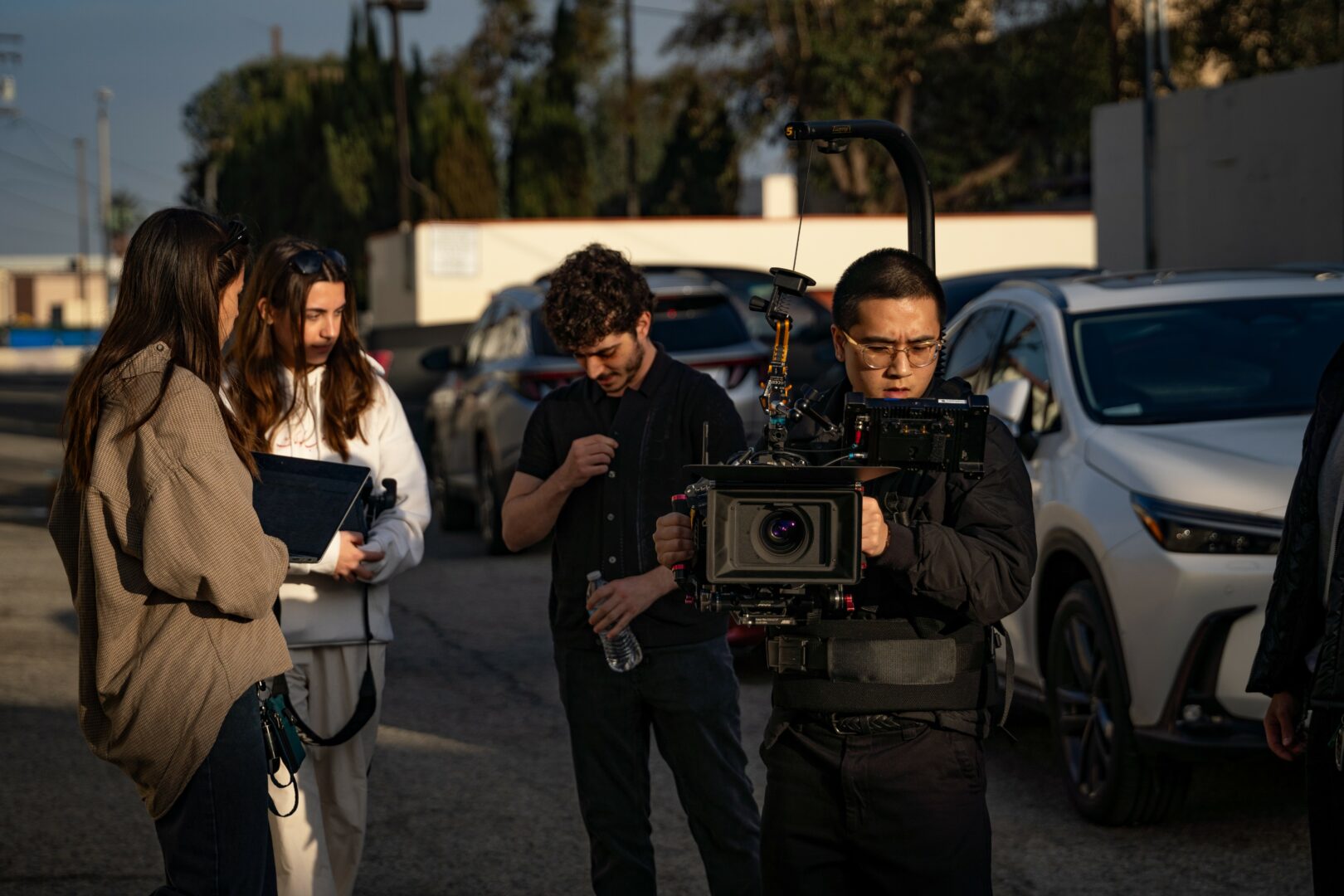
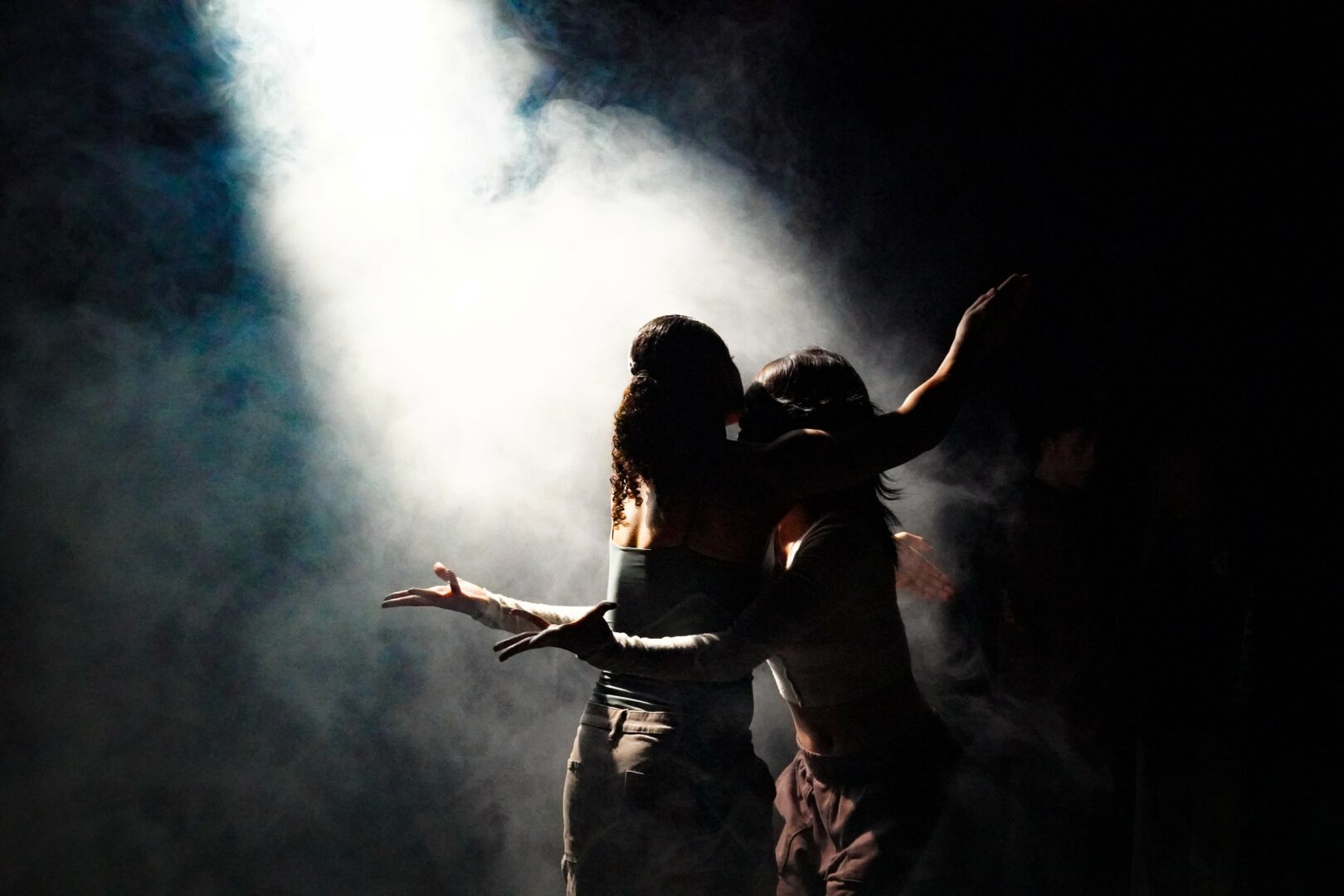
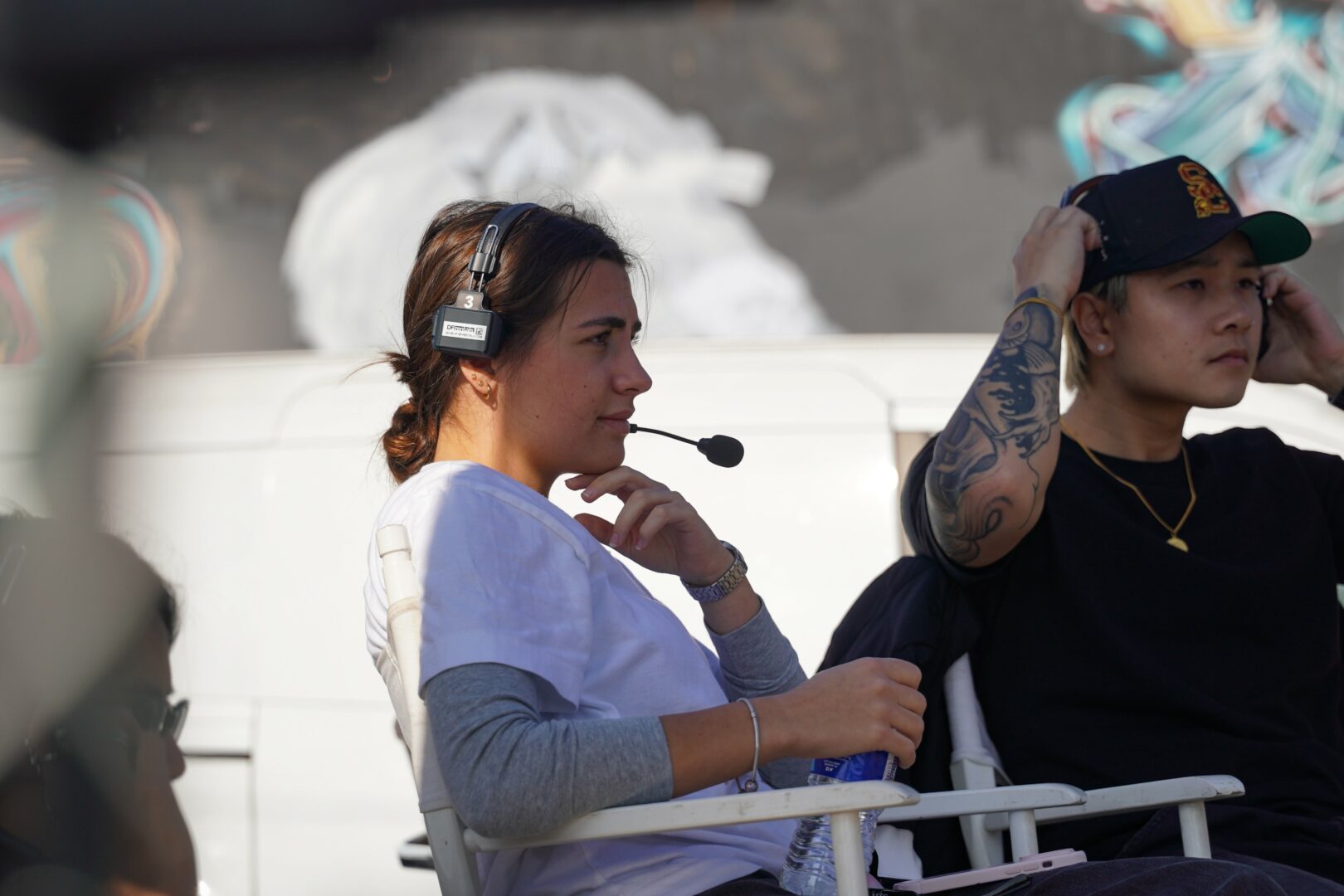
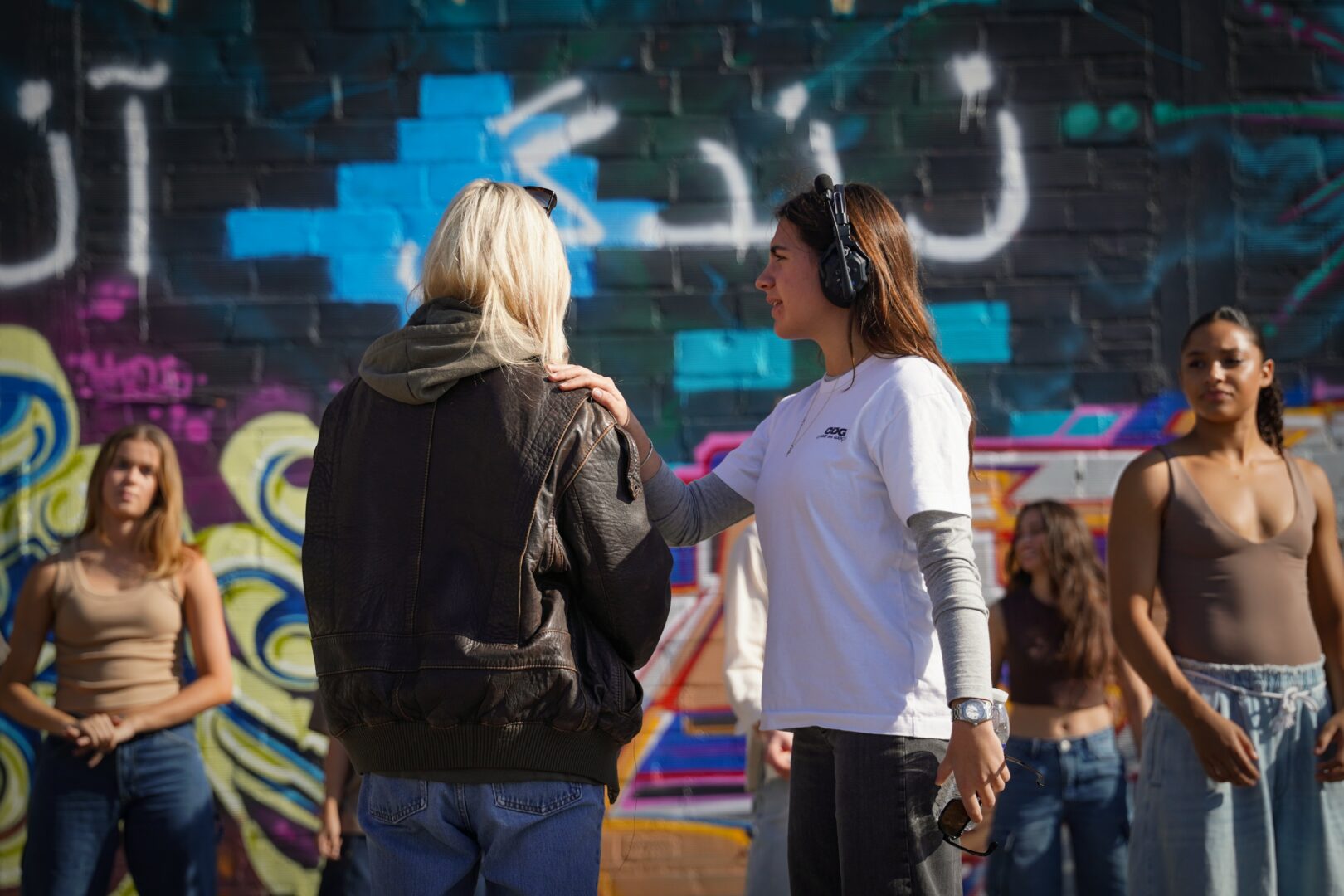
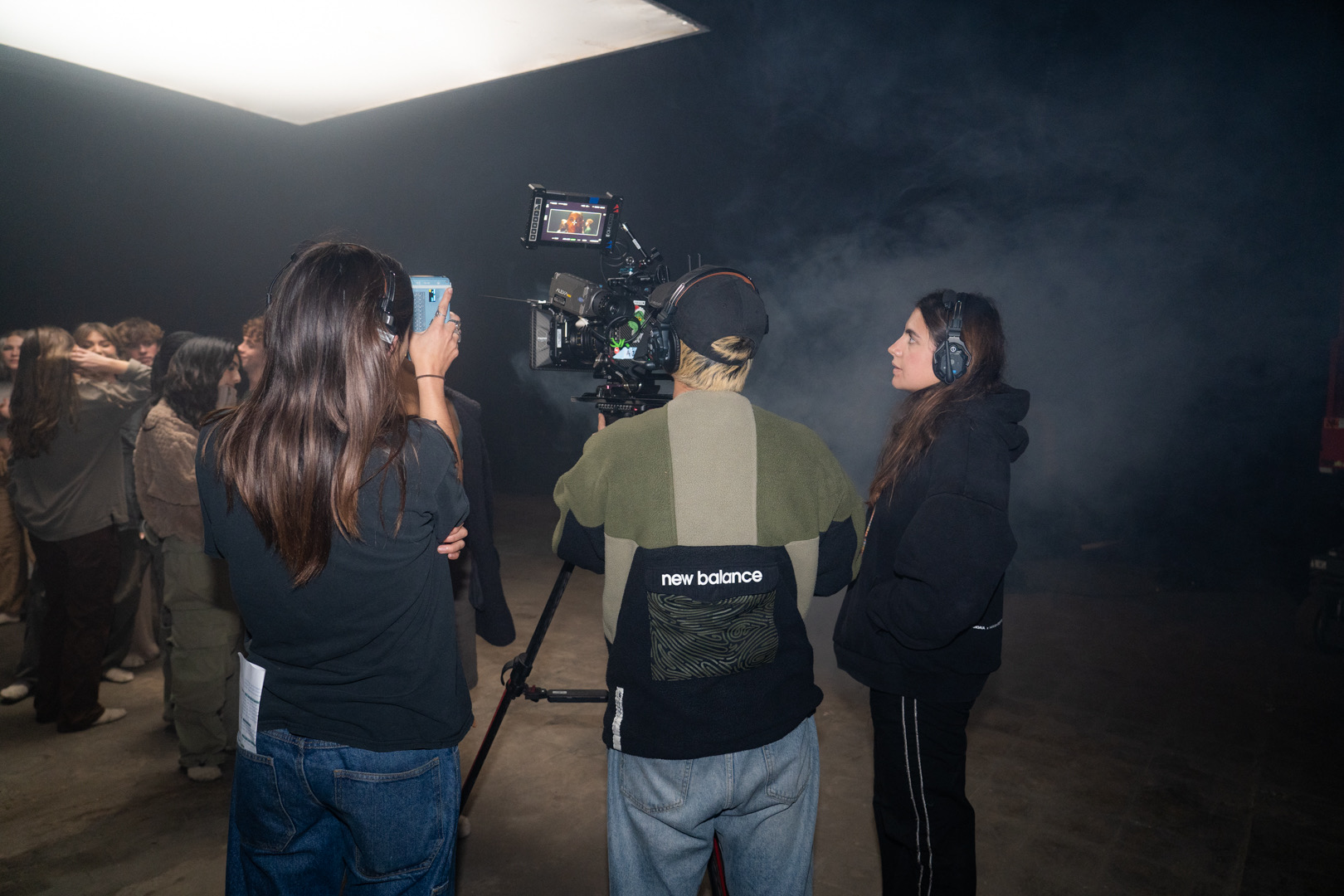
Image Credits
Amy Ge