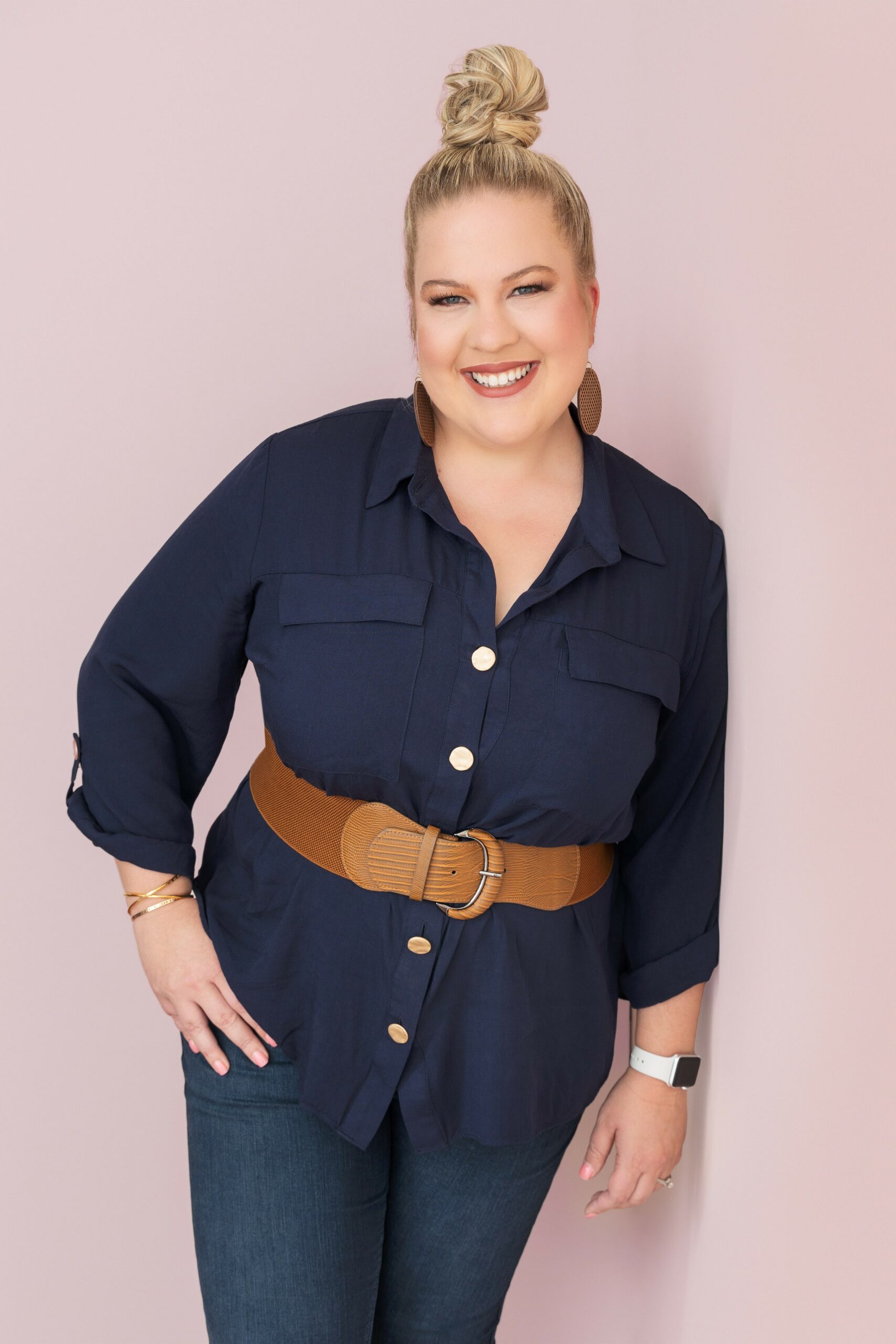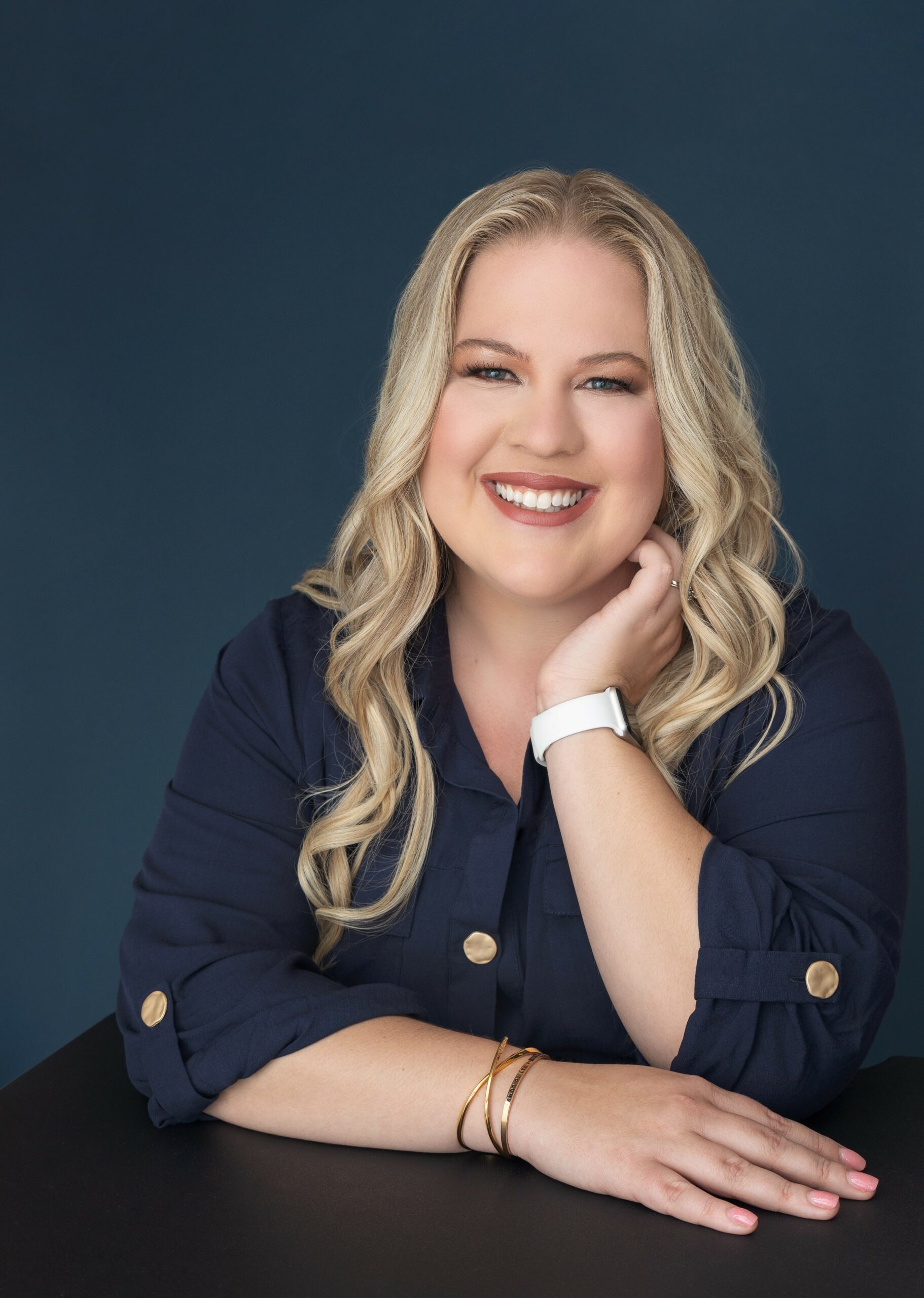
We caught up with the brilliant and insightful Danielle Hendon a few weeks ago and have shared our conversation below.
Hi Danielle, really happy you were able to join us today and we’re looking forward to sharing your story and insights with our readers. Let’s start with the heart of it all – purpose. How did you find your purpose?
I started college as music major, opera actually. I’ve always known I wanted a job that allowed me to do what I love. I sang through high school and that’s what I loved doing the most so I thought it would make the best major/career. I then had an English professor that assigned us all the task of writing a paper on the future of our career. I quickly realized I was not going to be able to afford myself if unless I got to know all the right people or switched to teaching rather than performing. Some of my friends were on the accounting track so I decided to try a few classes and I really liked it. I switched my major, got my masters, and went into public accounting like most accountants do out of college. I honestly loved it. I know a lot of people complain about the hours when you work in a firm (accounting, legal, etc.) and they can be crazy but we had fun.
The “work hard play hard” mentality fit at that stage of my life…until it didn’t. When I was pregnant with my first child, I knew I wasn’t going to be able to continue 80-hour work weeks with a newborn at home. I left public accounting and landed with an oil and gas company. Being in the Houston area, most of my experience in public accounting and even while I was going through college was with oil and gas. Again, I absolutely loved what I did. I consider myself blessed for that experience in the corporate jobs I’ve had. The people I worked with felt like family, they have to when we spend so much of our lives at work. But that company went through bankruptcy when oil prices crashed and was owned by the banks on the other side of that process. The bankers started slicing and dicing and selling everything off and then the pandemic hit. We all knew the company was going to close.
I know I’m not alone in this thought, but the pandemic had a silver lining for so many Americans. It was terrible in so many ways for so many people, don’t get me wrong. But it was also an opportunity for everyone across the country to slow down for a minute. For me, personally, the pandemic gave me a completely different perspective on parenting. I was the one helping them with homework, getting them to swim practice, etc. I got to know the friends, their parents, the teachers, the coaches…and I didn’t want to give that up. As the doors were closing (literally) on my current employment situation, I realized I had an opportunity to change the way I work and prioritize my life. I am forever grateful to my friend Amber, that introduced me to a fractional CFO she knew. After a lot of number crunching, prayer, and encouragement from friends, family, and other business owners; I decided to take a leap of faith and give this a shot.
I never thought I would have said I’m grateful for going through a business bankruptcy, but it gave me a unique and necessary education in how to make “big business” concepts fit a small business. We were constantly recreating processes to fit the downsizing of the business. I now get to use that knowledge to bring those “big business” concepts to small business owners in a way that fits their business and their budget. I get to do this for businesses and business owners that I’m genuinely invested in and passionate about helping. Instead of being part of a team that focuses on increasing share price (corporate) I get to be part of a team that focuses on increasing livelihoods and legacies.
This all feels like a very long-winded way of explaining how I found my purpose, but the truth is, it found me. One experience and decision after another, the path to where I am now was laid. The only thing I could possibly take personal credit for is insisting that I would love what I do for a living. I have loved what I do every step of the way. Now, I get to help others do what they love and take care of the people they love both as clients and employees. Nobody should have to sacrifice time with the people they care about most to do the job they love doing. We all deserve to have purpose personally and professionally.
Appreciate the insights and wisdom. Before we dig deeper and ask you about the skills that matter and more, maybe you can tell our readers about yourself?
As a fractional CFO, we help business owners understand and implement the same financial concepts (budgets, cash flow, and analytics) so that they can increase livelihoods and legacies through their small business. We like to think of ourselves as the pebble in the pond. We have a unique opportunity to help other people create ripple effects in their family, for their employees, and in the community they serve.
At 4 Corners CFO we use a 6-part framework to make the complicated financial processes understandable and sustainable. Regardless of your business size, these same steps apply.
1. Reconcile all balance sheet accounts – make sure you’re starting this journey on a firm financial foundation.
2. Evaluate your revenue streams – know your profit margin by product or service and make sure your financial statements are setup to show this to you every time.
3. Validate your expenses – take a values-based approach to reviewing those expenses and make sure they’re adding time, money, or both to your business if they’re not required or providing you with a personal perk you would have paid for out-of-pocket.
4. Establish a budget – this is your roadmap and tells us how we’re going to get where you want to go. Make it a balance of realistic and forward-thinking/goal oriented.
5. Analyze variances – understand why the numbers in your actual income/profit and loss statement are not the same as your expectations and use this information to make adjustments that keep you on track
6. Leverage cash flow – turn the budget into a cash flow forecast, not a cash flow statement, that tells you how much money will be left in your bank account at the end of each month
It’s not about making the perfect budget or even hitting your budget. It’s about understanding the story the numbers are telling you and taking action in your business, or your budget, to stay on course for the future you want to see.
Looking back, what do you think were the three qualities, skills, or areas of knowledge that were most impactful in your journey? What advice do you have for folks who are early in their journey in terms of how they can best develop or improve on these?
One of the most important qualities/skills in my journey has been my determination to do the things I’m passionate about. I have always aimed to do the things I love/enjoy. I cannot tell you how many people told me I needed to do bookkeeping and taxes as the “entry” offerings for my business when I started it. I’ve dabbled in both of those and have zero desire to ever do them again. We don’t do bookkeeping or taxes at 4 Corners CFO and we never will, at least not in any vision I have for the future right now. Nobody should stay stuck in a job that feels like work every single day. There are days my business feels like work, but even on those days, I’m doing it with and for people I have fun with and care about.
Another skill that I think has to be mentioned in conjunction with staying in my “zone of genius” is taking calculated risk. I could have done what I was passionate about in college and stayed in music and we would have a very different story to tell right now. But I calculated the risk related to that path and decided it wasn’t a risk I wanted to take. When I leapt from corporate to entrepreneurship, I had savings. I gave myself 2 years to get back to corporate salary and I knew that our personal budget could tolerate the reduced income and use of savings until then. I’m not saying “don’t take the risk” but I’m also not saying “take every risk”. Analyze the opportunity and the potential pitfalls. Prepare for what you can and decide if the risk of the things you can’t prepare for is worth the realistic reward.
The third skill that feels aligned with both of these is persistence. You can’t truly fail at reaching a goal until you stop trying to get there. As long as you’re trying, learn from the setbacks, and keep moving forward; getting the goal is just a matter of time. There may be other things that influence your ability to give it time (like paying the bills) but I believe anything is possible if we really want it, are relentlessly persistent in getting it, and creative about how to get there.
How would you describe your ideal client?
I’ve said it before but we love to be the pebble in the pond. We love serving business owners that are passionate about helping the people we’re passionate about. I realize that makes it almost impossible to tell someone exactly who we serve but it makes serving them so much more fun.
We have a coaching business that has a heavy emphasis on the neurodivergent community. As a mom of a neurodivergent child, helping them help more families like ours makes my day every day. In complete contrast, we have another client that creates merchandise for bands that go on tour. This totally fuels that used-to-be music major in me, and I can’t wait to help them help more bands thrive and make that living I was worried I wouldn’t be able to.
Realistically, our ideal clients are usually more service oriented than product oriented and often in the multi-six-figure income range or more. Most of them find us when they’ve realized they are at their maximum capacity and need to hire help but the idea of consistently paying someone else without understanding the story your numbers are telling you can be terrifying.
Contact Info:
- Website: www.4cornerscfo.com
- Instagram: 4cornerscfo
- Linkedin: danielle-hendon