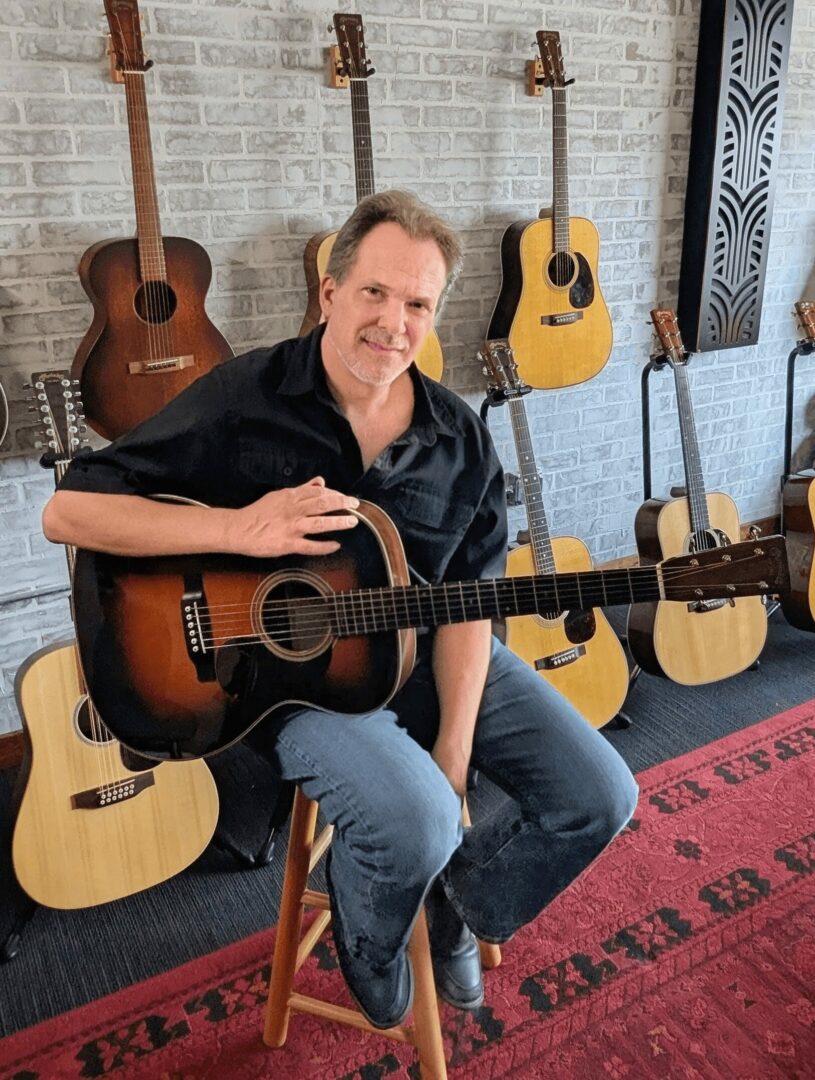
We recently connected with Dave Isaacs and have shared our conversation below.
Dave, thrilled to have you on the platform as I think our readers can really benefit from your insights and experiences. In particular, we’d love to hear about how you think about burnout, avoiding or overcoming burnout, etc.
As artists we spend a lot of time intensely focused on small details that are important to us. Whether it’s writing a song or planning a show, we’re heavily invested in the outcome. So the intense focus and attention to detail are essential and expected…and exhausting.
We push hard and dig because that’s what it takes, because we care, because it matters. But it also matters to unplug, to disconnect, to reset. That doesn’t necessarily mean a vacation, not physically anyway. I It does mean that to keep your work vital, you need to step away from it periodically to make sure you still see it clearly.
Work in development is exciting and invigorating. It starts with exploration and discovery, then shifts to craft and perspective as ideas take shape. Work that has been fully developed is also exciting and highly satisfying, until it becomes too familiar. When you stop seeing new ideas, you’re beginning to disconnect mentally. When you’re disconnected, the work isn’t engaging and satisfying any more. This is when burnout sets in.
It’s true that things can just be too much, and you can burn out from just working too hard trying to keep up. But I’d argue that finding those extra reserves of energy is easier when you’re still passionate about what you’re doing. If you’re disconnected, it’s hard to be passionate.
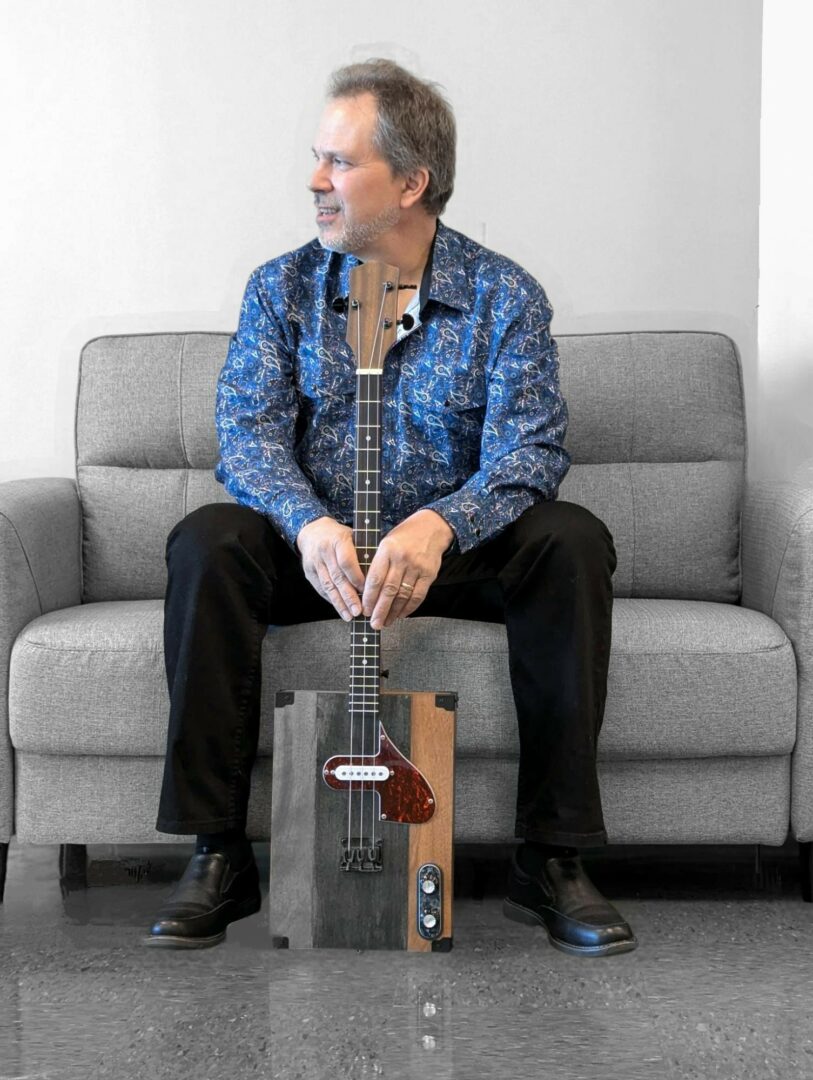
So how does one reconnect? When it comes to my guitar playing and writing, I find I need to shift gears completely, but not away from music. Maybe that means doing some deep listening to something new, or looking for something you’d missed in something familiar. Maybe that means picking up a different instrument – I’ve been getting a lot of enjoyment out of the limitations of the 3-string guitar, and practicing drum set in my head. These are great mental stretches that also work out different parts of your musical mind.
Often, it’s all the OTHER stuff that burns you out – the promoting and networking and emails and poster design and website updates and…I could go on, as you know. This is all unavoidable, and hopefully some of it can be farmed out to others. But the best solution I’ve found is to look at all of it as pieces of an ongoing process. Not linear but circular, cyclical. Creative time, development time, promotion time, reset time. Even if your life doesn’t allow for orderly circles. Things are going to keep moving, so lean into “what’s next”. If nothing else, it will keep you sharper and keep things moving forward.
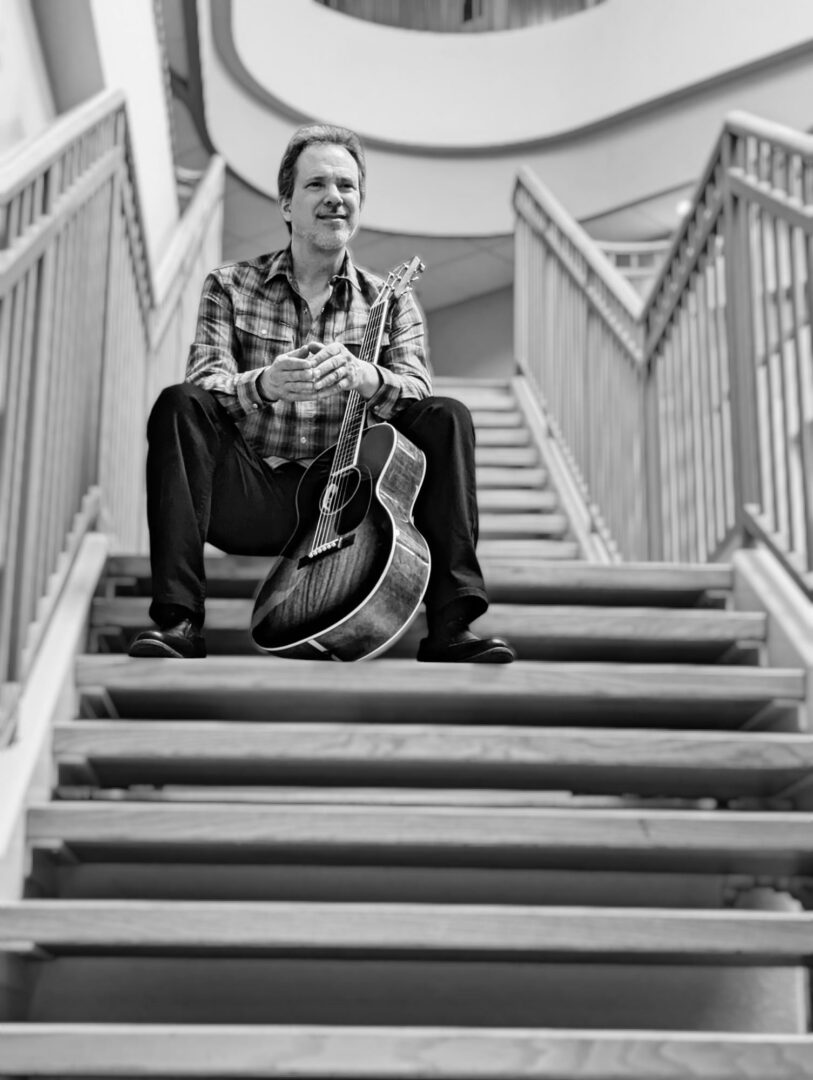
Thanks, so before we move on maybe you can share a bit more about yourself?
I had been a working musician and teacher for many years before I really came to understand what motivates and energizes me the most about it. I love sharing my enthusiasm for music, and getting other people to be as inspired and connected as I am. I have come to recognize that I found my calling as an educator because teaching for me is about sharing and connecting. Performing can be that as well, but when I play music I’m directed inward. When I teach, I’m directed outward.
I’ve also spent a lot of time thinking about what motivates and energizes the ones we call talented. I’ve come to believe that talent is a predisposition to look for two things: relationships and possibilities. Relationships on an instruments means, make this move to get this sound. Possibilities means, now make this other move instead.
In other words, part of what we call talent is simply knowing what to look for, or listen to. I do believe anyone can access these things, and so my primary role as a teacher is to cultivate the love and show what to look and listen for.
Learning to play music is a process. It’s essential to remember that when starting (or returning to) that process as an adult: that the work is circular, never-ending, and ultimately NOT goal-oriented. The individual goals are useful landmarks and are satisfying to achieve. But as the old saying goes, it’s the journey, not the destination.
So my teaching is driven by this way of thinking: don’t come to me to learn a song. Come to me to learn how to learn songs.
If you had to pick three qualities that are most important to develop, which three would you say matter most?
Perseverance is number one, of course. Recognizing that you never know how close you are to the next win is a good way to stay motivated.
Learning to understand leadership is equally important. Not just how to be a good leader, although that has been important and the knowledge was hard and painfully won. Understanding what good leadership looks like will help you recognize when it’s missing, which is a good thing to know when committing to work under someone. It also helps me accountable when I remember to hold myself at least to the standard of what I expect from others.
Third, learning to see a bigger picture. Some of that only comes with time and maturity, of course. For example, recognizing that there is no one interaction that will make or break your career. Individual opportunities might be won or lost, but if perseverance and leadership are strong then you can be sure there will be more of them.
Okay, so before we go we always love to ask if you are looking for folks to partner or collaborate with?
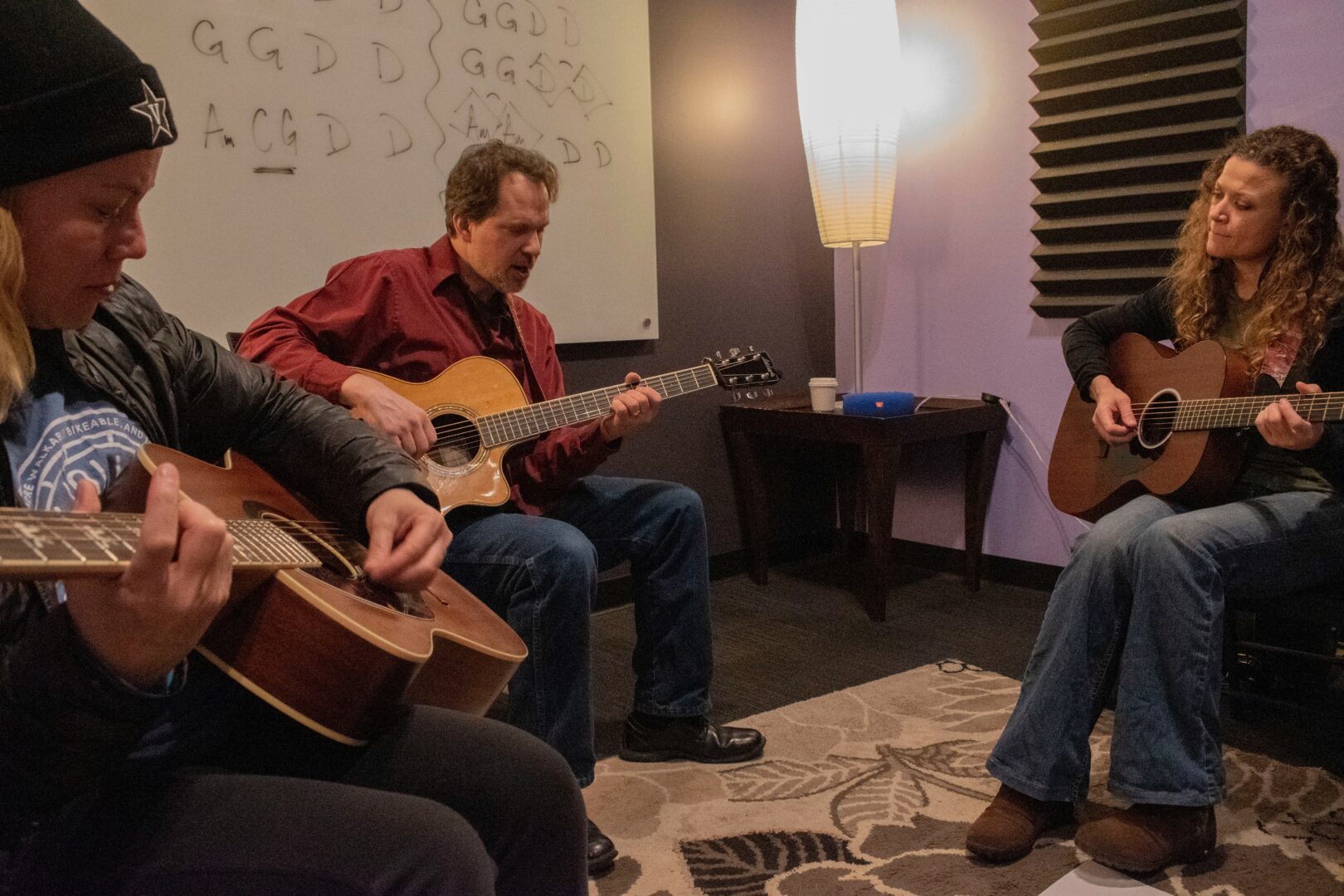
On the creative side, I have been developing my recording and production chops and am interested in doing more online recording collaborations. Since my strength is guitars and keyboard, I’m very interested in working with percussionists or with electronic artists with a focus on groove and texture.
I don’t put myself out there as a “producer” because in some ways this lines up with my coaching work: with an artist, I’m producing in the sense that I’m directing a conversation about the shape of the music, and then helping to arrange and execute the parts. In the sense of taking responsibility for the sonics of a final commercial release, I defer to the professionals. But as far as setting the tone and finding the musical language, that’s the part I enjoy most and excel at.
I’m easily reachable via my website nashvilleguitarguru.com for inquiries about both coaching and collaboration.
Contact Info:
- Website: https://www.nashvilleguitarguru.com
- Instagram: https://www.instagram.com/daveisaacsmusic
- Facebook: https://www.facebook.com/dave.isaacs.121/
- Youtube: https://www.youtube.com/@NashvilleGuitarGuru
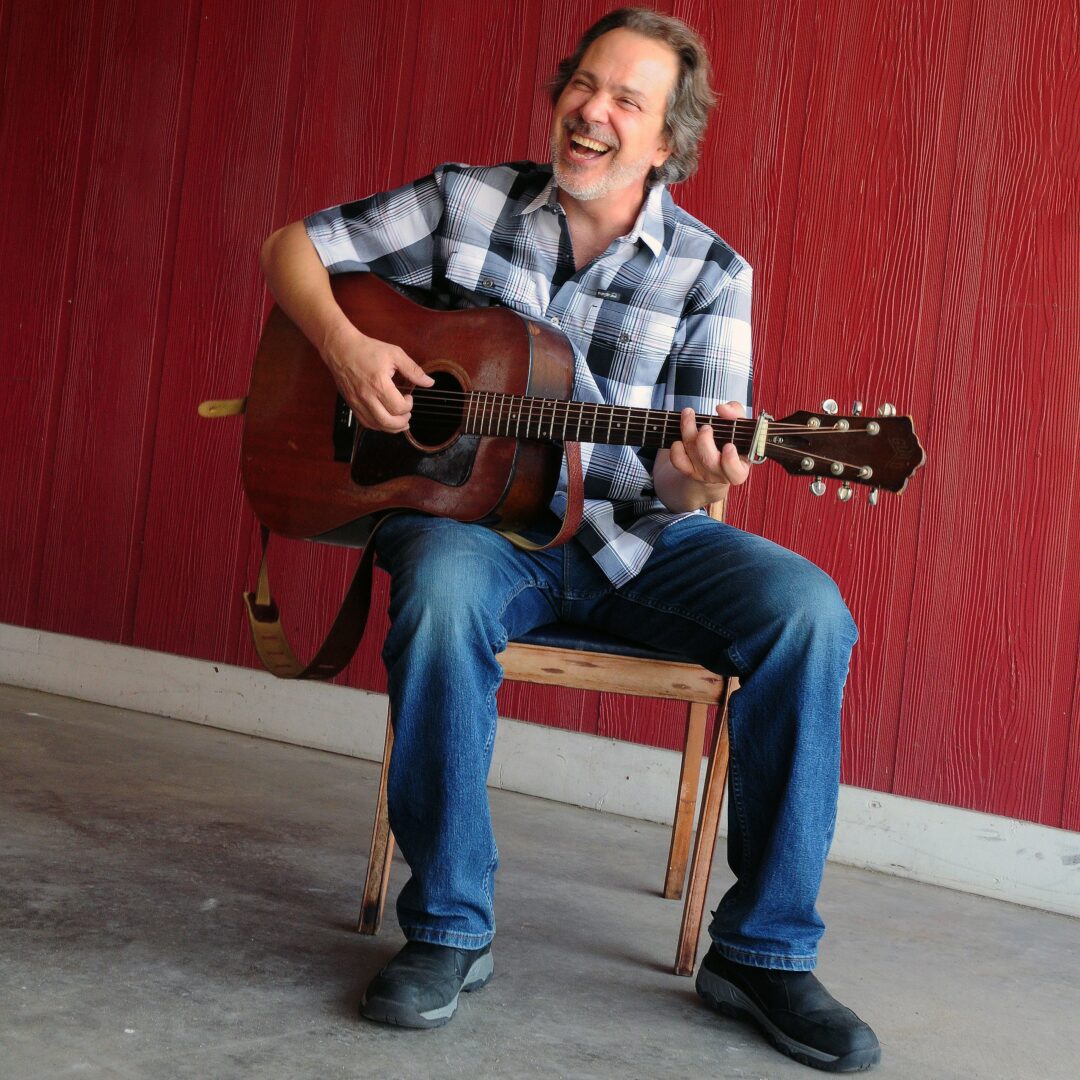
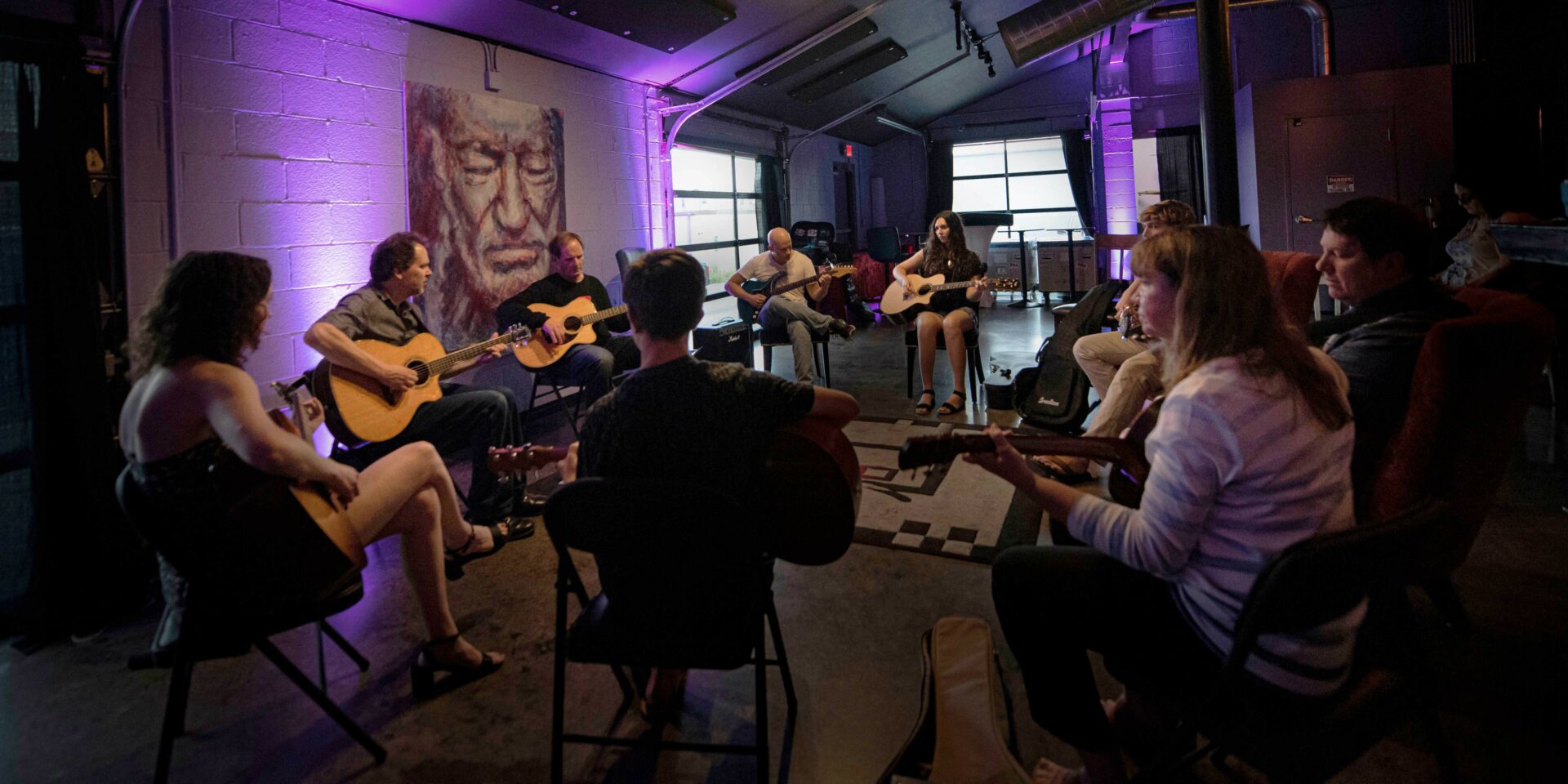
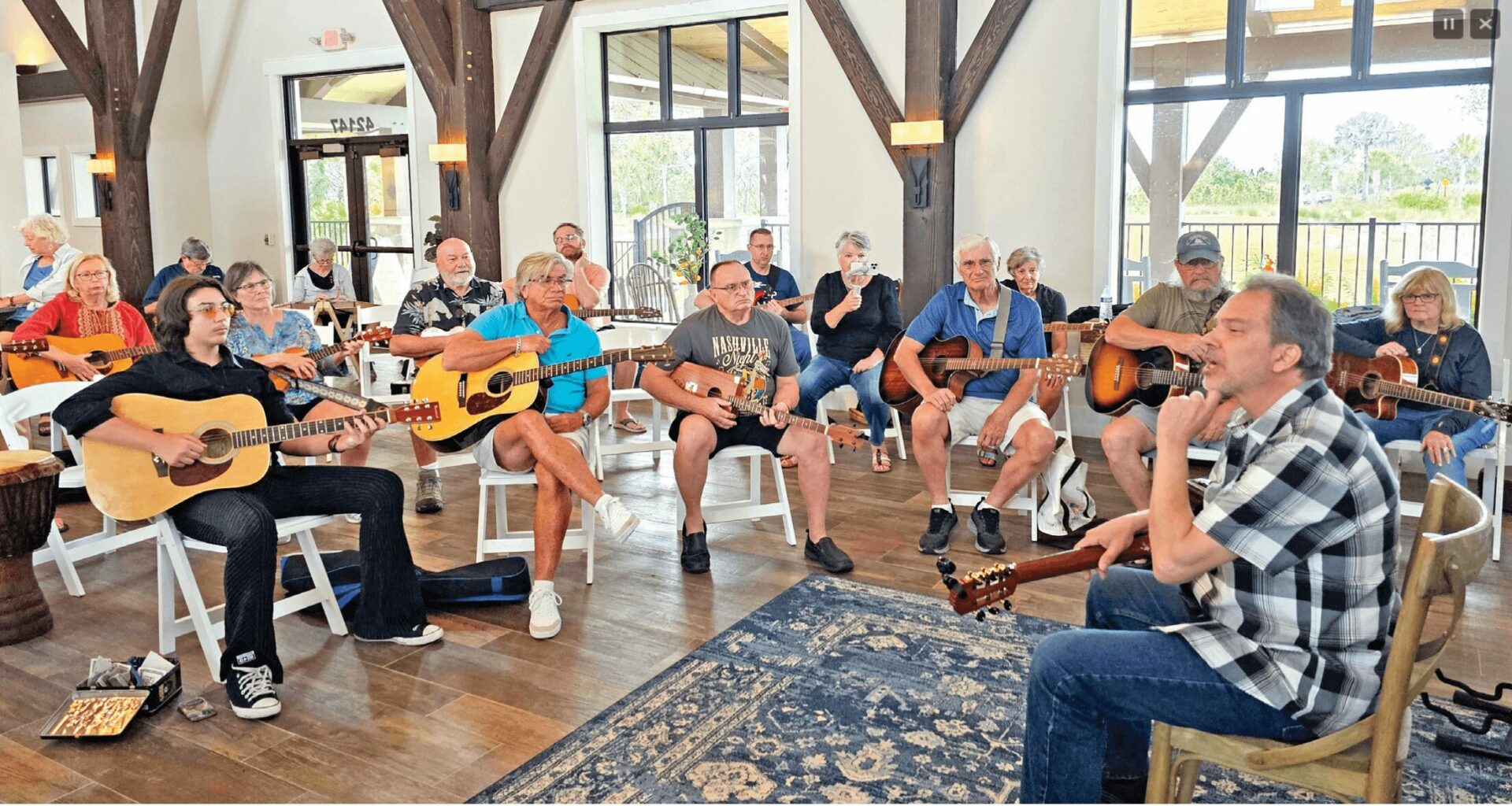
Image Credits
Lyn Stevens, Stephen Mitskavich, Barbara Potter, Jeri Isaacs.
so if you or someone you know deserves recognition please let us know here.