Alright – so today we’ve got the honor of introducing you to David Howe. We think you’ll enjoy our conversation, we’ve shared it below.
Hi David, thank you so much for opening up with us about some important, but sometimes personal topics. One that really matters to us is overcoming Imposter Syndrome because we’ve seen how so many people are held back in life because of this and so we’d really appreciate hearing about how you overcame Imposter Syndrome.
I definitely struggled with imposter syndrome when I started my alternative media career. If that’s what we want to call it?
I really struggled with the idea that because I didn’t pursue my PhD that I wouldn’t be taken seriously as an academic or scientist.
But working hard at my current career, forging my own unique way of teaching, and making the connections I have around the US and the world, I definitely have come to realize that academia isn’t the only route of being a scientist. As long as I do my research and cite my sources the way I was taught to do in grad school, I believe the way that I am doing things is nothing to be ashamed of.
I also struggled with knowing what to call myself; a scientist? Public speaker? Comedian? And a professor I used to work with in grad school told me something that always stuck with me, and that is that I need to look at myself as an artist with a brand.
In the same sense that a comedian or a singer is an artist, Bill Nye, and Neil Degrasse Tyson are also a form of artist who have representation. So I need to consider myself that as well.
And once I started looking at my my work as art, it made me want to make each Post or production, more unique and creative than the last. And that helped me overcome imposter syndrome because art is unique, and certainly different than being a tenured professor.
(Also, I’m very sorry for any spelling errors; I’ll explain later)
Let’s take a small detour – maybe you can share a bit about yourself before we dive back into some of the other questions we had for you?
I’ll try to keep this brief:
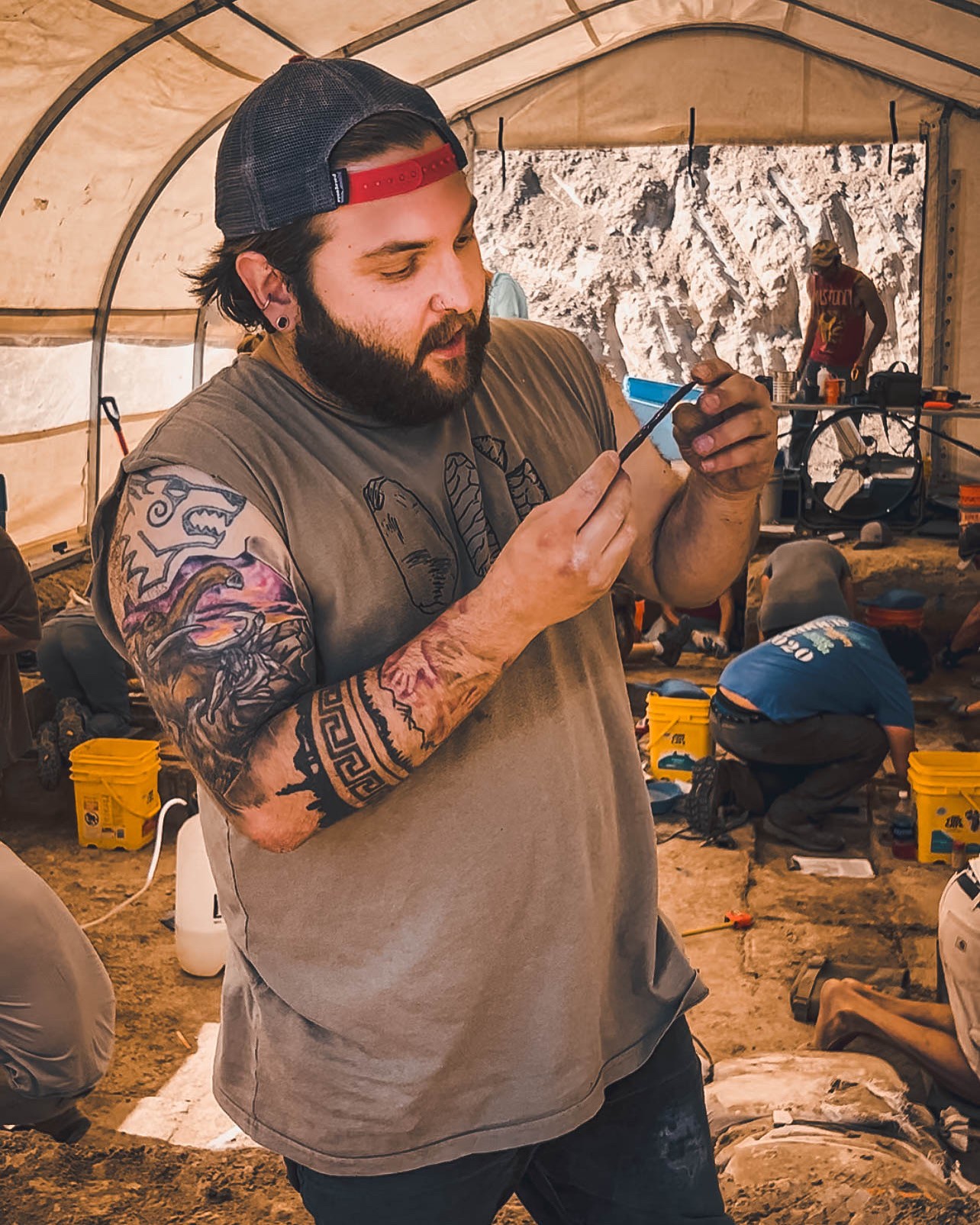
My elevator pitch is that I am an anthropologist that specializes in the history of humans and dogs, but also that my academic research in graduate school focused on hunter-gatherer ecology and stone tool technology.
While studying dogs in human cultural contexts (ethnocynology) might seem like it’s own subject, I consider it to be an Integral part of anthropology. And because I study stone tools and human culture, I have come to view dogs (in relation to humans in the past) a very human technology much like agriculture or stone tools.
My audience follows me mostly for the dog Contant, because that’s the most wide reaching in terms of area of interest for people, but I also pride myself on using dogs as “lure” so to speak so that I can teach people anthropology using our relationship as dogs as a proxy.
Like I stated in the previous question, I don’t necessarily feel that I am an academic professional so much as I consider myself a science, educator and artist. I also frequently do stand-up comedy, and that really helps with my ability to teach and reach people I believe.
People remember facts better when they laugh.
There is so much advice out there about all the different skills and qualities folks need to develop in order to succeed in today’s highly competitive environment and often it can feel overwhelming. So, if we had to break it down to just the three that matter most, which three skills or qualities would you focus on?
1) As a child, I grew up on Long Island. My mother’s family has a cultural background different than most Americans. Also I grew up with neighbor the same age who were Italian immigrants and I was babysat daily by their Nona. I believe hearing different languages as a kid helped me learn languages easier as an adult, but also exposed me to observing cultural differences. Especially in New York, where there are an endless diversity of cultures and people. Then when I was in high school my family moved from New York to Nashville, Tennessee, and at that age (and the peak of hormonal puberty) was certainly a culture shock I resented my parents for. But it later helped me as an anthropologist, because I was again able to observe culture objectively from a different point of view.
2) In terms of being a communicator, I grew up with a brother who has PDDNOS (pervasive developmental disorder not otherwise specified) and pretty intense autism. He was nonverbal until he was five and looking back on old family home videos, I realized (despite being two years younger) I was able to communicate with him with body language and a specific way of speaking to him. And that persisted even after he was verbal. In addition to my interest in languages and culture, I think I am able to look at society and communication in a different way than the average person. I don’t know if that’s 100% the source, but it definitely helps me. And it also helps me understand that people who comment sometimes abrasive or blunt things on my media posts. Both of these aforementioned qualities help me take a second to think either 1) the person could be on a spectrum like my brother, which would add to the bluntness of the comment, and 2) often times people who speak a foreign language might translate their comment into English and post it. Which could cause a different or curt tone when commenting.
3) There are so many ways I could express what got me into anthropology and archaeology. But I would have to say the main reason was (despite having a lifelong interest in the subject) I didn’t realize it was a subject one could study. So when I got to college, I took an intro to anthropology course my freshman year. And I fell in love because it was a subject that contained archaeology, human evolution, primates, and human culture. From that moment, I have remained an anthropologist at my core.
I guess I will add a fourth quality because it blends into advice for for people pursuing similar careers.
So 4) I’m a 90s kid. I grew up watching Bill Nye, the crocodile Hunter, and MythBusters. So I can certainly say “back in my day, we had real Science on TV.” And I was fascinated by their ability to explain science in an entertaining way and I decided that’s what I wanted to do as a career. I went to college and graduate school thinking being an anthropologist would be the way to do what I do. And then, that being a professor on the traditional route would help me be able to get me into the media sphere. But as I said, in the last question, there’s really no school to go to to become a “science communicator.” And I had to forge that path myself. But the issue with that is I the had no advisor or teacher to guide me, while at the same time, having so many ideas for content. So I would reach out to contact creators I liked to watch, and their advice to me was “you just gotta do it.” And I hate giving that advice to people because I didn’t like hearing it at the time, but it is true. If you want to do something, you just have to do it. (I guess Yoda’s “Do or do not, there is no try” finally makes sense).
How can folks who want to work with you connect?
I think this answer will answer some other questions in the prompt selections.
Not saying in academia has been very hindering on my ability to get funding for my projects. It’s hard to write for grants for doing academic research when really what I am trying to do is tell stories and teach in entertaining ways.
In addition to my comedy skits, my ideal goal would be to direct films or short films that are an anthology of people living in the prehistoric past. For example, one episode would open with screen saying “Australia, 20,000 BCE” and that episode would explore and portray ancient aboriginal culture within a story about the human condition, so that people can relate. Possibly a funeral, some kind of celebration, or just every day life and dealing with other peoples bullshit. And then another episode would be “France 30,000 BCE” and could explore the people and culture that created the famous French cave paintings.
Sorry to digress, but that leads to the answer:
It’s been a struggle doing all these things on my own, especially after leaving my steady job as a curator to pursue whatever it is I’m doing now. I think the next goal would be to find a creative team who would like to do a similar things and work towards my ultimate goal.
I currently right, direct, film, edit, and produce all of my content. So it will be very helpful to delegate certain aspects of that to a team of like-minded people.
These people can shoot me an email or message me on Instagram any day if they want to reach out.
Contact Info:
- Website: [email protected]
- Instagram: Instagram.com/ethnocynology
- Youtube: Youtube.com/davidianhowe
- Other: Tiktok is also tiktok.com/davidianhowe
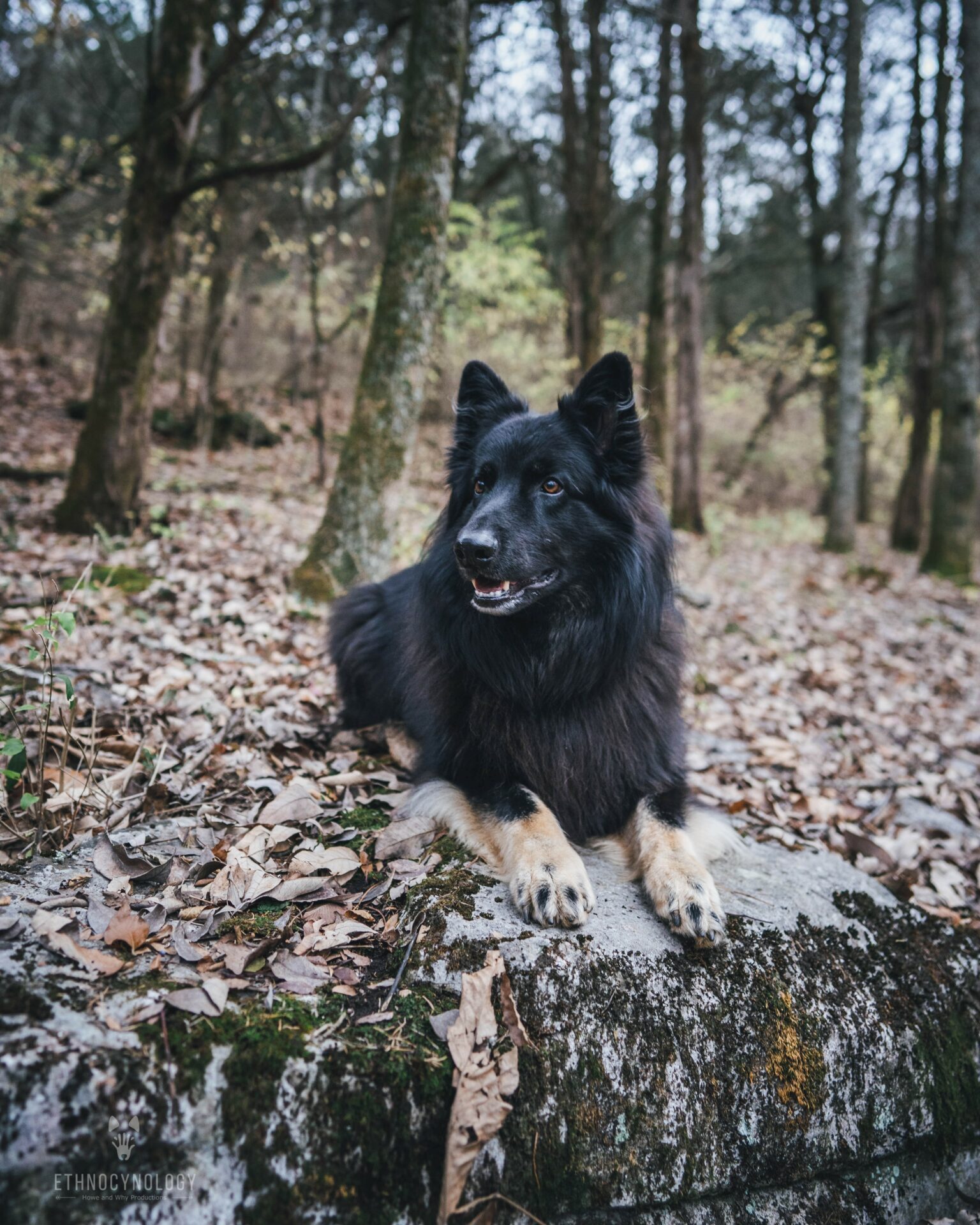
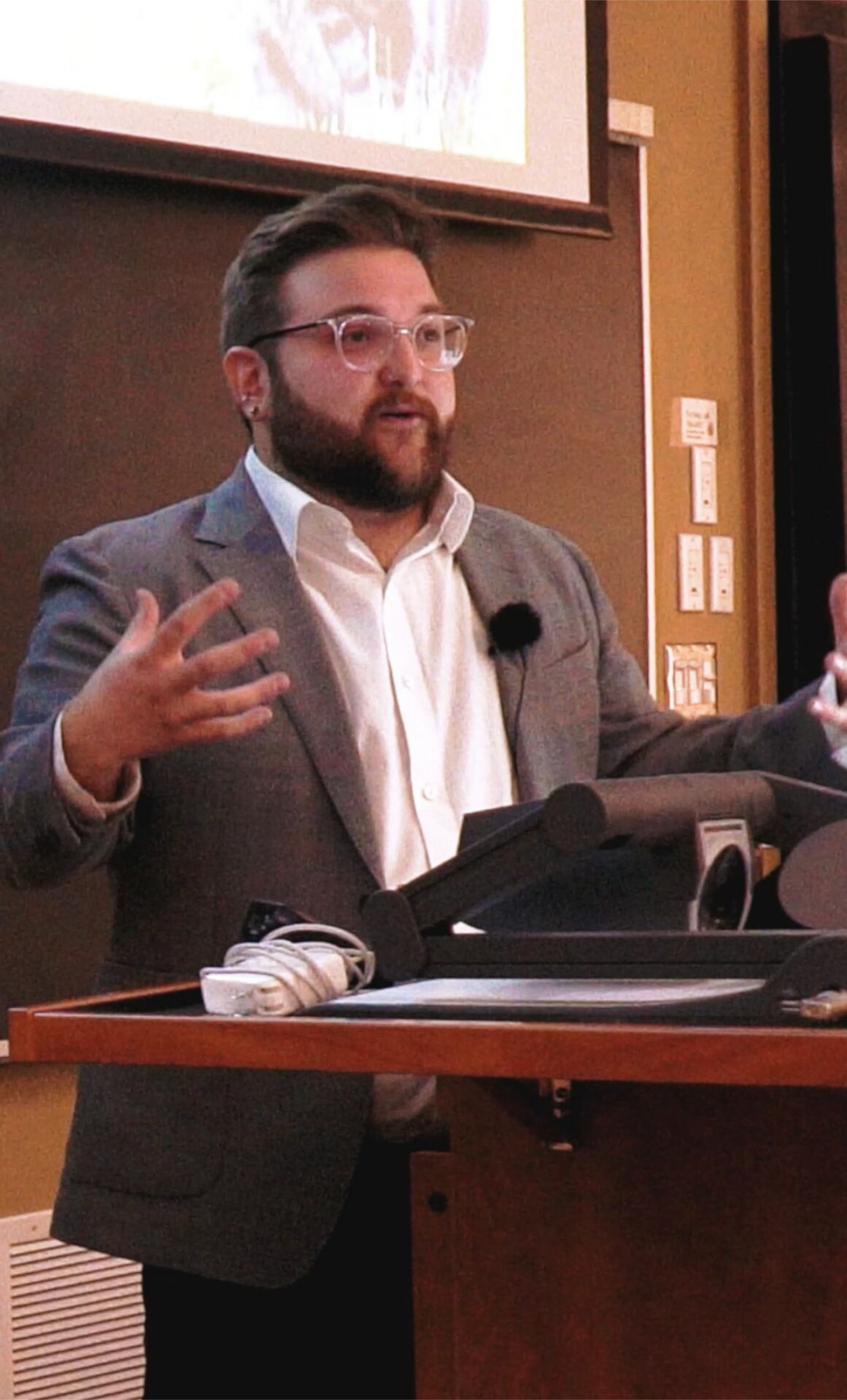
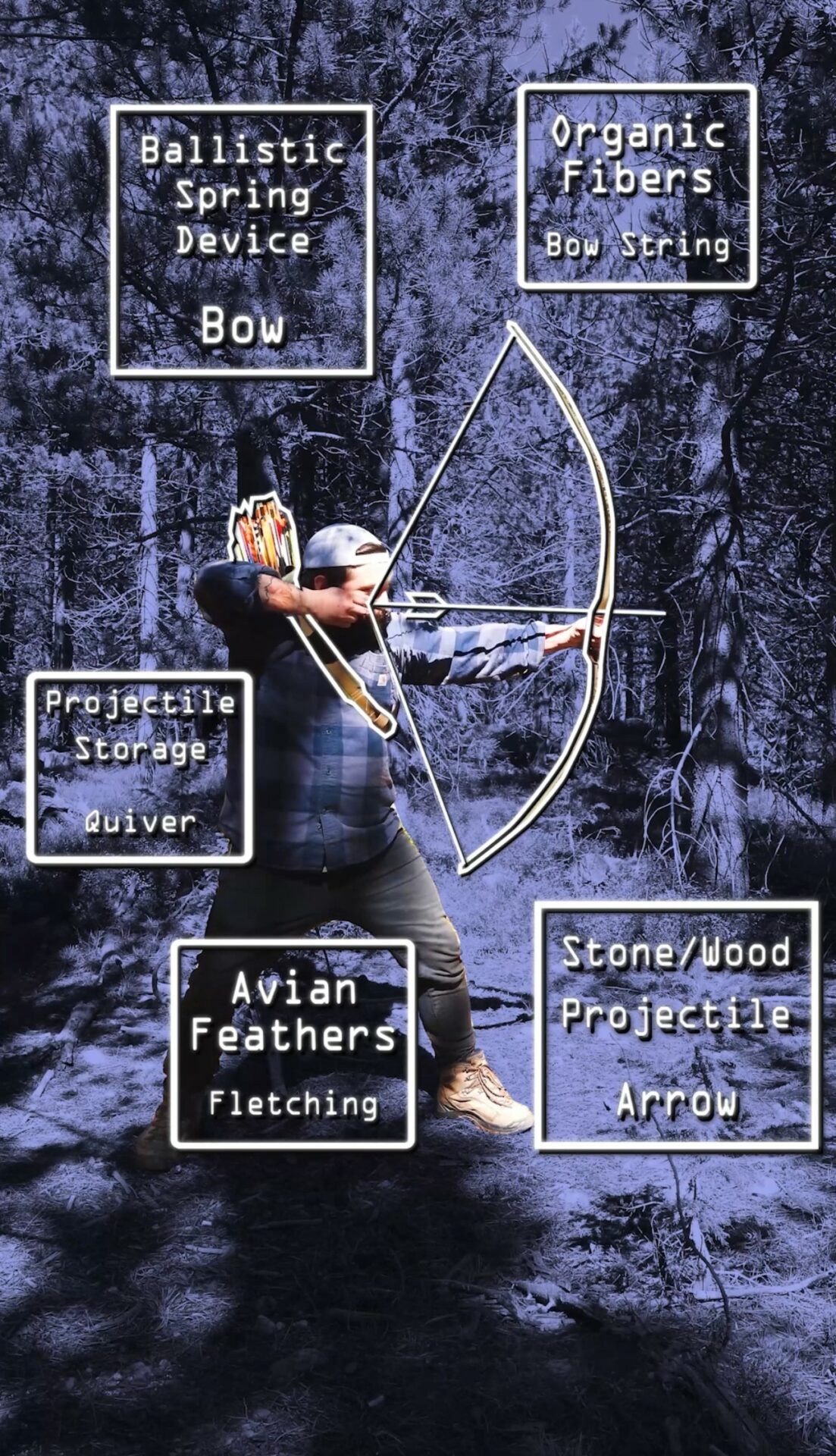
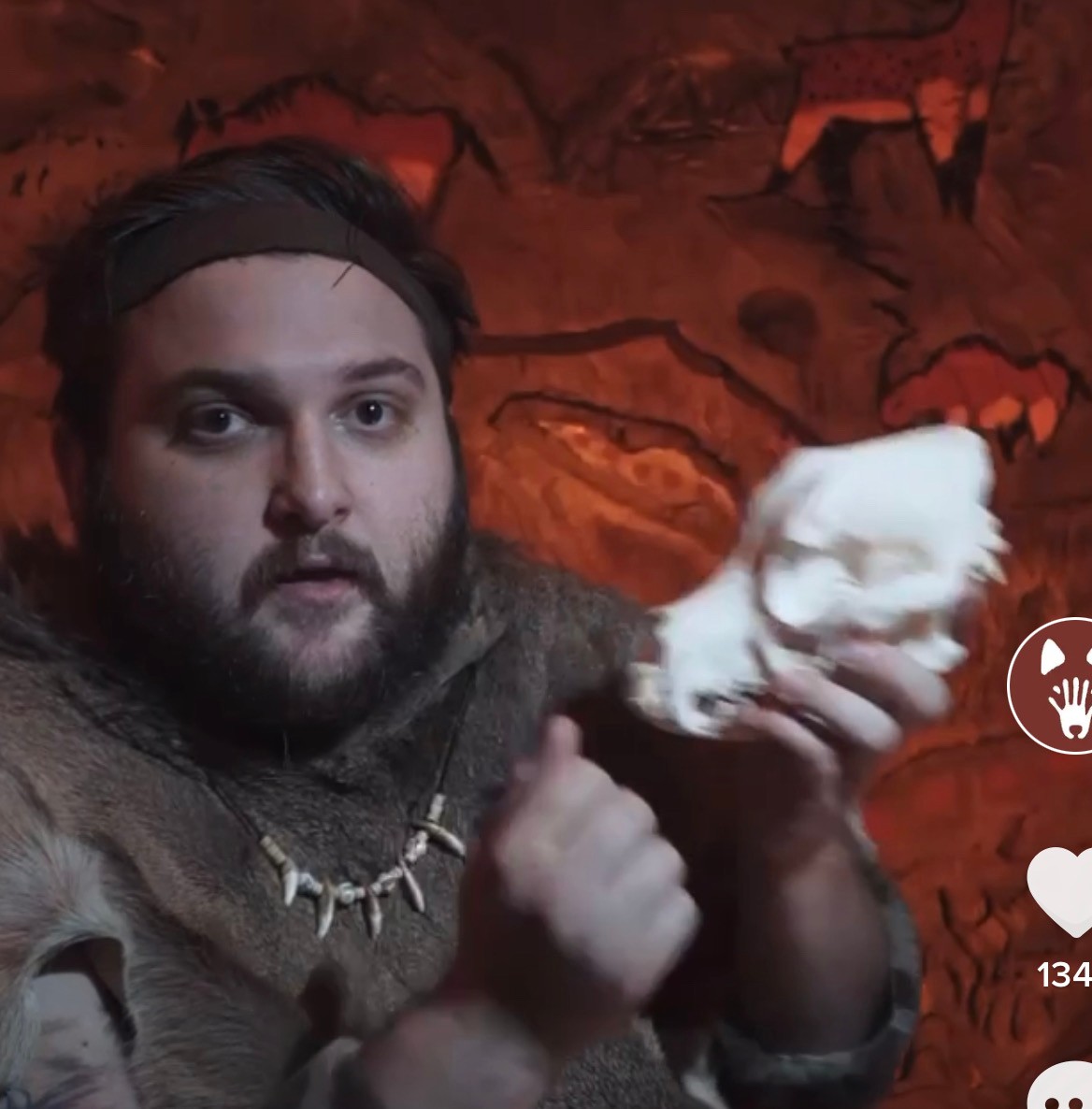
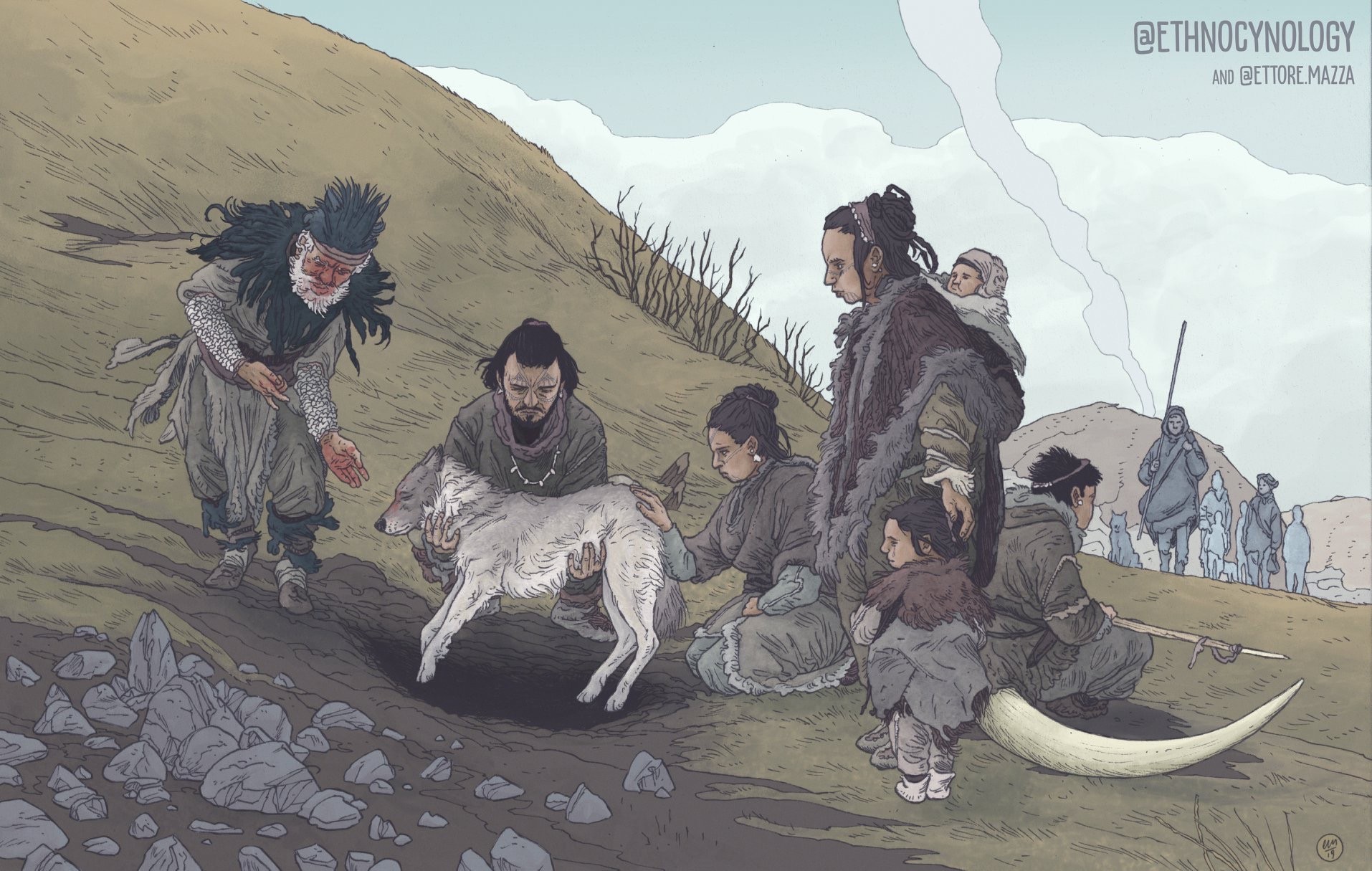
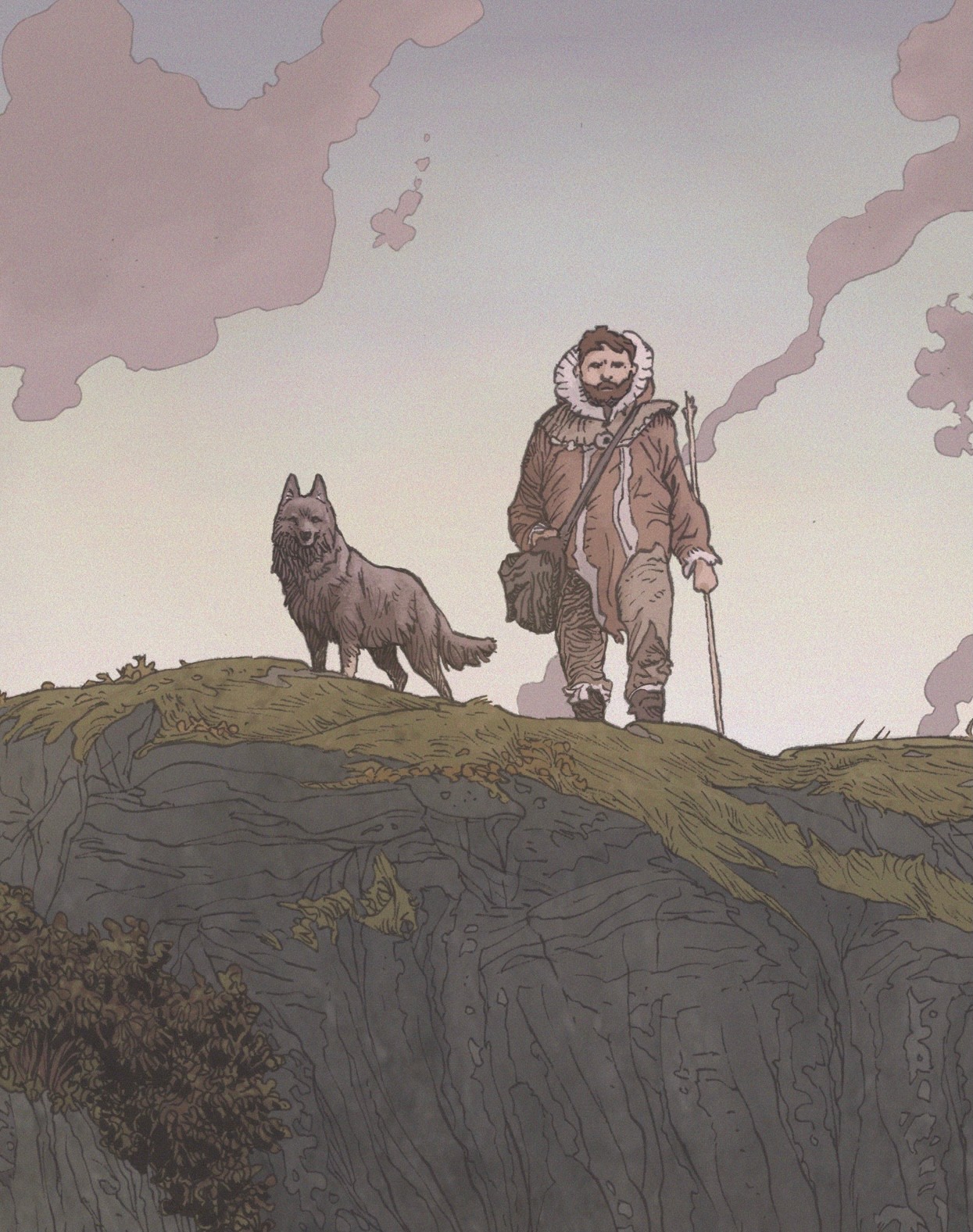
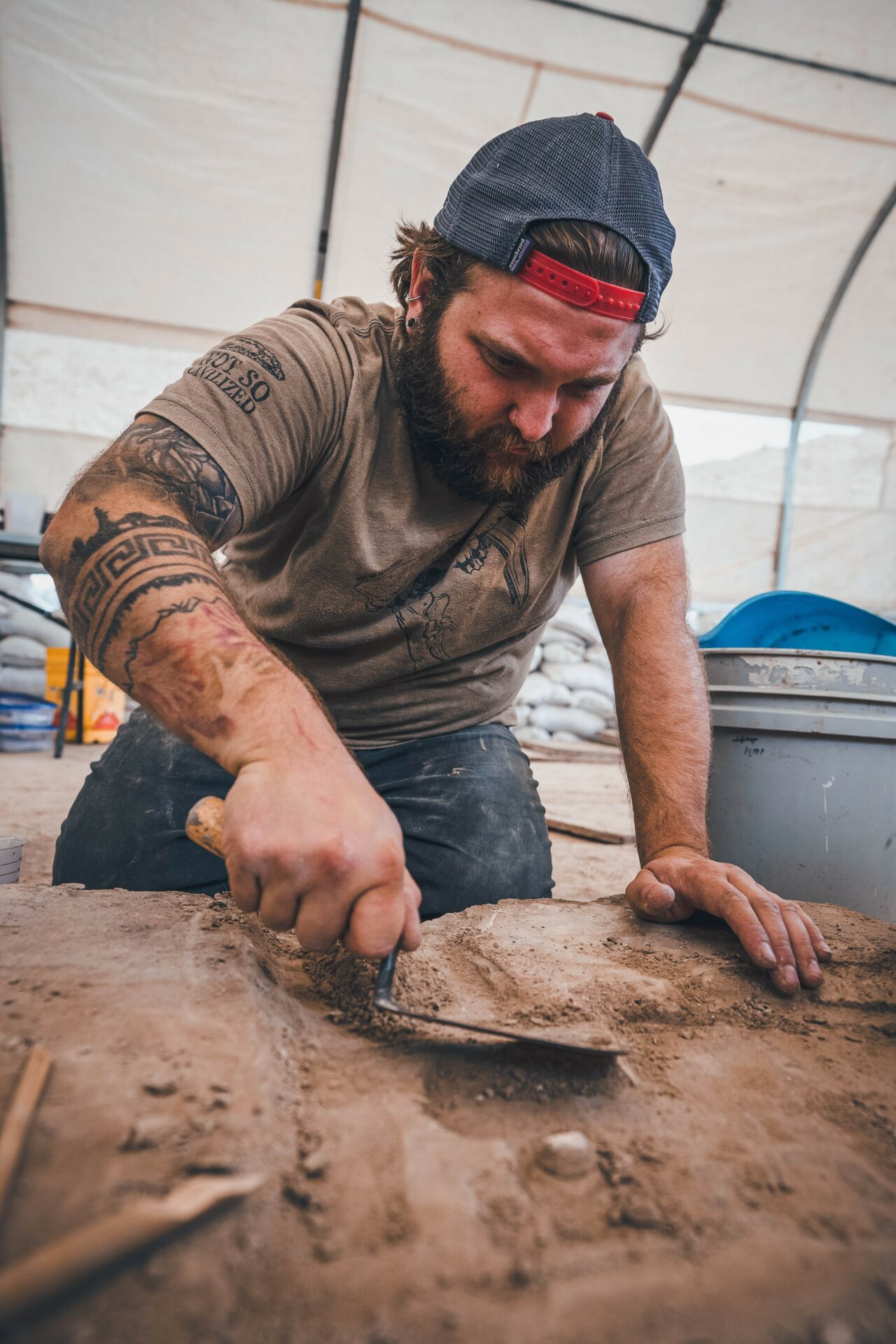
Image Credits
Digital illustrations are made by my artist Ettore Mazza. I own the rights and permissions to distribute.. The rest are personal images of me