We’re excited to introduce you to the always interesting and insightful Deborah Daughetee. We hope you’ll enjoy our conversation with Deborah below.
Deborah, so great to be with you and I think a lot of folks are going to benefit from hearing your story and lessons and wisdom. Imposter Syndrome is something that we know how words to describe, but it’s something that has held people back forever and so we’re really interested to hear about your story and how you overcame imposter syndrome.
I don’t think you ever overcome imposter syndrome. I just finished listening to Barbra Streisand’s biography, and SHE still suffers from it. The only thing you can do is push through the feeling. I suffer from it so often that my husband made me write down a list of my accomplishments and post them beside my computer. The list has all the television shows I’ve written for, as well as new stories I’ve finished, or the anthology I just was in where my story was the first story in the book, or the awards I have been nominated for. It includes the little victories along with the big ones–anything that makes you feel good about what you are doing. Pushing through these feelings is the most important skill you can develop. If you can push through, you will write, you will send out stories, and you will attend conventions or writing retreats. Pushing through the feelings is the real accomplishment.
Appreciate the insights and wisdom. Before we dig deeper and ask you about the skills that matter and more, maybe you can tell our readers about yourself?
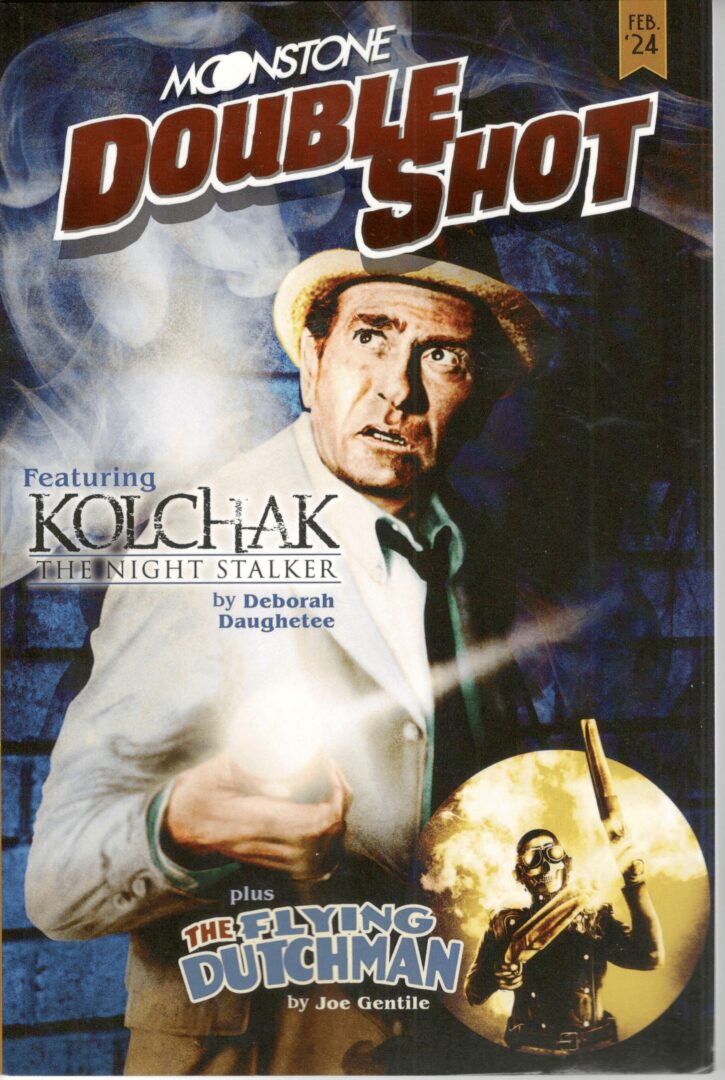
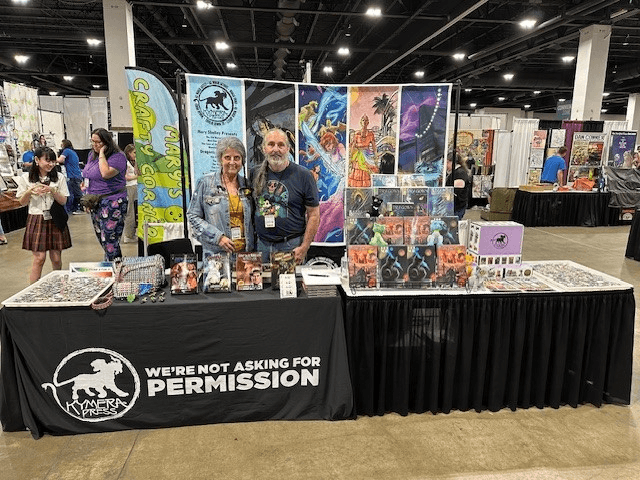
I’ve been writing since I was 8 years old, but being raised in a small town in Ohio, I never considered it a profession. I got into television writing quite by accident and had a successful career on top ten shows like Murder, She Wrote, Touched by an Angel, and Dr. Quinn, Medicine Woman. But then I contracted a rare lung disease that stole 50% of my lung capacity–and my ability to put in the long hours that television required. So, I started my own graphic novel publishing company called Kymera Press. We use all women writers and artists in the making of our comics. In 2017, I had a double-lung transplant, which gave me a new life. I’m back to writing short stories, media-tie ins (which I absolutely love), and audio dramas. My husband and I now have an RV and are traveling the country attending different comic book conventions. It’s a wonderful life, and I’m happy to be living beyond my original expiration date.
There is so much advice out there about all the different skills and qualities folks need to develop in order to succeed in today’s highly competitive environment and often it can feel overwhelming. So, if we had to break it down to just the three that matter most, which three skills or qualities would you focus on?
One of the best things I can recommend is joining a writing group where you can give and receive constructive criticism. If you don’t know any other writers, there are some good online groups.
Also, attend as many classes and/or writing retreats as you can. I have heard people say that classes make you write in a box and stifle creativity. That can be true, but that is where your own resilience comes in. If the group isn’t working for you, get out. However, make sure you are listening, even if it is difficult to hear. I can’t tell you how many times I’ve gotten criticism that was totally wrong, and yet it led me to the real thing that wasn’t working for that reader. You need to develop your listening skills because, many times, what people are saying isn’t really getting to the heart of the matter. But they are laying the path.
I’ll tell you a story about receiving criticism I didn’t believe was valid. I was attending Clarion West, and Kelly Link was the guest editor that week. At Clarion, you not only have to critique 16 stories every week (it’s a 6-week workshop) but you have to write a story a week. It’s pretty intense. Kelly told me that she thought my story was told from the wrong character’s point-of-view. At the time, I thought she didn’t get what I was trying to do with the story. But in a lesson we can all learn about putting stories away for a while, I had to forget the story and write the next one. When I got home from Seattle, I decided to revisit Kelly’s note and wrote the story from the point of view character that she had suggested. It worked. The story did exactly what I wanted it to do. I sold it the following week to the Bram Stoker Award-winning anthology, Dark Delicacies.
Thanks so much for sharing all these insights with us today. Before we go, is there a book that’s played in important role in your development?
I can’t stress enough the importance of reading—not just books on writing but fiction. I remember reading “Buffalo Girls, Won’t You Come Out Tonight” by Ursula LeGuin. It absolutely blew my mind, and I thought, “Wow, you can do this?” The story was so magical and subtle, yet it came across perfectly.
I had the same reaction to reading Kelly Link’s “The Specialist’s Hat.” I thought, wow, I don’t really have to be so literal in my stories.
You never know what book or short story will click in your head and make you break through a barrier you didn’t even know existed.
Contact Info:
- Website: https://deborahdaughetee.com
- Facebook: https://www.facebook.com/ddaughetee/
- Linkedin: https://www.linkedin.com/in/deborah-lynn-daughetee-296960220/

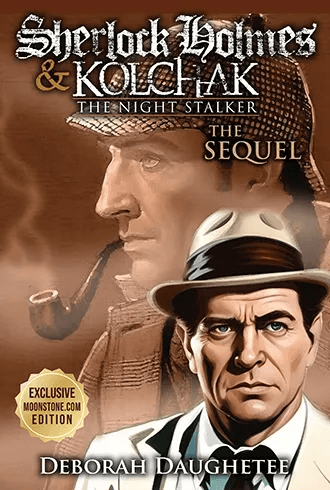
Image Credits
On the Nightstalker books, the cover art is by Jay Piscopo.
Double Trouble Cover is by Lynne Hansen
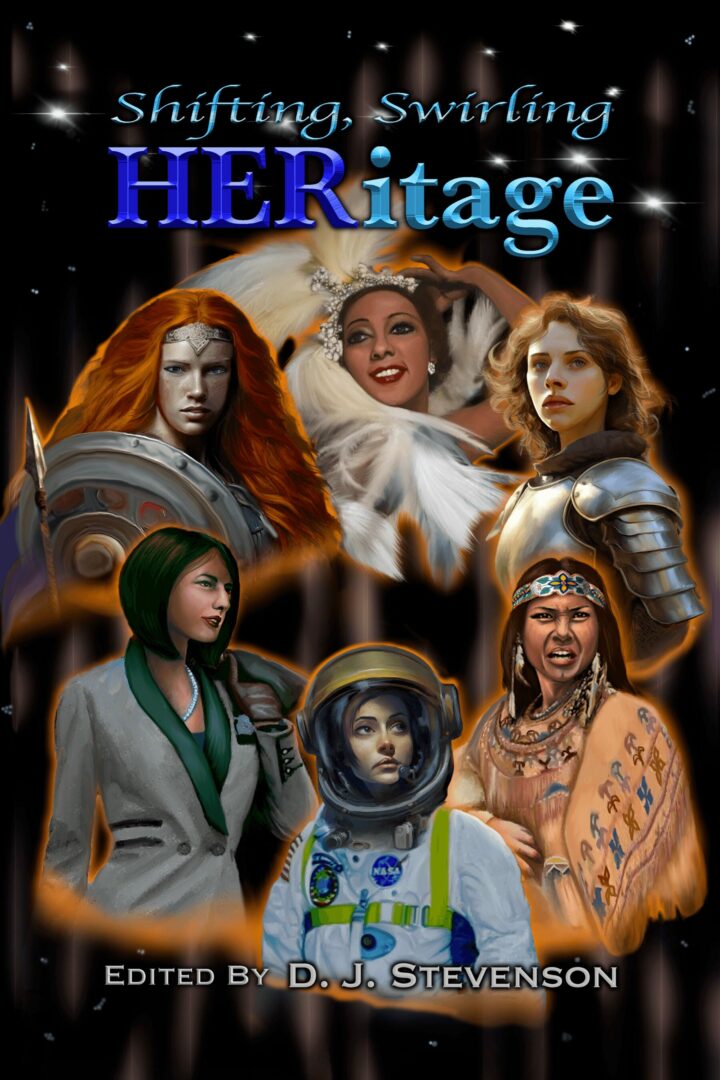
HERitage cover is Kathleen Hardy
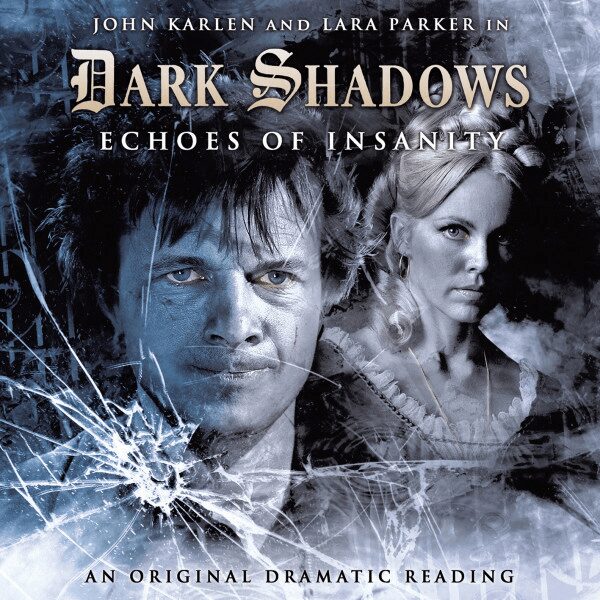
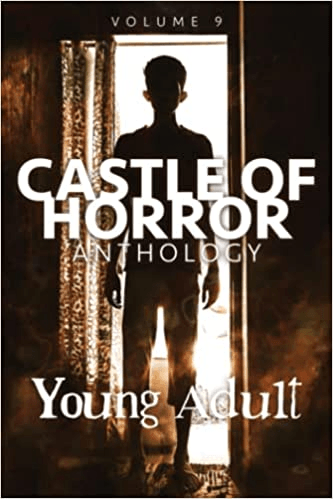
I don’t have the other cover artists’ names. They are not credited in the book or on the Audio Drama covers.
so if you or someone you know deserves recognition please let us know here.