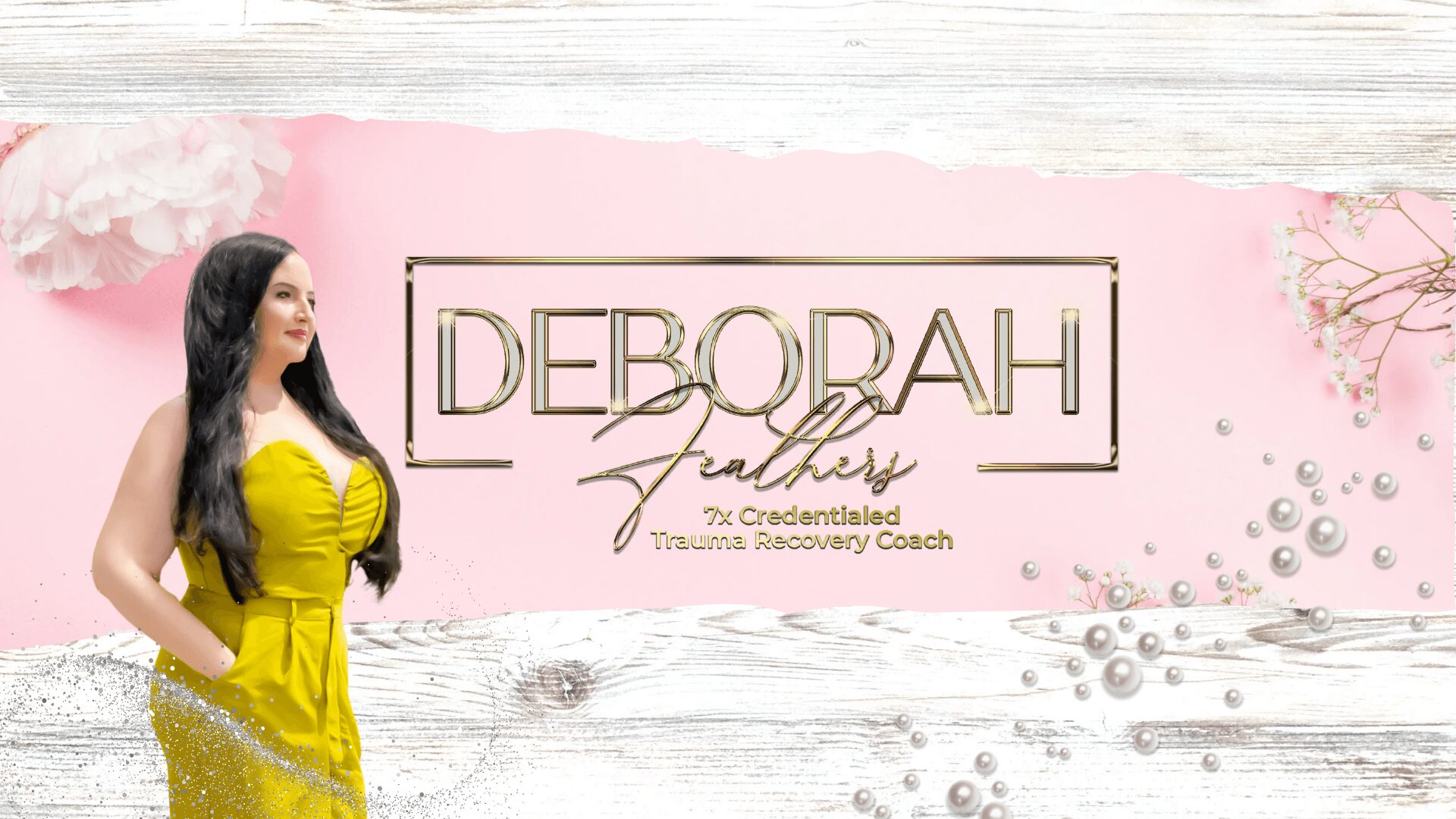
We recently connected with Deborah Feathers and have shared our conversation below.
Deborah, we’re thrilled to have you sharing your thoughts and lessons with our community. So, for folks who are at a stage in their life or career where they are trying to be more resilient, can you share where you get your resilience from?
Resilience is the remarkable ability to endure hardships, adapt to change, and recover from setbacks. It’s not simply about surviving difficulties, but about transforming them into opportunities for growth and renewal. This quality fuels our capacity to face adversity with courage and to keep moving forward when the path gets tough.
At its core, resilience is the inner strength that helps us process pain, disappointment, and stress without being defeated by them. It doesn’t mean difficulties don’t affect us or that we never feel pain or frustration. Rather, it allows us to process those feelings, learn from them, and keep moving forward with renewed determination.
One of the most powerful symbols of resilience is the mythical phoenix—a bird that, when consumed by fire and reduced to ashes, is reborn anew. This cycle of destruction and rebirth embodies resilience perfectly. Just like the phoenix, resilient people can face moments of crisis or loss and, rather than remaining diminished, use those experiences as fuel to rise stronger and more vibrant than before. The phoenix reminds us that resilience isn’t about avoiding pain or failure, but about embracing transformation. Sometimes we must let go of what we were in order to become something greater.
Resilience isn’t simply a trait we are born with; it is a skill we can nurture. By embracing challenges as opportunities to learn, fostering supportive relationships, treating ourselves with compassion, maintaining perspective, and caring for our bodies and minds, we strengthen our ability to navigate life’s inevitable storms.
Resilience is not just a word to me—it is the foundation of my life and work. My journey through trauma, healing, and transformation has shaped everything I do, from my personal growth to my role as founder and CEO of the Resilience Network, a trauma recovery coaching business dedicated to helping others reclaim their power and rebuild their lives.
My story began with an unexpected and frightening hospital stay caused by a surgeon’s mistake during surgery. That experience shook me deeply—physically, emotionally, and mentally. It was a harsh reminder of how fragile life can be and how quickly control can slip through our fingers. The pain, the uncertainty, and the fear of what might come next left me vulnerable and questioning my strength.
Not long after, I survived a traumatic assault that compounded my wounds and tested my resilience in ways I never imagined. The trauma felt like a fire consuming everything familiar and safe within me, leaving me feeling isolated, fearful, and broken. But within that fire, like the mythical phoenix rising from ashes, I found the first flicker of my inner strength.
The phoenix is more than just a symbol for me—it’s the emblem of the Resilience Network. Our logo draws on the image of a phoenix formed out of neurons, representing neuroplasticity, the brain’s remarkable ability to change, heal, and rewire itself even after trauma. Trauma deeply impacts the brain, altering how we process emotions, memories, and stress. But through neuroplasticity, we have the power to reshape those pathways, form new patterns of thinking, and foster healing.
At the Resilience Network, we center this understanding in our coaching. We help people navigate the complex journey of trauma recovery by cultivating resilience, nurturing self-compassion, and empowering clients to rewire their minds for hope and growth. The phoenix rising from neurons perfectly illustrates this journey of destruction and renewal—showing that no matter how devastating trauma feels, the brain and spirit can regenerate and soar again.
My own healing wasn’t easy or linear. It demanded vulnerability, courage, and patience. There were hospital stays, moments of despair, and times I doubted I could ever feel whole again. But step by step, I chose to rise—embracing the fire, learning from the pain, and reclaiming my voice and power.
Now, as a coach and leader, I am dedicated to guiding others through their own fires. I know firsthand how trauma can silence you—and how resilience can help you find your voice, rebuild your life, and fly.
Like the phoenix, we don’t just survive trauma—we are reborn through it, stronger and wiser. This is the message I carry forward every day in my life and work.
Great, so let’s take a few minutes and cover your story. What should folks know about you and what you do?
I’m the founder and CEO of the Resilience Network, a trauma recovery coaching business built from my own journey of healing and growth. What motivates me most is helping people who have experienced trauma to find their strength again, rebuild their lives, and regain hope for the future.
What makes the Resilience Network special is how we combine the latest brain science with caring, personalized coaching. We believe the brain can actually change and heal after trauma–a concept called neuroplasticity. Our logo, a phoenix made out of brain cells (neurons), shows this idea perfectly: just like the phoenix rises from its own ashes, we can all rise stronger and wiser after life’s hardest challenges.
A big part of our work is based on a method I created called T.H.R.I.V.E. It’s a step-by-step plan designed to help people heal from trauma in a whole-person way–body, mind, and identity. We’re in the process of officially trademarking this method because it’s unique and effective.
Here’s a simple breakdown of what THRIVE means:
T – Trauma Awareness & Education: We start by helping people understand what trauma is, how it affects the brain and body, and what survival responses (like fight, flight, or freeze) look like in daily life. This helps people make sense of their feelings and reactions.
H – Holding Safety & Stabilization: Next, we focus on creating a feeling of safety, both inside and outside. This might include simple exercises to calm the body, imagining a safe place, or building routines that help manage stress.
R – Regulate the Nervous System: Using techniques like breathing exercises and gentle movement, we help clients learn to calm their nervous system so they can better handle stress and triggers.
I – Integrate the Inner Self: Trauma can make us feel disconnected from who we really are. This stage helps people reconnect with their authentic selves, clarify their values, and rebuild trust in their own voice and choices.
V – Validate & Process Emotion: Healing means safely feeling and releasing difficult emotions like grief, anger, or shame. We guide clients through this process with compassion and support.
E – Embody Resilience & Expansion: Finally, we help people move beyond just surviving trauma to living a life full of joy, creativity, and purpose–embracing lasting healing and self-leadership.
Professionally, what excites me most is seeing people realize they are not defined by their trauma. Helping them build habits of resilience, practice kindness toward themselves, and rewrite their life stories is incredibly rewarding. Every success reminds me that healing is real and within reach.
Right now, we’re growing our offerings to include group coaching and workshops so people can heal together in supportive communities. We’re also creating more online tools and resources to make trauma recovery coaching accessible to anyone, anywhere.
Above all, I want everyone to know that the Resilience Network is a place of hope and renewal–where no one has to face their struggles alone, and everyone has the power to rise from their ashes.

Looking back, what do you think were the three qualities, skills, or areas of knowledge that were most impactful in your journey? What advice do you have for folks who are early in their journey in terms of how they can best develop or improve on these?
Looking back on my journey, three qualities and skills have been the most impactful in my healing and growth. First, self-compassion played a transformative role. Trauma often leaves us feeling broken or unworthy, but learning to treat myself with kindness and patience–just as I would a dear friend—— helped rebuild my inner trust and strength. I encourage anyone early in their journey to pay attention to their inner dialogue; when you notice self-criticism, pause and ask yourself if you would say the same thing to someone you love. Practicing gentle, encouraging self-talk and small daily acts of self-care can gradually nurture this kindness.
Second, developing emotional awareness and regulation was crucial. Instead of pushing difficult emotions away or feeling overwhelmed by them, I learned to recognize and manage my feelings. Techniques like breathwork, mindfulness, and grounding exercises helped calm my nervous system and create a space between feeling and reacting. For those starting out, simply observing your emotions without judgment and practicing calming strategies can build resilience over time.
Finally, seeking connection and support made a profound difference. Healing is rarely a solo journey, and reaching out to therapists, coaches, friends, or support groups provided encouragement, perspective, and safety when I needed it most. My advice is not to wait until you feel “ready” to ask for help–start by sharing with someone you trust or joining a supportive community. Vulnerability is a strength, and connection fuels healing.
Above all, I want people to remember to be patient with themselves. Healing isn’t linear, and setbacks are part of the process. Focus on small, consistent steps toward building these qualities, and know that you are stronger than you realize. Every effort you make is a step toward rising anew.

If you knew you only had a decade of life left, how would you spend that decade?
If I knew I only had a decade left to live, I honestly wouldn’t do anything differently– and that’s because I believe I’m already living the life I love. To me, living well isn’t about chasing some distant, perfect future or waiting for a moment when everything finally “feels right.” It’s about embracing each day fully, with purpose, connection, and authenticity.
Right now, my life is centered around meaningful work that aligns with my passion–helping others heal and build resilience through the Resilience Network. This work fills me with purpose and joy because it allows me to witness transformation and growth in others, which in turn fuels my own sense of fulfillment. I’m surrounded by relationships that nurture and challenge me, moments of creativity, and opportunities for continuous learning.
Knowing I have a limited time wouldn’t make me suddenly change course or chase bucket-list adventures just for the sake of “doing something big.” Instead, it would deepen my appreciation for the everyday moments–the conversations, the quiet reflections, the small rituals that ground me. It would remind me to be fully present, to savor connection, and to extend compassion to myself and others.
I’ve come to understand that a life well-lived is not defined by grand gestures but by consistent alignment with one’s values and true self. So, if my time were limited, I would continue exactly as I am–investing in healing, growth, relationships, and self-compassion– because that is the life I’ve worked hard to create and the life that feels authentically mine. In that, I find peace, meaning, and joy every single day.
Contact Info:
- Website: deborahfeathers.my.canva.site
- Instagram: @deborah_feathers
- Facebook: https://www.facebook.com/deborahafeathers/
- Linkedin: https://www.linkedin.com/in/deborahfeathers/

Image Credits
Leo Rojas
so if you or someone you know deserves recognition please let us know here.