
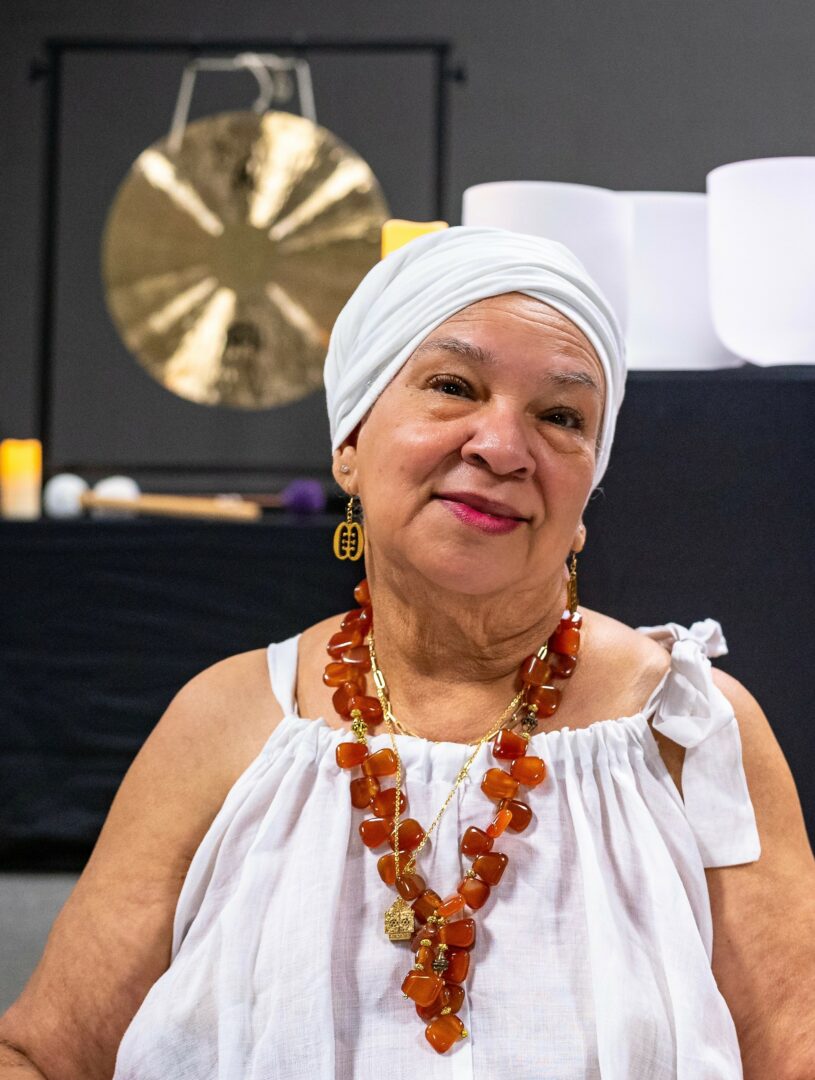
Alright – so today we’ve got the honor of introducing you to Deborah Kellar. We think you’ll enjoy our conversation, we’ve shared it below.
Deborah, so good to have you with us today. We’ve got so much planned, so let’s jump right into it. We live in such a diverse world, and in many ways the world is getting better and more understanding but it’s far from perfect. There are so many times where folks find themselves in rooms or situations where they are the only ones that look like them – that might mean being the only woman of color in the room or the only person who grew up in a certain environment etc. Can you talk to us about how you’ve managed to thrive even in situations where you were the only one in the room?
Being the only African American in the room has taught me how to be intentional about presence. Over time, I’ve come to understand that this is not a limitation—it is an invitation to lead with intention, clarity, and truth.
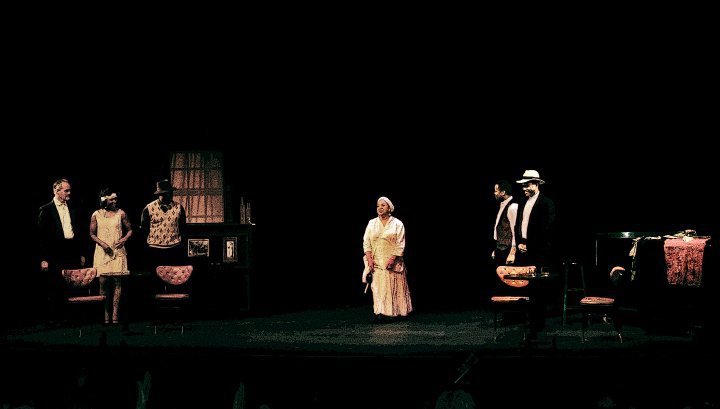
As an Actress and Founder of By Any Means Necessary Ensemble (BAMN), BAMN-BAMN Youth Ensemble, and Educational Theatre Institute (ETI), I have learned that storytelling is not only about performance, but about perspective. The stories we choose to tell—and the way we choose to tell them—shape how people see the world and themselves within it. I carry into every space a commitment to authenticity, depth, and representation that is honest and expansive.
As a 25-year theatre educator with the Los Angeles Unified School District, my work is rooted in structure, discipline, and possibility. I believe that every student deserves access to excellence in the arts, and I approach each classroom and rehearsal space with the responsibility of creating an environment where young people feel seen, challenged, and inspired to grow. Clarity of purpose and consistency of practice are the foundations of that work.
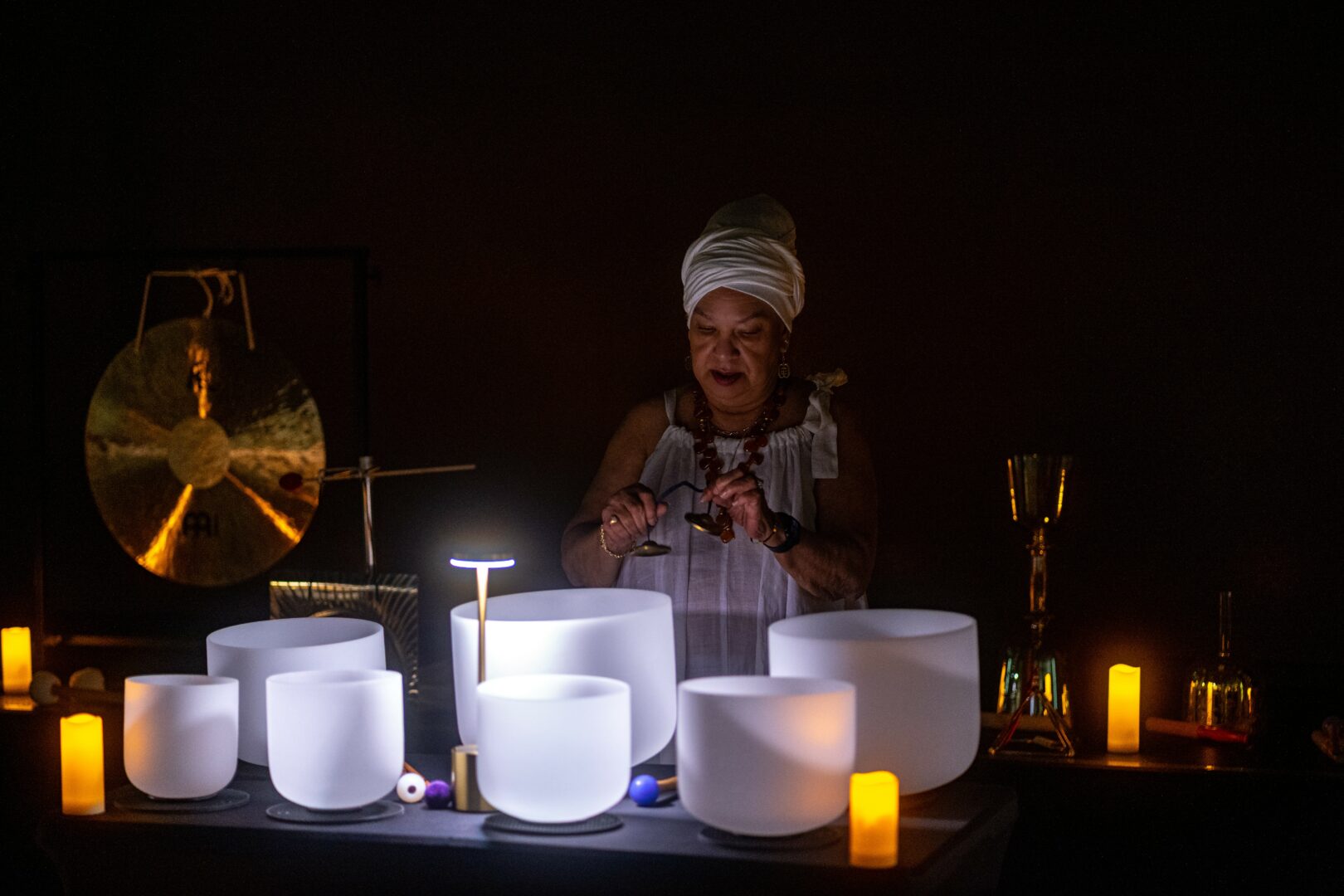
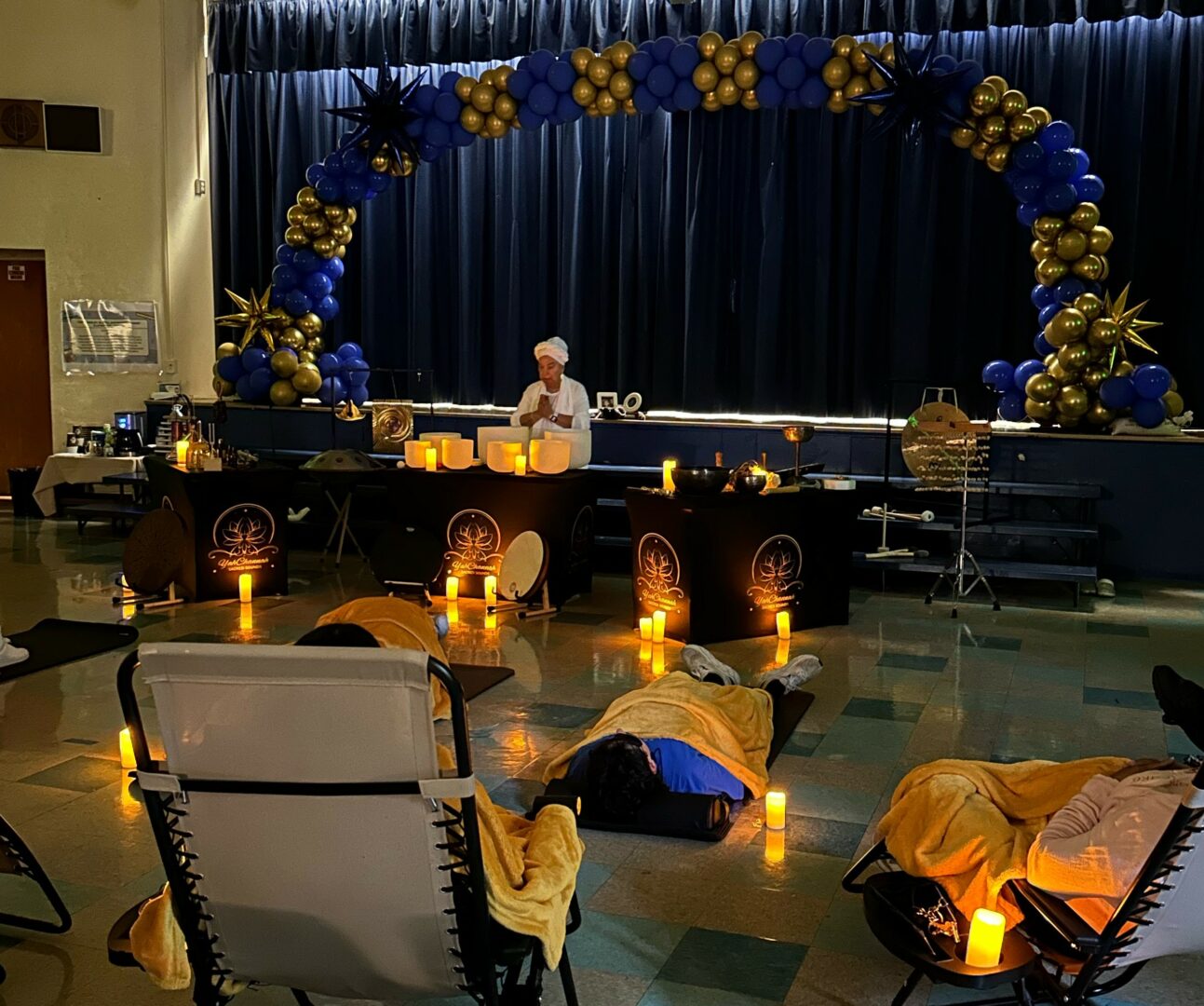
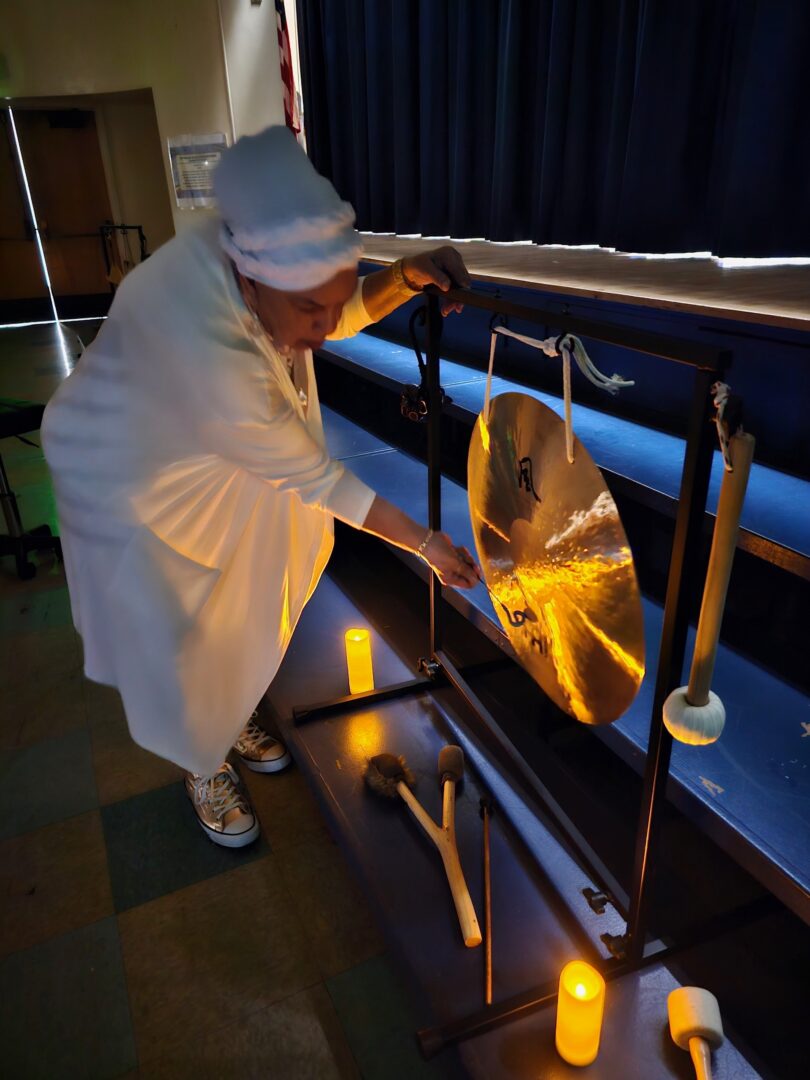
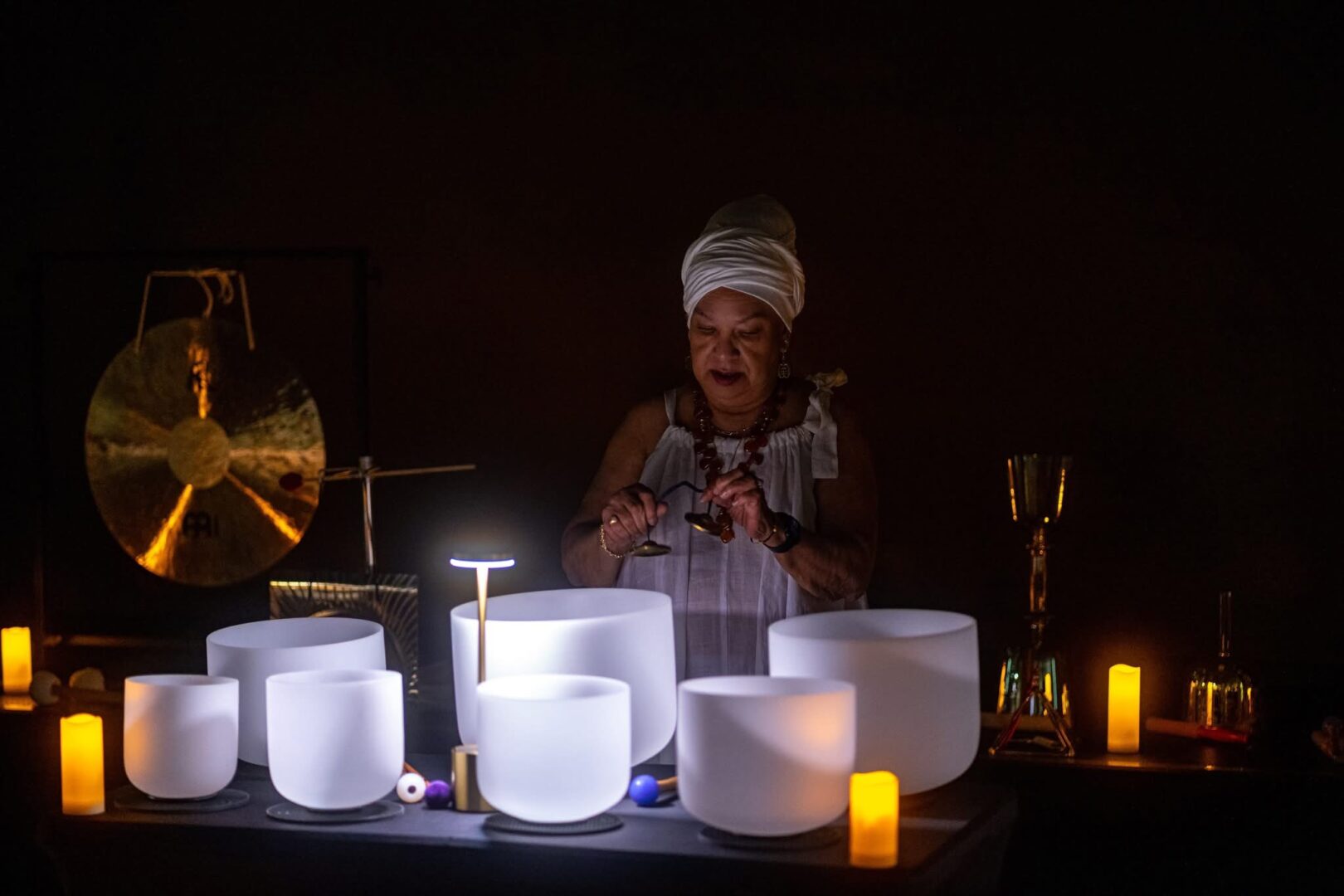
As a sound healer and Founder of YahChannah Sacred Sounds, I am guided by the power of presence. In a world that often moves too quickly, I create spaces where individuals can pause, listen, and reconnect. Sound becomes a bridge—supporting balance, awareness, and restoration. In these moments, the work speaks for itself.
Across all of these roles, I have learned not to carry the weight of representing everyone, but instead to stand fully in my own voice. When I do that with intention and excellence, it creates space for others to do the same.
I do not enter rooms seeking permission to belong. I enter with the understanding that what I bring—my experience, my training, my perspective, and my purpose—is not only valuable, but necessary.
It is my hope that the work you experience here reflects that commitment, and that it leaves you with a sense of connection, reflection, and possibility.
But most importantly, I’ve learned this:
I don’t walk into rooms trying to fit in—I walk in understanding that I bring something essential.
And that mindset changes everything.
Let’s take a small detour – maybe you can share a bit about yourself before we dive back into some of the other questions we had for you?
About My Work
For me, the work has never lived in just one lane.
It began in the theatre—with storytelling, performance, and a deep understanding of what it means to stand in front of an audience and tell the truth. As an actress and producer, I learned how stories are built, how they move people, and how they create connection. But over time, that work expanded beyond the stage.
As the founder of Educational Theatre Institute (ETI), I brought that same level of artistic rigor into schools—creating programs where young people are not only introduced to theatre, but trained within it. My focus has always been on access and excellence: making sure students, regardless of background, are given the tools, discipline, and opportunity to fully step into their creative potential. There is something incredibly powerful about watching a student discover their voice for the first time—and then realize it has value.
At the same time, my journey led me into wellness through the creation of YahChannah Sacred Sounds. What began as an exploration of sound evolved into a practice rooted in presence, intention, and restoration. Through sound healing, I create experiences that allow people to pause—often for the first time in a long time—and reconnect with themselves in a meaningful way.
What makes this work special is not just each individual piece—it’s how they come together.
Theatre taught me how to hold attention. Education taught me how to build structure and impact.
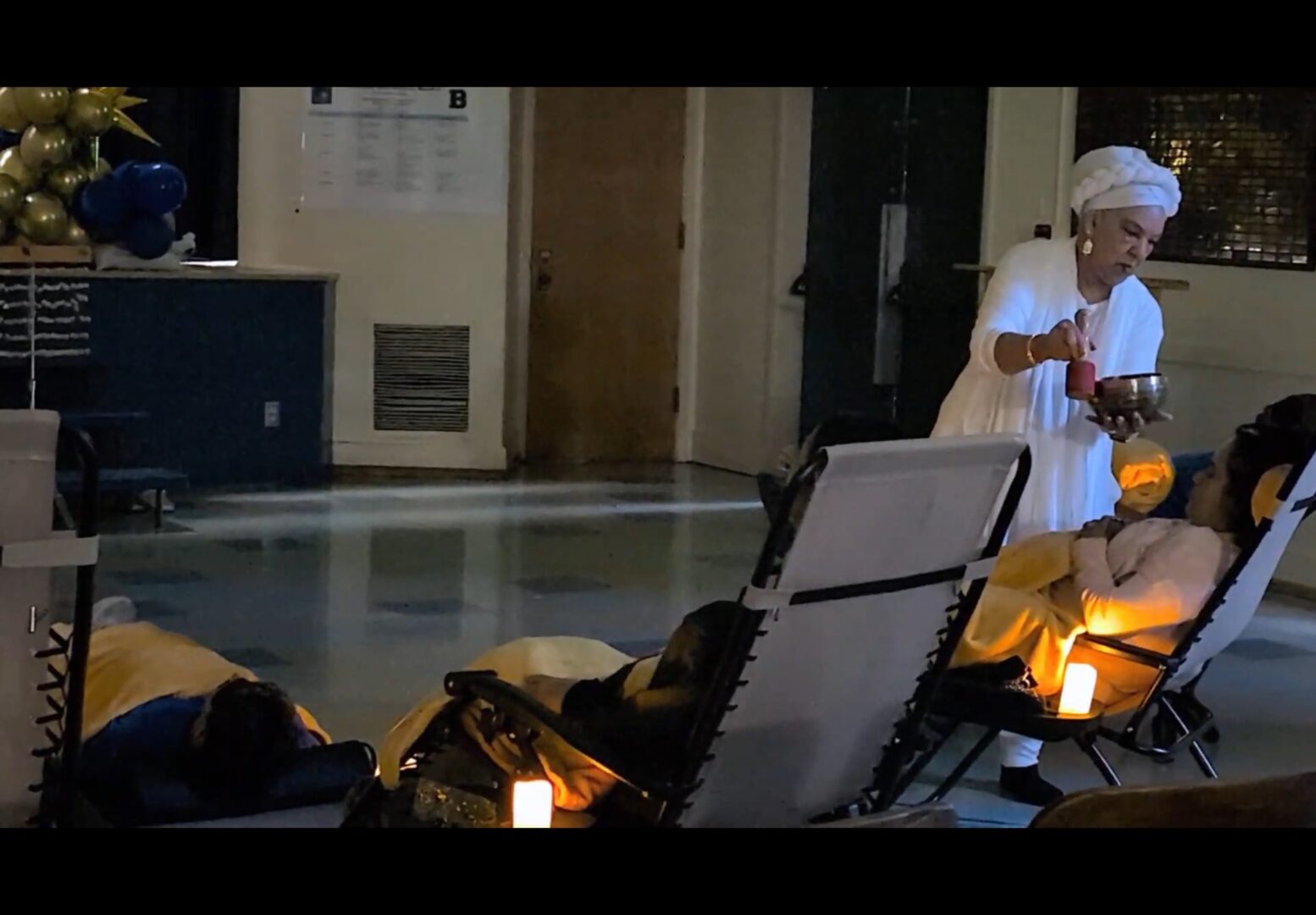
Sound healing taught me how to hold space. Together, they form a practice that is both creative and restorative, expressive and grounding. Whether I’m directing a production, leading a classroom, or facilitating a sound bath, the goal is the same: to create an environment where people feel seen, supported, and transformed.
What’s New / What I’m Building
Right now, I’m in a season of expansion.
Through YahChannah Sacred Sounds, I’m developing structured sound healing programs designed specifically for schools and diverse learning communities. These programs go beyond the traditional sound bath—they are intentional, curriculum-based experiences that support emotional regulation, focus, and overall well-being for students and educators alike.
I’m also building a broader training and certification model, with the goal of equipping others to bring this work into their own communities in a meaningful and responsible way.
On the theatre side, I continue to produce and develop youth-centered work through ETI, with a strong emphasis on culturally grounded storytelling and creating space for young performers to see themselves reflected in the work they are part of.
In addition, I’m expanding into more community-based offerings—sound bath experiences, retreats, and wellness events designed to support not just individuals, but entire communities in slowing down, resetting, and reconnecting.
What I Want People to Know
At its core, my work is about connection. It’s about creating spaces—whether on a stage, in a classroom, or on a mat—where people can come back to themselves. Where they can feel something real. Where they can remember that their voice, their presence, and their well-being matter. Because when that connection is restored, everything else begins to shift.
There is so much advice out there about all the different skills and qualities folks need to develop in order to succeed in today’s highly competitive environment and often it can feel overwhelming. So, if we had to break it down to just the three that matter most, which three skills or qualities would you focus on?
Presence came first.
As an actress and producer, I learned that presence isn’t just about being seen—it’s about being felt. It’s how you enter a room, how you speak, how you hold your ground. Over time, that presence extended beyond performance into every area of my work—from classrooms to wellness spaces. It became less about proving myself, and more about anchoring myself.
For those early in their journey, I would say:
Don’t wait for permission to take up space. Practice being clear, grounded, and intentional in how you show up—because people respond to that before anything else.
Discipline has been the foundation.
In theatre education, discipline shows up in preparation, consistency, and structure. It’s what allows creativity to actually thrive. Whether I’m building a program, directing a production, or developing curriculum, the work behind the scenes matters just as much as what people see.
My advice is simple:
Commit to your craft even when no one is watching. Develop habits that support excellence—because talent may open the door, but discipline is what keeps you in the room.
The third—and perhaps most defining—has been the ability to translate across spaces.
My work lives in multiple worlds: the arts, education, and wellness. Each one speaks a different language. I’ve had to learn how to communicate the same core value in ways that resonate with different audiences—whether that’s a school administrator, a group of students, or a room full of adults in a sound bath.
That skill has been powerful because it creates access. It allows the work to reach more people, in more meaningful ways.
For those starting out:
Learn how to speak to different audiences without losing your core message. Understand who you’re in the room with, and meet them there—while still staying true to what you bring.
Final Thought
If I had to offer one overarching piece of advice, it would be this:
Be intentional about who you are becoming—not just what you are doing.
Skills can be learned. Opportunities will come and go. But the way you show up—your presence, your discipline, and your ability to connect across spaces—that’s what sustains a long and meaningful career.
One of our goals is to help like-minded folks with similar goals connect and so before we go we want to ask if you are looking to partner or collab with others – and if so, what would make the ideal collaborator or partner?
Absolutely. Collaboration is a big part of how my work continues to grow and reach new communities. I’m especially interested in partnering with schools, arts organizations, and wellness-focused institutions that value both creativity and well-being. That includes administrators, educators, and program directors who are looking to bring meaningful arts and wellness experiences to their students or communities.
I also enjoy collaborating with fellow artists, facilitators, and practitioners—particularly those working at the intersection of performance, education, and healing. I’m always open to co-creating experiences, whether that’s a production, a workshop, a sound healing event, or something more interdisciplinary.
What’s most important to me is alignment—working with people who are committed to excellence, intention, and impact.
If someone is interested in collaborating, the best way to connect with me is through my platform:
Educational Theatre Institute (ETI): www.EducationalTheatre.net (310) 819-2266
I welcome conversations that are thoughtful, purposeful, and rooted in creating something that truly serves people.
Contact Info:
- Website: https://www.EducationalTheatre.net
- Instagram: IamDeborahKellar; YahChannah.Sound.Healer.
- Facebook: YahChannah Sacred Sounds. YahChannah Sound Healer. EducationalTheatre Institute/BAMN BAMN Youth Ensemble
- Linkedin: Deborah Kellar
- Twitter: Deborah Kellar-Actor. @DeborahKellar2808
- Youtube: ETI – Educational Theatre Institute @eti-educationaltheatreinst4946
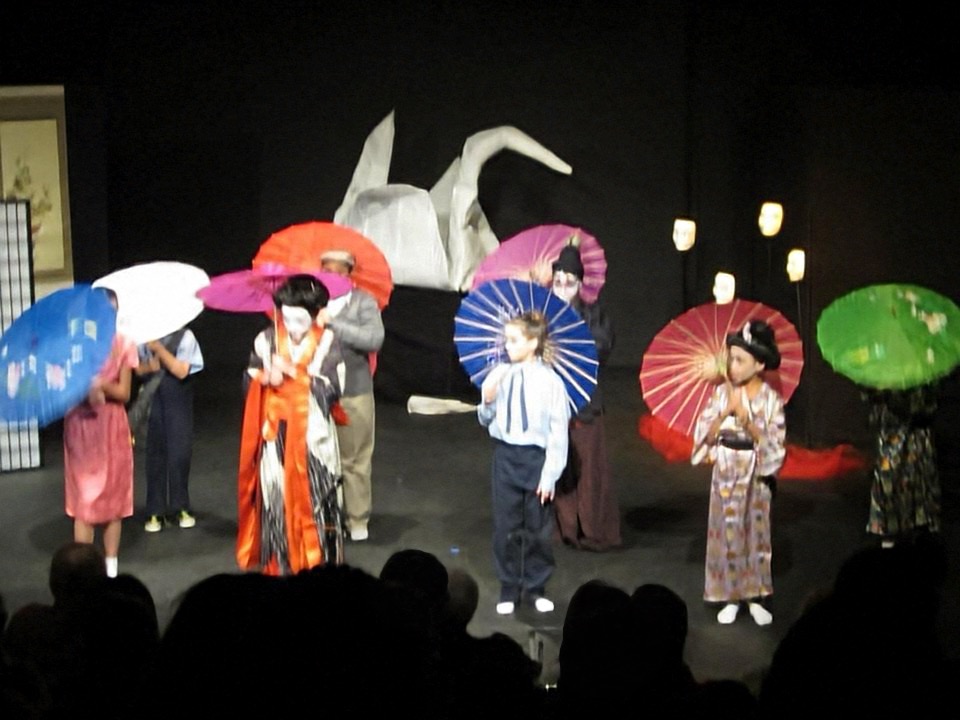
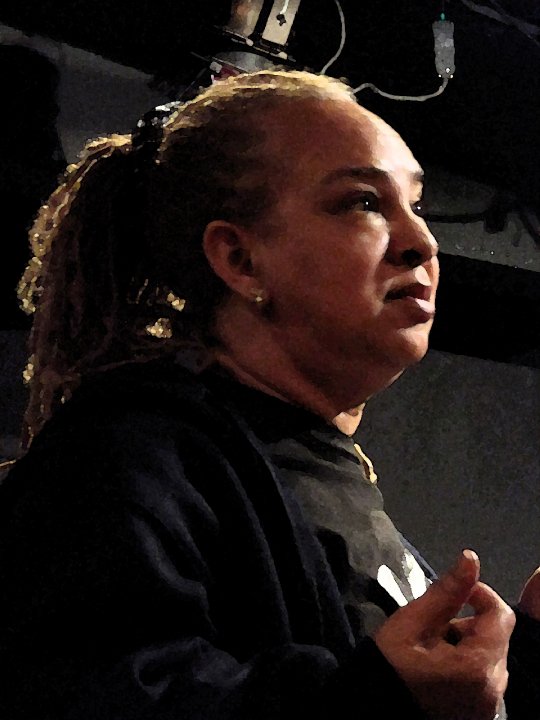
Image Credits
no credits
so if you or someone you know deserves recognition please let us know here.


