Alright – so today we’ve got the honor of introducing you to Devin Foley. We think you’ll enjoy our conversation, we’ve shared it below.
Hi Devin, really happy you were able to join us today and we’re looking forward to sharing your story and insights with our readers. Let’s start with the heart of it all – purpose. How did you find your purpose?
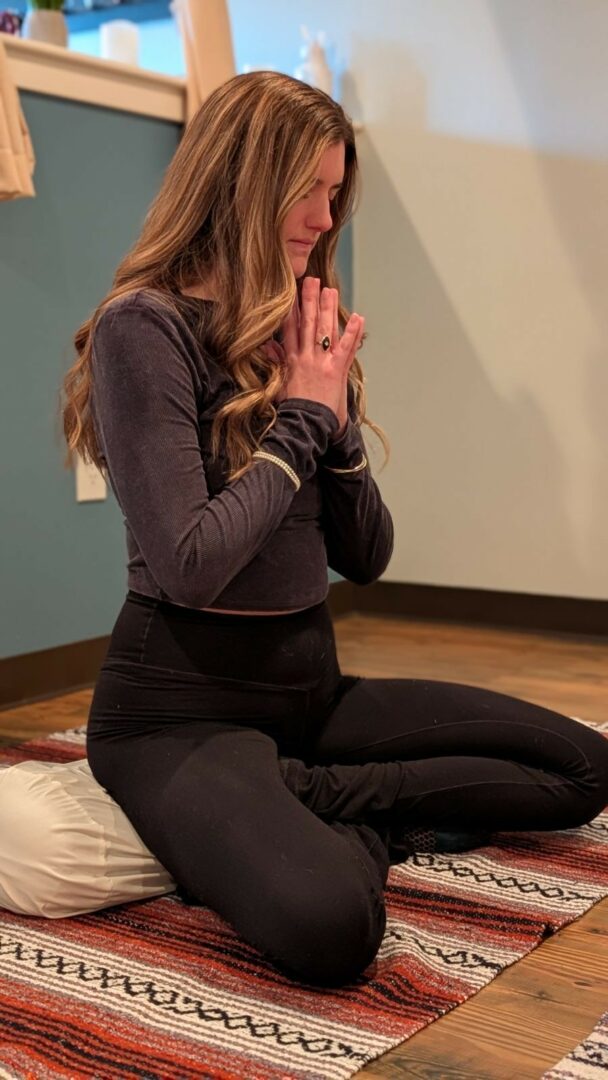
I found my purpose of helping others heal from past traumas through my own healing journey. As a survivor of childhood sexual, emotional, and mental abuse, I discovered the profound impact of yoga which helped me release emotions stored in the body. What began as a personal path to healing evolved into a deep calling to guide others through their own journeys of trauma healing and empowerment.
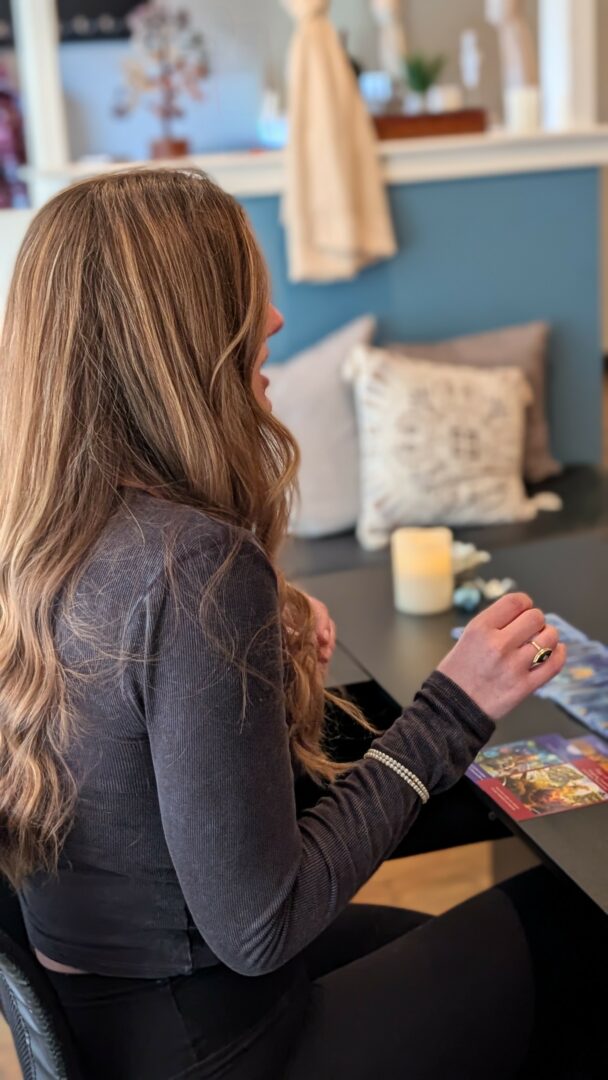
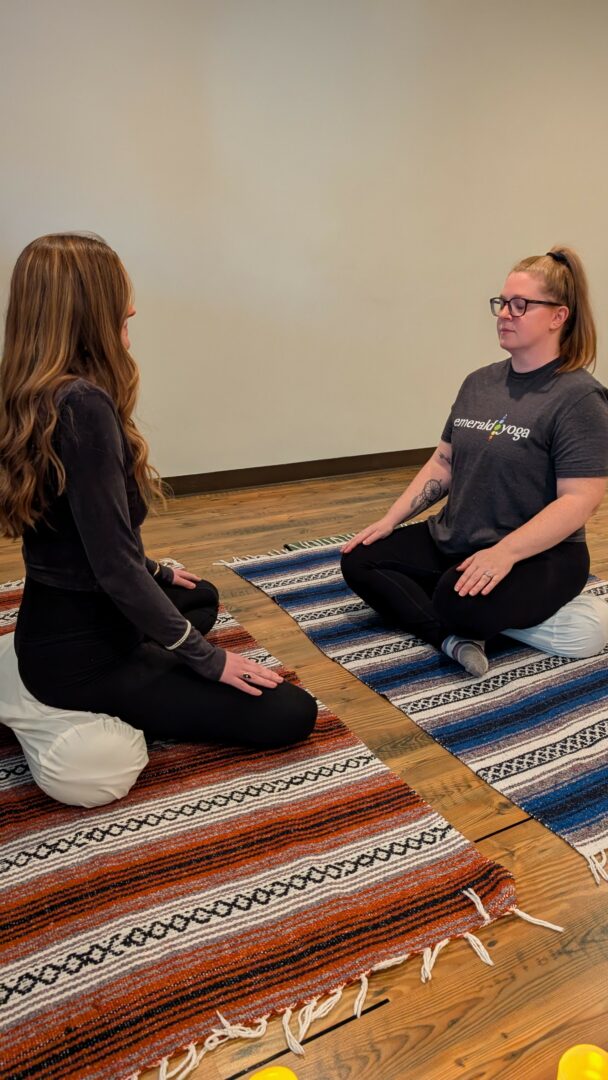
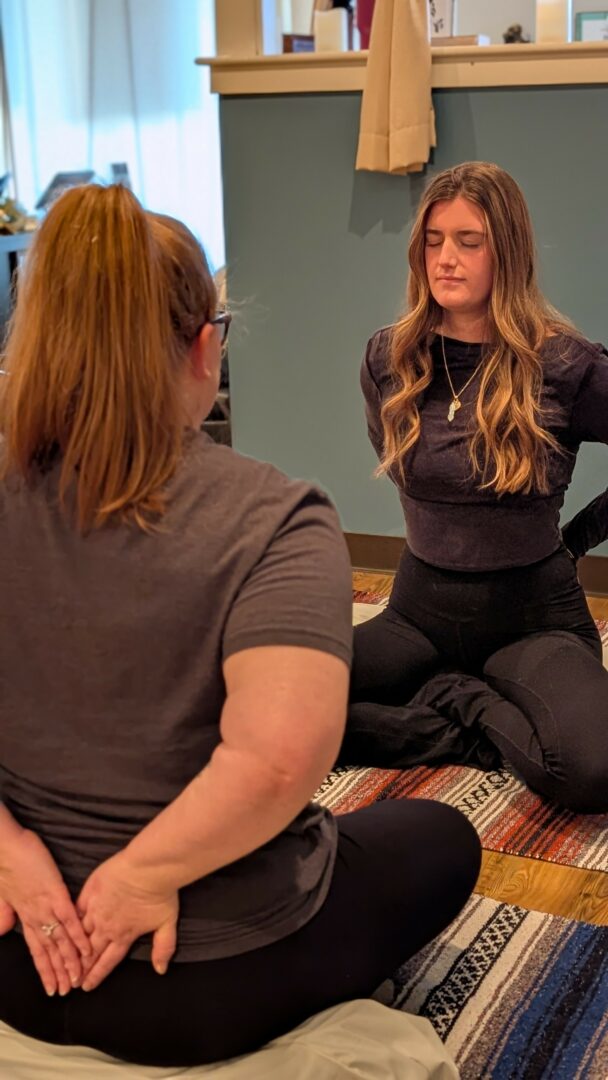
Through teaching yoga, holding 1:1 trauma-informed energy healing, and spiritual sessions, I have cultivated a practice that creates safe, nurturing spaces for individuals to release past wounds and reconnect with their power. My energy work integrates ancestral healing, soul retrievals, and balancing the chakras, offering a holistic approach to mental and physical issues steaming from unhealed trauma.
I aim to make trauma healing a more prevalent aspect of mainstream society, focusing particularly on supporting women who have survived physical, mental, or emotional abuse. By fostering awareness, providing alternative resources, and creating safe spaces for open dialogue and expression, I strive to empower these individuals on their healing journeys and promote a culture of understanding, and compassion for themselves. Together, we can navigate the journey of recovery, transforming pain into strength and hope, reminding each other that we are not alone.
Thanks, so before we move on maybe you can share a bit more about yourself?
I’ve walked a long journey of healing, searching for the right path to overcome my past traumas and live the life I was meant to live. After finding traditional talk therapy and medication didn’t work for me, I ventured into alternative approaches. Through yoga, I discovered how to connect with my body and calm my nervous system, which led me to somatic practices and healers that helped me uncover and release stored trauma in a safe and supportive environment. Now, I’m driven to share my experiences and create a compassionate space where others who’ve faced similar traumas can heal with kindness and assist with their life path.
My mission is to provide a nurturing, trauma-informed healing environment that honors my clients unique journey. Integrating ancient yogic philosophy and shamanic practices to guide clients into their energy system, enabling them to confront and process unprocessed trauma with compassion and understanding. By holding a safe, sacred space for emotional expression—I empower each person to reconnect with their true essence, fostering holistic balance and transformation on their path to healing.
Trauma often disrupts the flow of energy, leading to blockages that can manifest as physical ailments, chronic pain, or mental health issues such as anxiety and depression. By addressing and clearing these energetic blockages individuals can restore balance, enhance self-awareness, and support emotional processing. This can lead to the alleviation of physical symptoms, improved resilience, and an overall sense of peace.
I’m most passionate about working one on one with my clients and sharing knowledge that empowers others. By teaching people how to work with their energetic systems, I help them cultivate self-sufficiency in maintaining balance and well-being. In addition, I’m really excited about exploring the connection between generational trauma and genetic diseases, such as breast and ovarian cancer, shedding light on how emotional and energetic imprints may influence physical health across generations.
There is so much advice out there about all the different skills and qualities folks need to develop in order to succeed in today’s highly competitive environment and often it can feel overwhelming. So, if we had to break it down to just the three that matter most, which three skills or qualities would you focus on?
1. Deep Somatic Awareness:
Understanding how trauma is stored in the body and learning to feel into your own body was a game-changer. Somatic awareness allowed me to recognize where emotions were stuck and how to release them through movement, breath, and energy work.
Advice: For those early in their journey, cultivate this awareness through practices like yoga, breathwork, and meditation. Start small—notice how different emotions manifest in your body.
2. Emotional Resilience, Self-Compassion & Safe Spaces
Healing isn’t linear, and setbacks are inevitable. Developing resilience and self-compassion helped me keep moving forward, even when old wounds resurfaced. Equally important was finding safe spaces where I felt seen, heard, and supported in your healing. Being in environments that honored your journey—whether in yoga classes, community, or one-on-one mentorship made a profound difference.
Advice: Prioritize finding safe, non-judgmental spaces where you can share your experiences and be supported. Seek out trauma-informed teachers, support groups, or communities that align with your values. Healing is not meant to be done alone community is a powerful medicine. I’m a part of an amazing group called Wayshowers where I’m able to show up authentically and feel supported. I highly recommend this community if you are on your path of healing or leadership.
3. Holistic & Ancestral Wisdom
My exploration of yoga, energy healing, and ancestral practices has deepened my understanding of healing as a multidimensional experience. Recognizing the connection between generational trauma and physical health helped me approach healing from a broader perspective.
Advice: Educate yourself on different healing modalities, but trust your intuition about what resonates. Read books on ancestral healing, shadow work, and trauma-informed approaches. If possible, seek guidance from teachers or elders who specialize in these areas. Most importantly, integrate these teachings into your daily life.
For those at the beginning of their path, the most important thing is to stay open, patient, and committed to the process. Healing takes time, but every step forward especially when taken in safe, supportive spaces—is a step toward reclaiming your true self.
Alright, so before we go we want to ask you to take a moment to reflect and share what you think you would do if you somehow knew you only had a decade of life left?
I definitely grapple with shame. Stepping into leadership means using your voice, standing in your truth, and holding space for others, but it’s not always easy. The weight of self-doubt, societal expectations, and internalized fears can make it challenging to feel confident all the time.
For someone who has experienced abuse like me, this can be even more complex. Sharing my wisdom means being vulnerable, and vulnerability can sometimes trigger shame—whether it’s the fear of being judged, the belief that you’re not “enough,” or the lingering wounds from past experiences.
But the key is that I keep going. I recognize that shame is not a sign to stop but an invitation to deepen your own healing. Every time I push through self-doubt and choose to share my voice anyway, I reclaim my power and give others permission to do the same.
For those walking a similar path, the best way to navigate shame is through self-compassion and community. Having trusted spaces where you can share your struggles without fear of judgment makes all the difference. And when shame arises, remind yourself: your voice matters, your work is important, and your presence is enough—exactly as you are.
Contact Info:
- Website: https://www.awakenwithdev.com
- Instagram: @awakenwithdev
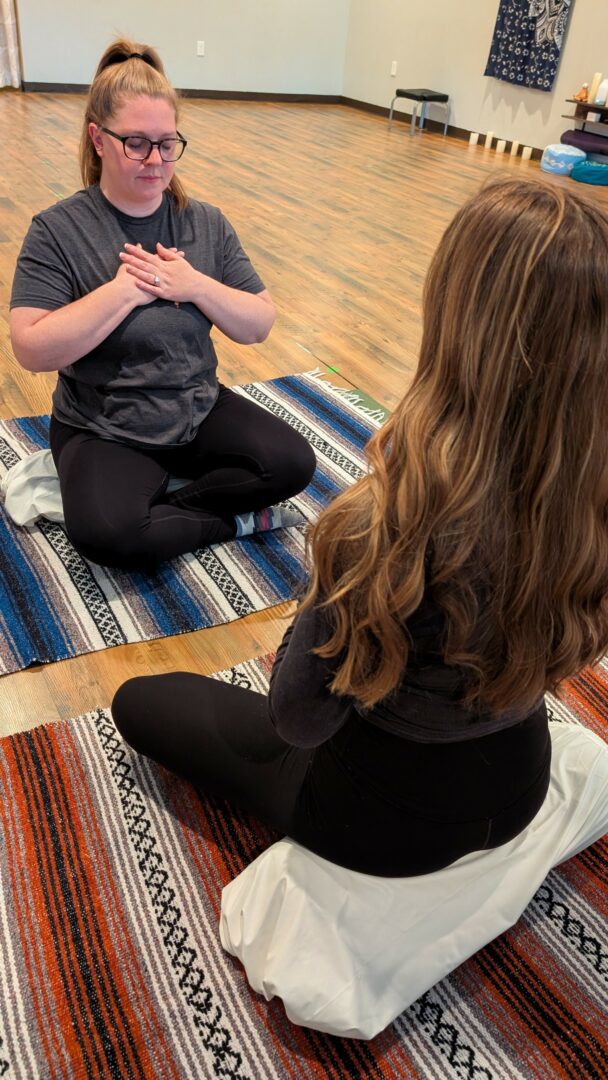
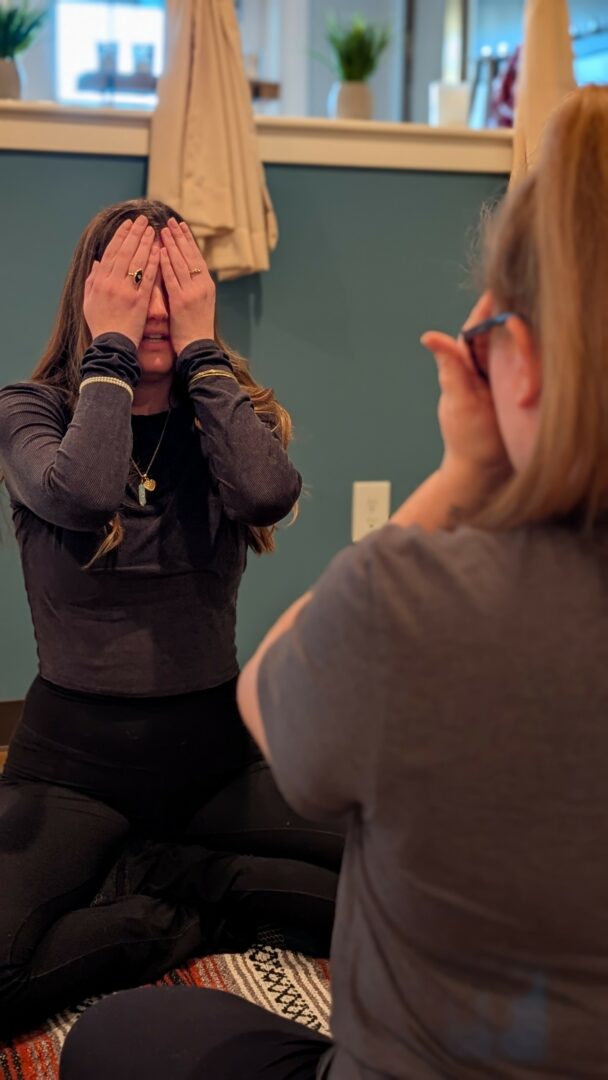
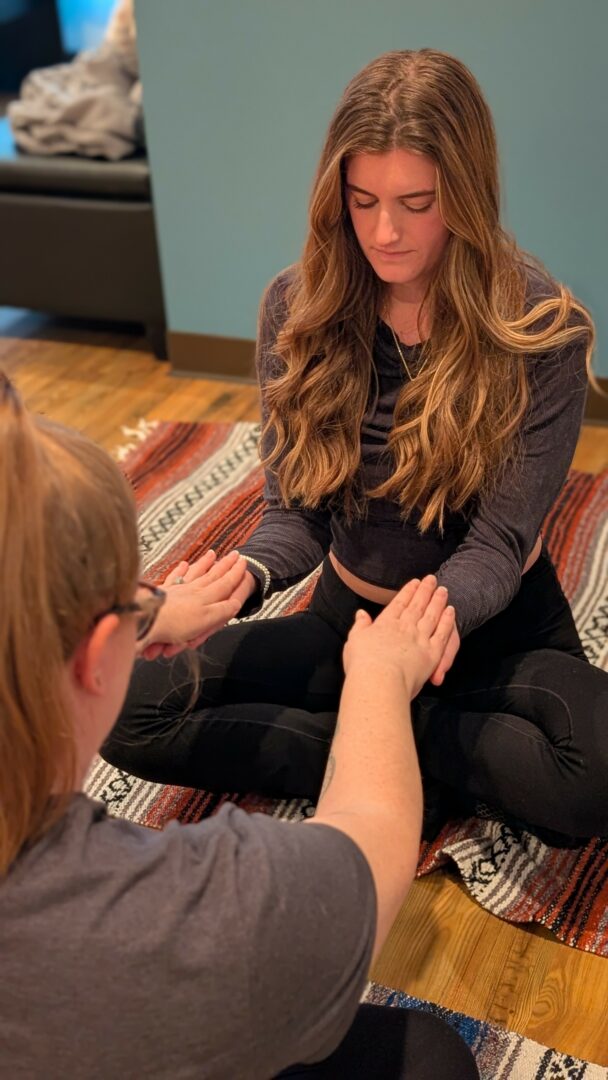
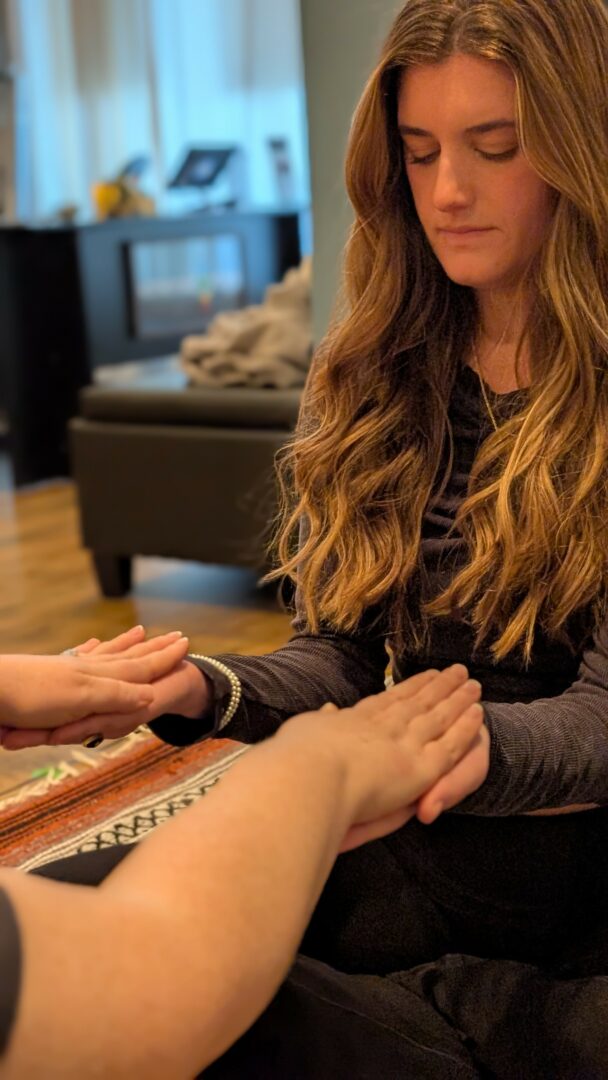
Image Credits
Landen Stacy
so if you or someone you know deserves recognition please let us know here.