We recently connected with Dina Belenko and have shared our conversation below.
Hi Dina, thanks for sharing your insights with our community today. Part of your success, no doubt, is due to your work ethic and so we’d love if you could open up about where you got your work ethic from?
Eliezer Yudkowsky’s essay on procrastination (google Working hurts less than procrastinating, we fear the twinge of starting) has been a game-changer for me.
Yudkowsky dives deep into the psychology behind our avoidance habits, explaining that it’s not the work itself we dread, but the initial decision to start that causes us discomfort. He pinpoints hyperbolic discounting—the tendency to prioritize immediate payoffs over future rewards—as a core issue.
Here’s a condensed version of Yudkowsky’s key points, which serve as practical advice for anyone struggling with procrastination:
Acknowledge the Real Pain:
Recognize that the discomfort comes from making the decision to work, not from the work itself.
Frontal Override: Push yourself to disengage from distractions and engage in your tasks. This initial effort is often the hardest part.
Rethink Rest: Understand that rest doesn’t come from passive activities like browsing the internet but from engaging in activities that offer solvable problems and positive reinforcement, like reading a good book or playing a rewarding game.
By following these insights, I’ve reshaped my approach to work and procrastination. It’s about confronting those momentary pains head-on and reaping the benefits of getting things done. Thanks to Yudkowsky, I’ve learned that jumping over the small hurdle of starting can lead to significant gains in productivity and satisfaction.
Remember:
Working hurts less than procrastinating
Working hurts less than procrastinating
Working hurts less than procrastinating
Thanks, so before we move on maybe you can share a bit more about yourself?
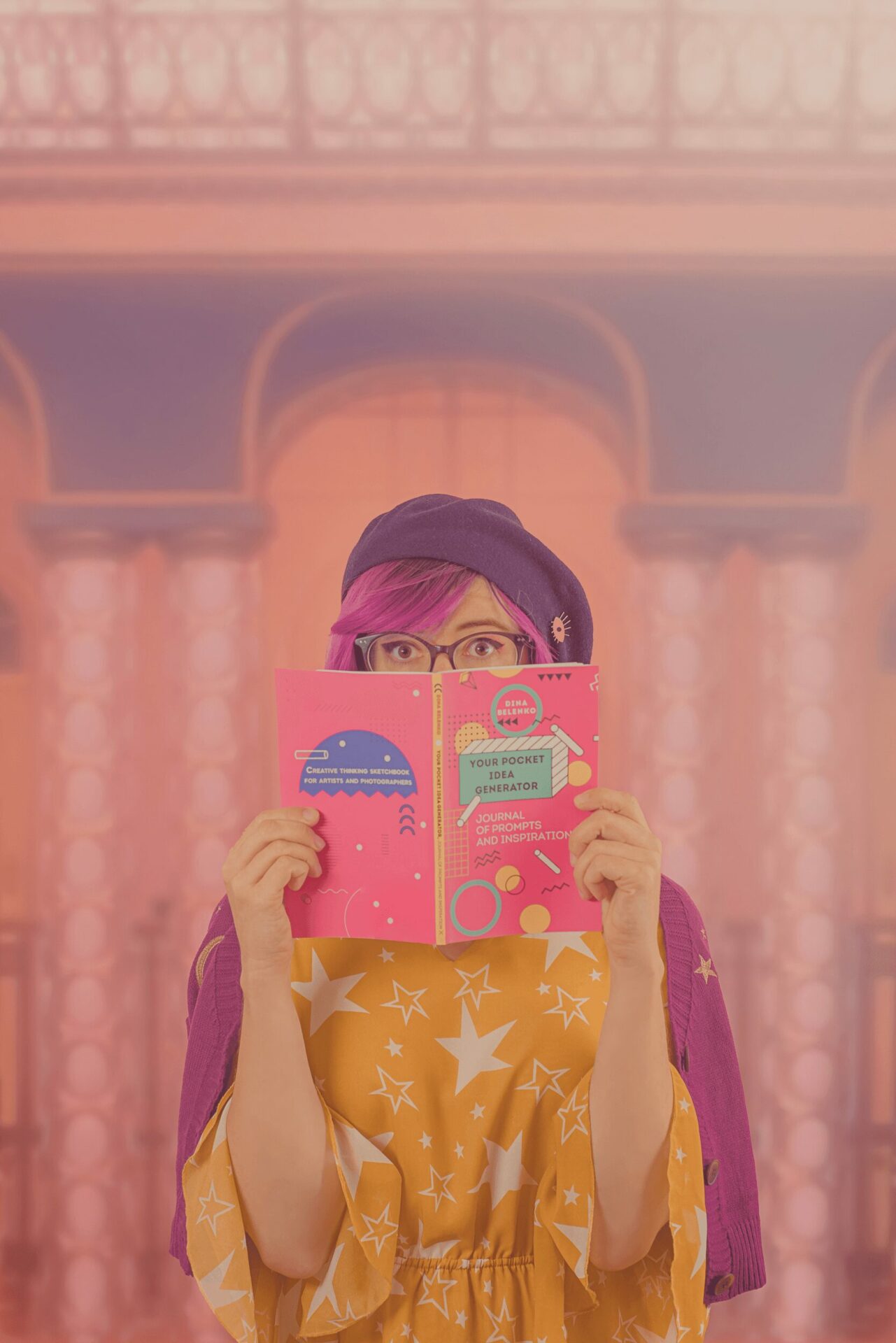
I’m Dina Belenko, a still life photographer with a deep passion for bringing everyday objects to vivid life through photography. With over a decade of experience, I focus on transforming ordinary items into stunning visual narratives. What excites me the most about my work is the ability to uncover the hidden magic in mundane items, turning them into stories that resonate both visually and emotionally.
In addition to my photography, I am dedicated to education and empowering creatives. I’ve written books such as “The Ultimate Guide to Splashes,” which delves into the intricate art of splash photography, a technique that infuses still life images with motion and vitality.
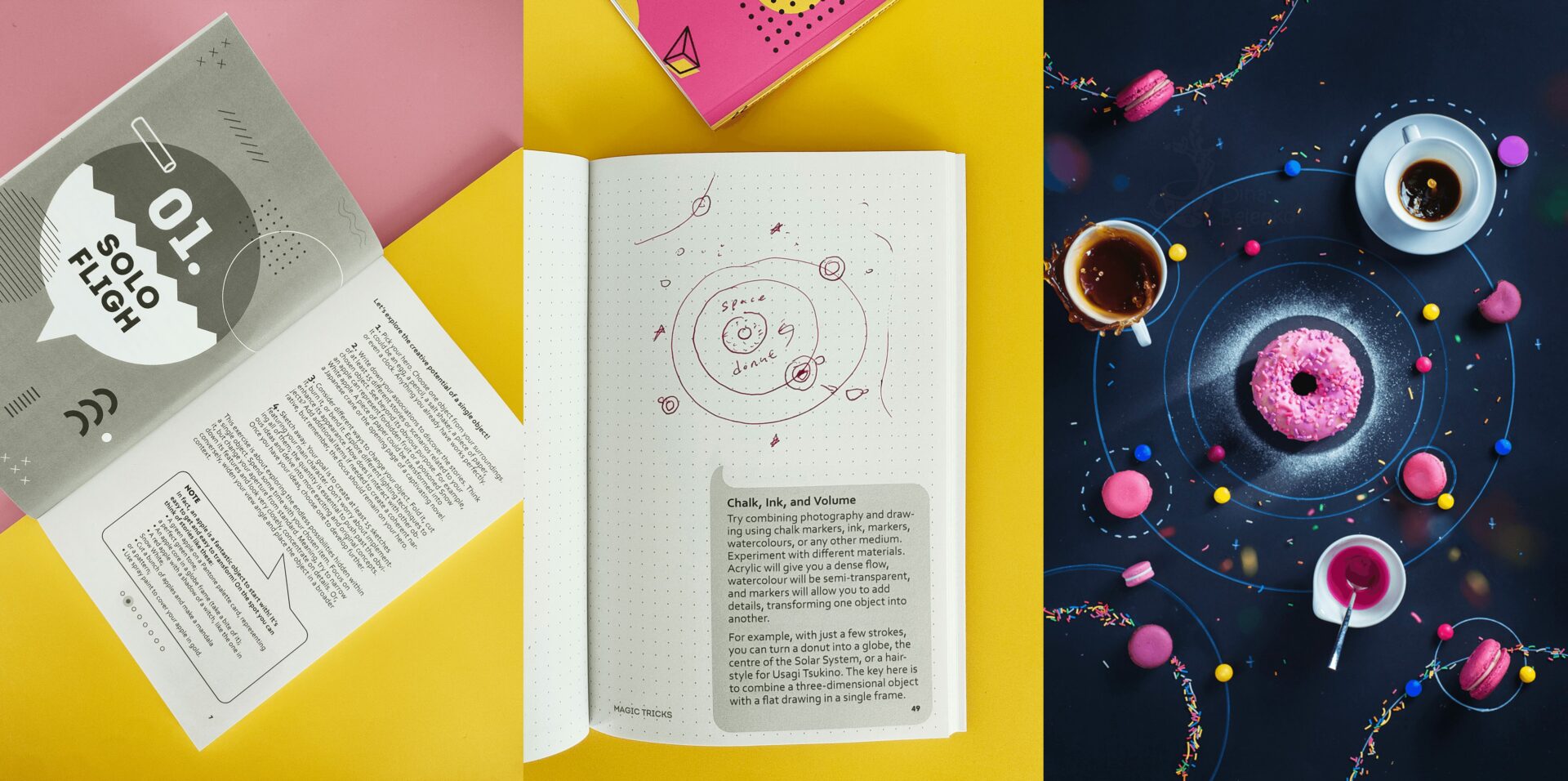
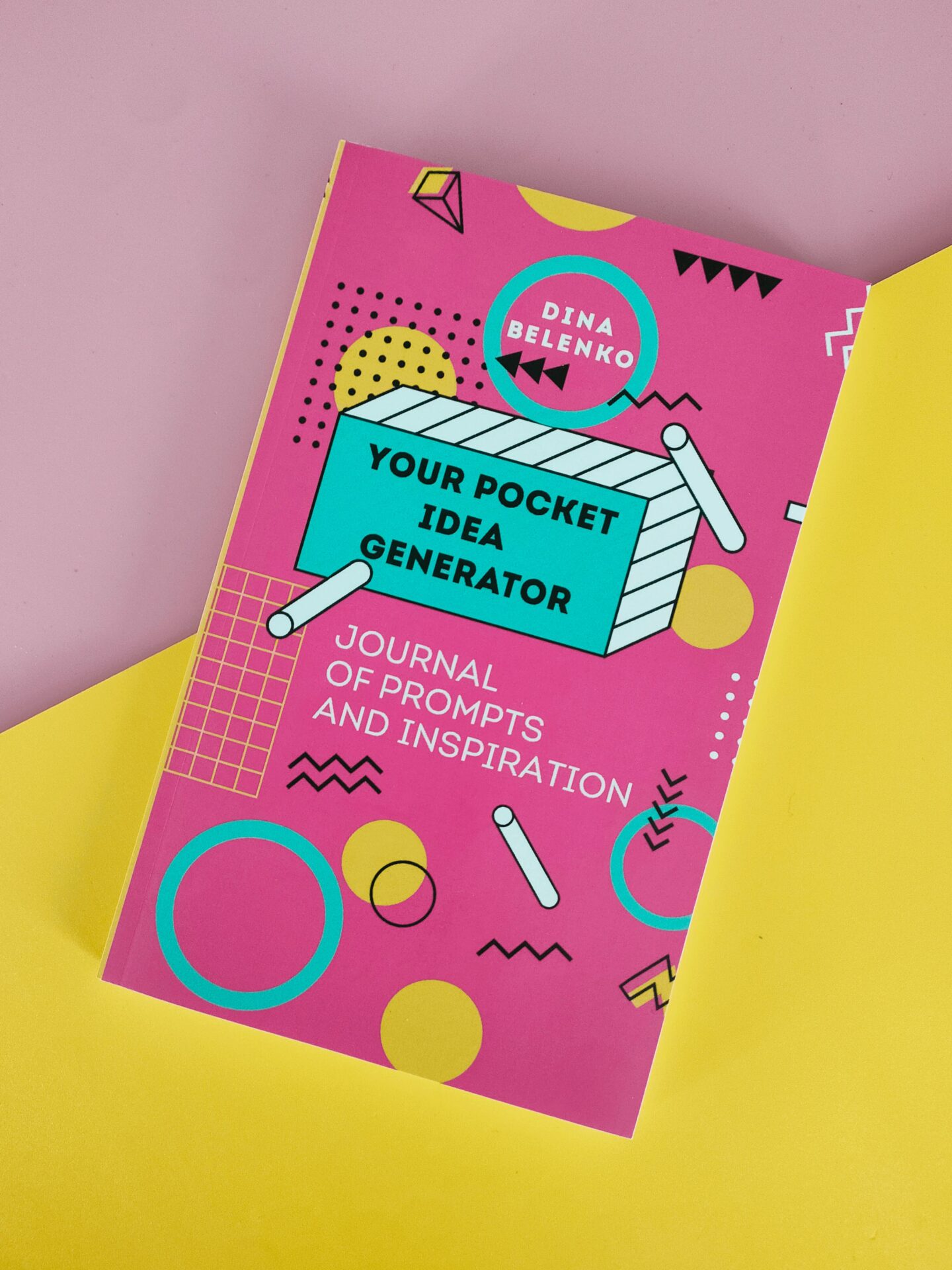
I’ve also recently introduced the “Your Pocket Idea Generator: Journal of Prompts and Inspiration.” This tool is designed to jump-start creativity for artists at any skill level. It offers creative prompts, inspiration, and space for sketches and mind maps, providing a practical approach to overcoming creative blocks and sparking innovation. This journal is a pivotal resource for artists seeking to expand their creative process and explore new ideas.
My brand extends beyond photography; it’s about fostering a creative community where new ideas can thrive and artistic expression is celebrated. Whether you’re looking to overcome the fear of starting, aiming for your first commissions, or striving to develop a unique style, my resources are crafted to support and inspire. From educational books to the “Pocket Idea Generator,” each of my projects is designed to enhance creative expression and assist others in finding their artistic voice.
I invite everyone to explore these resources and let them inspire you to see and portray the world in novel and unexpected ways. Let’s transform fear into creation, ideas into projects, and visions into reality. Engage with these tools and let them guide you in your creative exploration.
If you had to pick three qualities that are most important to develop, which three would you say matter most?
Reflecting on the qualities that have most significantly shaped my approach to still life photography, I would highlight original exploration, resourcefulness, and storytelling as key to my development.
Original Exploration: My creative process thrives on not just following the beaten path or relying on popular references like Pinterest. Instead, I dive into varied domains such as music, rational thinking, cognitive science, and even hands-on activities like embroidery or experimenting with unique crafting materials. This diverse exploration enriches my work, enabling me to bring a unique perspective and depth that stands apart from conventional visual inspirations.
Resourcefulness: I consider myself not necessarily adaptable to changing trends, but highly resourceful. This quality is about creatively leveraging whatever is at hand to overcome challenges. Whether it’s finding new purposes for traditional photography tools or repurposing everyday items into my shoots, resourcefulness drives my ability to innovate and execute my vision, even in less-than-ideal conditions.
Storytelling: The ability to weave compelling narratives through my photographs is crucial. More than just creating visually pleasing images, it’s about embedding stories that resonate emotionally and intellectually with the audience. I continuously strive to push the boundaries of visual storytelling, aiming to convey complex stories and abstract concepts through the lens of still life.
For those just starting out in creative fields, I recommend cultivating these qualities by seeking inspiration beyond your immediate environment, embracing challenges as opportunities for innovation, and always aiming to tell a story that engages and moves your audience. This approach will not only enhance your skills but also help in developing a distinct artistic voice.

As we end our chat, is there a book you can leave people with that’s been meaningful to you and your development?
Among the books that have significantly influenced my development as a still life photographer and an educator, Eliezer Yudkowsky’s works stand out, particularly “Rationality: From AI to Zombies” and “Harry Potter and the Methods of Rationality.” These books delve deep into the practical and theoretical aspects of rational thinking, which has reshaped how I approach creativity and problem-solving in photography.
Key insights from these books include:
Embracing Complexity and Uncertainty: Yudkowsky emphasizes the importance of making good decisions even in the face of uncertainty. This has taught me to approach my photography with an open mind, ready to adapt my artistic vision as new variables or challenges arise during a shoot. Understanding that uncertainty is not an obstacle but a part of the creative process allows me to explore more freely and creatively.
Integrating Rationality with Intuition: Real rationality involves using both logic and intuition. In my work, this means not just following technical photography rules but also trusting my instincts about what will make a compelling image. Balancing these aspects leads to more nuanced and impactful art.
Scientific Approach to Creativity: Inspired by “Harry Potter and the Methods of Rationality,” where Harry applies scientific principles to magic, I apply a similar methodology to my photography. I experiment with different techniques, test the limits of my equipment, and systematically record results to learn what works best under various conditions. This methodical approach helps refine my art and teaching methods.
These books have not only expanded my perspective on rationality and creativity but also reinforced the value of continuous learning and experimenting. They encourage a mindset that is curious, analytical, and open to ne
Contact Info:
- Website: https://dinabelenko.pro/all_magic
- Instagram: https://www.instagram.com/pocket_idea_generator/
- Facebook: https://www.facebook.com/dinabelenkophotos
- Other: Your Pocket Idea Generator: Journal of Prompts and Inspiration: Sketchbook with creative prompts for artists and photographers
https://amzn.to/3yzjx4o
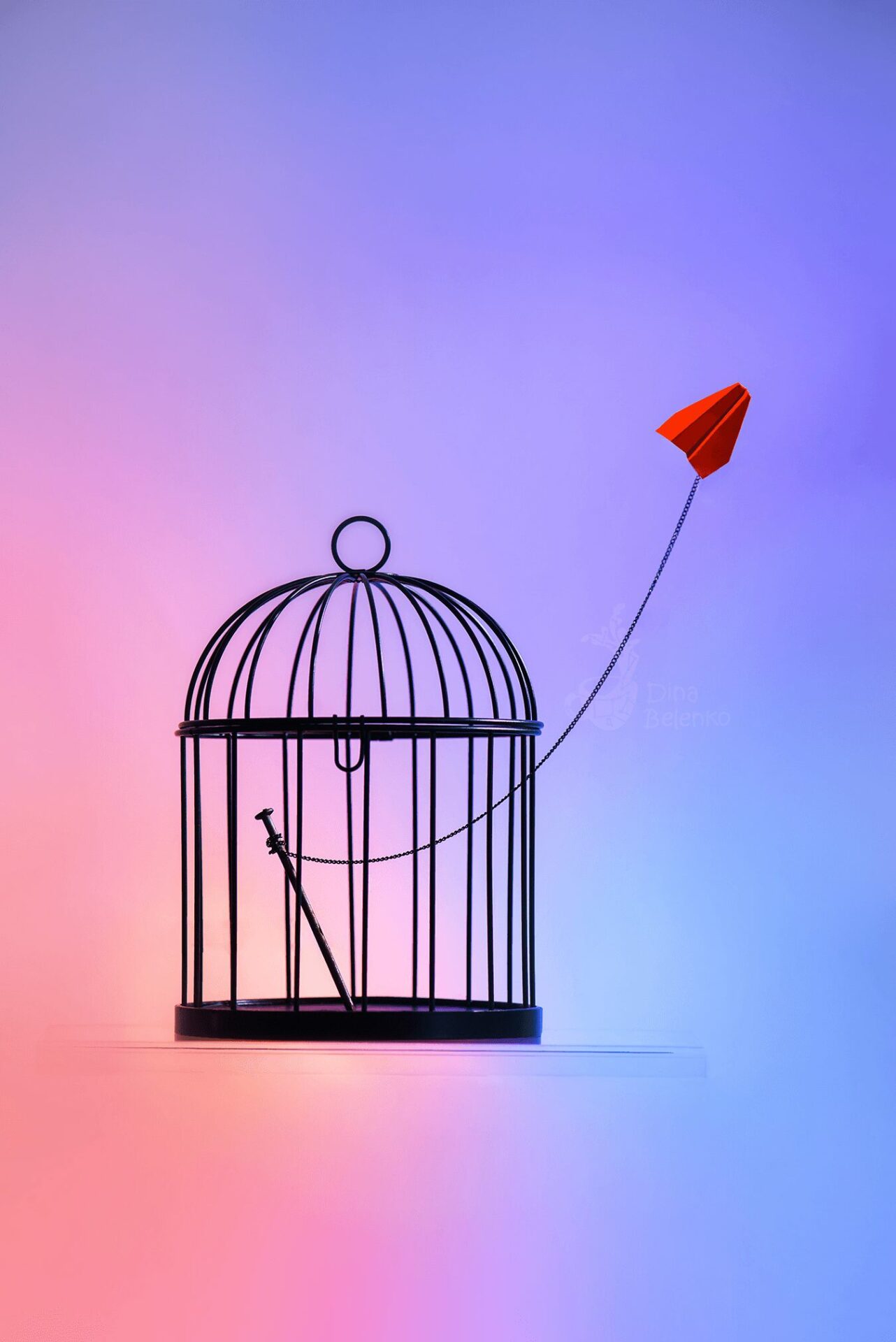
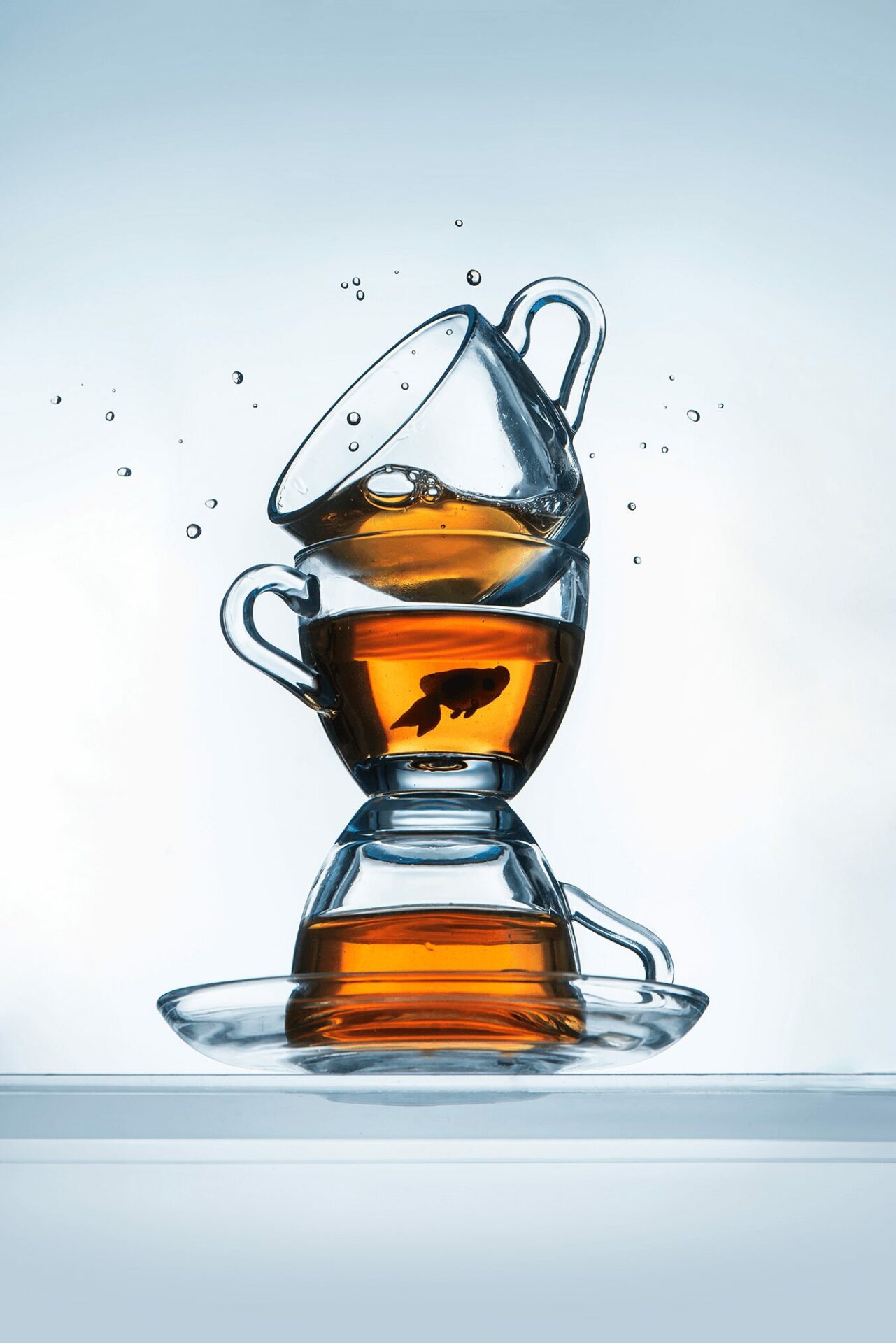
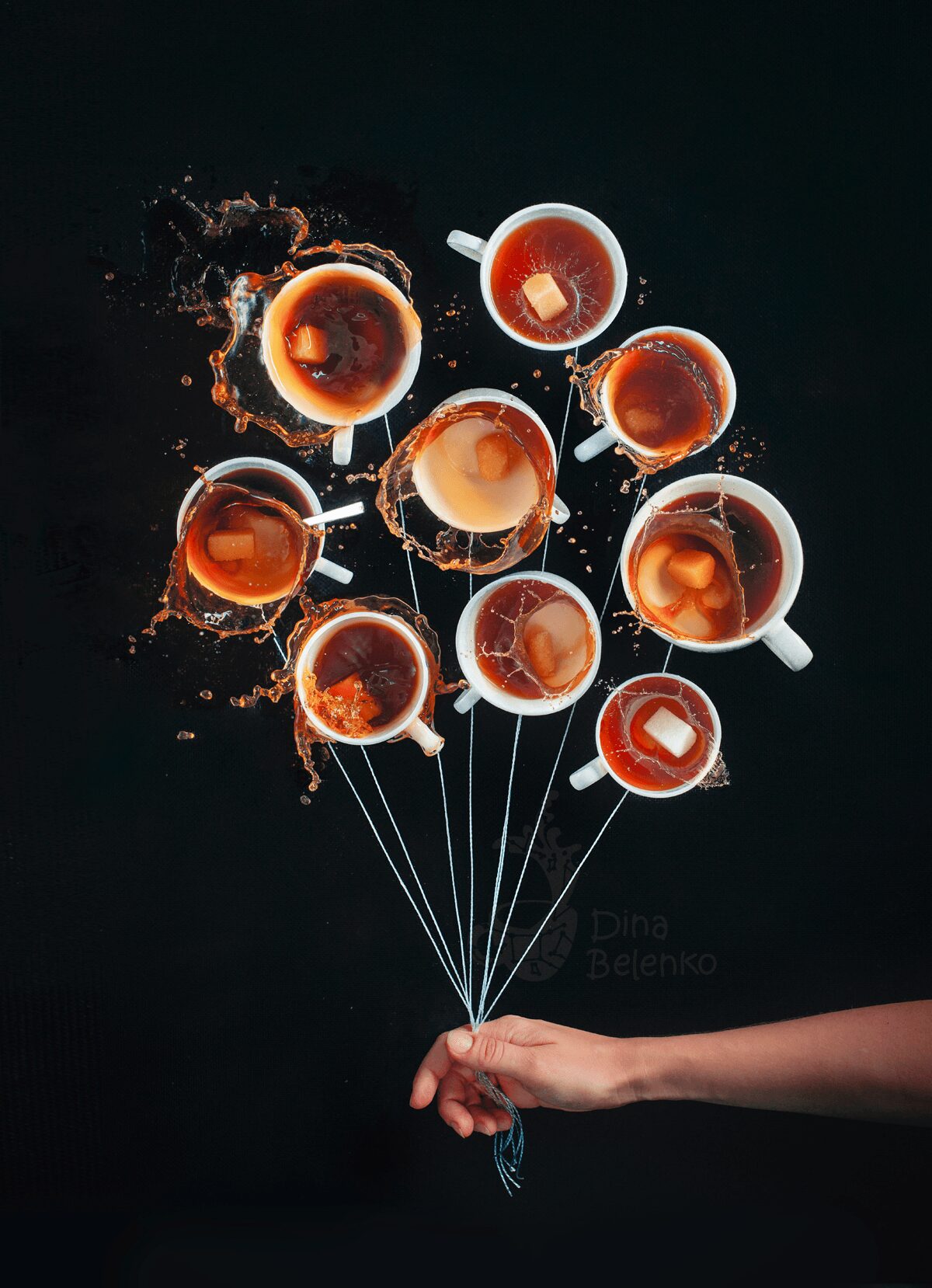
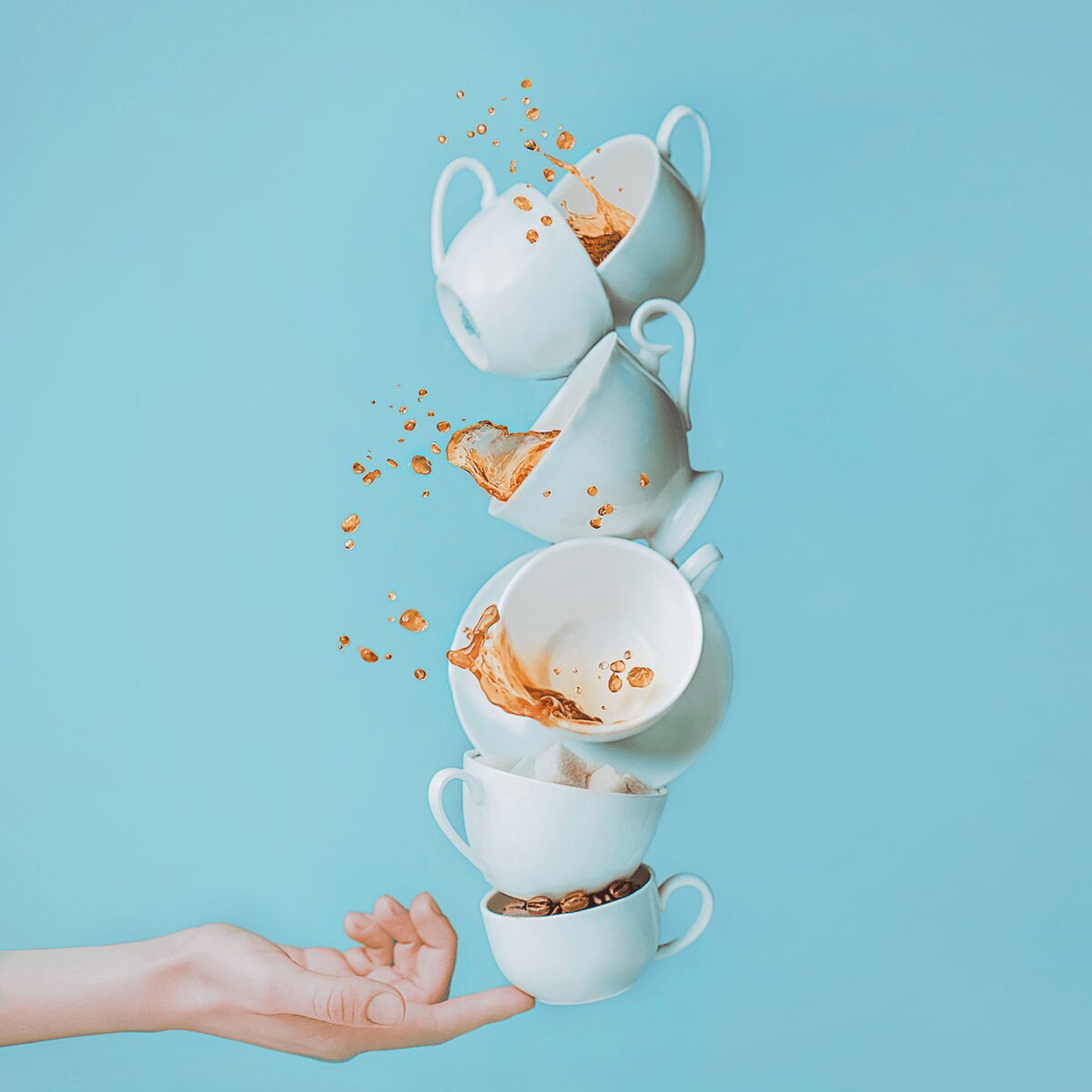
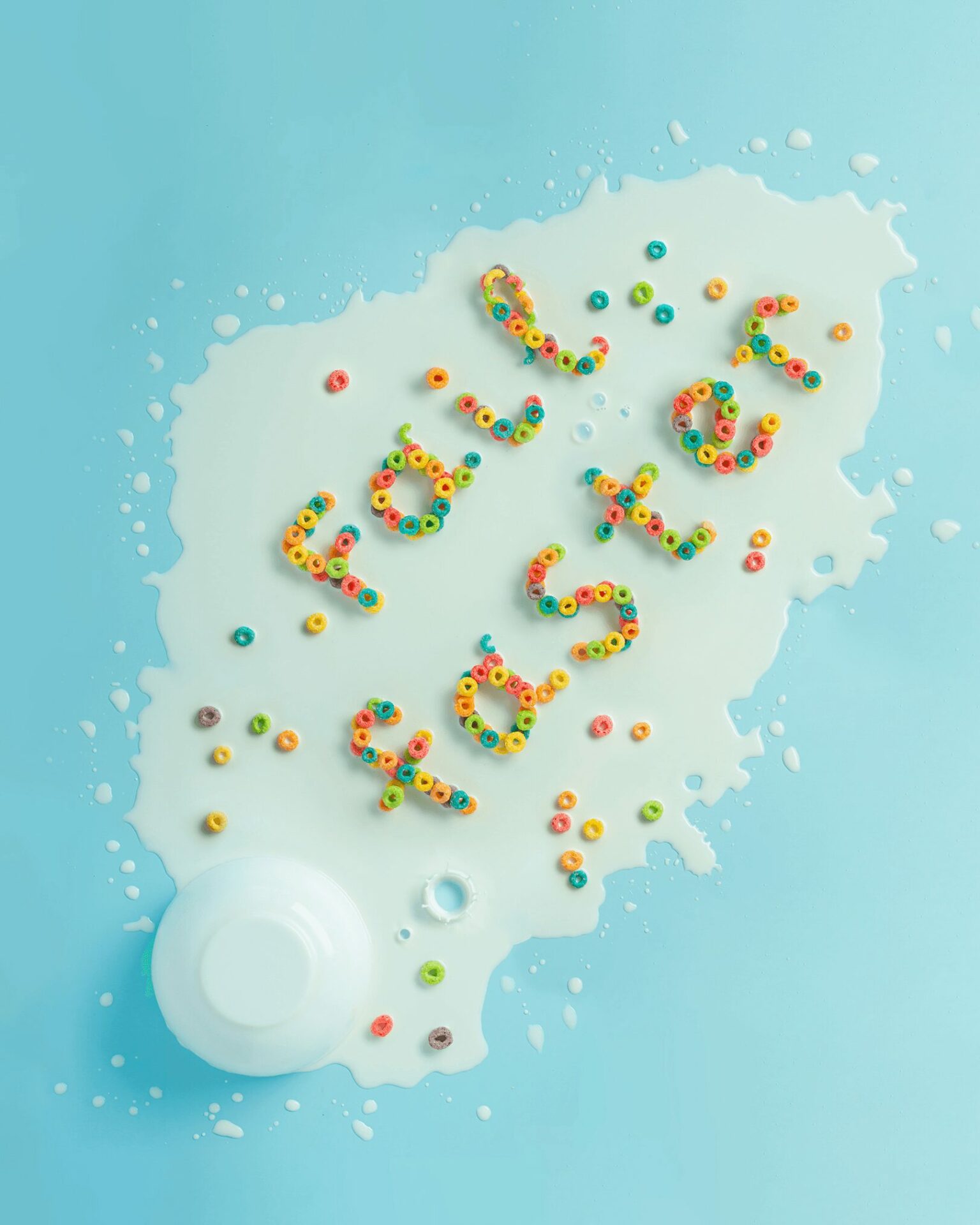
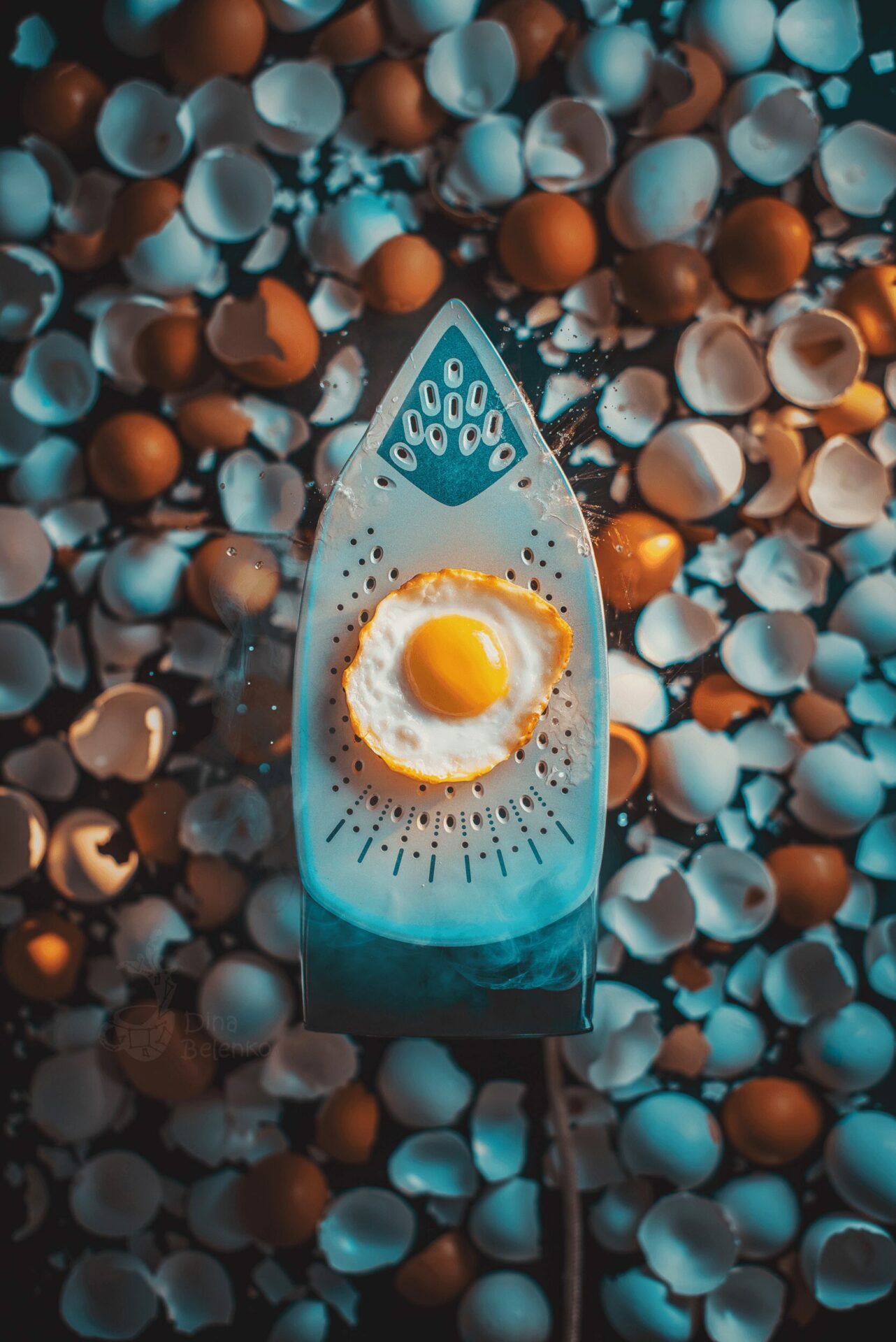
Image Credits
Dina Belenko
so if you or someone you know deserves recognition please let us know here.