We were lucky to catch up with Dinu Antonescu recently and have shared our conversation below.
Hi Dinu, so happy to have you with us today and there is so much we want to ask you about. So many of us go through similar pain points throughout our journeys and so hearing about how others developed certain skills or qualities that we are struggling with can be helpful. Along those lines, we’d love to hear from you about how you developed your ability to take risk?
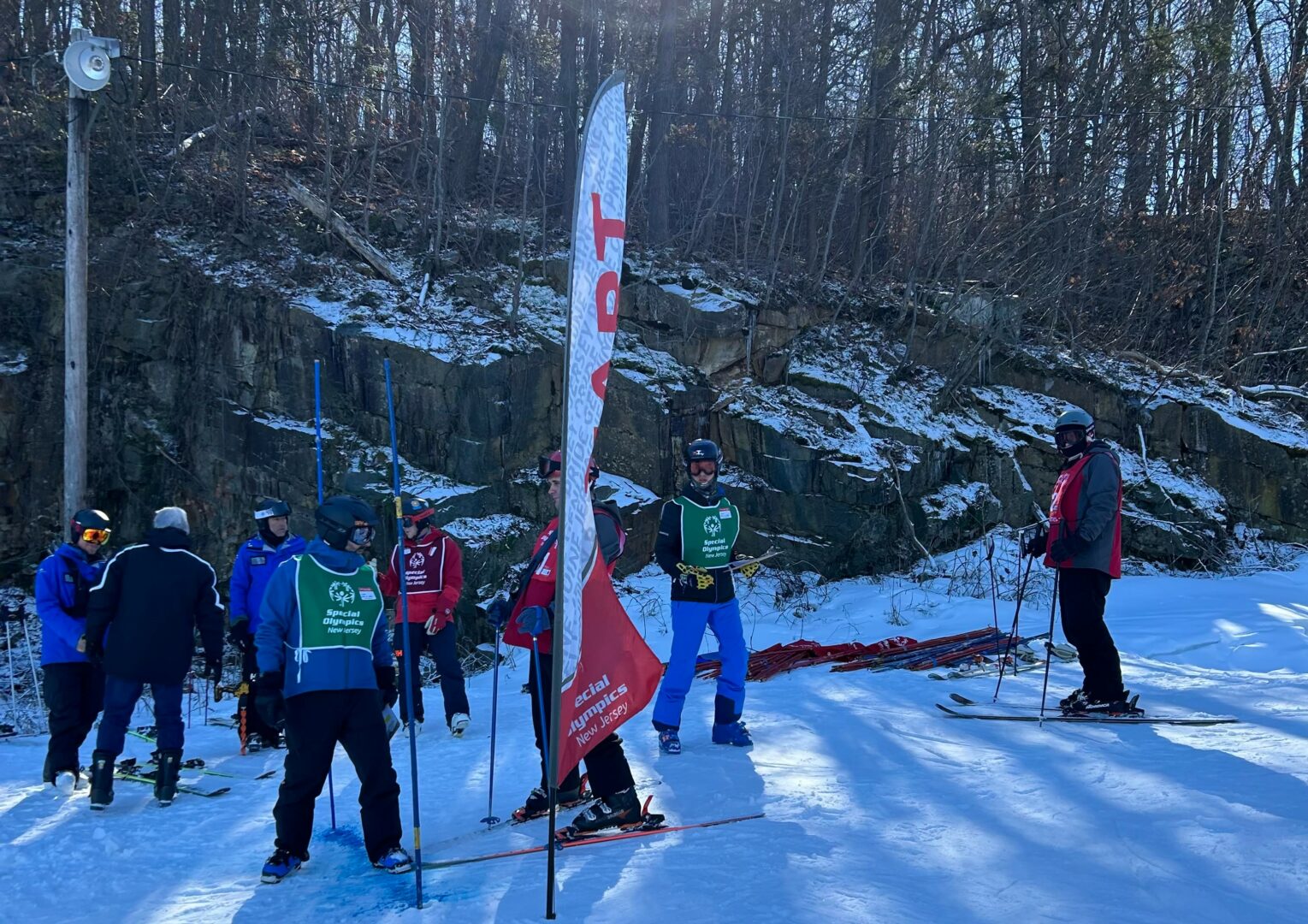
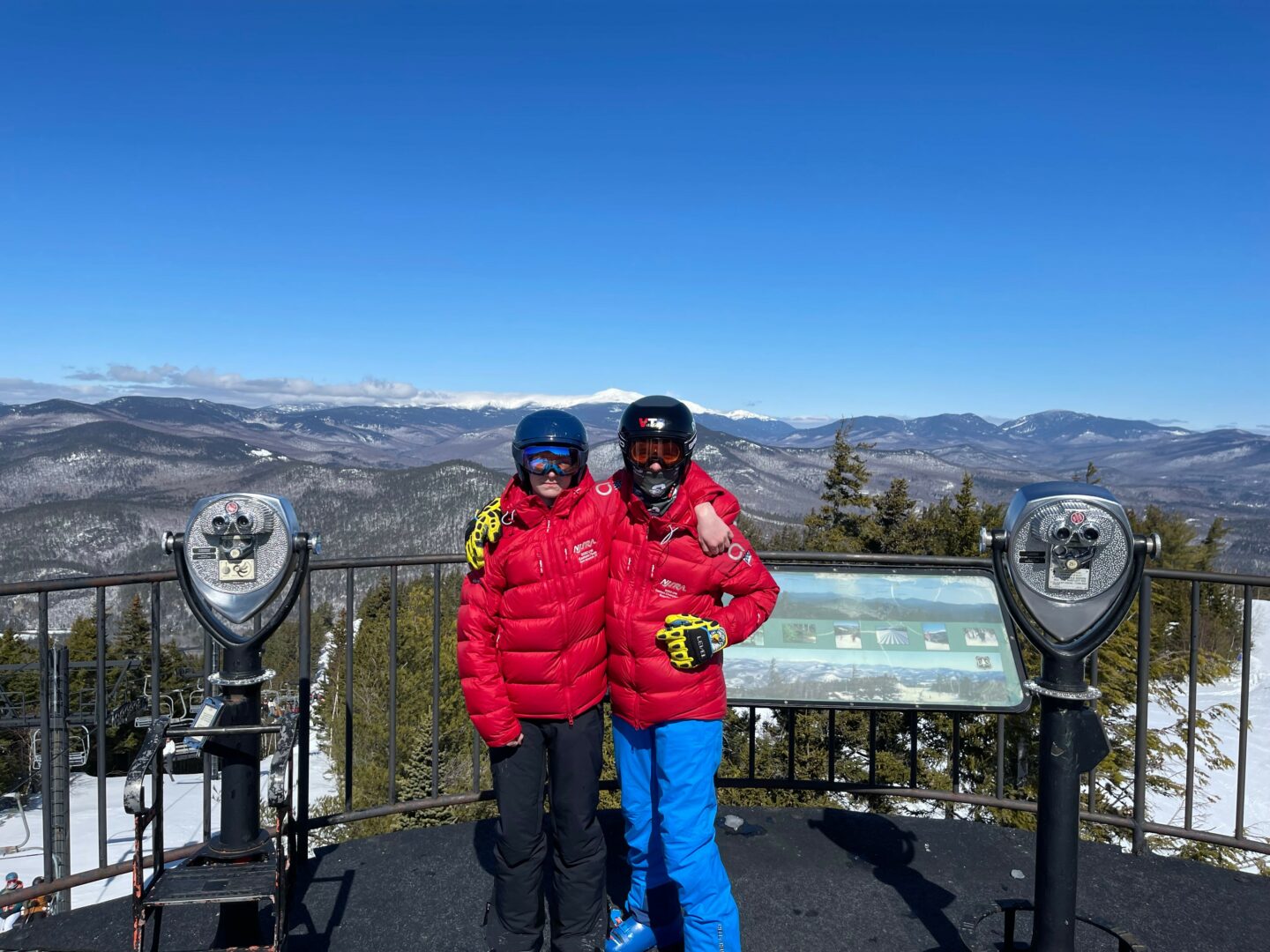
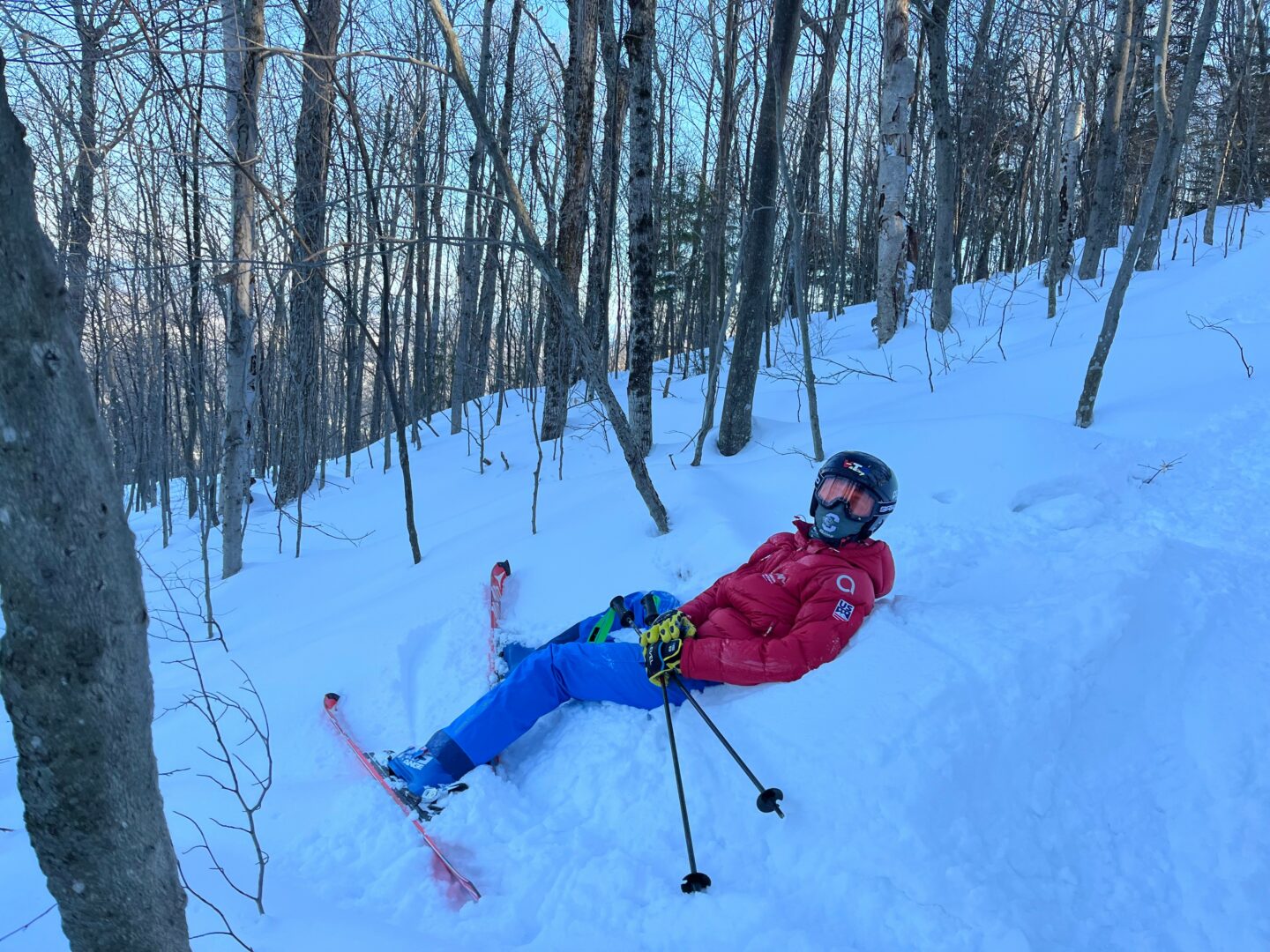
When I was three years old, my father brought me skiing for the first time. What began as a father son hobby, ended up shaping me into the person I am today. What was a way to stay active in the winter, turned into a teacher. As I grew older, my passion for skiing turned into one for competitive ski racing, a world based on learning how to take risks through focused practice. When I first began skiing, I faced disappointment after disappointment, persevering through a lack of results, despite my consistent training. As time went on, I dedicated myself to practicing more and more: four times a week, waking up at 5:00am on the weekends, and training twice on weekdays.
Ski racing is inherently about split second decision making, mental focus, and physical preparation. Although I did not realize it, growing up in this environment taught me to balance risks with reward. At first, I feared risk, as it can lead to failure. One night, after speaking with my coach, I shifted my mindset, to one where I considered risk an opportunity for growth.
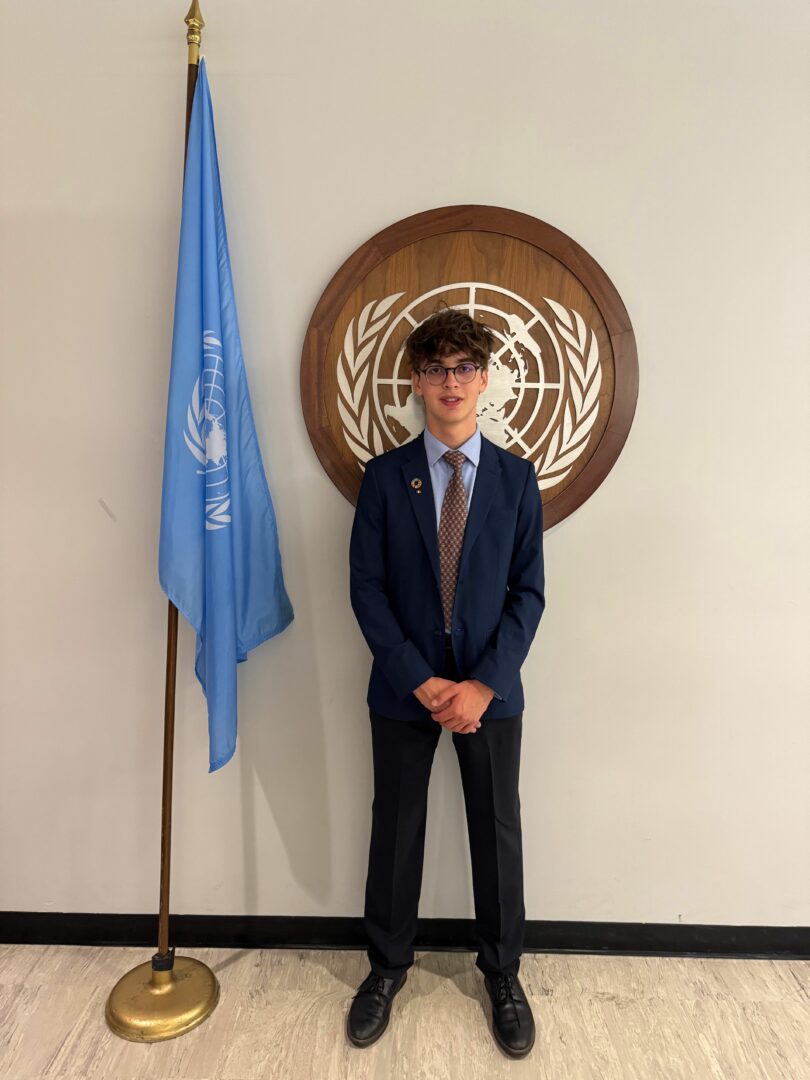
These lessons eventually applied outside of skiing, on the projects and initiatives I’ve taken on. As the founder and director of AccessibilityAtlas, a global, disability rights nonprofit organization, I have taken many risks. When building something from the ground up, everything is an opportunity, positive or negative; what if the idea doesn’t work? What if the impact isn’t big enough? Yet, through ski racing, I learned how to navigate these challenges by staying focused on the bigger picture. Through other experiences, such as being a member of Snap’s Council for Digital Wellbeing, or chair of the United Nations Association Northern New Jersey Young Professionals Committee, I have learned to embrace risks, as they are an inevitable part of leadership and progress.
Now, when making difficult decisions, I find comfort in knowing that outcomes don’t need to be perfect to be valuable. I have come to realize there is no such thing as a negative outcome. Even when something does not go as planned, if you learn, all outcomes are good. This perspective, while optimistic, has been the key to my risk taking. Every decision, good or bad, has taught me something. It is through these lessons that we learn how to move forward in the positive direction.
Appreciate the insights and wisdom. Before we dig deeper and ask you about the skills that matter and more, maybe you can tell our readers about yourself?
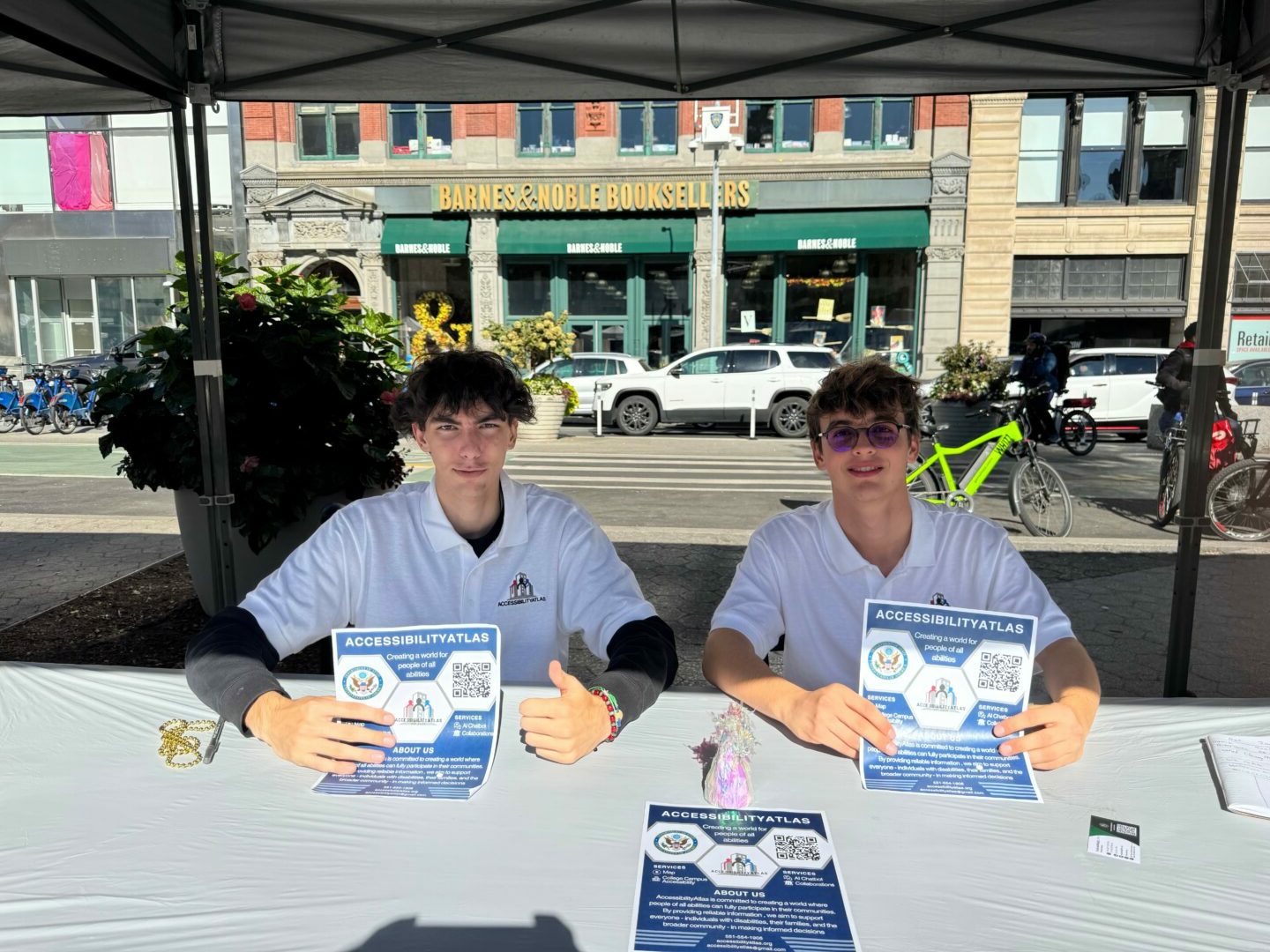
As a first generation Romanian-American, my parents grew up under Romania’s communist regime, a time when persons with disabilities were stripped of all their rights. Through discussion, I learned of the systemic inequalities persons with disabilities face not only in Romania, but across the world and what a truly inclusive society can look like. That vision ultimately led to AccessibilityAtlas — a platform dedicated to championing a world for individuals of all abilities through education, information services, and (inter)government initiatives.
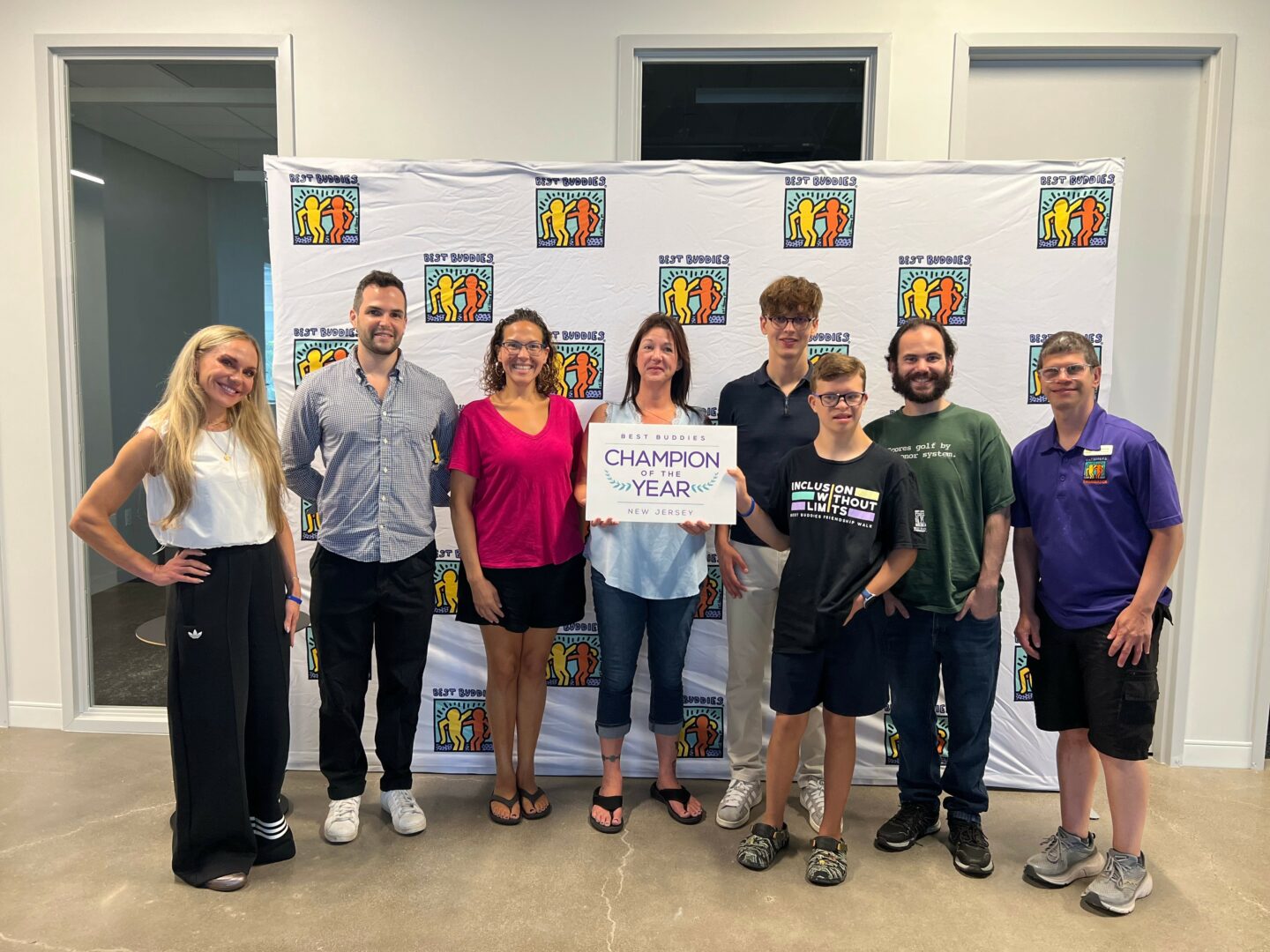
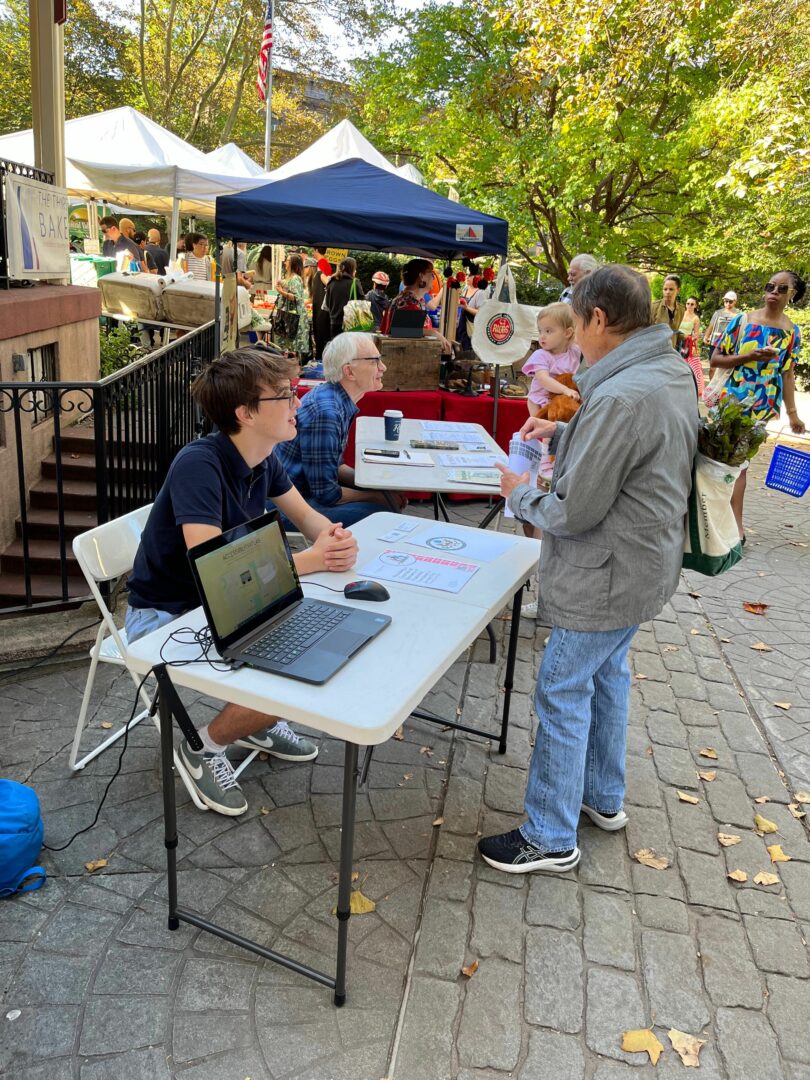
In the summer of 2023, I was selected as one of twenty six U.S. Youth Ambassadors to the Department of State. For three weeks, I traveled across Brazil learning what an impactful initiative can be. Upon my return to Jersey City, NJ, I founded AccessibilityAtlas. What began as a centralized database of physically accessible locations throughout Jersey City, has grown to an international organization, spanning 14 states and 4 countries. I believe that today’s issues stem from inadequate education and legislation. Reflecting this belief, I added the education and legislation branches to the organization.
For our government branch, we partnered with the Centre for Voters Initiative & Action, an organization advocating for youth civic engagement, to advocate for legislation modernizing the Americans with Disabilities Act (ADA). The ADA, which ensures non discrimination for individuals with disabilities, was passed in 1990. It does not leverage today’s digital world. Additionally, we are authoring a report for the United Nations Office of the High Commissioner for Human Rights, on how the European Union has implemented the Convention on the Rights of Persons with Disabilities, specifically article 9 of the mandate, accessibility. Our team will be in Geneva, Switzerland presenting the report to the high commissioner in March, 2025. Through our establishment of a year round reporting mechanism, we hope to highlight what countries do well, and what they can improve on, ultimately fostering a world where governments include disability rights in their long-term legislative plans.
In our education branch, we focus on two initiatives, assessing accessibility and inclusivity of higher education institutions, and civic education curriculums. We match university perspectives with student’s perspectives, ensuring that those directly affected are heard. Similarly, we believe everyone must have a voice in the issues that affect them, and everyone, regardless of ability, has the right to participate in the democratic process. That is why we are curating curriculums, both in person and online, to teach individuals of all abilities how to identify accessible polling stations, empowering everybody to vote confidently and independently.
At the heart of AccessibilityAtlas is the belief that systemic issues faced by everybody, specifically persons with disabilities, find their roots in inequitable education and legislation, which is why we are shifting our focus towards civics and education. We are always looking to get people involved and to collaborate with organizations! To contact us, visit accessibilityatlas.org/contact
If you had to pick three qualities that are most important to develop, which three would you say matter most?
Looking back, three qualities that impacted my journey the most are an appreciation for diverse perspectives, having a growth mindset, and always persevering. Together, these qualities have allowed me to approach challenges properly by learning and doing.
Perhaps the first trait that I developed was my appreciation and empathy towards different perspectives. Growing up both in the United States and Romania, two countries with their own customs, beliefs, and political landscapes, led me to identifying the cause for different perspectives. This duality helped me develop a deeper understanding of the international nature of today’s world, as well as an appreciation for how people with opposite viewpoints can come together to support communities across the world. Although I am early in my journey, I would say that there are always opportunities to immerse yourself in experiences that challenge your worldview, especially through respectful conversation. By engaging in discussions guided by the principles of Parhessia, the idea of frank, open rhetoric, you can grow your empathy and utilize different perspectives in your decisions.
The second quality is a growth mindset. At its core, life is about learning. Regardless of what your goal is, a willingness to learn is indispensable. Time and again, I have seen how a growth mindset, a readiness to tweak your ideas, leads to success. It means embracing challenges, questioning what is around you, and understanding that every experience—success or failure—offers an opportunity for improvement. No matter where someone is in their journey, learning is always possible. Life is the pursuit of knowledge, and one’s willingness to evolve will determine how far they go.
The third quality is perseverance. Behind every success, is a journey of challenges and failures. When I was founding AccessibilityAtlas, I faced many barriers. It took a year of countless failed calls, trial-and error initiatives, and what felt like wasted time to get the organization where it is today. Now, AccessibilityAtlas reaches almost 100 people every day. Even when progress feels slow, you must persevere. My advice here is to embrace the process. Every failure is a step towards success. The lessons you learn from failure are ultimately what que victory. As author Jacqueline Novogratz wrote in The Blue Sweater, “Revolutions happen when people see and act on what’s possible, not just what is.”
Awesome, really appreciate you opening up with us today and before we close maybe you can share a book recommendation with us. Has there been a book that’s been impactful in your growth and development?
Although not a book, Rudyard Kipling’s poem, “If,” has been a piece of literature which not only played a significant role in my development, but never fails to open my mind whenever I read it again. Kipling is often remembered for his imperialist views, but “If” stands apart as a poem that transcends its author. Kipling’s verses are of timeless truths about resilience, integrity, and what it means to be human, provoking thoughts about the complexities of mankind. Each line serves as its own lesson.
“If you can meet with Triumph and Disaster / And treat those two impostors just the same.” Success and failure do not define us, rather they are moments of our journeys towards success. Through AccessibilityAtlas, I have had many positive and negative experiences, where Kipling’s words remind me that both successes and failures are transient. Thinking deeply about this line, I learned the value of our journey lies not in the outcome, but the process. Triumph and tribulation, though opposites, are united in their beauties of teaching. Kipling’s words allowed me to realize failure is not the final destination, but a moment or stepping stone to prepare for success.
“If” emphasizes the importance of becoming the best version of one’s self, because, at the end of the day, it is the only thing within your control. The challenges we face tend to be internal, where we learn the balance between ambition and humility, action and thought, strength and vulnerability. Life’s greatest rewards come not from the lack of challenges, but from learning to navigate them with dexterity. Kipling teaches that life is not the pursuit of perfection, but pursuit of knowledge. These are not just poetic phrases, but beliefs I have incorporated into my dealings, and which you can use in pursuit of your journey’s meaning as well.
Contact Info:
- Website: https://accessibilityatlas.org
- Instagram: https://instagram.com/accessibilityatlas
- Linkedin: https://linkedin.com/company/accessibilityatlas
so if you or someone you know deserves recognition please let us know here.