We were lucky to catch up with Donald Iannone recently and have shared our conversation below.
Donald, first a big thank you for taking the time to share your thoughts and insights with us today. I’m sure many of our readers will benefit from your wisdom, and one of the areas where we think your insight might be most helpful is related to imposter syndrome. Imposter syndrome is holding so many people back from reaching their true and highest potential and so we’d love to hear about your journey and how you overcame imposter syndrome.
What is Imposter Syndrome? It is when you doubt your own abilities and feel like a fraud, even if you’re actually skilled and successful. For me, overcoming it began with reframing my understanding of the self. I realized that imposter syndrome is not simply about competence; it is about identity: the things we tether our sense of self to—our work, achievements, titles, and the approval of others. When those external anchors waver, our self-concept wavers with them, and we feel exposed, as though the world will discover we don’t belong. I came to see that the “self” caught in this fear is not fixed but fluid. This insight changed everything. If the self is constantly changing, then the roles I play, the masks I wear, and the expectations I try to live up to are not prisons. They are temporary expressions of a living, evolving identity.
This perspective freed me to stop defending a single version of myself and to start growing into many versions. Instead of battling imposter syndrome, I began to use it as a signal, a sign that I was entering a new space, stretching into a larger identity. I learned to ask, “Who am I becoming?” rather than “Am I enough?” That shift turned fear into curiosity and opened a door to greater authenticity. I still play roles, but I wear them lightly now, knowing they do not define me. In a sense, I didn’t overcome imposter syndrome by proving I belonged. I overcame it by realizing that belonging is not a static state but a dynamic relationship between who I am and who I am becoming.
Let’s take a small detour – maybe you can share a bit about yourself before we dive back into some of the other questions we had for you?
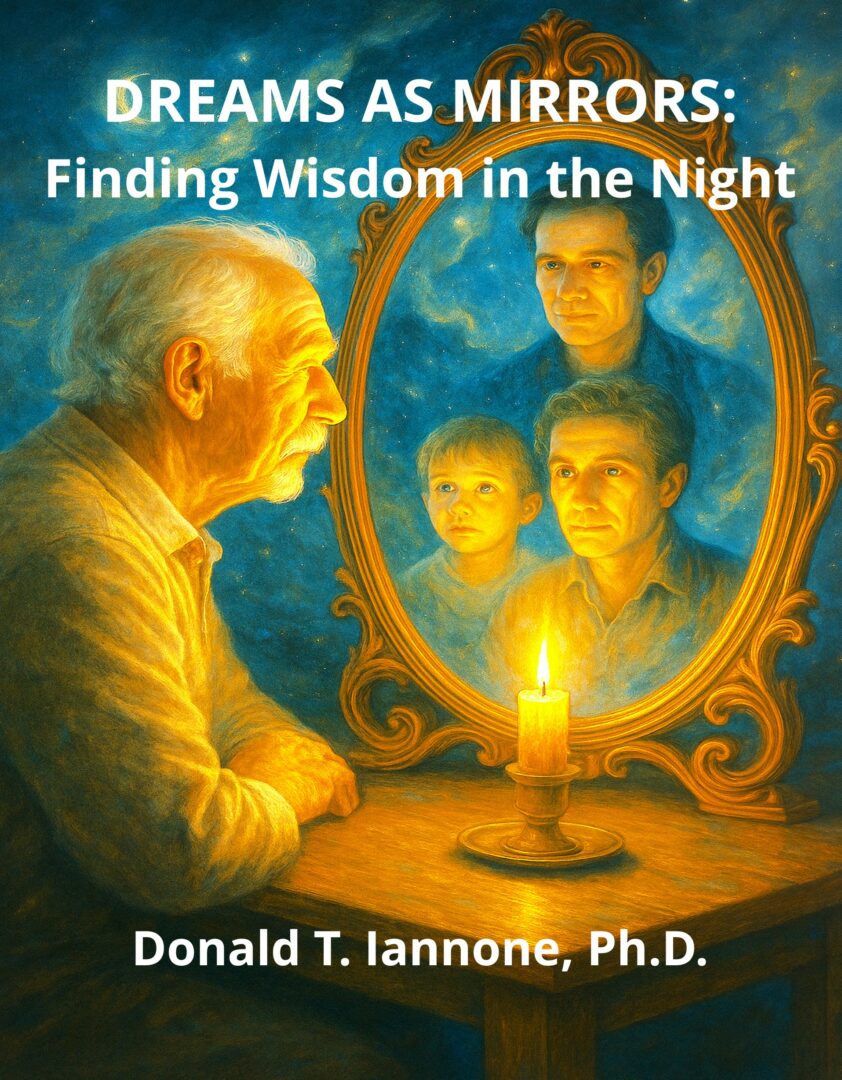
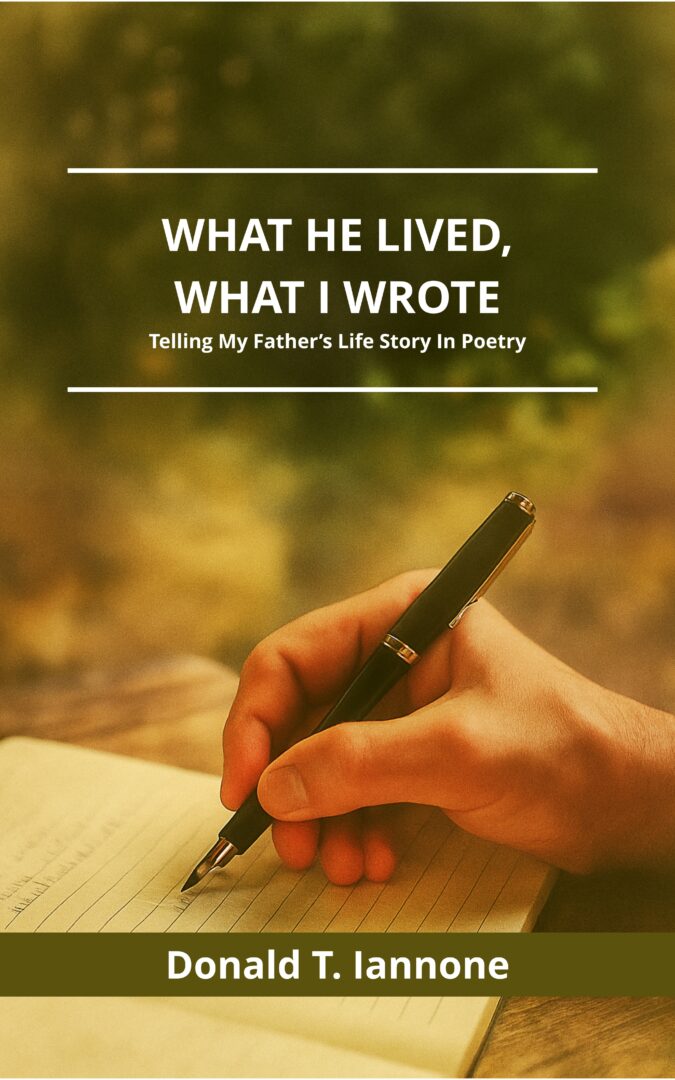
I describe myself first and foremost as a writer, because that is where my heart and creative energy live. Writing is my primary work now, and I move fluidly across genres: non-fiction, fiction, and poetry. To date, I’ve authored 29 books, including six works of non-fiction, one short story collection, twelve poetry collections, and ten photographic essays. My newest book, Dreams as Mirrors: Finding Wisdom in the Night, was released on September 11, 2025. This book is the culmination of 25 years of personal dream work, inviting readers to take their dreams seriously and pay attention to the wisdom they offer. It explores dreams through multiple lenses: neuroscientific, psychological, spiritual, and artistic. Earlier this year, I released “What He Lived, What I Wrote,” a poetry collection that tells the story of my father’s life by weaving together his words and my own poetry. It’s an intimate, deeply personal project that reflects my commitment to using art to honor and make sense of the human experience.
In addition to writing, I teach business at Transcontinental University, an institution of higher education headquartered in the European Union. I am currently supervising the dissertations of two students—one in Ghana and one in Malta—which has been an extraordinary education for me in its own right. These projects deepen my understanding of business, not just as a discipline but as a cultural and human endeavor shaped by unique social and economic contexts. Whether I am writing or teaching, I am ultimately pursuing the same goal: bringing together multiple perspectives to uncover more profound truths. We are living in a time of profound uncertainty, political division, and rapid change, and I believe writing and teaching are two ways I can contribute something constructive. Both allow me to offer tools for meaning-making, resilience, and connection. For readers, my work is an invitation to slow down, think more deeply, and find beauty and wisdom even in the midst of disruption.
If you had to pick three qualities that are most important to develop, which three would you say matter most?
Looking back, the first quality that stands out for me is curiosity. It has been the through-line of my life and work, and it has often required courage and openness to follow where it leads, even when the path was uncertain or unconventional. Curiosity is not just about asking questions; it is about staying receptive to discovery, even when what you find challenges your assumptions. My advice to those early in their journey is to cultivate curiosity as a daily practice. Read widely, listen deeply, and allow yourself to follow questions into unfamiliar territory. The world rewards those who are willing to keep learning.
The second quality that has shaped me is the ability to make sense of complexity and help others do the same. I see myself as a sense-maker, whether through writing, teaching, or simply being present with others. This skill allows me to turn overwhelming issues into meaningful insights and stories that resonate. For those starting out, I suggest intentionally developing this skill by working to clarify your own thoughts first. Write about what confuses you. Teach someone else what you have just learned. The act of translating complexity into clarity is transformative, both for you and for those you serve.
Finally, discipline and tenacity have been essential. They allow me to finish what I start, whether it is publishing books, guiding dissertation students, or sustaining a daily writing habit. The advice here is simple but demanding: build rhythms and rituals that support your goals, and stick with them even when the work is hard. The central lesson I have learned is to embrace my own complexity, not to simplify myself for the comfort of others, but to use that complexity as a source of creativity and contribution. The same will be true for anyone. The more you integrate your whole, complex self into your work, the more impactful you will become.
How can folks who want to work with you connect?
Yes, I am always looking for people to partner and collaborate with, especially those who have meaningful, thought-provoking stories to tell or who need help telling them. Over time, I have learned that our life stories often reveal a deeper, consistent narrative about how we understand who we are, or they unfold as a series of narratives we share with ourselves and others. My work, whether in writing or teaching, is dedicated to exploring and expressing these stories. I believe storytelling has the power to connect us, to make sense of complexity, and to give shape to our experiences in ways that inspire and heal.
I welcome collaboration with people from all walks of life: writers, artists, educators, business leaders, nonprofit changemakers, and anyone passionate about the art of meaning-making. Whether it is a creative project, a community initiative, or a teaching or speaking opportunity, I enjoy working with others to bring compelling ideas to life. Anyone who feels drawn to this kind of collaboration can connect with me through my website or professional networks. I am especially eager to meet those whose stories might open new ways of seeing the world, spark dialogue, and encourage others to reflect on their own journeys.
Contact Info:
- Website: https://donaldiannone.com
- Instagram: https://www.instagram.com/iannonedon/
- Facebook: https://www.facebook.com/donaldiannone
- Linkedin: https://www.linkedin.com/in/doniannone/
- Twitter: https://x.com/doniannone
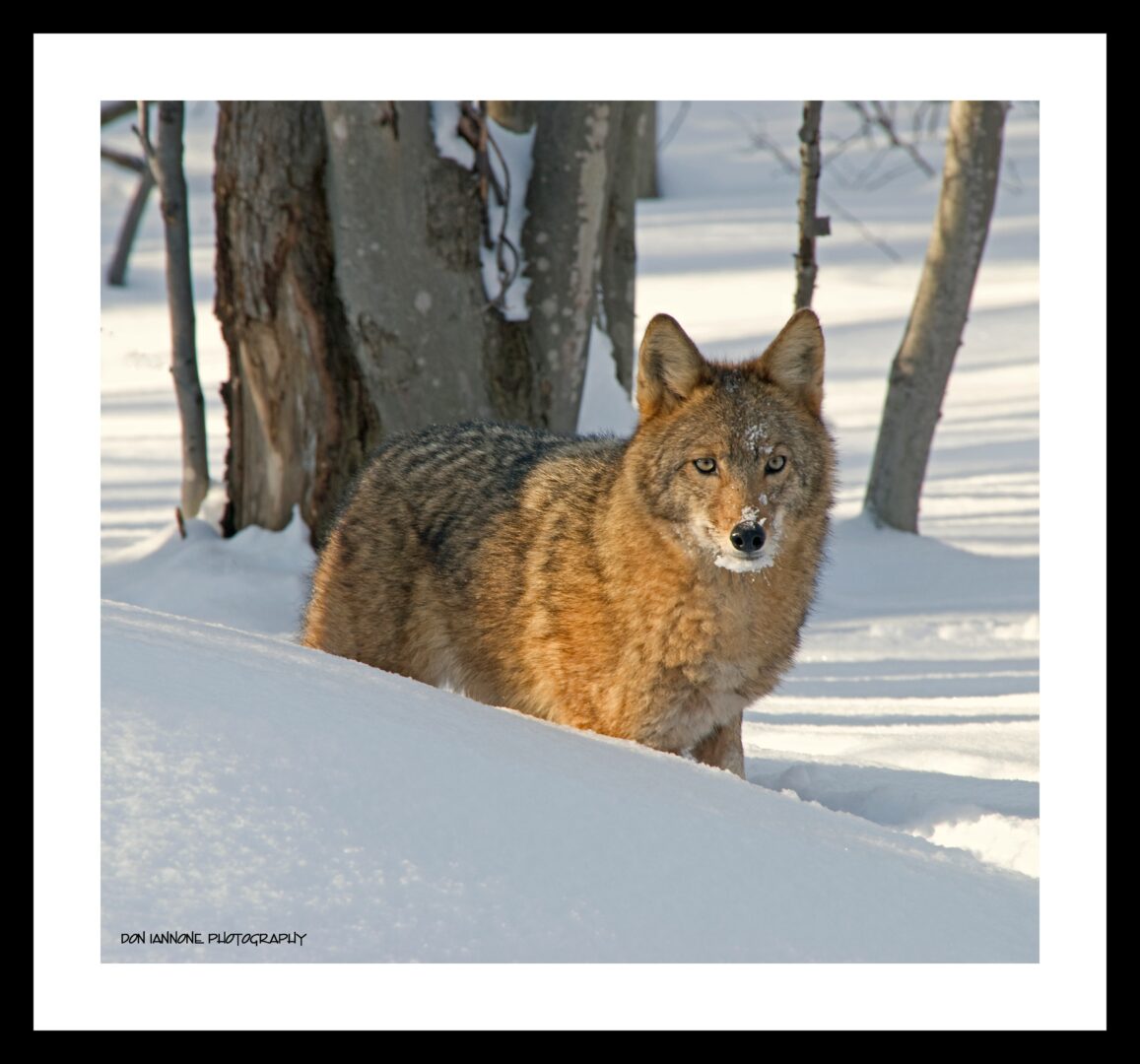
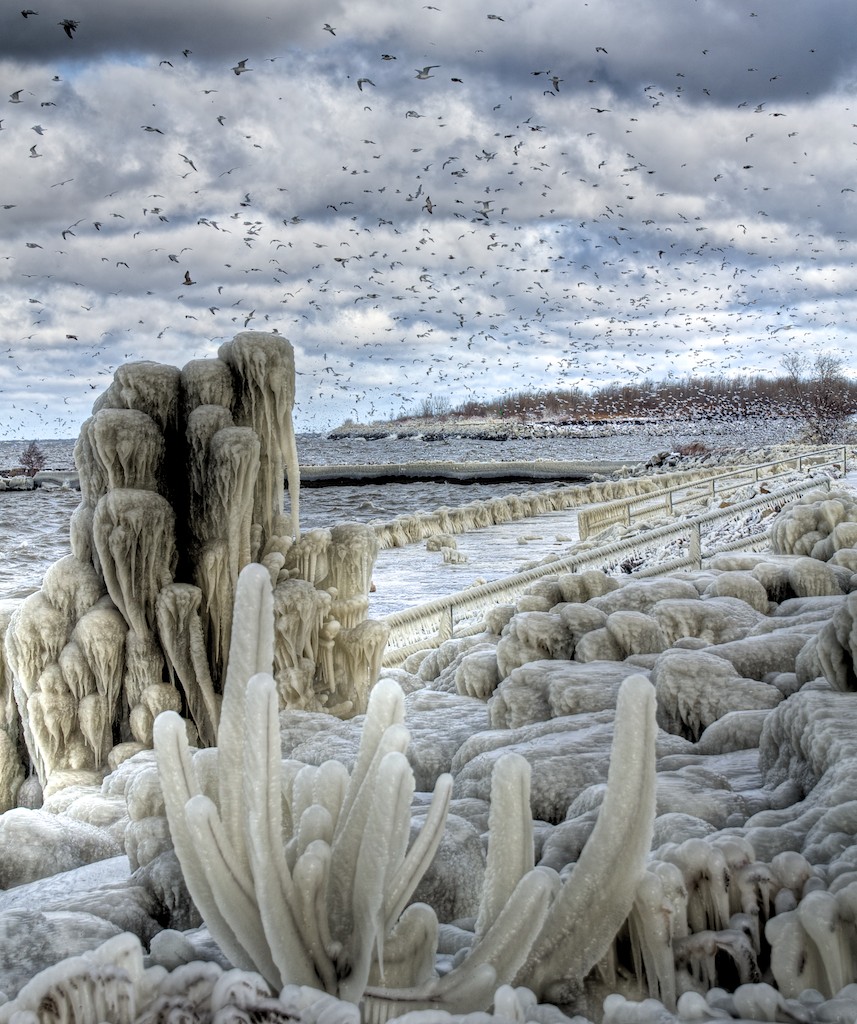
Image Credits
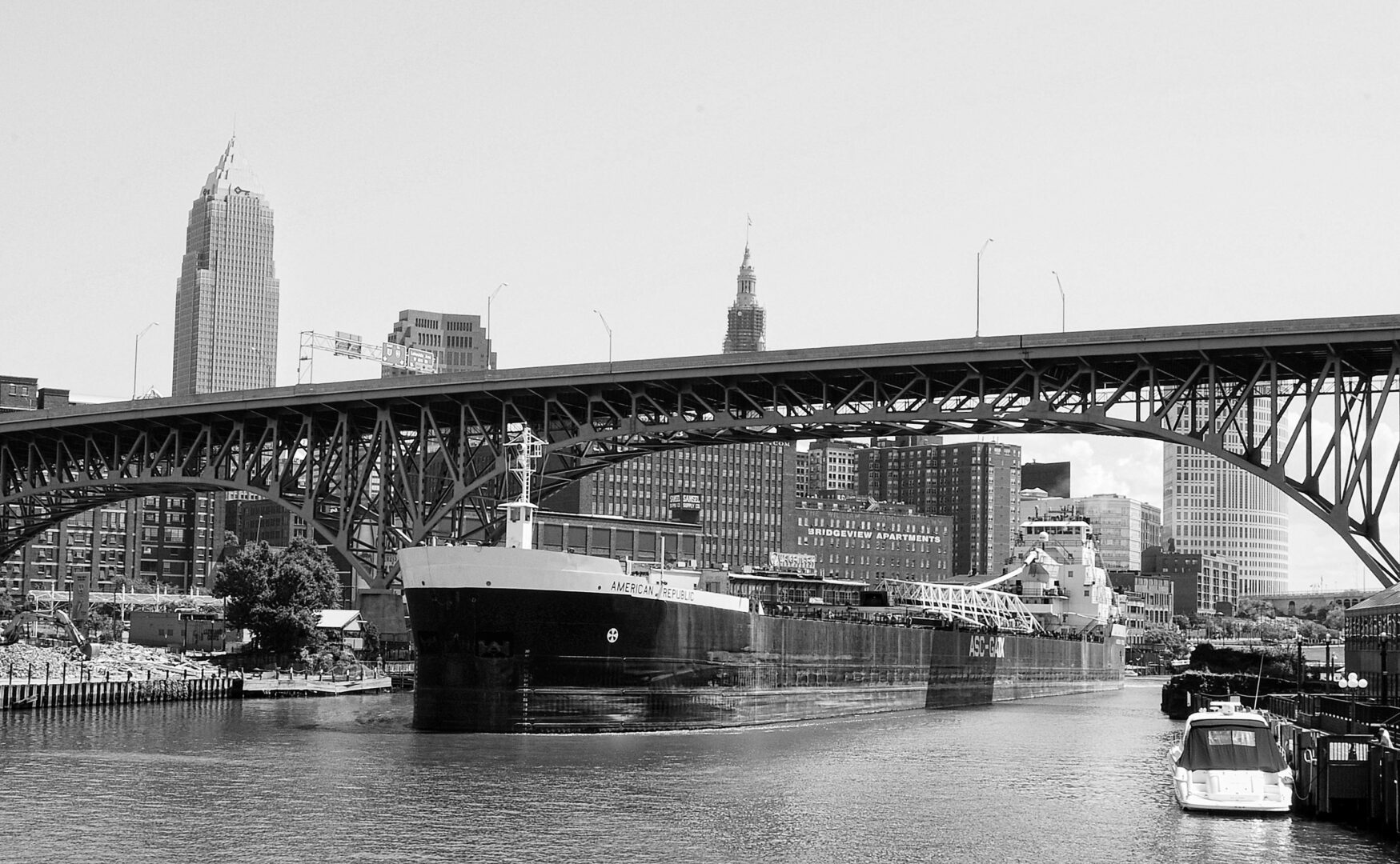
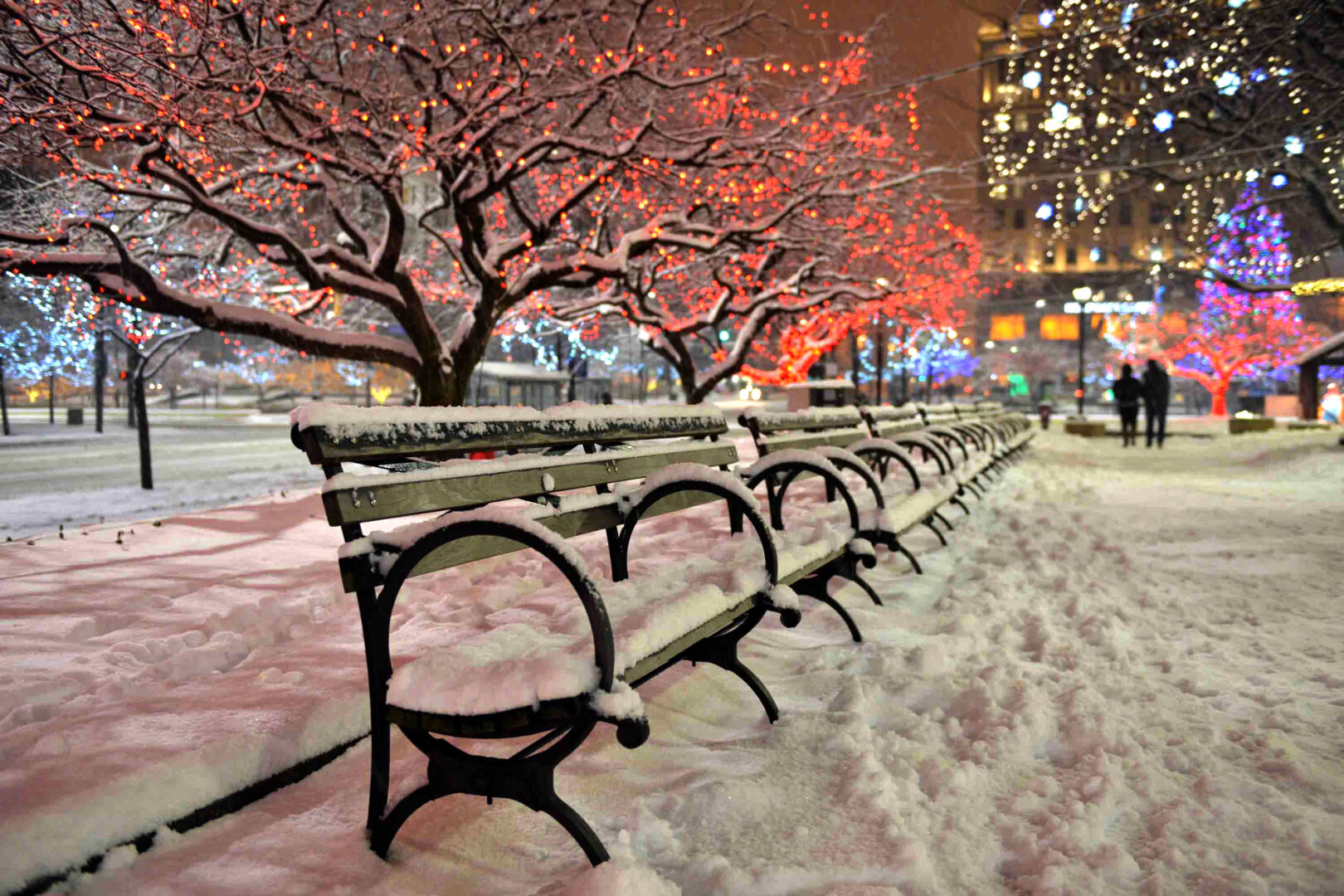
All photographs by Don Iannone.
Descriptions:
Two latest book covers
Ore boat on the Cuyahoga River in Cleveland
Ice sculptures created by a winter storm on Lake Erie
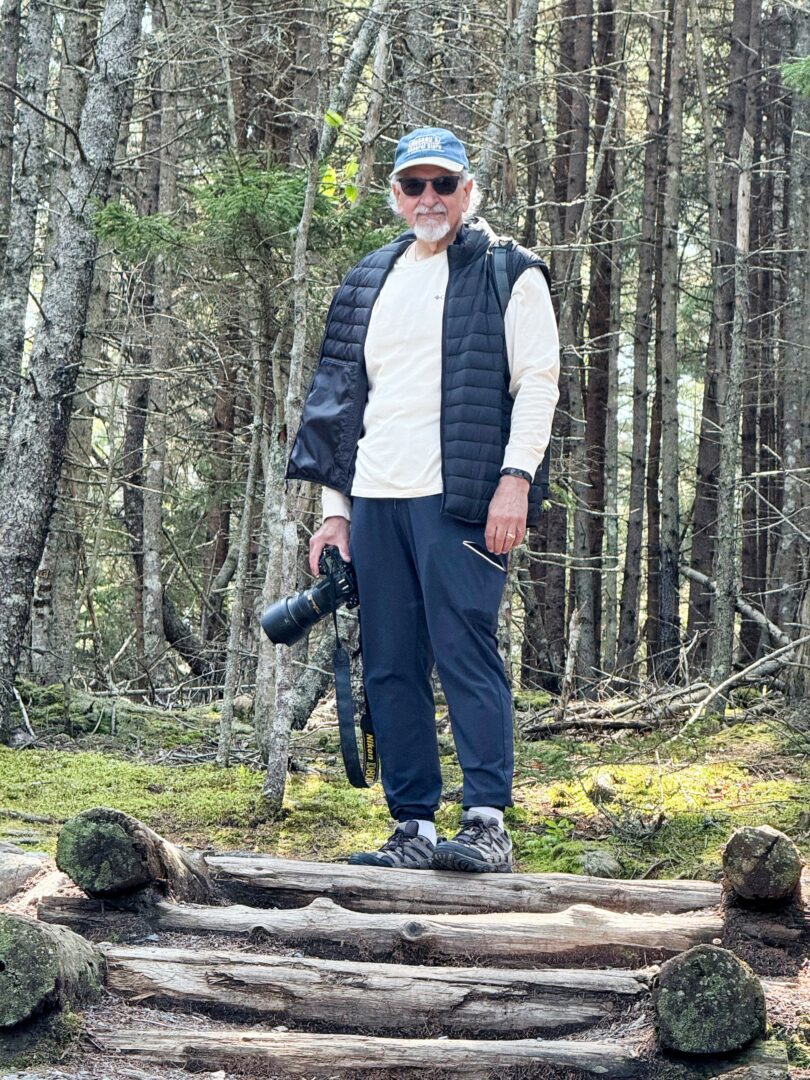
Don Iannone photographing the Maine coast
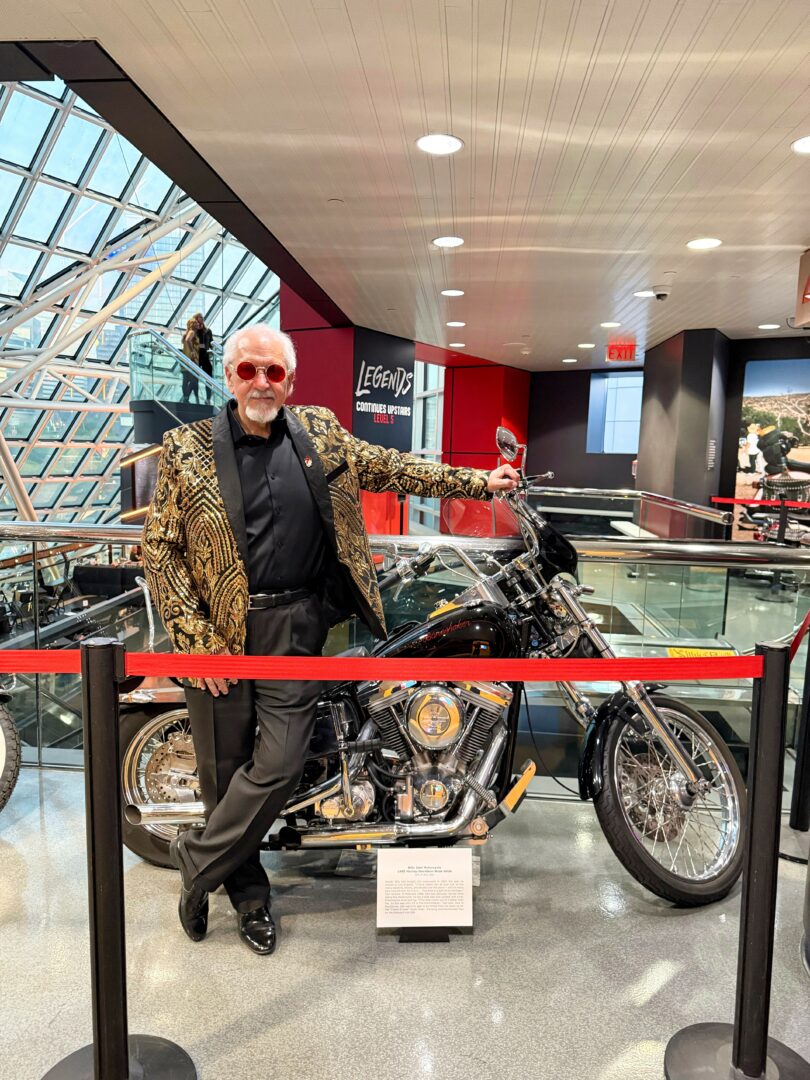
Don Iannone at a celebration at the Rock and Roll Hall of Fame in Cleveland
so if you or someone you know deserves recognition please let us know here.