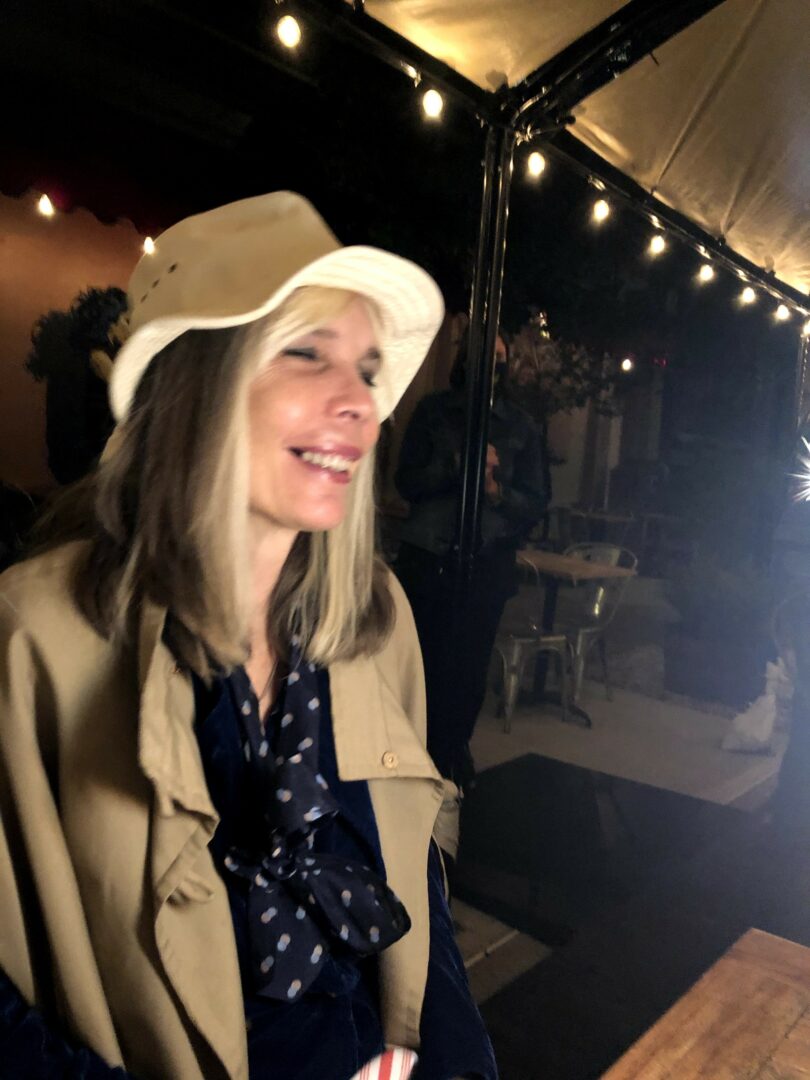
We caught up with the brilliant and insightful Donna Brodie a few weeks ago and have shared our conversation below.
Hi Donna, really happy you were able to join us today and we’re looking forward to sharing your story and insights with our readers. Let’s start with the heart of it all – purpose. How did you find your purpose?
I never imagined myself leading a nonprofit organization for writers. I had no experience managing anything—let alone a company—and knew nothing about the not-for-profit world.
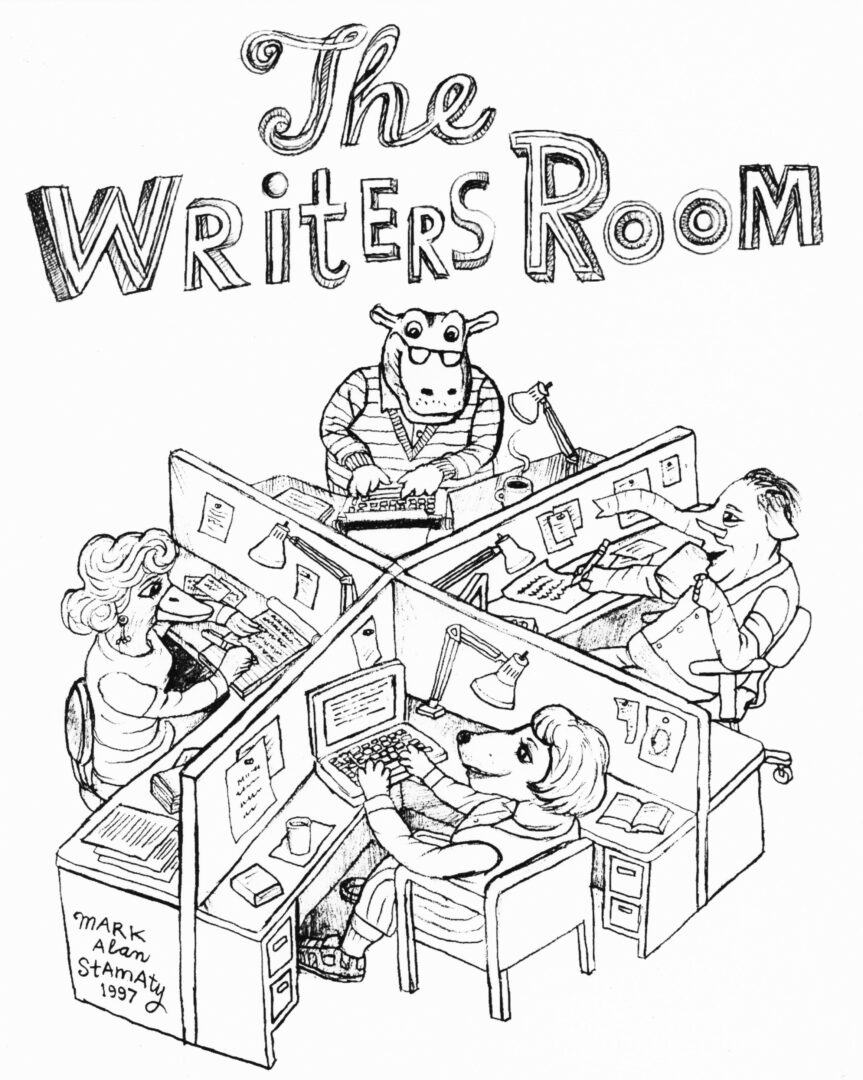
In the late 1980s, a college friend of mine, another English Literature major like me, found a quirky part-time job running a work space for writers. A work space for writers? Didn’t writers like to write alone? I had images of the Brontes in their lonely cottage on the moors, Samuel Beckett in his garret in Mountsouris, Virginia Woolf in that room of her own with the KEEP OUT sign. I had it all wrong. Writers, it turned out, were human beings too who suffered from loneliness and craved the companionship of others of their pack, like a prickle of porcupines. It was called The Writers Room and it had 30 desks with 90 members. It could have that many members because it was open 24 hours a day like almost everything else in New York at the time.
My friend thought I was a tech genius because I could feed paper into a dot-matrix printer without losing it. She offered me a part-time job helping her and that became my bread and butter job as I worked in theater (and mostly didn’t) for the next three years. I loved the closed loop of my little world, walking from black and white East Village through Washington Square Park to technicolor Greenwich Village.
After that, I found a job as a writer at a museum on Fifth Avenue thanks to the grant writing skills I developed at The Writers Room. I still kept a toehold at the Room, working evenings as the book keeper. When my friend left the job to start a family, I knew every inch of our organization, from running a physical facility, to identifying donors to our cause, to organizing readings for our members in a local cafe. The board offered me the job. Thirty years later, I’m still here – as CEO. In three decades through the boom times of the 90s, the Great Recession, Covid and post-Covid, The Writers Room has grown, retracted and grown again. I learned what my purpose was when I found that creating a serene, attractive and productive environment for writers filled my days with meaning. My purpose found me.
Thanks, so before we move on maybe you can share a bit more about yourself?
I’m a native New Yorker—Manhattanite—as were my parents and grandparents. Professionally, I focus on my work as the leader of The Writers Room. My artistic vocation is currently through novel writing and painting; decades ago, it was through theater. I believe creativity is everywhere—from how you present yourself to the world to how you experience the subway. There is always something for the ear and eye to notice.
Every weekday—and some weekends, if I wish—I walk from my longtime apartment in the East Village to my office at The Writers Room, a nonprofit organization that is the nation’s oldest and largest urban writers’ colony. My walk takes about eight minutes, and for the past 30 years (my full tenure at The Writers Room), I’ve brought along an iteration of a little dog. Currently, our mascot is Peanuts, an 11-pound Miniature Pinscher mix adopted from a shelter. Members often meet him when they step away from their desks for a break. It’s a mutual soothing session.
Created by writers for writers in 1979, The Writers Room is the first shared workspace of its kind for writers living in or visiting New York City. It has since served as a model for other urban writers’ colonies across North America and Europe. I’ve served as its executive director since 1994. In 2024, to mark my 30th anniversary in leadership, the board changed my title to CEO.
2024 was a banner year for The Writers Room: we signed a 10-year lease on a new 3,000-square-foot facility, fully renovated to our specifications by our longtime landlord (we began renting from him in 1995), and received our first $1 million grant from a family foundation.
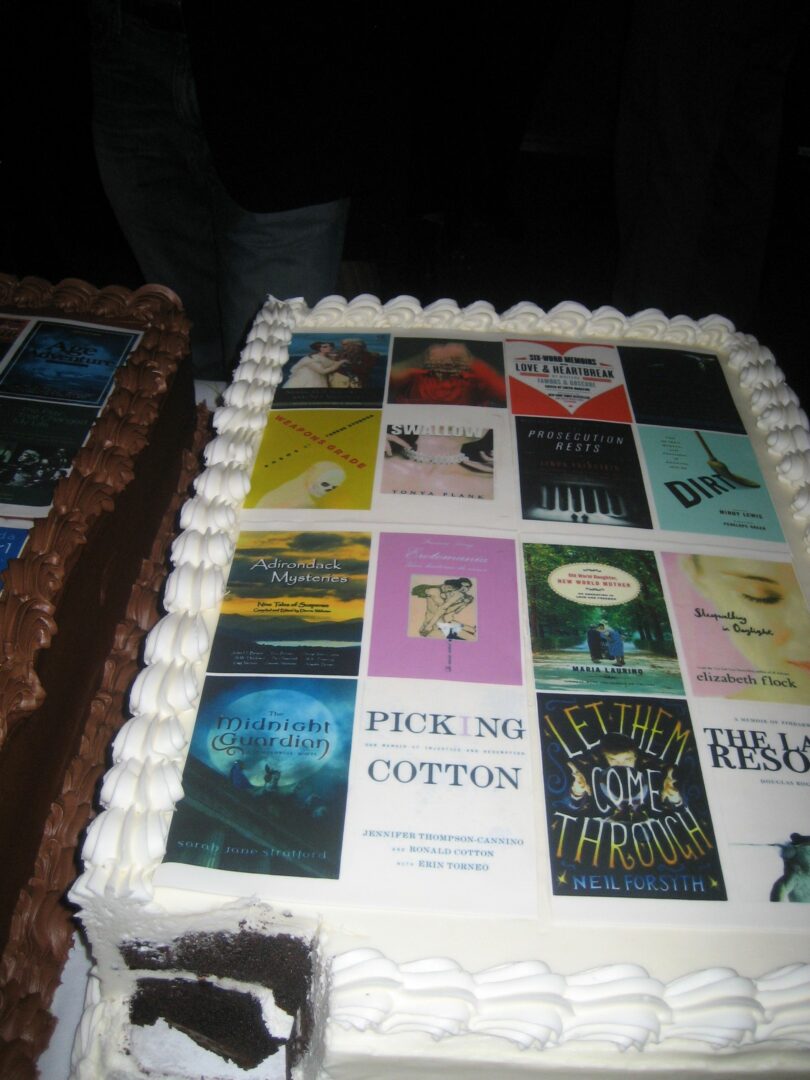
Over the years, our members have included award-winning writers such as Sigrid Nunez (The Friend), Sapphire (Push), Alexander Chee (Scotland), Alan Cumming (Not My Father’s Son), and Greta Gerwig (Lady Bird), as well as screenwriters, playwrights, and performers including Chris Rock, John Hamburg (Zoolander, I Love You, Man), and Warren Leight (Sideman). They work side by side with new and emerging writers, embracing the spirit of creative community that defines The Writers Room.
Looking back, what do you think were the three qualities, skills, or areas of knowledge that were most impactful in your journey? What advice do you have for folks who are early in their journey in terms of how they can best develop or improve on these?
I had a natural instinct for reading and for writers. I was an English Literature major in the 1980s. There really were no jobs for people with such.a degree except to adjunct teach, which was something I didn’t have an interest in. I didn’t know what I was going to do for a career except be open to interesting opportunities. My rent was very low but even so it was hard to pay because my temperament was not suited to working in a 9-5 job in an office if the job was meaningless to me. My advice to people early in their journey is
1) investigate yourself (cultivate self awareness). Understand who you are, what you can tolerate and what you can’t because there are always aspects of work that will not suit you perfectly. Reject prestige if you are not respected for your work. Some people in the arts industry allow themselves to be overworked or treated poorly because they can say they work at such and such institution,
2) discover skills on the job (adaptability). I learned for instance that I loved writing budgets even though I had never thought of myself as a “math” person. I was a “word” person but the tools – a green ledger, a sharpened pencil, a pink eraser – of budgeting I found enjoyable to use. Budgeting is how we understand the money. Basic. Period.
3 be curious. (curiosity is a talent and a gift). Andy Warhol once said, “You need to let the little things that would ordinarily bore you suddenly thrill you.”
How would you spend the next decade if you somehow knew that it was your last?
I would spend that decade sharing my days with my family and friends, adopt a couple of older dogs and cats, go to old movies in the theater, read all the novels I wished.
I would spend the seasons in my favorite places: summer in Northern California near Carmel by the Sea for the cool weather, fall in Paris for the falling leaves and rain, the winter in Mexico City for the temperate mountain climate and the spring in New York City for the dogwood and apple blossom trees that bloom in Central Park every April. I would paint on canvas everyday and nap in the afternoon.
I would be grateful for everything, even the things that annoyed me like running out of milk when I want to eat cereal, catching only the last phrase of a beautiful song, or forgetting what it was I came into the room to do.
Contact Info:
- Website: https://www.writersroom.org
- Instagram: donna.j.brodie
Image Credits
This is my image. I own it.
so if you or someone you know deserves recognition please let us know here.