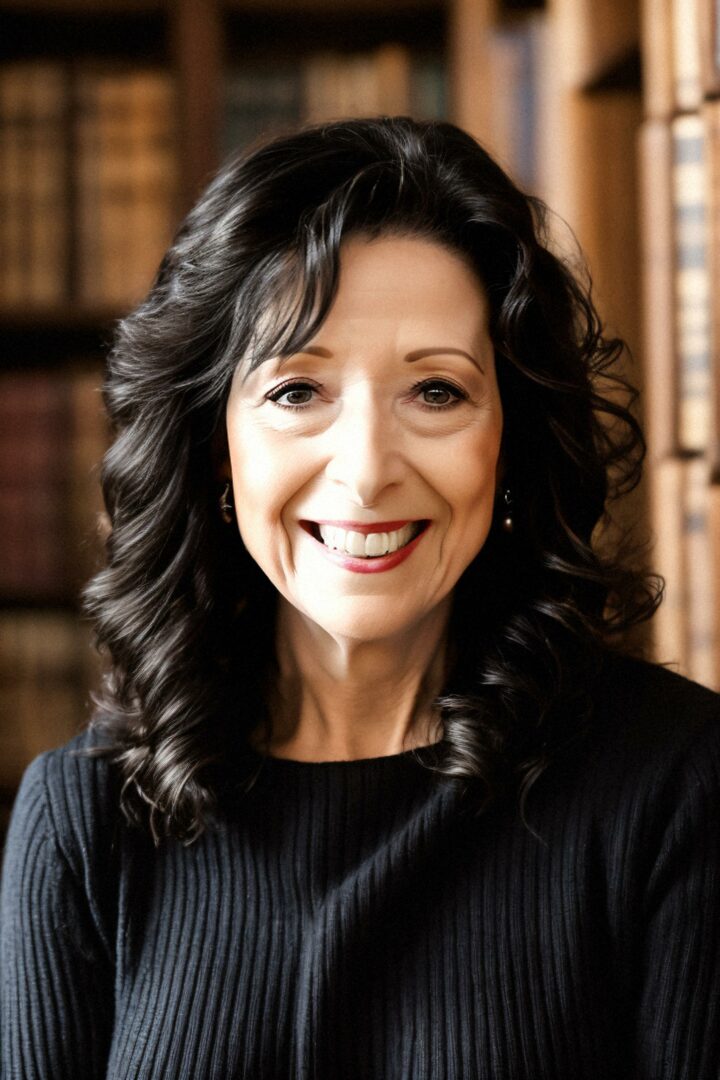
We caught up with the brilliant and insightful Donna Bucher a few weeks ago and have shared our conversation below.
Donna, so good to have you with us today. We’ve got so much planned, so let’s jump right into it. We live in such a diverse world, and in many ways the world is getting better and more understanding but it’s far from perfect. There are so many times where folks find themselves in rooms or situations where they are the only ones that look like them – that might mean being the only woman of color in the room or the only person who grew up in a certain environment etc. Can you talk to us about how you’ve managed to thrive even in situations where you were the only one in the room?
Today I own every room I walk into even though I may be the only one there like me.
But it wasn’t always that way. Often feeling like an outsider growing up, I lingered on the margins of groups. No doubt childhood neglect and abuse contributed to my reticence, but there is more than one way to feel like you are the only person in the room like you.
My own trauma led me into situations where I sought to comfort or include others further out on the margins. As early as elementary school back in the sixties I befriended two Jewish boys who were constantly bullied and excluded from play groups.
I remember the devastation when one day they did not return to school because their house was firebombed, and a cross was burned on their front lawn. They lived in my neighborhood, which made me fearful of what might happen if I didn’t “fit in”.
Oddly, the place I fit in the best was my high school. As one of the few whites in an all-black high school, I found acceptance. Largely because instead of fearing and avoiding the black kids, or sticking to all-white groups, I simply walked into their world.
Perhaps I was too oblivious to notice our difference in skin color, but I believe the reason was I simply saw them as people, like me who needed a friend. They often told me I was “different”, not like the other whites, that I listened instead of making comments.
From the formative years into adulthood, I cautiously entered every “room”, standing by the door, sometimes physically, but mostly from an emotional or mental standpoint.
From often being the only non-college graduate, only white woman in an all-black minority owned steel company, single parent (before it was common), divorcee, to battling unrecognized mental health issues, it was easy feeling stigmatized and alone.
Even spending time on the mission field of Albania right after the Iron Curtain fell, found me as one of the few foreigners attempting to learn a new culture.
Recent years have further accentuated the feelings of being the only one in the room like me, as a grandparent without grandchildren; having watched my first grandchild placed for adoption, and my second stillborn.
Navigating those friendly conversations about grandchildren becomes dicey, not to mention the conversations about children when two of your three children are estranged, and a third has little time for you.
Gatherings or any type of engagement can become something dreaded and draining rather than affirming and life giving.
Yet, when you’ve walked the lonely path along the outside of the “in” crowd, you learn a few things.
There is always common ground even when you are the only one in the room like you. As humans, we all feel pain, have struggles, disappointments and challenges. They may be different, but the common thread of suffering weaves through it all.
At some point, everyone feels alone, unseen, and unheard. Realizing though I was the only one in the room like me, it didn’t mean no one else suffered or felt isolated in another way. There are many ways to be a minority or feel stigmatized. The truth is, we all bleed red. Finding a way to connect and nurture belonging amid differences builds the bridge of relationship.
I learned early on not to be defined by societal norms, and instead to not only speak my truth, but to own it as I lived it out.
Jesus Christ was also the only person in the room like Him. God Himself came into the world, born of a virgin to bring salvation to all men. Though a Jew, His own people rejected Him because He came bringing radical change. But He never compromised who He was or His mission. Though others rejected His claim to be the Son of God, He spoke His truth boldly, and lived it unto death.
Though still on my journey, I seek to be unapologetically me, unafraid to speak my truth and live in such a way as to value and testify of the uniqueness of others around me.
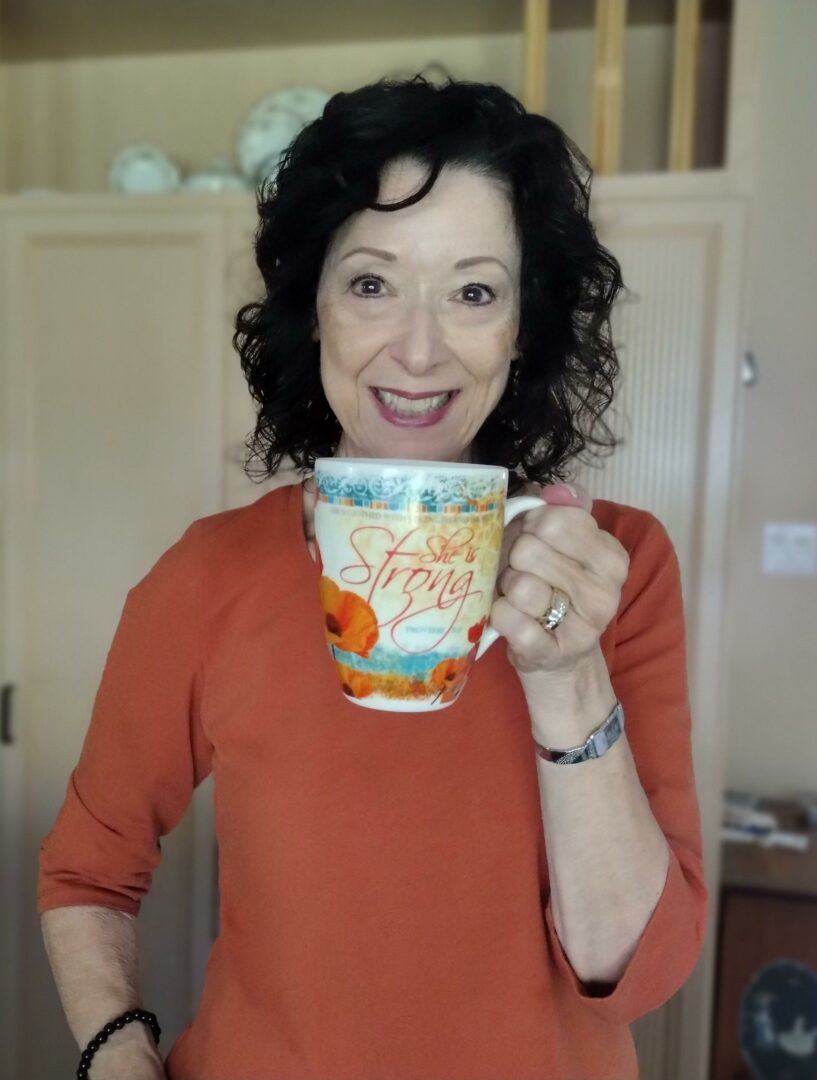
Thanks for sharing that. So, before we get any further into our conversation, can you tell our readers a bit about yourself and what you’re working on?
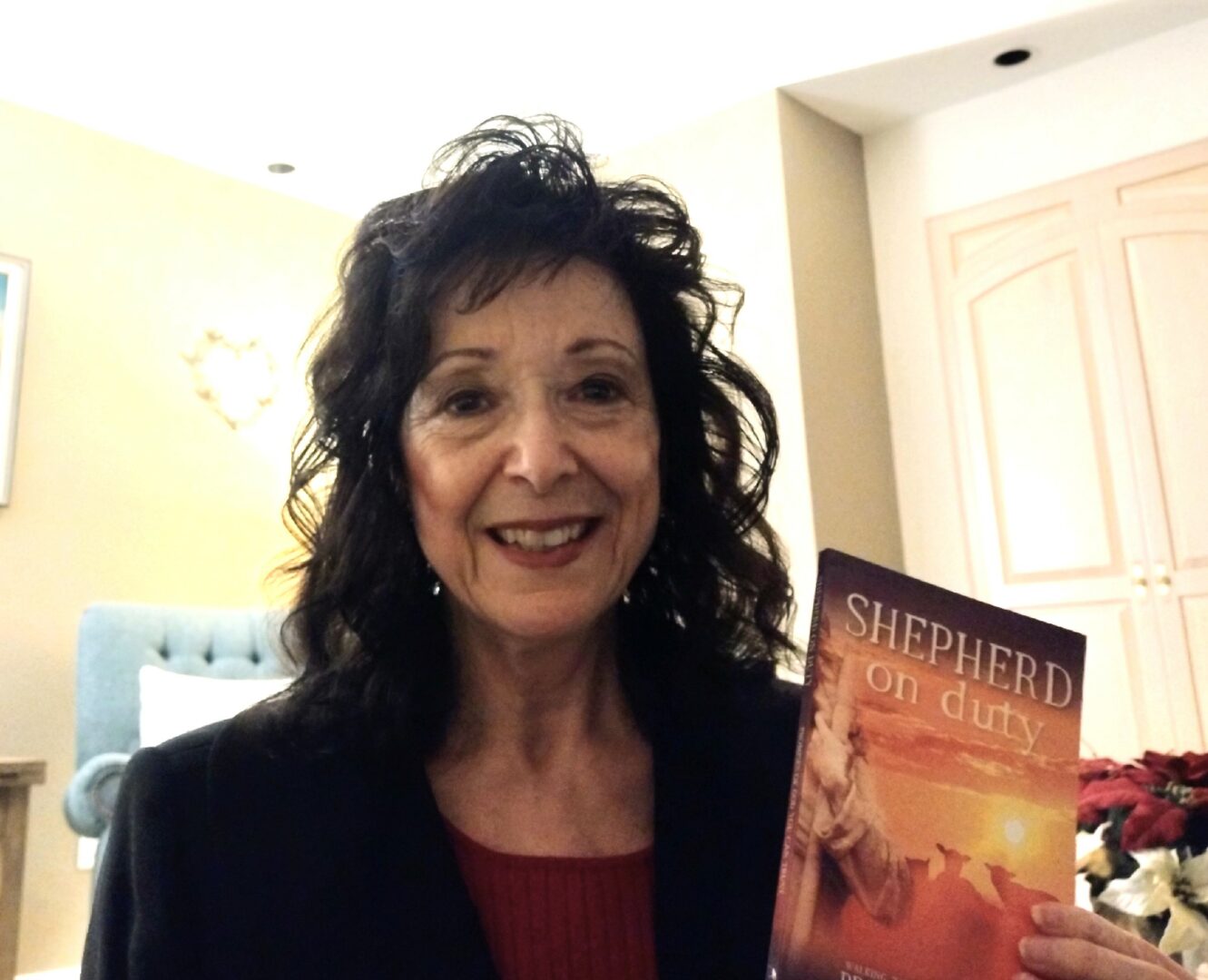
I am a passionate creative, writer, poet, speaker, retired missionary, CASA volunteer, experienced counselor and hospice and palliative care support personnel. Founder of Serenity in Suffering blog, and author of the Serenity in Suffering newsletter on Substack, where I share articles, resources and counseling designed to help readers grow personally and find spiritual intimacy with Christ; ultimately finding purpose in the trials they face.
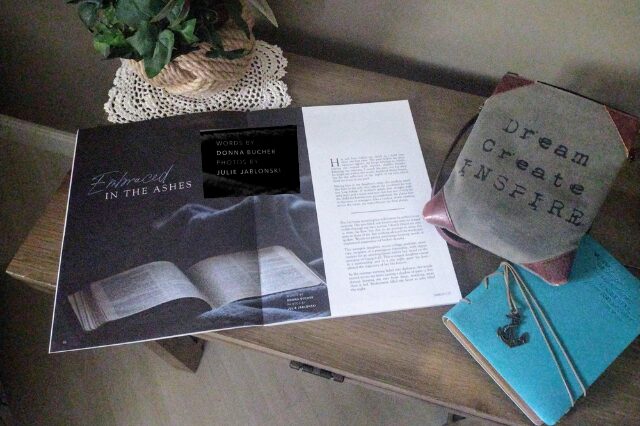
My writing has appeared in several online literary journals including Calla Press, Woman of Faith Magazine, The Way Back to Ourselves, and Joyful Life Magazine. My work has also appeared in various print magazines, as well as a Christian collective devotional book by Arabelle Publishing.
I am contributing writer for the Woman to Woman Ministries blog and a new Poetry Literary journal, Behold Her Beauty- Poetry & Reflections, set to debut sometime in September.
The title for my blog is born out of personal struggle and suffering, but also the personal and spiritual growth I experienced walking through the hard places of life.
God in His sovereignty chose hard paths for my story including relationship issues, betrayal by friends and family, death, sexual abuse, job loss, financial setbacks, physical and emotional abuse, the death of my first granddaughter, and serious health issues for my husband.
Yet, I can testify of God’s faithfulness. He never left me; in the darkest times, His voice comforted me and guided me. During times of suffering, He revealed Himself to me, through His presence, and His love.
Now I know my suffering shaped me and I rejoice in God’s good purpose within the suffering. For from suffering God forges glory. And He has called me to share these truths with others.
I am currently working on submissions for the Behold Her Beauty Poetry & Reflections debut poetry journal, The Way Back to Ourselves Fall Literary Journal, “The Peace of Wild Things”, revamping my blog presence, Expanding my Substack publications, and praying about my own podcast in the future.
In the background I am compiling a poetry collection which I hope to publish in the coming year, as well as a memoir idea.
Listeners can find me at my blog, www.serenityinsuffering.com, where they can read my articles and find free resources I offer for my readers, they can find me at Serenity in Suffering on Substack, and sign up for my newsletter there, and on the follow social media sites:
Instagram: @serenityinsuffering
Facebook: @serenityinsuffering
“X”: @serenityinsuff1
Pinterest: serenity in suffering
There is so much advice out there about all the different skills and qualities folks need to develop in order to succeed in today’s highly competitive environment and often it can feel overwhelming. So, if we had to break it down to just the three that matter most, which three skills or qualities would you focus on?
The three core skills or qualities which most impacted my journey were faith, flexibility, and a pioneering spirit.
My faith is truly the number one thing which strengthened me to become the woman I am today. Though I may be the only one in the room like me, I am never alone because God is always with me. His grace and love sustained me through the devastating losses of my marriage, my grandchildren, my children, and loved ones who have died.
He has walked with me through healing from neglect, abuse, sexual abuse, and domestic violence, giving me courage to seek help and wholeness. My faith in God built resilience into my whole being. During suffering seasons, we rarely understand the purpose and seldom notice the benefits of strength built into our lives.
The Christian life illustrates not only the positive ability of adaptation and recovery in hardship, but the evidence of transformation for the better because of the hardship.
Faith also brings a true and eternal Hope into every situation. When overcome by the relentlessness of life’s hardships, clinging to the unwavering Presence of God infuses me with a Hope which heals my heart.
Placing my Hope in Jesus changes my perspective on how I view my past failures, present struggles, and future fears.
A huge part of the evolution of becoming a strong woman who speaks and lives her truth unapologetically is flexibility. Learning to maintain an open mind and perspective about people and situations strengthened my ability to adapt and evolve into a better version of myself.
I have always described myself as a perpetual student; someone who loves learning new things. Flexibility nurtures curiosity and innovation.
It also allows my circumstances to mold and shape me beyond a rigid view of hopelessness and the status quo.
Perhaps the most useful quality in my transformative journey, my pioneer spirit has moved me time and again into new territories and growth opportunities.
Nurturing the willingness to start over, try a new approach or even re-making myself has made me the dynamic creative I am. Learning the ability of approaching problems with an innovative view of curiosity has built an indispensable resourcefulness for facing challenges.
A pioneer spirit isn’t afraid to ask hard questions about who you are, and who you aspire to become, refusing to get stuck in labels or unhealthy compromise.
What was the most impactful thing your parents did for you?
My parents taught me never to fear being different. My mother often said my uniqueness was my superpower. Both my parents always encouraged me to stand up for what was right and for those who were unable to stand up for themselves.
My mother continually demonstrated taking the risk to befriend those on the margins, the art of being a friend to the friendless. As a result, in every room I enter, I look for those on the edges and make my way to their side.
They also taught me strong people never fear failure, they learn from it. As hard as it is sometimes to face, when I miss the mark, I pause, take a step back, and start again, this time with a new, stronger perspective.
Contact Info:
- Website: https://serenityinsuffering.com/
- Instagram: https://www.instagram.com/serenityinsuffering/
- Facebook: https://www.facebook.com/serenityinsuffering/
- Twitter: https://twitter.com/serenityinsuff1

so if you or someone you know deserves recognition please let us know here.