We were lucky to catch up with Donna Garcia recently and have shared our conversation below.
Donna, looking forward to learning from your journey. You’ve got an amazing story and before we dive into that, let’s start with an important building block. Where do you get your work ethic from?
As an artist, the reality is, that there is an extremely small market, and a lot of people trying to grab a piece of it. You have to have a strong work ethic to survive. If you are serious, art is not something that you can do leisurely, if you want to be known. The most successful artists that I know, are constantly reinventing themselves, networking, and getting themselves out there, sometimes, like me, while they are doing one, two, three or even four additional jobs. Like any entrepreneur you fill every role, artist, SM expert, shipper, printer, accountant, public relations manager, etc. It is just necessary to succeed on a higher level.
Great, so let’s take a few minutes and cover your story. What should folks know about you and what you do?
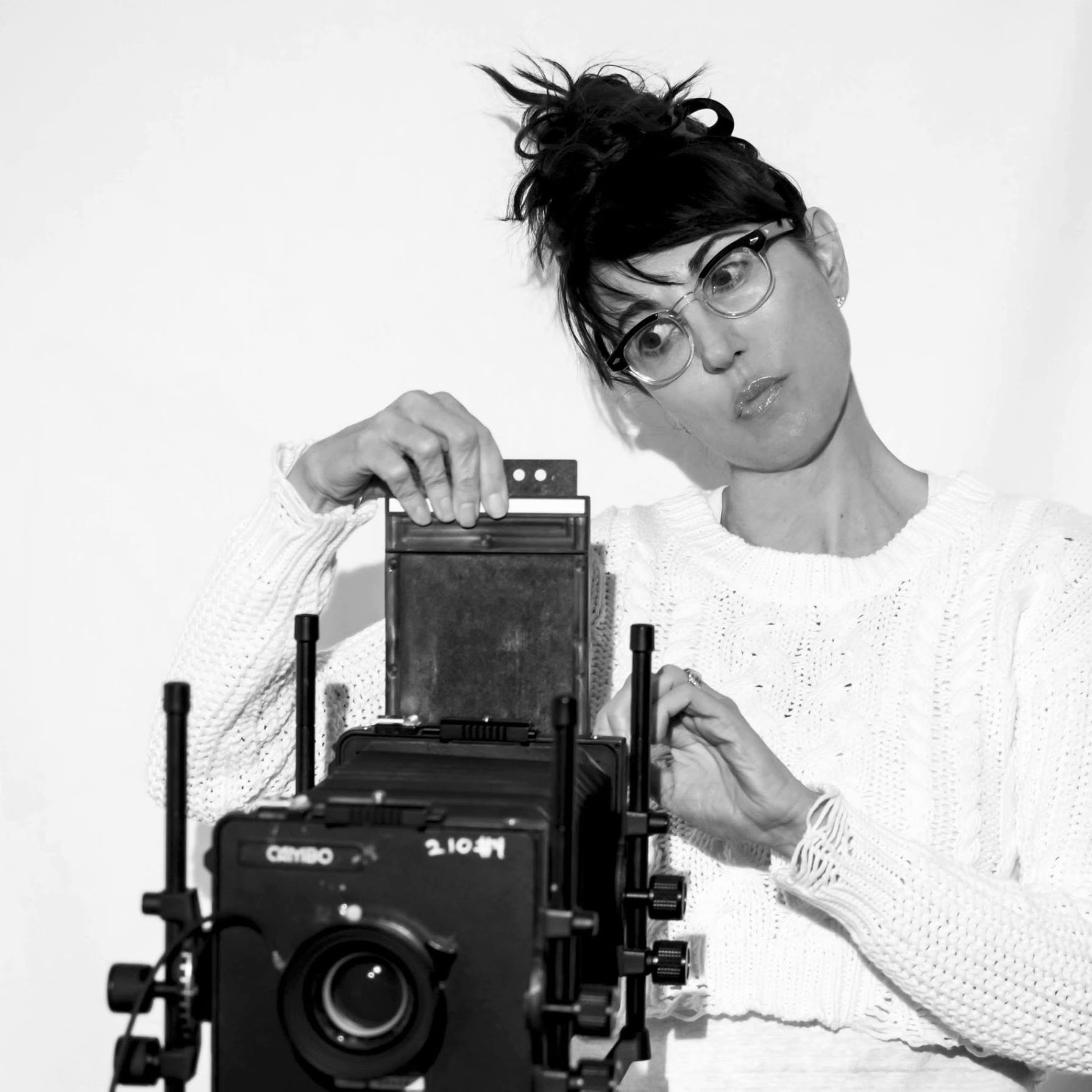
I am, first and foremost, a lens-based artist.
My work falls into the category of abstraction, which I do in various ways.
I would say that my most recognized work uses self-portraiture with motion and it is through motion that I am able to create a liminal space in the work, that…with a heavy light & shadow influence, a type of inner reality to be exposed in the image when the appearance of certainty becomes eroded. You know…when things start to shift from feeling secure and safe to a reality that is indeterminate. By abstracting what is recognizable, forms detach themselves from their literal nature and are then capable of isolating the most significant expression within their meaning, that is the time when the viewer can connect.
This is where I think you cross the threshold and subject and object can become one and a transcendent moment is created, like a visual slip of the tongue, when a repressed truth is revealed to the viewer.
My style loosely can fall into a category of optical illusion called metamorphic figure… this style is defined by “illusions” that are created to exploit the interpretative process of how we see the world. Forms really become ambiguous, and the uncanny nature of them is what makes these shifts from realism to more surrealistic possible. This has really defined my “style” and clients hire me to create work specifically in my style, the genre is irrelevant. I work in Fine Art, Editorial, Lyrical Documentary, and even Wildlife/Nature
The objective of my image making is that the work communicate in a way that allows the viewer to see, not only the subject in an image, but also themselves… by doing this you hope that you can pull them forward thru recognition and interpretation to push them passed their blind spots so that they can know what they didn’t know before…really my definition of art in general.
Also, that liminal space and the idea of animism provide an indication of ‘the other’ in my work, a threat to the fixed position. We hear a lot about “the other” in film and other art forms, but it represents a surplus threat to the perpetuity of the modern day superstructure in defining elements like gender identity. Otherness is much more because it is grounded in being and is non-binary in nature.
I often create black and white photographs that illustrate the contrast of iconic imagery against, indexical imagery. Iconology refers to what an image represents, it is arbitrary, determined, differential, and often defined by pre-established conditions. Indexical images аre like smoke to fire, they refer to something that is related, they аre indicative, like a mark, a trace or an effect that is uncertain. There аre no pre-existing elements for indexical work – because it is not fixed. My artwork is indicative of change, and represents the trace of what is coming. It forces the viewer to consider a transition from the limitations of constructed cultural ideals and towards a real authenticity of self.
If you had to pick three qualities that are most important to develop, which three would you say matter most?
Get Educated – This can be workshops, night classes, tutoring, or a full degree program. Hone your craft and develop your art. Also, education should help provide you with networking opportunities.
Take Risks – This sounds cliche but the reality is you can not play it safe in the art market. There is always someone else as good or better than you, but the people who get seen, are the people who take the biggest risks and work the hardest.
Be Authentic – If work is forced or is not organic, trust me, people know. I have juried many high-level exhibitions, and I have seen work that feels unauthentic just by looking at it. It is as obvious as when you see a fashion design that looks overwork, or forced.
Alright so to wrap up, who deserves credit for helping you overcome challenges or build some of the essential skills you’ve needed?
I have several mentors. Mentoring, for any industry, is critical. These are people who have faced some of the same challenges as you and can really help you to navigate them.
Contact Info:
- Website: donnagarcia.com
- Instagram: donnagarcia23
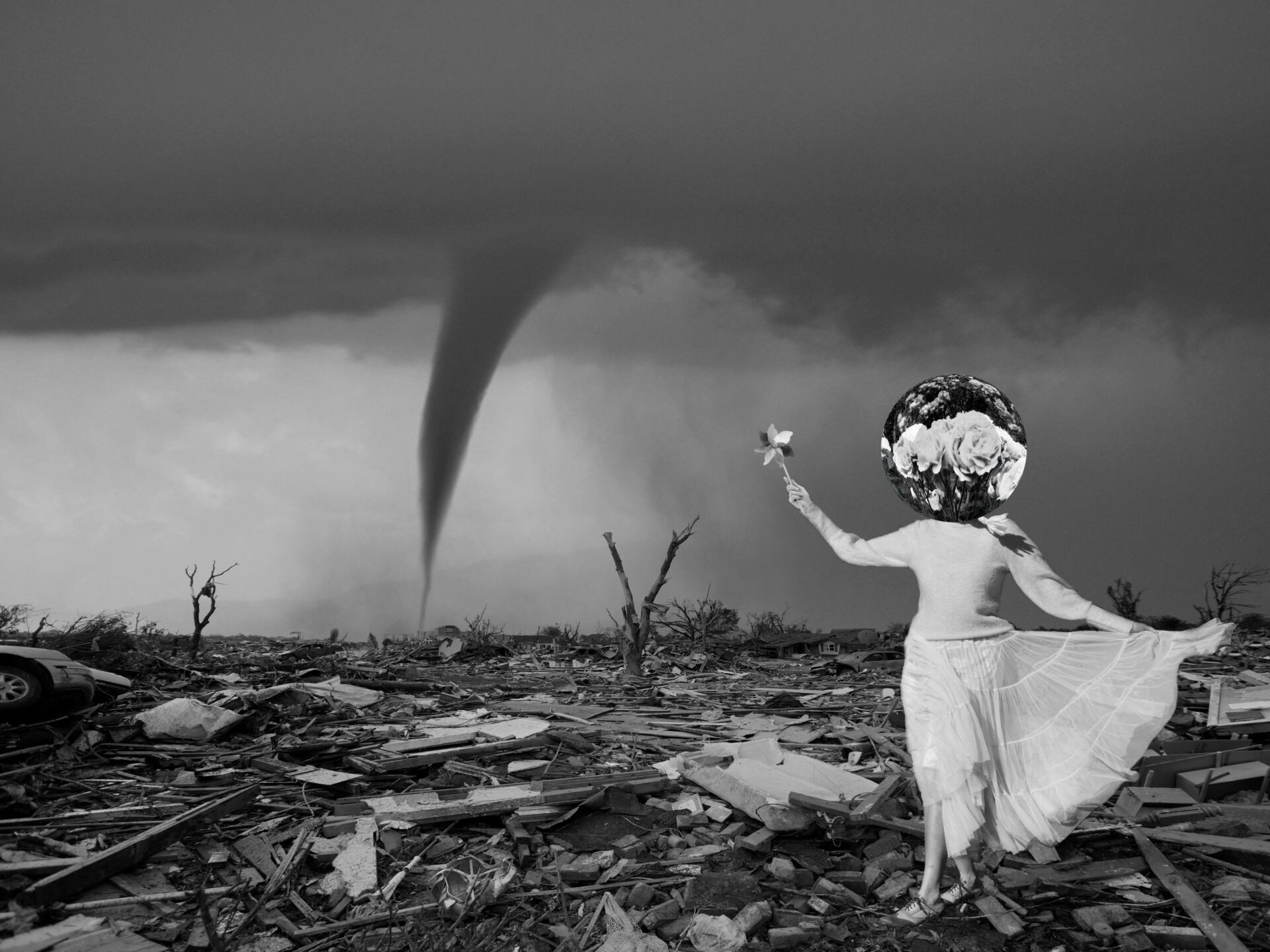
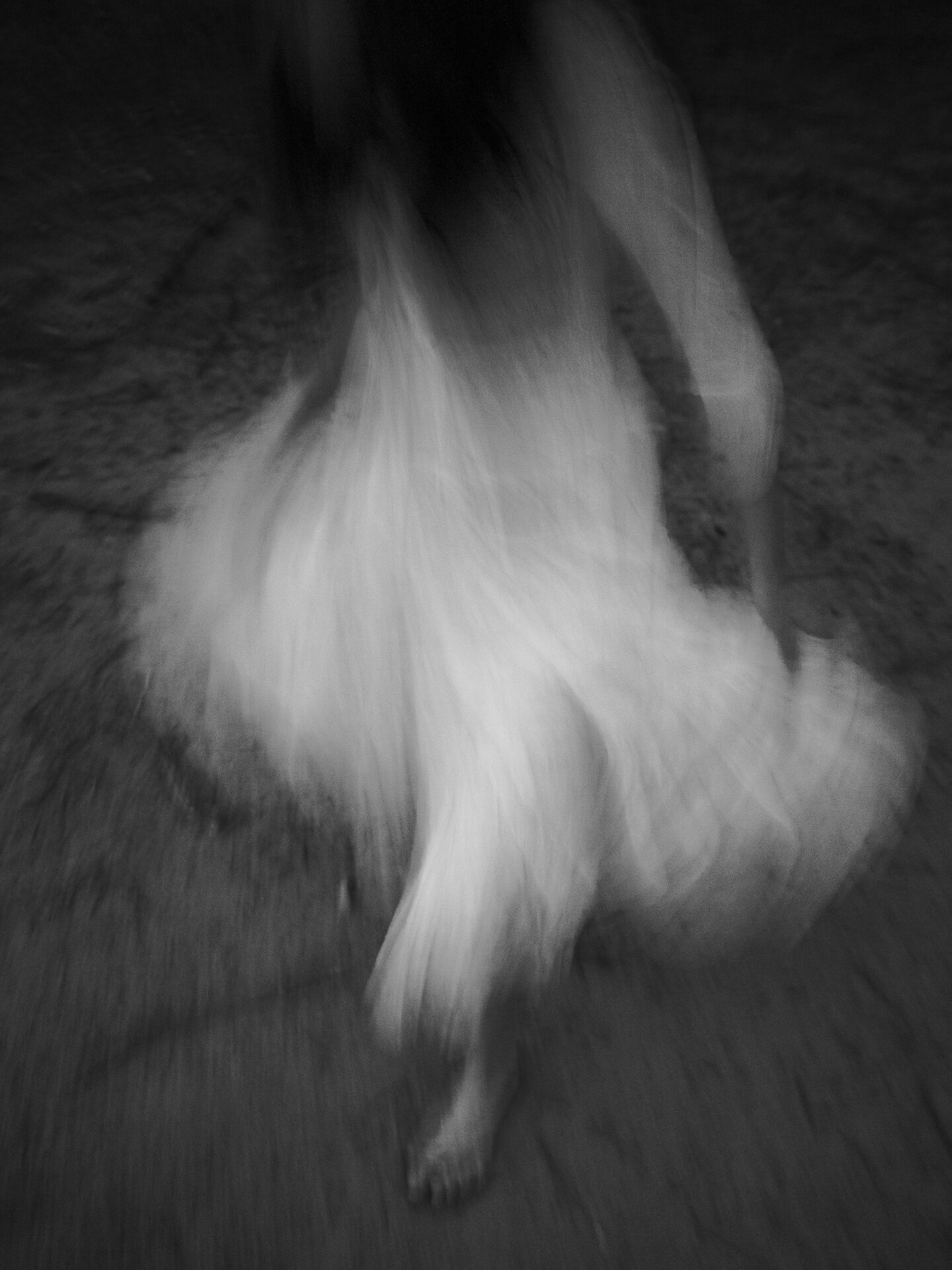
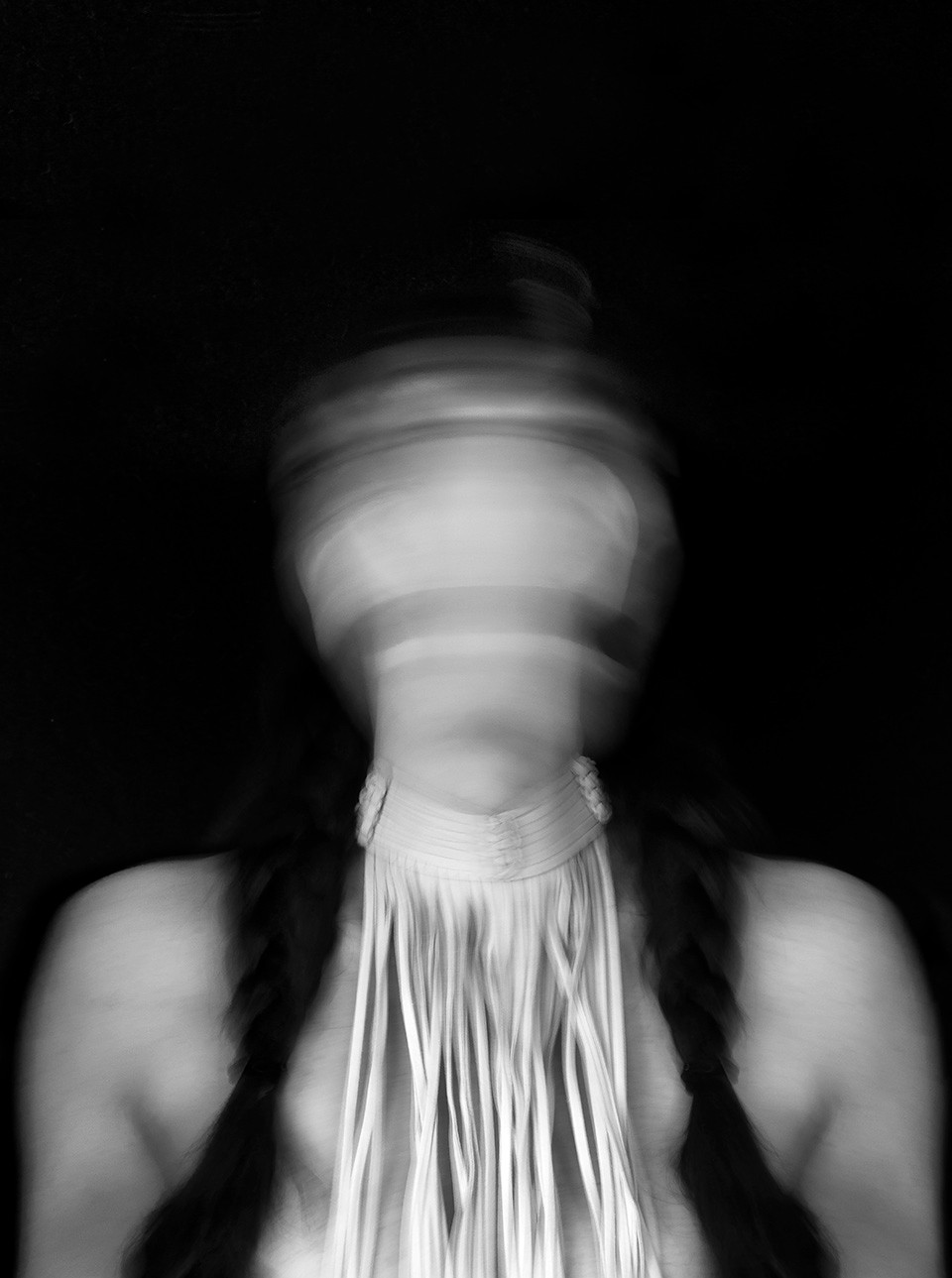
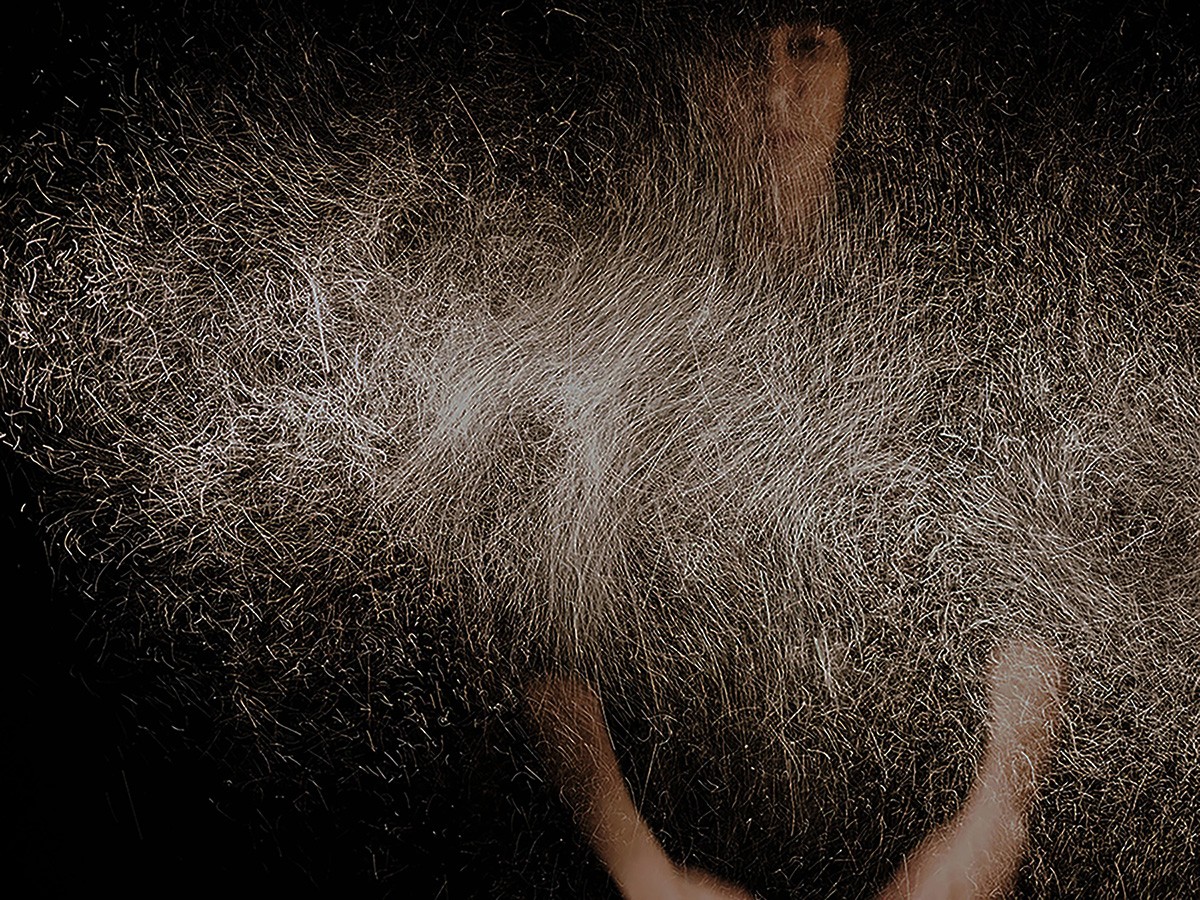

Image Credits
©Donna Garcia (all images)