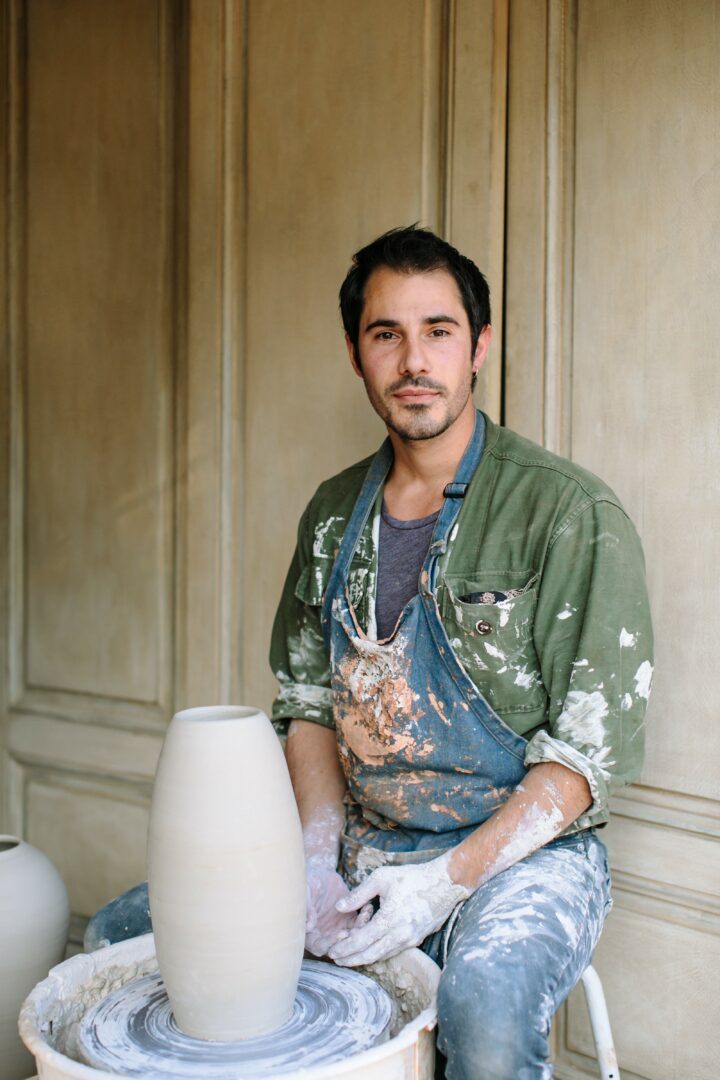
We caught up with the brilliant and insightful Doug Rubenstein a few weeks ago and have shared our conversation below.
Hi Doug, really happy you were able to join us today and we’re looking forward to sharing your story and insights with our readers. Let’s start with the heart of it all – purpose. How did you find your purpose?
As an artist, I found my purpose through discovering refuge in art at a young age. When I was a child, my elementary school began to notice that I was learning differently from the ‘typical’ student and shortly after some tests I was diagnosed with dyslexia. I quickly began to feel like an outsider to my peers as I watched their cognitive abilities excel much more quickly than mine and as a result I felt that I was simply bad at school and what they expected of me for years to come. However, art was always my safe-haven and from the same age of that diagnosis I had a positive and parallel life that existed in tandem with my academic struggle.
In addition to understanding my learning differences and developing around them, a second point of my growth to personal purpose as an artist began to concretize later on in my life and stems from my adoption. As an adoptee, so much of my identity and efforts at understanding myself are inextricably intertwined in my artwork. I think of my works as a piece of me, a child I’ve borne, and finding them a loving home with people that choose to care for them is a cathartic and deeply meaningful process for me. In doing so, I have to let my own work go and allow them to bring joy into the lives of others in order for them to truly be just like me.
Thanks, so before we move on maybe you can share a bit more about yourself?
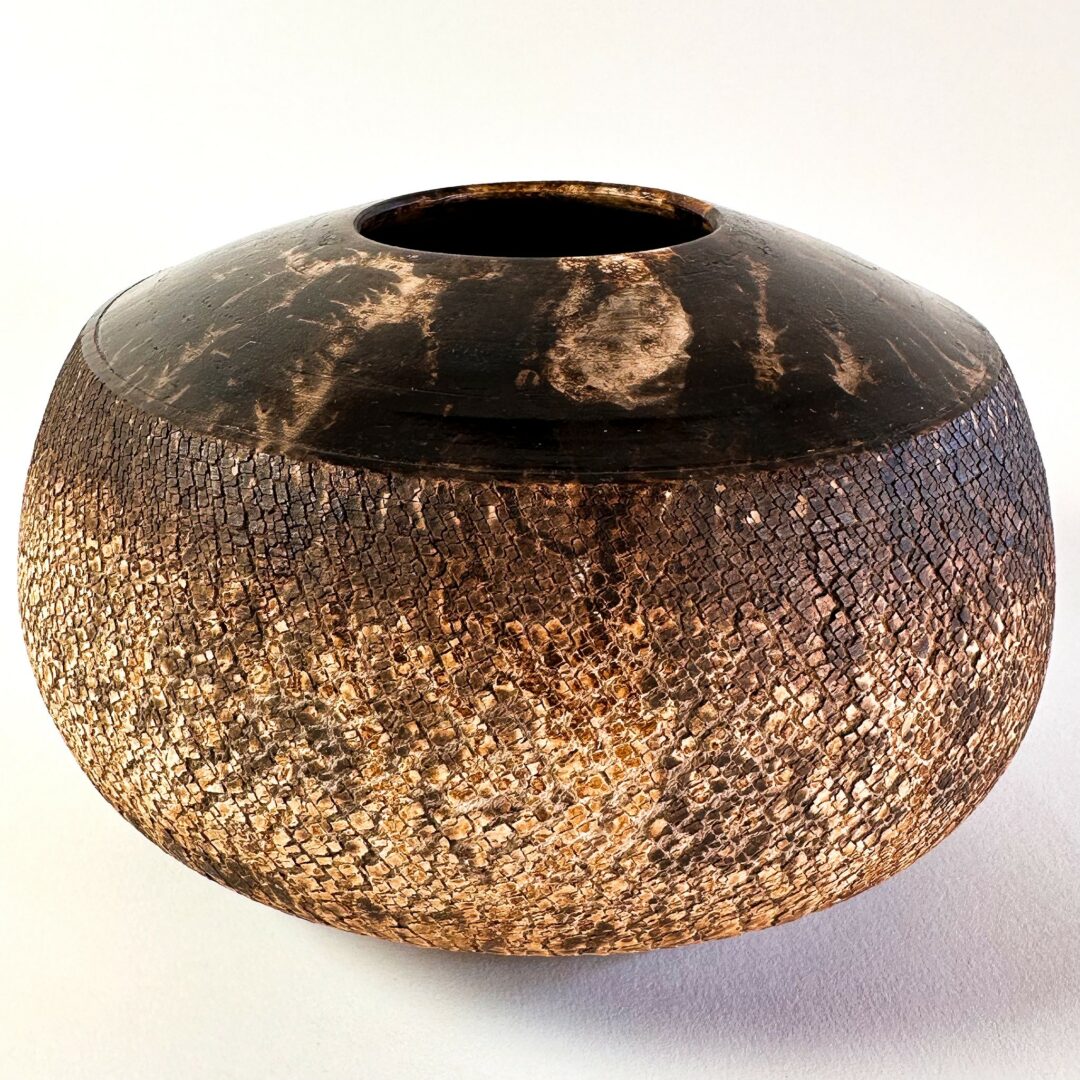
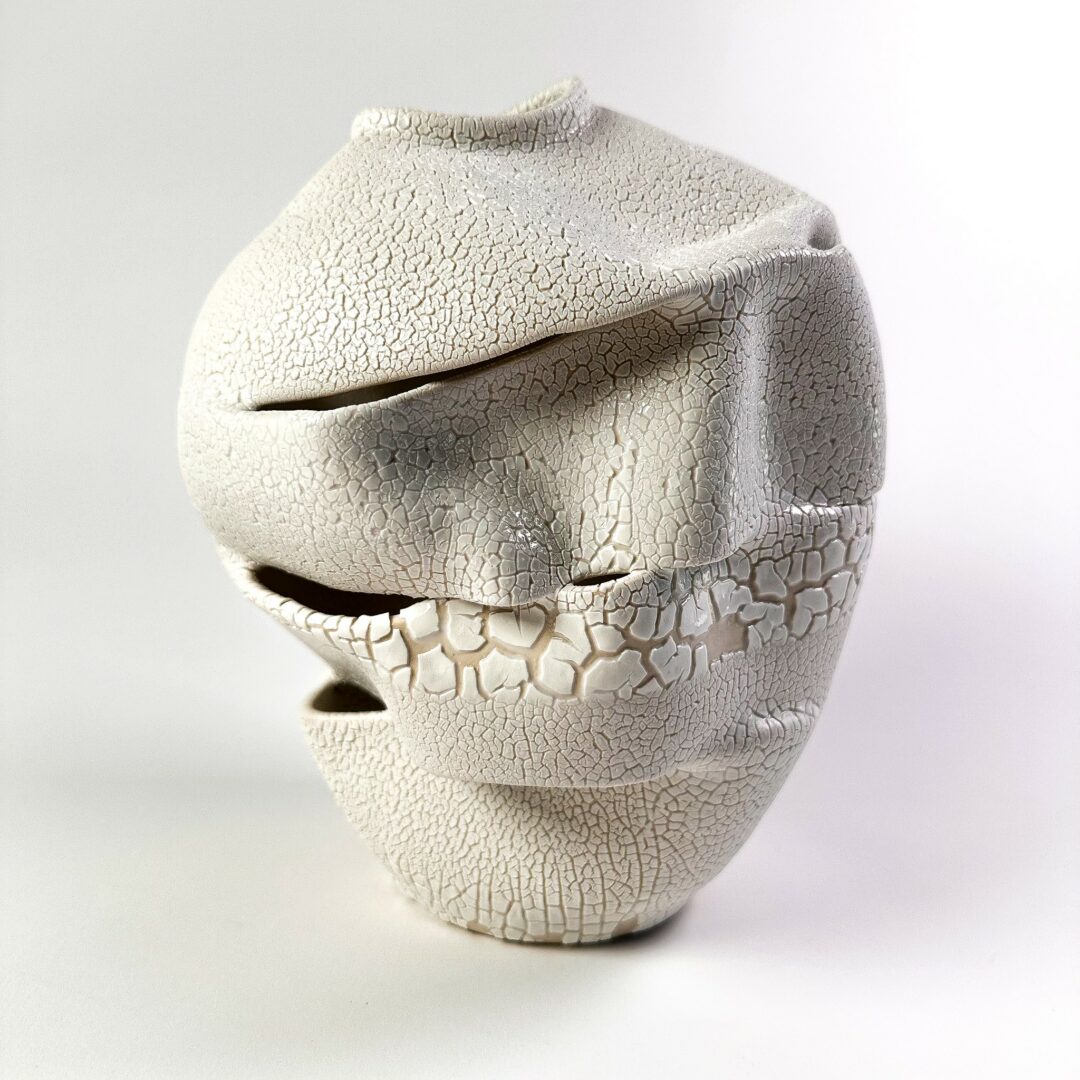
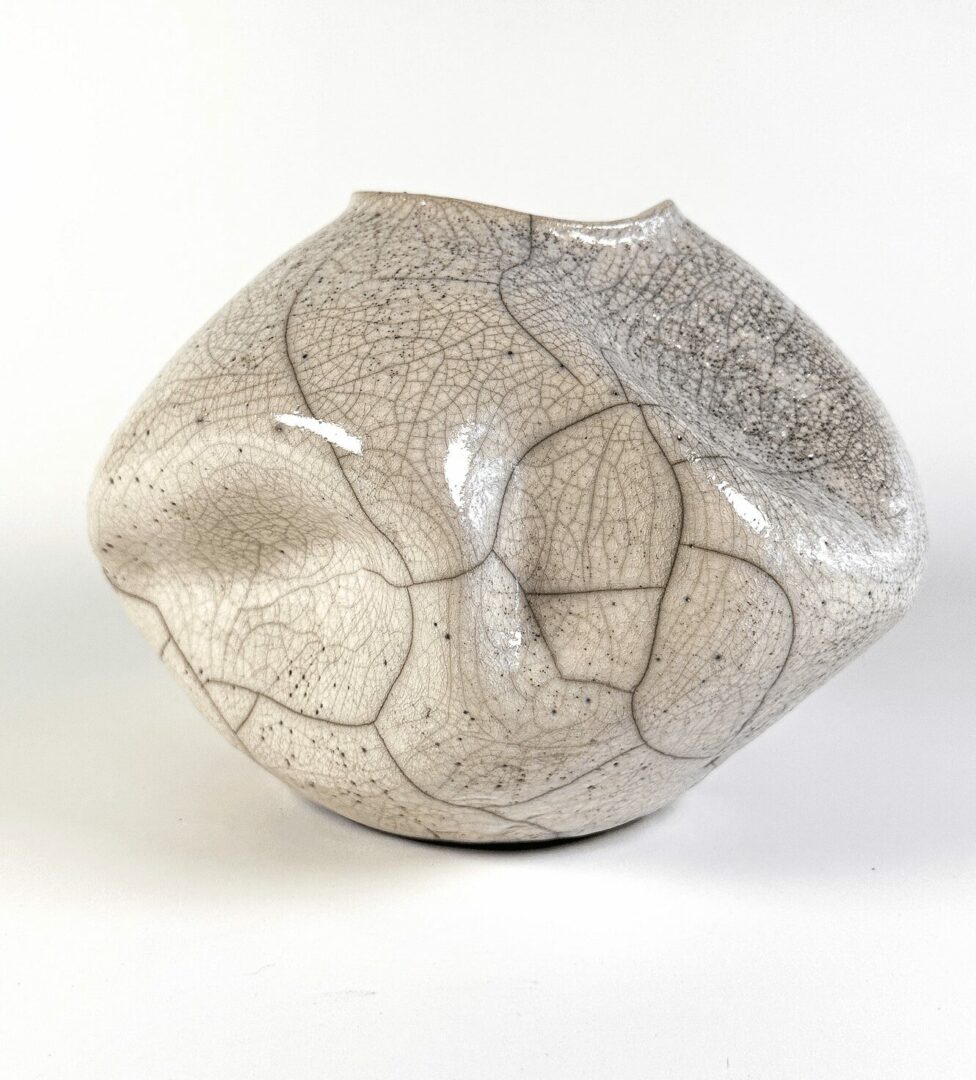
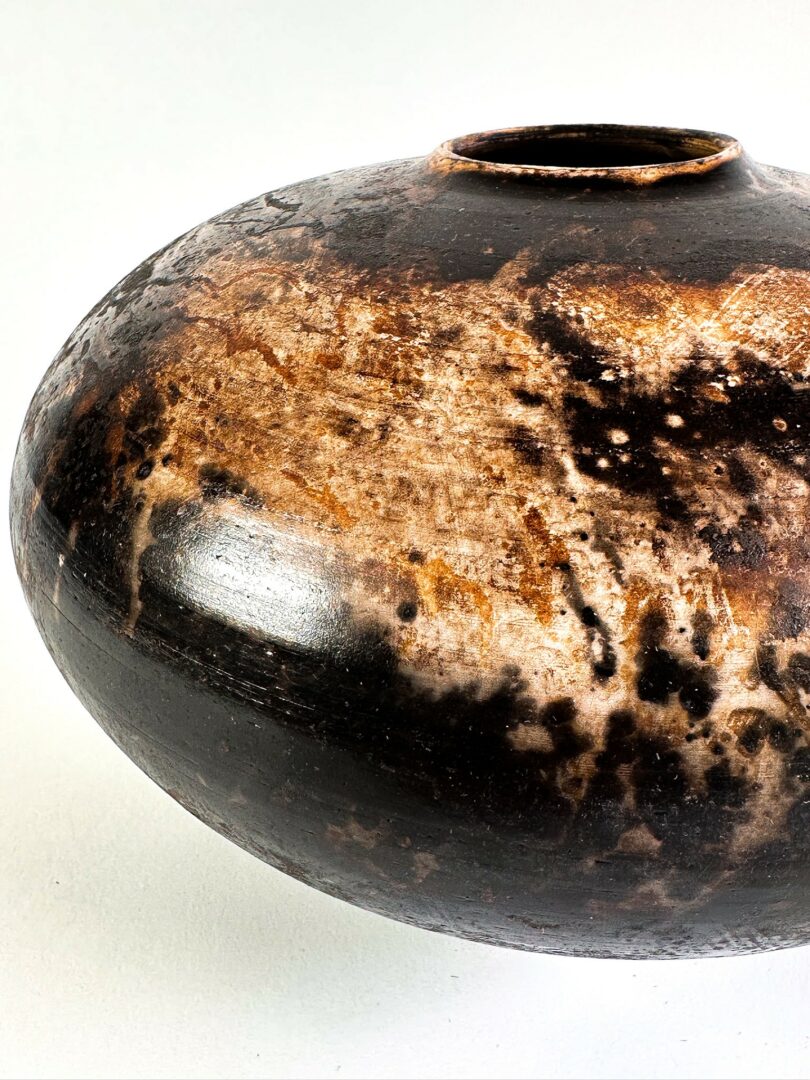
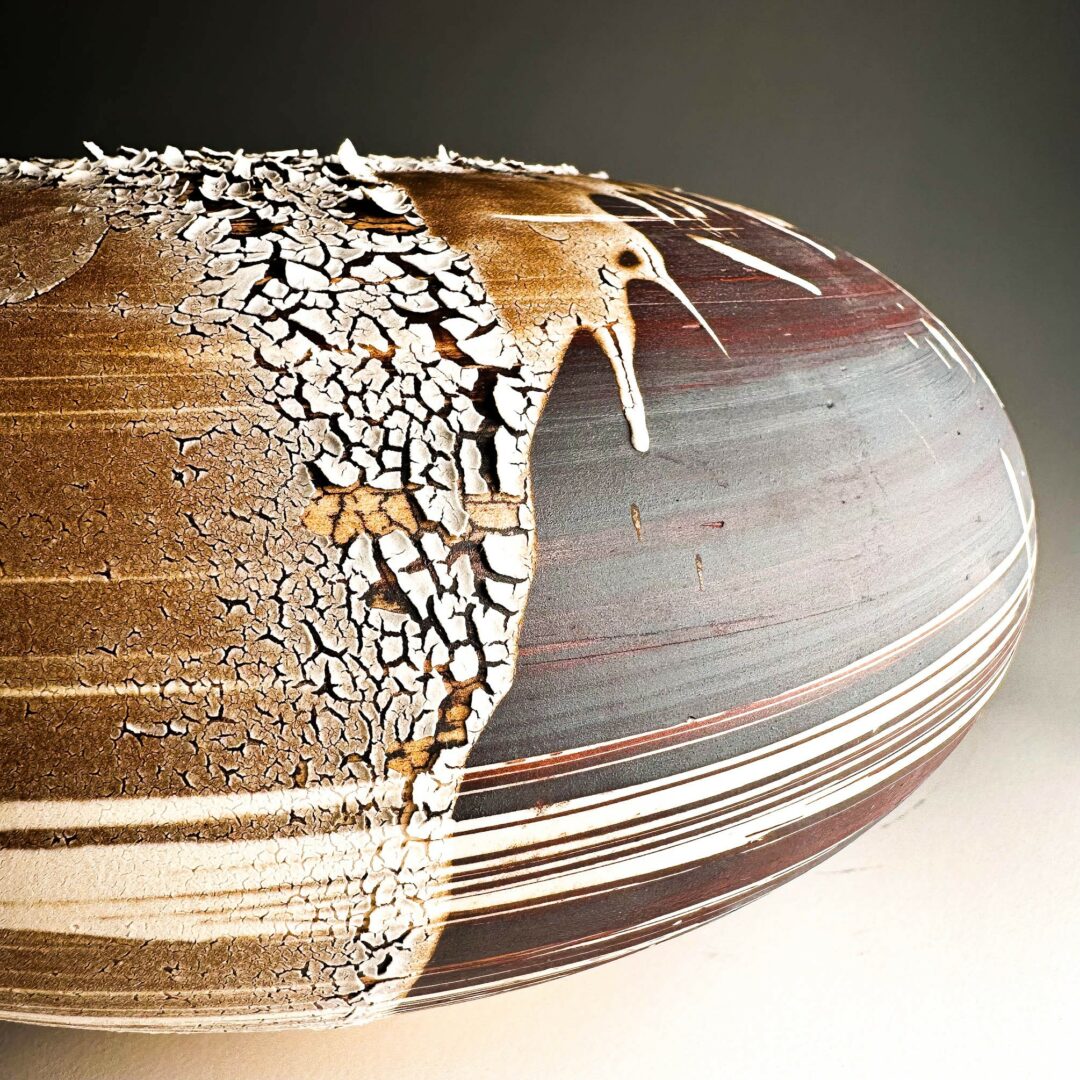
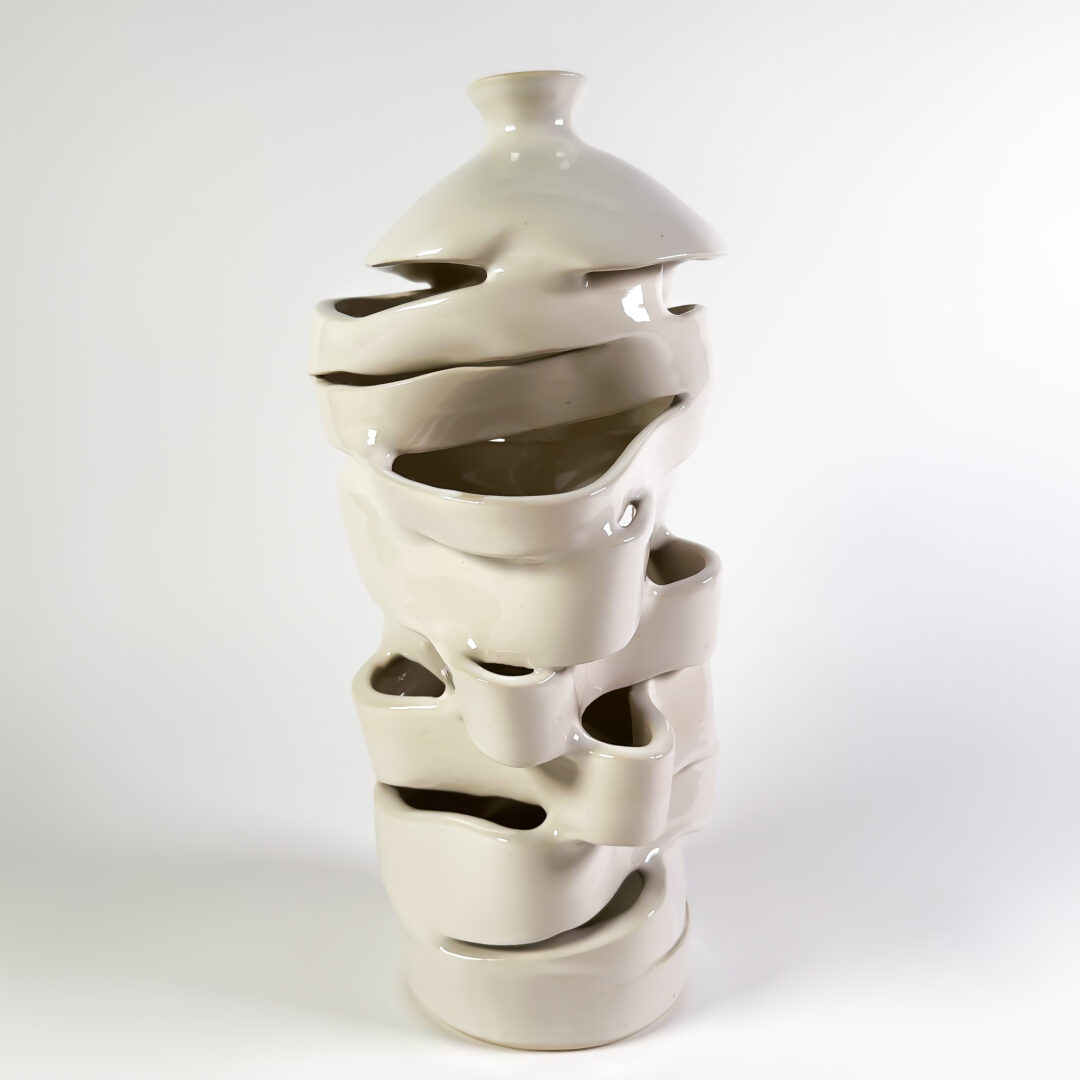
I started my company, Fifth Season Studio, as a means to encapsulate many different artistic avenues that I operate through. The past several years I have focused on my functional and decorative pottery and selling my work online and through in person events all throughout the San Francisco Bay Area. My focus this year is being maintained in pottery but augmenting to include more work that is decorative, sculptural and incorporating multi-media artwork with ceramics.
I am profoundly interested in and inspired by nature and the temporal qualities of the world and our brief, ephemeral part of it. More specifically, I am endlessly curious about the intersection between nature and nurture and I feel that my work is a reflection of the two informing each other. The result of which becomes indistinguishable from either one source and lives in the space that is born between the two. As the relationship between nature and nurture is inherently never ending, the materials for my inspiration are always available. However, one must slow down in order to catch something that is intangible.
If you had to pick three qualities that are most important to develop, which three would you say matter most?
The qualities that I think were most impactful for me as an individual and an artist were Time, Reflection and Application.
Time was essential because I needed practice at getting my ideas outside of my head and seeing them for the first time in person– in that process my art became a conversation, a conversation I didn’t quite understand for many years. I was making art that seemed like it was some percentage of the way to the ideas and notions I was being pulled towards but never quite hitting the mark. The most useful piece of time that I ended up having was a period in which I made nearly nothing. I was living in New York City and teaching preschool full time and living in a tiny studio apartment. I taught myself how to play the guitar and quickly fell in love with it and began writing songs, which quelled a creative need and helped to build a lens in which I could begin to see myself from another angle. It was during that time, in the absence of creating visual art, that what I was missing began to come into focus. Time away from actively searching for my voice as an artist and finding creativity and productivity in alternate avenues helped me to piece together the mosaic of myself and create a more balanced image.
Reflection has also been an invaluable practice because when any one person is a maker, they are making about subject matter that is connected to them on very deep, complicated and nuanced levels. In my own practice, I regularly and often reflect on nature, for example, and it’s presence in my early life. Upon that reflective analysis, I can trace back many elements of what I make to experiences I had as a child; I identify all the time I spent outside exploring as a child, the extended outdoors trips I have taken as a teenager, and, alternatively and in contrast, the nature I then missed in some of my early adult years. But the reflective process spans so far for each individual and so deeply as well and there is an immense amount of personal life to sort through in order to begin understanding all of the impressions the world has left on us. We have a universe of complexity in all of us. To think that there is only what we have in front of us is to ignore all of our personal history and experiences that led us to today. That which inspires us has footprints, visible or not, that trodden trails that connect our past, present and future.
Lastly, application is a quality that I find to be elusive and constantly changing. It is important as it gives an artist a distinct style and a memorable and recognizable quality to their work, however, it is also the agent of change itself because it is the active ingredient in how the art as a product is demonstrated and given a life in the world. The application of art is the agent through which artists are able to revisit themselves in time and reflect on themselves as makers and generate new ways to apply identify into works. In a way, a finished piece of artwork allow the artist to live in more than one body, to explore and demonstrate how multifaceted and complex the human experience is. Nobody can be reduced to just one thing. The application of art, how we chose to be seen in a particular moment of making, allows us to exist on a higher plain and in different light.
What would you advise – going all in on your strengths or investing on areas where you aren’t as strong to be more well-rounded?
I believe that it is important to become a well-rounded individual through identifying and leaning into our strengths. I think that it is vital to attain a balanced diet of rich, diverse and unlikely experiences to feed our conscience and subconscious mind. However, in order to digest, direct and apply that information we need to understand ourselves to a deep degree. Similar to a tree, how it grows from the inside out: we must accept our soil and grow concentrically outward, building upon each layer that has come before the last. Once we have our ‘branches,’ so to speak, we are able to experience vast and different things that are far beyond where we started but all the while they are being supported and sustained by our truck beneath us.
As I spoke about my schooling experience as a child and how I found art, that was an element of my ‘trunk.’ That has always been a piece of how I understood who I am. Through leaning into art as one of my strengths I was able to develop a fluency within myself that I used as a tool– a way of decoding the complicated through my own personal lens. Learning that I had some sort of skill that was valued by schools (albeit not at the top of their list), that helped to give me some confidence and equipped me with something meaningful when I went to school each day. All throughout school and into college I saw myself as an artist but with a slightly limited purview. I had experiences and ‘branches’ that lead me to different and unexpected places up to that point but all roads led back to art with no great variety and few detours.
It wasn’t until towards the end of college when I discovered my love for teaching that my understanding of myself really began to augment in capacities that I had not experienced prior. For example, up to this point in my life I had a very hard time writing coherently and in my graduate program for Early Childhood Education I studied a specialized pedagogy that required and highly valued descriptive writing. Through that process I began to understand myself more clearly as a thinker and learner. I discovered that I think and make sense of the world through metaphorical thinking and it was that realization that helped me to find an entry point into translating that ability into writing. In my program I worked alongside preschool children and took very careful observation of their play, social interactions, personal preferences and temperament and developed detailed pieces of writing that spoke to the child as a whole. Those two years getting my masters in education was a tremendous practice in confronting situations that are completely unfamiliar, unpredictable and inherently ever-changing (all of which is par-for-the-course when being a teacher, which I would also attribute to a practice in becoming a well rounded individual). However, attending to all of this unpredictability as a teacher needs a center, it needs some sort of core. That is where the strength of understanding oneself comes into play as well as in congress with being well rounded. The entire pedagogical model I studied is a reflection of my thesis here in this excerpt: through careful analysis and understanding of an individual through their areas of comforts and strengths we are able to craft a much larger picture of the individual– a tapestry, a canvas or a foundation– in which what they will go on to experience in the world later on has ground to build upon. We all have personal histories, whether we like it or not. Better then to understand in detail who we are and where we all come from so we can better interpret how experiences color us along the way.
To complete the metaphor of the tree, I like to think that it illustrates how we can both encapsulate leaning into our strengths as well as investing our efforts in multiple areas. Once we have the balance and strength to grow outwardly with our ‘branches,’ leaves begin to grow, birds begin to thrive, fruit ripens, shade is provided beneath, and there is a exchange of air in which the world is taken in and cleaner air is released. We can become much more profoundly well rounded by understanding who we are.
Contact Info:
- Website: https://www.fifthseasonstudio.com/
- Instagram: https://www.instagram.com/fifth_season_studio/
- Youtube: https://www.youtube.com/channel/UCd_GVvSo1Tn0FfD8f6bLeLQ
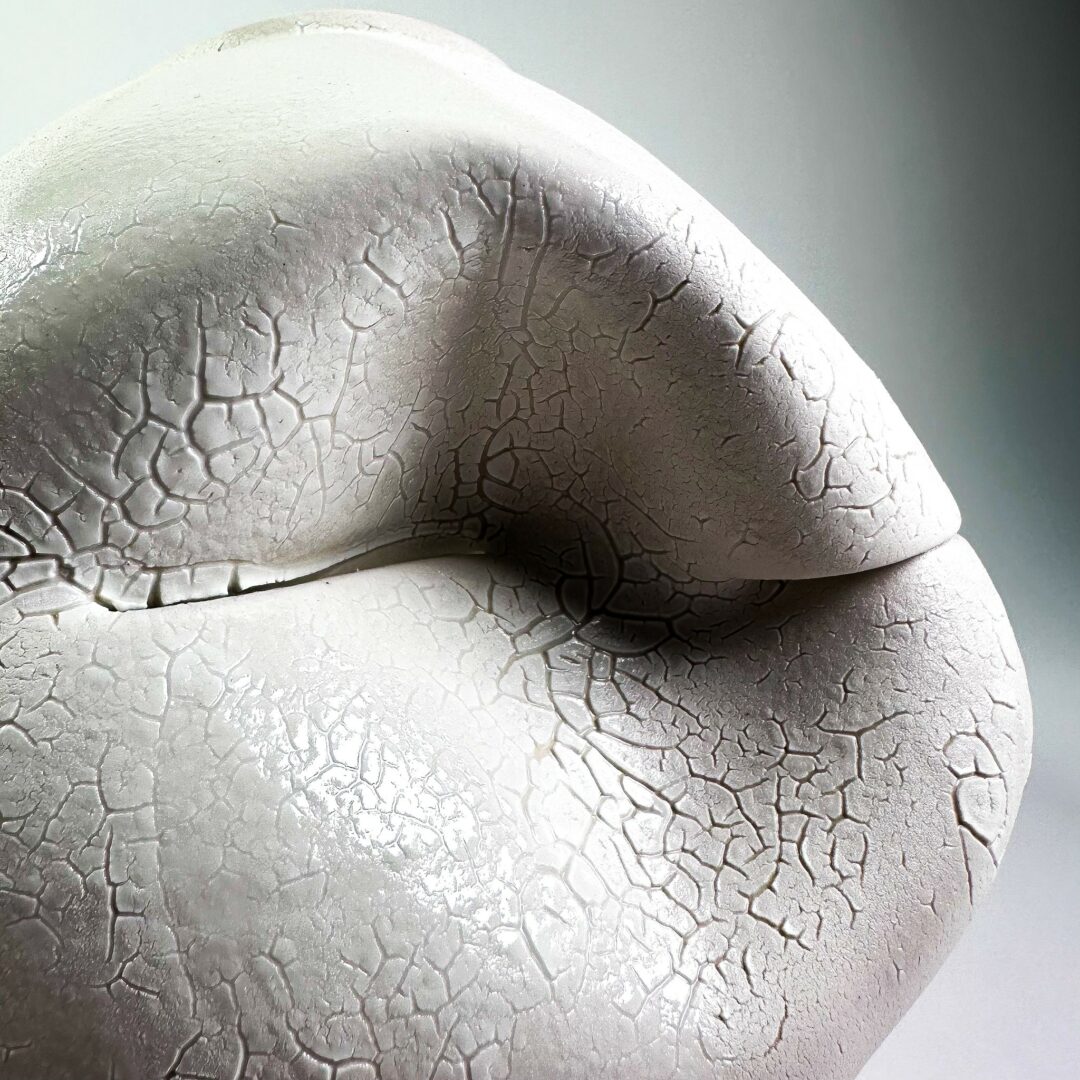
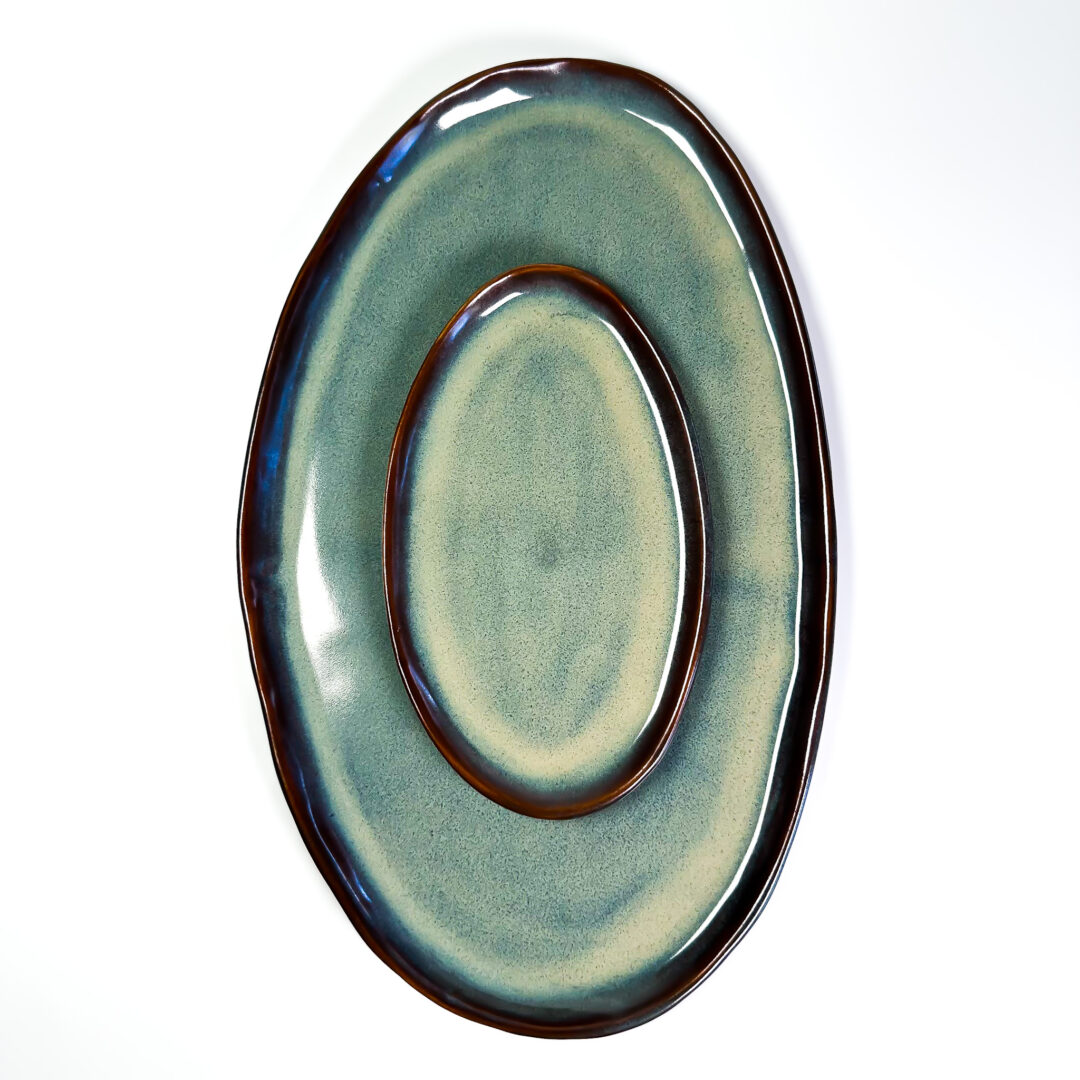
Image Credits
Melissa Habegger, Doug Rubenstein
so if you or someone you know deserves recognition please let us know here.