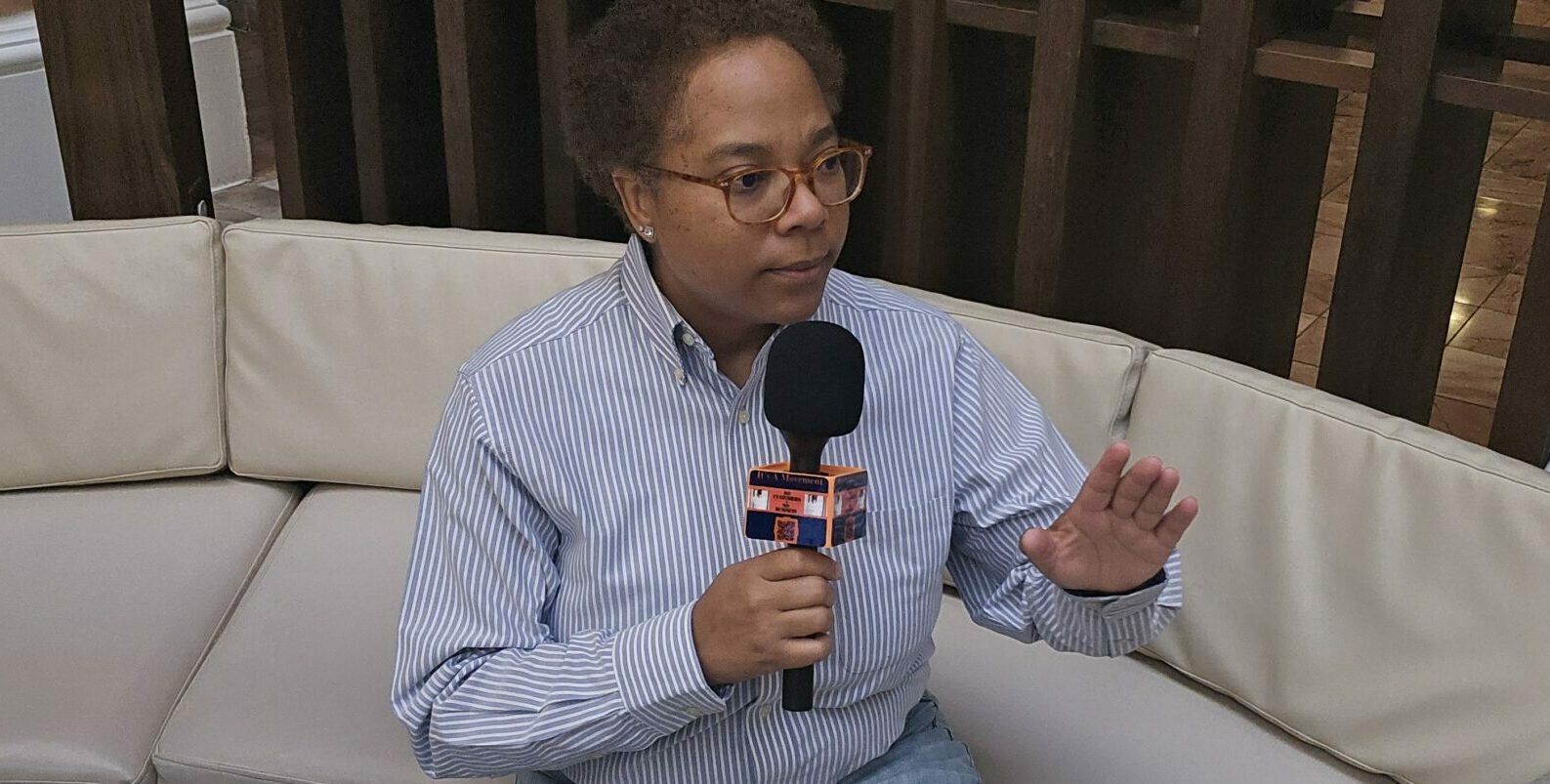
We recently connected with Dr. Barbara Morris Jensen and have shared our conversation below.
Hi Dr. Barbara, thank you so much for opening up with us about some important, but sometimes personal topics. One that really matters to us is overcoming Imposter Syndrome because we’ve seen how so many people are held back in life because of this and so we’d really appreciate hearing about how you overcame Imposter Syndrome.
I Didn’t Overcome Imposter Syndrome—
I Understood Why It Was There
It Wasn’t Imposter Syndrome—
It Was Unworthiness
Title:
It Wasn’t Imposter Syndrome—
It Was Unworthiness
For a long time, I didn’t think I had imposter syndrome.
In fact, I didn’t even have the language for what I was experiencing.
I just felt… off.
I could sit with someone, help them navigate their pain, guide them toward clarity—
and from the outside, it looked aligned. Grounded. Even confident.
But internally, there was a quiet, persistent feeling I couldn’t fully explain:
Who am I to be doing this?
Not in a questioning, curious way—
but in a way that carried a deeper weight.
A feeling of being…
not enough.
not fully worthy.
not quite the person others believed me to be.
What I’ve come to understand is that what many people call “imposter syndrome”
is often something much deeper:
It’s not the fear of being found out.
It’s the belief that if you are seen…
you won’t be enough.
And that belief doesn’t come from nowhere.
It forms early—through experiences where we learn, consciously or not,
that who we are isn’t fully acceptable.
So we adapt.
We become who we need to be—capable, composed, helpful, successful.
We learn how to function at a high level.
And in many cases, we genuinely do help others.
But beneath that… something remains unresolved.
Because no amount of external validation can override an internal belief that was never examined.
I didn’t overcome this by trying to feel more confident.
I didn’t overcome it by collecting more evidence of my capability.
Because capability was never the issue.
The shift happened when I stopped trying to fix the feeling…
and started listening to it.
When I allowed myself to ask:
Where did I learn that I wasn’t enough?
What part of me still believes that?
And is that belief actually true today?
That process changed everything.
Because what I found wasn’t a flaw.
I found parts of myself that had adapted to earlier experiences—
parts that were still carrying outdated meanings about who I was.
And when those meanings were brought into awareness…
they could finally be updated.
Today, I don’t experience that same quiet sense of unworthiness.
Not because I’ve eliminated doubt entirely—
but because I no longer confuse an old feeling with a current truth.
What many people call imposter syndrome isn’t something to overcome.
It’s something to understand.
Because when you understand it, you realize:
You were never an imposter.
You were someone who learned to question your worth—
and are now learning to return to it.
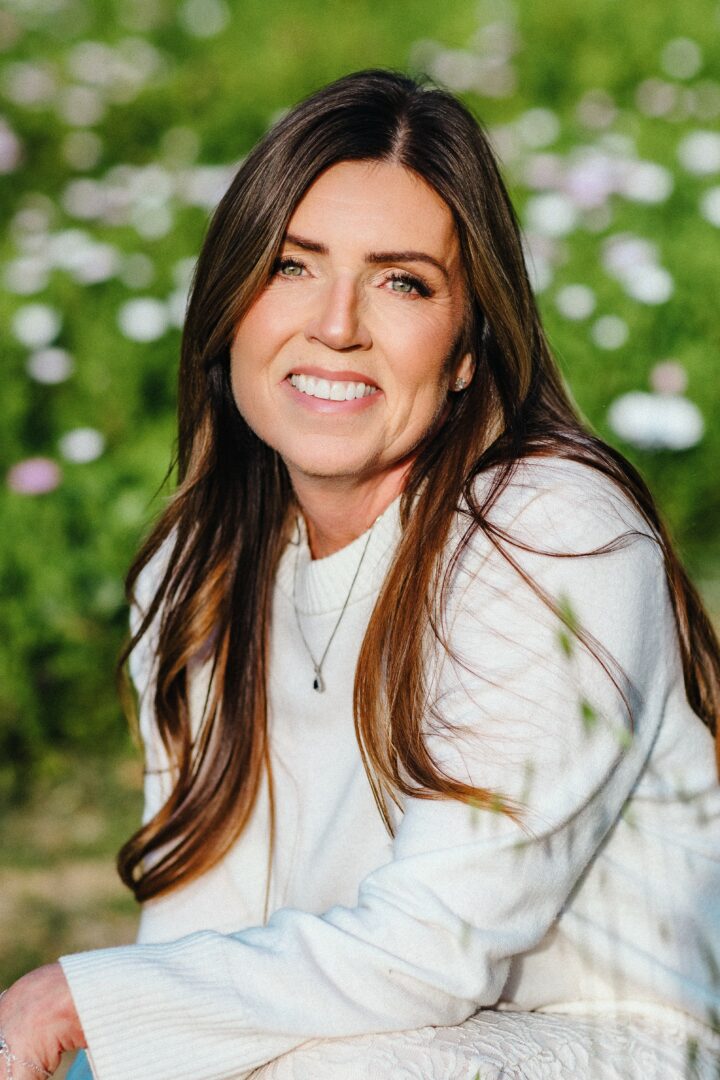
Thanks for sharing that. So, before we get any further into our conversation, can you tell our readers a bit about yourself and what you’re working on?
What I do is deeply connected to the very thing I spoke about—helping people understand and resolve what they’ve carried, often for years, without realizing it.
I’m a clinical psychologist and clinical hypnotherapist, and my work is centered on helping people move beyond managing their thoughts, emotions, and behaviors… and instead understand the origin of them.
Because most people aren’t struggling due to a lack of awareness.
They’re struggling because the part of them that learned to think, feel, and respond in certain ways has never been updated.
What makes this work so meaningful to me is that real change doesn’t come from trying harder.
It comes from seeing clearly.
From understanding how your internal patterns were formed—how your beliefs, emotional responses, and protective behaviors developed in response to your life experiences.
And when that understanding becomes embodied, not just intellectual…
people begin to experience something they haven’t felt in a long time:
Relief.
Clarity.
A sense of coming back to themselves.
That’s what I focus on in my work.
Not surface-level change—but transformation at the level where patterns actually begin.
One of the most exciting expressions of this is a platform I created called UNLOCKED: Master Your Mind and Emotions.
It’s not a traditional course.
It’s an ongoing experience designed to help people move through a deeper process of self-understanding—where they learn how their mind and emotional patterns were formed, and how to begin creating lasting change from that place.
It combines teaching, guided reflection, and experiential practices that allow people to not just learn something new… but actually integrate it.
Because insight alone doesn’t change your life.
Integration does.
What’s most meaningful to me is watching people shift from feeling stuck in patterns they don’t fully understand…
to recognizing them, updating them, and beginning to live in alignment with who they actually are.
In addition to UNLOCKED, I continue to work with individuals and professionals who are navigating that same inner disconnect—often high-achieving people who, from the outside, seem successful, but internally feel something is missing.
And I’m expanding into more speaking and writing, sharing this work in spaces where people are ready for a deeper conversation about what it really takes to create lasting change.
If there’s one thing I would want readers to take away, it’s this:
You are not stuck.
You’re operating from patterns that once made sense.
And when you understand them—truly understand them—you gain the ability to change them.

Looking back, what do you think were the three qualities, skills, or areas of knowledge that were most impactful in your journey? What advice do you have for folks who are early in their journey in terms of how they can best develop or improve on these?
Looking back, there are three things that were most impactful in my journey—and interestingly, none of them were about becoming more impressive or more accomplished.
They were about becoming more honest, more aware, and more aligned.
1. The willingness to look inward—honestly
The most important shift in my life came when I stopped trying to fix what I was feeling and started asking where it came from.
That requires a level of honesty that can be uncomfortable at first—because it asks you to look beyond your current behaviors and into the patterns and beliefs that shaped them.
But that’s where real change begins.
Advice:
Start getting curious about your internal experience instead of judging it.
When something feels off, don’t rush to correct it—pause and ask, “What is this showing me?”
Awareness is the first step in any lasting transformation.
2. Understanding how the mind actually works
For many years, I did what most people do—I tried to think my way into change.
But our patterns don’t live at the level of logic. They live at the level of conditioning.
When I began to understand how beliefs are formed, how emotional responses are wired, and how the subconscious mind drives behavior, everything started to make sense.
It removed the self-blame and replaced it with clarity.
Advice:
Invest time in understanding how your mind works—not just what you think, but why you think it.
When you understand the mechanism, change becomes something you can create, not chase.
3. Choosing alignment over performance
There was a time when I measured my worth by how well I performed—how capable I was, how much I achieved, how I was perceived.
But performance and alignment are not the same thing.
The more I returned to what was true for me—what I actually felt, valued, and believed—the less I needed to prove anything.
And ironically, that’s when my work became more impactful.
Advice:
Pay attention to where you are performing versus where you are aligned.
Alignment often feels quieter, but it’s more sustainable—and far more powerful over time.
If I could leave readers with one final thought, it would be this:
You don’t need to become someone new to move forward.
You need to understand who you’ve learned to be…
and give yourself permission to return to who you already are.

Okay, so before we go we always love to ask if you are looking for folks to partner or collaborate with?
Yes—very much so. But for me, collaboration is less about exposure and more about alignment.
I’m most drawn to working with individuals and organizations who are interested in creating meaningful, lasting change—not just offering information, but helping people truly understand themselves and transform the patterns that shape their lives.
That can look like a number of things.
I collaborate with professionals in healthcare and mental health who are beginning to recognize the deeper psychological and emotional components behind what they see in their patients or clients.
I also partner with organizations, platforms, and event hosts who want to bring these conversations into larger spaces—through speaking, workshops, and educational experiences that go beyond surface-level solutions.
And I’m especially aligned with those working in areas of recovery, personal development, and human potential—spaces where people are ready for something deeper than just coping or managing.
At the same time, I deeply welcome individuals who are doing their own inner work.
Those who recognize themselves in conversations around imposter syndrome, unworthiness, or feeling disconnected from who they truly are—and are ready to understand where those patterns came from and how to change them.
That willingness to look inward is, in many ways, the most meaningful form of collaboration there is.
What matters most to me is a shared understanding that real transformation happens when we address the root—not just the symptoms.
If someone reading this feels aligned with that approach—whether professionally or personally—I would absolutely welcome the conversation.
The best way to connect with me is through my website, heydrmj.com, or by email at [email protected]
Contact Info:
- Website: [email protected]
- Instagram: @hey.dr.mj
- Facebook: https://www.facebook.com/profile.php?id=100048655522600&mibextid=wwXIfr
- Linkedin: https://www.linkedin.com/in/heydrmj
- Youtube: @heydrmj
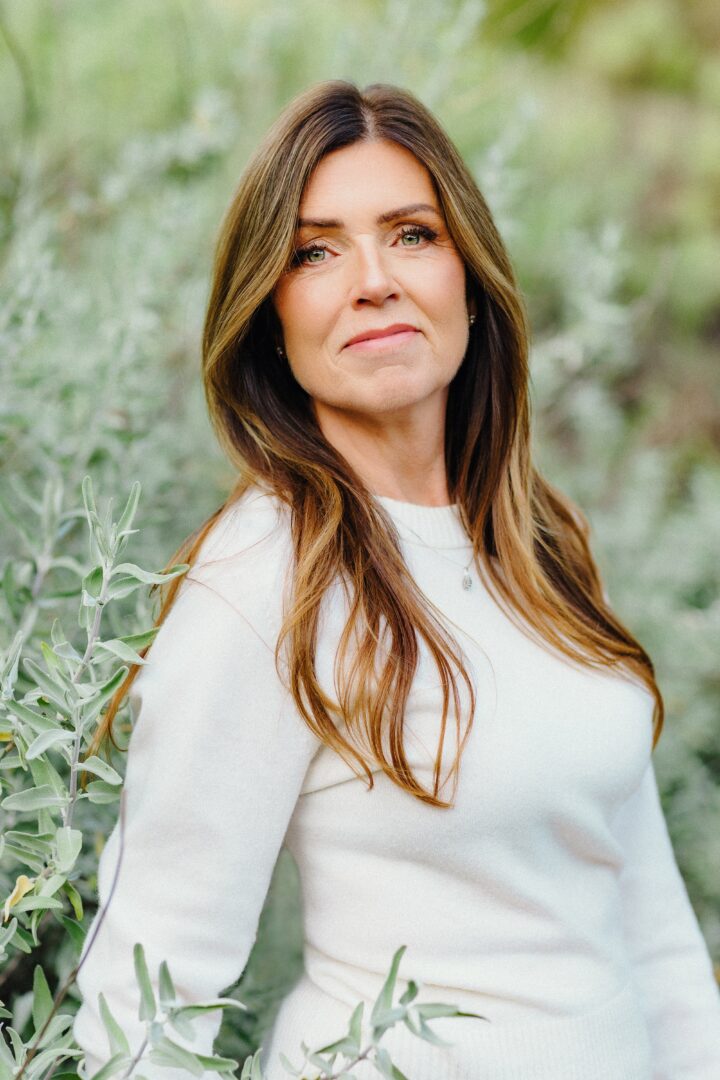
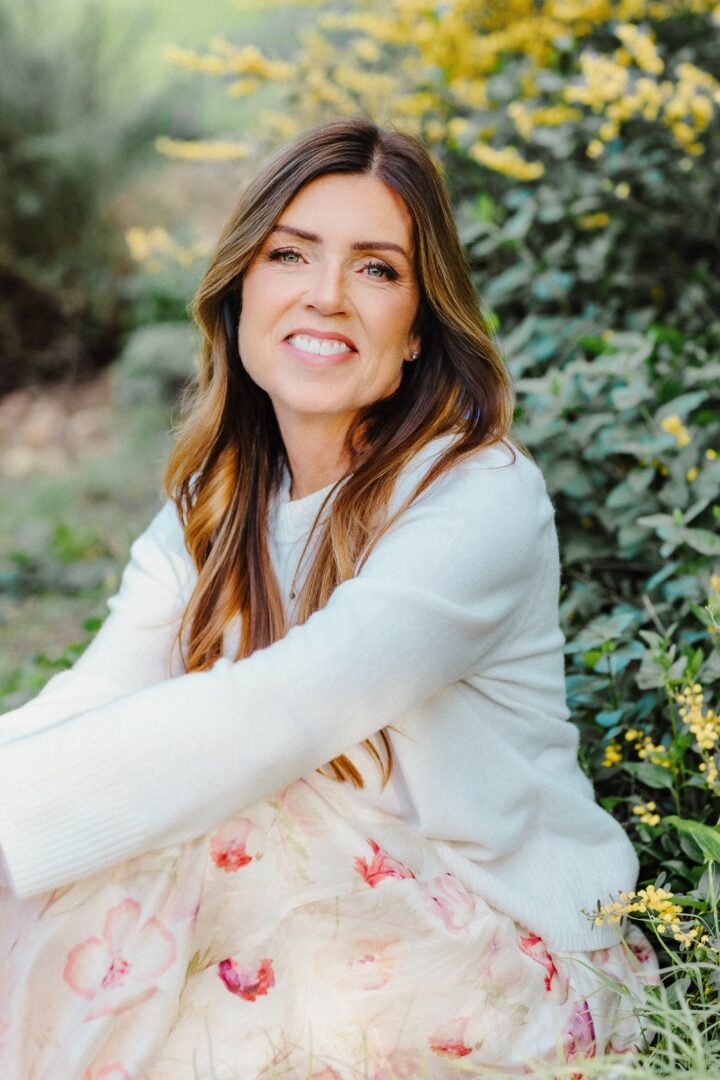
Image Credits
https://www.ginamainphotography.com
so if you or someone you know deserves recognition please let us know here.