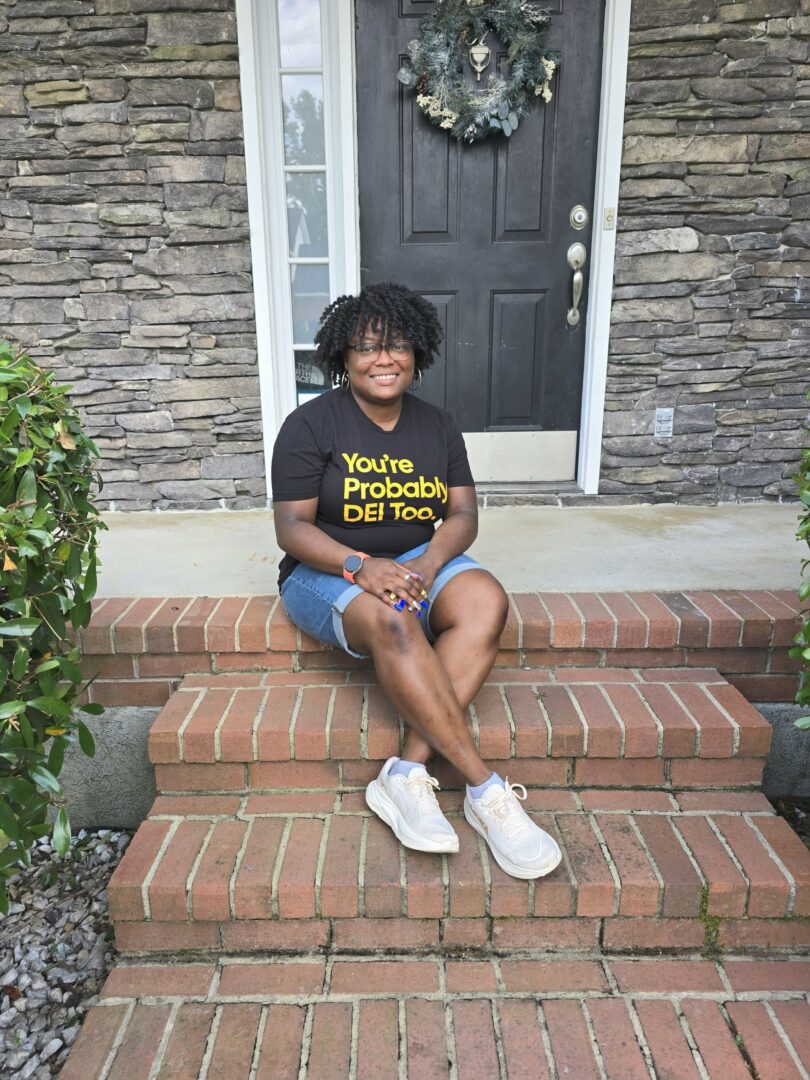
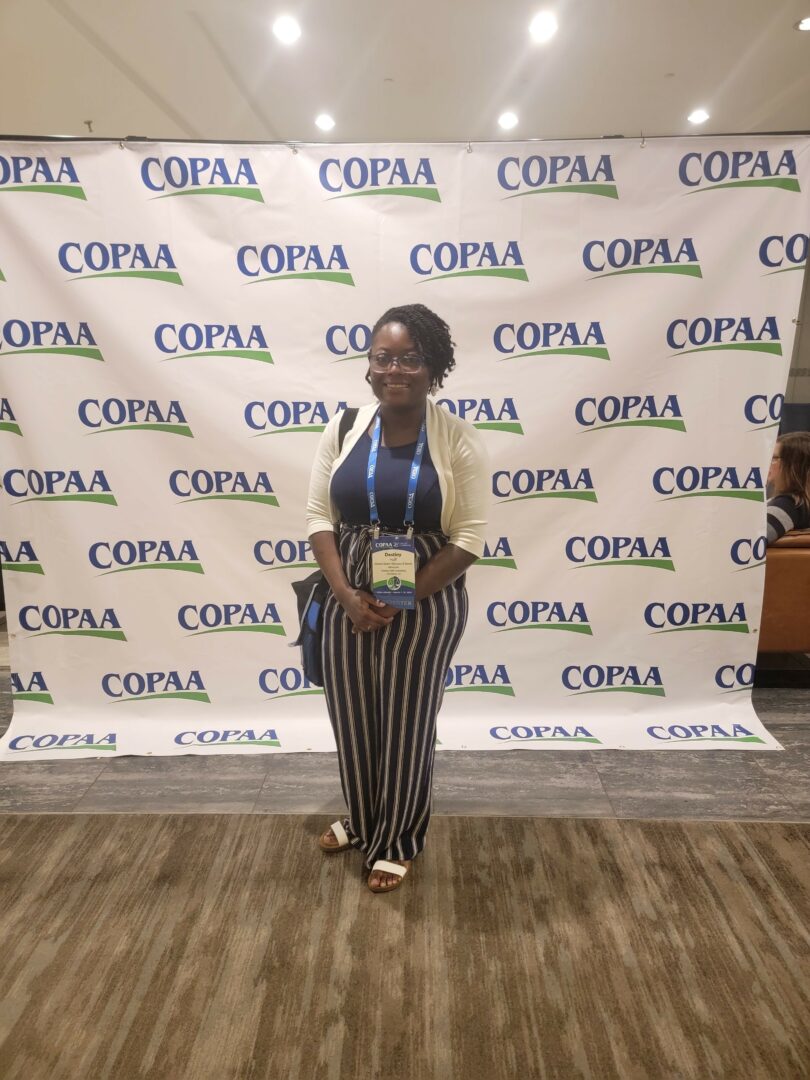
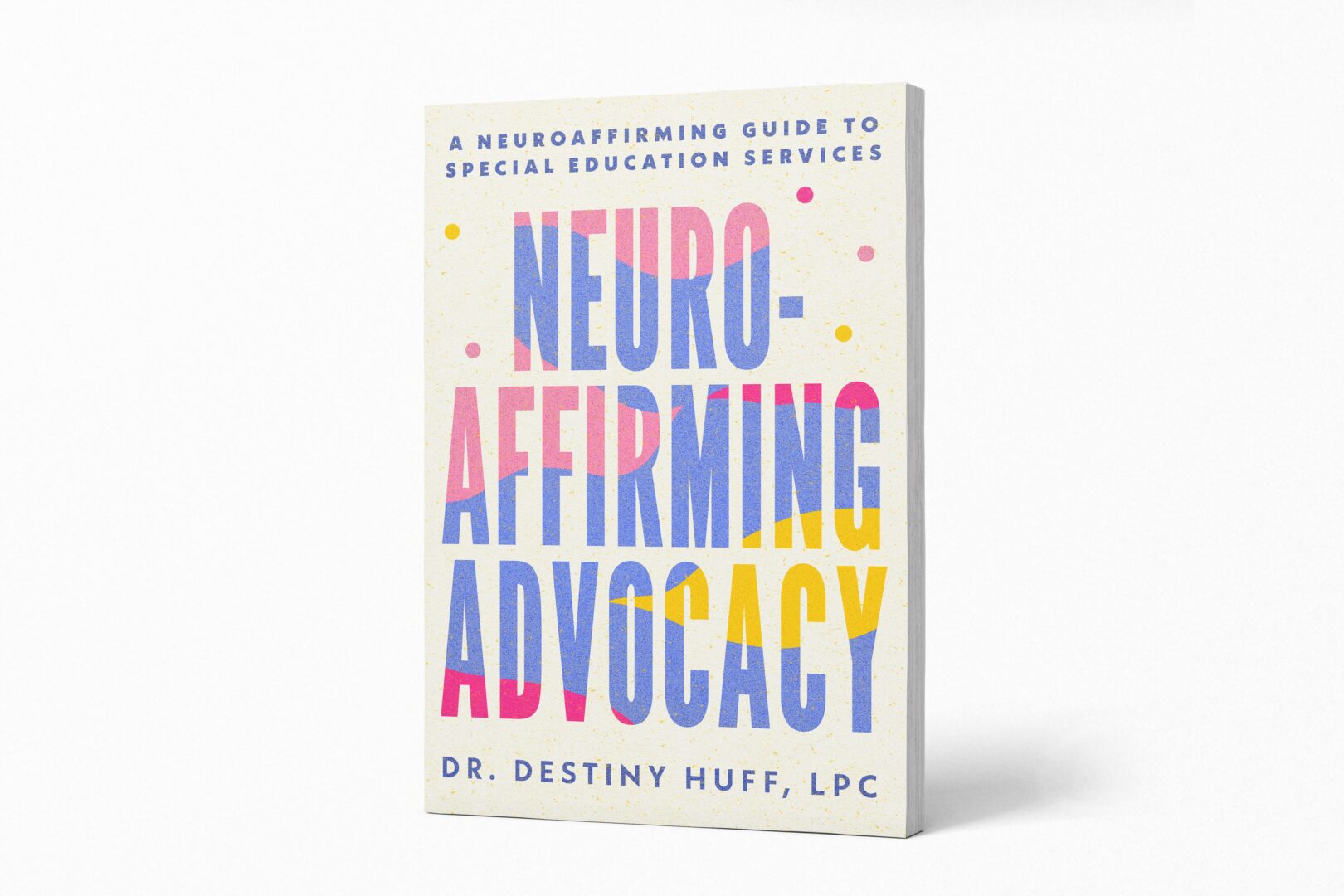
We recently connected with Dr. Destiny Huff, LPC and have shared our conversation below.
Dr. Destiny, so good to have you with us today. We’ve always been impressed with folks who have a very clear sense of purpose and so maybe we can jump right in and talk about how you found your purpose?
I always thought my purpose was mental health, and in many ways, it still is, but now I understand it more deeply. Working in the mental health field, I’ve conducted group and individual therapy, both in person and virtually. But when my family and I navigated the trauma of advocating for my Black, undiagnosed autistic son within a predominantly white school system, I realized my purpose goes beyond general mental health. My mission is to support the mental health of disabled, neurodivergent, Autistic, and ADHD individuals, those whose experiences are too often overlooked, misunderstood, or dismissed.
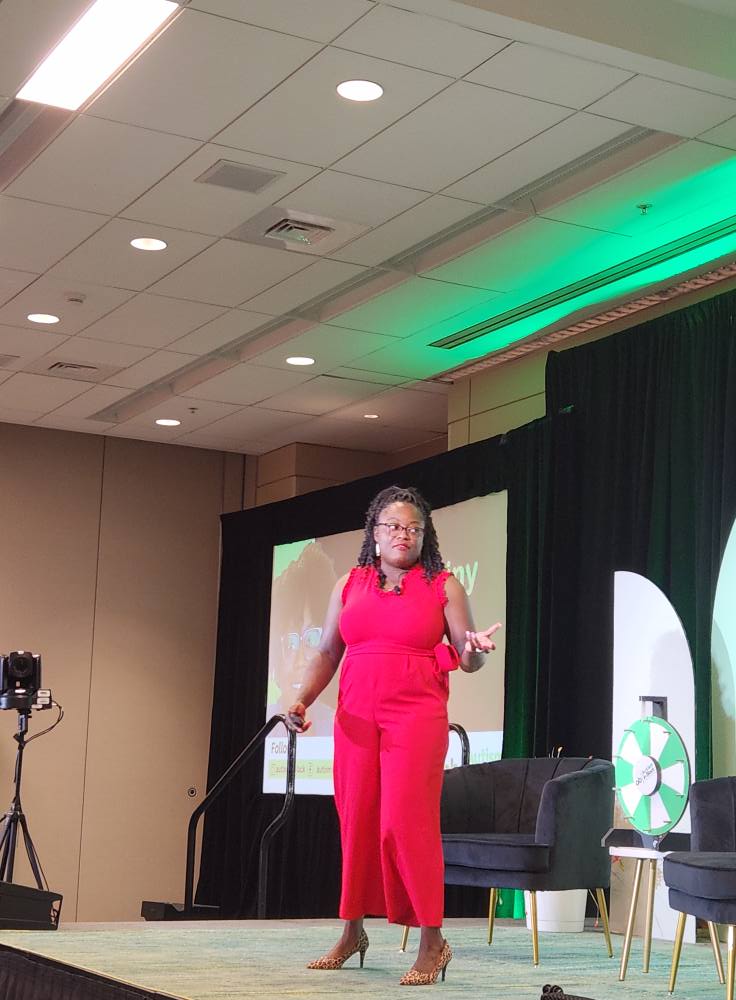
Let’s take a small detour – maybe you can share a bit about yourself before we dive back into some of the other questions we had for you?
I am a mental health therapist and non-attorney special education advocate, and I own and operate Destiny Huff Consulting, LLC, where I support families of neurodivergent learners. I advocate for disabled students at the IEP table and train schools, organizations, communities, and parents on practical, actionable strategies to support the mental health of neurodivergent learners.
I also own and operate HRG Counseling & Supervision, LLC, providing counseling services to children, adolescents, and adults. One of my greatest passions is training and speaking, educating others, and giving them tangible tools to better support children and adolescents.
What sets me apart is that I am a late-diagnosed autistic and ADHD mental health therapist who is also trauma-certified, a rare combination. Adding to this, I am a parent to two neurodivergent children, which brings a deeply personal perspective to my work.
I find immense joy when school teams and parents “get it”, when they start using affirming, strength-based language to support disabled learners, when parents report more positive, successful days, and when safety and understanding are prioritized. Nothing excites me more than seeing my guidance translate into real, positive impact, from the messages I receive from followers to watching my own children thrive in their educational settings.
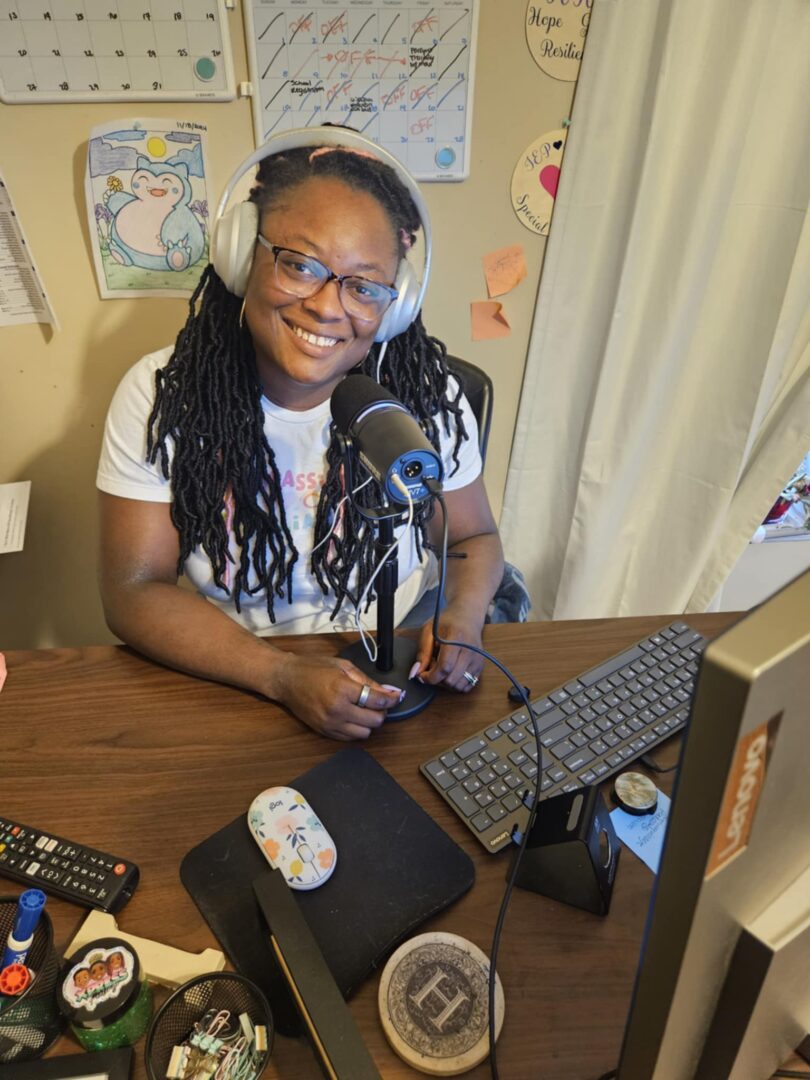
There is so much advice out there about all the different skills and qualities folks need to develop in order to succeed in today’s highly competitive environment and often it can feel overwhelming. So, if we had to break it down to just the three that matter most, which three skills or qualities would you focus on?
1. Working in the mental health field definitely helped me recognize my son’s mental health, the impact of the schooling, and the lack of knowledge that the school had regarding supporting his needs. Being a professional in the field and having worked in multiple settings, I already knew at least partly how things were supposed to go versus how they were going.
2. Being black and working and living in predominantly white spaces also helped give me a unique insight into navigating advocacies. A lot of families come to me due to feeling unheard, unsupported, and as a woman and a black woman, I have been in a lot of spaces where I had to prove that I knew what I was talking about because I was dismissed based on my appearance alone.
3. Lastly, networks and supports helped me significantly. Reaching out to organizations that focus on disability advocacy, special education, and black disability advocacy really helped guide me on this journey.
The best way to improve is to do your research. Know the space you’re stepping into and remember that you aren’t the first one to step into the space, and you don’t have to figure out how to navigate it and establish yourself, and work on your own. Also, your unique understanding and background, both professionally and personally, will help make you uniquely qualified to support those that you hope to reach.
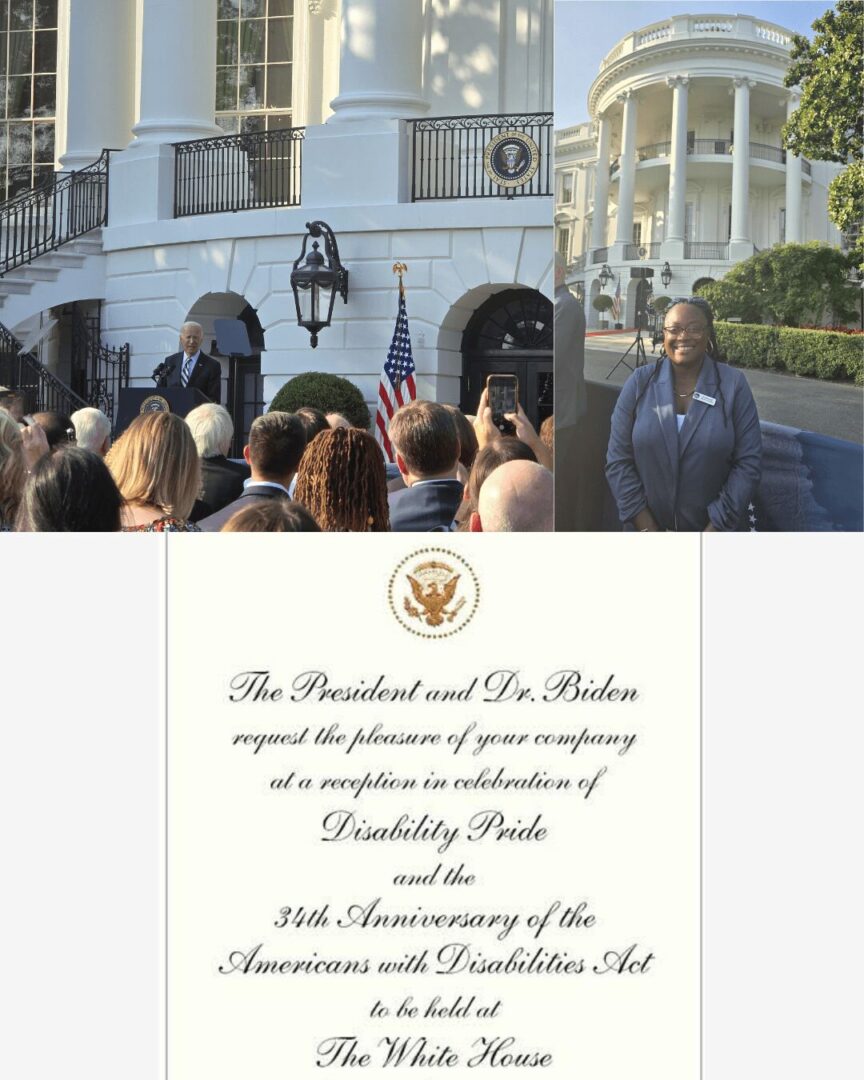
Okay, so before we go, is there anyone you’d like to shoutout for the role they’ve played in helping you develop the essential skills or overcome challenges along the way?
There have been several individuals and organizations who I credit with helping me build and develop the skills I have. Professionally, Dr. Brandy Tanner of Your IEP Source, Maria Davis-Pierre, LMHC, the CEO and Founder of Autism in Black, Cheryl Poe of Adv 4 Kids, Inc., and Lisa Baskin Wright. All of these women are advocates in their own right, as well as small business and nonprofit owners, educators, administrators, school psychologists, special educators, and just influential women who have been navigating this space longer than I have, but who welcomed me with open arms and guided me as it relates to advocacy and Neuroaffirming advocacy. Before my special education advocacy in the mental health space, I had excellent mentors who stated, “The day you stop learning is the day you need to leave the field.” I keep that knowledge with me in everything that I do.
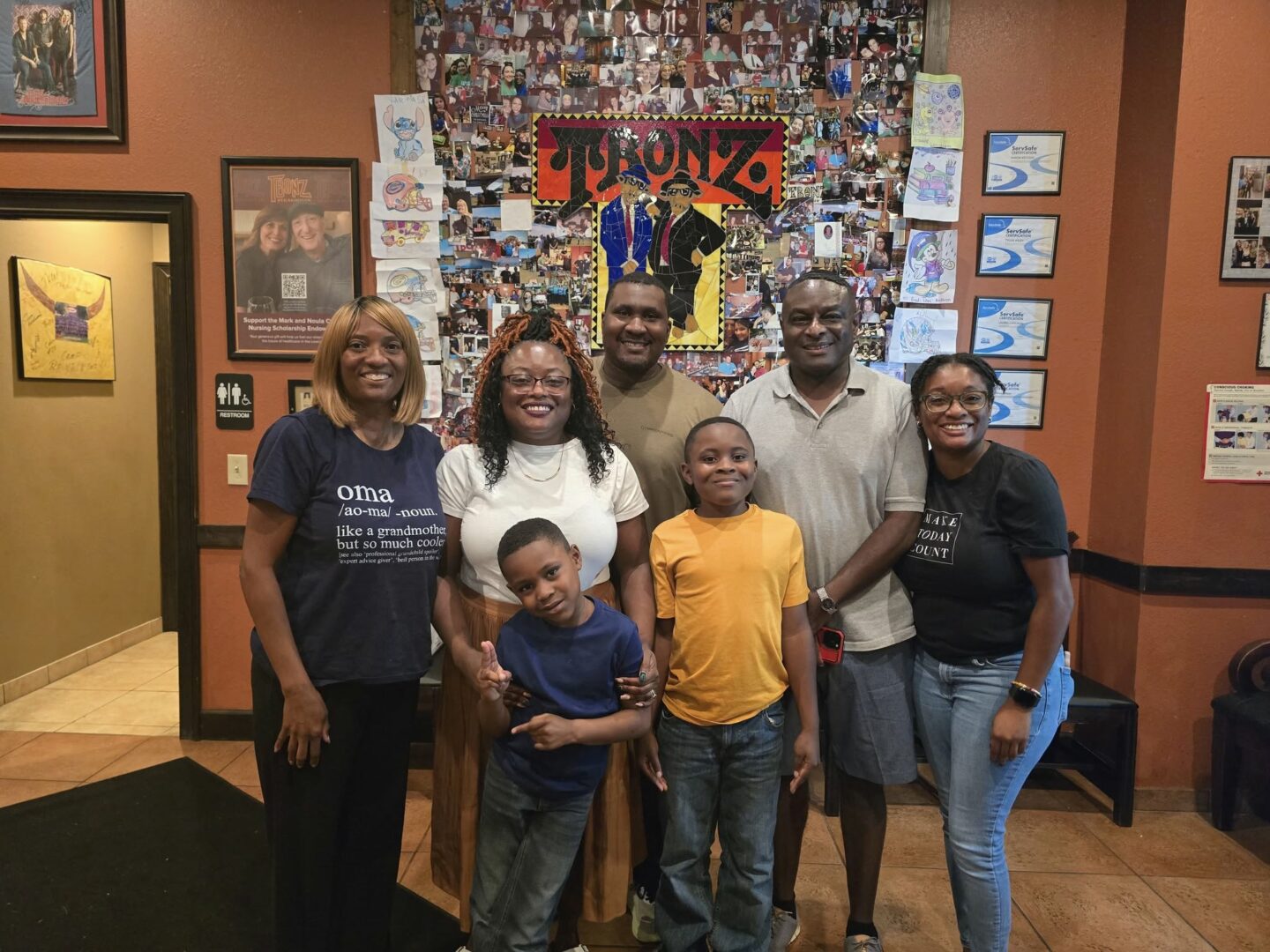
Personally, I would have to credit my mother and father for always encouraging me to do anything I want. Even when I pursued another degree lol. While my sister is often my sounding board and my husband is my biggest cheerleader. Always encouraging me but pushing me past what I think I am capable of to accomplish things he knows that I am capable of but scared to do.
Contact Info:
- Website: https://www.destinyhuffconsulting.com/
- Instagram: https://www.instagram.com/destinyhuff_iep_advocate/
- Facebook: https://www.facebook.com/destinyhuffconsulting/
- Linkedin: https://www.linkedin.com/in/destiny-huff-lpc-iep/
so if you or someone you know deserves recognition please let us know here.