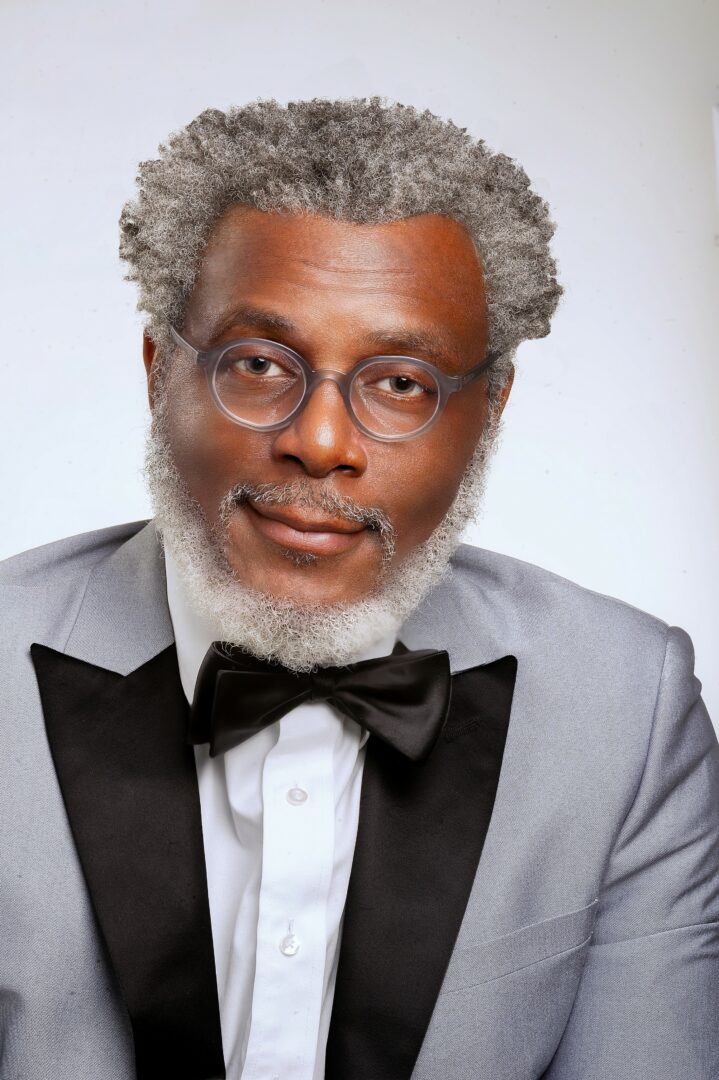
We were lucky to catch up with Dr. Edward Bell recently and have shared our conversation below.
Hi Dr. Edward , appreciate you sitting with us today to share your wisdom with our readers. So, let’s start with resilience – where do you get your resilience from?
I draw my resilience from purpose, perspective, and people. Purpose anchors me; knowing why I show up turns obstacles into challenges rather than stop signs. Perspective reminds me that setbacks are moments, not definitions, and that struggle often carries instruction if I’m willing to learn from it. And people—those who persist despite being underestimated—continually reinforce my resolve. My resilience isn’t about being unbreakable. It’s about remaining flexible, learning through difficulty, and choosing to move forward with intention, even when the path is hard. I earned my associate degree in criminal justice technology, bachelor’s degree in criminal justice, master’s degree in counseling, and doctorate in education.
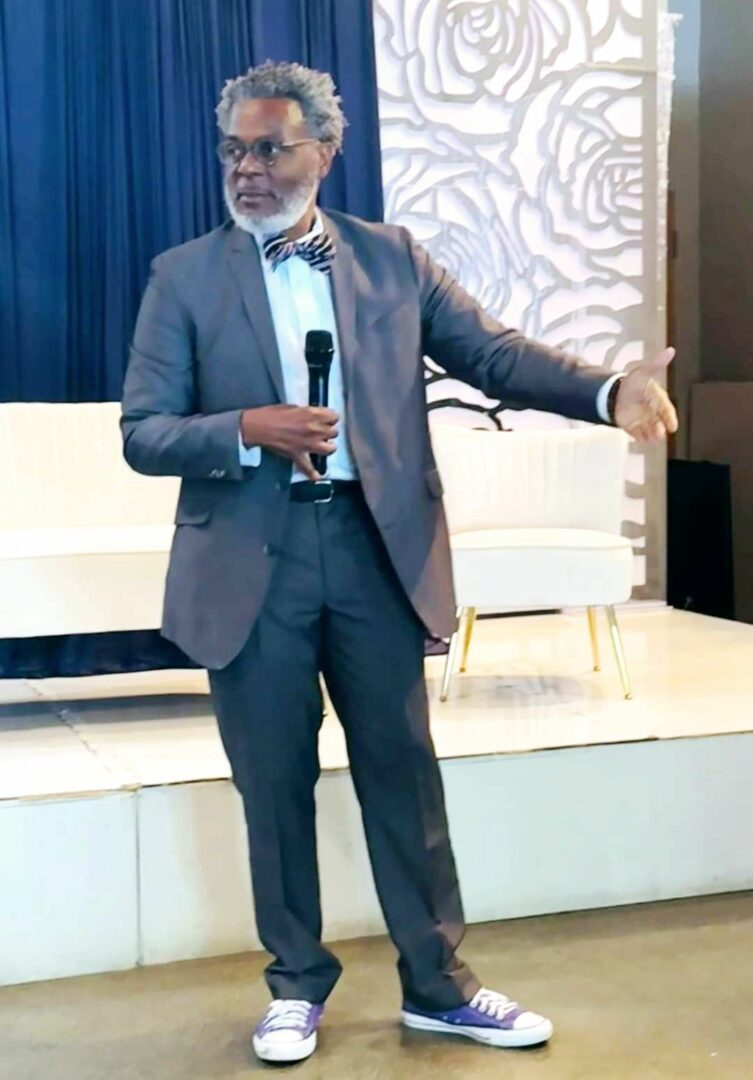
Appreciate the insights and wisdom. Before we dig deeper and ask you about the skills that matter and more, maybe you can tell our readers about yourself?
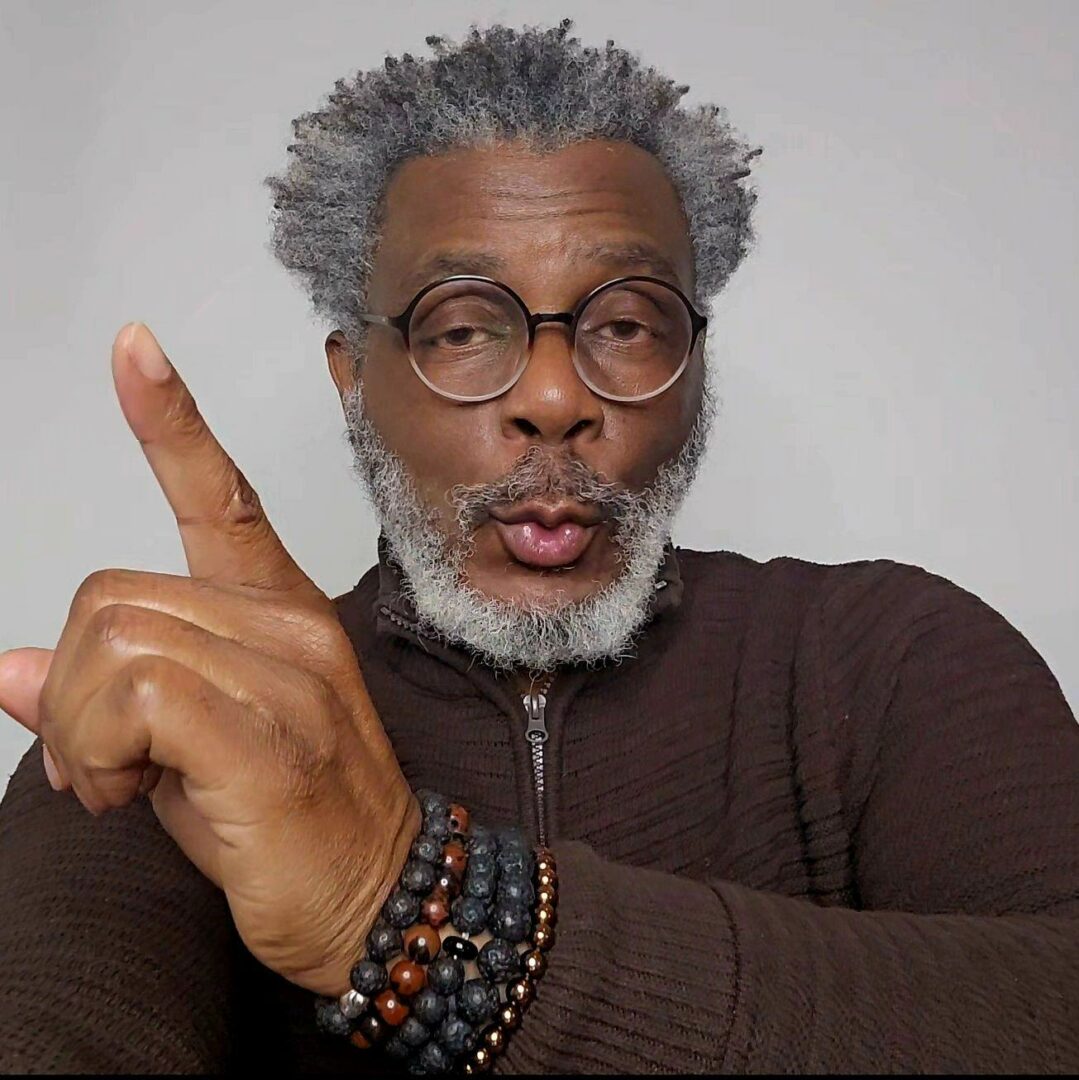
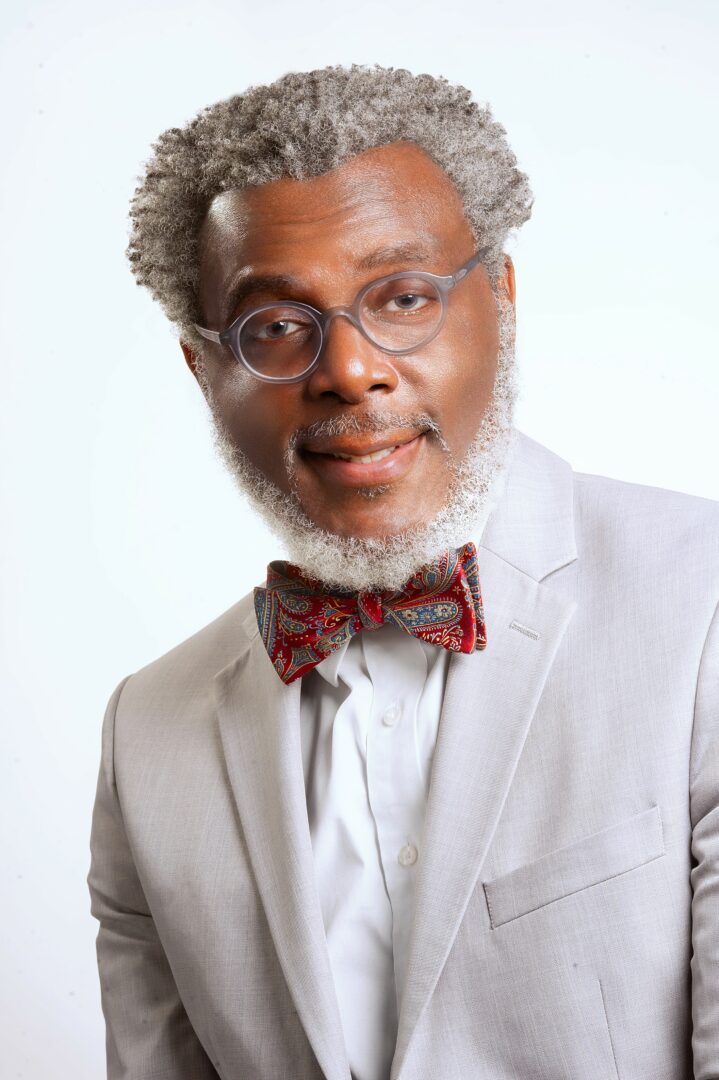
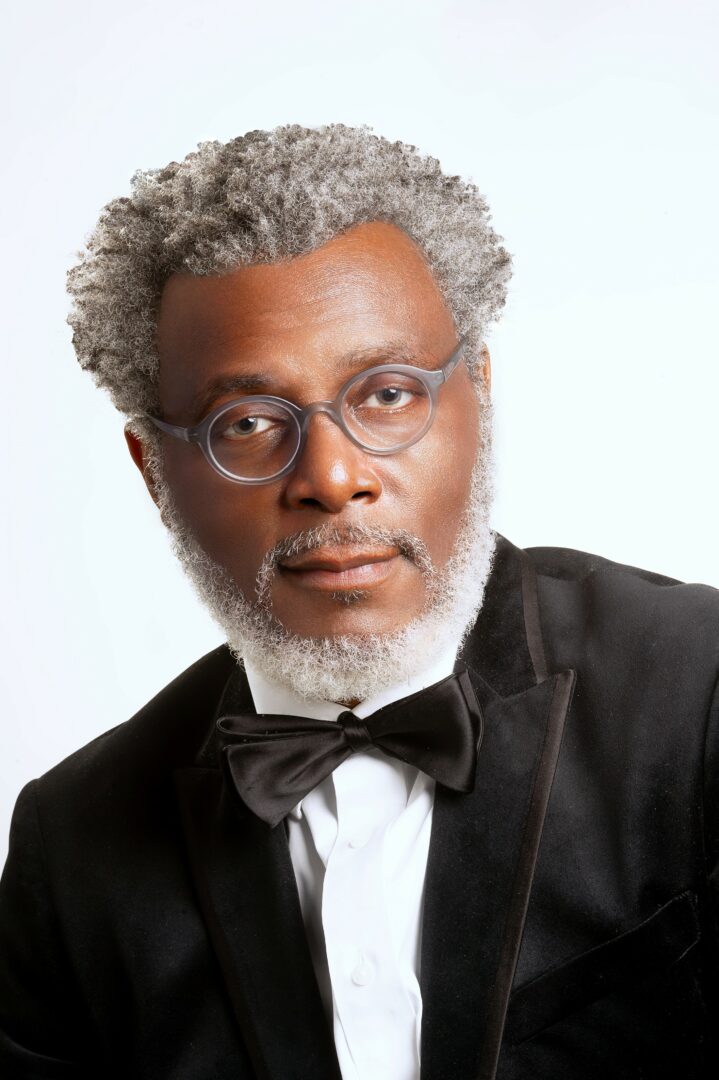
I, Dr. Edward Bell, am an educator, author, and educational consultant whose work focuses on equity, student engagement, parent advocacy, and the social and emotional conditions that shape learning. For more than three decades, I’ve worked across K–12 schools, higher education, community-based organizations, and the state education system in roles that include teacher, school counselor, social worker, program administrator, professor, and consultant.
What is most exciting and meaningful about my work is its breadth and depth of impact. I have had the opportunity to work directly with students and families, to train and support educators, to influence statewide education initiatives, and to contribute to scholarly research, all while remaining grounded in lived experience. My academic training and research, particularly around self-esteem, identity, and the educational experiences of Black males, consistently intersect with my professional practice. I am especially interested in how schools define success, recognize potential, and either affirm or constrain students’ identities through everyday policies and practices.
My brand is rooted in authenticity, reflection, and action. I bring together scholarship, practice, and storytelling to challenge deficit-based narratives and to help educators rethink how they engage students and families. Whether through professional development, keynote speaking, writing, or consultation, my work encourages schools to move beyond compliance-driven models toward learning environments that are relational, culturally responsive, and humane. I am also a parent educator; parents must be involved and engaged with all students.
In recent years, I have continued to expand my national speaking, consulting, and teaching work, engaging educators, parents, and community leaders around topics such as culturally responsive practice, parent engagement, student well-being, and educational equity. I remain active as a writer and public thinker, producing books, articles, and presentations that invite educators to critically examine systems while remaining hopeful about what is possible when students are truly seen and supported.
At its core, my work is about possibilities, helping parents, schools, and communities recognize that when we change how we see children, we change what they can become. I continue to share what is possible; for more about me and my work: www.dredbell.org and www.linkedin.com/in/dredbell/
If you had to pick three qualities that are most important to develop, which three would you say matter most?
Looking back, three areas stand out as most impactful in my journey: self-awareness, relational skills, and systems understanding.
First, self-awareness has been foundational. Understanding who I am, what I believe, and how my own experiences shape my perspective allowed me to lead, teach, and advocate with integrity. Early on, I learned that effective educators must continually examine their assumptions, especially about students whose lives differ from their own. For those early in their journey, my advice is to invest in reflection. Read widely, listen deeply, and be honest about what you know and what you still need to learn. Growth begins with humility.
Second, the ability to build authentic relationships has mattered more than any single credential. Whether working with students, families, colleagues, or communities, trust is the currency of impact. Technical knowledge opens doors, but relationships create change. For those just starting, focus on presence: learn people’s stories, honor their dignity, and show up consistently. The strongest professional skill you can develop is the ability to connect without judgment.
Finally, understanding systems and how schools, policies, and institutions actually function. Good intentions alone are not enough. Change requires knowing how power operates, how decisions are made, and where leverage exists. I encourage early-career professionals to learn beyond their job descriptions. Ask questions, seek mentors, and study the structures that shape outcomes. When you understand the system, you can work within it or challenge it.
My advice is simple but demanding: stay grounded in purpose, stay curious, and stay committed to learning. Credentials matter, but clarity, compassion, and courage matter more. If you cultivate those, the rest of the journey will take shape.
To close, maybe we can chat about your parents and what they did that was particularly impactful for you?
The most impactful thing my parents did for me was make me feel seen and believed in before the world validated me. They didn’t measure my worth by grades, titles, or immediate outcomes. Instead, they affirmed my dignity, my potential, and my responsibility to become something meaningful.
They taught me, often without words, and that effort mattered, that character mattered, and that my presence in the world carried value. Even when resources were limited or paths were unclear, they conveyed a steady message: you belong, and you are capable. That foundation gave me the confidence to take risks, persist through setbacks, and imagine futures I had not yet encountered.
What stayed with me most was their consistency. They showed up. They held expectations, but they also extended grace.
Long before I understood systems or credentials, my parents gave me something far more durable: a sense of worth that could not be easily taken away. That belief has been the quiet engine behind everything I’ve done since. They always believed in my potential and my possibilities; they knew me before I knew me.
Contact Info:
- Website: https://www.dredbell.org
- Linkedin: https://www.linkedin.com/in/dredbell/
so if you or someone you know deserves recognition please let us know here.