

We recently connected with Dr. Jade Starleaf and have shared our conversation below.
Dr. Jade , so good to have you with us today. We’ve always been impressed with folks who have a very clear sense of purpose and so maybe we can jump right in and talk about how you found your purpose?
I didn’t find my purpose in a single moment. It unfolded over time, often at the intersection of the things that challenged me most and the things that moved me most deeply.
I started in music, which might seem like a very different path from clinical psychology, but in many ways it was my first training in attunement. Music taught me how to listen beyond words, how to sit with emotion, and how to connect with people in a way that feels both structured and deeply human. That sensitivity naturally drew me toward working with individuals navigating trauma in my early years as a doctoral student, where listening is often the beginning of healing.
In those early clinical years, I saw how many people were carrying stories that had never been fully understood or validated. I also saw how systems often missed the nuance of individual experience, especially for those whose needs didn’t fit neatly into categories. That stayed with me.
But becoming a mother, particularly to a neurodivergent child, transformed my understanding of purpose in a much more personal way. Suddenly, the questions weren’t just clinical, they were lived. I came to understand firsthand the emotional landscape parents navigate: the worry, the advocacy, the moments of doubt, and also the fierce love and awe at who your child uniquely is. There’s a constant balancing act between seeking support and protecting your child’s sense of self.
That experience didn’t just deepen my empathy… it clarified my direction. My work became less about “fixing” and more about understanding, translating, and empowering. I found purpose in helping families feel seen, in giving language to experiences that can feel isolating, and in highlighting not just challenges, but strengths that are often overlooked.
So my purpose grew out of three threads coming together: the emotional attunement I learned through music, the clinical insight from working in trauma, and the lived experience of parenting a neurodivergent child. Where those intersect is where I feel most aligned. It is where I am able to support individuals and families in making sense of their experiences, honoring their struggles, and recognizing the tremendous potential within them.
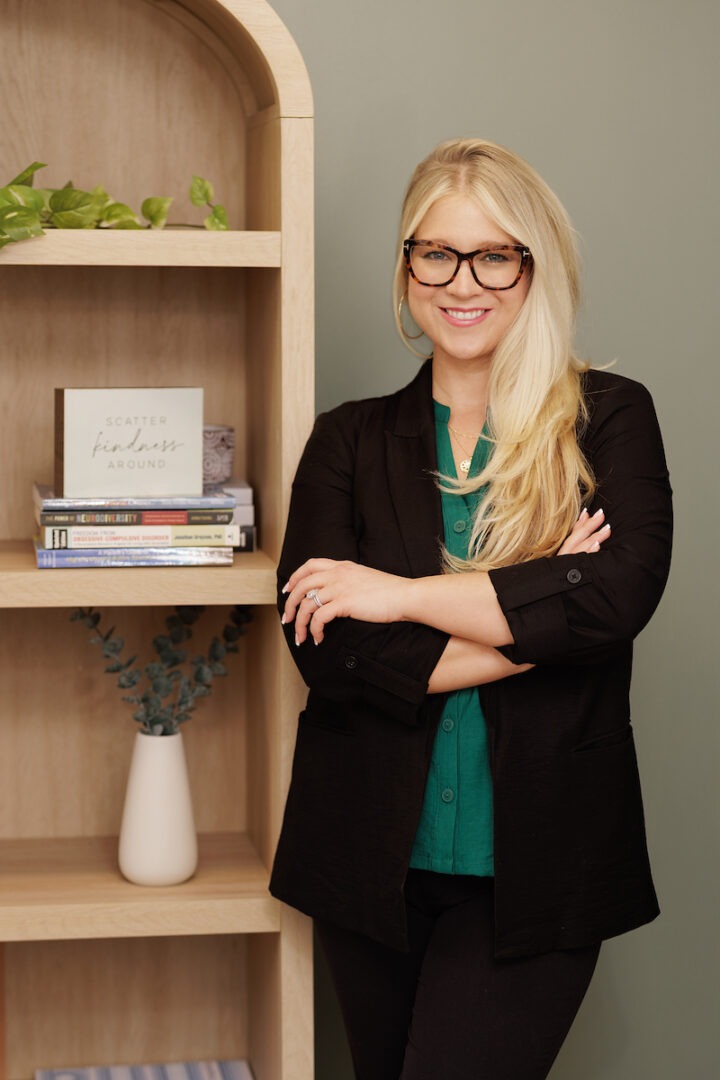
Appreciate the insights and wisdom. Before we dig deeper and ask you about the skills that matter and more, maybe you can tell our readers about yourself?
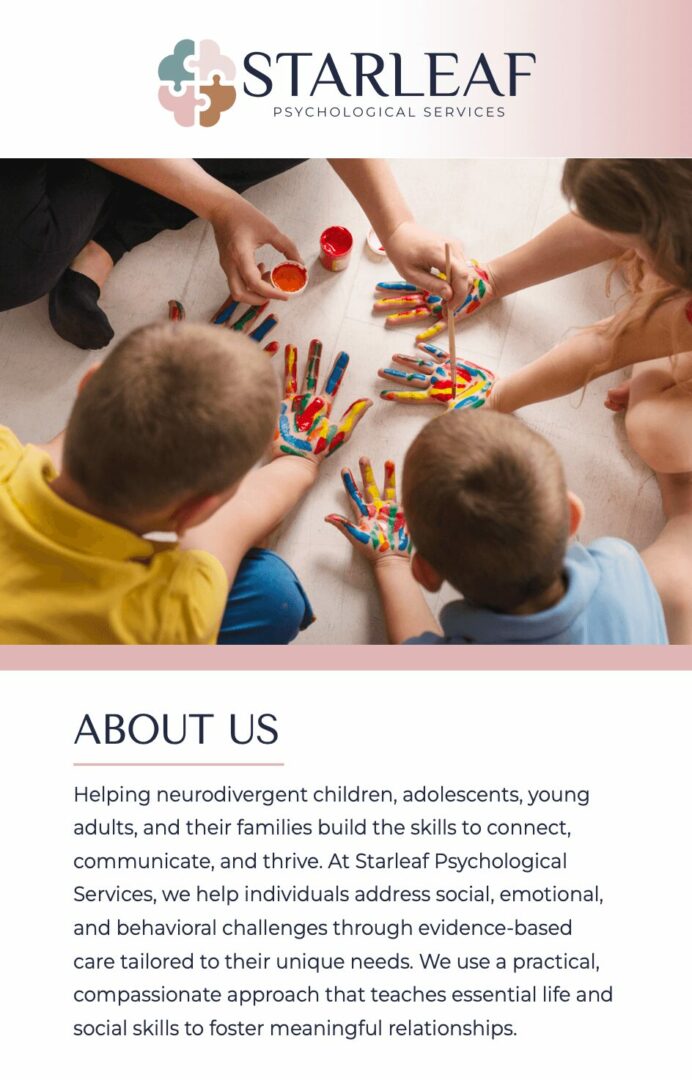
At Starleaf Psychological Services, my work centers on supporting neurodivergent individuals in understanding themselves more fully and accessing the tools they need to thrive. Our practice provides comprehensive evaluations and therapeutic services for children, adolescents, and young adults, with a strong emphasis on individualized, strengths-based care. Whether a family is seeking diagnostic clarity or ongoing support, we aim to create a space where people feel both understood and empowered.
What feels most meaningful and exciting about this work is witnessing those moments of recognition and relief. When a child or young adult begins to understand how their mind works, or when a parent feels seen and supported in their journey, it can be incredibly transformative. That shift from confusion or self-doubt to clarity and self-advocacy is at the heart of what we do.
Our services include comprehensive neurodevelopmental evaluations, therapy, gifted and twice-exceptional (2E) assessments, and evaluations for academic accommodations, along with support groups that foster connection and community. Every assessment and treatment plan is thoughtfully tailored, grounded in evidence-based practices, and designed to highlight each individual’s unique strengths while supporting areas of growth.
At its core, this work is about helping people move from simply coping to truly understanding themselves—and from there, building a life that feels aligned, capable, and full of possibility.

There is so much advice out there about all the different skills and qualities folks need to develop in order to succeed in today’s highly competitive environment and often it can feel overwhelming. So, if we had to break it down to just the three that matter most, which three skills or qualities would you focus on?
The first is attunement. The ability to truly listen and connect beyond what’s being said on the surface. This actually began with my background in music, where you learn to feel rhythm, tone, and emotion in a very nuanced way. That skill translated seamlessly into clinical work, especially in understanding trauma and neurodivergence. My advice for those early in their journey is to slow down and practice listening without immediately trying to fix or interpret. Presence is often more powerful than expertise in those moments.
The second is curiosity. Throughout my career, I’ve been drawn to the “why” behind behaviors, especially when something doesn’t fit neatly into a box. That curiosity led me to specialize in comprehensive evaluations and to better understand the complexity of neurodevelopmental differences. For anyone starting out, I would encourage you to stay open and keep learning. Read widely, ask questions, and don’t be afraid to sit in uncertainty. Some of the most important insights come from not rushing to conclusions.
The third is humility, especially as both a clinician and a parent. Becoming a mother to a neurodivergent child deepened my understanding in ways no training ever could. It reminded me that families are the experts on their own experiences, and that our role is to guide, not dictate. Early in your career, it’s easy to feel like you need to have all the answers but growth really comes from being willing to learn, to adjust, and to meet people where they are.
What is the number one obstacle or challenge you are currently facing and what are you doing to try to resolve or overcome this challenge?
One of the biggest challenges I’m navigating right now is maintaining a sustainable work–life balance while managing the very real demands of being a working mom to two young boys under the age of 10. It’s a season of life that is both incredibly meaningful and, at times, deeply exhausting. There’s a constant pull between showing up fully for my clients and being fully present for my family and doing both well requires a level of intentionality that I’m still actively refining.
Burnout is something I take seriously, not just professionally, but personally. In a field centered on care and emotional presence, it’s easy to overextend. What I’ve had to learn, and continue to practice, is setting clearer boundaries around my time and energy. That means being more thoughtful about my schedule, building in space to reset, and allowing myself to step back when needed without guilt.
A big part of how I’m working through this is being very intentional about the people I surround myself with. I’ve learned the importance of having close friends and colleagues who both support and challenge me. People I feel safe with, where I don’t have to filter or “hold it all together.” As someone who works with neurodivergent individuals, I’m especially aware of how powerful it is to have relationships where you can truly unmask. Your nervous system knows when you’re in those spaces, and that sense of safety is incredibly regulating and restorative.
I’m also making a conscious effort to protect time for my marriage. It’s easy for that relationship to take a backseat in the midst of parenting and running a practice, but I’ve found that nurturing that connection is essential, not just for our partnership, but for the overall health of our family.
Ultimately, I’m leaning into the same principles I encourage in my clients: self-awareness, flexibility, and compassion. Some weeks feel more balanced than others, and I’ve had to redefine what “balance” actually looks like… not as a perfect split, but as an ongoing adjustment. This challenge is also shaping how I show up in my work, in my relationships, and in my life.
Contact Info:
- Website: https://starleafpsych.com/
- Instagram: https://www.instagram.com/starleafpsychservices/
- Facebook: https://www.facebook.com/StarleafPsych/
- Linkedin: https://www.linkedin.com/in/jade-starleaf-psyd-67249242/
- Youtube: https://www.youtube.com/@StarleafPsych
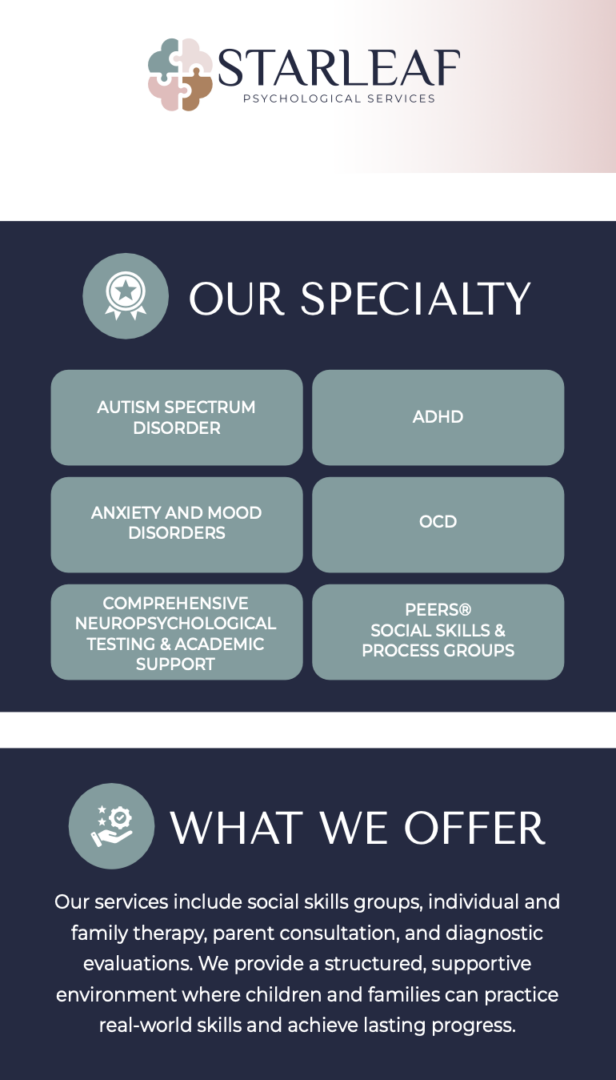
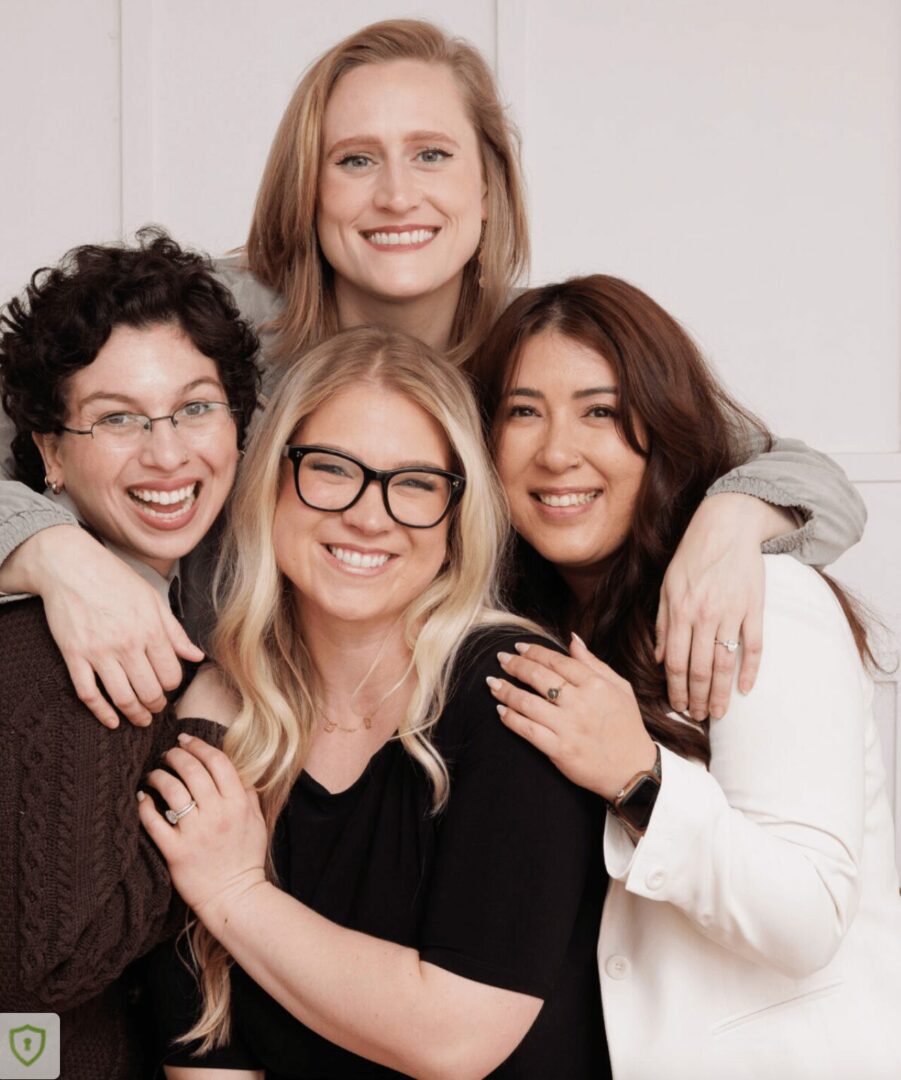
Image Credits
Domain Photography LA
so if you or someone you know deserves recognition please let us know here.


