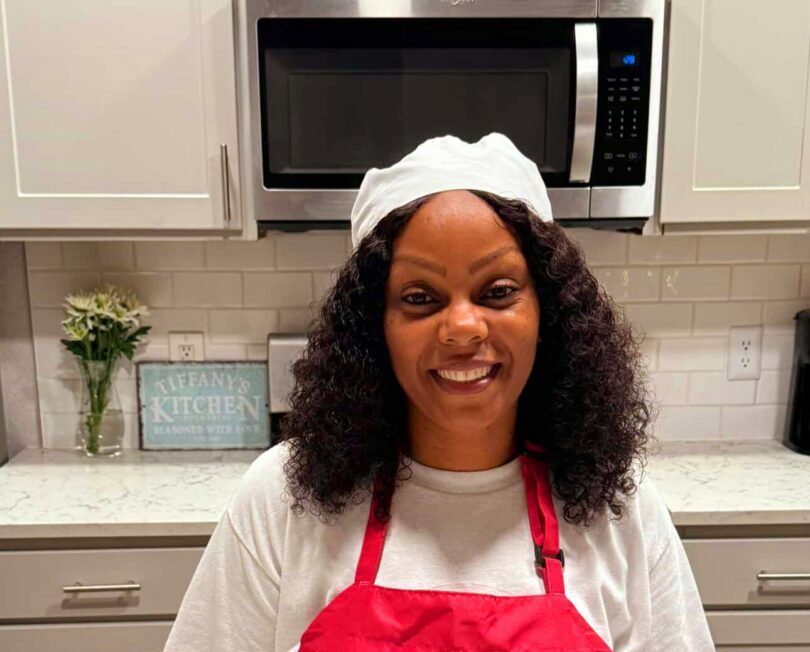
Alright – so today we’ve got the honor of introducing you to Dr. Jennifer Moore. We think you’ll enjoy our conversation, we’ve shared it below.
Dr. Jennifer, we’re thrilled to have you sharing your thoughts and lessons with our community. So, for folks who are at a stage in their life or career where they are trying to be more resilient, can you share where you get your resilience from?
I believe my resilience comes from a combination of personal experiences and a mindset focused on growth. In my previous role, I encountered a challenging project where unexpected obstacles arose. Instead of becoming discouraged, I saw it as an opportunity to learn and innovate. I have a strong support network, both at work and in my personal life, that has always encouraged me to persevere. Additionally, I actively seek out feedback and view setbacks as stepping stones for improvement. This approach aligns with my belief in continuous learning and adaptability, qualities that I believe will contribute to my success in handling challenges within this role.
Thanks for sharing that. So, before we get any further into our conversation, can you tell our readers a bit about yourself and what you’re working on?
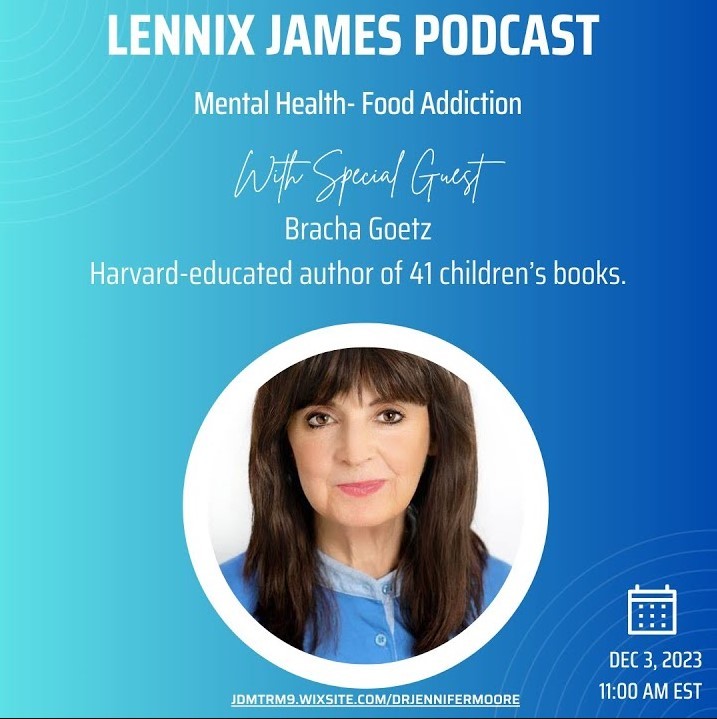
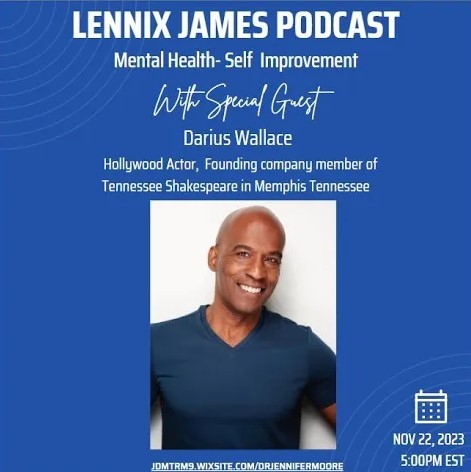
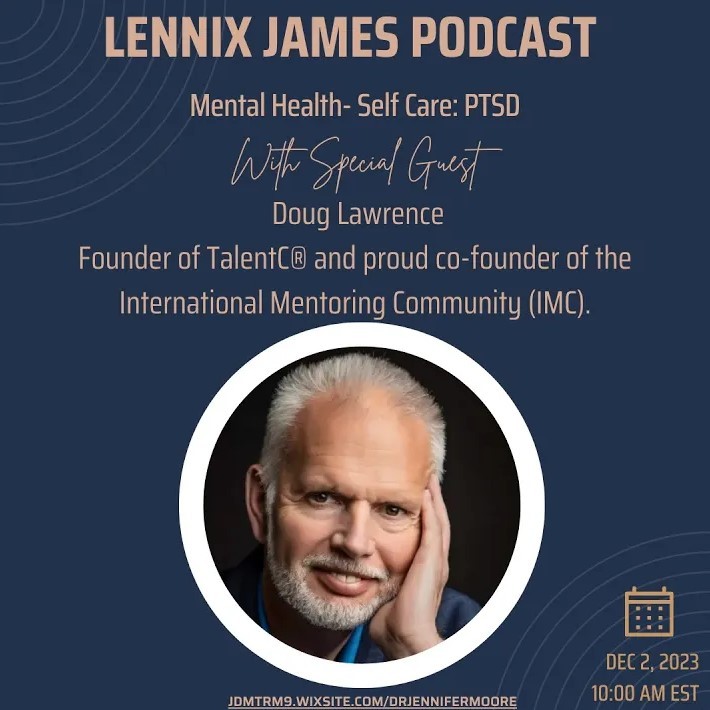
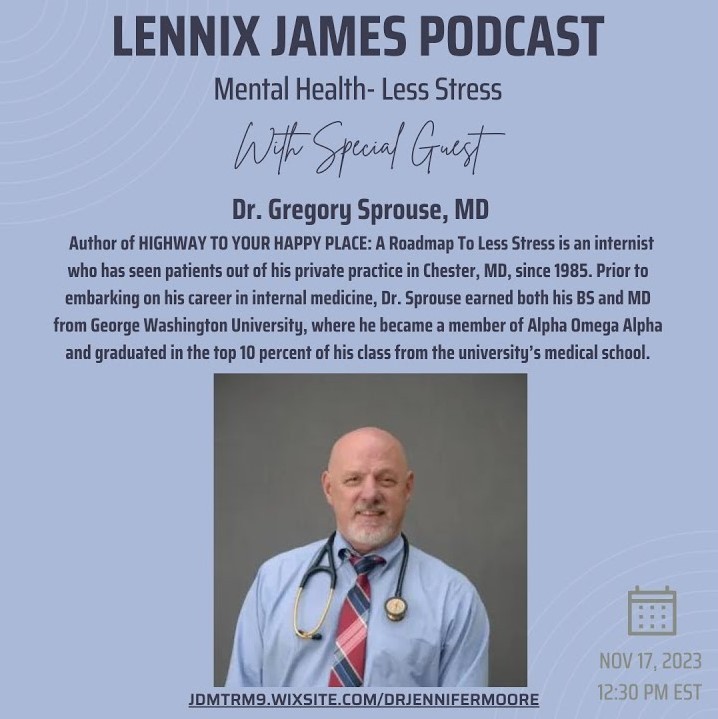
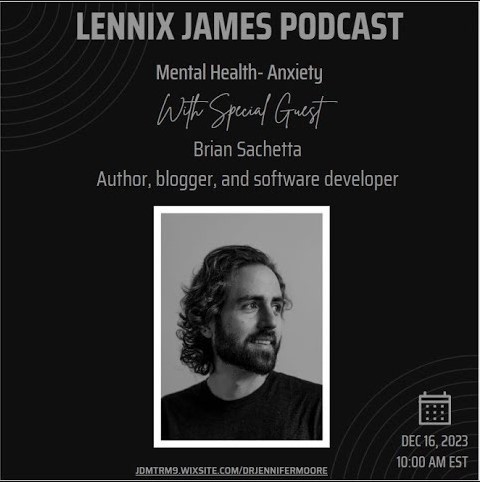
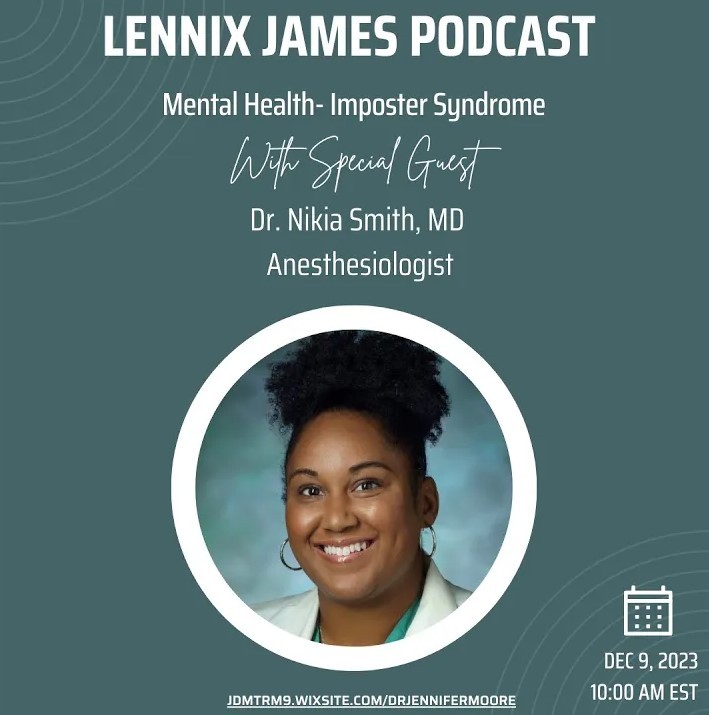
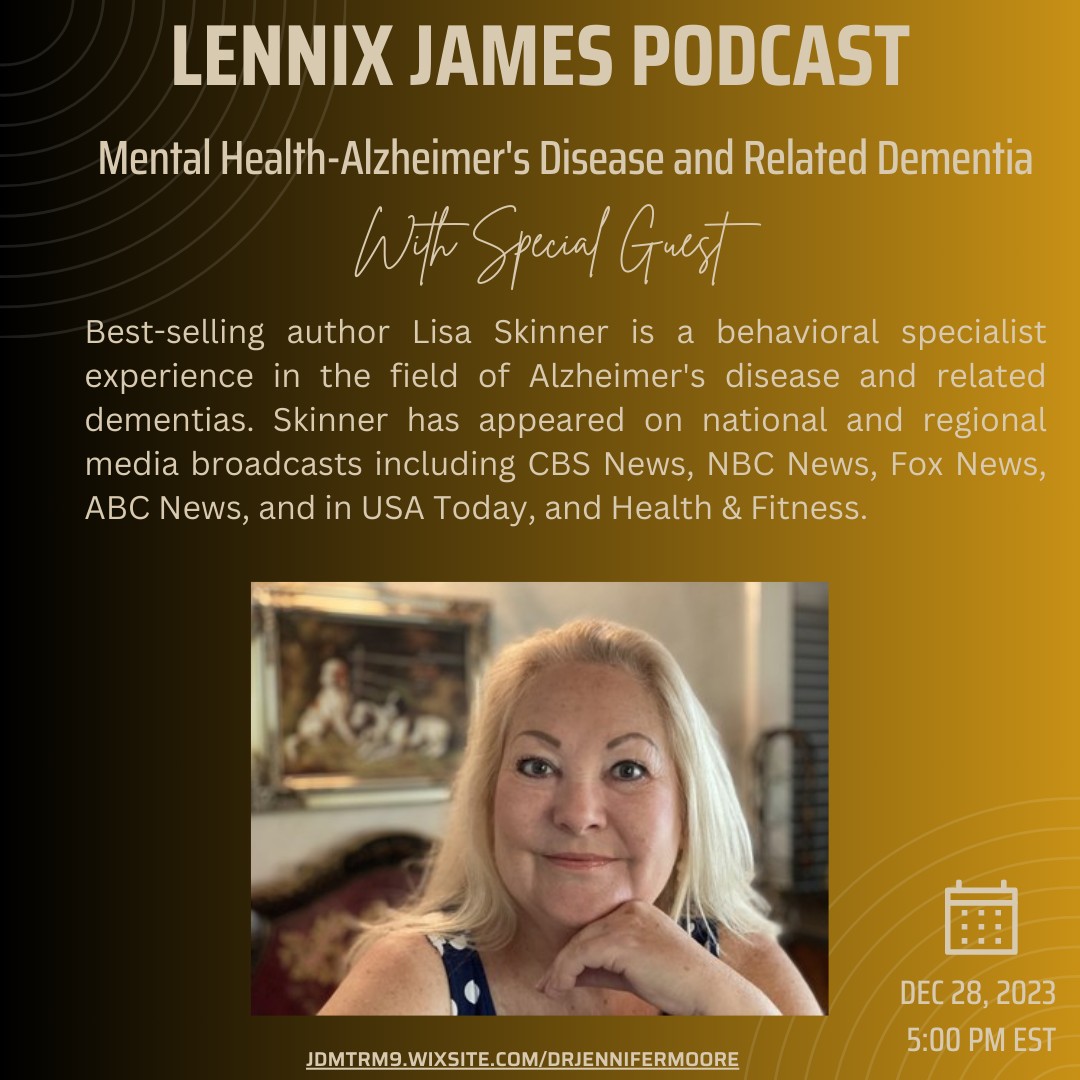
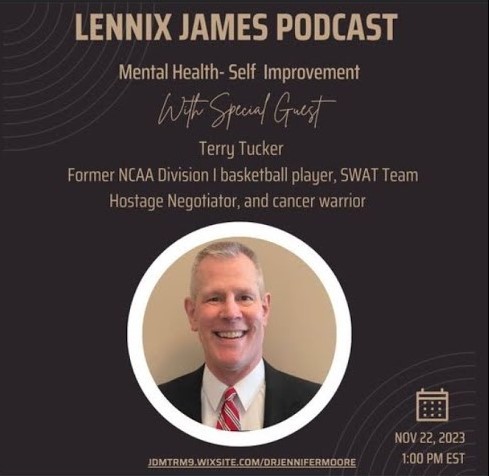
The inclusivity and diversity I prioritize in my work ensure that the mental health advocacy I engage in is comprehensive and considerate of all populations, effectively addressing their unique needs and challenges. This allows my business and podcast to stand out from the rest. A substantial portion of my podcasts is based on my personal experiences, and my audience appreciates the genuine and authentic perspective I offer. I take great pride in making mental health resources and support accessible to everyone, regardless of their background or where they are located. This accessibility is made possible through platforms such as Spotify, Amazon Music, Apple Podcasts, iHeartRadio, and Radio Public.
To begin, it was crucial for me to carefully define my target audience, determine the topics to cover, and establish the appropriate format. This required thorough planning and extensive research. Developing content that is engaging, informative, and sensitive, which resonates with the audience and adheres to the ethical standards of mental health advocacy, was of utmost importance. This involved detailed scripting, conducting interviews, and having open discussions about various mental health topics. In addition, I had to set up the necessary recording equipment and become proficient in editing software and other technical aspects of podcast production, which presented its own unique challenges.
Attracting and retaining listeners is a continuous effort. Building a loyal audience requires consistently delivering high-quality content and implementing effective marketing and outreach strategies. Engaging in discussions about mental health involves addressing sensitive and potentially triggering subjects. It is imperative to approach these topics responsibly and ethically, which can be quite demanding.
Producing a podcast demands a significant investment of time, effort, and potentially financial resources for equipment, hosting, and marketing. However, I have overcome these challenges through my unwavering persistence and dedication to creating content of the highest caliber. Despite experiencing initial slow growth, I continuously learn and adapt to the ever-evolving landscape of mental health discussions and the growing needs of my audience.
Looking back, what do you think were the three qualities, skills, or areas of knowledge that were most impactful in your journey? What advice do you have for folks who are early in their journey in terms of how they can best develop or improve on these?
When embarking on the journey of creating a mental health podcast with a positive impact, it is important to possess a combination of qualities, skills, and knowledge. Reflecting on my own experience, I believe that empathy and compassion, effective communication skills, and a deep understanding of mental health issues have been the most influential factors.
To begin with, empathy and compassion are essential qualities when delving into mental health topics. Being able to truly understand and connect with the emotions of your audience fosters a strong bond. Approaching discussions with a genuine desire to assist and support, and creating content that resonates emotionally with listeners, can make a significant difference.
Furthermore, effective communication plays a vital role in conveying complex mental health concepts in a clear and relatable manner. Developing the skill to articulate your thoughts, ask open-ended questions, and facilitate meaningful conversations is crucial. Using inclusive and non-stigmatizing language that is easy to comprehend ensures that your message reaches a wide audience.
Lastly, having a solid understanding of mental health issues, including various conditions, treatments, and coping strategies, is of utmost importance. Staying updated on the latest research, therapies, and resources in the mental health field enhances the credibility of your podcast. It also ensures that the content you provide is accurate, helpful, and relevant to your audience’s needs.
For those seeking to develop these qualities, skills, or areas of knowledge, I offer the following advice:
1. Educate Yourself: Stay informed about mental health by reading reputable sources, attending workshops, and possibly pursuing additional education in psychology or related fields.
2. Active Listening Training: Sharpen your active listening skills, as they are crucial in creating content that addresses the concerns and experiences of your audience.
3. Interview and Conversation Techniques: If your podcast involves interviews or discussions, practice interview techniques and learn how to guide conversations in a supportive and constructive manner.
4. Seek Guidance from Professionals: Consult with mental health professionals to gain insights and guidance on various aspects of mental health. Their expertise can provide valuable perspectives and ensure the accuracy of your content.
By incorporating these qualities, skills, and areas of knowledge into your mental health podcast, you can create a platform that positively impacts the lives of your listeners.
Awesome, really appreciate you opening up with us today and before we close maybe you can share a book recommendation with us. Has there been a book that’s been impactful in your growth and development?
Brené Brown’s “Dare to Lead: Brave Work. Tough Conversations. Whole Hearts.” has been instrumental in my personal growth. Although not directly related to podcasting, this book delves into the realms of leadership, vulnerability, and courage, making it highly relevant for podcasters who strive to create genuine and impactful content. Published in 2018, it delves into the subject of leadership, highlighting the significance of vulnerability, courage, and wholeheartedness in the workplace.
Within “Dare to Lead,” Brené Brown leverages her extensive research on shame, vulnerability, and resilience to offer valuable insights into effective leadership. The book encourages leaders to foster an environment of trust, empathy, and transparency within their teams. It addresses common leadership challenges, including navigating uncertainty, embracing failure, and cultivating a sense of belonging.
Renowned for its practical guidance, real-life illustrations, and Brown’s captivating writing style, this book has garnered praise from readers across various industries. It is often recommended for individuals seeking personal and professional development, particularly in the realm of leadership.
Contact Info:
- Website: http://jdmtrm9.wixsite.com/drjennifermoore
- Facebook: http://www.facebook.com/lennixjamespodcast
- Youtube: @lennixjam8421
- Other: https://open.spotify.com/user/1264415191