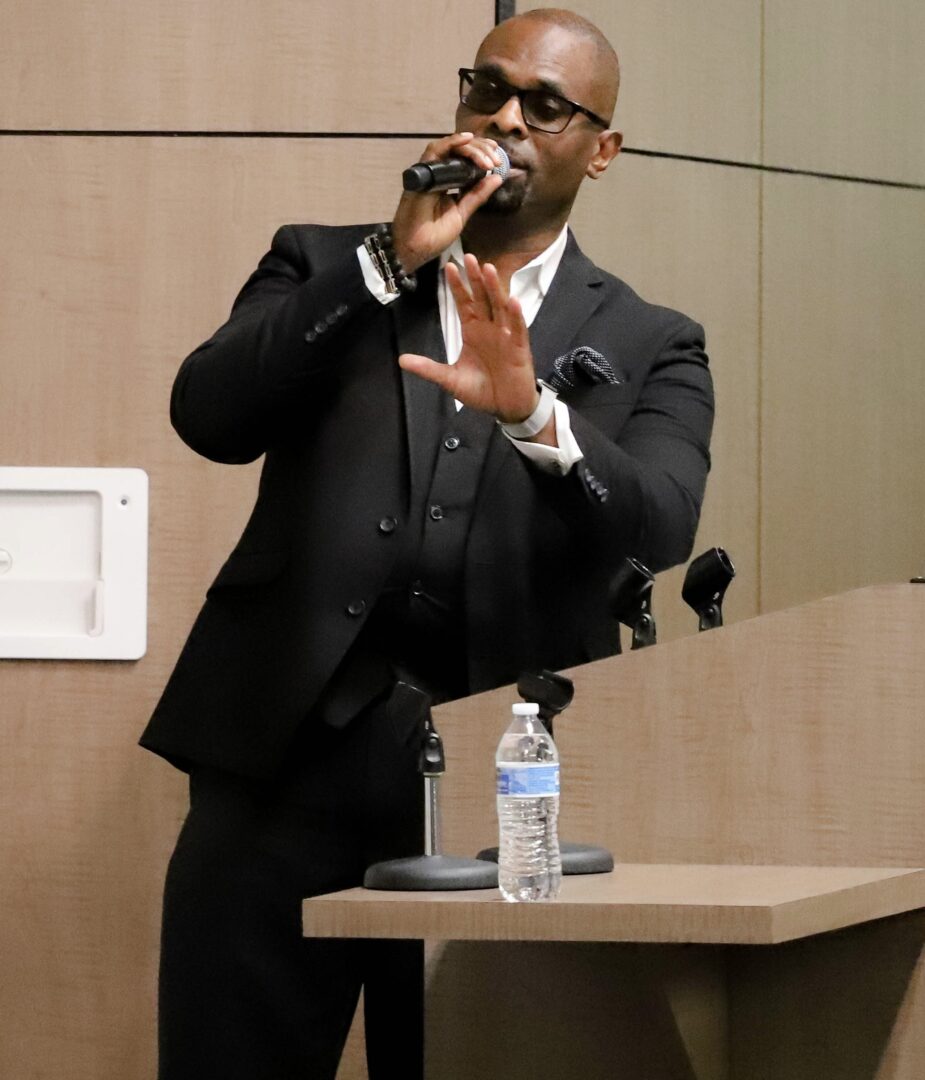
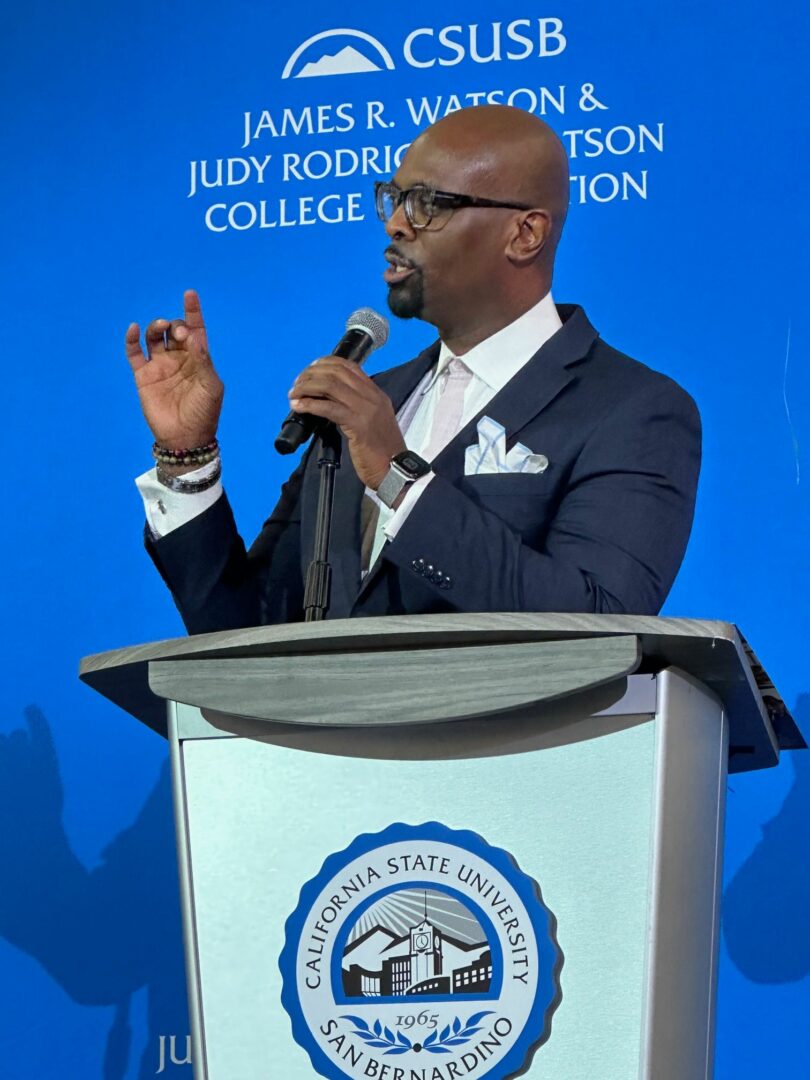
We recently connected with Dr. Kerry Neal and have shared our conversation below.
Dr. Kerry , so great to have you with us and we want to jump right into a really important question. In recent years, it’s become so clear that we’re living through a time where so many folks are lacking self-confidence and self-esteem. So, we’d love to hear about your journey and how you developed your self-confidence and self-esteem.
Confidence, for me, didn’t arrive in a single defining moment. It’s been a journey — one that started in chaos, grew through faith, and continues to evolve with grace. I’m the youngest of four children, born to a young mother who, by the age of 23, had already lived what felt like several lifetimes. When my father left our family, my mother became both the anchor and the sails — holding us steady while pushing us forward, often through storms she never asked for.
The truth is, I was conceived under traumatic circumstances. My mother told me that my father forced himself on her — an act of violation that could have easily set the tone for my existence. Yet, somehow, she chose to turn pain into purpose. She raised me not as a reminder of tragedy, but as a testament to triumph. Her faith in God became the air we breathed. It was her wealth when money ran out, her strength when exhaustion tried to claim her, and her guiding light when darkness surrounded us.
We didn’t have much — in fact, we often had very little. But what my mother gave us was an unshakable belief that we were here for a reason, and that faith, integrity, and perseverance could outlast any hardship. Growing up in poverty taught me how to create something out of nothing, how to reimagine limitations, and how to see possibilities where others might see lack. Doing “a lot with a little” became the blueprint for my life — it taught me how to innovate, how to endure, and how to stay grateful, even when circumstances didn’t warrant it.
However, confidence and self-esteem are not permanent fixtures; they fluctuate. I’ve had seasons where I felt unstoppable and others where I questioned everything — my worth, my direction, even my voice. I think that’s part of being human. Yet, I’ve learned that faith and self-belief are muscles — they grow through resistance. Every time I face a setback, I remind myself that my life started from an impossible beginning, and yet here I am, still rising.
There’s a line I often think about: Confidence is quiet. Insecurity is loud. My journey has taught me that absolute confidence doesn’t need to announce itself. It’s not bravado or arrogance — it’s the steady, internal knowing that you can endure what comes your way. My faith has been my compass, but community has been my support. I’m surrounded by friends and family who speak encouragement into me, who remind me that I am more than my failures, and who see my potential even when I can’t.
I won’t pretend that I have it all figured out. I still have moments where self-doubt whispers louder than faith. But I’ve learned to listen beyond the noise. Confidence, to me, isn’t about perfection — it’s about persistence. It’s choosing to show up when it would be easier to shrink. It’s looking at your scars and seeing stories of survival instead of shame. And it’s believing, as my mother always told me, that God doesn’t make mistakes — even when life feels like one.
So, if you ask me how I developed my confidence and self-esteem, I’d say: I didn’t find them. I built them — piece by piece, prayer by prayer, and failure by failure. And though they still require maintenance, they’ve become my foundation. Not because I’m fearless, but because I’ve learned that courage can coexist with doubt — and faith can still flourish in the dark.
Thanks for sharing that. So, before we get any further into our conversation, can you tell our readers a bit about yourself and what you’re working on?
Response:
At the heart of everything I do — whether in education, philanthropy, or media — is a calling to help people heal, connect, and rise. I’ve come to understand that my life’s work is about transformation — transforming how institutions engage with communities, how men and women relate to one another, and how Black people, in particular, are invited to see ourselves beyond pain, beyond stereotypes, and beyond survival.
Professionally, I serve as the Assistant Dean of External Relations at UCLA Extension, where I oversee a multifaceted portfolio that includes Development, Alumni Relations, Strategic Communications, Government and Community Relations, and Special Events. It’s a role that allows me to take the stories of real people — students balancing jobs, families, and dreams — and connect them to a larger ecosystem of opportunity. My team and I are reimagining what it means to give, to belong, and to see higher education not as an ivory tower, but as a bridge to empowerment.
What excites me most about this work is that it’s deeply human. I get to build partnerships that change lives — connecting philanthropists, corporate leaders, and community advocates to the heart of UCLA’s mission: expanding access, equity, and excellence. Every gift, every partnership, every new initiative tells a story of possibility. Whether it’s a donor funding scholarships for first-generation learners or a major campaign advancing workforce development across Los Angeles, I’m reminded daily that philanthropy, at its best, is love made visible.
But my professional life only tells part of the story. The other half of my purpose resides at the intersection of faith, healing, and culture — where I utilize media, art, and conversation to address one of the most pressing and often unspoken crises of our time: relationship dysfunction within the Black community and beyond.
Through my platforms — Urban Birds & Bees and Black Love Reimagined — I’ve created spaces for truth-telling and transformation. Our mission is to confront the silent epidemic of emotional disconnection that so many people, particularly Black men and women, carry. We live in a culture that glorifies image over intimacy, success over substance, and visibility over vulnerability — and the result is generations of people struggling to love and be loved in healthy, sustaining ways.
I wanted to change that.
Our podcasts, live events, and upcoming documentary projects create a safe yet challenging space to unpack topics that often remain buried — from father hunger and trust trauma to gender roles, power dynamics, emotional availability, and the crisis of communication between Black men and women. Programs like Menopause in a Man’s World, The Pretty Girl Dilemma, Celebrity & Single, and The Daddy Daughter Dilemma take on subjects that are tender, complex, and deeply human — but we approach them with honesty, empathy, and a touch of cultural humor.
What I’m doing through Black Love Reimagined isn’t just entertainment — it’s ministry through media. It’s advocacy through art. It’s a cultural intervention. I hope to help people move from transactional relationships to transformational ones; from reacting to pain to unpacking it; from repeating cycles to rewriting them. Because when we heal our relationships, we heal our families. And when we heal our families, we heal our communities.
This work is deeply personal to me. As a product of a single-parent household, as a father, and as a Black man who has had to unlearn emotional scarcity while striving for spiritual abundance, I know what it means to wrestle with identity, intimacy, and self-worth. I also understand that the breakdown of trust between Black men and women is not accidental — it’s the byproduct of historical trauma, systemic inequities, and a culture that often rewards detachment over devotion. I want to be part of the generation that changes that narrative.
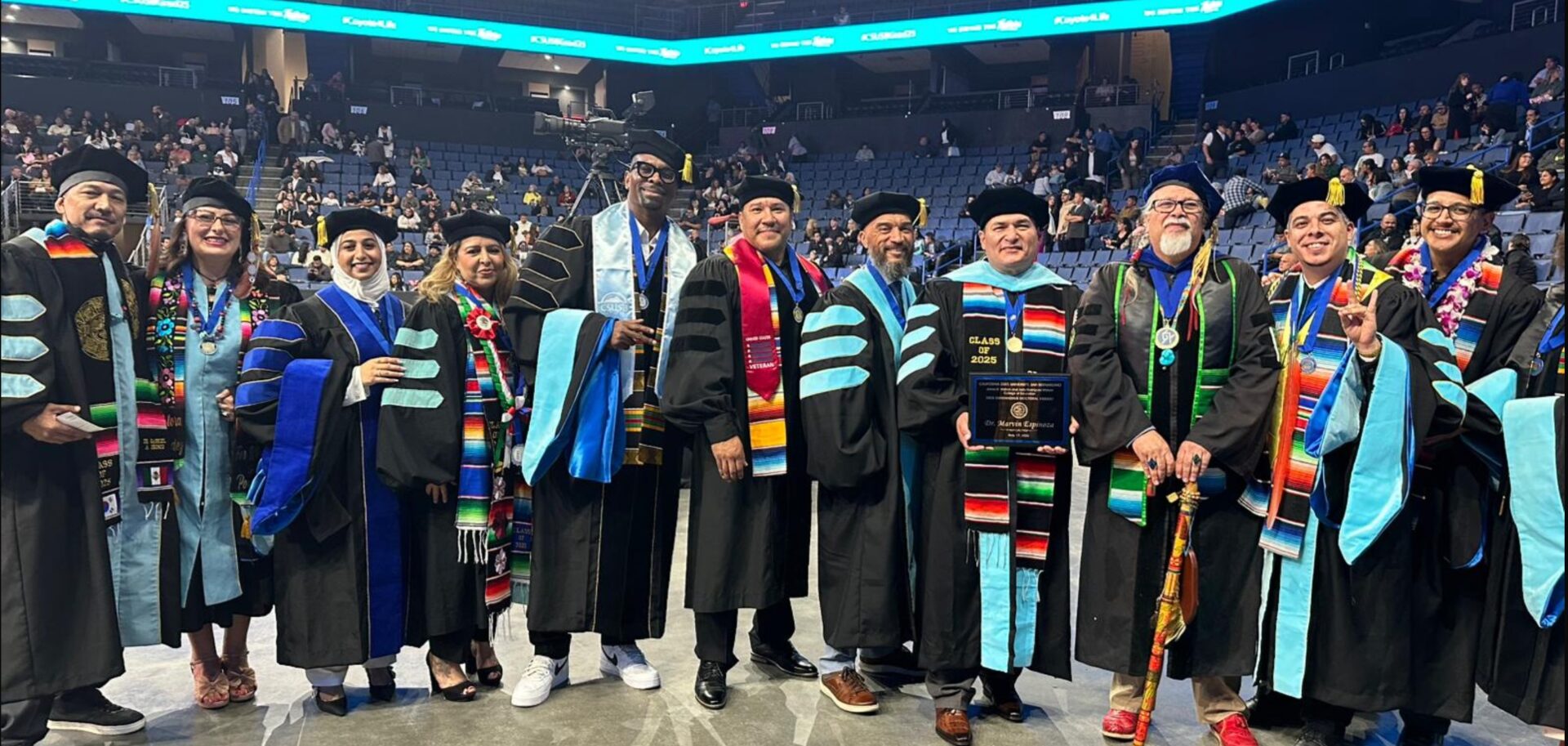
My academic journey at California State University, San Bernardino, where I’m completing my doctorate, directly aligns with this mission. My research, “Exploring the Structural and Social Impediments that Preclude Black Male College Students from Entering the Teaching Profession,” examines how race, gender, and perception shape opportunities. It’s about representation, but it’s also about restoration. When Black boys see healthy, educated, emotionally intelligent Black men leading classrooms, it changes their imagination of what manhood can look like. And that transformation ripples far beyond education — it touches homes, families, and the future of entire communities.
In many ways, all my worlds — philanthropy, scholarship, media, and ministry — intersect around a single truth: we are all in need of healing, and healing starts with honest conversation. Whether I’m sitting across from a potential donor at UCLA, hosting a live podcast in Los Angeles, or mentoring young men on leadership and purpose, the same conviction guides me: impact should be intimate. It should make people feel seen, not just served.
Looking ahead, we’re expanding the Black Love Reimagined platform nationally — building partnerships with therapists, educators, and faith leaders to host community-based conversations and healing retreats. We’re also developing a new slate of digital series and workshops focused on emotional literacy, spiritual wholeness, and relationship accountability — because love, like leadership, has to be practiced.
So when people ask what I do, I tell them this: I help build bridges — between institutions and people, between men and women, between who we are and who we’re capable of becoming. My career has been shaped by grace, my brand by transparency, and my purpose by faith. What’s special about my work isn’t just that it changes outcomes — it changes outlooks.
The truth is, when we start to see ourselves differently, we begin to live differently. And that — more than any title, degree, or campaign — is what I’m here for.
Looking back, what do you think were the three qualities, skills, or areas of knowledge that were most impactful in your journey? What advice do you have for folks who are early in their journey in terms of how they can best develop or improve on these?
When I look back over my life — the triumphs, the lessons, and the in-between moments that shaped me — three qualities stand out as pillars: faith, emotional intelligence, and adaptability. These weren’t learned in a classroom; they were forged in the tension between struggle and purpose. Each of them, in its own way, has been both a survival tool and a source of strength.
Faith was the first and most foundational. I learned early that life would not always make sense, but faith allows you to keep moving even when logic suggests you should stop. Faith has been my compass — not a passive hope, but an active trust in God’s timing, even when it contradicts my own. My journey has been filled with detours that later revealed themselves as divine redirection. There were doors I prayed would open that never did, only to realize later that rejection was actually a form of protection. My advice to anyone early in their journey is simple: build your spiritual core before you make your résumé. You’ll need something more profound than ambition to sustain you when the applause fades or the path becomes unclear. Faith steadies your vision when success starts to feel like noise.
The second quality is emotional intelligence — the ability to understand, regulate, and respond rather than react. It’s what allows you to lead with empathy instead of ego. Emotional intelligence doesn’t just help you navigate other people; it enables you to navigate yourself. I’ve worked in spaces where intellect and performance were celebrated, but emotional awareness was undervalued. The truth is, the higher you rise in leadership, the more your emotional maturity will determine your impact. The titles and accolades may get you in the room, but character and composure will keep you there. My advice: learn to listen beneath the words. Pay attention to tone, timing, and truth. Learn how to apologize without defensiveness and how to forgive without bitterness. Those are the marks of real emotional intelligence.
The third and equally important quality is adaptability. Life will test your flexibility as much as your faith. Every season I’ve lived — from nonprofit leadership to academia to creative entrepreneurship — has required me to evolve without losing my essence. Adaptability is not about changing who you are; it’s about expanding how you show up. The world is shifting faster than ever, and those who thrive are the ones who remain curious and courageous enough to grow with it—my advice: never stop being a student. Read widely, seek mentorship, ask better questions, and don’t fear reinvention. Every pivot is an opportunity to refine your purpose, not abandon it.
At the intersection of these three — faith, emotional intelligence, and adaptability — is resilience. It’s the byproduct of trusting God through uncertainty, leading with heart under challenging environments, and learning to pivot when life demands it. I don’t believe success is about perfection; I think it’s about endurance — the quiet, steady determination to keep showing up with integrity even when no one’s watching.
To those at the beginning of their journey, my counsel is this: don’t rush to be impressive; aim to be impactful. Don’t just chase elevation; cultivate depth. And remember — your most excellent power will come not from what you do, but from who you become in the process.
Okay, so before we go we always love to ask if you are looking for folks to partner or collaborate with?
So I’ve reached a point in my journey where collaboration isn’t just a professional goal — it’s a spiritual imperative and mandate. The kind of work I do can’t be done in isolation; it requires a community of thinkers, builders, and believers who share a common vision: to heal, to elevate, and to impact lives in meaningful ways.
I’m looking to collaborate with purpose-driven individuals and organizations who understand that transformation doesn’t happen in silos. I’m drawn to people who lead with both excellence and empathy — educators, creatives, philanthropists, and faith leaders who aren’t afraid to tackle difficult conversations about culture, identity, and healing. Whether you’re a therapist working on emotional wellness in communities of color, a filmmaker telling untold stories, a foundation investing in social mobility, or a brand seeking to use its influence for cultural good — I want to connect.
Through my work with Black Love Reimagined and Urban Birds & Bees, I’m building platforms that amplify the need for emotional intelligence, relational accountability, and spiritual restoration — particularly within the Black community, but with lessons that transcend all boundaries. These spaces are designed to help people unpack generational trauma, confront societal conditioning, and rediscover the courage to love and live authentically. I’m eager to collaborate with professionals who can expand that vision — mental health experts, spiritual leaders, content creators, and corporate partners who see the value in merging healing with storytelling, data with empathy, and community engagement with cultural elevation.
Ultimately, I’m seeking partnerships that are rooted in alignment, authenticity, and accountability—the kind of collaborations that don’t just check boxes but change trajectories. My work lives at the intersection of purpose and possibility, and I’m always looking to meet people who stand at that same crossroads — those who dream audaciously, move intentionally, and serve passionately.
If you’re reading this and something in my story resonates — if you feel called to build, to heal, to innovate, or to elevate — I’d love to hear from you. The best way to connect is through my website, DrKerryNeal.com
, or on social platforms under @DrKerryNeal, where I often share updates about new projects, community events, and opportunities to partner.
I believe collaboration, at its best, is sacred — it’s where vision meets purpose and where ordinary moments give birth to extraordinary impact. So if your heart beats for change and your work aligns with love, faith, and social responsibility, let’s connect. Because together, we can turn ideas into movements — and movements into legacy.
Contact Info:
- Website: https://www.DrKerryNeal.com https://www.UrbanBirdsAndBees.com
- Instagram: @_UrbanBirdsAndBees @DrKerryNeal
- Linkedin: https://www.LinkedIn.com/in/KerryENeal
- Youtube: https://www.YouTube.com/UrbanBirdsAndBees
so if you or someone you know deserves recognition please let us know here.