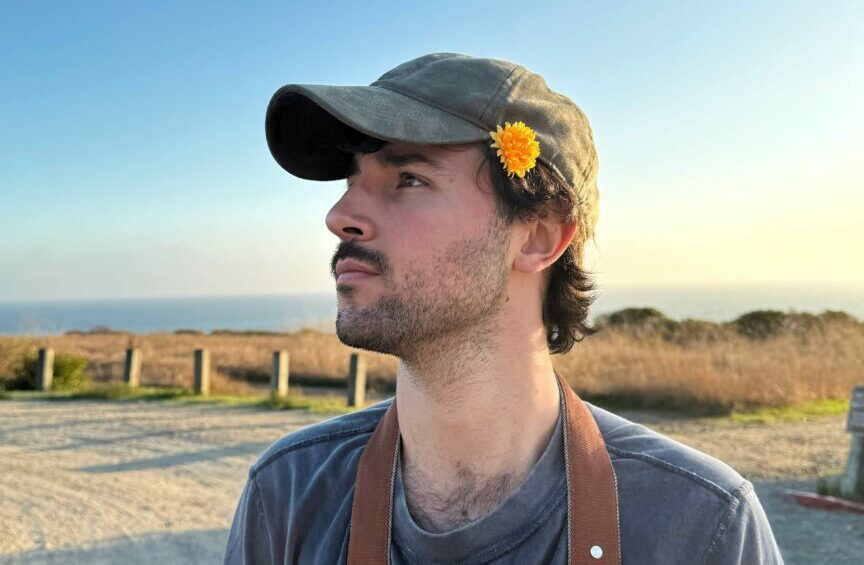
Alright – so today we’ve got the honor of introducing you to Ed Hafizov. We think you’ll enjoy our conversation, we’ve shared it below.
Hi Ed, thanks for sitting with us today to chat about topics that are relevant to so many. One of those topics is communication skills, because we live in an age where our ability to communicate effectively can be like a superpower. Can you share how you developed your ability to communicate well?
I didn’t set out to “master communication”, it was survival. When I came to the U.S. at 21, English wasn’t just a second language, it was a moving target. If I wanted to grow, I had to listen harder, speak clearer, and think twice before opening my mouth. That alone sharpened the way I express ideas today.
Then came my 11 years in corporate pharma and clinical research. If anything will teach you to communicate cleanly, it’s trying to get scientists, auditors, executives, and IT folks on the same page when they barely speak the same dialect. You learn how to translate jargon into real language, how to write emails that don’t explode into five new threads, and how to brief people who only have three minutes before their next meeting.
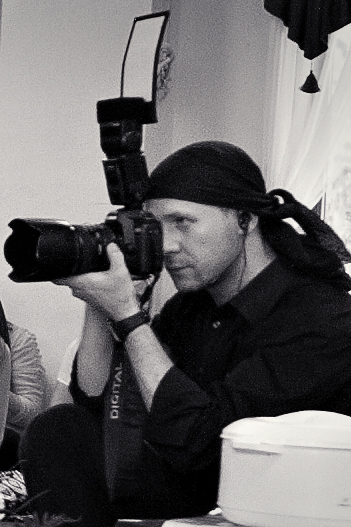
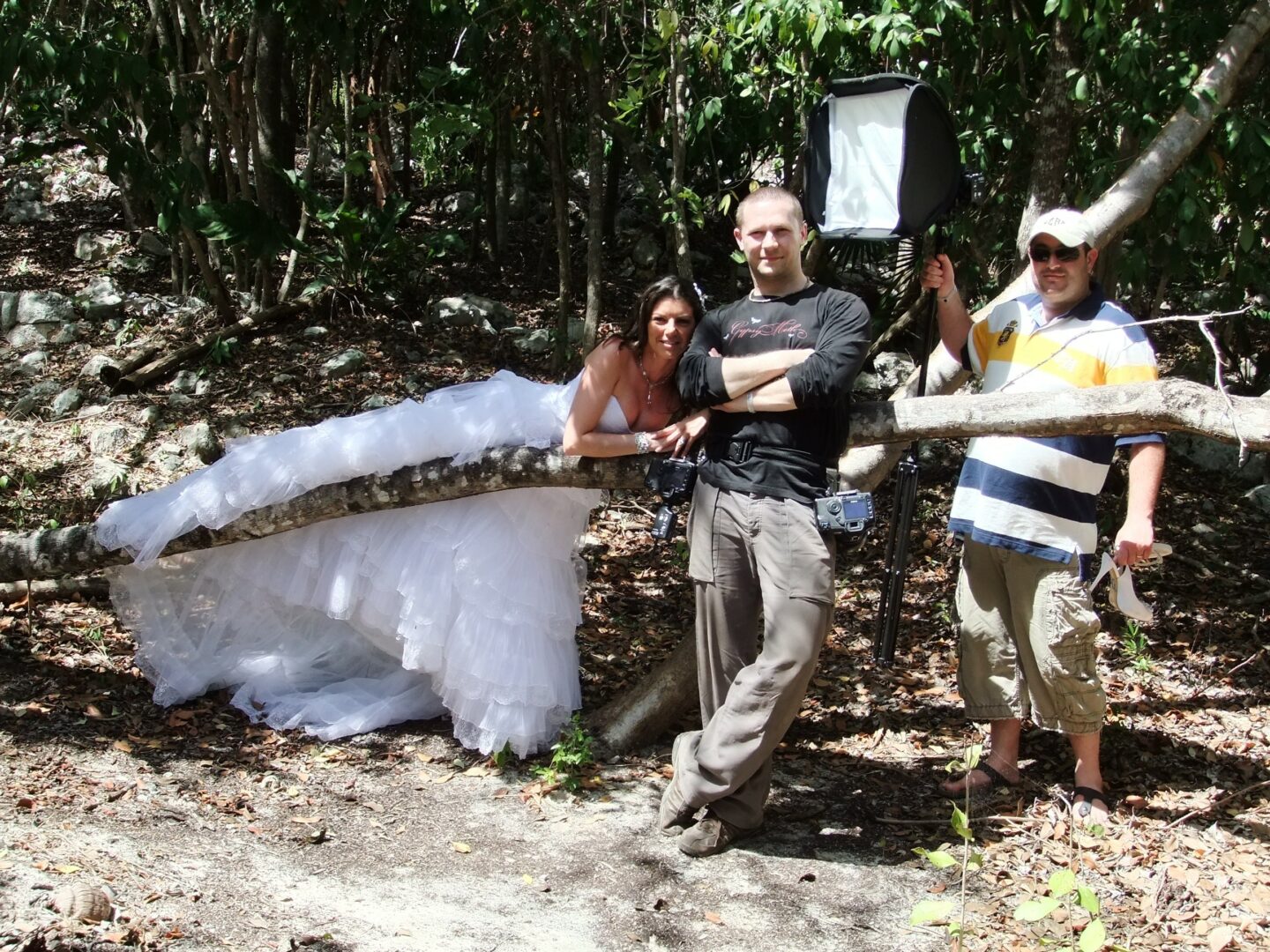
Photography took it further. You can’t direct a nervous client, a huge wedding party, or a high-profile exec unless you know how to give clear, confident, human instructions, not lectures.
And now, building my B2B spin-off Zorzed Solutions, I’m leaning into all of that. A huge part of what I’m creating revolves around automations and tools that force clarity: systems that send the right message to the right person at the right time, without things slipping through the cracks. Clean pipelines, cleaner expectations. When communication is structured and automated properly, teams stop guessing, clients stop waiting, and you stop drowning in follow-ups. For me, communication isn’t just a soft skill anymore; it’s becoming a blueprint for how I design tools that help businesses stay consistent, responsive, and in control.
So my communication skills were never built in one place, they were carved out over years of needing to be understood, needing to deliver, and needing to guide people through moments that mattered.
Thanks for sharing that. So, before we get any further into our conversation, can you tell our readers a bit about yourself and what you’re working on?
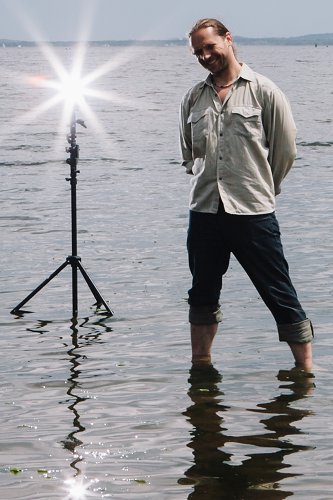
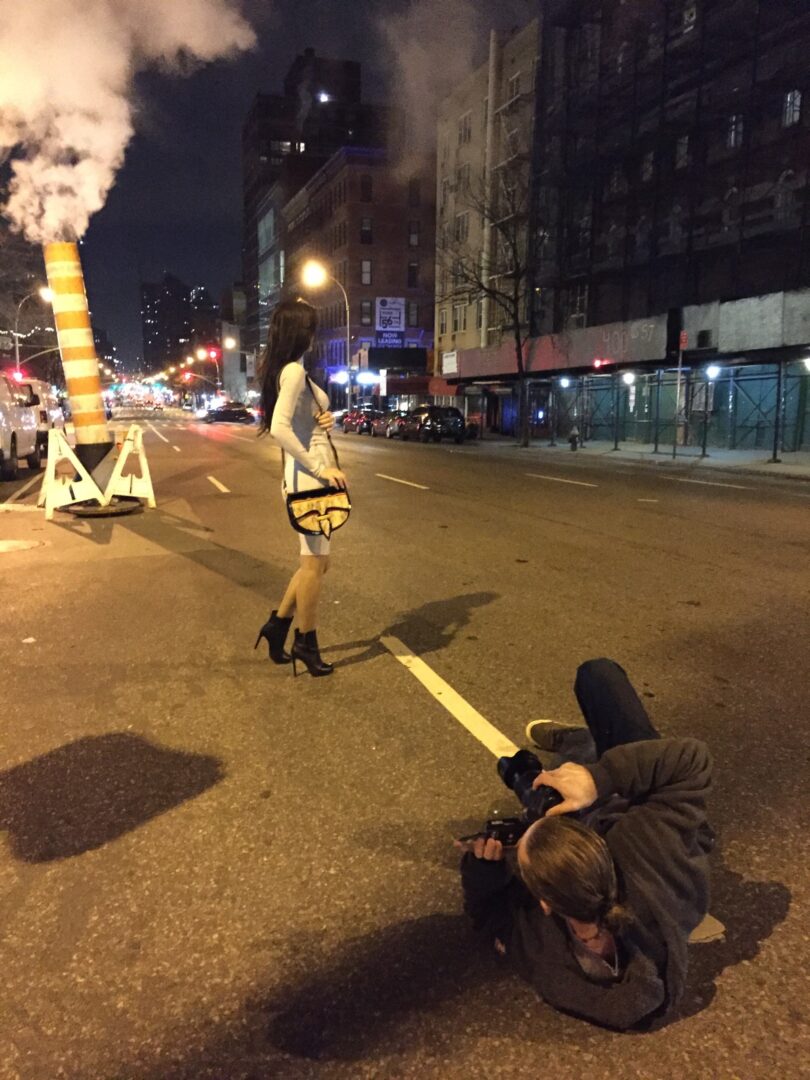
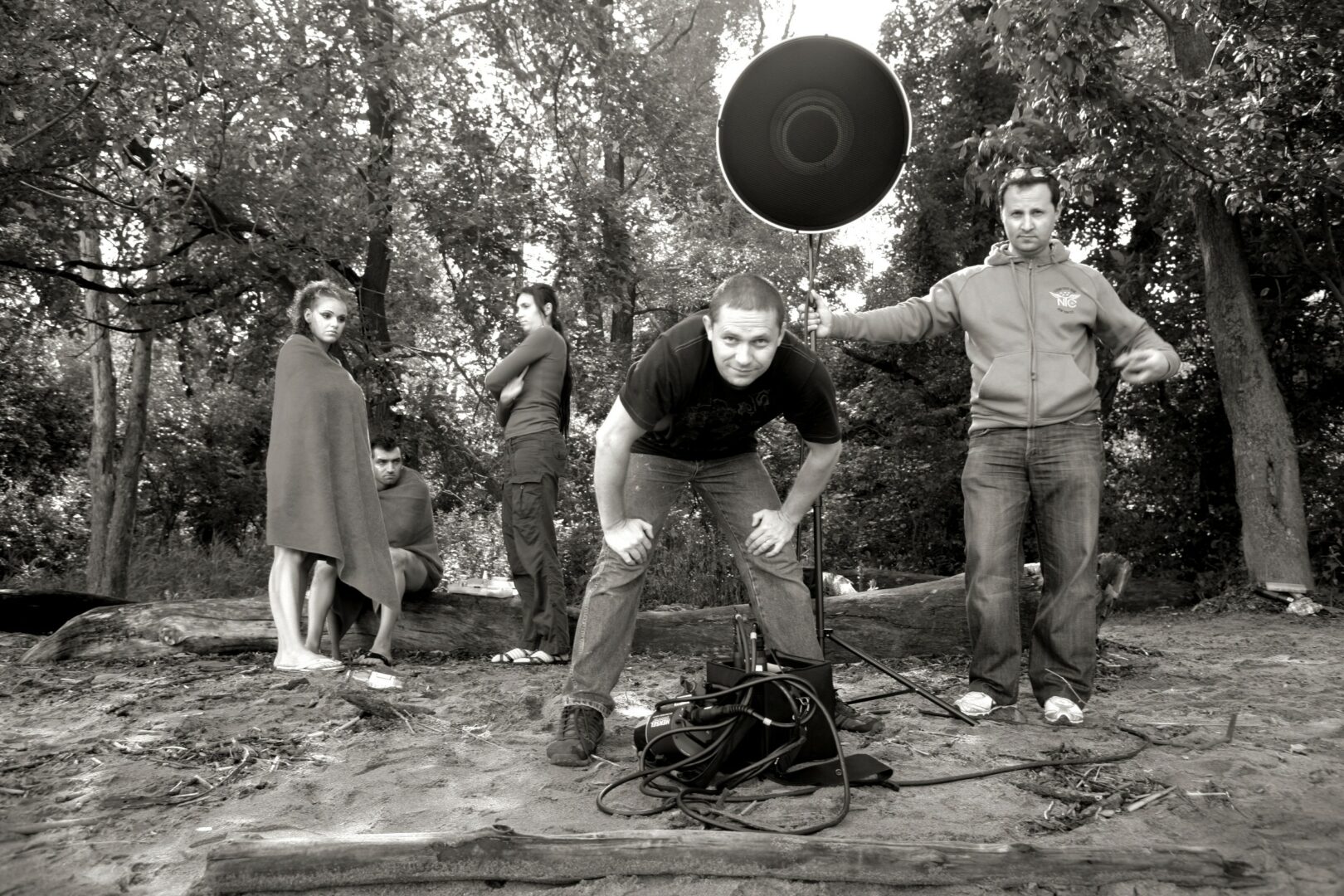
I run Zorz Studios, a portrait and event photography studio I started back in 2006 after moving to the U.S. at 21 and spending over a decade in corporate pharma and clinical research. What I love most about this work is the mix of artistry and problem-solving. One day I’m crawling around a farm shooting a wedding with free-roaming animals, the next I’m on a corporate rooftop in Manhattan building a lighting setup out of nothing but wind, bad weather, and sheer stubbornness. Photography keeps me on my toes, and it gives people something that lasts—stories, memories, proof of who they are in a moment.
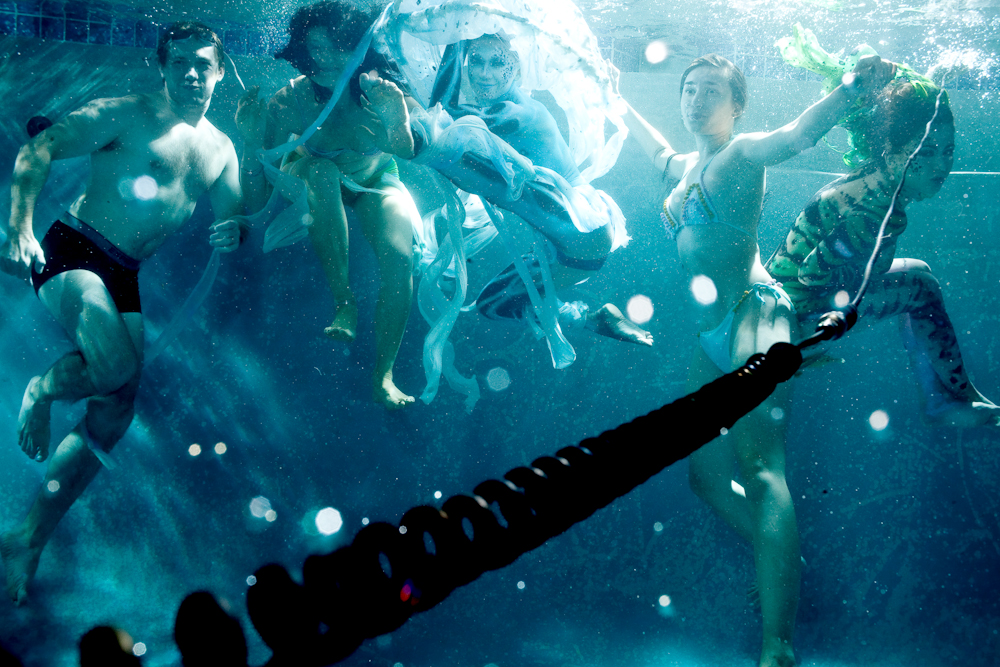
The “special” part, at least for me, is that I don’t treat shoots as transactions. I try to build worlds. Whether it’s underwater maternity work, editorial fashion pieces, or corporate events, I’ve always leaned toward conceptual storytelling—finding that edge between beauty and courage. Many of my clients come to me specifically because they want something they can’t get anywhere else: a little daring, a little different, but still deeply personal.
At the same time, I’m building Zorzed Solutions, a new branch of my work where I help other creatives and small businesses organize their chaos using the same systems and automations I built for myself. Over the years I’ve developed a pretty deep understanding of workflow design, client communication tools, and systems that reduce busywork—mostly out of necessity, because running a studio solo forces you to get efficient or drown. I’m now turning that into something formal for others: smarter client pipelines, automated follow-ups, cleaner project management, and tools that make communication clearer and more reliable.
What excites me most right now is this intersection of creativity and structure. Photography is emotional, chaotic, alive. Automation is cold, logical, predictable. But when you combine them, businesses—including mine—finally get breathing room. That’s the part I’m leaning into next.
If you had to pick three qualities that are most important to develop, which three would you say matter most?
Looking back, the three things that shaped my journey the most were curiosity, resilience, and communication.
Curiosity pushed me into photography in the first place. I didn’t grow up around art schools or studios. I simply kept asking “how does this work?” and then stayed long enough to find out. Anyone early in their path can build that muscle by following their questions instead of waiting for perfect conditions. Experiment, tinker, break things, rebuild them. Curiosity turns into skill faster than people expect.
Resilience carried me through the tougher chapters. Moving to the U.S. at twenty-one, starting from scratch, shifting careers, building a studio, surviving slow seasons and industry changes… you need grit for all of that. My advice is to practice small acts of consistency every day. Show up even when you’re not in the mood, because resilience grows from repetition, not motivation.
Communication is the glue. It allowed me to work with clients who trust me, run projects with clarity, and now build tools in Zorzed Solutions that help others stay organized and on time. If someone is early in their career, I’d tell them to overcommunicate until they learn what “right-sized communication” looks like. Ask questions, confirm expectations, and write things down. You save yourself, and everyone else, from frustration.
Those three together have carried me farther than talent alone ever could, I think.
What has been your biggest area of growth or improvement in the past 12 months?
My biggest area of growth in the past twelve months has been completing a major transformation of my business systems. The last time I made a leap this big was back in 2020 when I first moved into the Zoho One ecosystem and consolidated a dozen scattered tools into one platform. That shift started with CRM, which became the backbone of everything I automate today.
This year, I finally closed the last three major gaps in that universe.
I replaced Gmail Workspace with Zoho Mail, moved my entire cloud storage from Google Drive to Zoho WorkDrive, and switched my business phone and SMS from RingCentral to Zoho Voice. Each of those moves was a massive undertaking. They doubled my workdays and filled too many late nights, but now every core system in my business talks to each other.
On top of that, I’ve pushed deeper into automation. I’m layering in robotic process automation and low-code, open-source workflow systems to reduce repetitive work and give myself more control. I also designed a couple of websites for partners and integrated them directly into business processes, which is something I plan to expand on.
So, this year was about building a connected ecosystem that will support everything I do next.
Contact Info:
- Website: https://zorzstudios.com
- Instagram: https://instagram.com/zorzstudios
- Facebook: https://www.facebook.com/ZorzStudios
- Linkedin: https://www.linkedin.com/in/ed-zorz-hafizov
- Twitter: https://twitter.com/ZorzStudios
- Youtube: https://www.youtube.com/user/ZorzStudios
- Yelp: http://www.yelp.com/biz/zorz-studios-new-york
- Other: https://mastodon.social/@ZorzStudios
https://t.me/zorzstudios
https://www.threads.com/@zorzstudios
https://bsky.app/profile/zorzstudios.com
so if you or someone you know deserves recognition please let us know here.