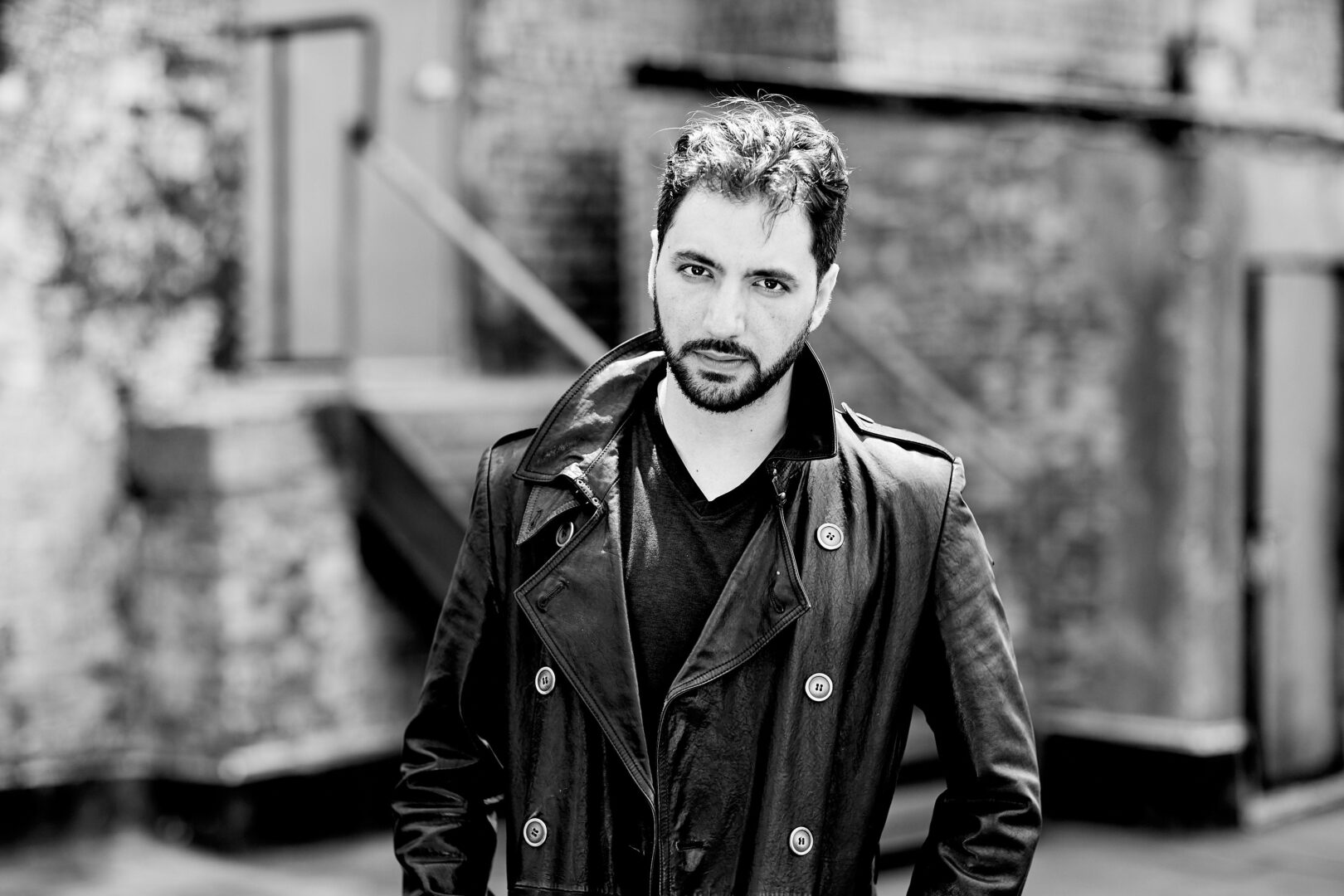
Alright – so today we’ve got the honor of introducing you to Edoardo Miranda. We think you’ll enjoy our conversation, we’ve shared it below.
Edoardo, we’re thrilled to have you on our platform and we think there is so much folks can learn from you and your story. Something that matters deeply to us is living a life and leading a career filled with purpose and so let’s start by chatting about how you found your purpose.
My purpose to pursue acting, writing, and psychology, started from a childhood fascination with cinema. I remember being dawn to my mother’s DVD collection as a child.
One day, I asked her if I could watch Oldboy, and she told me it was forbidden. From then on, movies became hidden treasures filled with mystery.
Later in life, I fell in love with films for real – A Clockwork Orange, One Flew Over the Cuckoo’s Nest, The Gladiator, The Talented Mr. Ripley, Fight Club, Taxi Driver. These weren’t just movies; they were windows into minds I didn’t understand. They made me ask: Why do people act the way they do? What goes on behind the mask of adulthood?
Writing came next. In high school, I discovered Cheever, Palahniuk, Bukowski – then Kafka, Dostoyevsky, Baudelaire. Eventually, I was led into psychology reading Freud’s “Civilization And Its Discontents”, Jung, and Lacan. The same question echoed: Why do we behave the way we do? What drives us beneath the surface?
Acting followed as a way to embody those questions. To move them from the page to the body. To physicalize thought and explore ideas through lived expression.

Thanks for sharing that. So, before we get any further into our conversation, can you tell our readers a bit about yourself and what you’re working on?
I’m an actor and writer with a professional background in clinical psychological research. This scientific and clinical foundation deeply informs my artistic work, which often explores themes of psychological fragmentation, trauma, resilience, and recovery.
Under my birth name, Edoardo Nicholas Bianchi, I’ve worked as a clinical research coordinator and assistant at institutions like McLean Hospital/Harvard Medical School and Brooklyn College. My research has focused on addiction, psychosis and psychopathy to better understand and address barriers to treatment. I’ve also worked in crisis response and suicide prevention.
What excites me most is the possibility of merging these worlds. My long-term vision is to create community-based centers that use arts-integrated approaches to support the mental health of adolescents and young adults. I believe storytelling and performance can be powerful tools for healing.

If you had to pick three qualities that are most important to develop, which three would you say matter most?
1. Reading and Writing. Stepping into someone else’s mind through books taught me to develop empathy for other people. The overlaps and contradictions between another person’s thoughts and my own helped me expand my understanding of human nature.
2. Psychology. Studying the science of thought and behavior gave me tools to demystify complex or frightening experiences. Understanding the brain helped me feel less overwhelmed by it. It gave me the language for things I used to fear and insight into how people heal.
3. Acting. Being a performer allows me to test what I’ve learned intellectually. The body is not separate from the mind. We don’t have a body, we are a body. When I take on a character, I’m not just imagining their life, their life goes under my skin in a way.
Example: imagine a character with substance use disorder. Reading Bukowski might give you a glimpse into their inner world. Studying the literature on SUD will teach you the causes, symptoms, and treatments. But acting that character – living inside those withdrawals, that desperation – brings you into the full, embodied complexity of that experience.
My advice, beyond these specific areas of knowledge, is to ask yourself two questions: “What do I want to do?”, and “What am I good at?”. If the answer to both is the same thing, go for it!
If they don’t match, that’s okay. Don’t rush. Sit with that mismatch. Explore where it comes from.

Alright so to wrap up, who deserves credit for helping you overcome challenges or build some of the essential skills you’ve needed?
So many people have shaped me.
Freud taught me to pay attention to the unconscious – to trace the roots of my desires.
Stella Adler taught me that I am not my emotions, and that words don’t matter as much as what is “behind the words”.
My high school math teacher, Claudio, helped me recognize my worth when I couldn’t see it.
And my mother, Marina, gave me a sense of independence and freedom – as Giovanni Pico della Mirandola said – “I have placed you at the very center of the world (…) in order that you may, as the free and proud shaper of your own being, fashion yourself in the form you may prefer.”
Contact Info:
- Website: https://edoardomiranda.com
- Instagram: https://www.instagram.com/edoardo.miranda/
- Other: https://www.imdb.com/name/nm10378671/

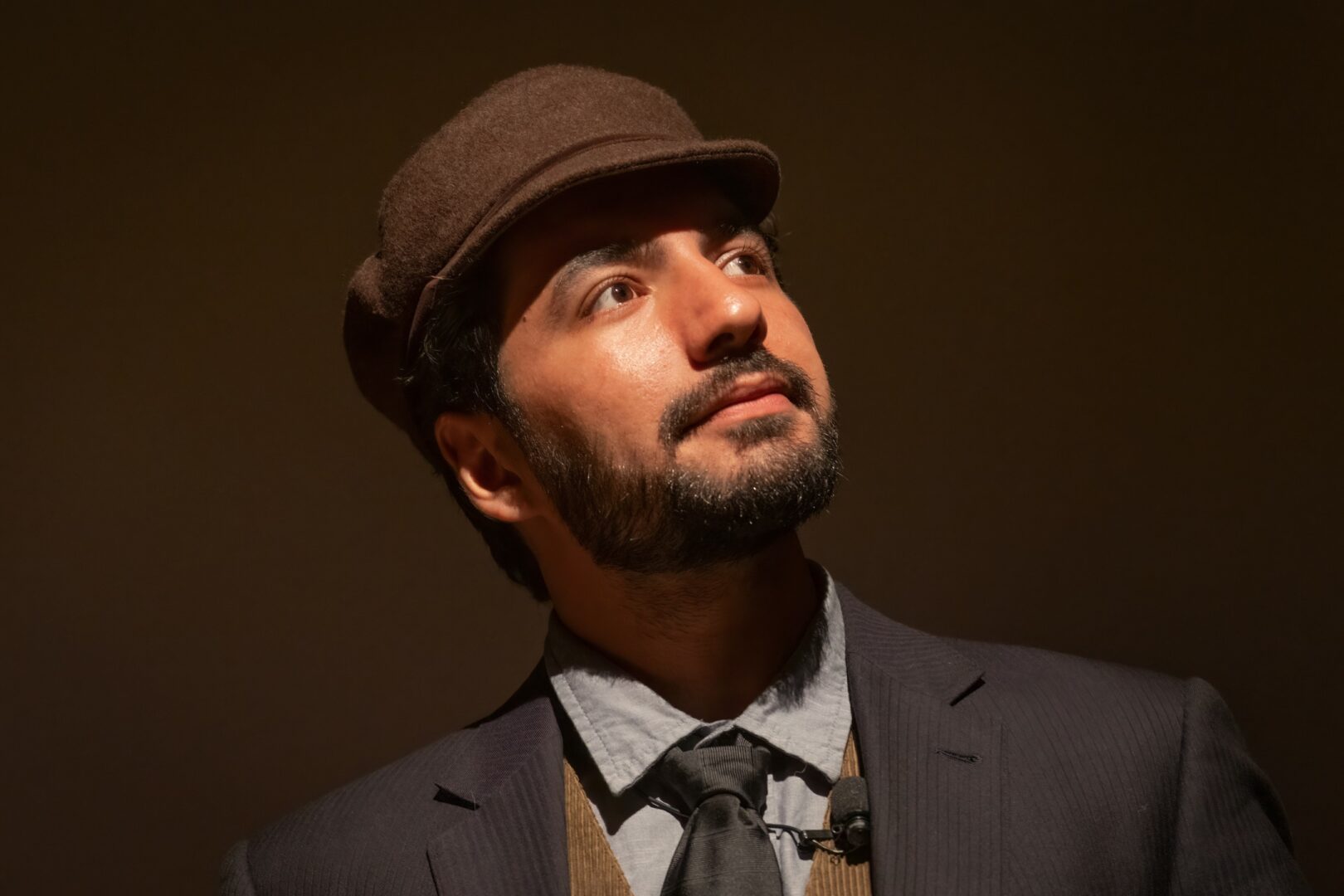


Image Credits
Vikram Pathak
Paul Lutvak
Valandia Sunshine
so if you or someone you know deserves recognition please let us know here.