We recently connected with Edward Di Gangi and have shared our conversation below.
Hi Edward, thanks for sitting with us today to chat about topics that are relevant to so many. One of those topics is communication skills, because we live in an age where our ability to communicate effectively can be like a superpower. Can you share how you developed your ability to communicate well?
I grew up in New York City in the nineteen-fifties. I was exposed not only to the dialects that differed between boroughs–the speech of someone from Brooklyn differed from someone from the Bronx–but also to the languages brought here by those who fled Europe in the aftermath of World War II. With all this diversity, my mother paid close attention to my own speech and guided me toward “proper English.” Given that she was the daughter of immigrants and had only graduated high school, she was remarkably capable. Schools of her era which often served a population of students who were the children of first generation immigrants did a remarkable job in “Americanizing” their students.
While my spoken communication skills owe much to my mother, I attribute my writing skills very much toward having read since I was a young child. I remember having books in the house from the time I was a small child–my parents own library as well as picture-books at first that were bought for me. I can recall the excitement surrounding the opening of a local branch library nearby when I was in elementary school. Almost seventy years later, I can describe in detail its layout with the adult books on the first floor and the children’s section downstairs in the basement. The building housing the library is still there, though the library itself relocated years ago to a larger location nearby.
Two incidents with two separate teachers during my middle and high school years encouraged my writing. The first was in ninth grade when I submitted an essay that I’d worked hard on and was quite proud of. It was returned to me without a grade and a note from the teacher to “see me.” She was impressed with it, but concerned I may have plagiarized it and wanted a note from my parents that I had actually written it! The note was returned the next day. My high school required students to do summer reading and then submit an essay in response to a question regarding one of the books assigned. Again, so many years later, I recall the details. The book was Typee by Herman Melville. Our English teacher was a new member of the faculty and I recall his standing up in front of the class with the stack of essays he’d reviewed in hand and being rather critical of the quality of the work he’d observed. He cited only one as exceptional and that was mine!
Feedback in both those forms was quite formative.
Let’s take a small detour – maybe you can share a bit about yourself before we dive back into some of the other questions we had for you?
I was adopted at birth in New York City in May of 1948. My adoption was privately arranged and I was placed with a couple who were unable to have children of their own. Mine was a very positive adoption experience. I learned much later that my being placed with that couple was not at all accidental. I discovered I was adopted during my elementary school years when I came across my adoption decree. My parents had never told me, and my thought when I found the document was if they were not discussing it then it wasn’t for me to question it. I never did nor did they ever bring it up.
I enjoyed a career path filled with twists and turns, and I felt that each chapter brought some additional richness and experience to my life. I sold and leased commercial real estate; I worked with a company that brought temporary staffing to the big banks and financial houses on Wall Street and I trained and bred Appaloosa horses. Don’t ask me how I got there–it’s a long story–but ultimately I settled into a thirty-year -long career as a customer service executive leading large groups of people in the airline, communications and healthcare industries. Leaving New York City in nineteen-eighty eight with my then new wife Linda, we moved to Houston, Texas where our son, James, was born. That was followed my a move to Pittsburgh, Pennsylvania several years later and then another to Hillsborough, North Carolina where we live currently.
It wasn’t until several years after I retired that I decided to embark upon a search for the identity of the woman who had placed me for adoption so many years before. I had always assumed that my mother was probably a high school girl when she became pregnant and was sent away from home to have her baby so as not to bring embarrassment to her family. I expected that, if this was the case, I was taken from her and placed for adoption as was so common during that period which has come to be known as the Baby Scoop Era that lasted from the years immediately following World War II and into the nineteen-seventies.
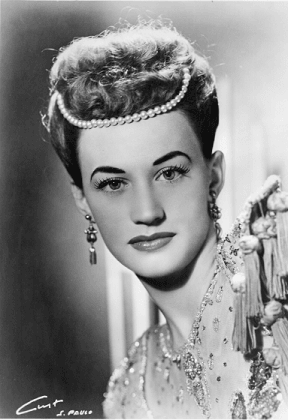
The search I embarked upon yielded totally unexpected results. Through traditional genealogical research, DNA testing and the kindness and generosity of so many people who didn’t know me and had no vested interest in my story, I learned that my mother had been a celebrity performer in the ice skating spectaculars of the nineteen-forties and fifties. Finding herself unexpectedly pregnant, she returned to New York City which was her home town, and managed her pregnancy and my subsequent adoption known only to her eldest sister and her sister’s husband. In the process of managing my adoption, my mother was quite specific in detailing what she wanted my adoptive parents to be able to offer in the way of home and family, and it’s to her, as much as my adoptive parents, that I attribute the positive life I was afforded.
Sadly, my mother was no longer alive when I finally identified her and learned about her story. But I’ve had the opportunity to meet both a maternal and a paternal half-brother as well as maternal first cousins. All have been welcoming so this search brought new family members for whom we’re so grateful.
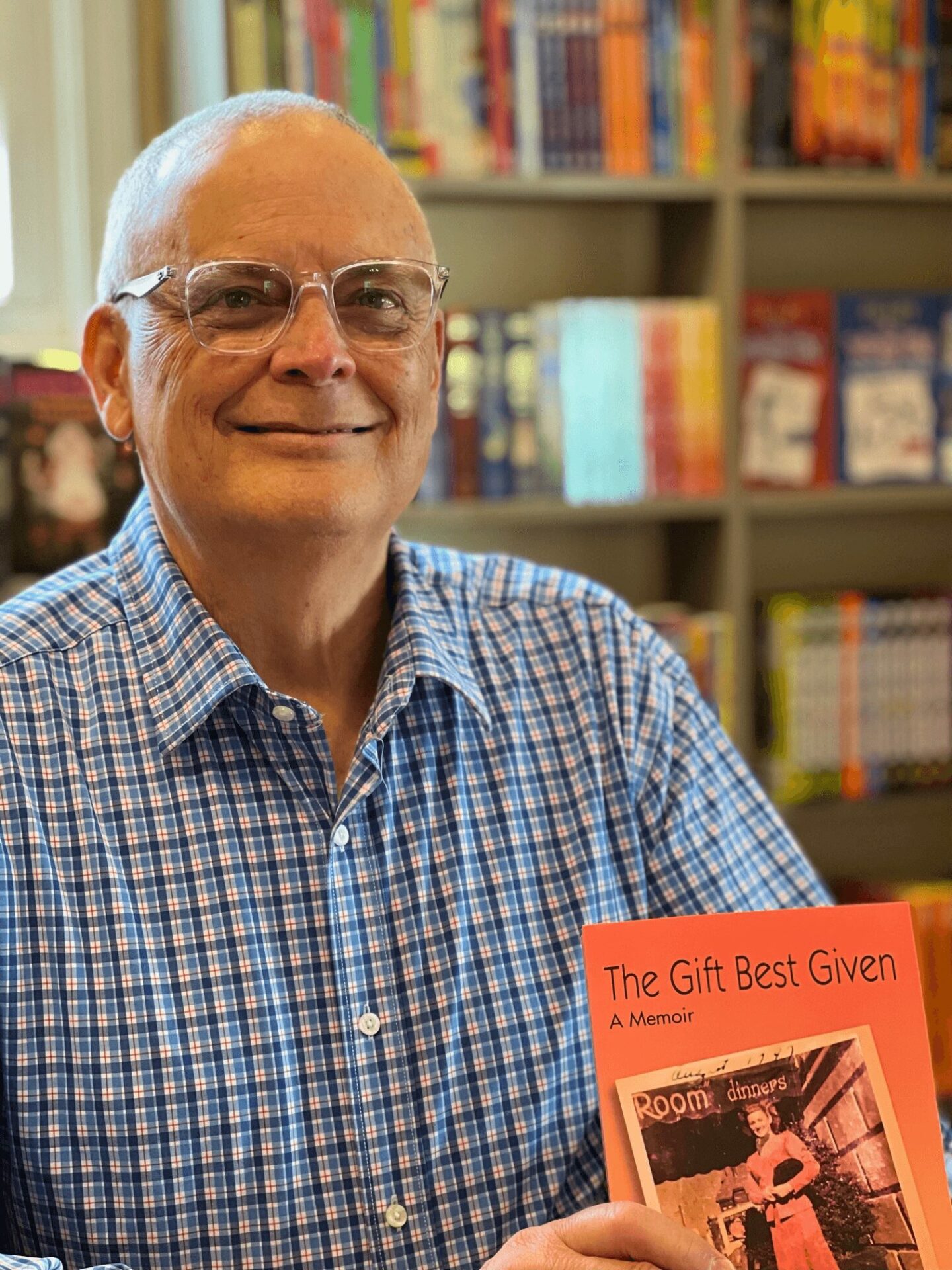
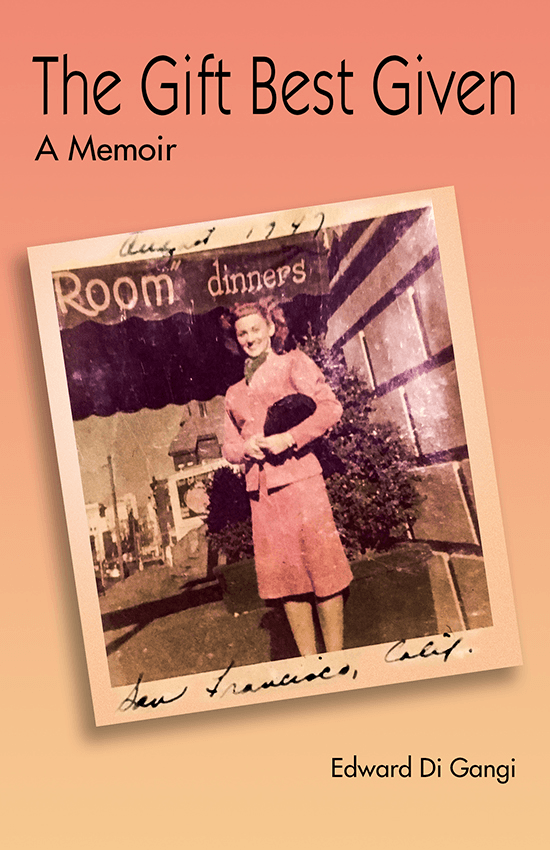
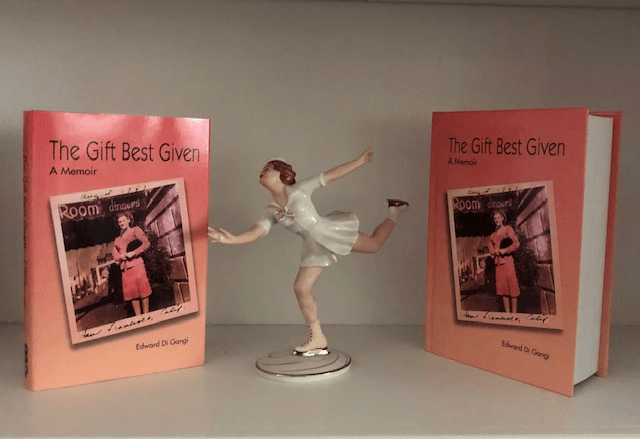
I ultimately captured the details of my search and of my mother’s story, from the time she left home at age seventeen to pursue her career to the time she placed me for adoption, in a memoir titled The Gift Best Given which was published in two thousand and twenty. I describe the book as “a story of adoption, search, discovery and reunion set against a backdrop of the glamorous ice-skating spectaculars of the nine-teen forties and fifties. I am currently working on a sequel which will trace my mothers travels as well as the emotions of a woman who has relinquished a child for adoption in the years after my birth.
If you had to pick three qualities that are most important to develop, which three would you say matter most?
If I were to pick the top three qualities needed to embark on a journey such as I went on, I would say that they are courage, curiosity and persistence.
It takes a certain amount of courage to step-off into the unknown. There is always the concern surrounding what you might find or that you might find nothing and be disappointed.
Curiosity is key. I found that there is almost always a story beneath the story. You may find what you thought you were looking for, but if you ask another question and then another you’ll often find more. As is often said, sometimes we don’t know what we don’t know. Ask questions!
As I mentioned, there’s the possibility of disappointment. Sometimes a relevant piece of information can’t be found or someone you reached out to won’t respond. It’s tempting to stop and say “that’s enough.” Don’t do it. Take a breath, take a break, but then return to the task. Be persistent but don’t be annoying!
What was the most impactful thing your parents did for you?
Not everyone is blessed with two mothers but I was.
My birth-mother–the woman who carried me for nine months and then placed me for adoption–knew she’d be unable to care for me, but she knew precisely what those who would ultimate care for me should be able to provide. She detailed those things and parents able to provide them presented themselves.
My adoptive mother and my father, of whom I’ve said little, made compromises in their own lives to give me the life that my birth-mother wanted for me. They loved me no less than any other parent could love their own natural-born child. My book, The Gift Best Given: A Memoir, is devoted to my parents, Nina and Jim Di Gangi, for this reason.
Contact Info:
- Website: https://www.digangiauthor.com
- Instagram: https://instagram.com/digangiauthor
- Facebook: https://facebook.com/digangiauthor
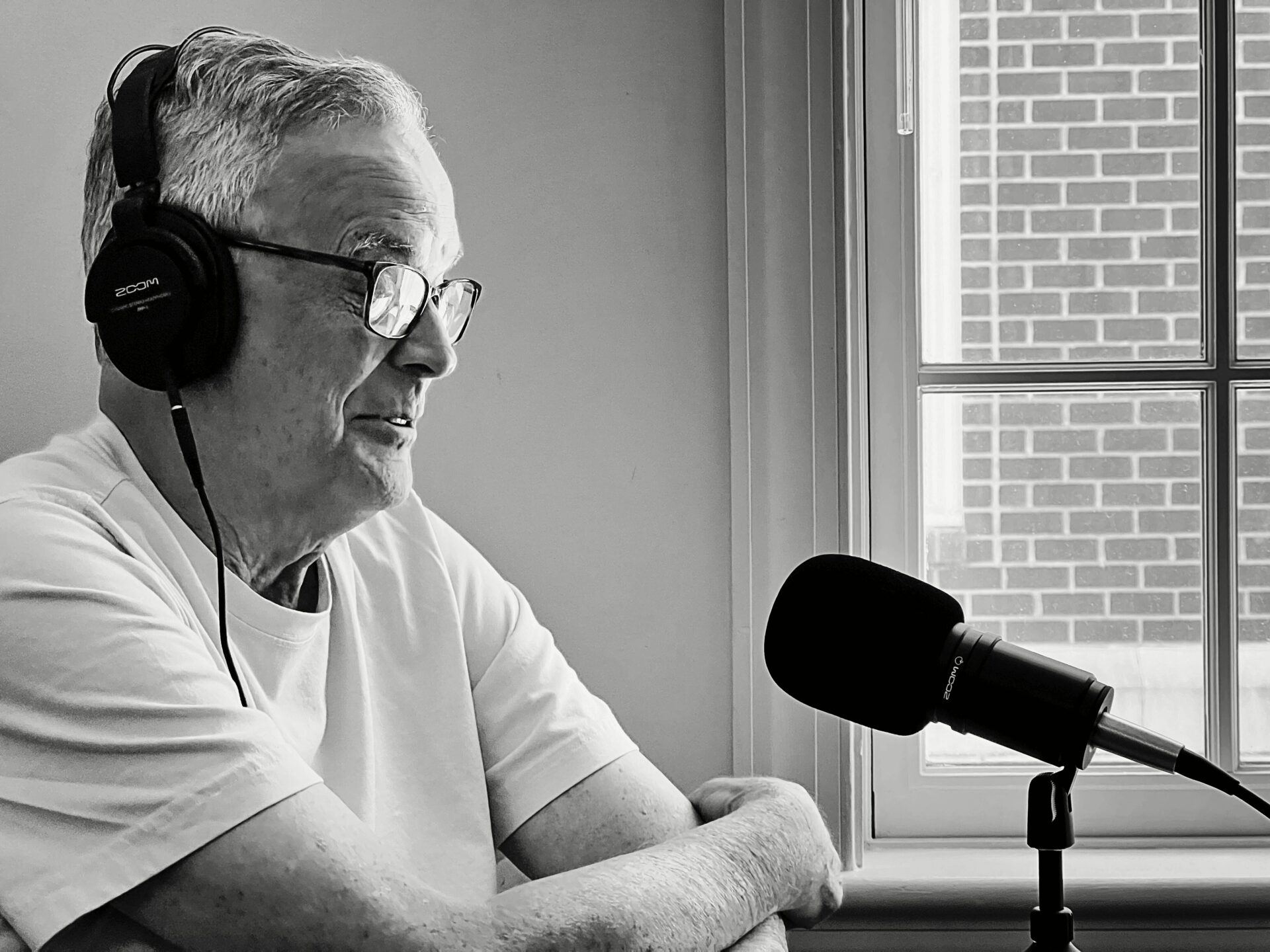
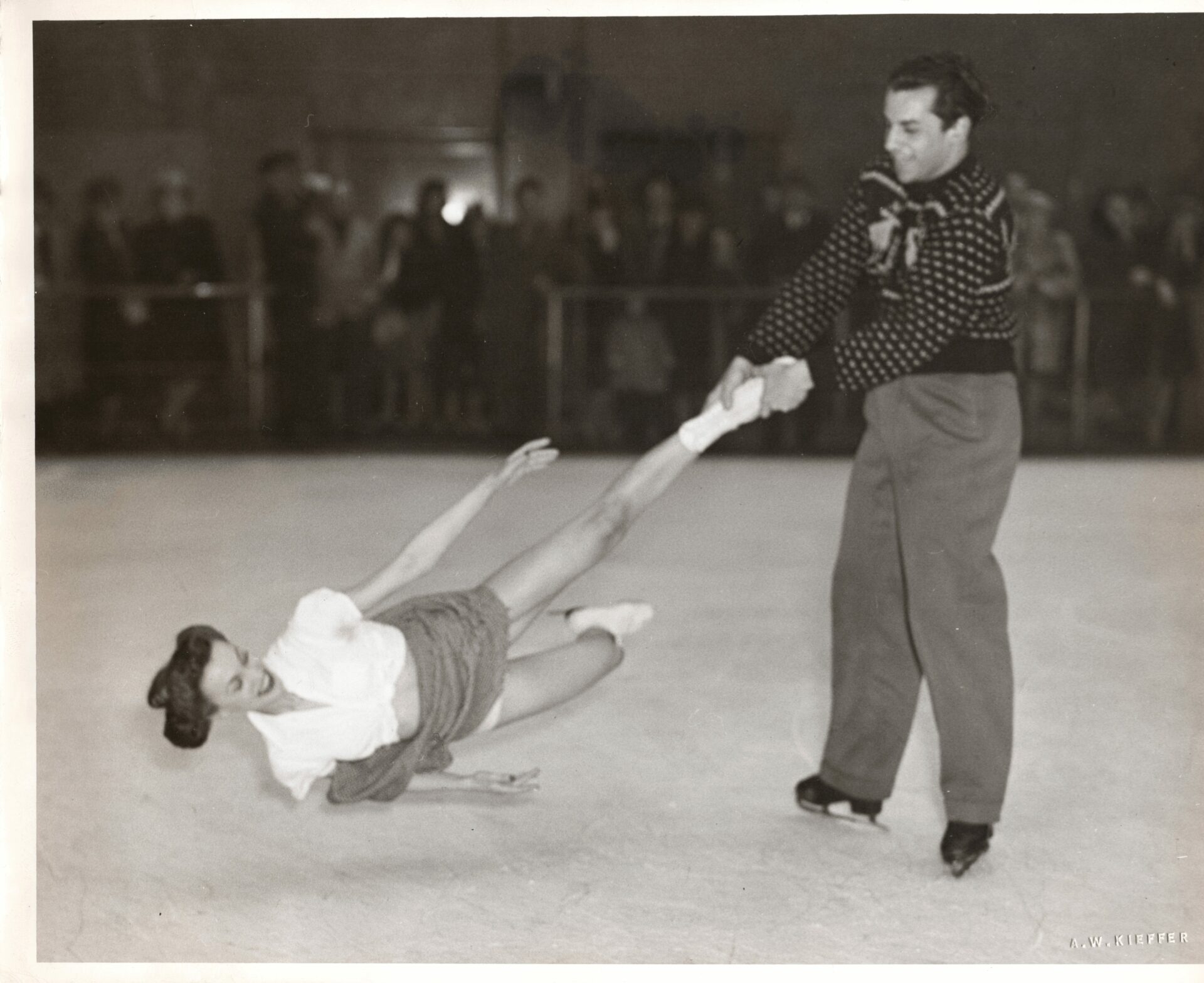
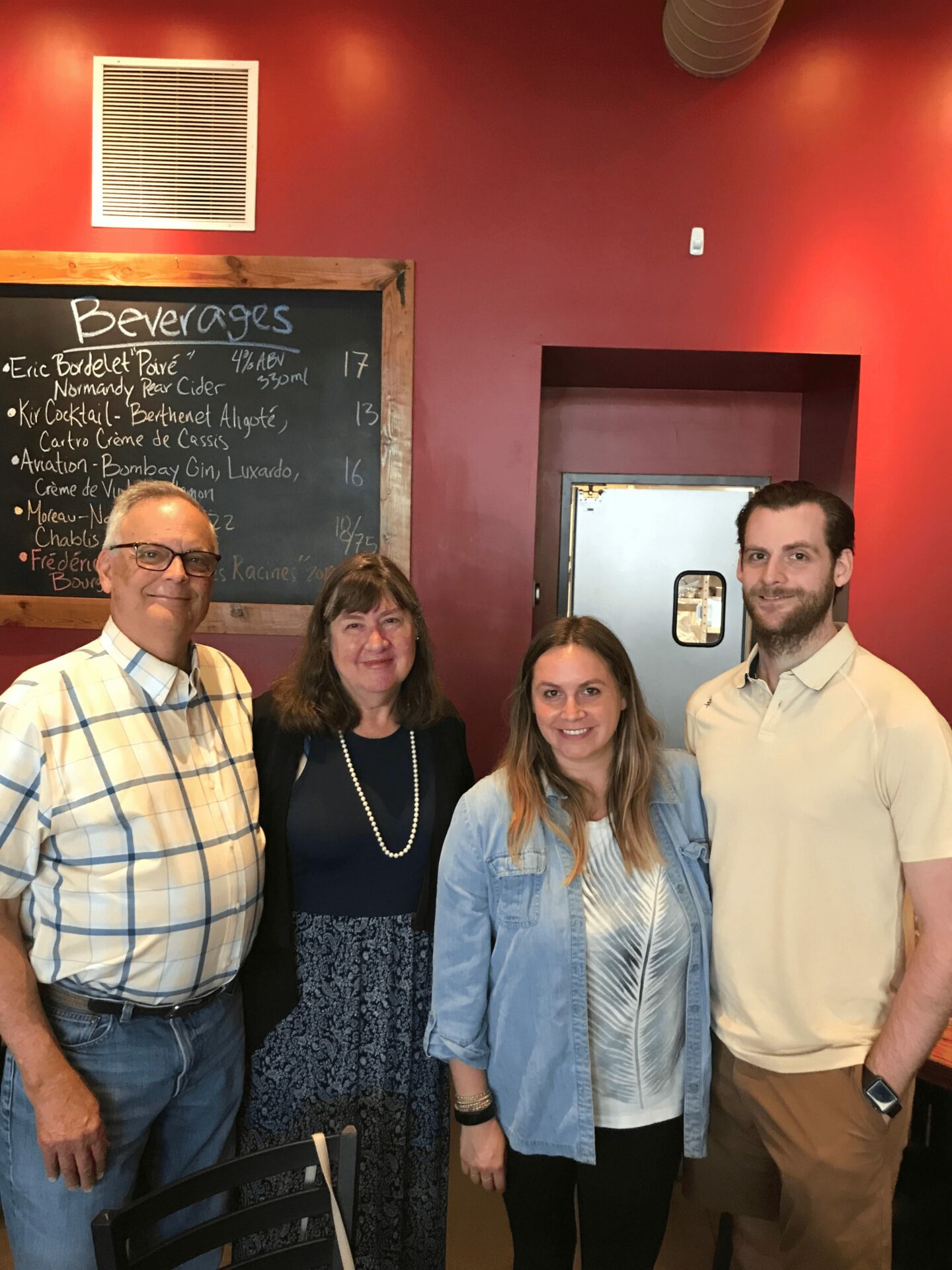
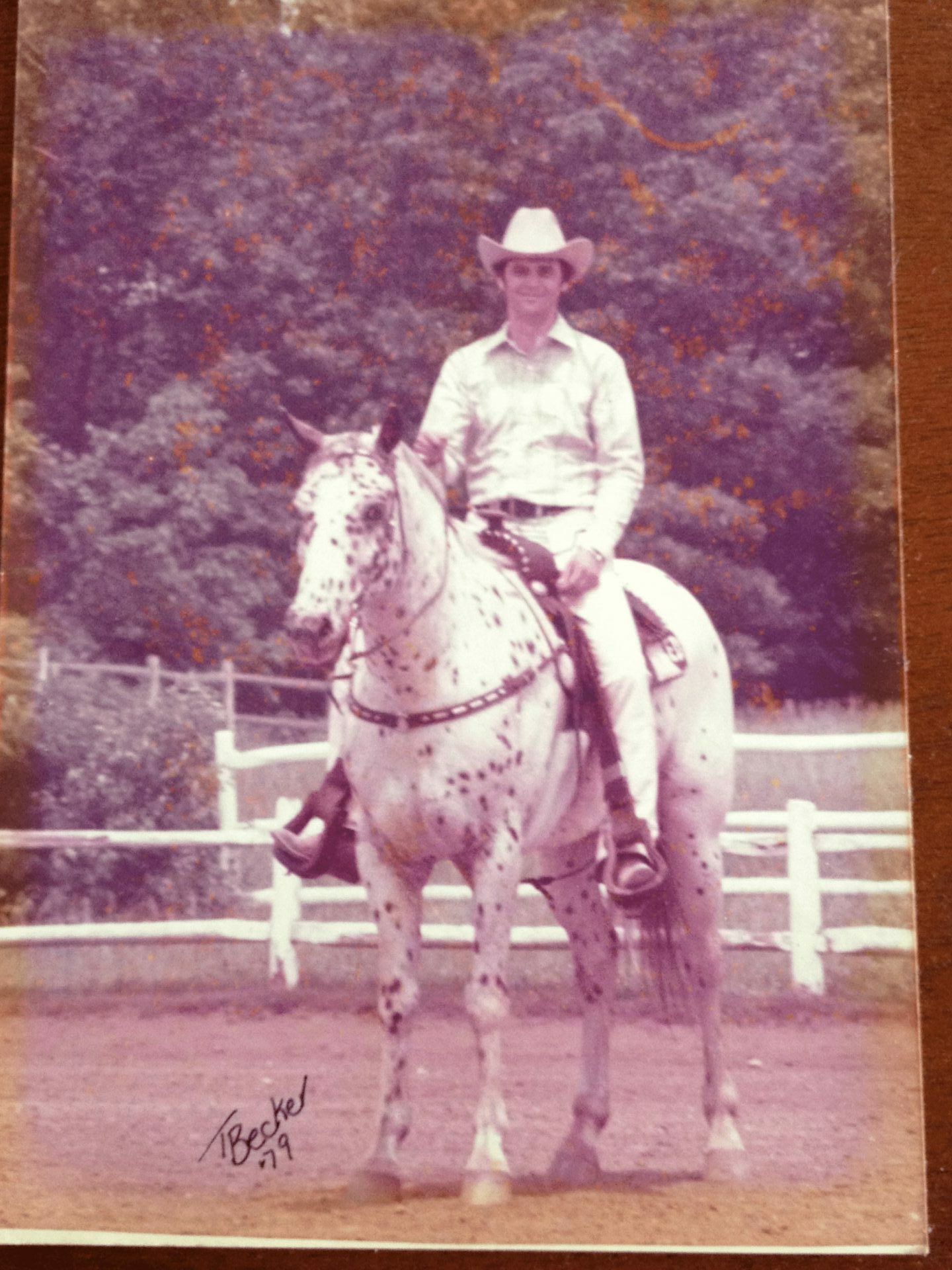
Image Credits
Left to right, starting at top:
Book Cover – The Gift Best Given
My birth-mother, Genevieve Norris, promotional photo taken in Sao Paulo Brazil
Hardcover and large print editions – statue in middle a gift of a reader whose mother saw my mother skate in 1950s
The author – photo credit, James Alexander, used with permission
My mother with partner Bob Payne at Rockefeller Center skating rink January, 1950 from author’s collection
Bottom left:
Family photo – author with wife Linda and daughter-in-law Renee and son James, May 2024
Author – Summer 1978
so if you or someone you know deserves recognition please let us know here.