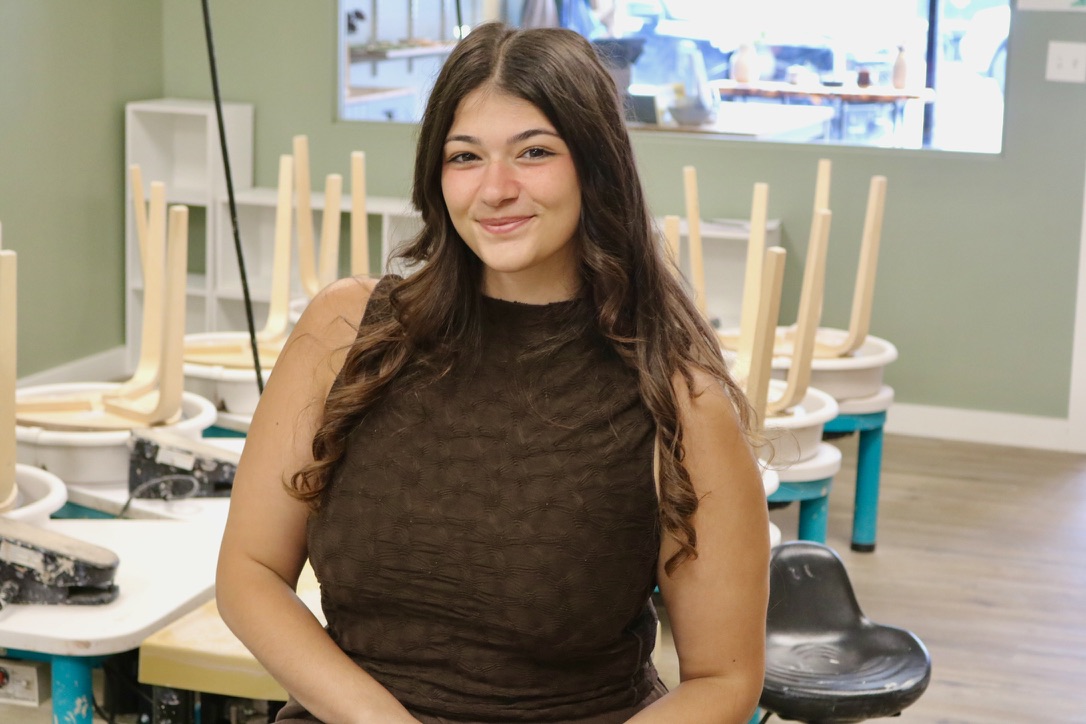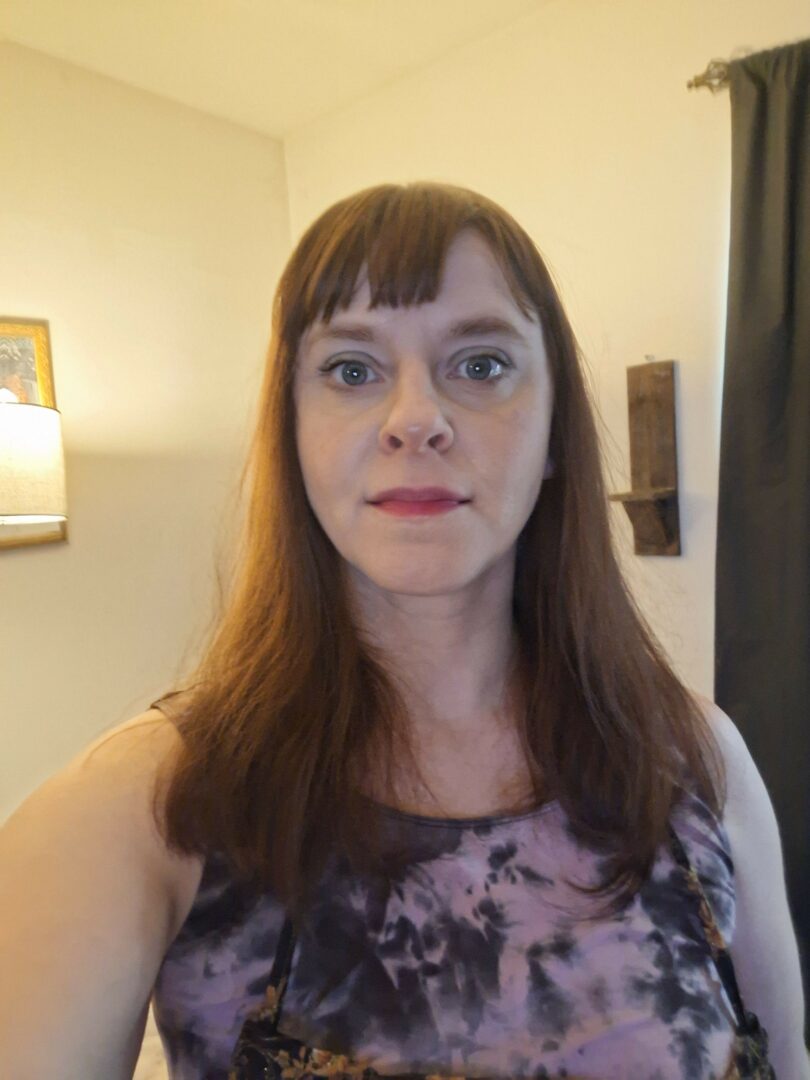
We were lucky to catch up with Elissia Kimball recently and have shared our conversation below.
Elissia, we’re so excited for our community to get to know you and learn from your journey and the wisdom you’ve acquired over time. Let’s kick things off with a discussion on self-confidence and self-esteem. How did you develop yours?
Confidence and self-esteem are things I’m continuously working on, and I don’t think they’re ever something you just “achieve” and then never have to think about again. One of the ways I actively build my confidence is through positive affirmations in the morning and by making a conscious effort to focus on progress rather than perfection. I try to keep my mindset and my words—whether in conversations or online—centered on positivity, growth, and what I’m creating. My main theme in life is progress and production, and reminding myself of that helps me feel grounded.
That being said, confidence isn’t something that has always come easily to me. As a child, I struggled with self-esteem and didn’t have many friends, which made me question my worth. That’s something I’ve had to unlearn over time. Now, having close friends and a significant other who truly care about me has helped me see myself in a different light—not just as someone who creates, but as someone who is loved and worthy just as I am. While confidence should ideally come from within, I think it’s also okay to acknowledge that love and connection play a big role in how we see ourselves
Appreciate the insights and wisdom. Before we dig deeper and ask you about the skills that matter and more, maybe you can tell our readers about yourself?
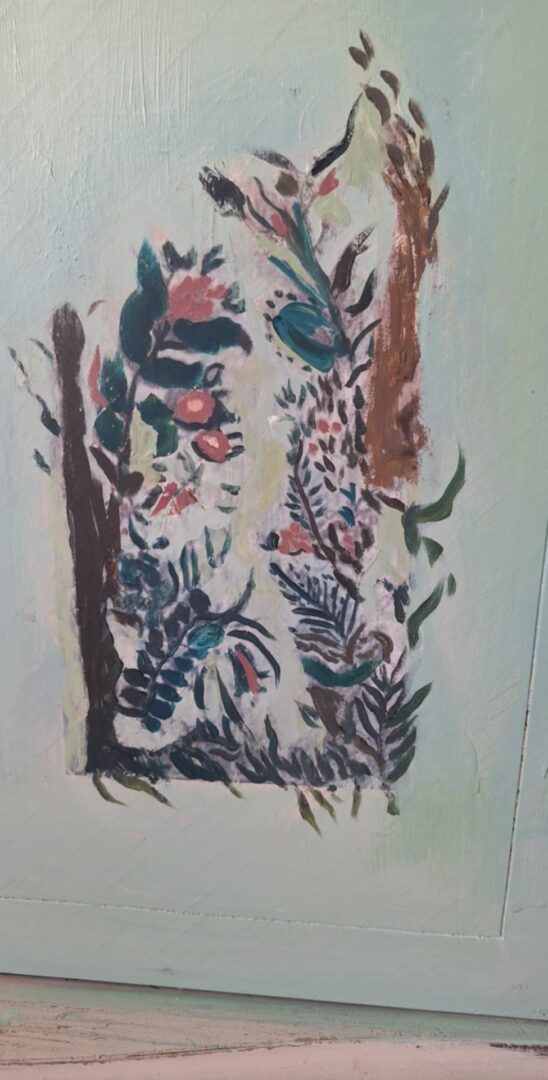
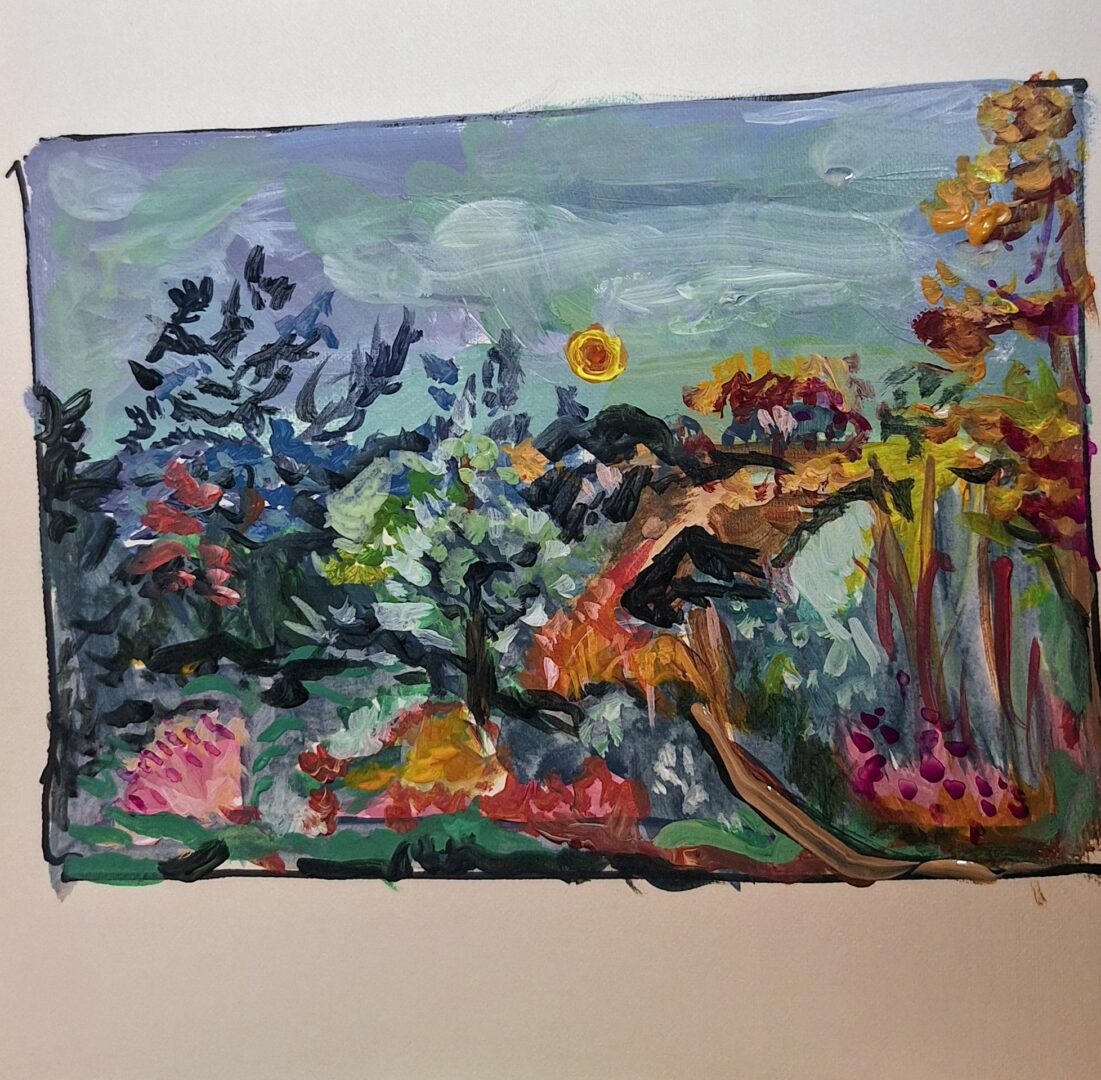
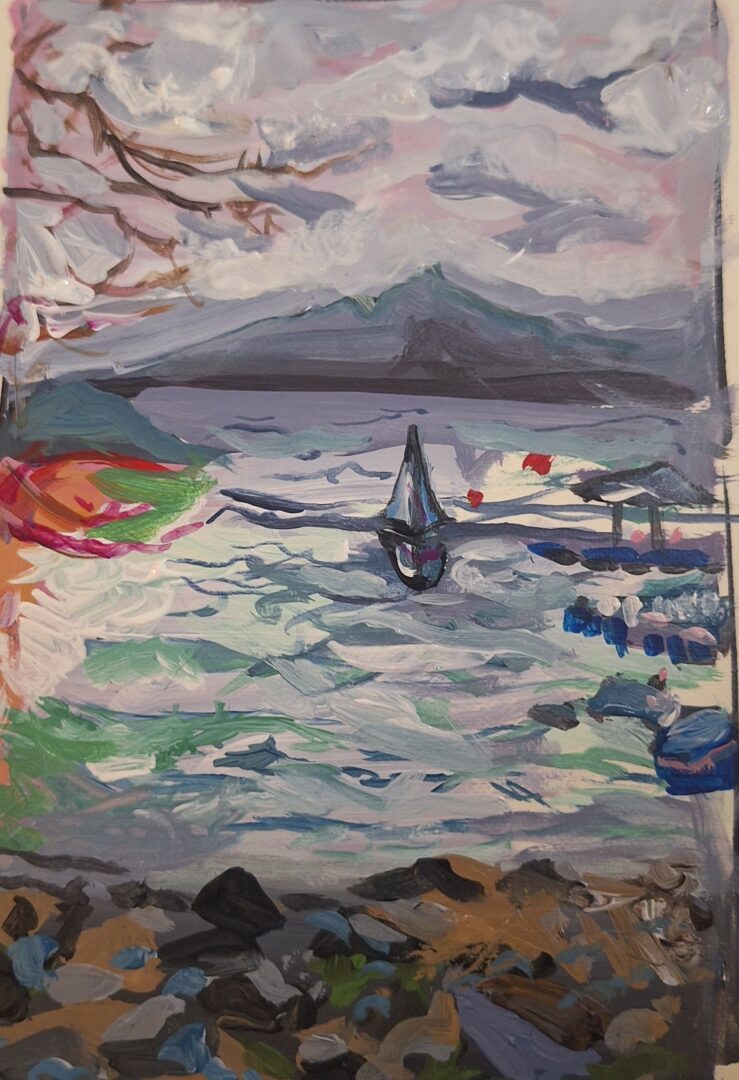
Short blurb: Elissia Kimball grew up in Southern Illinois, and she holds her B.A. in Art History. She is a self-taught artist, and her goal with her artwork is to inspire people to consider all the ways that a person can change and evolve while searching for self-actualization. She feels that people should embrace these changes, and spend time in nature to reveal the deepest sides of oneself, and to strengthen one’s spiritual connection with the world. Please visit her website at www. Hollowsemblance.com to learn more. This is a simultaneous submission.
Looking back, what do you think were the three qualities, skills, or areas of knowledge that were most impactful in your journey? What advice do you have for folks who are early in their journey in terms of how they can best develop or improve on these?
One of the most impactful qualities in my journey has been my ability to set and work toward goals in a structured way. I don’t just think about what I want to accomplish in a day; I look at my goals on a weekly, monthly, and even long-term basis. For example, if I’m preparing for an exhibition, I plan months in advance, breaking down the process into manageable steps. This approach helps me stay focused and prevents the feeling of being overwhelmed. My advice for beginners is to create a system that works for you, such as a planner or vision board, so that your daily efforts are always contributing to something bigger.
Another skill that has shaped my journey is learning not to compare myself to other artists, but instead to my own past work. Sometimes a person can fall into a spiral of self doubt when comparing themselves to others, but I’ve found that real growth happens when I focus on my own progress. I make a point to look back at my older pieces and acknowledge how I’ve improved. I also try to embrace mistakes as part of the process rather than dwelling on them. For those starting out, I’d suggest keeping a record of your work, so you can track your evolution over time.
Having dedicated time and space for my art has been essential. I don’t wait for inspiration to strike—I make it a habit to set aside blocks of time to create. If I have a couple of free days, I’ll commit several hours to working on my art. Organization also plays a big role in making this possible. I keep my supplies in a way that makes them easy to access and put away, which removes obstacles to getting started. My advice to newer artists is to think about how they can make their creative process as seamless as possible, whether that’s setting up a small workspace, prepping materials ahead of time, or establishing a routine that makes art a natural part of their week
Alright so to wrap up, who deserves credit for helping you overcome challenges or build some of the essential skills you’ve needed?
The two people who have been most impactful in helping me overcome challenges and develop essential artistic skills are my grandmother and Dimitra Milan.
From my grandmother, I learned the power of complete immersion in the creative process. She never let distractions—whether deadlines, to-do lists, or daily obligations—pull her away from her work. When she was in the studio, she was fully present, dedicating as much time as necessary to a painting. She taught me that it’s okay for a piece to take six months if that’s what it needs.
Dimitra Milan is an online teacher who helped me understand that artistic growth is an ongoing process, shaped by both external influences and the technical skills I develop. Through her teaching, I learned to embrace change in my style rather than resist it. Art isn’t static—it evolves as you refine your techniques, explore new ideas, and expand your understanding of color, texture, and composition. One of the most valuable lessons I took from her was seeing painting as a series of many steps. Even something as seemingly simple as mixing a palette isn’t just about selecting a few colors—it’s about building depth, layering warms and cools, and creating a cohesive atmosphere. She might mix 40 different colors for a single piece, and that level of intention and preparation has made me more mindful of my own process.
Contact Info:
- Instagram: @elissiamichelle
- Facebook: Elle kimball
- Linkedin: https://www.linkedin.com/in/elissia-kimball-7742aa87?trk=contact-info
- Other: https://ekarte.etsy.com
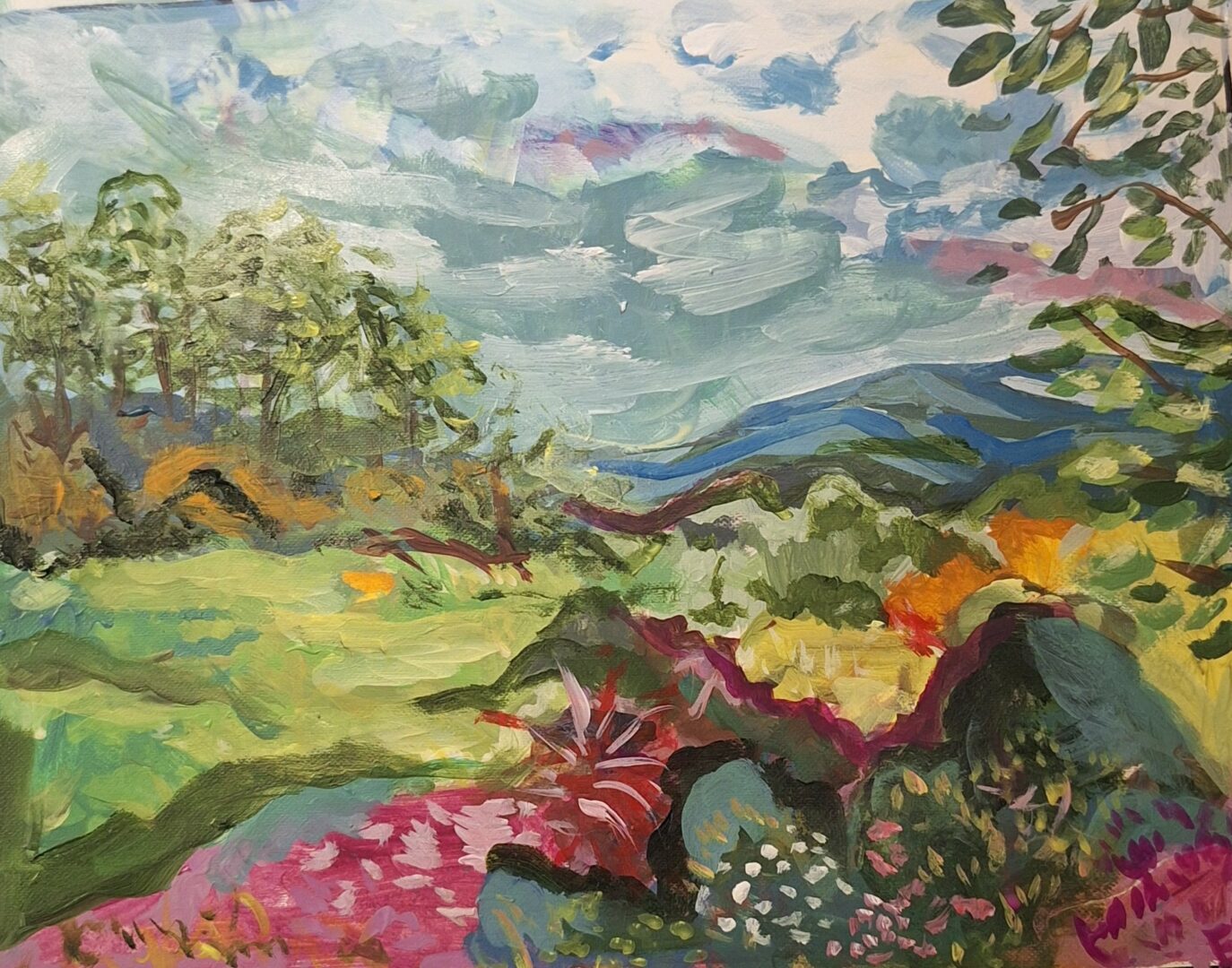
Image Credits
None
so if you or someone you know deserves recognition please let us know here.