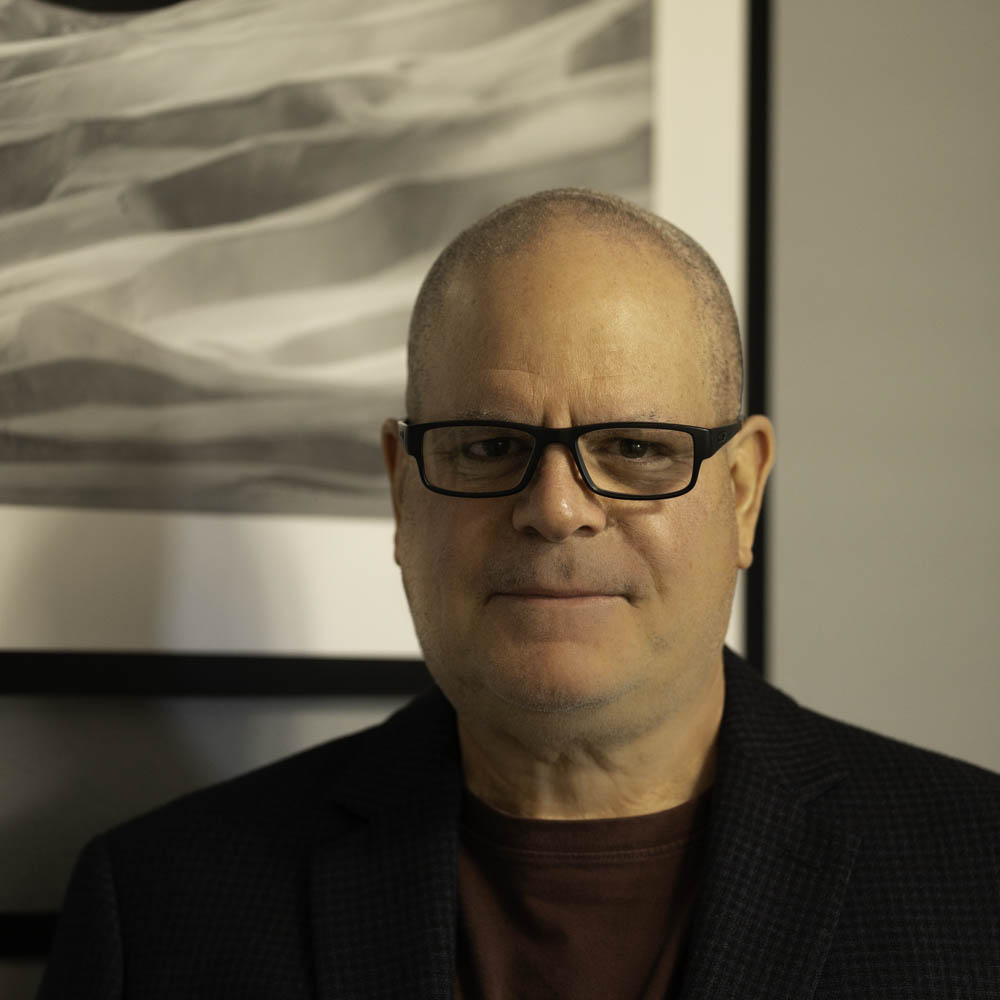
We caught up with the brilliant and insightful Eric Hagemann a few weeks ago and have shared our conversation below.
Eric, we’re so excited for our community to get to know you and learn from your journey and the wisdom you’ve acquired over time. Let’s kick things off with a discussion on self-confidence and self-esteem. How did you develop yours?
Simply put, my parents. I’m first-generation American, the son of two emigres. My father left Russian-occupied Germany after World War II and worked his way across Canada, eventually being legally admitted to the US. My mother came to the States from Panama for education. Both decided to make a life here and gained citizenship. Both of my parents left their families and familiar surroundings to seek a better life, working hard to achieve their goals.
The values of hard work, education, and independence were instilled at an early age. Most important was self-reliance and taking responsibility for your own actions.
Growing up short on resources, one of my mom’s favorite sayings was “you can laugh at my work, but you’re not going to get my money!” A humorous retort when asked why we did not pay for many services.
I was always encouraged to try new things, learn new skills, and not depend on others. This turned into confidence that I could face and overcome challenges.
I’m always looking to learn more and add new skills, further increasing my comfort in facing and overcoming challenges.


Thanks for sharing that. So, before we get any further into our conversation, can you tell our readers a bit about yourself and what you’re working on?
I’ve always loved figuring things out. My formal education is in Engineering, which led to a 37-year career in public service. I’ve also enjoyed teaching and supporting others. In parallel to my Engineering career, I lectured at the Whiting School of Engineering at Johns Hopkins University for a decade, helping working Engineers expand their skills. But I never limited myself. My Mother was an artist and my father an amateur photographer. I fell in love with photography at an early age and am now focused on it full-time.
Over the years, I’ve developed an appreciation of photography as an art form. Beyond the utilitarian use of a camera to form images, it allows the photographer to create a unique view of the world. We all exist in the same reality, but each of us sees and interprets it differently, shaped by the differences in our senses and accumulated life experiences. A well-crafted photograph creates a unique view of the world, ultimately allowing the photographer to share their interpretation with others.
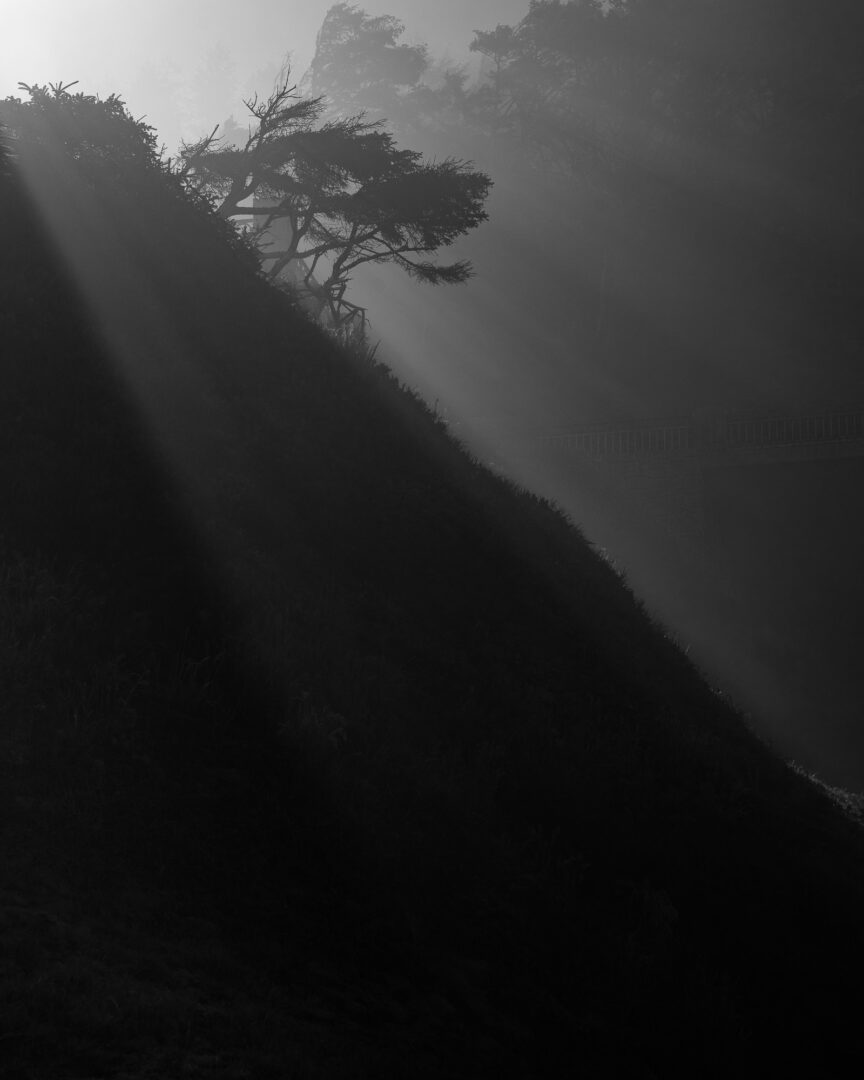
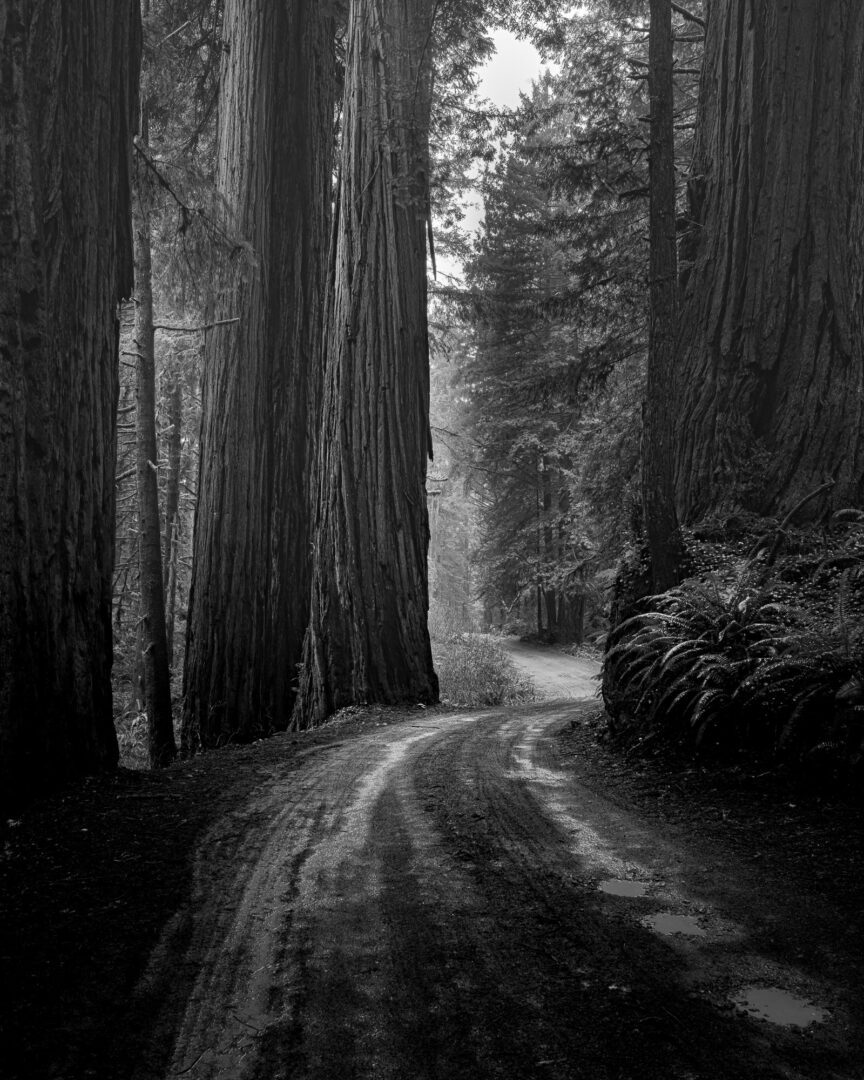
My photographic journey is now focused on creating fine art black-and-white images of landscapes and architecture, demonstrating how I see and interpret the world. Working in monochrome frees me from the realities of color and enables my vision to come through.
I’m also excited to share my accumulated skills with others. I’ve recently added Photo Education to my portfolio (www.solsticephoto.com). I believe that postprocessing is a necessary skill for expressing your photographic vision of the world. Using my technical background and teaching experience, I enjoy helping others overcome the sometimes steep learning curve of learning image processing tools.

Looking back, what do you think were the three qualities, skills, or areas of knowledge that were most impactful in your journey? What advice do you have for folks who are early in their journey in terms of how they can best develop or improve on these?
The most important skill is to remain curious. Gaining knowledge, however unrelated or tangential to your journey, adds to your skill set. Learn everything you can. Explore what interests you. Diverse knowledge only adds to your value.
The second skill is to make connections and build your tribe. Meet people. Learn what they do. As the saying goes, “we are all in this together.” It’s always good to “know someone” who may be able to help you; connections bring opportunity.
The third skill is to be helpful. Always. Whether in the workplace or among your friends and acquaintances, seek to understand what would help them advance and help them achieve their goals. This kindness will always be repaid.

Alright so to wrap up, who deserves credit for helping you overcome challenges or build some of the essential skills you’ve needed?
I had an 11th-grade English teacher who convinced the school to break from the standard curriculum to teach a semester on “Semantics,” the teachings of S.I. Hayakawa. The core lesson is that our use of language is dependent on our life experiences. We may use similar words, but they may mean different things depending on our upbringings. If we are going to communicate, we must establish shared experiences, which is why humans share stories. Stories of similar experiences build connections. It was also emphasized that the sender is responsible for ensuring the recipient understands the message. It’s never correct to say that someone is “too dumb to understand.” The fundamental responsibility is for the sender to ensure the message is expressed in a way the recipient can understand. The simplest example is that, if you are traveling and you need something from someone in a foreign land, it’s not their responsibility to know your language; it’s yours to know theirs.
These concepts have been fundamental to my success. When I talk with someone, whether they are familiar or not, I am also looking for clues on whether they understand my message. I’m always seeking to understand their view and adjust my communication accordingly.
Contact Info:
- Website: https://www.erichagemannfineart.com
- Instagram: @hagemann.fineart
- Facebook: hagemann.fineart
- Linkedin: eric-hagemann-586373271

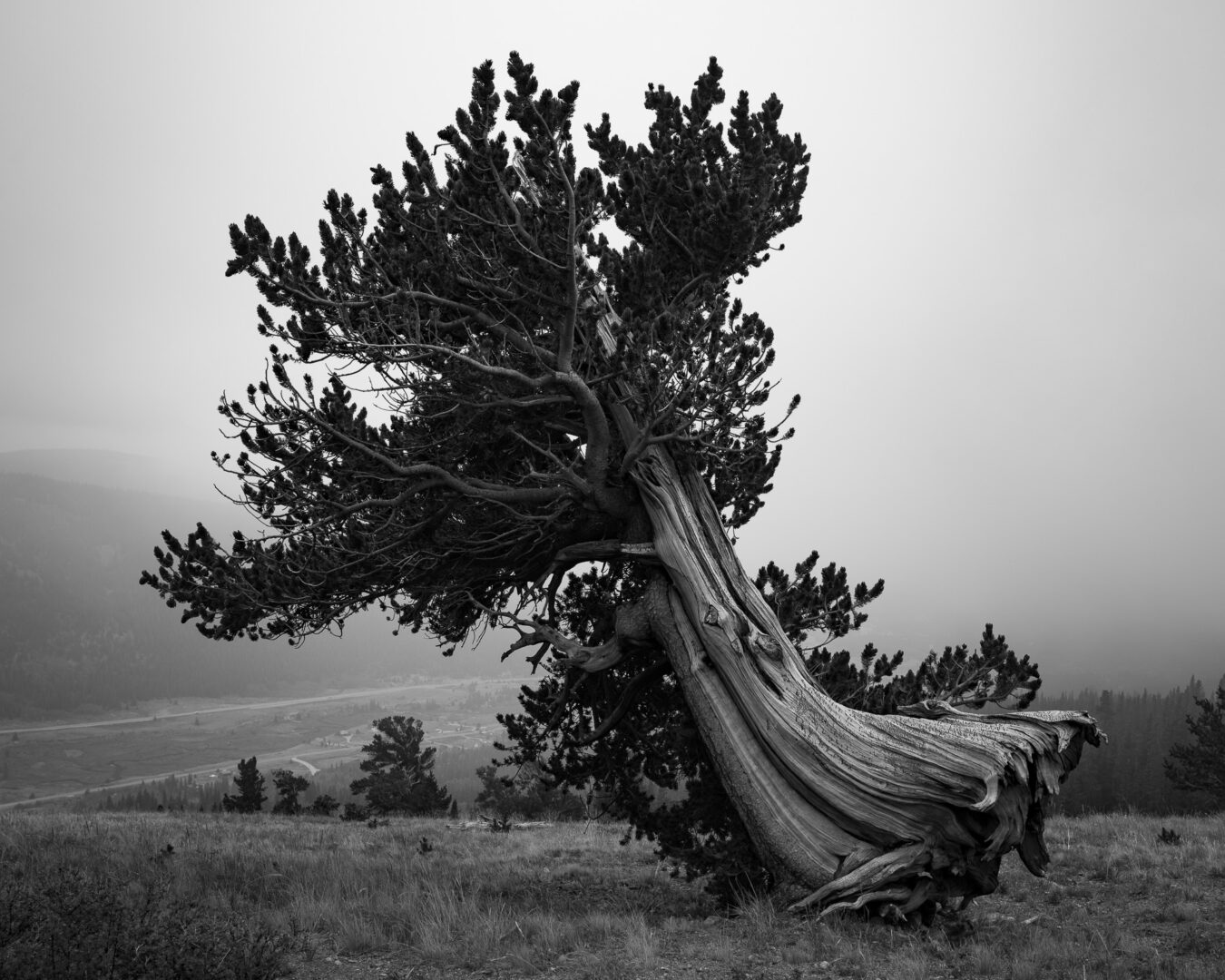
Image Credits
all images are ©Eric Hagemann
so if you or someone you know deserves recognition please let us know here.