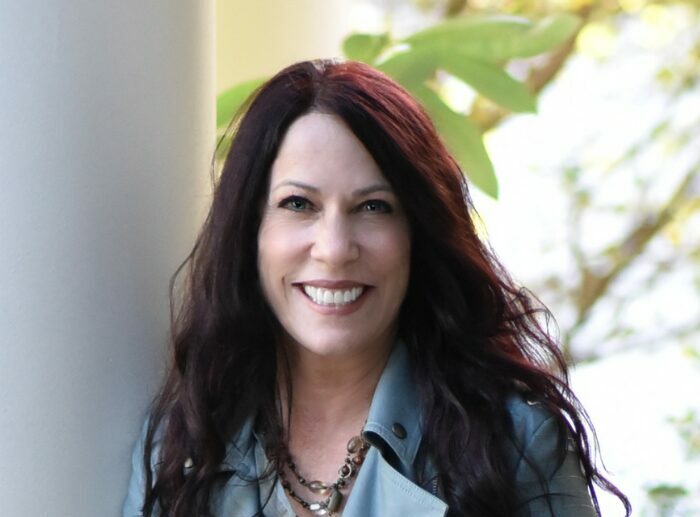
We were lucky to catch up with Erin Kaufman recently and have shared our conversation below.
Erin, so great to be with you and I think a lot of folks are going to benefit from hearing your story and lessons and wisdom. Imposter Syndrome is something that we know how words to describe, but it’s something that has held people back forever and so we’re really interested to hear about your story and how you overcame imposter syndrome.
I love this question because I think it is quite common to feel this way when you’re new at something or new to a specific area within your field. When I first opened my physical therapy practice, I wanted women to know that pelvic floor therapy was now an option closer to home. Right out of the gate I had some complex cases that really made me aware of how much more there was to learn. This is where imposter syndrome started to creep in. Rather than allowing that feeling to take over, I was able to recognize that it’s ok that I don’t know everything. What I do know is that people appreciate being treated as individuals, getting care specific to what they need, with cues and feedback that resonate in ways they understand. I know that the “initial evaluation” goes beyond that first appointment, and it’s my job to continue to reassess, research, and implement strategies tailored to that individual. I know that people want to feel heard, understood, and treated with kindness and empathy, and especially in the area of pelvic floor rehab, this is paramount. It’s the quiet confidence that builds over time, the ability to remain humble in times of uncertainty, and the desire to get better every day that prevents imposter syndrome from taking over.
Thanks for sharing that. So, before we get any further into our conversation, can you tell our readers a bit about yourself and what you’re working on?
My story, as it relates to my business, began with my first pregnancy. I was in my second year of physical therapy school at the time and my husband and I thought if we could time things right, I could have a baby right at the end of my second year when I knew that I would have some time off. Writing this out and even telling people about it seems like a crazy thought, or very poor timing, or both. As luck, or God, would have it, I delivered the Sunday following my last final and was able to spend the next 10 weeks adjusting to motherhood before beginning my third and final year of school. My pregnancy was relatively smooth; my delivery and recovery were a little more difficult. I spent the next several months wondering if what I was feeling physically was normal and if my struggles were just part of new motherhood. I didn’t really want to talk to anyone about it because I just kept wishing that one day things would improve, but truthfully, I was suffering and only my husband knew. Then we had a guest lecturer come to our class to introduce pelvic floor therapy. I had no idea this existed and I remember sitting in class with tears in my eyes; this woman was a godsend. This physical therapist addressed my concerns, validated my struggles and fears, and helped me to recover physically and mentally. I left my last visit knowing that one day I would want to be able to help people the way she helped me.
My goal then, and even now, is to be sure that women know help is available; no one should suffer in silence. Many people, even some healthcare providers, aren’t exactly sure what pelvic floor physical therapy is or how it can help. Unfortunately there are stigmas associated with it, some that include only needing it if you leak, have had a baby, or are older. Many people don’t know that it can be immensely useful not only during the postpartum stage, but also preparing for delivery. It can be helpful for many different conditions outside of urinary incontinence (leaking) including pelvic pain, painful intercourse, and chronic low back or hip pain. And spoiler alert, many men benefit from pelvic floor therapy – yes, they have a pelvis, too! Poor pressure management, with or without exercise, and post surgical procedures can affect men in the same ways women can be affected and they also deserve to know that help is available.
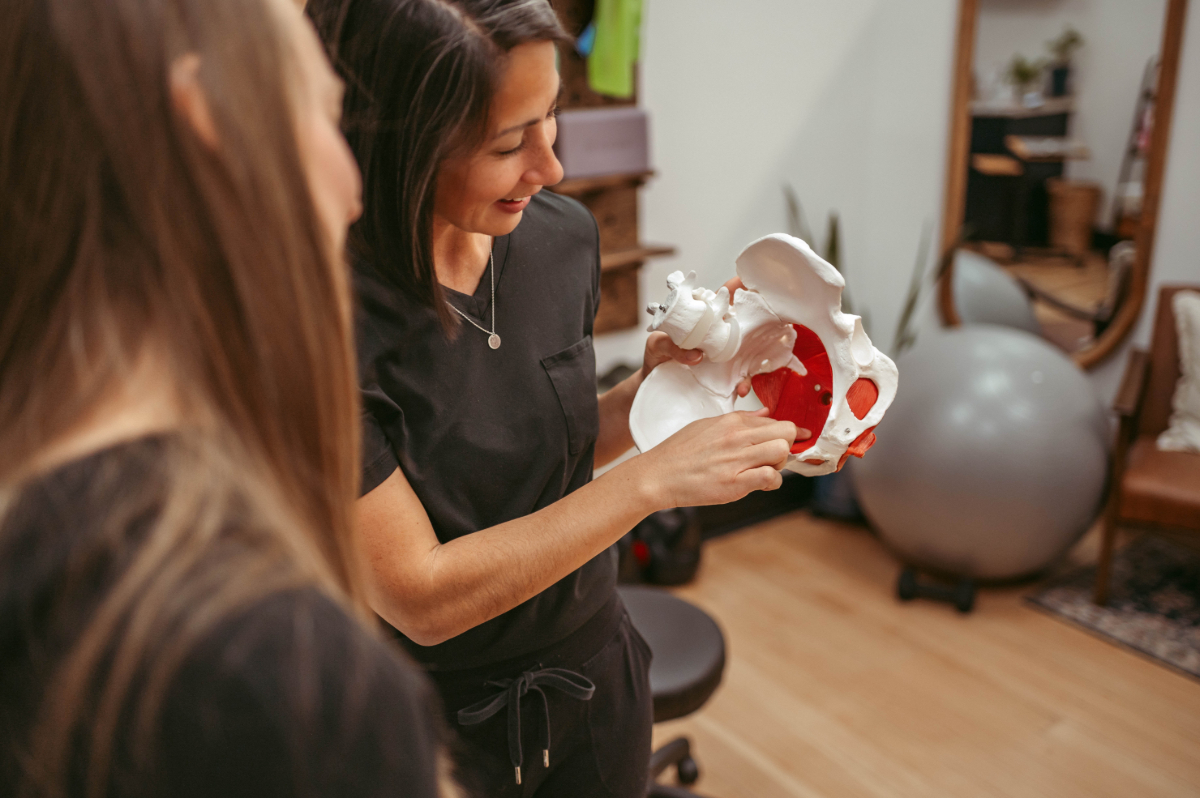
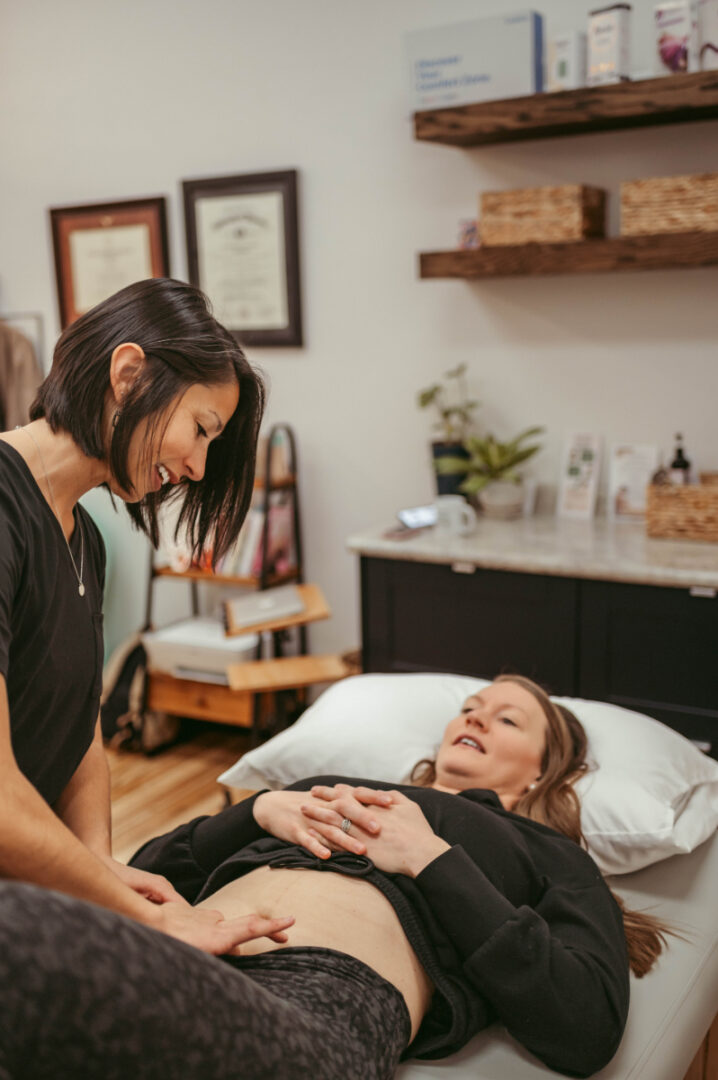
While I treat all physical therapy needs in my practice, I have a special interest in increasing access and awareness to pelvic floor therapy in my smaller rural town. Women no longer have to drive 45 minutes or more or wait months to be seen. I’m passionate about providing one on one, individualized treatments where there is continuity of care from one session to the next. I have the opportunity to really get to know my patients and to give them my undivided attention. This is not often the case in a more traditional therapy setting where someone might work with multiple providers. I also offer a workout class twice a week with education around pelvic floor therapy topics to again increase awareness and access to prevent or improve conditions that may be attributed to pelvic floor dysfunction.
If you had to pick three qualities that are most important to develop, which three would you say matter most?
The qualities that have been most impactful in my journey are simple:
-Be willing to learn and know that the learning never ends. Learn how to be better not only at your skillset, but learn how you can set yourself apart, too. Whether that’s in the form of what you offer, how you treat, how you follow up with people, or how you can make a positive impact in your community. I believe that all of those little nuances matter, especially when starting out, and especially in a smaller town where word of mouth recommendations are powerful.
– Know that something doesn’t need to be perfect or “finished” in order to get started. Get started and learn as you go. For someone in pelvic floor rehab, you don’t have to have all of the tools and equipment that you think you do. Get the things in order that you absolutely need to get started, then dive in. You can always acquire various tools along the way.
-Stay true to yourself; don’t feel like you need to be like anyone else. I’m not the most serious person but I do take my work seriously. I love to laugh when the time is appropriate and I’m not afraid to shed a tear when needed, too. The care I provide sometimes comes with difficult or uncomfortable conversations so it’s very important for my patients to feel safe during a time when they may be feeling very vulnerable.
My advice for someone early in their journey: Remain humble, see the big picture, and know your goals. They can be simple to start. It’s easy to feel overwhelmed in the beginning because it might seem like there is so much to do and doubt may creep in. Break things down into manageable steps that you can achieve. Accept that things may start slow in the beginning, have faith in yourself, and know the work you’re doing is important.
Alright, so before we go we want to ask you to take a moment to reflect and share what you think you would do if you somehow knew you only had a decade of life left?
I think I would spend my last decade doing exactly what I’m doing, but with a few more family vacations sprinkled in. I get so much joy out of helping my patients to move with less pain or discomfort, to have easier deliveries, to feel strong throughout their pregnancy, and to be more knowledgeable about preventing pelvic floor dysfunctions in the first place. I love knowing that what I do truly improves the quality of my patients’ lives and the fulfillment I get from that is something I don’t see myself giving up for a long time!
Contact Info:
- Website: https://ekphysicaltherapy.com/
- Instagram: @ekphysicaltherapy
- Facebook: EK Physical Therapy
- Other: Questions are welcome and can be emailed to [email protected]
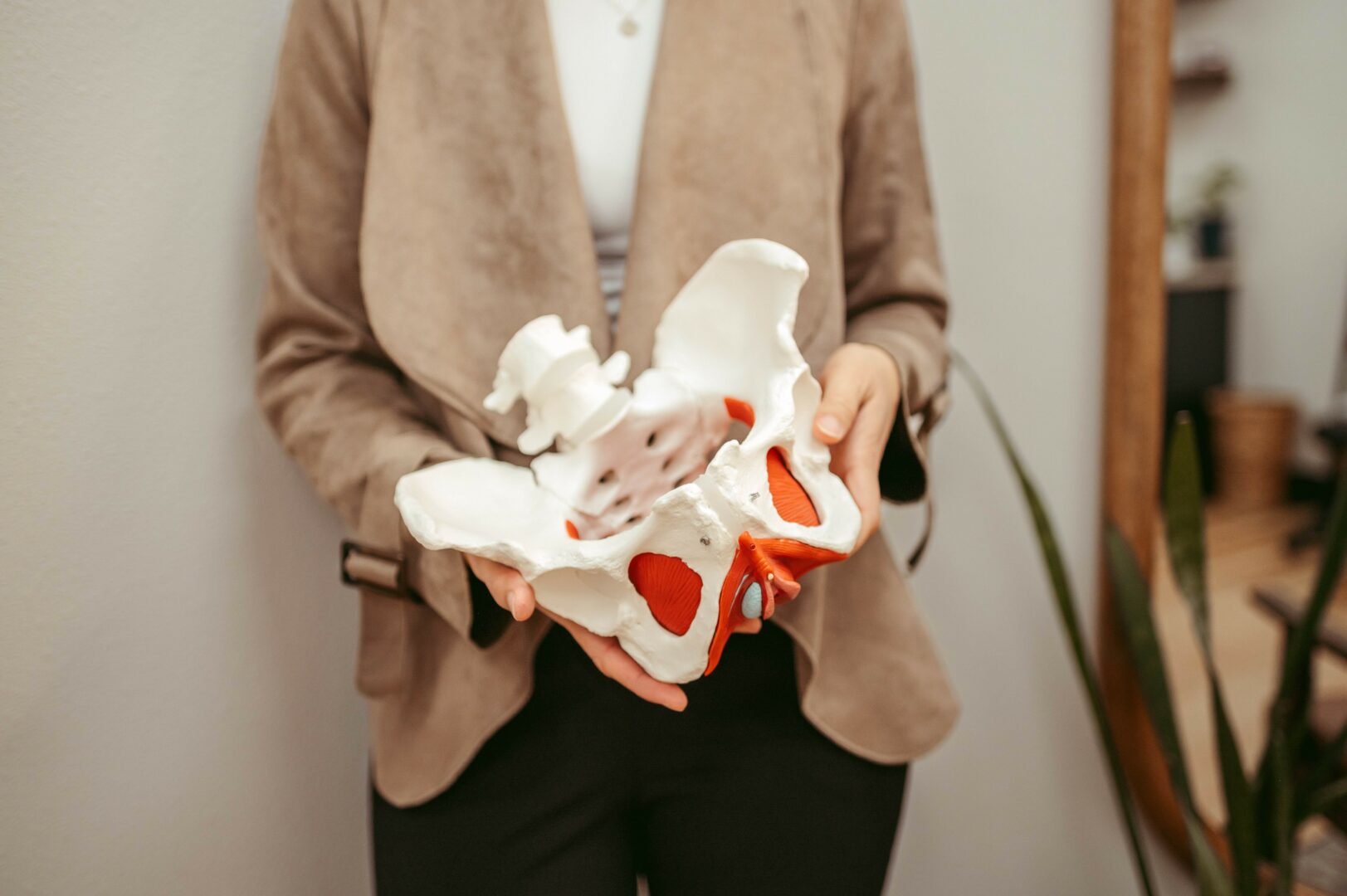

Image Credits
Cedar and Bloom Photography
so if you or someone you know deserves recognition please let us know here.