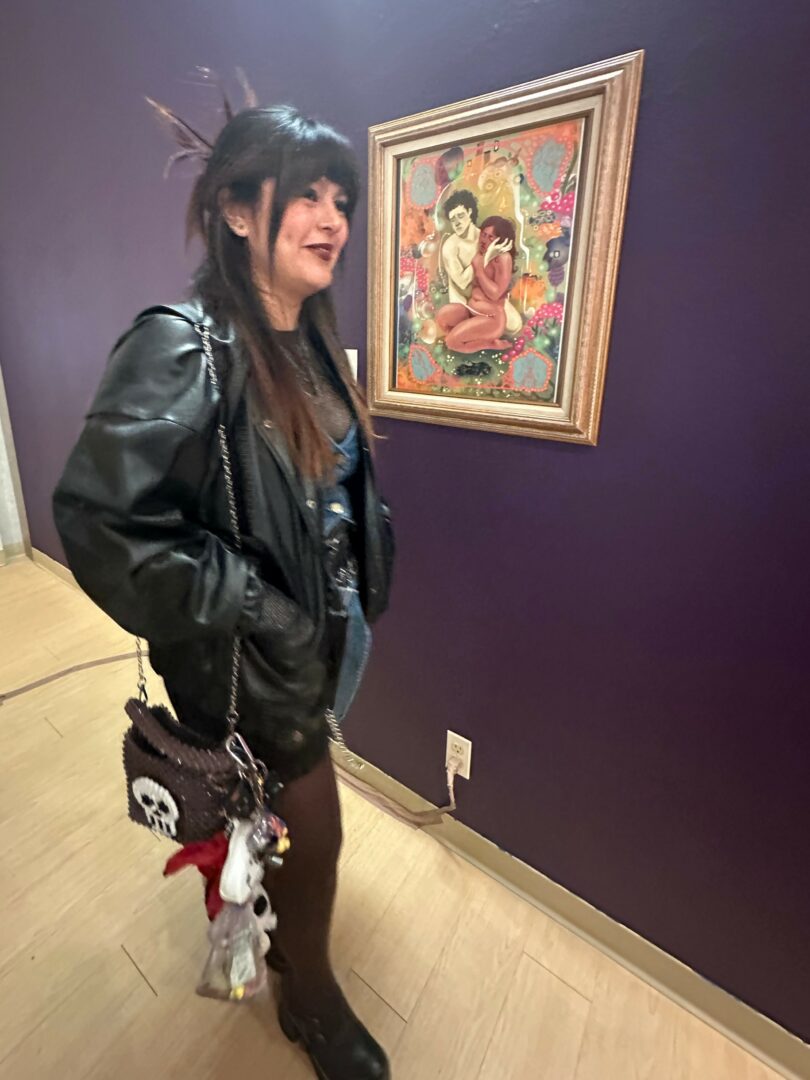
We recently connected with Georgina Padilla and have shared our conversation below.
Hi Georgina, so excited to talk about all sorts of important topics with you today. The first one we want to jump into is about being the only one in the room – for some that’s being the only person of color or the only non-native English speaker or the only non-MBA, etc Can you talk to us about how you have managed to be successful even when you were the only one in the room that looked like you?
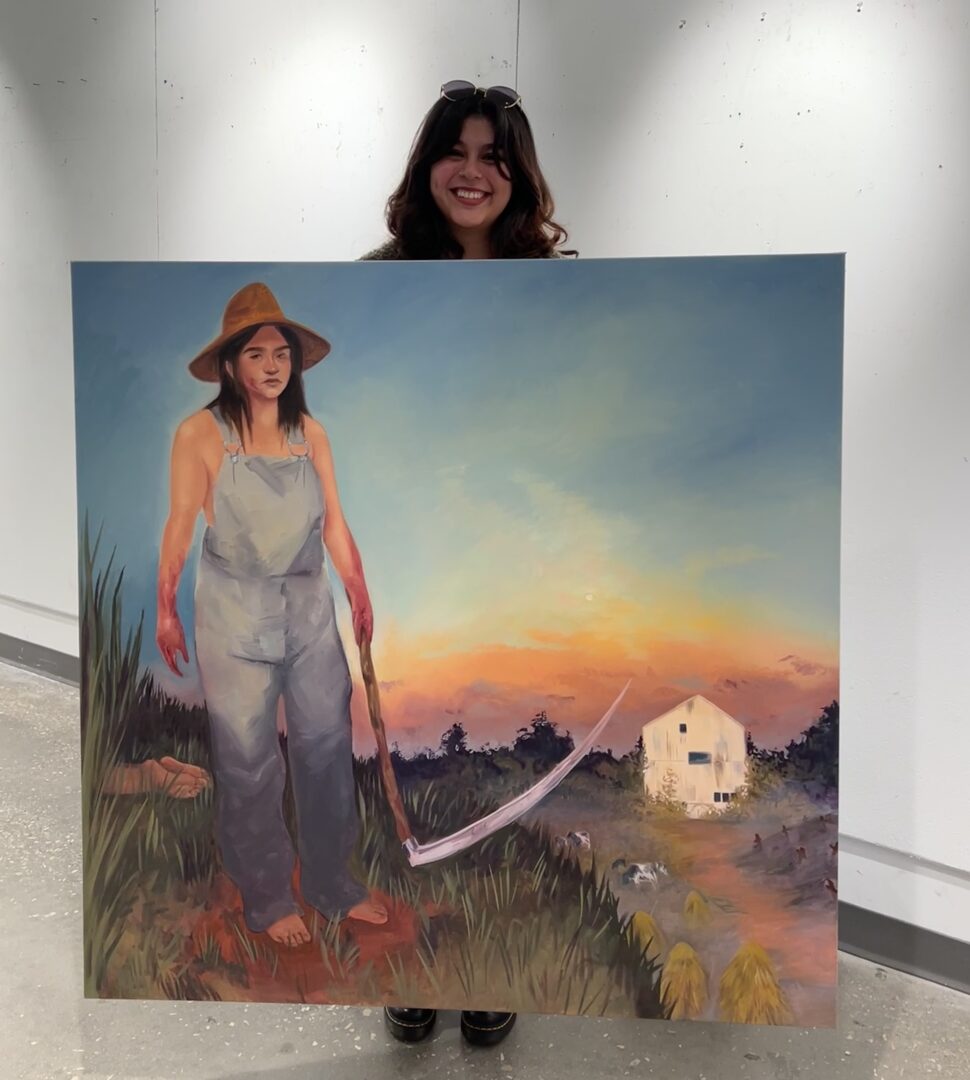
Looking different was never a reality for me until I moved to the US from Mexico. Suddenly not being able to relate to anyone around me, not in language, appearance, or culture was difficult. It was a harsh reality to experience racism, micro-aggressions, and feeling like an outsider in the land that makes a promise to be for everyone, no matter where you are from. Going through the stages of feeling like I didn’t belong was a challenge to overcome, trying to assimilate, and then finding myself again as I grew older through recognizing and acknowledging that me being different from most people around me was not a disadvantage but an opportunity to share my perspective and create unity through art.
Taking those feelings of alienation and loneliness and putting them towards creating art that spoke to me and for me to audiences was important and what got me through.
I believe that that uniqueness we all have can be turned into motivation to create something special, especially in our present-day society where community is most important.
Let’s take a small detour – maybe you can share a bit about yourself before we dive back into some of the other questions we had for you?
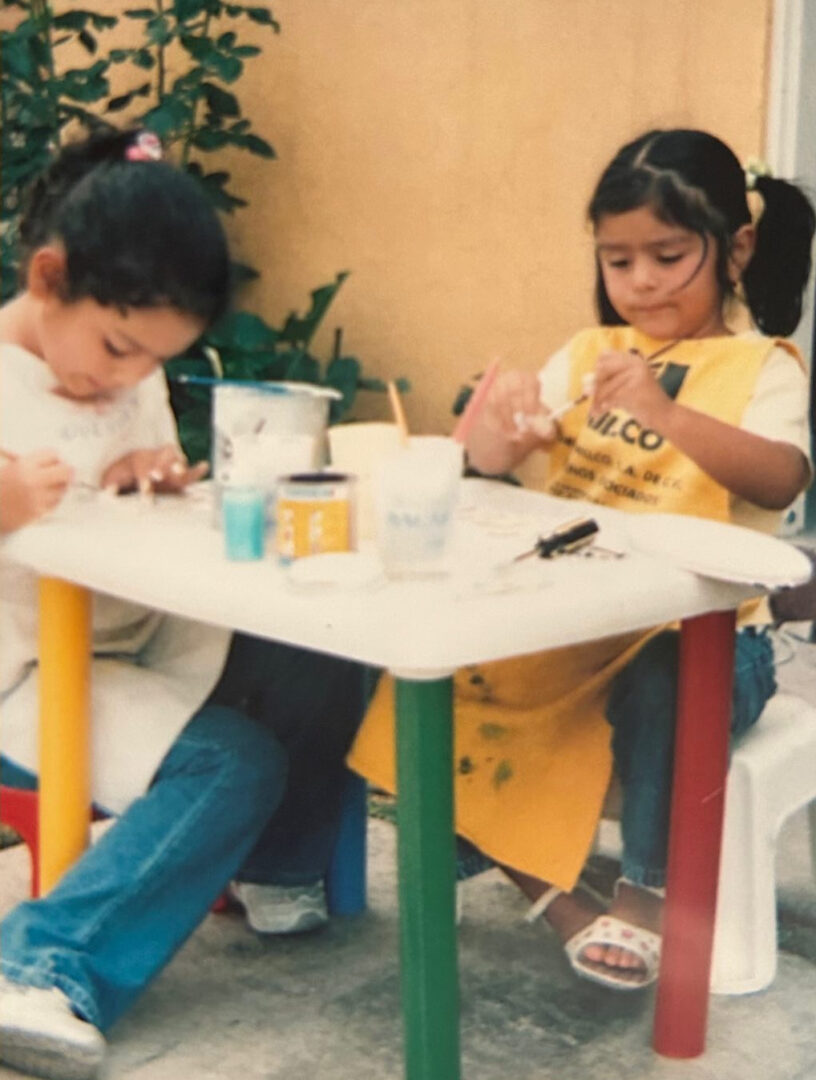
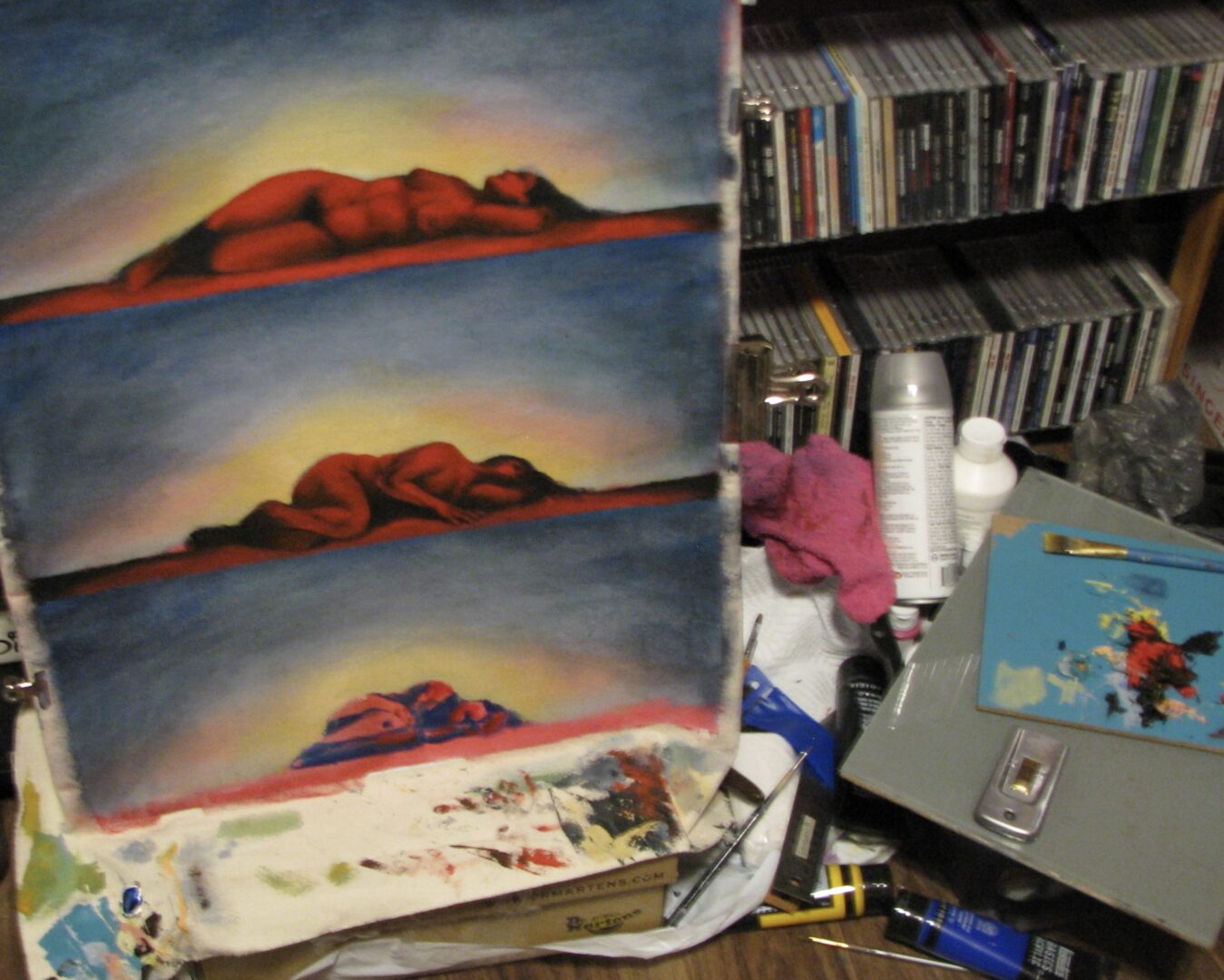
I am a painter based in DFW and my artworks are mostly about my experience as a first generation Mexican immigrant. I have been drawing and painting for as long as I can remember and was always encouraged to by my parents, but as I transitioned into college, at UNT, my professors taught me how to use my story and feelings as a tool for art-making; it was then that my portfolio started taking shape and by my senior year I was able to curate my own solo show in the university’s gallery.
Painting feels so special to me because it’s what I believe I was born to do, it has always been so fascinating to me; like going to a museum, looking at a painting up close and being able to see the paint-strokes and maybe even sometimes fibers from the brushes left behind, or unfinished pieces where you can see the underpainting. It’s like time traveling.
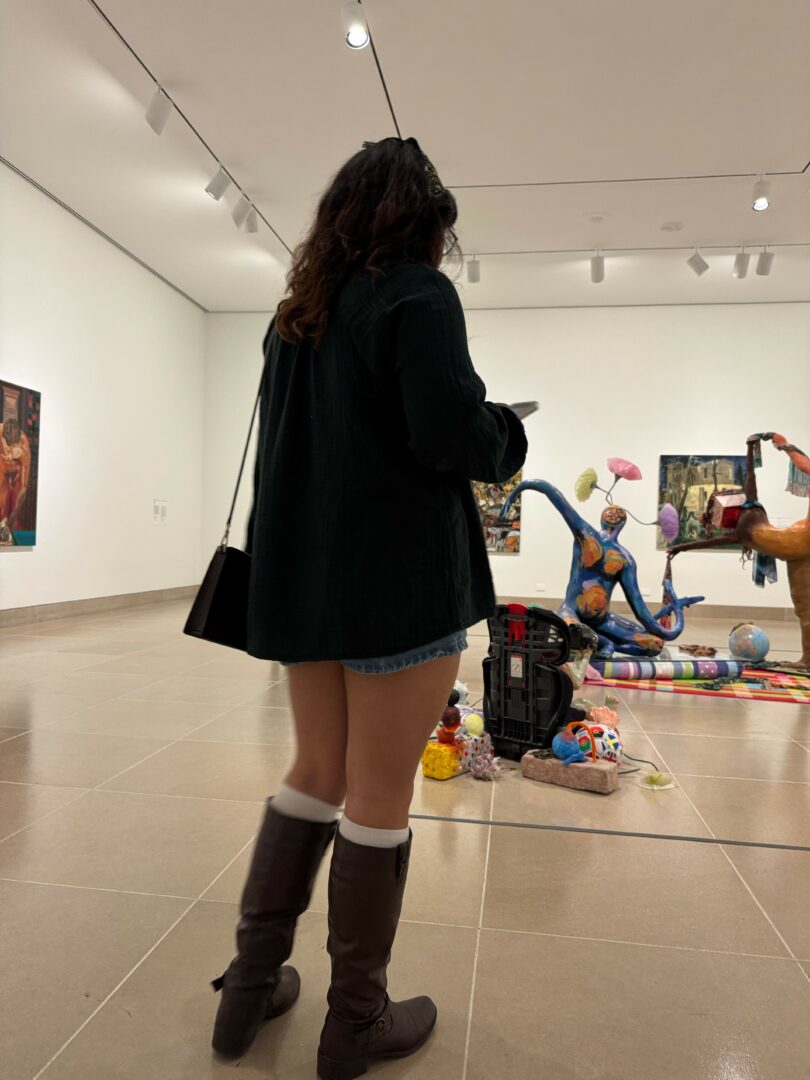
After graduating, I hit a wall in my creative process and didn’t make any big pieces until recently. Part of that block was from constantly creating pieces that were due by certain deadlines for school, but graduating took those away, so making myself paint was a challenge. It felt like inspiration had abandoned me. I overcame that by allowing myself to have a break and also looking at more art in museums, art shows, galleries, and even pinterest.
I take pride in saying I’m an artist. It keeps me motivated to keep working, and pulls me out of the infamous art-block, even if some pieces are so bad they’re never seeing the light of day.
Looking back, what do you think were the three qualities, skills, or areas of knowledge that were most impactful in your journey? What advice do you have for folks who are early in their journey in terms of how they can best develop or improve on these?
What’s been most impactful in my journey has been my professors and peers at UNT, constant practice, and knowing that knowledge and progress never really end.
The art critiques in college were so valuable because aside from helping grow a tougher skin to criticism it also helped me develop and refine my practice. Making sure you are always practicing your skills, by constantly drawing or revisiting drafts that don’t seem quite right, it’s all good practice. And most importantly, being aware that learning never ends, with every new piece you make you learn something new, either about how to work better with your mediums, how long it takes you to paint something, how to prepare for a piece better, etc, even new critique from fellow artists can help you learn something new about yourself you hadn’t noticed before.
As we end our chat, is there a book you can leave people with that’s been meaningful to you and your development?
I recently picked up a book called Art & Fear by David Bayles and Ted Orland, it was such an eye-opener and it called me out in the best way 20 pages in. It talks about what we artists struggle with during our artmaking, like how we may struggle with bringing a vision to life, what talent really is, expectations for ourselves, dealing with how an audience might perceive your art and how we shouldn’t equate bad reviews to our value as an artist or as person, and why artists quit. That last part was so interesting to read because it talks about how some artists, that although they might be passionate about their practice, they end up accidentally quitting by never painting again because they don’t know how or don’t feel confident in their abilities to get started; or because their artwork doesn’t have a destination or somewhere to belong to.
It was a call to action because I could see myself going down that slippery slope, so if you are reading this, take this as your sign to get started. I do recommend this book to everyone that makes art, whether that is writing, painting, photography, etc.
Contact Info:
- Website: https://georgiapadilla24.wixsite.com/georgina-padilla
- Instagram: https://www.instagram.com/georginapadillart/
- Linkedin: https://www.linkedin.com/in/ximena-padilla-rincon-454946300/