We’re excited to introduce you to the always interesting and insightful Grier Coleman. We hope you’ll enjoy our conversation with Grier below.
Grier, thank you so much for taking the time to share your lessons learned with us and we’re sure your wisdom will help many. So, one question that comes up often and that we’re hoping you can shed some light on is keeping creativity alive over long stretches – how do you keep your creativity alive?
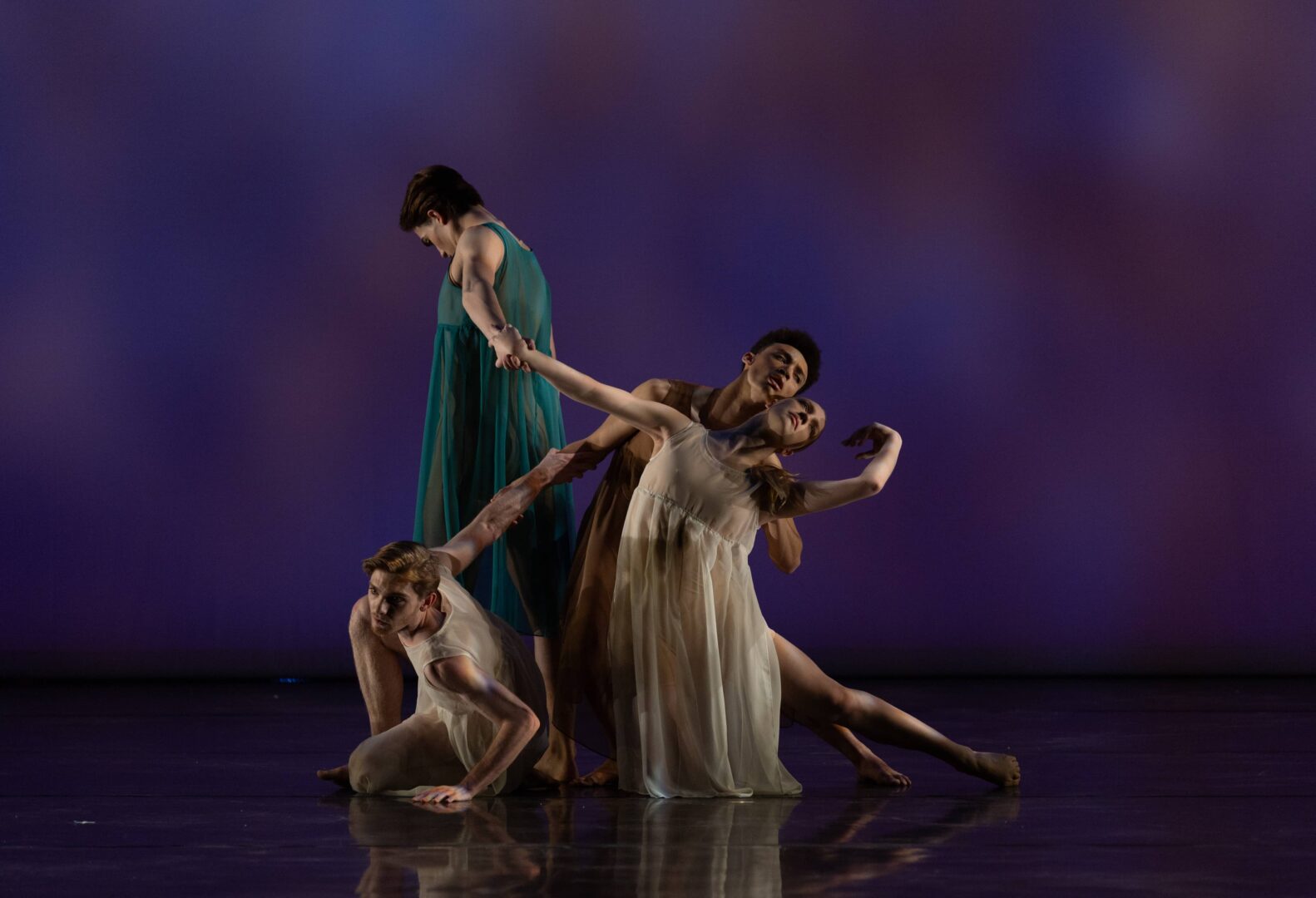
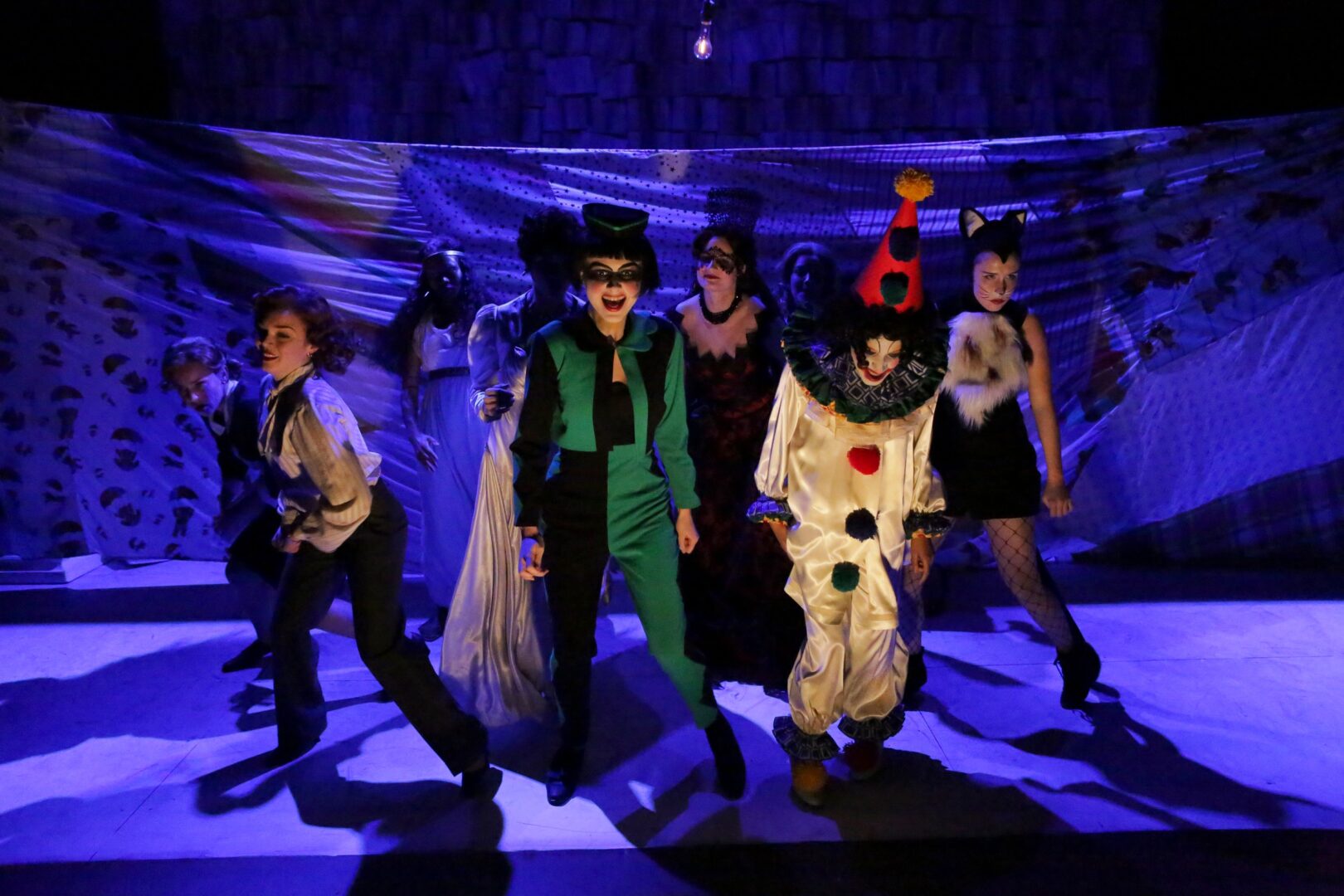
I am a costume designer, so being creative is part of the job. Sometimes it’s easy and sometimes it’s very challenging. The good thing about costume design is that it isn’t a solo activity. I might spend time alone reading, researching or drawing, but the bulk of my work is a collaborative experience. I get to work with so many different types of people in my line of work. I meet with directors or choreographers and brainstorm ideas for a show or dance, then I get to meet with drapers, pattern makers, crafts artisans and figure out how to makes the clothes a reality, and then I get to work with the performers and figure out how to make the character come alive.
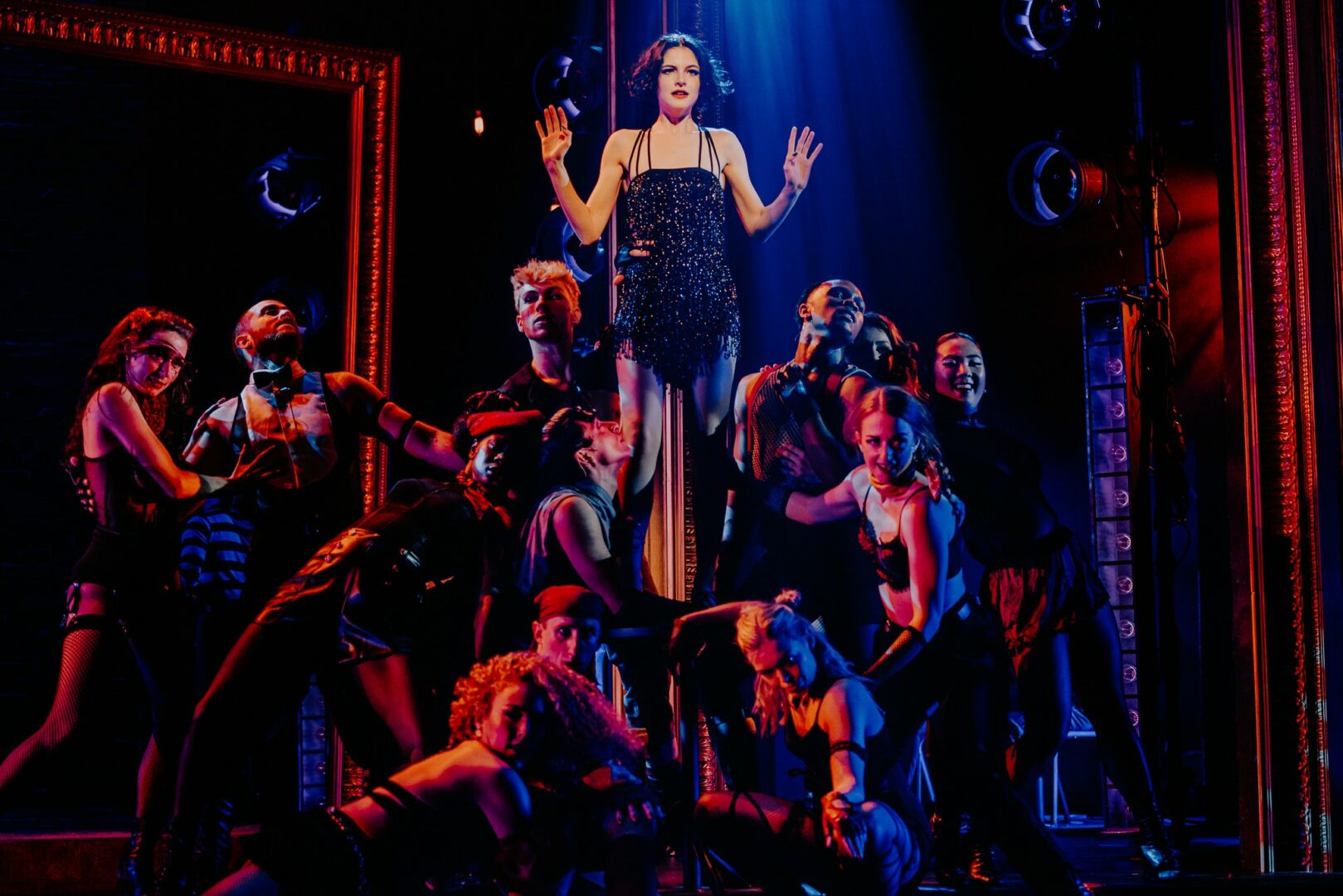
Costume design is all about problem solving, which keeps you on your toes. I have done the same show multiple times, but the circumstances are always unique. You have different ways to approach the same script. You can change the setting, time period, gender of the characters in collaboration with a director, and then you will always have a different cast, so you have new bodies to design for, which allows to make the best costume for that particular person. Certain shows like Cabaret that comment on a very specific moment in time can take on new meaning based on current events, so a piece of theater is always taking on new meaning.
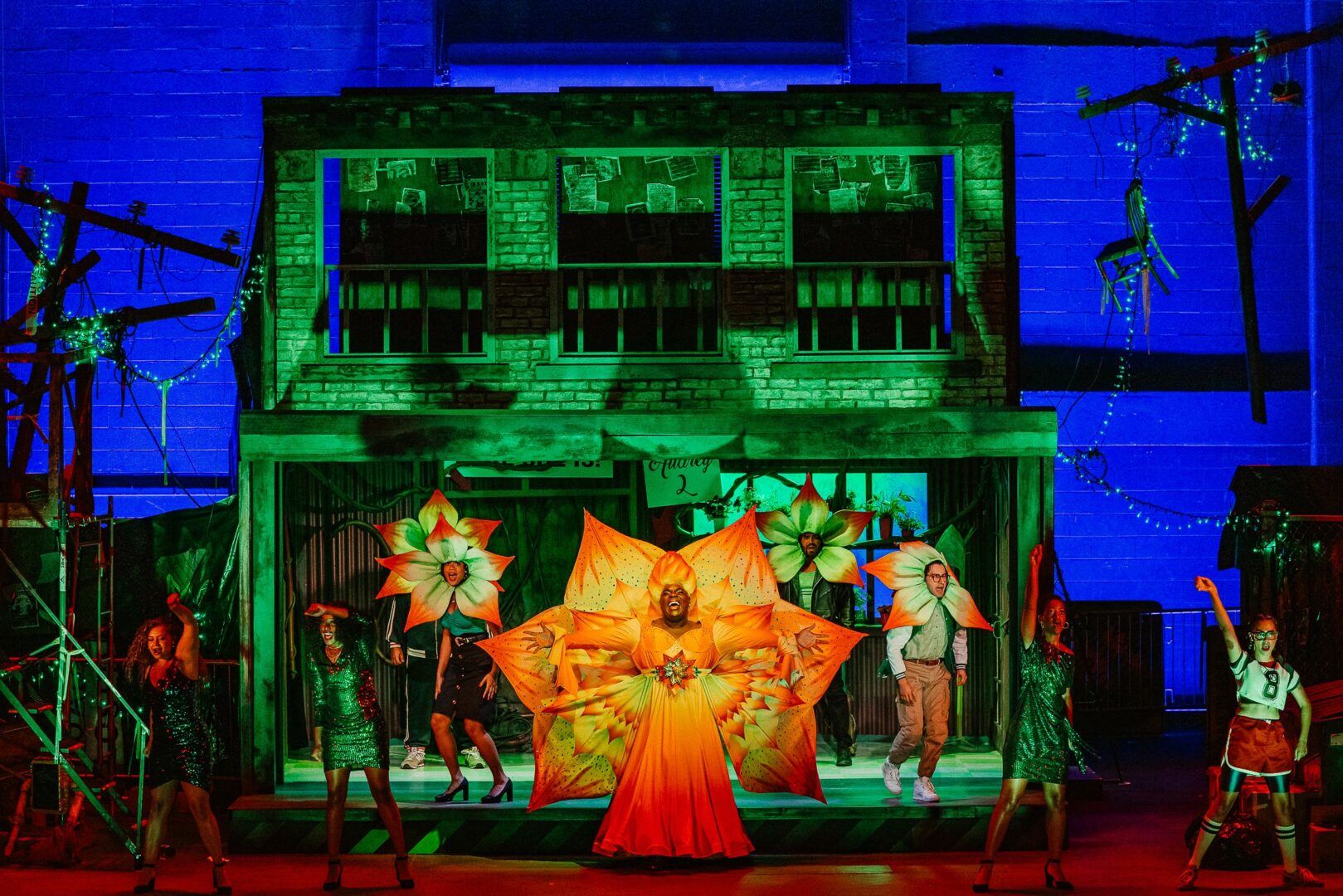
Working in theater, which is ever evolving really helps spark the imagination and keep my creativity alive. Costume Design is kind of like an anthropological study. We, as designers and performers, are trying to figure out who the characters are and visually help an audience go on the journey with us. To help me do this, I spend a lot of time researching different people, cultures, and historical clothing. I also get inspiration from all around. I got an idea for my next show (Little Shop of Horrors) by seeing the same person over and over on the subway, which inspired a 1970s punk dentist.
When I am not designing, I try and keep myself busy with related skills. I like to draw, paint, quilt and needlepoint. I think teaching myself these skills has helped improve my creativity because they spark new ideas and approaches for my theater work.
Thanks for sharing that. So, before we get any further into our conversation, can you tell our readers a bit about yourself and what you’re working on?
I have been a costume designer for about 20 years professionally. It’s a job that I never knew that I wanted or even that it existed. As a child I was obsessed with dressing up American Girl dolls and Barbie. I used to make clothes out of leaves and toothpicks and designed my ice skating costumes the one year my hand-me-down skates fit me. At church I remember being mad at the nativity play because I was told to be Mary, but I wanted to be the camel because it had a way more interesting costume. I went to a public high school in North Carolina that was very underfunded, so we didn’t have a theater department, so I wasn’t really exposed to much that would show me that costume design was a viable career. In undergrad at the University of North Carolina, I remember paging through the course catalog and found a whole section dedicated to costume design and costume making. I quit my anthropology track (which was still super relevant to costume design) and switched my major to Studio Art and a Costume Design minor ( I was too afraid of the one required acting class to make it a double major, which of course I now regret). I designed about 20 shows in my last years of undergrad and fell in love with costumes. After UNC, I was accepted into The Juilliard School’s Professional Intern Program. (Now know as the Professional Apprentice Program. I moved to NYC with two suitcases without ever stepping foot in here before. At Juilliard I was able to assist a variety of designers in the disciplines of Drama, Opera, and Dance. Juilliard really opened up the profession for me, I worked steadily assisting on large shows, designing small shows, and in a broadway costume shop as a crafts artisan for a few years. I ultimately wanted to be able teach and new a terminal degree would allow me to eventually do that, so I decided to apply to grad school and attended the Yale School of Drama. (Now the David Geffen School of Drama at Yale). Theater is such a small community a lot of work comes from word of mouth, so since graduating a decade ago from Yale, I have been happily working as a costume designer across the East Coast.
I have two young children, so I mostly focus my work on regional theaters that have amazing costume shops and support for parents. It’s a great atmosphere to work in, especially when you get asked to come back year after year. This coming spring I have shows in NYC, VA, NC, and AL. I have gotten to work all over from Maine to Miami. My work trips are really fun because I get to play dress up all day. Costume fittings can be like a therapy session for the actors because they are able to express themselves as a character, but they also might come to a fitting with their own opinions about clothing and what works best on their own bodies. My job is to collaborate with then to bring the best version of themselves and the character to life.

Looking back, what do you think were the three qualities, skills, or areas of knowledge that were most impactful in your journey? What advice do you have for folks who are early in their journey in terms of how they can best develop or improve on these?
Three skills that are the most important for me are flexibility, the ability to collaborate, and the ability to listen.
Things change with theater all the time, something might not work with a quick change or a technical transition, or maybe the costume just doesn’t show who the character is. You have to be able to pivot and come up with something quickly and still solve the problem at hand.
If you can’t be a team player, there is no point in being in the theatrical world. So many people thing it’s just about the star, but there are so many people that help bring one thing to life. Always collaborate and be respectful of your team, No one can do all of this alone. I can’t make clothes, I need the amazing team to collaborate with me, they have skills and knowledge that I don’t have. They always have great ideas that I never would have imagined.
Along with teamwork, you have to be able to listen especially to the performers, if they can’t breathe in a costume, or their shoes are bothering them, or they feel insecure, they can’t do their job.
Its important to remember in my line of work that its not about me, its about the who piece coming together and telling a story for an audience. That’s the ultimate goal. And when things get frustrating I always tell people that “It’s just clothes” and that we will figure it out.

What do you do when you feel overwhelmed? Any advice or strategies?
Theater often can feel overwhelming, Its a very fast turn around most of the time and you want to try and make magic with lots of parameters most of which are time and money. I always take a deep breath and say that my job is just clothes, no one will go on stage naked. Theater is all about teamwork. You can’t do it all, and you won’t be able to. Ask for help, brainstorm with others, things will get solved.
Sometimes it’s nice to vent and then move on. I will always be a fan of the take a moment approach. Go for a walk, take a break, eat something. It will always be better later. I used this in theater and in parenting.
Sometimes the overwhelming feeling comes in the early morning when I should be sleeping. A piece of advice that I like to use comes from Colson’s Whitehead’s book Harlem Shuffle. One of his characters uses a “dorvay” which comes from the French “dorvielle”, to get something productive done in the middle of the night, in the book the character used a dorvay to figure out his underground crime business. But historically it was a period of wakefulness in the night where you might practice a creative pursuit. So when things get overwhelming, channel it into something else.
Contact Info:
- Website: https://Www.griercoleman.com
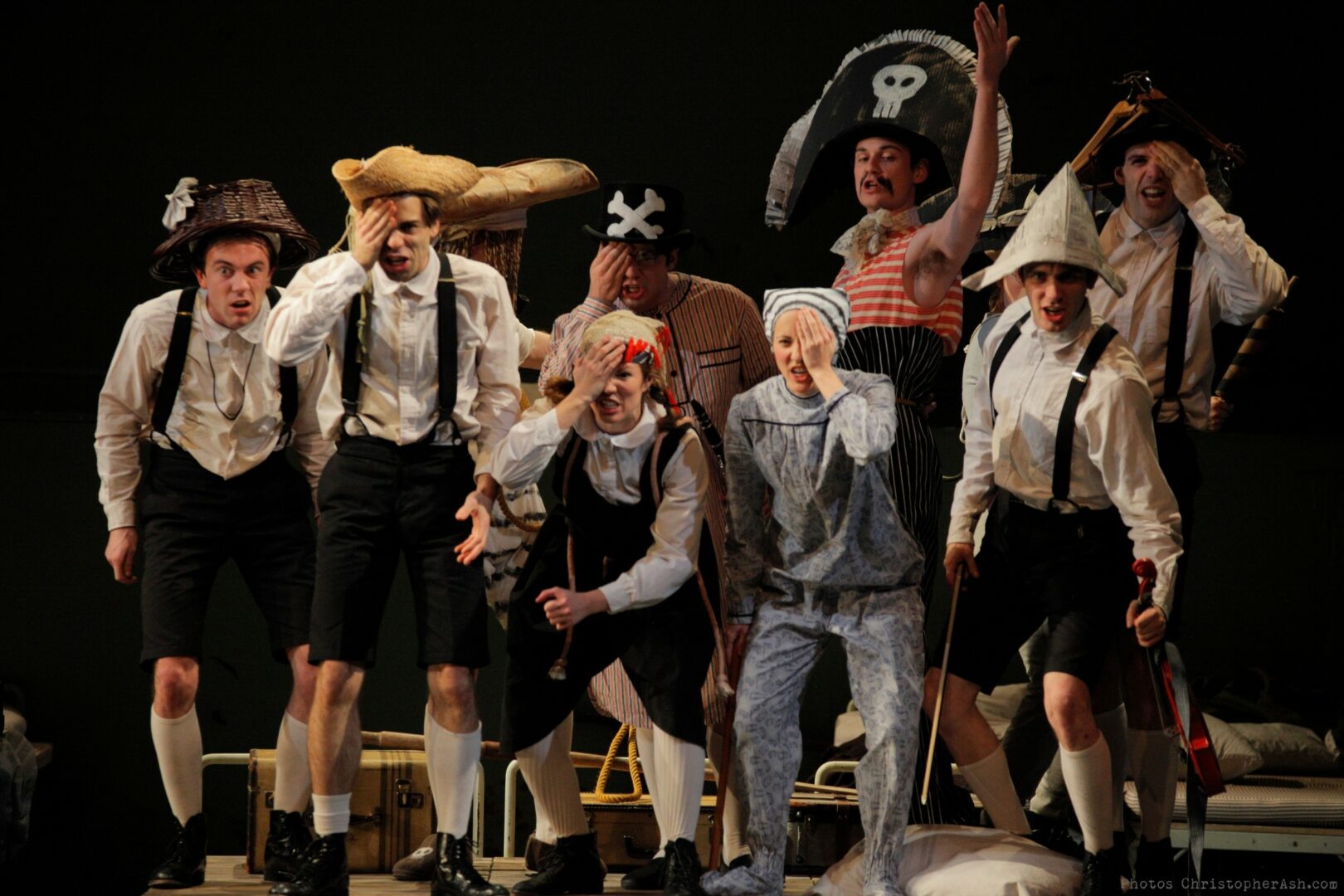

Image Credits
1- Rosalie O’ Connor
2,3,8 Tristan Williams
4 Christopher Ash
5, 6 Jessica Katz
7 T Charles Erikson
so if you or someone you know deserves recognition please let us know here.