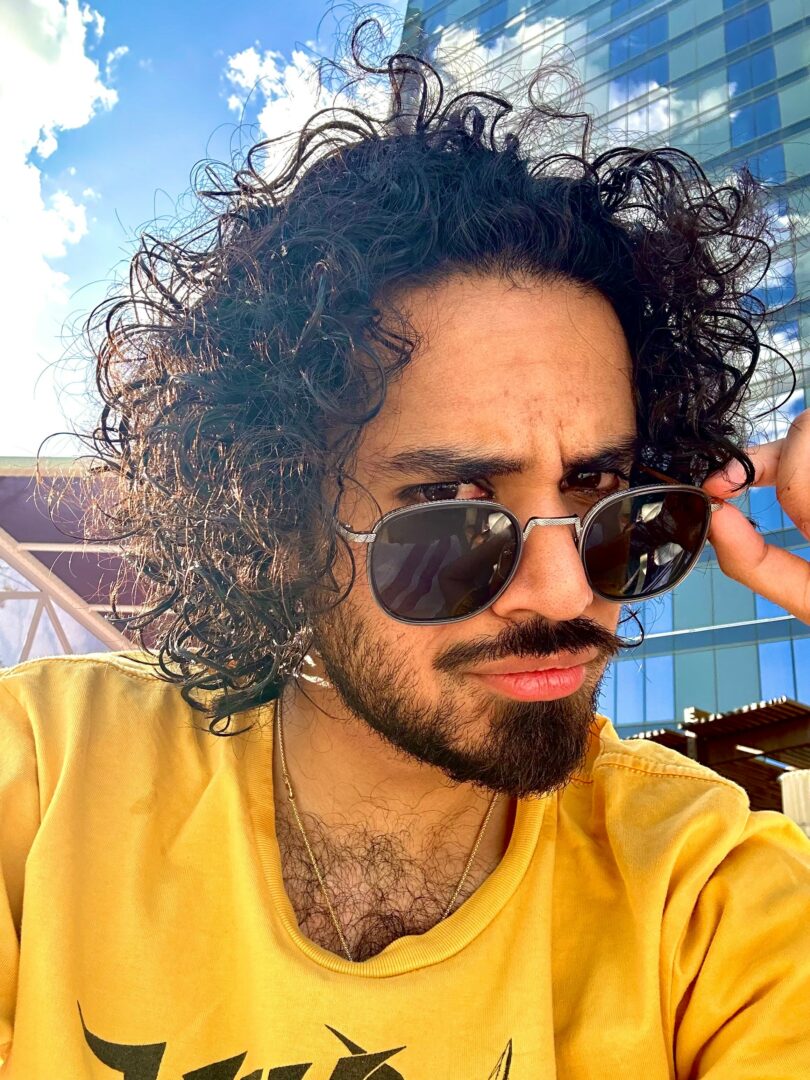
We recently connected with Hamad and have shared our conversation below.
Hamad, so good to have you with us today. We’ve got so much planned, so let’s jump right into it. We live in such a diverse world, and in many ways the world is getting better and more understanding but it’s far from perfect. There are so many times where folks find themselves in rooms or situations where they are the only ones that look like them – that might mean being the only woman of color in the room or the only person who grew up in a certain environment etc. Can you talk to us about how you’ve managed to thrive even in situations where you were the only one in the room?
Well, being a Pakistani playwright, raised in New York, does mean that almost every time I am in a room filled with creatives, I’m the only South Asian there, which has its cons but also a few perks. A major downside of being the only one that looks like me is that it is harder to find people who have had similar life experiences: academic pressure, immigration bureaucracy, discrimination, or just the stress that comes with having to juggle two cultures that have different views on what is considered “proper conduct”. Another difficulty of being the only one that looks like me is that it’s hard to just randomly meet other creatives like myself, especially because there are already so few artists who are like me, especially in theatre. But there are a few perks that come with being one of the only South Asians in the room, the most important of which is perspective, experiences, and a writing style that is influenced by both. Being Pakistani lets me talk about the culture of a region that most people haven’t paid much attention to, which is very important, especially when talking to other immigrants, because it helps break down barriers created by stereotypes or misinformation through connection. My writing style is also heavily influenced by my background, especially dialogue and movement; for example, many of my characters are immigrants who have to code-switch, sometimes midsentence, a skill which many immigrants such as myself have had to master.
Great, so let’s take a few minutes and cover your story. What should folks know about you and what you do?
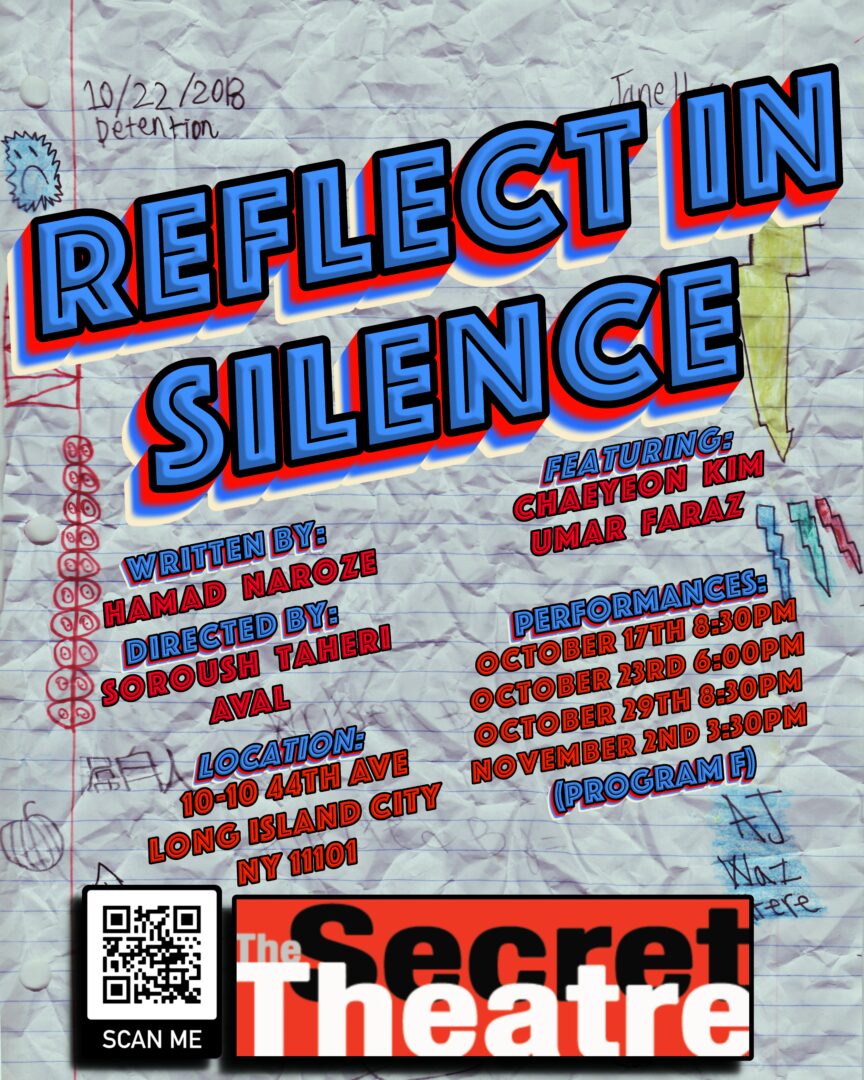
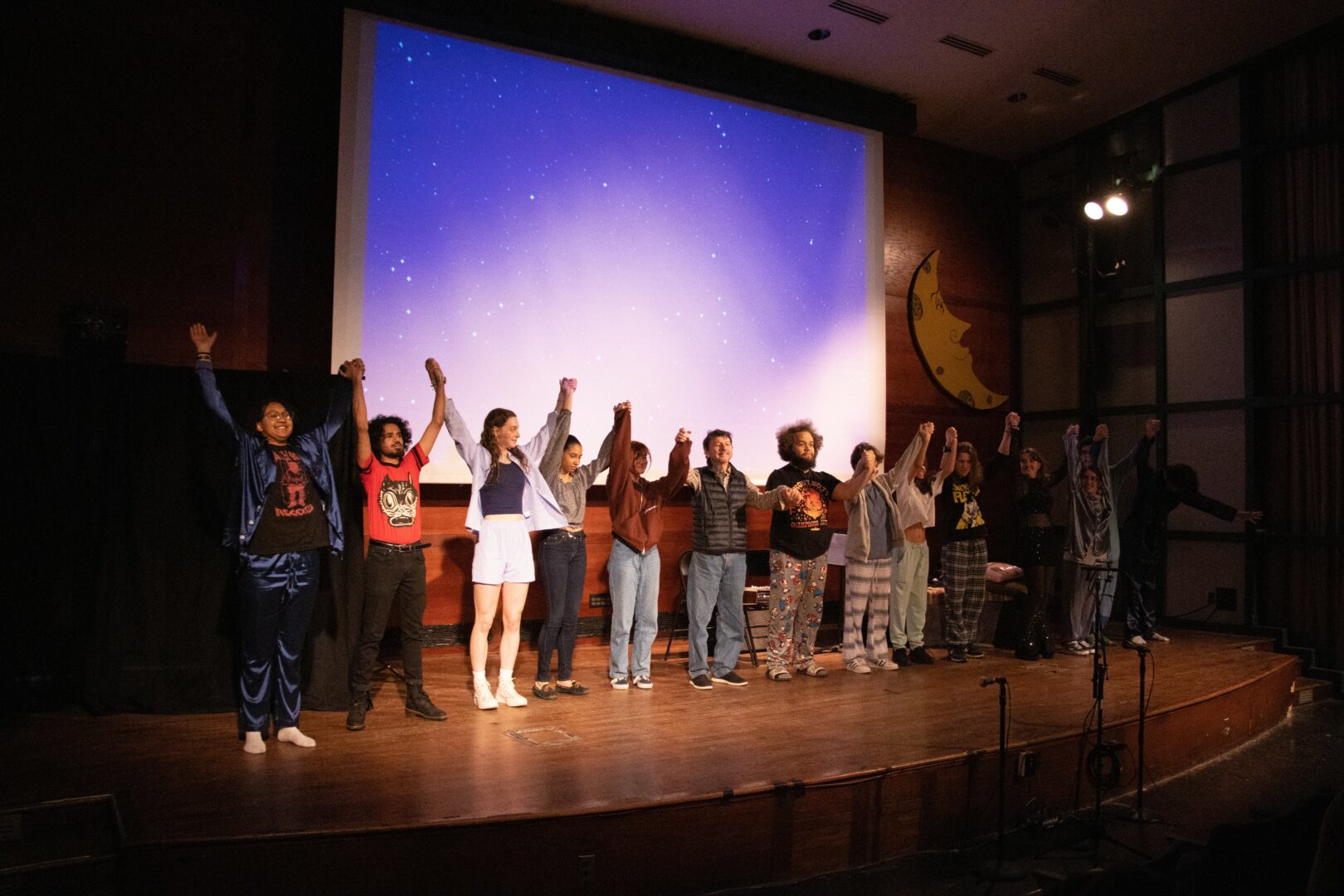
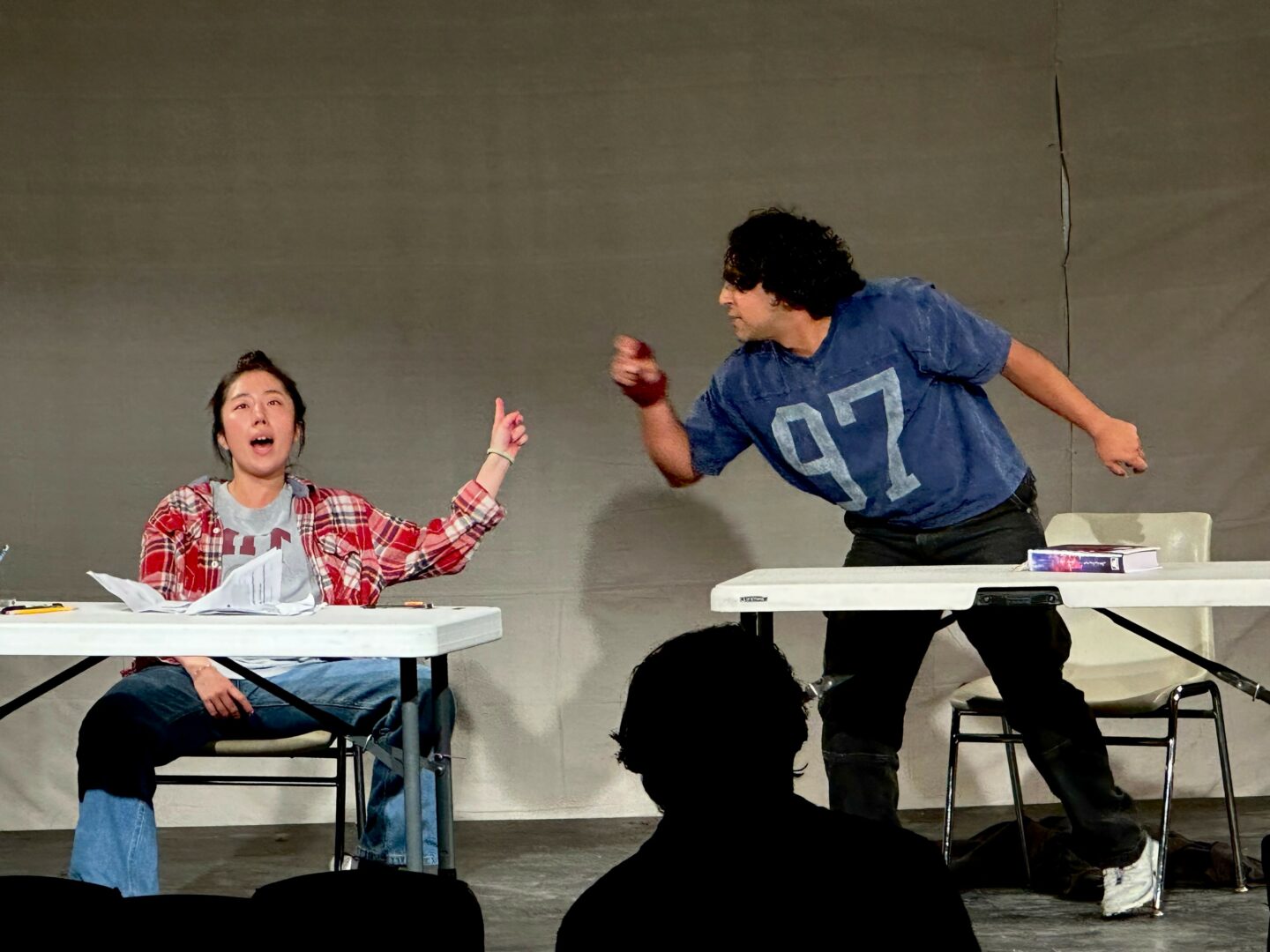
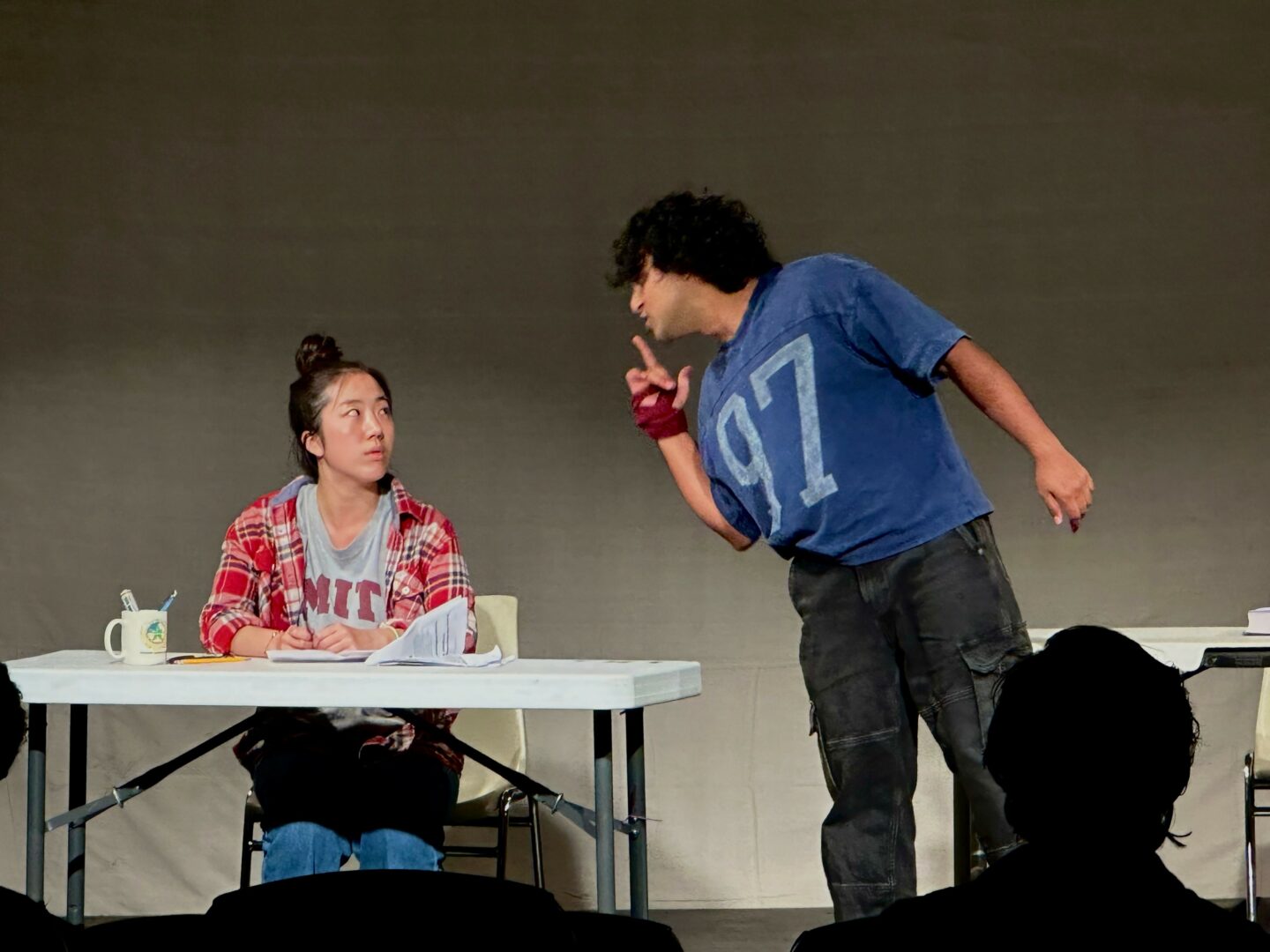
From Pakistan to New York, I have always felt a fascination for storytelling, even graduating with a BA in “Story Crafting” from CUNY Baccalaureate for Unique and Interdisciplinary Studies ’25. Starting college as a Muse Scholar and graduating as a Thomas W. Smith Academic Fellow has helped me keep my artistic interests, whether they be video games, film, or theater, in line with my academic goals, always learning something new to then make something newer. It was also at Hunter College that I officially became a playwright when one of my short plays was read on stage in front of a live audience. Since then, my works have been performed at the LaGuardia Performing Arts Center’s Rough Draft Festival and Horizon Theater’s New South Young Playwrights Festival. Recently, I just completed a run of my play “Reflect in Silence” in The Secret Theatre’s Fall Short Play Festival. During the production, I got to work with Soroush Taheri Aval, a director from Iran, and two great Asian-American actors, Umar Faraz and Chaeyeon Kim. The play follows two Asian-American middle schoolers who are stuck together in detention, a studious student and the class clown, and find out that in America, they’re more alike than not.
There is so much advice out there about all the different skills and qualities folks need to develop in order to succeed in today’s highly competitive environment and often it can feel overwhelming. So, if we had to break it down to just the three that matter most, which three skills or qualities would you focus on?
I would say the skills that were most impactful in my journey as a playwright were persistence, authenticity, and always keeping an open mind. One of the biggest perks of being a playwright is also one of its biggest downsides; I get to be my own boss and write whatever I want whenever I choose to. But the problem is that I, and most people, don’t prioritize my projects if there is no deadline present, which is where persistence comes in; forcing myself to write however much I can whenever I can because that’s the only way to get better as a writer. If persistence keeps me writing, then authenticity gives me direction since I see my works as a reflection of myself and my experiences, which also helps me create a natural word for my audience. Lastly, keeping an open mind about anything, whether it be an idea, a book, a story, or even gossip, is important to me as a playwright because it helps me see the world through another artist’s eyes and gives me the chance to borrow their skills that I can incorporate into my writing. My advice to early playwrights would be to always have a story that they can workshop, whether on paper or in the mind, and to set aside time to write it every day.
How can folks who want to work with you connect?
As a playwright, I am always looking for directors to direct my work, for actors to play my characters, and for producers who will put everything together, and the people whom I’m most interested in working with are other immigrants, especially Asian-Americans. As an Asian-American playwright who didn’t get to experience a lot of art made by other Asian-Americans, or knew many who wanted to become artists, for that matter, I always try to uplift and inspire the new generation of immigrants to one day become artists. Any artists looking to collaborate with me can reach me at my Instagram, linked below.
Contact Info:
- Website: https://hamadnaroze.wixsite.com/hamadnaroze
- Instagram: @nar0ze
- Linkedin: https://www.linkedin.com/in/hamad-naroze-898b78250/

so if you or someone you know deserves recognition please let us know here.