We caught up with the brilliant and insightful Helen Romeu Coombes a few weeks ago and have shared our conversation below.
Helen , thank you so much for taking the time to share your lessons learned with us and we’re sure your wisdom will help many. So, one question that comes up often and that we’re hoping you can shed some light on is keeping creativity alive over long stretches – how do you keep your creativity alive?
It’s a few things for me: I try to stay in touch with my instrument and constantly hone my craft, whether that be through taking classes and workshops, staying fit and healthy through regular exercise (for me this is running, rock climbing, or regular yoga practice), going to see plays and films whenever I can… but also having passions and a life outside of acting. The late Alan Rickman, an actor who has always been a big inspiration of mine, once said when giving advice about acting: “go to art galleries, listen to music, know what’s happening on the news and the world, form opinions, develop your taste in judgment”, because, he said, it nurtures your imagination. In order to be the best and most well-rounded actor and storyteller you can be, you must stay curious, informed, and absorb as much as you can from the world around you. And at the end of the day acting is a job and a career, so one must have a balance, the same way you would if you had a 9-5 office job. So as well as spending a lot of my time doing acting-related things, I am also a massive nerd about many other things, particularly literature, art, and history. I am constantly listening to podcasts on anything from science to current affairs, getting lost in books (this year it’s been a lot of fantasy and historical fiction) and trying as much as possible to visit museums (especially the ones in the city that are free or pay-what-you-can!). It will often spark ideas and thoughts that I won’t always have in acting circles.
Another fun and easy way that I keep my creativity alive is through finding community with fellow actors. I regularly get involved with a theatre collective called Reading Playhouse that organizes events from lowkey potlucks with fellow artists and creatives, to fully staged professional readings in different venues in New York. It is a simple way to get together, create work, and find solidarity with other artists in the city.
Let’s take a small detour – maybe you can share a bit about yourself before we dive back into some of the other questions we had for you?
I’m a bilingual Spanish-British actor, theatre maker, and teaching artist born and raised in Madrid, Spain, now based in New York, who has worked professionally in the US, the UK, and Spain in both theatre and film. I decided I wanted to become an actor after I relished playing the wicked Sheriff of Nottingham in Robin Hood when I was 10 years old and I never looked back from there. I sought out opportunities wherever I could find them, first by landing roles in productions with the acclaimed English-speaking theatre troupes The Madrid Players and English Theatre Madrid, and starring as the lead in a short film nominated for different accolades in film festivals across Europe, North America, and North Africa. Looking to expand my career to the UK, I became a member of the National Youth Theatre of Great Britain after a rigorous audition and training process and made my West End debut in their show “F Off”.
Looking to hone my craft further, I moved to New York to attend the 2-year acting conservatory at the Neighborhood Playhouse School of the Theatre. Since then, I have had the opportunity to collaborate with some extremely talented and generous artists and work in some great venues in New York. In 2023, I starred as Kate in “Dancing at Lughnasa” by Brian Friel, directed by Miguel Bregante (co-founder of the award-winning Chilean theatre company La Mona Ilustre) in Columbia University’s Lenfest Center for the Arts. While I was in rehearsals for this, I was also in the process of co-adapting, co-directing, and starring in “Gents Can’t Measure”, a reimagining of Shakespeare’s “Two Gentlemen of Verona” and “Measure for Measure” which was presented as a staged reading as the first step in developing it as a fully staged, site-specific and immersive production in 2024. My fellow co-director and I are now in the process of rewriting it and applying for funding and grants. Other credits include playing Adela in a bilingual English-Spanish staged reading of “The House of Bernarda Alba”, presented at The Attic @ The Tank by Reading Playhouse.
Looking back, what do you think were the three qualities, skills, or areas of knowledge that were most impactful in your journey? What advice do you have for folks who are early in their journey in terms of how they can best develop or improve on these?
I’m indebted to a lot of incredible mentors and teachers that I have had throughout my training and career that have provided me with so many tools, skills, and nuggets of advice that I take along with me to every audition and project I’m working on. The first one is discipline, physically and mentally. The discipline one needs to be a working artist. This takes the form of many different habits, but one that has been very important to me is keeping vocal hygiene, especially during performances, but having discipline in this area means that it should really be a daily, holistic practice. At the end of the day you are working with an instrument: your body.
In this light, another piece of knowledge that was completely eye-opening was the Alexander Technique, which was first taught to me at the Neighborhood Playhouse by both Elizabeth Reese and the late Gary Ramsey. It has helped me so much to locate and unlearn physical habits and where I hold tension in the body, and free up my body and my breath whether it’s on stage or in my daily life.
This year I’ve been really challenging myself and pushing myself to do things outside my comfort zone. For example, I co-adapted two Shakespeare plays with a friend and turned it into a staged reading that was presented to general audiences and industry professionals; I assistant directed for the first time for a short film that was screened at the New York Short Film Festival, and I took a Larval Mask workshop for fun. They have all been incredibly rewarding, at times humbling, but simultaneously empowering experiences. As a result, I have met and networked with an incredible group of New York artists. It’s something I couldn’t recommend more for people to do – don’t limit yourself, don’t stay doing what you know you’re good at because you never know what you’ll discover about yourself or what doors may open for you!
What has been your biggest area of growth or improvement in the past 12 months?
Learning to speak more kindly to myself. Self-compassion has completely changed my life and the way I think about my worth as a person and an artist, especially in the face of auditioning and inevitable rejections. I’ve still got a long way to go and I have certainly back-peddled at times, but I can already feel an improvement in the way I think about myself and hold myself in audition and rehearsal rooms. My worth as an actor is no longer defined by the result of an audition, but rather the work that I do before and during the audition. Bryan Cranston once said in an interview that you don’t go to an audition to get the job; you go to an audition to present your work in a compelling way that serves the text, and then you walk away. Everything else is out of your control.
Contact Info:
- Website: https://linktr.ee/helenromeu
- Instagram: @helenromeu
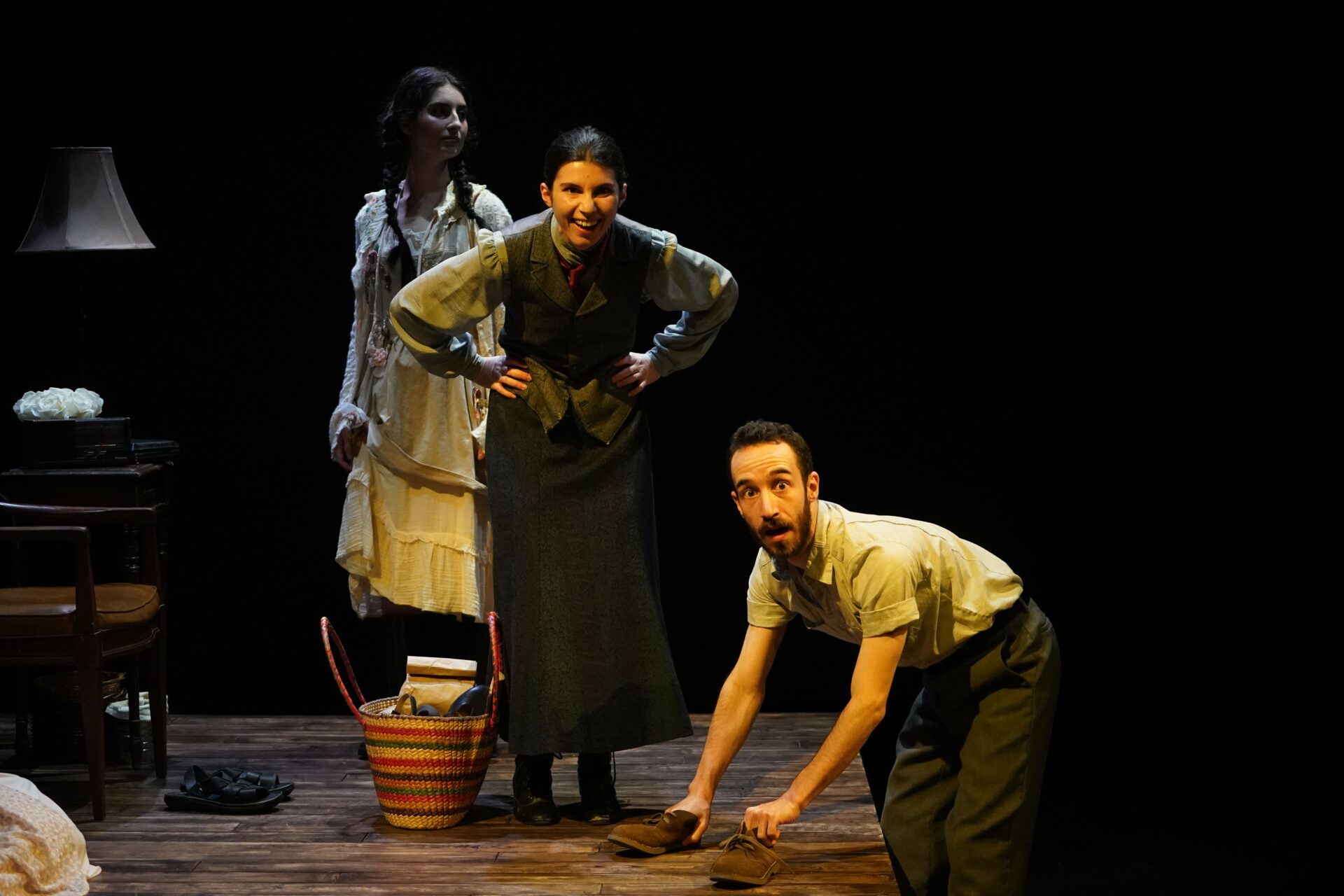
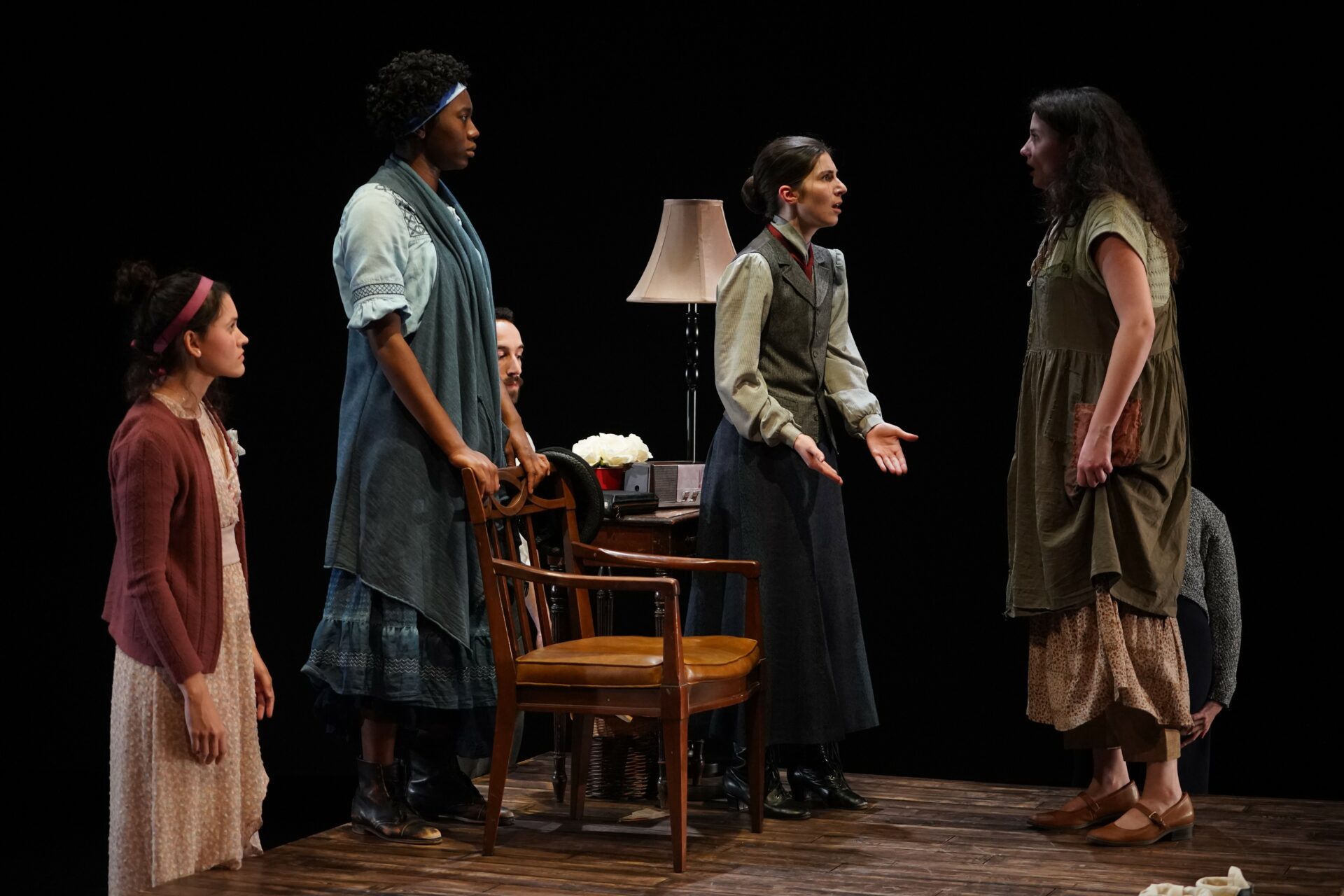
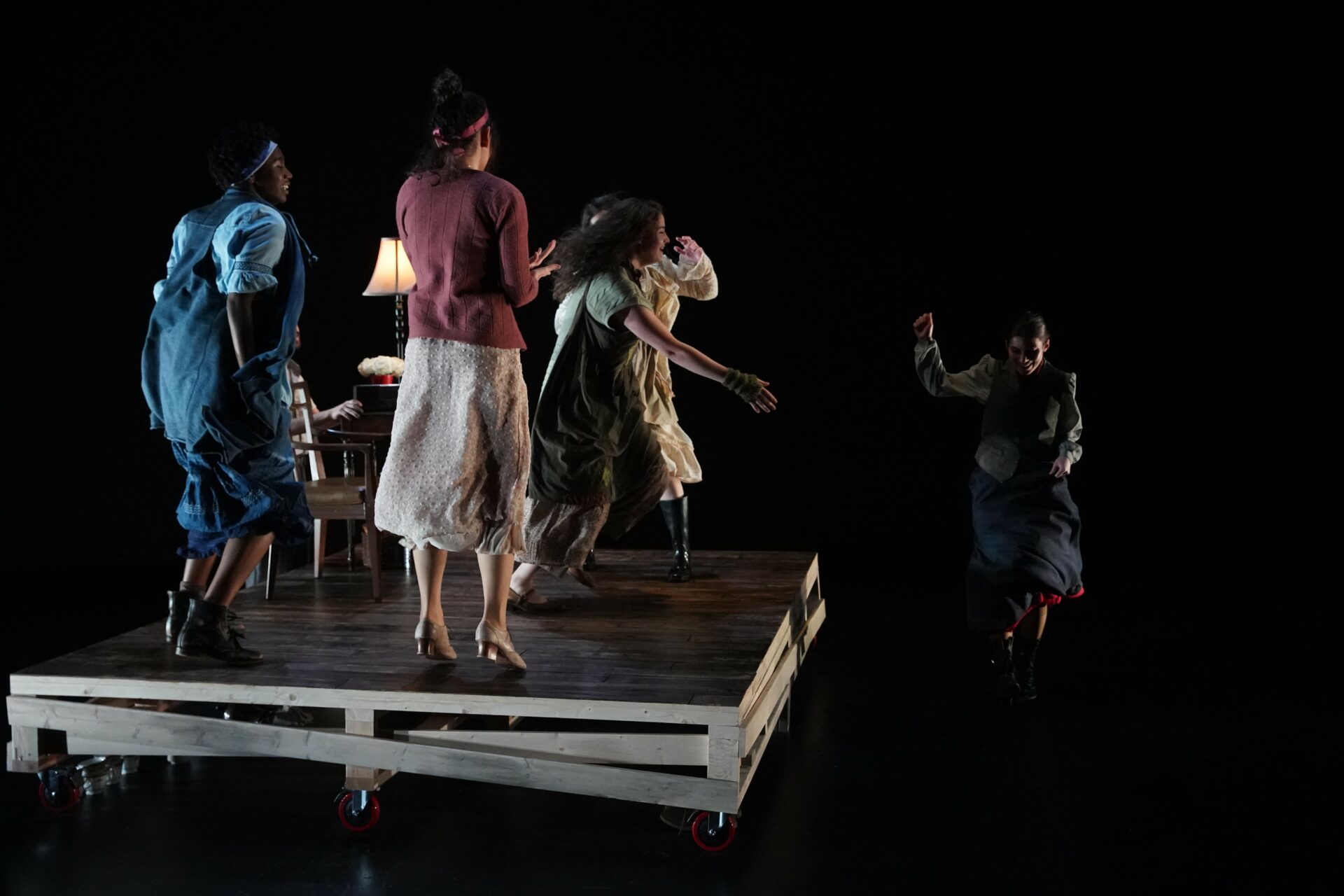
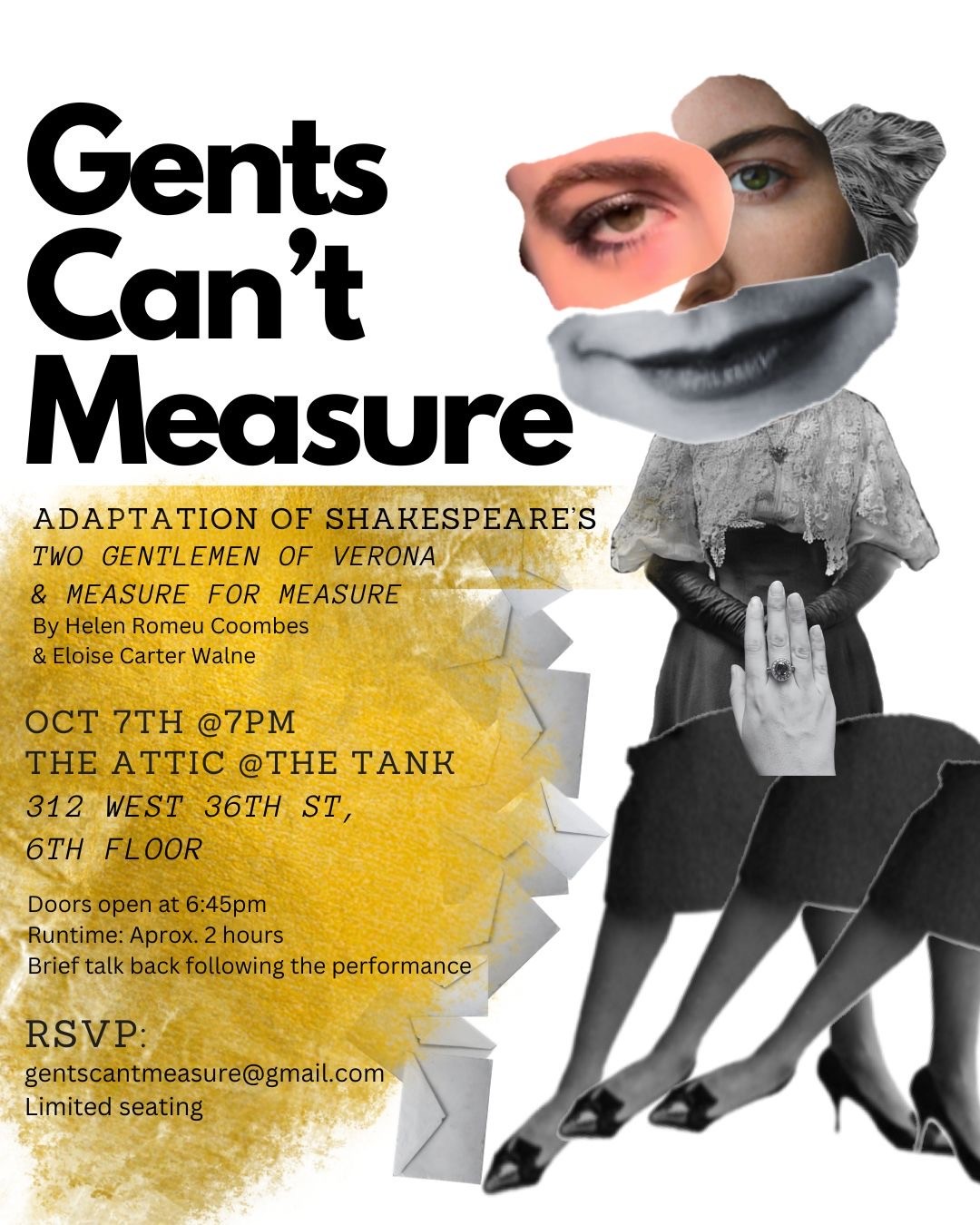
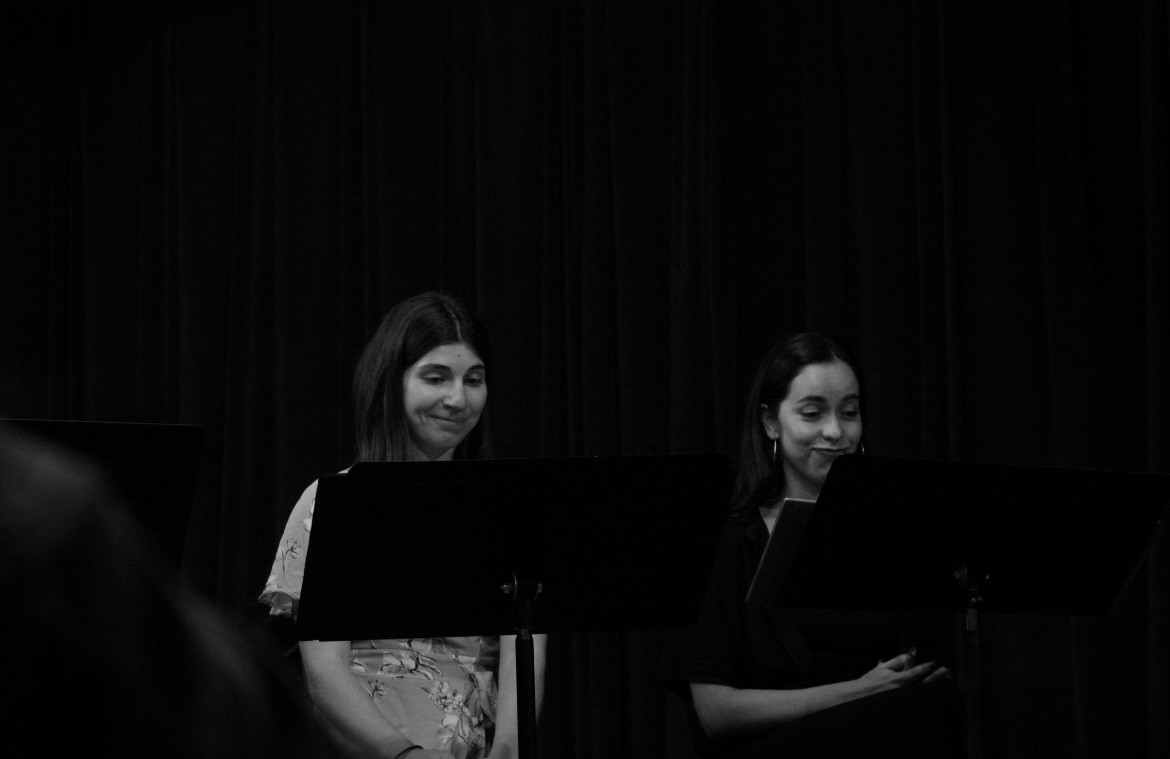
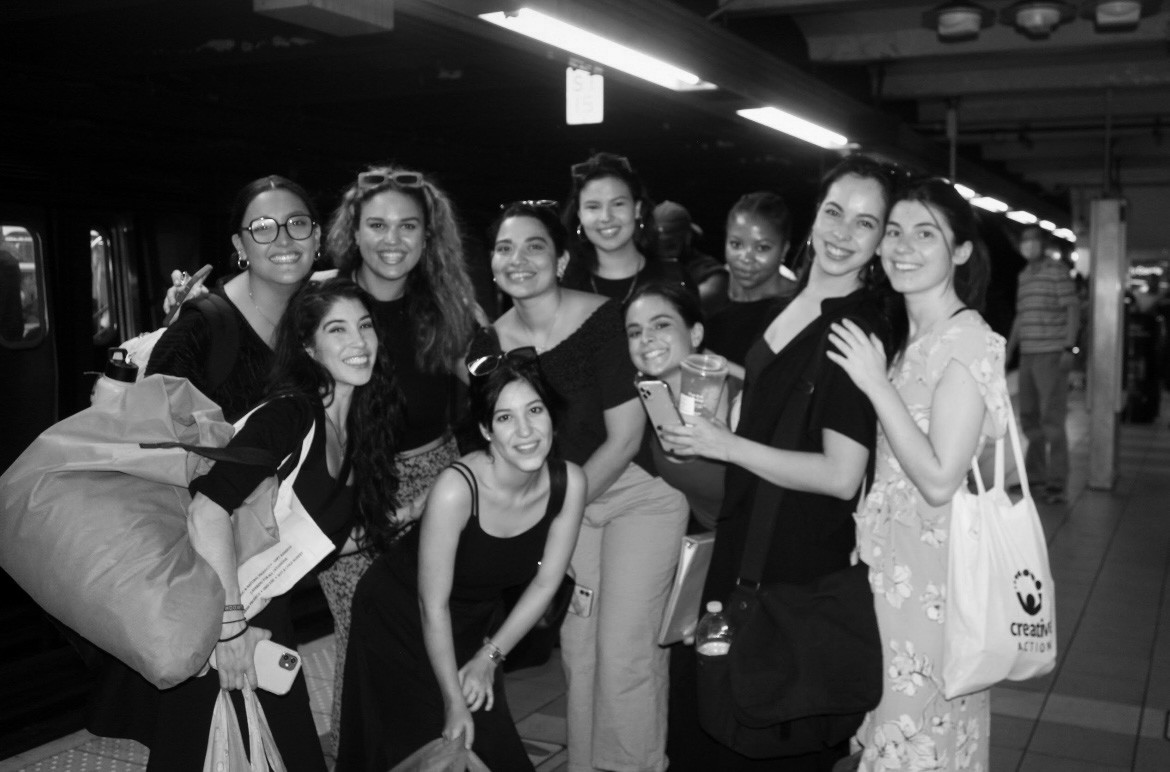
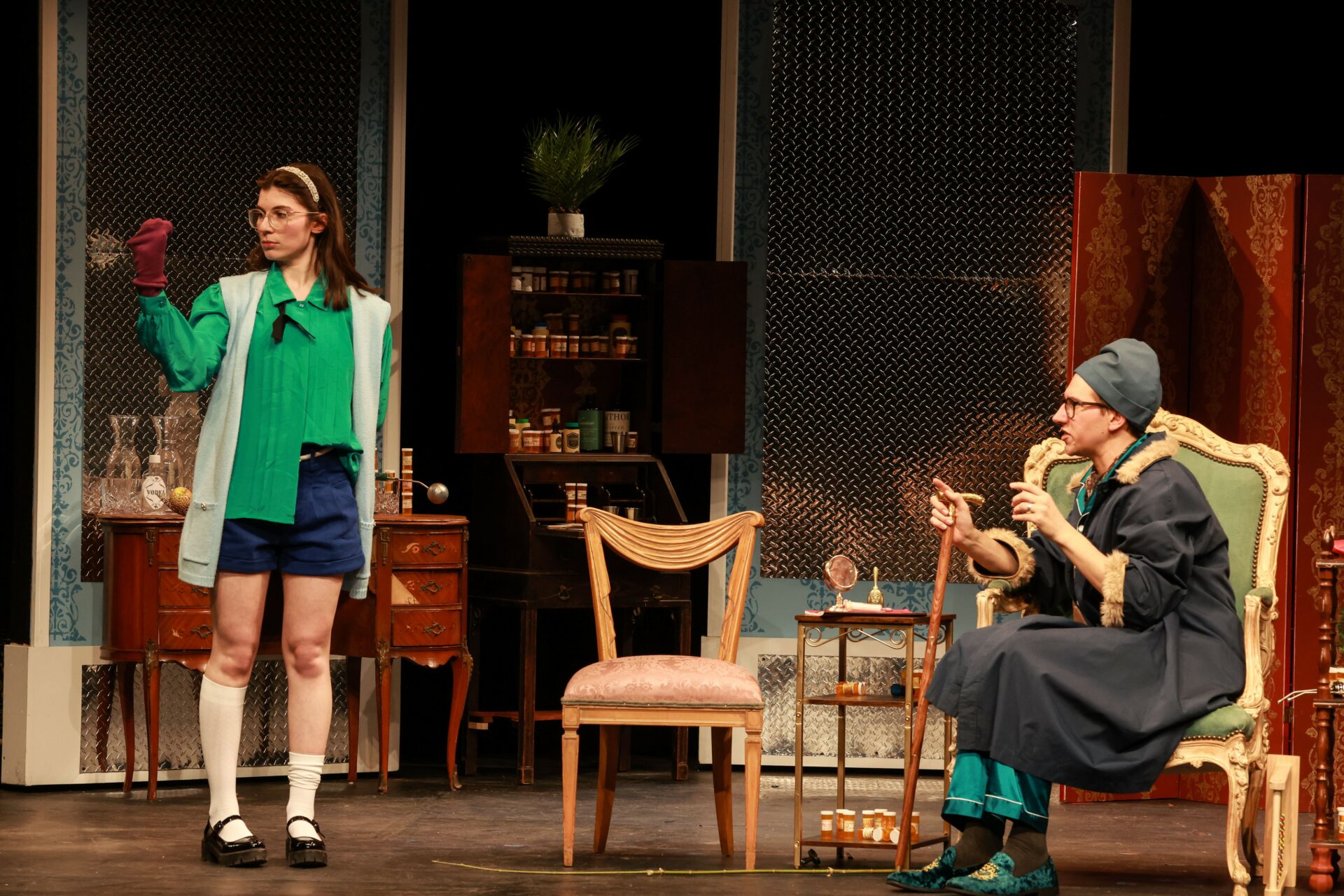
Image Credits
Carol Rosegg Vibeckedphoto Antonio de Jesus Paola Rossi Sabira Mokhtar