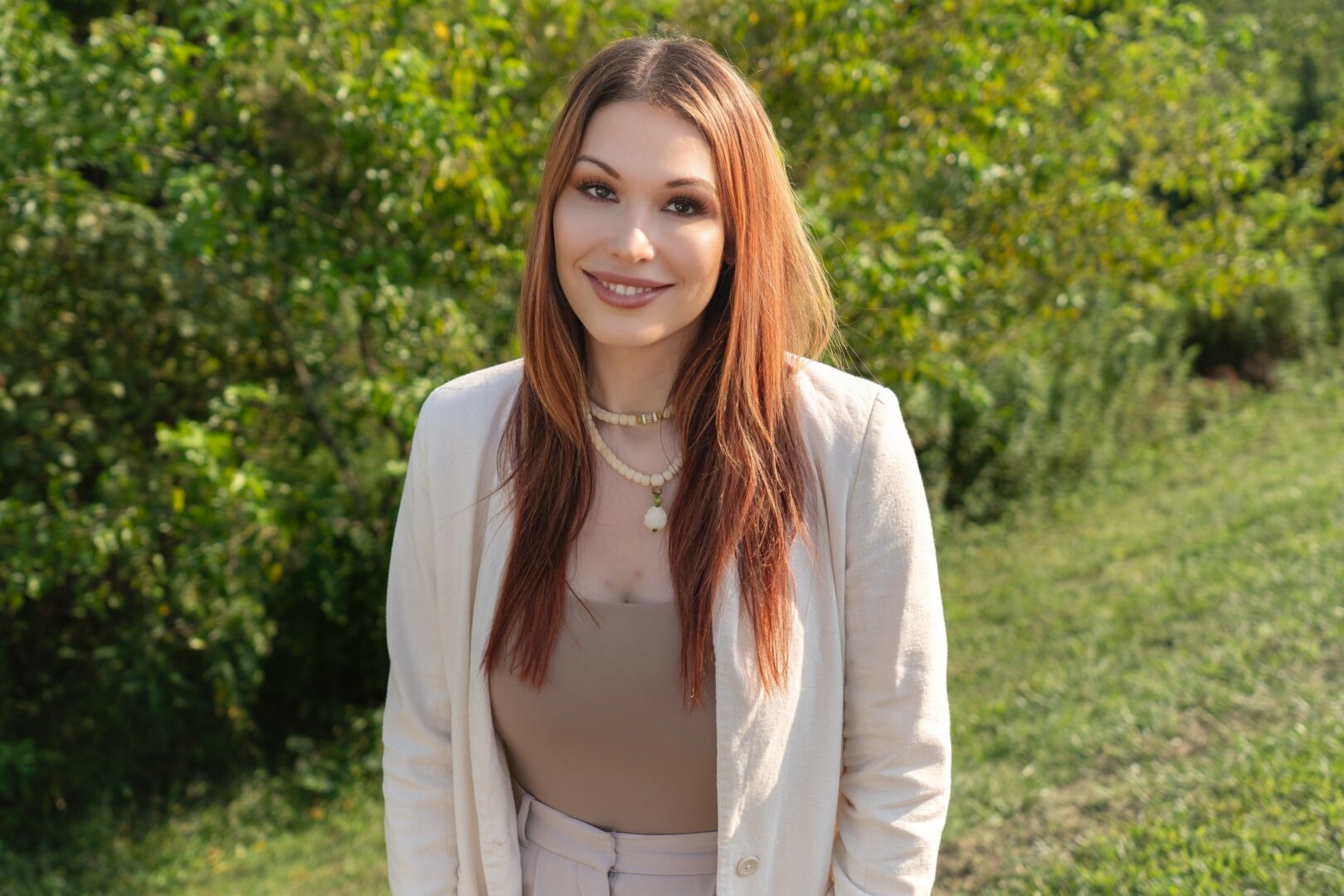
We recently connected with Holly Danner and have shared our conversation below.
Holly , thank you so much for making time for us. We’ve always admired your ability to take risks and so maybe we can kick things off with a discussion around how you developed your ability to take and bear risk?
Dialectical Behavioral Therapy posits that two truths can coexist simultaneously. When I became a small business owner, I incorporated dialectical thinking to make significant stressors more tolerable. For example, “I can think this is hard, and I can learn something new. I can make mistakes and still have room to grow.” “I can show up for something where the outcome is unknown and embrace the discomfort of uncertainty. I can have a bad day and still dare to show up and believe tomorrow will be better.” “I can embrace discomfort by putting myself in positions of discomfort every day, whether that be taking a hard spin class, learning a new language, or trying something I don’t consider myself skilled at, like ballet.”
Through becoming a yoga teacher, I learned how to mitigate distress around uncertainty and taking risks. I learned my body might feel a bit different day-to-day, and that’s ok. I learned that yoga is not about holding a pose forever, but rather about choosing to return to it once I fall out of it. I learned it’s ok to go slowly and take my time. I learned it’s ok to take up space. By examining poses from different perspectives, I fostered cognitive flexibility and made new insights. I learned that I can be in an uncomfortable pose that’s challenging to get out of and use that discomfort to remind myself of why I showed up, recommit to my intention, and stay focused.
Through my own attachment work, I learned how to help my own defense mechanisms shift. Just like going through Russian nesting dolls, I helped my inner critics, or my teenage and early 20s selves, who feared failure due to the pressures of achieving specific grades for college and navigating the transition from graduating and applying for entry-level jobs during the Great Recession of 2007. I also helped my inner critic, who emerged in my mid-30s, as I transitioned from hospital social work to nursing school and then back to the profession of social work by becoming a therapist. Through openness, curiosity, and Radical Self-Acceptance, I learned I navigated the situations the best I could at the time, and gained insight into how much I’ve grown and learned, thereby freeing up space to take the risk of becoming a business owner and helping others who may have experienced similar thoughts and feelings live to their most whole meaning and potential.
Oprah Winfrey – “I believe one of life’s greatest risks is daring not to risk. Failure is a great teacher. If you’re open to it, every mistake has a lesson to offer. So go ahead. Fall. The world looks different from the ground.”
Bryant McGill – “Rejection is merely a redirection; a course correction to your destiny.”
Brene Brown – “When we think of times when we felt vulnerable or exposed, we are actually recalling times of great courage.”
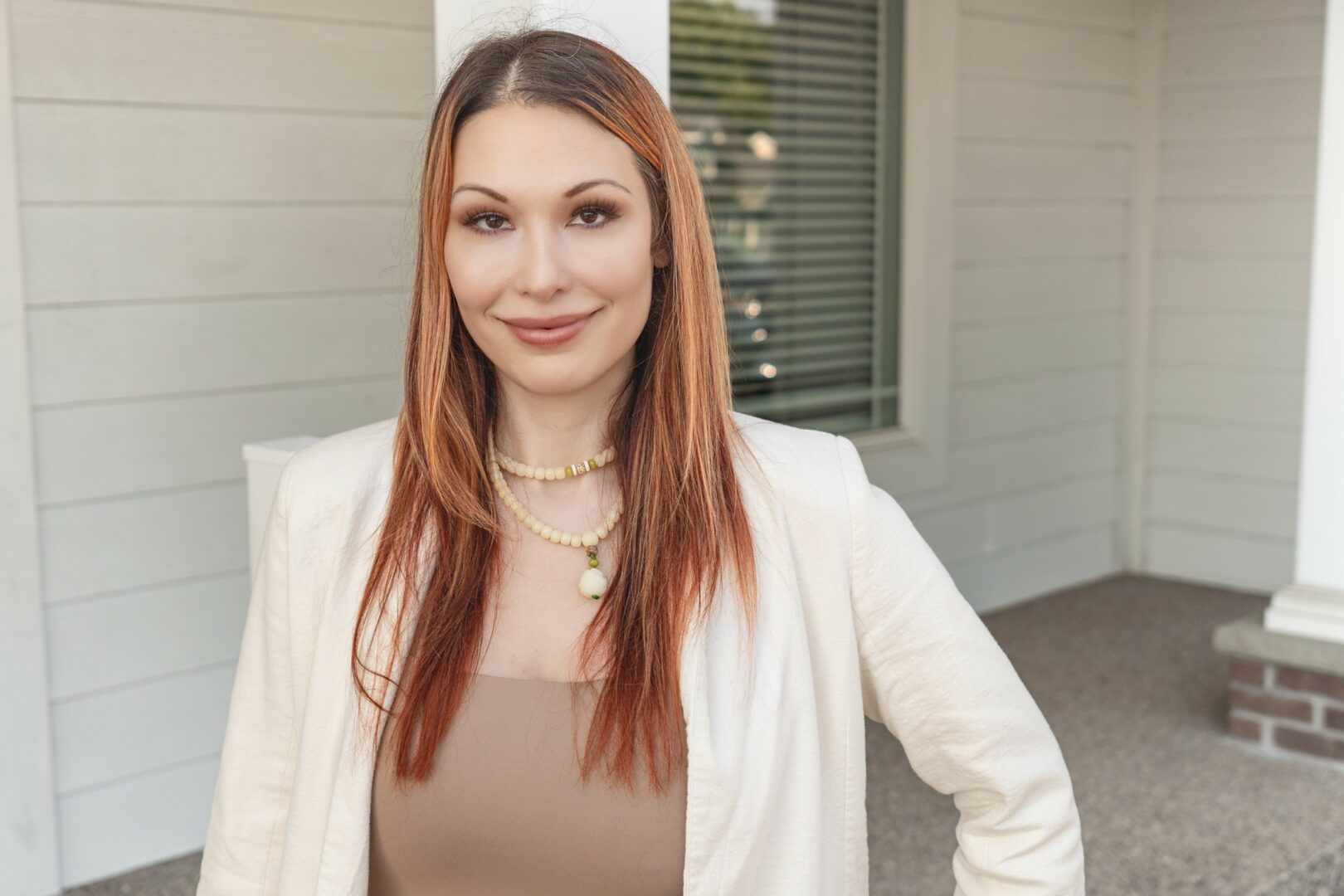
Appreciate the insights and wisdom. Before we dig deeper and ask you about the skills that matter and more, maybe you can tell our readers about yourself?
As an independently licensed social worker dedicated to helping clients in Morgantown, West Virginia, Baltimore, Maryland, and Pittsburgh, Pennsylvania, I am honored to assist adults experiencing relational trauma, body image issues, eating disorders, ADHD, bipolar disorder, or identity exploration in cultivating deeper self-compassion and resilience. My primary speciality is helping clients with relational trauma foster secure attachment. Clients experiencing disorganized or avoidant attachment often report rejection sensitivity, identity confusion, chronic emptiness, isolation, self-sabotage, or rage. They report feeling “different” and wanting to succeed, yet they often feel defeated by the thought of taking risks or not receiving sufficient social support to feel resilient. They report going into “freeze”, shutting down, or pushing people away, thereby stymying their development in reaching their furthest potential.
Through somatic therapy and EMDR therapy in Morgantown, Pittsburgh, and Baltimore, I help clients cultivate self-compassion by identifying how past events contribute to their present-day symptoms. I incorporate the DBT decision-making process to help clients master the concept of Radical Acceptance for factors lying outside of their control locus. I use Radical Self-Acceptance to foster curiosity into how self-defensive mechanisms and behaviors, although maladaptive now, were once instrumental in one’s survival and self-preservation. Through an attachment theory lens and the use of myself as a secure base from which to co-regulate, I help clients access the wounded parts within (the inner child who wants to play, or the inner teen who wants to scream and be seen and heard) to repair childhood relational ruptures and access their inner wisdom, which was there all along – sometimes we need a little help along the way from a compassionate presence. My role as a therapist is not only to serve as a mirror, helping the client self-reflect, but also to act as a light in the dark, illuminating their inner strengths, unique attributes, and qualities. I find solace in the belief that therapy is a way for one to come home to themselves by reclaiming their strengths that have been there all along, albeit obscured by life’s stressors.
I find meaning in holding space for the client, both in the light and in the dark, and serving as an attuning presence to help nurture their growth and access their inner wisdom and inherent capacity to heal and evolve.

Looking back, what do you think were the three qualities, skills, or areas of knowledge that were most impactful in your journey? What advice do you have for folks who are early in their journey in terms of how they can best develop or improve on these?
The ability to actively listen without an agenda is a critical precursor to better understanding and empathizing with others. This entails noticing an urge to interject a thought before the person has completed their story. When I sense a desire to speak, I take a moment to ground and self-reflect by using the WAIT acronym – Why Am I Talking (also Whose Agenda Is it)? I ask myself, am I talking to relieve myself, or does what I have to say offer benefit to the client or other person? Actively listening, reflecting what the other person has said, and using validating statements helps others feel seen and heard. It’s an essential quality in maintaining both personal and professional relationships, as well as in managing conflict. Often, the problem isn’t the other person’s opinion; instead, it’s our need to let go of being right. If we approach the issue with openness and curiosity, rather than judgment or criticism, we foster respect and build rapport.
Cognitive flexibility is an essential skill for fostering resilience. To achieve mastery of this skill, I practice Socratic thinking, which involves using open-ended questions to explore ideas from different perspectives. This method helps identify assumptions, relinquishing the urge to be right, and fosters a more profound understanding by uncovering new insights. I also employ Stoicism, which posits that circumstances are neither good nor bad, but happen for a reason to foster self-compassion and gain new insights.
Acknowledging and normalizing imposter syndrome, or feeling inadequate when trying something new, is critical to fostering self-compassion and trust. I remind myself that anyone can be perfect when they are learning something new. I adjust my mindset from perfection to presence, as anxiety can lead me to hyperfocus and miss the big picture. Often, feelings of inadequacy stem from experiencing shame due to making mistakes in childhood or in prior learning environments. It’s essential to take time to reflect on all the strengths and insights you’ve gained since then. It’s helpful to seek supportive mentors who are committed to setting you up for success.
Okay, so before we go we always love to ask if you are looking for folks to partner or collaborate with?
I’m always looking to expand my referral base for clients who have needs outside of my area of expertise. You may reach me at [email protected]. You may also visit my website at https://positivepathwayswv.com/ or visit my Psych Today at
https://www.psychologytoday.com/us/therapists/holly-danner-positive-pathways-psychotherapy-pllc-morgantown-wv/901789
Contact Info:
- Website: https://positivepathwayswv.com/
- Other: https://www.psychologytoday.com/us/therapists/holly-danner-positive-pathways-psychotherapy-pllc-morgantown-wv/901789

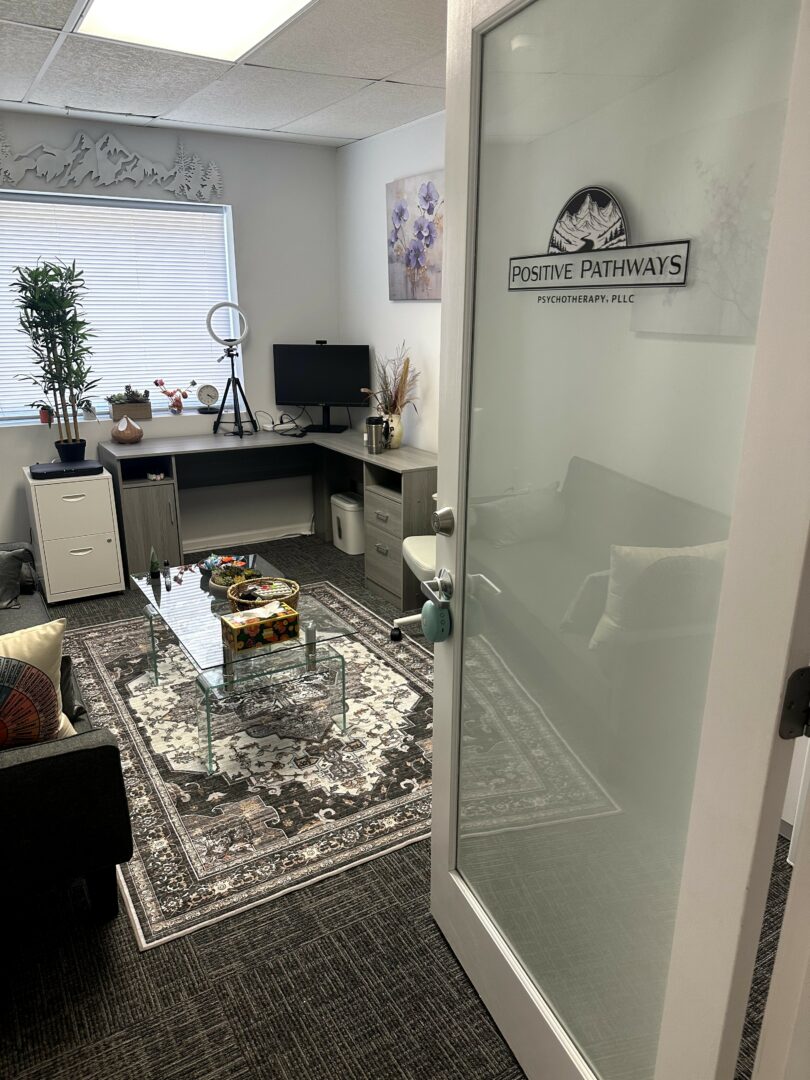
Image Credits
No other info
so if you or someone you know deserves recognition please let us know here.