We recently connected with Iris Sang and have shared our conversation below.
Iris, appreciate you making time for us and sharing your wisdom with the community. So many of us go through similar pain points throughout our journeys and so hearing about how others overcame obstacles can be helpful. One of those struggles is keeping creativity alive despite all the stresses, challenges and problems we might be dealing with. How do you keep your creativity alive?
This is a big question!
One of the things I enjoy the most when I was back home in Beijing or during college time in NYC was to take long walks around different neighborhoods. I particularly enjoy small streets where there are both shades from trees on the side and also providing chances to peek at how people decorate their yards or doors, and how they play chess or watch birds, to give some examples. Alongside seeing, listening to how the wind shuffles the leaves on a tree, or people’s casual conversation, or instruments that they play are also greatly enjoyable for me. Through those experiences I feel alive and connected to my surroundings, and am able to see beyond my own experiences to the vast possibilities of how to live (speaking of which, I highly recommend J.P Sniadecki’s film “People’s Park” which is one long shot documenting a lively park in Nanjing, China)
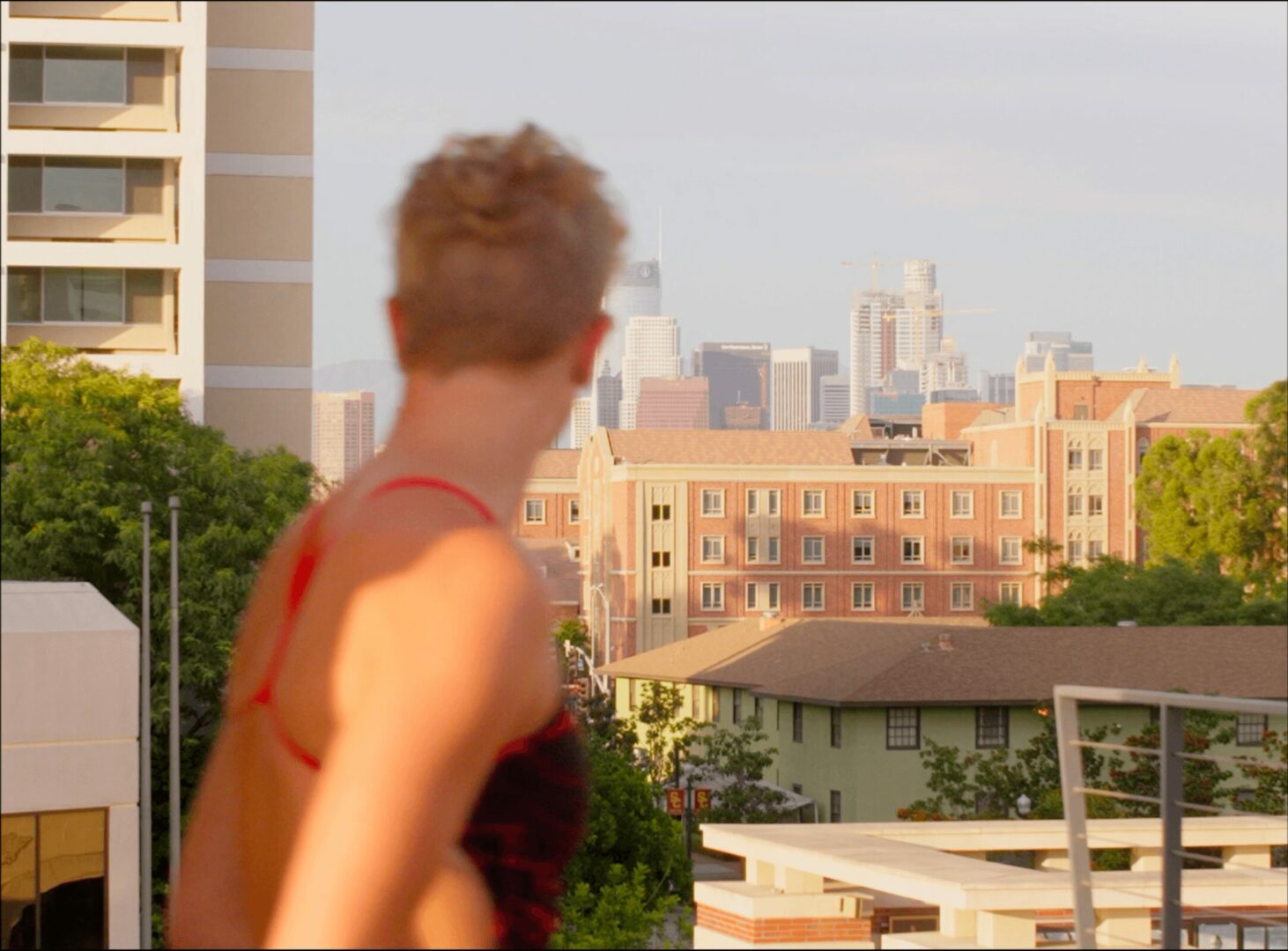
For me, the charm of filmmaking comes from being able to capture moments in life in a unique and poetic perspective, and the complex sensations it can trigger. I am currently a film MFA student at USC school of cinematic arts, with a particular interest in sensory driven films no matter experimental, fictional or documentary. The films that I am interested in now in one way or another are inspired by real-life events, people or stories, or my observation of, for example how a community comes together or how it operates. One of my projects at USC is a hybrid documentary, which incorporates actual documentary footage of me following the USC diving athletic team, while infusing a fictional character who is finding a new relationship with both mental and physical trauma. This film is particularly inspired by my experience watching the divers train, as they leap off 10 meter platform for a dive that is more mentally challenging than many would imagine. I am very grateful of the team, coach Hongping and my lead actress Farah for letting me into their space. I later also completed a longer form documentary following then graduating senior, Savannah, who was the team captain. She suffered from a severe back injury keeping her away from the sport, and me and my camera followed her journey back onto the platform.
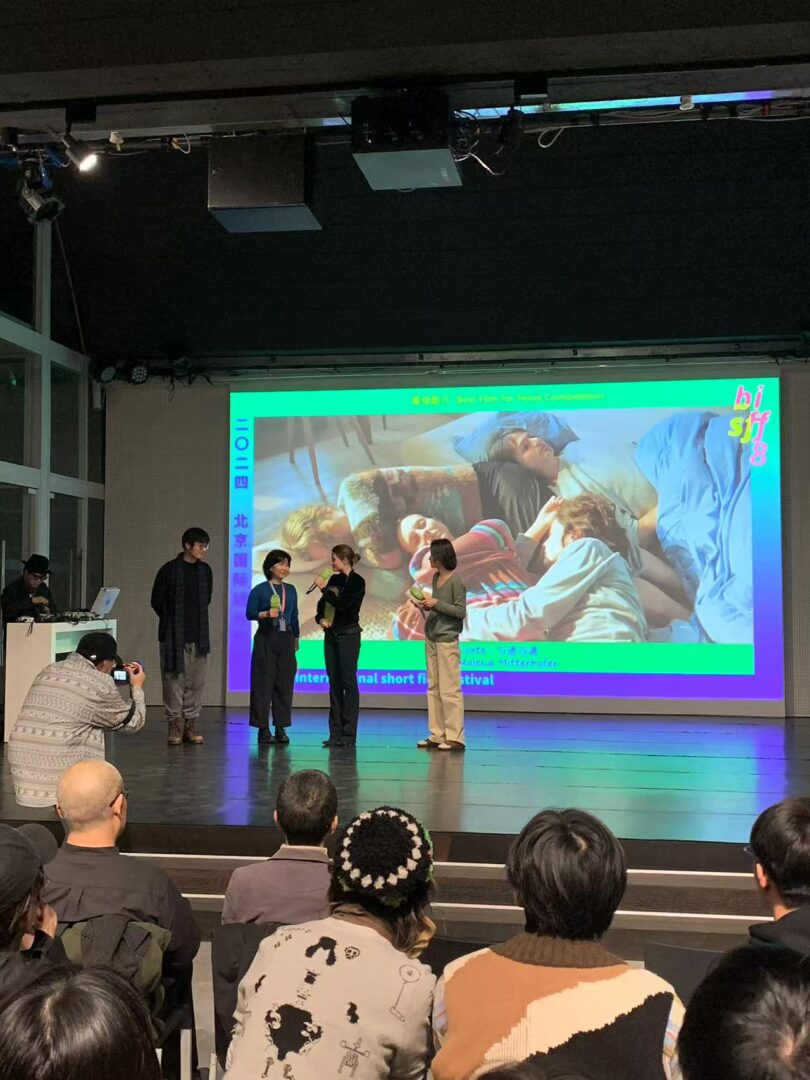
My short on the diving team, “To Break Water” later premiered at the FIAPF A-Category Tallinn Black Nights Film Festival’s Doc@Shorts section, and later traveled to Beijing, Germany, and other places for festivals. This was my first big festival experience, and I was so happy to have met so many visionary filmmakers from around the world as a director, which made me more firm to stay true to my own vision.
Alongside filmmaking, I am a curator, moderator, translator and writer for film festivals. My experience range from being a translator at the Berlinale film market, an interviewer at Talking Shorts, the only European (and in the world) magazine dedicated to short films, to a writer and interviewer at China’s biggest independent film festival (FIRST), to translating for Chinese director Zhang Lv’s foreword to his screening at the 2220 archive.
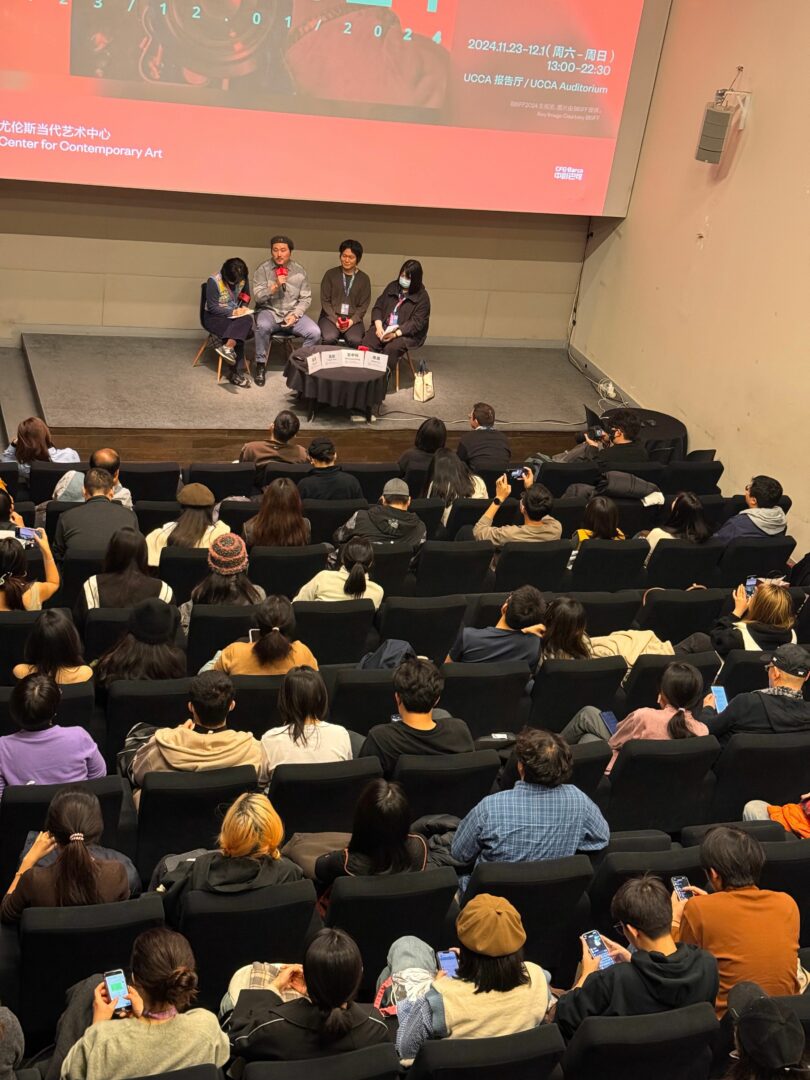
I get inspirations from watching films that explore the depths of both individual and collective human experiences and also those that wheel cinematic creativity to extend our own way of seeing, hearing and feeling. Last year I started curating the Nova Competition programme for Beijing International Short Film festival. BISFF is very open to artistically pioneering and explorational short films from around the world, with submissions from films that have went to Cannes, Berlinale, IFFR, vision du reel and other festivals with incredible selections. I find shorts particularly exciting for their agility in experimenting with techniques and approaches that often open my mind about how they are limitless possibilities of “seeing” and understanding, also to look into events and lives from around the world with an ethnographic lens. I believe in how cinema can leads us on gentle yet profound journeys of both introspection and humiliation toward the wonders outside of our ordinary lives.
As a moderator for Alula Film Festival, which is a Chinese-language film festival that brings auteur and independent works to Los Angeles, I also enjoyed moderating and translating talks with filmmakers with their own visions and to learn more about their perspectives and their creative journeys. I feel that I not only feel artistically and intellectually inspired, but also interact with people’s energy and observe how they are as human beings. As a habit now, I pay attention to films that are circling around the world, with a special interest in those selected at European festivals and Asian festivals, and also am also always going to talks with filmmakers (I had a selfie with Timothee Chalamet before he became extremely famous, when he was touring for Call Me by Your Name, haha).
Thanks, so before we move on maybe you can share a bit more about yourself?
I grew up in Beijing, China, and for a long time, I was regarded as a “student with special talent” when in elementary school and middle school. It is because I played the flute very well. Recruited as part of my middle school’s student orchestra, I performed at the national theatre, the UN in NYC, and also participated in exchange events with American high schools around the country. This was my first formal experience with “the art”, and I later became more interested in how different ways of communication, such as music, can trigger a deep connection, and one that has the power to move how we think and feel. I first started jamming music on the piano, and often enjoyed the freedom it gave.
Later, I studied Comparative Literature at Barnard College, also as part of Columbia University. In my junior year, I became a visiting student at University of Oxford, diving deeply into the world of literature and discovered my interest in how language, in describing memory or perceptions, can become pathways into our own subconscious and sensations, shaping inducing transcendental experiences that are endlessly aesthetically pleasing. When the pandemic hit, I returned home to Beijing and studied Chinese Literature at Beijing Normal University, delving into modern Chinese literature (and specifically in relation to psychoanalysis and psychosis).
Back then, I started to make films and explore the possibilities of using cinematic language to create experiences, and started working at film festivals such as FIRST and then as press and for organizations at the film market Berlinale and Cannes, which is when I started to see the kind of films I gravitate toward. The fulfillment of working at festivals, where I can interact with people from Europe, South East Asia, South America and to also help promote exposure of creatives and films that I believe are worth more attention in a western dominated industry. I also particularly gravitated toward short films, which came also from a facination with short stories, as the shorter form requires us to focus on particular ideas, events, characters, environments and happenings that creates more emotional ripples afterward. There are also many creative forms of short films, such as mixed-form animation, using AI softwares and also archival materials, making the form open and accessible to many. I always believed in the openness and inclusivity of any art form, so the very accessible short film form excites me the most in certain ways.
I formally started bolder experiments during my MFA, even though often finding conflicts in idea with the more hollywood or dramatic structure driven methodology that is taught here. However, it also prompted me to truly question who I am and what kind of works I want to make. I also engaged in more opportunities such as working for the Alula Film Festival, going to many screenings, working at the film school’s festival’s office and organizing our annual First Look student film festival. I interviewed filmmakers for magazines such as GQ China, finding myself drawn to sincere and thoughtful voices that advocates for concerns of social conditions.
I am especially grateful to be able to start my first curatorial job at BISFF, a festival that has the vision and space that I resonate with. The Nova Competition program I focus on has a theme of “Coming-of-Age”, exploring the very experience of growing up and the gradual process of coming in terms with certain understandings, feelings or even catharsis. I felt so happy to be able to see, for example, a short that takes inspiration from the only teenage girl detention center in France located at Normandy, while also seeing a Columbian short that uses mixed animation form to trace the memory of a father who is gradually loosing his voice. There are many festivals that have a “youth” section, which focuses on either rising filmmakers or stories that just center around youth characters. We are hoping for Nova to open to creators and stories from all age groups, since the act of “growing up” or coming in terms with ourselves and our external world is a forever process.
I also want to mention that in China, there are many active curators who are very open and have seen many exciting short films and films around the world. And many of then are working hours and days to provide screening opportunities to the general public. Their dedication, expertise and exposure continue to inspire me and help me find value in the work that I do. I would love to get more connected with the Los Angeles and US film curators and collaborate!
If you had to pick three qualities that are most important to develop, which three would you say matter most?
haha, as you can see from my experience of always switching places (I also published academic articles on children’s literature as a columnist at The Beijing News),and going into different disciplines. I feel that I was always ready to try new things, or want to explore new environments. I am also very curious about other people’s experiences, and to look into the prompting forces behind things. I also want to be very open to ideas, cultures, the different art forms and want to form connection between them. Aside from film, music, literature, I am also a dedicated dance fan and engaged in modern dance clubs and classes.
So maybe I would say my curiosity, openness and determination to go deep.
I am not sure if I am in a place to give advice to others, but I benefited a lot from trying and exploring different things, and also constantly learning from people that I really appreciate and admire. I would also say to pay attention of what is happening in places that are far away, or how people are living outside of our daily zones. The current world is one that is more closed off than before, and it is important to look beyond the limitations and to stay open.
Alright so to wrap up, who deserves credit for helping you overcome challenges or build some of the essential skills you’ve needed?
My mother has been the person who influenced me to be who I am, especially in terms of having a calm mind and to be more compassionate.
She has been through a lot of obstacles and challenges in life, and she never gave up searching for the ways to rise beyond those restrains. A few years ago, she became a buddhist, and also we started learning how to read the Chinese I-ching charts together. In Chinese epistemology and philosophy, there is no absolute right or wrong, and just like the yin yang graph, every condition merges different elements. An I-ching chart is a combination of elements and chances, which can show a cause and effect relationship between our personality and how it affects our life trajectory. I am constantly inspired by my mother, and our studying together to learn more about myself and to understand my own behavior patterns, and to be aware of tendencies that are not helpful to my own wellbeing and to others around me.
As Buddhists, we are training ourselves to always introspect and be aware of our own rising and falling of emotions, and learning to detach from immediately responding to feelings such as anger. In meditation, some say that emotions are like clouds, and we are learning how to just be with them, and calmly watch them pass by. At the same time, one of the core Buddhist thoughts is to be aware of illusions and projections, to be free from the great amount of desires we have, and to look at things in a grander scheme in terms of time and karma. Gradually, I find myself more tolerant, calm, and at peace with my mind and constantly flying thoughts. Many times, things turn out to be the better when we have an attitude at ease.
Contact Info:
- Instagram: https://www.instagram.com/allfiresthefire/
- Other: https://vimeo.com/irissang
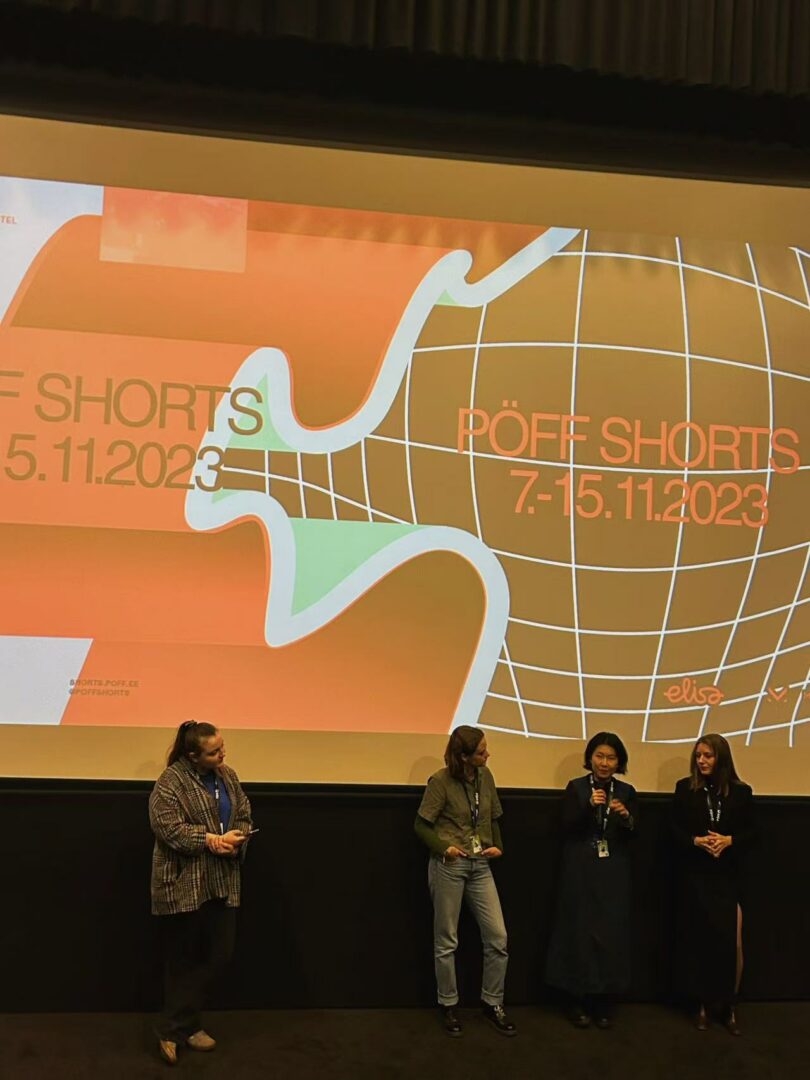
Image Credits
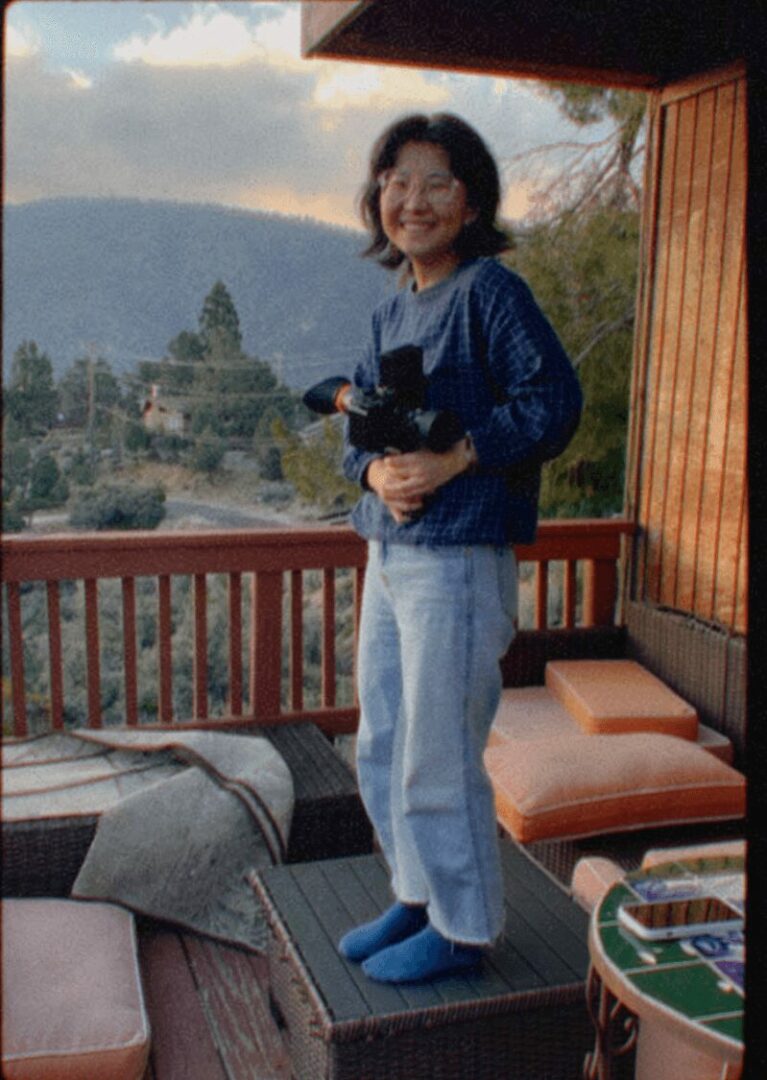
All images by me.
There are some of me as a curator, and me at the Tallinn black nights film festival.
so if you or someone you know deserves recognition please let us know here.