We’re excited to introduce you to the always interesting and insightful Isadora (Stowe) Jackson. We hope you’ll enjoy our conversation with Isadora below.
Isadora, thank you so much for taking the time to share your lessons learned with us and we’re sure your wisdom will help many. So, one question that comes up often and that we’re hoping you can shed some light on is keeping creativity alive over long stretches – how do you keep your creativity alive?
I keep my creativity alive by paying attention to the land, to my inner world, and to the small moments that often go unnoticed. Growing up in the borderlands taught me that boundaries are fluid, and that understanding still fuels my imagination. Whenever I feel stuck, I return to those in-between liminal spaces physical or emotional because that’s where transformation happens.
Walking, noticing, and collecting are central to my practice. I sketch symbols I encounter in daily life and travel, birds, doorways, bits of architecture that later become part of my visual vocabulary. Working with materials like glow-in-the-dark pigments and projection mapping also keeps me curious; the work shifts with light and time, reminding me that creativity thrives in experimentation.
Ultimately, connection sustains me: to my family, to the communities I work with, and to the landscapes that shaped me. My creativity stays alive by staying open, open to surprise, to change, and to the ongoing dialogue between memory, place, and possibility.
Appreciate the insights and wisdom. Before we dig deeper and ask you about the skills that matter and more, maybe you can tell our readers about yourself?
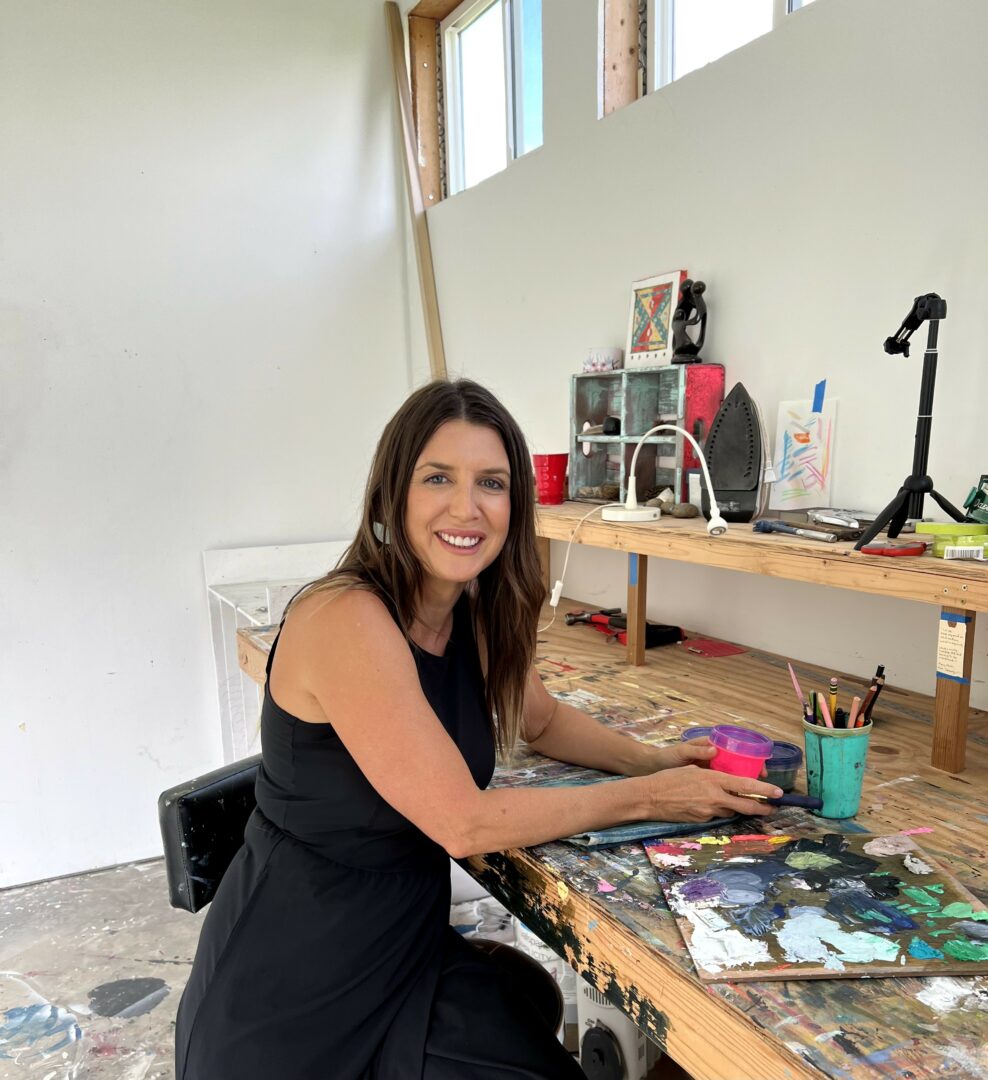
I’m a multimedia visual artist, art professor, and mother whose work explores how psychological, emotional, and ecological landscapes shape our sense of place. Growing up in the U.S.–Mexico borderlands deeply informs my practice, and much of my work examines thresholds, those transitional spaces where identities shift, boundaries blur, and new perspectives emerge. I use materials like rice paper, layered archival ink, spray paint, glow-in-the-dark and UV-reactive pigments, and translucent surfaces to build immersive environments activated by light.
What excites me most is creating work that transforms across time: pieces that look one way in daylight and reveal entirely new dimensions at night. I’m always experimenting with how light can change the way we navigate an artwork, making each encounter with it both personal and dynamic.
Right now, I’m immersed in several new projects that all revolve around movement, transformation, and the spaces we cross internally and externally. This includes my traveling exhibition Thresholds: Navigating the Spaces Between and Woven Landscapes, a video-mapping collaboration with my partner that merges art, nature, and sound.
I’m also working on a new book that threads together the physical act of climbing a mountain with conversations about creativity and the daily practices that sustain it. As both an artist and a mother, the metaphor of putting one foot in front of the other resonates deeply, it reflects the steady commitment required in art, caregiving, and self-growth. The project follows my own ascent both literal and metaphorical while drawing from dialogues with artists who use walking, wandering, and movement as essential parts of their creative process.
What excites me most about this book is how simple, consistent acts can open profound internal landscapes. Walking becomes a form of thinking, a way of processing memory, environment, and imagination. Through these conversations, I explore how artists across disciplines rely on movement to generate ideas, navigate transitions, and remain connected to their inner worlds.
The book extends my broader artistic practice, which investigates thresholds and the spaces in between. The mountain becomes both a physical and symbolic threshold where effort, reflection, caregiving, and creativity meet. I’m documenting sketches, symbols, and visual notes that emerge during these walks, creating a layered portrait of how creativity unfolds in motion.
Ultimately, whether through murals, installations, writing, or works on paper, my goal is to create spaces where viewers can reflect on their own stories, the environments that shape them, and the borderlands they move through every day.
If you had to pick three qualities that are most important to develop, which three would you say matter most?
Looking back, three qualities have been especially impactful in my journey as an artist, art professor, and mother: resilience, curiosity, and an ability to work with limited resources while still imagining expansively.
1. Resilience Art and life are full of moments where things don’t go as planned: rejected proposals, shifting timelines, creative blocks, or the everyday juggle of caregiving and professional commitments. Resilience isn’t about never feeling discouraged; it’s the ability to return to the work anyway. Advice: Build resilience by creating small, consistent practices. Even ten minutes of sketching or writing each day strengthens the muscle of returning to yourself.
2. Curiosity My entire practice is driven by asking questions: about place, identity, movement, memory, and how we navigate the spaces between. Curiosity opens doors, fuels experimentation, and makes every project feel like an adventure. Advice: Protect your curiosity. Follow ideas that spark your interest, even if they don’t immediately make sense or seem “productive.” Curiosity often leads you exactly where you need to go.
3. Resourcefulness & Creative Adaptation Growing up in the borderlands taught me how to make a lot with very little. That ability to adapt, to pivot, to reimagine has shaped my entire career. It’s allowed me to build immersive installations, travel, collaborate, and continue making work even during demanding seasons of life. Advice: Embrace constraints rather than fear them. Limitations can sharpen creativity and help you discover your own distinctive voice and problem-solving style.
For anyone early in their journey, the most important thing is to begin. Start small, stay curious, and trust that every step no matter how modest builds the foundation for the work you’re meant to make.
Before we go, maybe you can tell us a bit about your parents and what you feel was the most impactful thing they did for you?
The most impactful thing my parents did for me was model a life shaped by creativity, courage, and curiosity. My father, an artist, taught me to value imagination, generosity, and exploration, both in the studio and in the world. My mother, who died when I was young, was the first in her family to leave the continent. She joined the Peace Corps and stepped onto an airplane when no one around her had ever done so. Her boldness became an early blueprint for charting my own path.
My stepmother, a Rhodes and Fulbright scholar and a remarkable art historian and professor, gave me another essential gift: the ability to see meaning in the details. She taught me how history, symbols, and visual language shape our understanding of the world.
Together, they formed a constellation of influences that grounded me in creativity while encouraging me to venture beyond what I knew an inheritance of imagination, inquiry, and expansive possibility.
Contact Info:
- Website: www.isadorajackson.com
- Instagram: @isadora.a.jackson
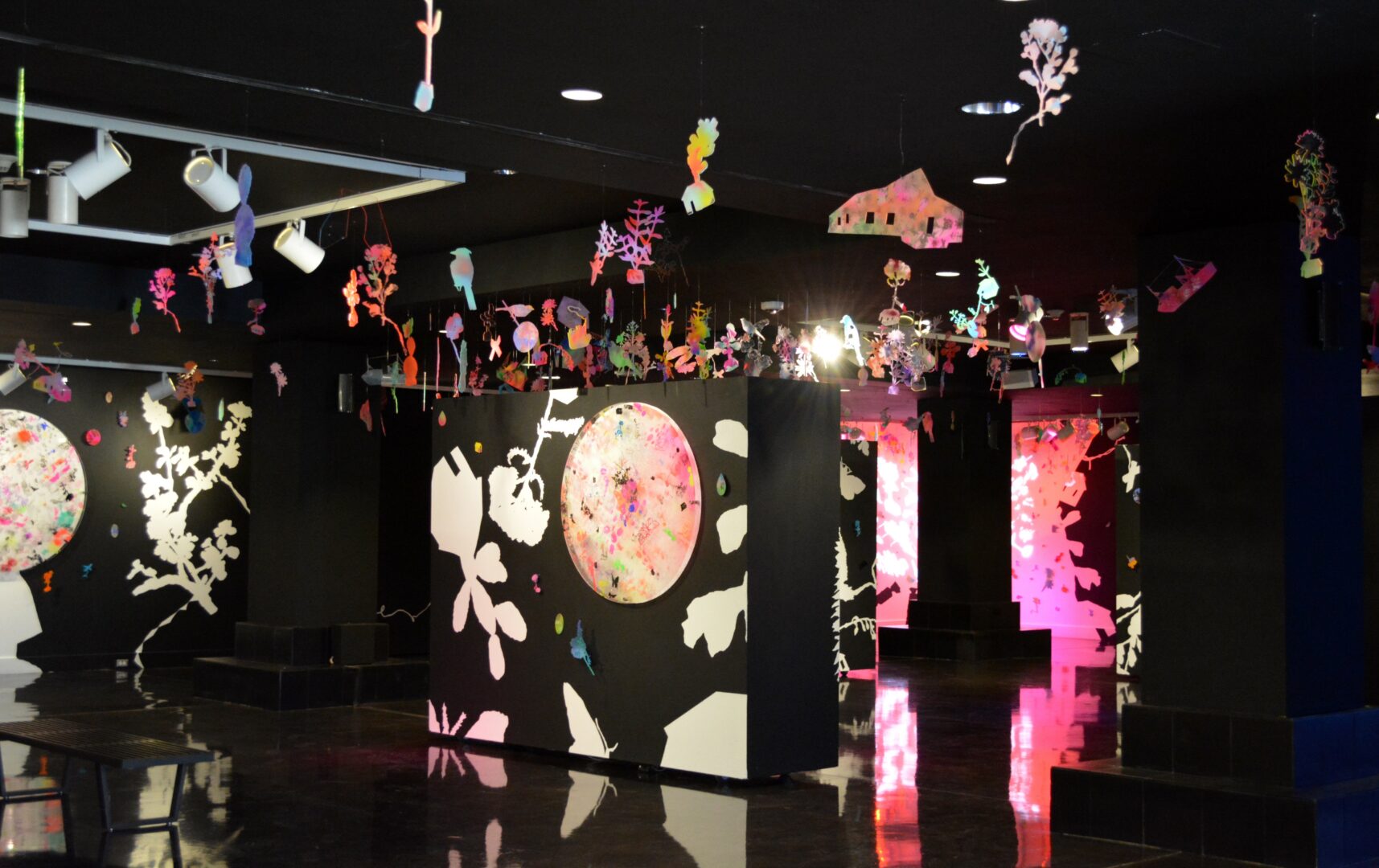
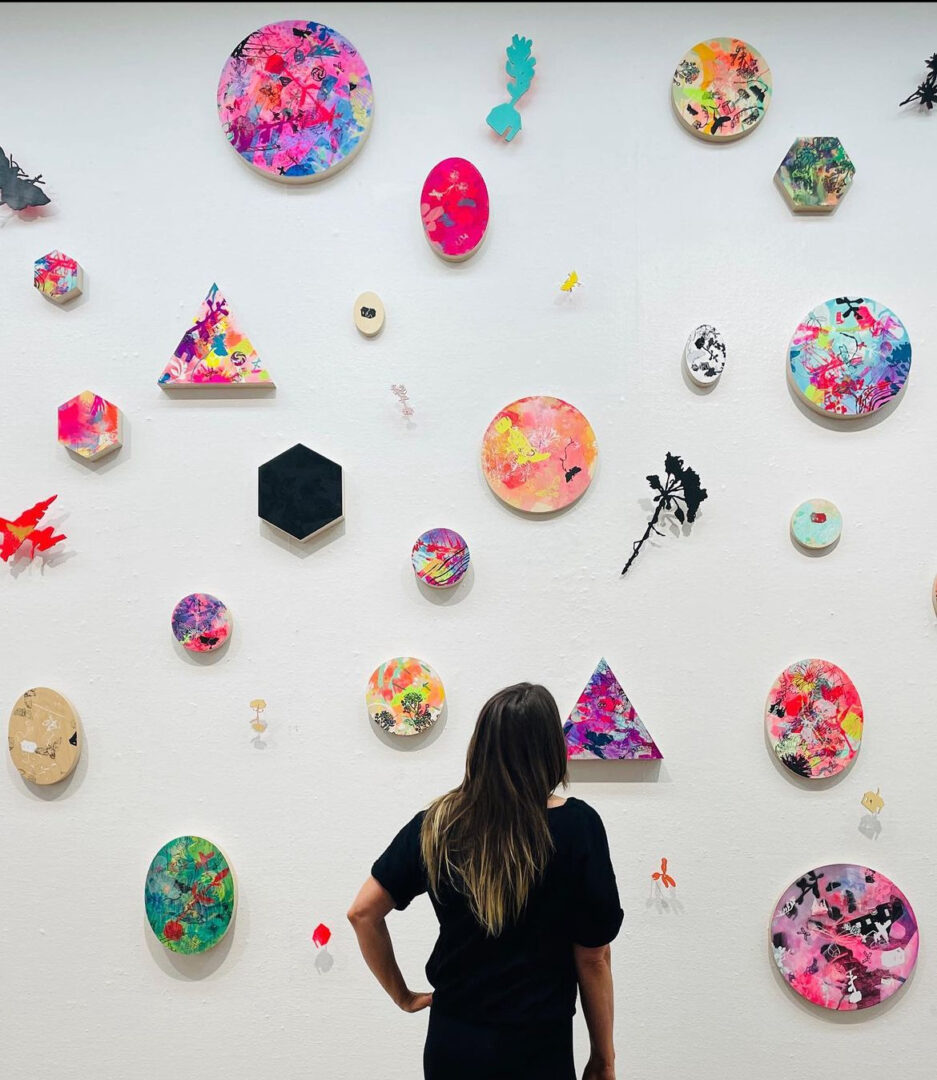
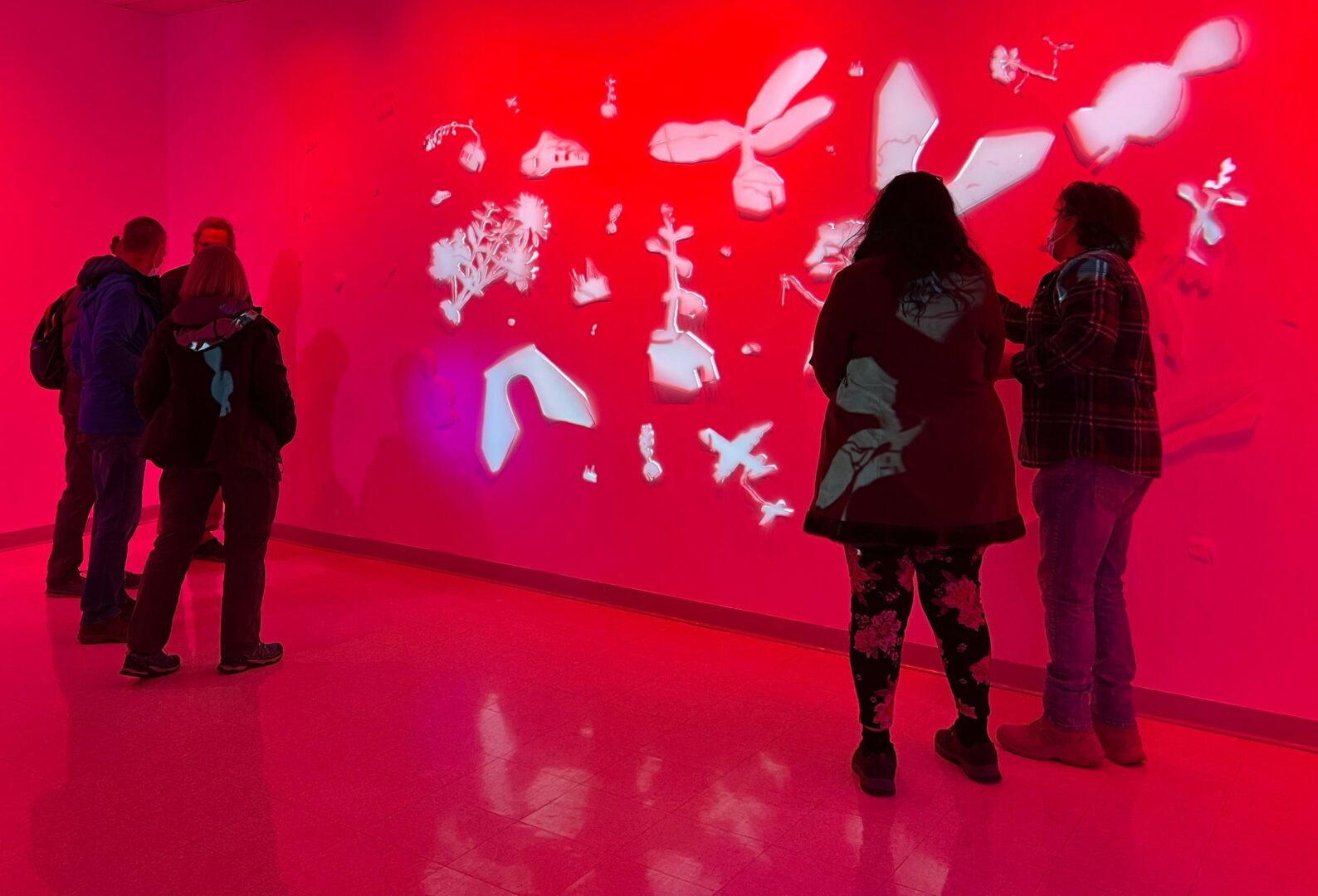
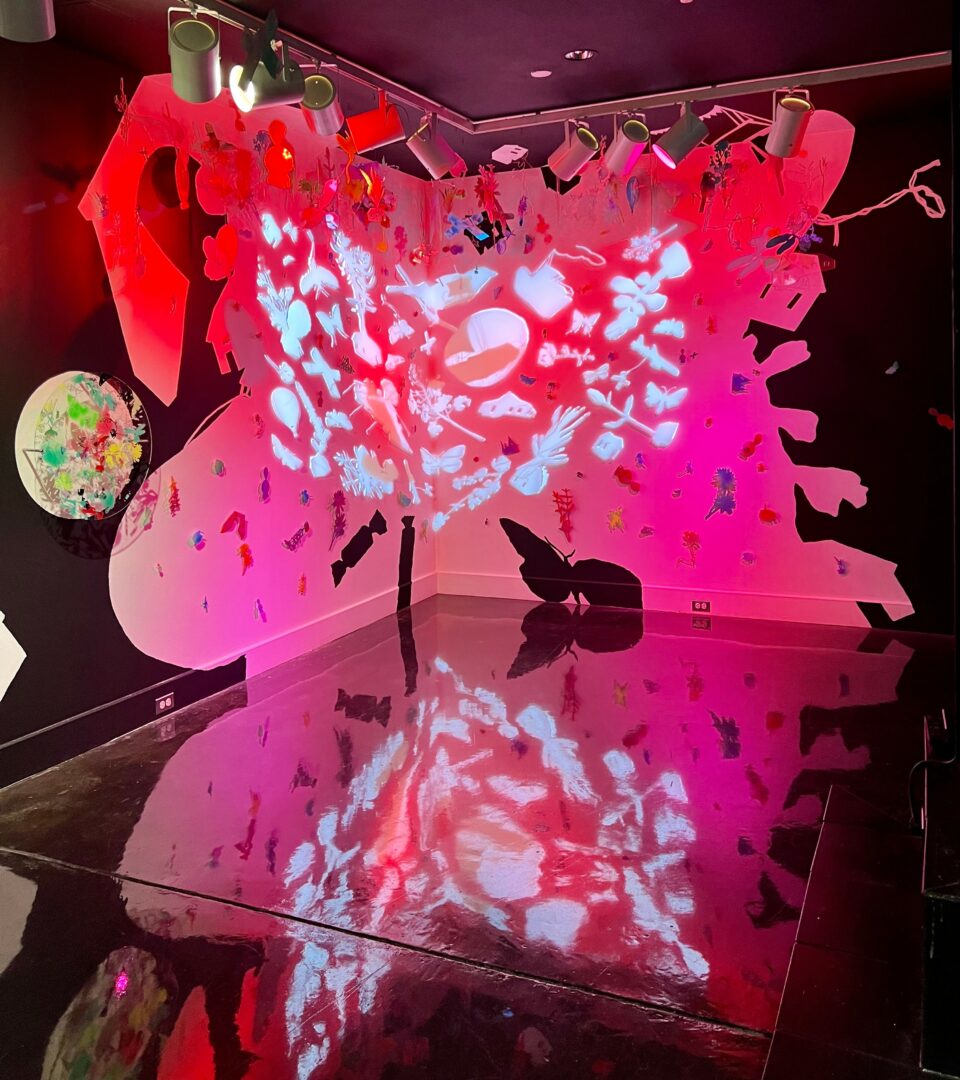
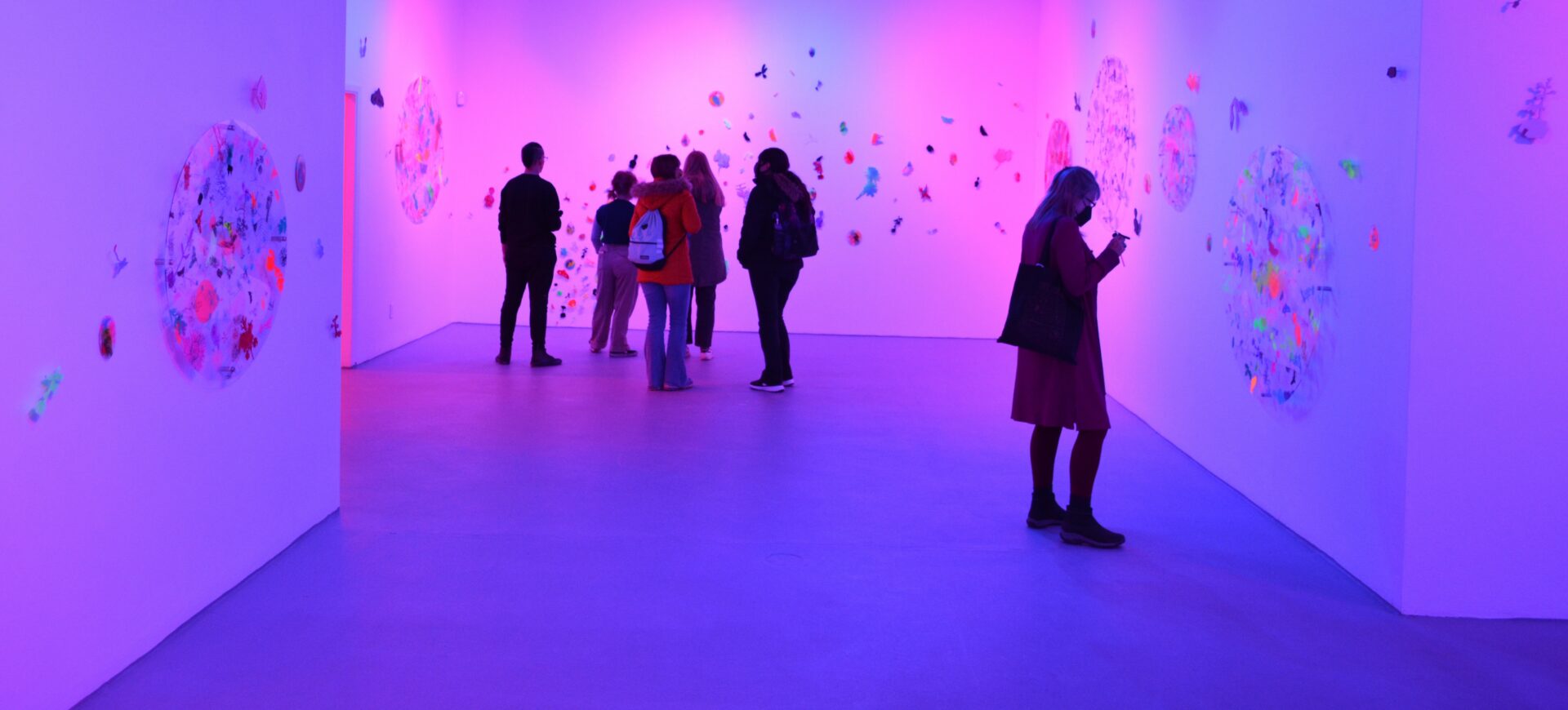


Image Credits
All photos courtesy of Isadora Jackson