We were lucky to catch up with J.e. Jack recently and have shared our conversation below.
J.E. , appreciate you making time for us and sharing your wisdom with the community. So many of us go through similar pain points throughout our journeys and so hearing about how others overcame obstacles can be helpful. One of those struggles is keeping creativity alive despite all the stresses, challenges and problems we might be dealing with. How do you keep your creativity alive?
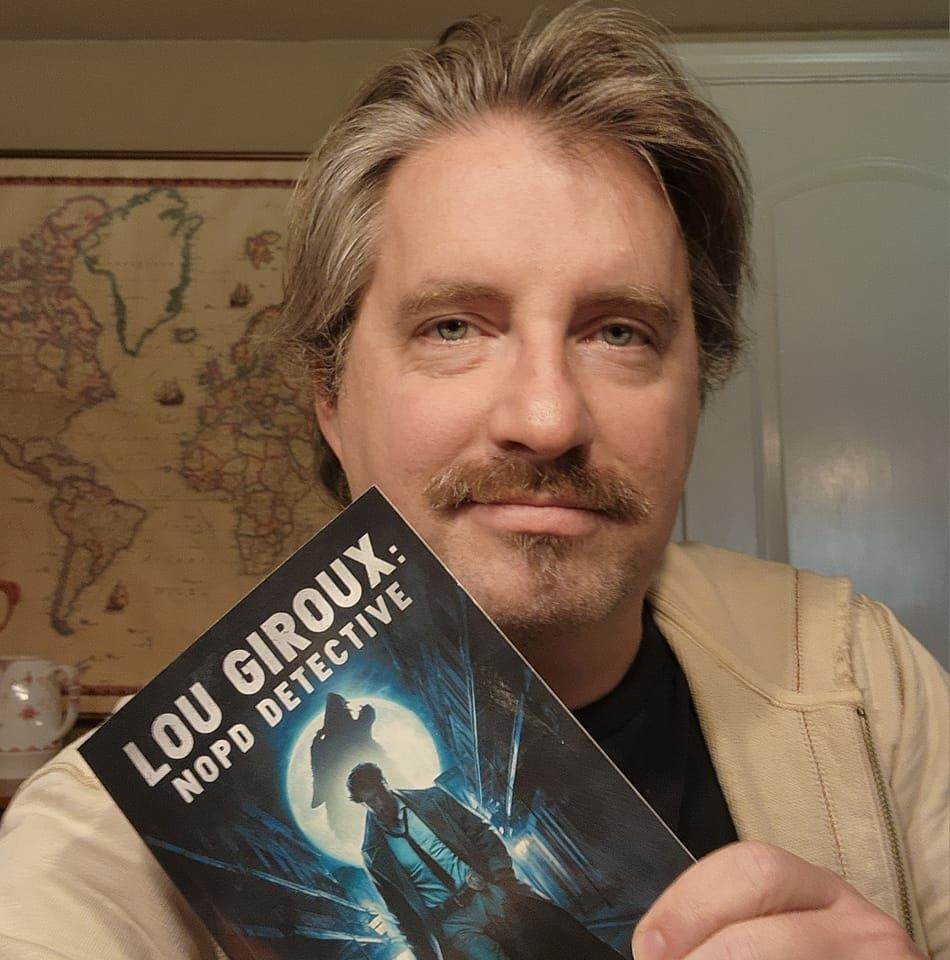
A shot of whiskey and two Alka Seltzer…no, I am kidding. But jokes aside, it’s hard to answer this question because how do you explain how you breathe? I think the thing for me is that I am a very curious person and like to discover the what and why for things. I like to travel just to see what’s on the other side of the hill. And I believe creating things is very much the same. I’m a part-time indie author and I write books for the enjoyment of myself and others. When it comes to writing, I am a discovery writer, or in some circles, a pantser, meaning, I write by the seat of my pants. So, I may have a vague idea of the story but when I sit down to write, I honestly have no idea how or where the story will go. I find more of the story each day I sit down to write. I keep my creativity and very much my curiosity alive because I want to know how the story ends.
Now, there are some authors out there that outline or plot their whole story before even beginning to write, but for me, if I knew the whole story beforehand, I would become bored with it and not finish.
Now, I’ll be honest, this style of writing isn’t for everyone. It can be quite frustrating. 90% of the time, I do not know who committed the crime or how the story will end and that’s challenging because every day you come to the writing chair, there is a nagging question of whether you have the imagination, at that moment, to keep the story going. What happens next?! I don’t know! I just got here! But I sit down, I focus, and somehow, I continue to plod through until the story is finished.
Some people ask me about writer’s block. I don’t usually get these because I’ve developed the daily habit of writing whenever I am in the middle of a writing project. There are things in my life that are nonnegotiable. Making the time to write is one of them. However, there are moments where it’s absolutely impossible to write for that day due to “life” and that’s okay. We have to give ourselves grace on these days. But back to the writer’s block question—if you come to a standstill with the creativity on whatever project you’re involved in, by all means, take a break (but remain productive); oftentimes, the problem will resolve itself. I will say this, and I wouldn’t recommend it for someone writing their first book, but after finishing my third book (published) and a couple of novellas (that are currently unpublished), I began to write a book and got 90,000 words in on it. Then, I hit a brick wall. I had a lightning idea about another story hit me and I ended up taking a break from that book and wrote the other story, which became my fourth published novel. After completing that one, I came back to my unfinished novel and completed it. Now, the one that I had originally put on hold is currently my most successful novel to date. So, sometimes, it’s okay to take a hiatus on a project but I would recommend doing something along the same lines during your “break.” The brain and subconscious will continue to work on and solve the problem, even though you may not be actively aware of it.
When it comes to writing a book, I equate it to climbing a mountain. The first book, you have no idea how to get up that mountain and one day, you accidentally get to the top. It’s a very tough journey, though not impossible. However, with each successive book, you know exactly what goes into it and with each project, you are again at the bottom and starting over, looking back up at the top with resignation and excitement. It’s grueling but so rewarding.
Thanks, so before we move on maybe you can share a bit more about yourself?
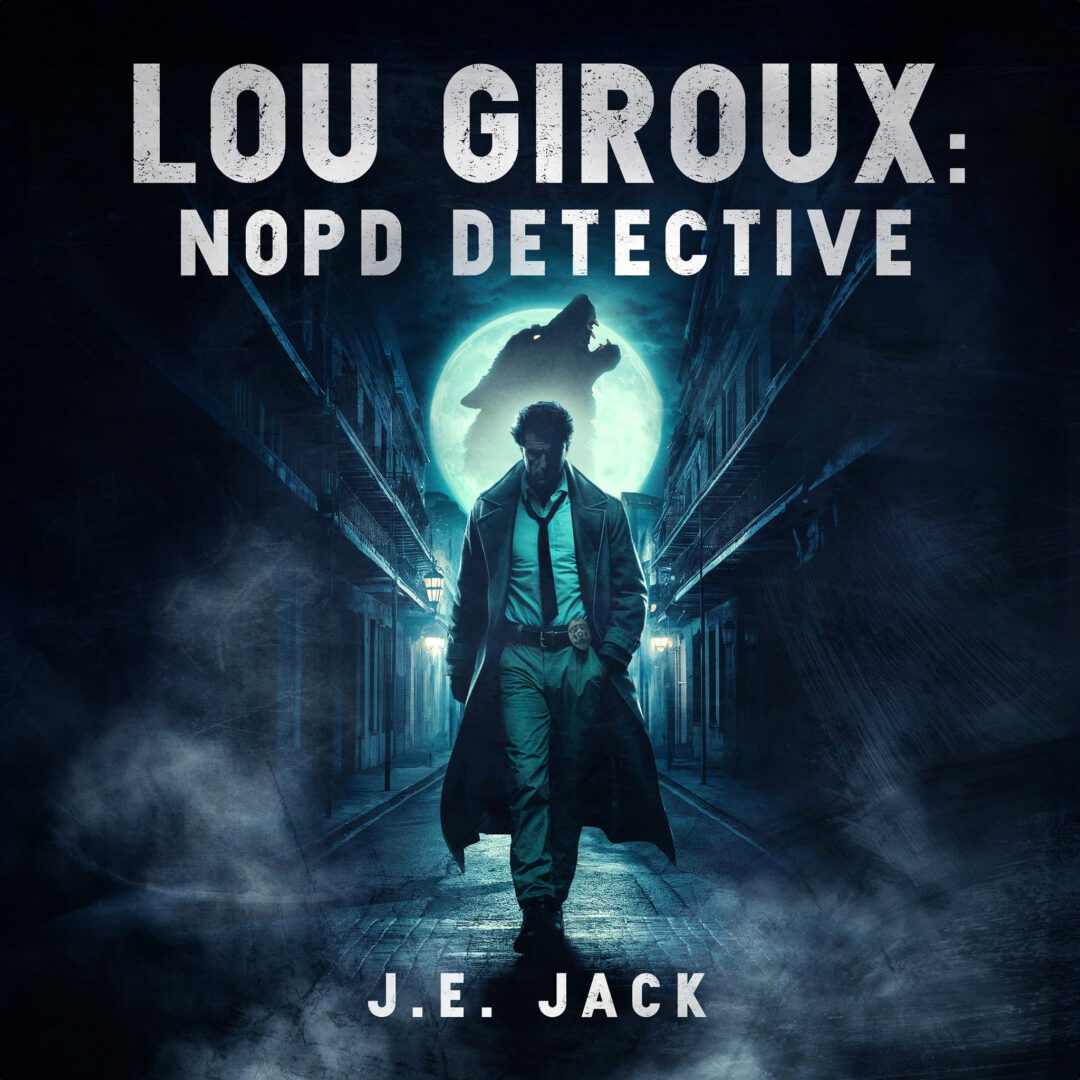
I’m an indie author with a day job. I write paranormal thrillers and urban fantasy. For me, I chose to be an indie author, and the path works for me (though I know it’s not for everyone) because I have total control over my work from start to finish, with no gatekeepers holding me back. Make no mistake though, this path isn’t a hobby, this is a business. One that requires constant learning, investment (both time and money), and implementation. But with every success and book release, it brings new rewards.
I also co-host a podcast called “The Authors’ Dilemma.” It’s a Facebook Live podcast where we discuss author-related topics. It streams live on Facebook and YouTube and then ends up on most podcast platforms.
There is so much advice out there about all the different skills and qualities folks need to develop in order to succeed in today’s highly competitive environment and often it can feel overwhelming. So, if we had to break it down to just the three that matter most, which three skills or qualities would you focus on?
The problem with writing a book is that you actually have to sit your butt down and write. Many people want to write, but they don’t know where to start or how to begin. For many years, I was this way. I always looked for that golden nugget to help me “be a writer” and the response was always, you got to write, which, obviously, I didn’t want to hear.
So, my advice for others is, you have got to write. Joke…but it’s a serious joke, you indeed must write if you want to “be a writer” that writes books. My suggestion is to start with something small. Write a sentence describing something. Write two sentences. Then, at another time, write a paragraph. After that, write a scene, maybe a fight scene, or romance, or maybe just a scene of dialogue where a person is ordering coffee from the local coffee shop. After that feels good, write a short story, complete with a beginning, middle and an end. Write a longer story, then a novelette (7500 to 19000 words), a novella (10,000 to 40,000 words) and then finally that novel (40,000+ words) you’ve been dreaming about.
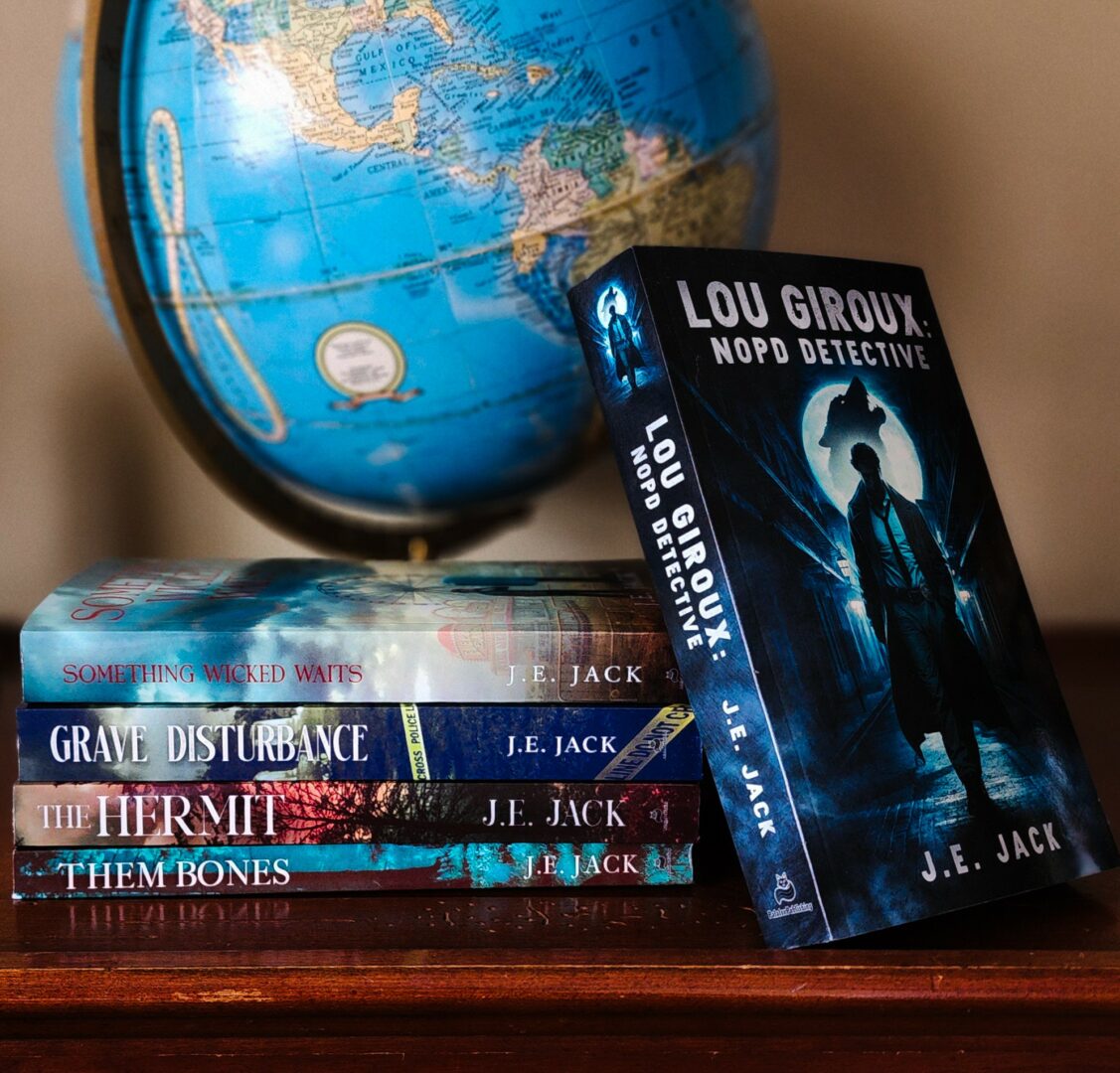
I am not as prolific as some authors, but I am consistent, which makes me more prolific than others. I began writing seriously roughly four and a half years ago and I’ve written six novels, one of which is unpublished, and two novellas, also one of which is unpublished, during that time. I write roughly 500 words a day when I am in a project. That’s 45,000 words in 90 days. The time is going to pass anyway, so why not do something small every day that adds up over time? And to use an often-used colloquialism, “How do you eat an elephant? One bite at a time.”
Also, hire an editor, however, don’t heavily edit during your work in process. Finish the project first, then go back for your initial edits. Trust me, if I can do it, you can too.
Before we go, maybe you can tell us a bit about your parents and what you feel was the most impactful thing they did for you?
I came from a broken home. My parents divorced when I was about six; they loved one another but they couldn’t live together. My dad, being in the military, wasn’t always around and my mom, being a single parent, wasn’t always around either…but they loved and supported me as much as they could. That, I have no question about.
I think the most impactful thing they did was to teach me manners, the importance of being courteous, self-control, and to be honest, both with myself and with others. My dad once took me to the side and asked me what my name meant to others when they heard it. He then explained that we all have name, and that it can either mean something good or bad to people. That bit of advice stuck with me and paid dividends over the years. All those lessons opened up job opportunities I wouldn’t have had, had I not been the kind of person that people thought of when opportunities became available.
Anyway, back to my parents. They always helped me develop my love for learning and even though we didn’t have a whole lot of money, my mom always made sure I was able to get a book to read. They also gave me their advice but then gave me space to figure it out (within reason) to either thrive or learn from my mistakes.
My mother passed away last year and my dad a year before that. They had their faults, sure, but they were good people, and they are why I have any kind of success today. I miss them so.
Contact Info:
- Website: https://www.jejack.com
- Instagram: https://www.instagram.com/authorje_jack/
- Facebook: https://www.facebook.com/AuthorJEJack
- Twitter: https://twitter.com/AuthorJEJack
- Other: Author J.E. Jack’s page on Amazon
The Authors’ Delima podcast on Facebook and Spotify
https://www.facebook.com/authorsdilemma/
https://open.spotify.com/show/0RH9YpA1l3CWEwZv9Tdhy5?si=f40a1806ed584377
so if you or someone you know deserves recognition please let us know here.