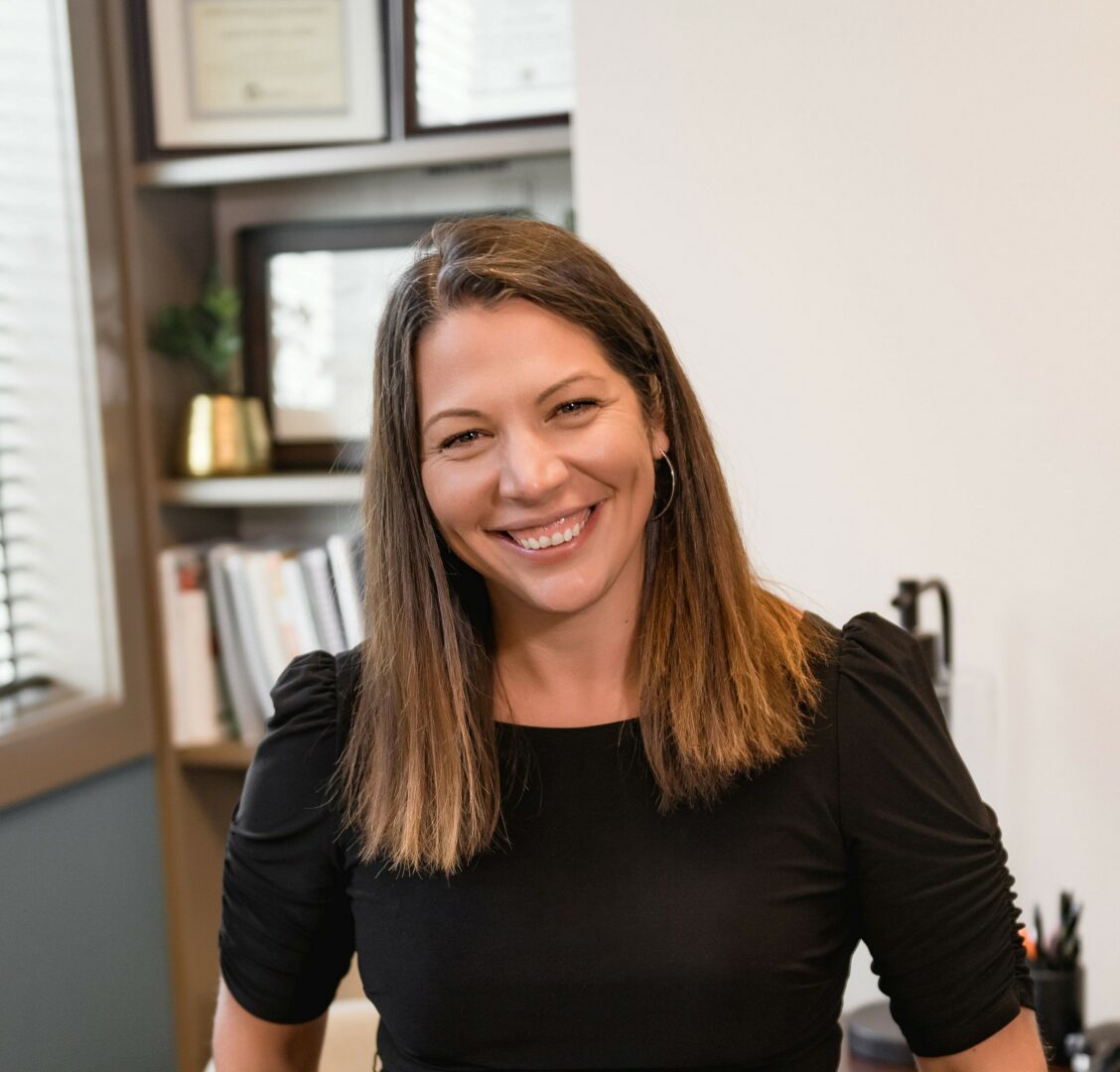
We recently connected with Jackie Smith and have shared our conversation below.
Hi Jackie, appreciate you sitting with us today. Maybe we can start with a topic that we care deeply about because it’s something we’ve found really sets folks apart and can make all the difference in whether someone reaches their goals. Self discipline seems to have an outsized impact on how someone’s life plays out and so we’d love to hear about how you developed yours?
The Roots of My Self-Discipline
Self-discipline is a quality I wear like a second skin. It is not just a trait I developed over time but one ingrained in my upbringing and shaped by the experiences that followed. The foundation of my self-discipline lies in my early years growing up on a farm, beginning at the tender age of five. Those formative years instilled in me a sense of responsibility, resilience, and an understanding of my role in the world—a grounding that was later fortified by my time in the Army. Today, that same self-discipline is the driving force behind my business, my work in the community, and even my passion for marathons and ultramarathons.
Growing up on a farm was a lesson in humility and hard work. At an age when many children were just learning to navigate play, I was learning to navigate a barn. My days began before the sun rose, feeding the cows and scraping manure. As I grew taller, my responsibilities grew too, and I began milking cows. The rhythm of farm life was relentless and non-negotiable. It didn’t matter if someone was sick, tired, or just not in the mood—the cows had to be milked. This consistency taught me that discipline wasn’t about convenience but commitment. Tasks like baling hay, climbing silos, delivering calves, and fixing equipment were not optional; they were integral to the farm’s survival.
Those years grounded me in the understanding that life is not about me alone. I learned to see myself as part of something bigger, where my actions directly influenced outcomes. If the cows weren’t fed, they couldn’t produce milk. If the equipment broke and wasn’t fixed, the harvest suffered. This deepened my appreciation for responsibility and the interconnectedness of life. Farm life also introduced me to the realities of life and death, fostering a maturity that many children don’t encounter so early. These lessons in accountability and care shaped my character and my understanding that discipline isn’t just about getting things done—it’s about doing so with purpose and care.
The transition from the farm to the Army felt seamless. If anything, military life felt like a breeze in comparison. The early mornings, structured schedules, and physical demands of Army life mirrored the rhythm I had known for years. As a medic, I found a new sense of purpose, engaging in meaningful work that required precision, care, and resilience. The Army not only built on the discipline I already possessed but also refined it, teaching me to lead, adapt, and persevere in even the most challenging circumstances.
Both the farm and the Army instilled in me an unshakable work ethic and a sense of duty. The farm taught me discipline through necessity—the cows needed care, the work needed to be done, and the family depended on everyone doing their part. The Army sharpened this discipline with structure, camaraderie, and a clear mission. Together, these experiences formed the backbone of my approach to life: showing up, taking responsibility, and understanding the bigger picture.
Today, that same self-discipline drives every facet of my life. In my business, it ensures I lead with purpose and integrity, building a team and a practice grounded in accountability and care. My work in the community reflects the understanding I gained early on: that we are all part of something bigger, and our actions have a ripple effect. Whether advocating for survivors of trauma, supporting local initiatives, or collaborating with others to create meaningful change, I approach these efforts with the same focus and responsibility I learned on the farm and in the Army.
Self-discipline is also the foundation of my love for marathons and ultramarathons. The long hours of training, the mental grit required to push through fatigue, and the commitment to see a goal through to completion are deeply familiar to me. Running is not just a physical challenge but a reflection of the values that have shaped my life. Each mile I run reminds me of the resilience and tenacity that were first forged in the barn and later refined in uniform. It’s a testament to the power of discipline—not just to achieve, but to endure and grow.
Self-discipline isn’t just a skill; it’s a way of life born out of years of living with purpose, accountability, and resilience. It’s what drives me to build a successful business, contribute meaningfully to my community, and embrace challenges like marathons and ultramarathons. It is a constant reminder that showing up, taking responsibility, and striving for excellence are the keys to a life well-lived.
Great, so let’s take a few minutes and cover your story. What should folks know about you and what you do?
From Personal Resilience to Transforming Lives: The Story Behind TouchPoint Counseling
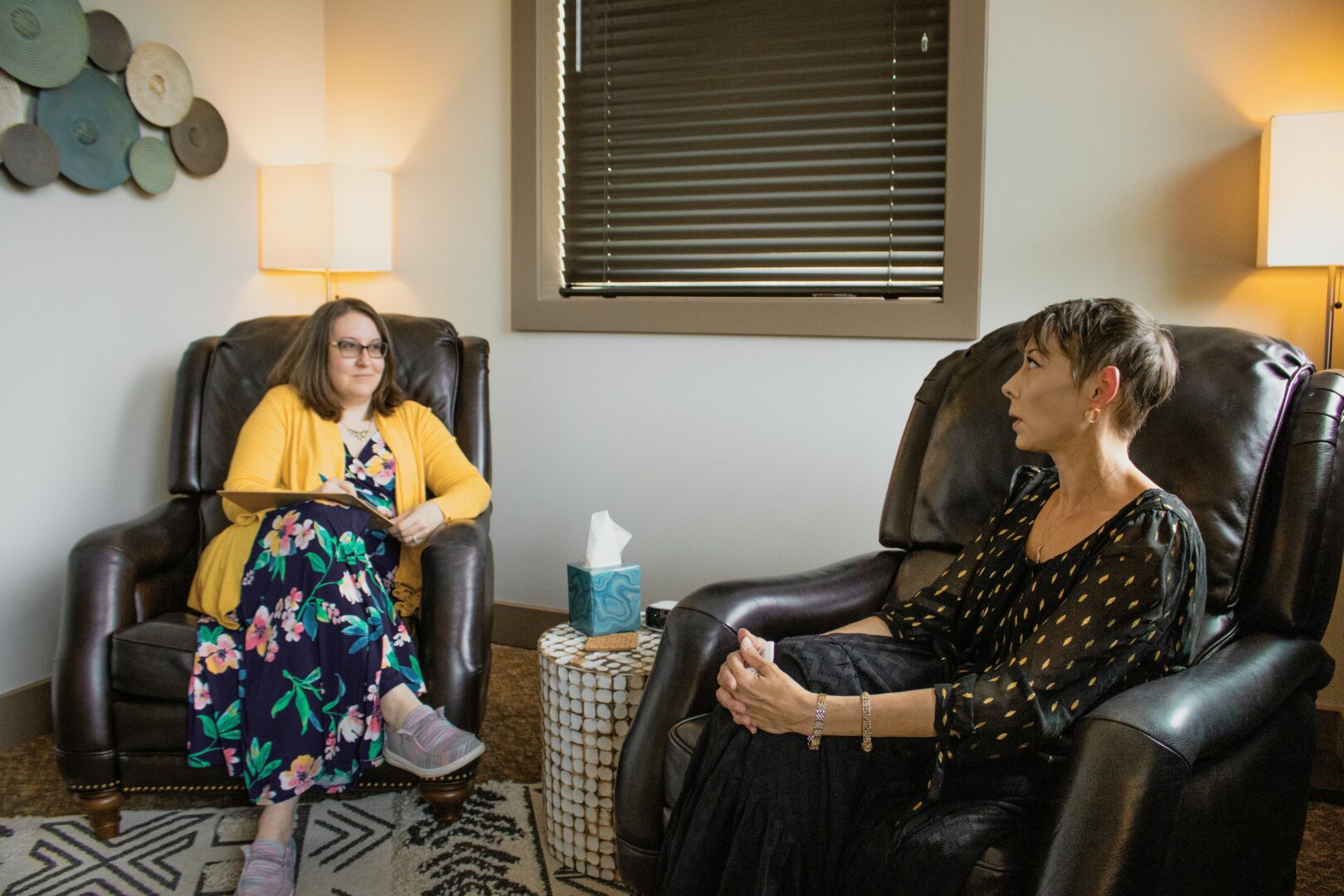
At TouchPoint Counseling, we are dedicated to helping individuals heal deeply and profoundly. Our approach focuses not only on addressing the symptoms of trauma but also on uncovering and healing the root causes—both the lived experiences and the nervous system’s role in storing those experiences. By working at this deeper level, we empower individuals to transform their lives, rather than just manage their symptoms.
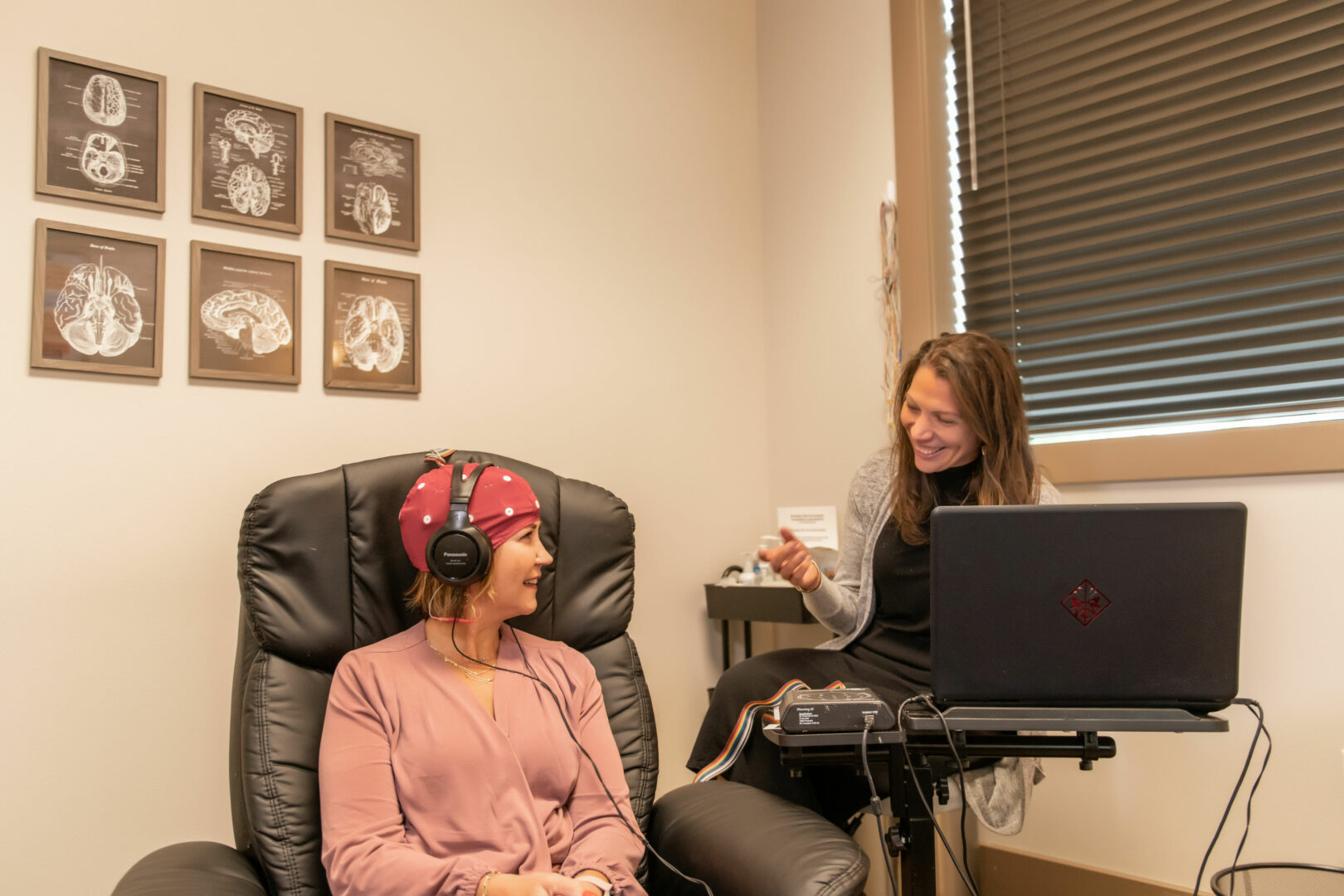
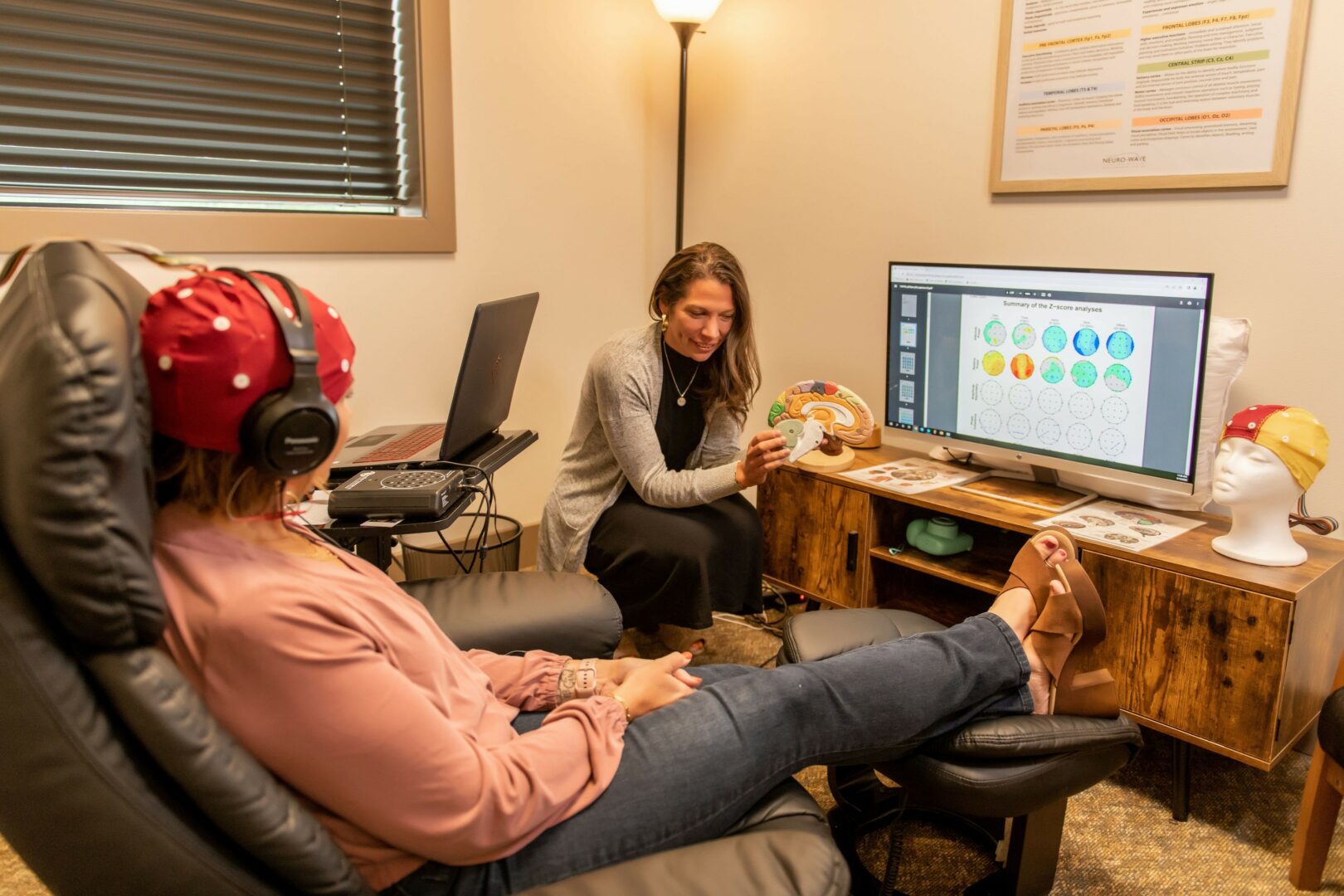
Our work is rooted in evidence-based trauma-informed modalities, including EMDR, neurofeedback, parts work, and the Comprehensive Resource Model. These therapies are designed to help clients process and release pain stored in their minds and bodies. We work with individuals navigating PTSD, TBI, anxiety, ADHD, depression, and relationship challenges. What began as a solo practice has grown into a thriving team of 27 clinicians across two locations, all united in our mission to help humans heal, grow, and thrive.
My Journey to This Work
My passion for trauma healing stems from personal experiences of loss, confusion, and resilience. As a child, my life was profoundly shaped by the unexplained disappearance of my mother following my parents’ divorce. Her absence left a void filled with unanswered questions and a sense of abandonment. Though I couldn’t articulate it at the time, I grew up with an internal struggle that felt both overwhelming and isolating.
Books became my refuge. I found myself drawn to stories of survival and resilience—Holocaust accounts, Vietnam veterans’ experiences, and narratives of overcoming adversity. These stories gave me hope and planted the seeds for my lifelong fascination with understanding trauma and human resilience.
Later in life, this unresolved trauma resurfaced as I became a mother at age 20. I feared I might unknowingly follow in my mother’s footsteps, struggling to love and care for my daughter. Determined to break the cycle, I channeled my energy into building a life for her and me. As a single mother, I worked full-time while earning my BA in Social Sciences and later my Master’s in Social Work.
During my studies, my obsession with understanding trauma deepened. I sought knowledge about PTSD, the nervous system, and trauma recovery. My internship at the VA allowed me to work directly with veterans returning from Iraq and Afghanistan, many of whom were grappling with PTSD and TBI. Their stories of resilience and healing solidified my commitment to helping others recover from trauma.
After graduating, I worked full-time at the VA, supporting homeless programs and assisting non-profits in implementing housing-first models. While rewarding, this work felt distant from the direct, human-level healing I longed to facilitate. This desire ultimately led me to establish TouchPoint Counseling.
What Makes Our Work Special
At TouchPoint Counseling, we focus on the root of our clients’ symptoms. Trauma impacts not only the mind but also the body, and we believe in addressing both aspects to promote profound and lasting healing. Our work is inspired by Bessel van der Kolk’s The Body Keeps the Score, which underscores the importance of integrating the body and mind in trauma recovery.
Healing from trauma is deeply personal and transformative. It’s about more than managing symptoms—it’s about rediscovering strength, joy, and the ability to thrive. At TouchPoint, we create a safe and supportive environment where clients can reconnect with themselves and embark on this transformative journey.
A Message of Hope
My story and the work we do at TouchPoint Counseling are grounded in the belief that healing is always possible. No matter how overwhelming or insurmountable trauma may seem, the human spirit is capable of extraordinary growth and resilience. Whether through innovative therapies or compassionate relationships, our mission is to empower individuals to reclaim their lives and find the hope and healing they deserve.

If you had to pick three qualities that are most important to develop, which three would you say matter most?
The three qualities that were most impactful in my journey—competence, self-reliance, and hope—are deeply tied to my personal experiences, particularly in trauma healing, my upbringing on the farm, and my time in the Army. Each of these facets of my life shaped how I developed these qualities and how I apply them today in both my personal and professional life.
Competence:
The foundation of my competence was built in the disciplined routines of farm life and further honed in the structured environment of the Army. On the farm, every day brought challenges that required learning practical skills, from repairing equipment to managing livestock. These experiences instilled a sense of capability that carried into my trauma work, where I cultivated specialized knowledge in therapies like EMDR.
For those on a trauma healing journey, building competence means acquiring tools to navigate triggers, process emotions, and create safety. It’s similar to how I learned to approach each task on the farm or in the Army—with focus, persistence, and a commitment to mastery. My advice is to embrace the small victories that come with learning and trust that each step strengthens your ability to heal and help others.
Self-Reliance:
Growing up on a farm teaches you to be resourceful—when something breaks, you figure out how to fix it. In the Army, self-reliance became about trusting myself under pressure, making decisions with limited information, and maintaining discipline even in the face of uncertainty. These lessons translated directly into my work with trauma survivors, where self-reliance has meant staying grounded and finding strength in my ability to support others while also caring for myself.
For those early in their journey, whether it’s personal healing or professional development, self-reliance is about cultivating trust in your own resilience. It’s not about being alone but about recognizing your inner strength. Start by setting small goals that test your problem-solving abilities and remind you of your capacity to overcome challenges, much like a farm chore or a military drill.
Hope:
Hope has been my anchor in every season of life. On the farm, hope came in trusting the cycles of nature—knowing that hard work would eventually yield growth, even after harsh winters. In the Army, hope was the belief that discipline and teamwork could create solutions in even the most daunting circumstances. In trauma healing, hope is the foundation that allows people to imagine a future beyond pain, a belief I carry into my work every day.
My advice for fostering hope is to find anchors that ground you—whether it’s a belief in a greater purpose, a supportive community, or a practice like mindfulness or gratitude. On the trauma healing journey, hope is the thread that ties past struggles to future possibilities. For me, it’s been about seeing how resilience built on the farm and discipline cultivated in the Army shaped my ability to help others recover and thrive.
In both personal and professional journeys, these qualities work together. Competence provides the skills to take action, self-reliance builds the confidence to persevere, and hope lights the way forward. Wherever you are on your journey, draw inspiration from your roots, build on your strengths, and trust the process.
What do you do when you feel overwhelmed? Any advice or strategies?
When I feel overwhelmed, I have a few go-to moves that help me hit the reset button. First, I breathe—like, really breathe—slow, deep breaths that remind my brain to chill out. If that’s not cutting it, I lace up my shoes and run it out. There’s something about pounding the pavement (or the trails) that shakes the stress right out of me.
Sometimes, I’ll just kick off my shoes and plant my feet on the ground. Skin to earth, literally grounding myself. It’s weirdly magical. And when my head’s still spinning, I pause and think about the big picture. I remind myself how lucky I am—a healthy body, a voice that matters, and a life full of things to be grateful for. It’s a vibe check that shifts me from stressed to grounded. Plus, looking back on how far I’ve come? That’s always a solid confidence boost.
Contact Info:
- Website: https://www.touchpointcounseilng.com
- Instagram: https://www.instagram.com/touchpoint.counseling/
- Facebook: https://www.facebook.com/touchpointcounseling/
- Linkedin: https://www.linkedin.com/company/touchpoint-counseling
so if you or someone you know deserves recognition please let us know here.