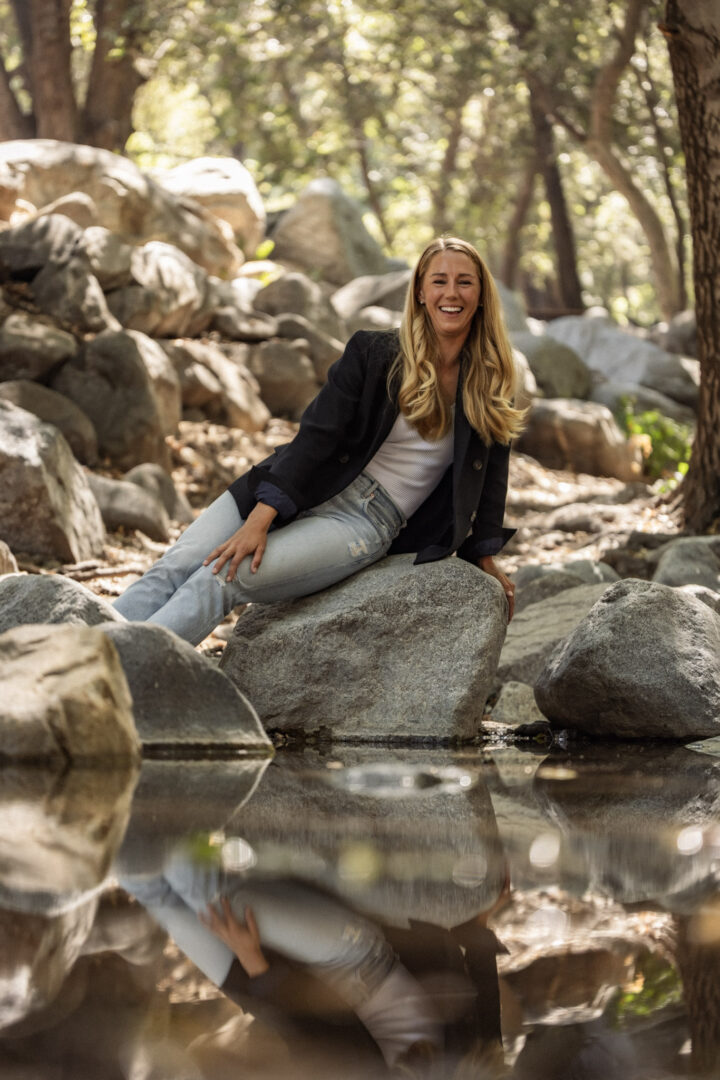
We caught up with the brilliant and insightful Jaclyn VanSloten a few weeks ago and have shared our conversation below.
Jaclyn, thank you so much for making time for us. We’ve always admired your ability to take risks and so maybe we can kick things off with a discussion around how you developed your ability to take and bear risk?
Risk is something I think about often, partly because so many of the activities I love involve inherent uncertainty. Climbing, surfing, skiing, entrepreneurship, and traveling off the beaten path all require a certain comfort with the unknown. Being around people who take even bigger risks has also helped me understand that risk sits on a spectrum. People often view me as someone who does very risky things, yet in many of my groups I am known as the “safety police.” That contrast taught me early on that risk is relative and highly personal.
I have also spent a lot of time organizing teams and coordinating group objectives, whether on climbing trips, backcountry ski missions, or long adventure days. When the stakes can be serious, sometimes life or death, you become very clear about where your line is and how important communication becomes. You start to see that risk-taking is not about fearlessness but about clarity, preparation, and shared understanding.
Another layer that has shaped my thinking is noticing the differences in how people, including men and women, often relate to risk. I do not generalize this to everyone, but spending so much time in male-dominated environments has made me curious about the psychology behind risk tolerance. That curiosity has helped me examine my own patterns with more awareness.
What I know for sure is that I was not a naturally bold risk taker. My ability to take risk developed slowly and methodically. My decisions have always been thoughtful, with many possible outcomes considered. I learned early that you cannot eliminate all uncertainty, but you can build skill, experience, and preparedness to reduce unnecessary risk.
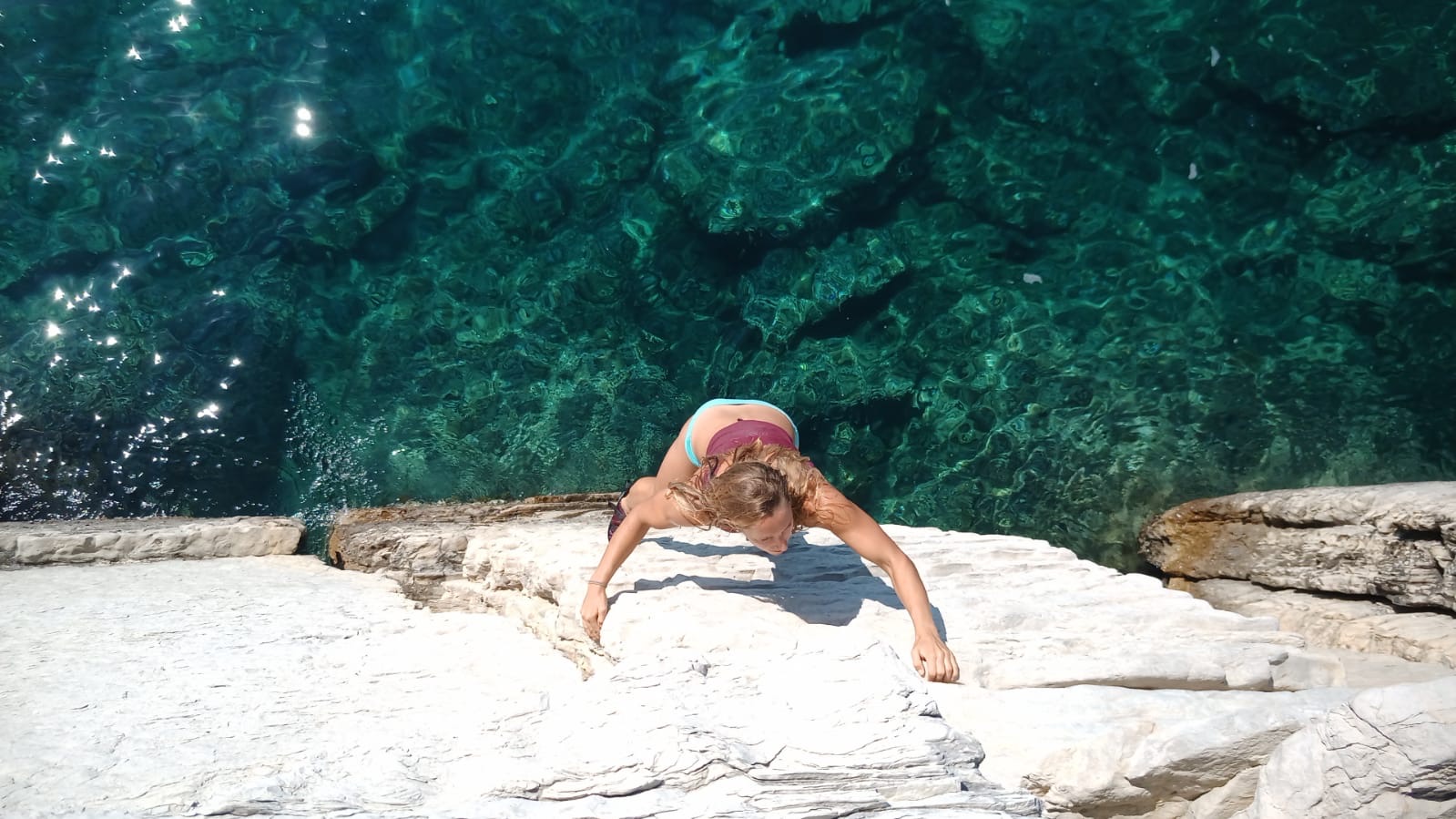
One of the clearest examples for me is rock climbing. Falling is part of the sport and central to progressing, yet I was genuinely terrified for a long time. I approached it with structure and intentionality. I started with very small, controlled falls. Then gradually increased the distance. I practiced falling every session. Eventually I had a partner call out when to fall, so I could train my nervous system to respond in real time. Over months and years, that deliberate process helped me build both technical skill and psychological tolerance. Even still, I responsibly reassess the risk every time I leave the ground.
That approach: breaking things into small, manageable steps, removing avoidable risks, communicating clearly, and building confidence through repetition, is how I have approached risk in almost every part of my life. Whether it is a physical objective or a business decision, I develop comfort through preparation, awareness, and iteration.
My ability to take risk did not come from being fearless. It came from understanding myself, respecting the process, and building capacity one step at a time.
Great, so let’s take a few minutes and cover your story. What should folks know about you and what you do?
I have always been fascinated by psychology and the human capacity for change. I am naturally curious about what helps people grow, shift perspective, and truly thrive. Ironically, I was not athletic as a kid, but when my dad faced health issues, I trained for a 5K with him. That small goal sparked a love for movement that eventually led me into running, triathlons, and later climbing, surfing, skiing, and long-distance trail adventures. The outdoors became the place where I learned resilience, curiosity, and how to move past perceived limits.
While all of this was unfolding, I was also building a 15-year career in marketing at companies like Starcom, Carat, Mindshare, Wieden + Kennedy, and eventually Amazon. I was living two parallel lives: one as a high-performing marketing professional and another as an athlete chasing freedom and health. Eventually, the imbalance caught up with me. I experienced a major health crisis that forced me to re-evaluate everything.
I spent months learning, navigating specialists, lab tests, and the healthcare system, and discovered how little support and research exists for women’s health. It changed me. It shifted my priorities and helped me realize I wanted to use my skills in a way that aligned more closely with health, performance, and human potential.
That realization led to the creation of Femra Consulting, my growth consultancy focused on start-ups, small businesses, women’s health, wellness, and performance brands. I help founders and companies clarify their positioning, understand their audiences, and build sustainable marketing systems that support both awareness and long-term growth. My work blends data-driven strategy with empathy and authenticity, and my goal is to help purpose-driven brands create real impact.
Alongside consulting, I also launched my health coaching practice. I support women who are navigating ongoing health issues, chronic conditions, fatigue, or simply a desire to feel more balanced and energized. Together, we focus on the daily habits that create lasting health, from setting boundaries and managing stress to committing to movement and rebuilding self-trust. My approach draws on functional health principles and emphasizes hormone balance, sleep, nutrition, and emotional wellbeing.
I also share resources through my social media, email newsletter, and content platforms, offering evidence-based health information, inspiration, and healthy recipes that I have personally tested. My goal is to make health approachable and empowering, something people can integrate into real life rather than view as an all-or-nothing pursuit.
Outside of work, outdoor sports continue to be a grounding force for me and a place where I explore mindset and performance. That passion has led to writing for Climbing Magazine and collaborating with leaders who focus on the mental and emotional side of human potential.
What started years ago when I gave up fast food after reading Fast Food Nation in high school has grown into a career centered on helping people and organizations grow, perform, and thrive. My work now bridges two worlds, marketing and wellbeing, both rooted in curiosity, purpose, and the belief that growth is always possible.

There is so much advice out there about all the different skills and qualities folks need to develop in order to succeed in today’s highly competitive environment and often it can feel overwhelming. So, if we had to break it down to just the three that matter most, which three skills or qualities would you focus on?
Looking back, the three qualities that have had the biggest impact on my journey are curiosity, self-belief, and discipline. Curiosity has been the foundation of almost every meaningful shift in my life. Being genuinely interested in people, ideas, and how the world works has opened doors I never could have predicted. When I started Femra, I assumed most of my work would revolve around building client campaigns, but staying curious allowed me to recognize and lean into the growing demand for thought leadership, interviews, and strategic guidance. Curiosity keeps you open and willing to evolve as your business evolves. For anyone early in their journey, I always encourage following the threads that naturally draw your attention, asking questions, and seeking perspectives outside your usual circles. Curiosity expands both your thinking and your opportunities.
Self-belief has been equally important, and also one of the harder qualities to fully claim. Many people, especially women, struggle to trust their strengths or give themselves permission to step into something bigger. I am fortunate to come from a lineage of strong women who modeled resilience and quiet confidence. My great-grandmother was famous in our family for her softball-sized biceps, and my grandmother was the one who loaned me the money to study abroad, even though she grew up in a financially conservative household. She wanted me to experience opportunities she never had. Their belief in possibility helped me build my own. My advice is to start small. Notice what energizes you and where your strengths naturally lie. Take small risks, stack small wins, and let evidence grow your confidence over time.
Discipline is the quality that ties everything together. Entrepreneurship requires a type of discipline that is very different from corporate life. No one tells you when to work or what to prioritize, and that freedom can be both exciting and overwhelming. I have always been organized, but running a business has required deeper honesty with myself about what truly matters and what will actually move the needle. I rely on routines, movement, quiet time at home, and strong relationships to stay grounded. Stability in my personal life makes the uncertainty inside the business much easier to navigate. Each morning, I choose the task I least want to do but know will make the biggest impact, and I do that first. My advice is to create habits that support your energy, build structure where you need it, and be willing to choose small doses of discomfort for long-term progress. Discipline is not about rigidity. It is about creating the conditions that allow you to grow and succeed.

What would you advise – going all in on your strengths or investing on areas where you aren’t as strong to be more well-rounded?
I used to debate this question endlessly with my partner. He firmly believed in going all in on your strengths, while I tended to believe in strengthening the areas where I struggled. As an avid climber, this showed up clearly for me. I did not want to be good at only one style of climbing, like vertical walls. I wanted to be competent across all terrain, from overhangs to slabs. I have always had a generalist streak and a natural drive to push myself in the areas that felt harder. There is something psychologically valuable about learning to do difficult things, and the perspective you gain from facing your weaknesses can be incredibly meaningful.
As I have gotten older, though, my thinking has shifted. I now see this less as an either-or question and more as a spectrum. There is still value in developing your weaker areas, but leaning into your strengths is often where the greatest momentum and fulfillment come from, especially in entrepreneurship. Tim Ferriss talks about the idea that success often comes from combining two areas where you are at the top of the field, rather than trying to be good at everything or striving to be world-class in only one thing. That concept has resonated deeply with me, particularly as I have built my business.
In entrepreneurship and team building, self-awareness becomes essential. Understanding your strengths helps you operate in your zone of genius, and understanding your weaknesses helps you identify where you need support or partnership. In coaching, my job is to help people see, celebrate, and remember their strengths, and use them as fuel to reach their goals. When people work from their strengths, the work tends to feel smoother, more enjoyable, and more creatively fulfilling. So today, my perspective is this: develop your weaknesses enough that they do not hold you back, but devote most of your energy to leaning into your strengths. That is where your best work, your biggest contributions, and your most sustainable success tend to come from.
Contact Info:
- Website: https://femraconsulting.com
- Instagram: https://www.instagram.com/coachjackiev/?hl=en
- Linkedin: https://www.linkedin.com/in/jaclyn-vansloten-3a83b52b/
- Other: https://www.tiktok.com/@coachjackiev

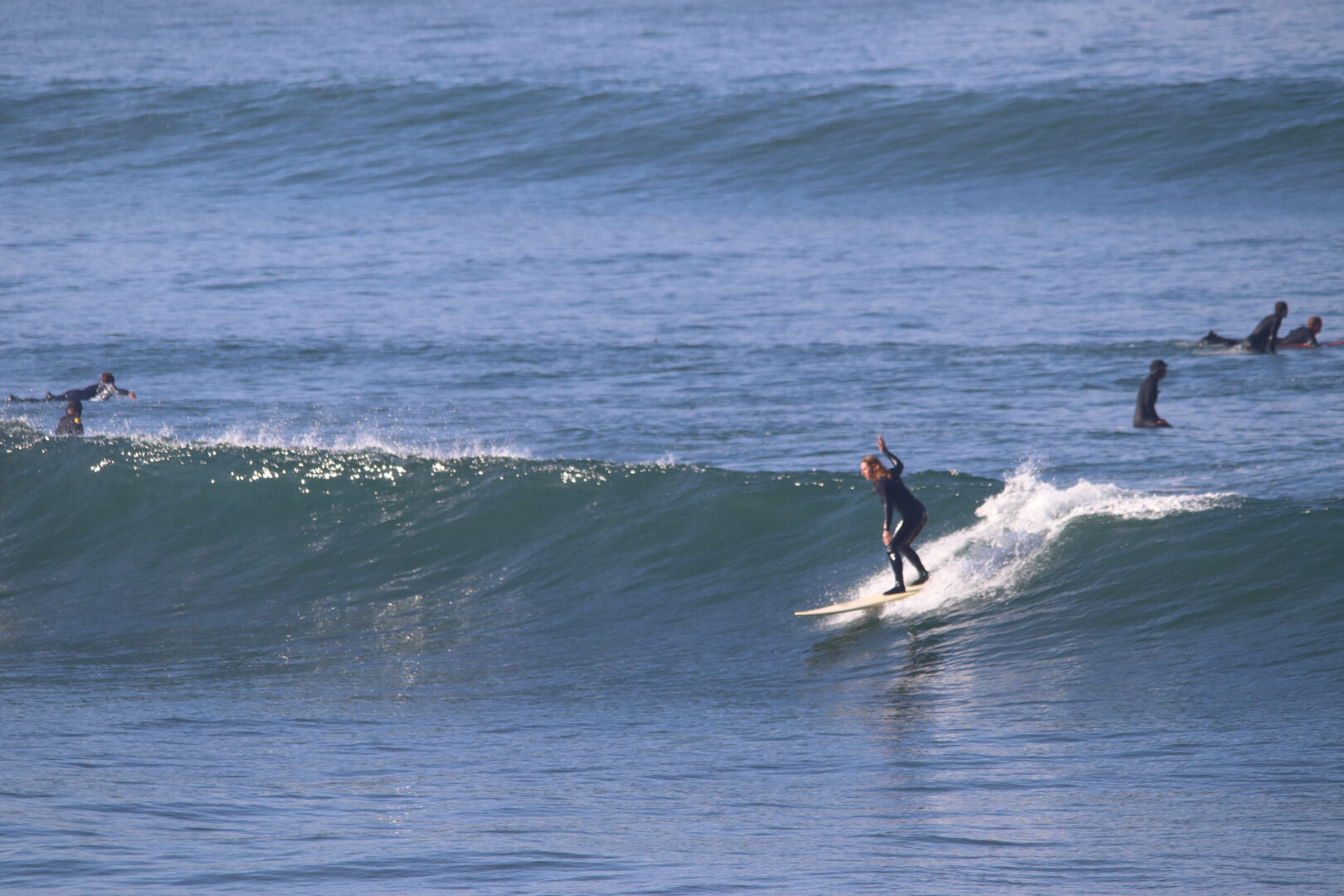
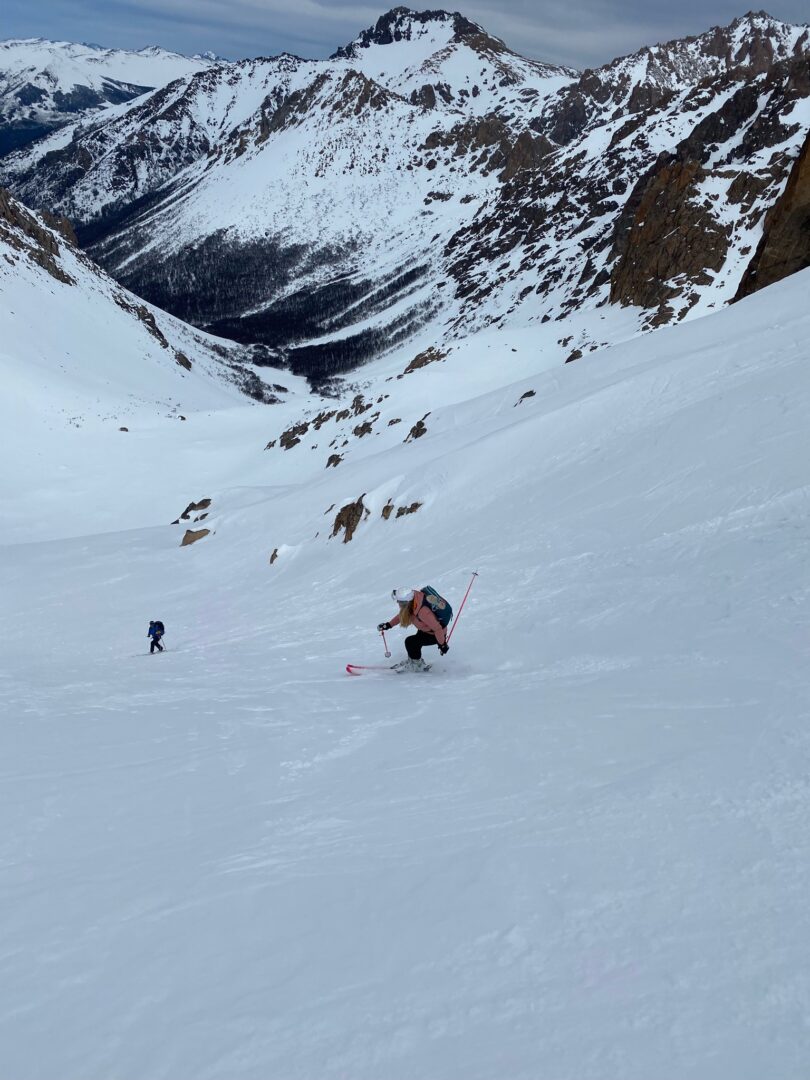
Image Credits
Neil Fernandez
so if you or someone you know deserves recognition please let us know here.