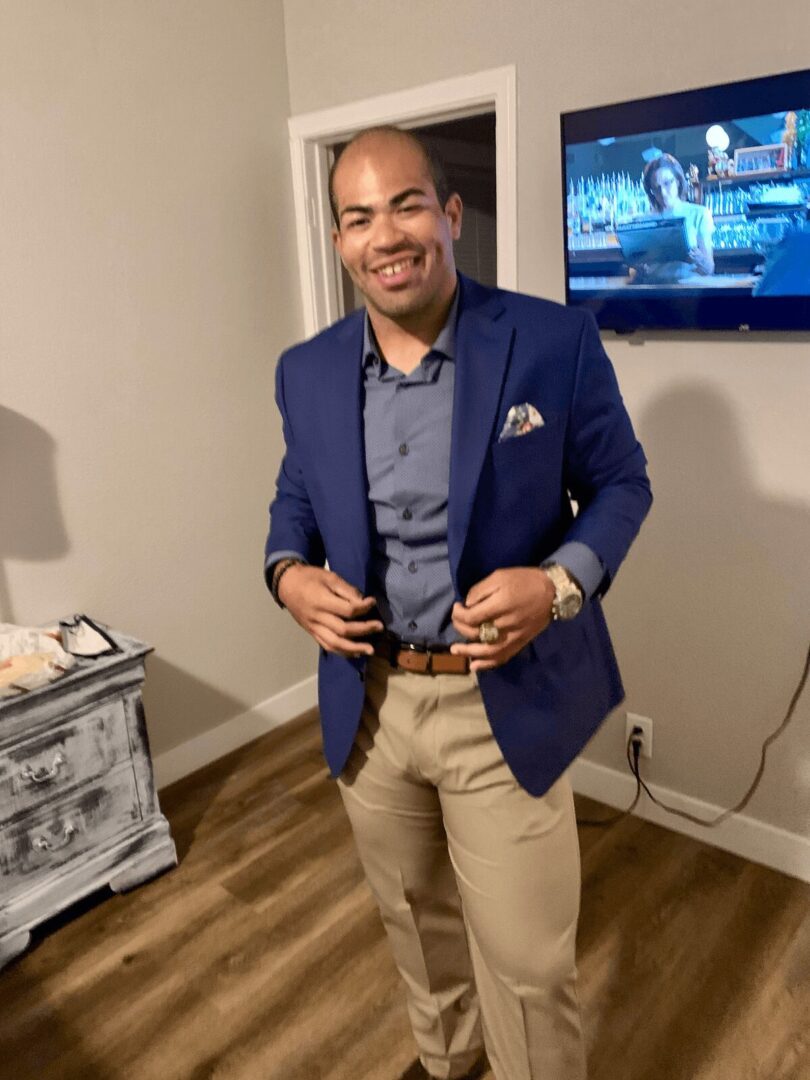
We caught up with the brilliant and insightful Jamal Hansen a few weeks ago and have shared our conversation below.
Hi Jamal, great to have you with us today and excited to have you share your wisdom with our readers. Over the years, after speaking with countless do-ers, makers, builders, entrepreneurs, artists and more we’ve noticed that the ability to take risks is central to almost all stories of triumph and so we’re really interested in hearing about your journey with risk and how you developed your risk-taking ability.
I didn’t develop my ability to take risk by chasing adrenaline or being reckless. I developed it by learning how to measure downside, survive failure, and move forward anyway.
Early in my career, risk felt personal. If something failed, it wasn’t just a bad decision—it felt like a reflection of who I was. That changed when I began building businesses instead of just participating in them. When you’re responsible for payroll, partnerships, and outcomes, you quickly learn that avoiding risk is often the riskiest decision of all.
One of the most formative periods in my life came from confronting mistakes head-on. I made decisions that didn’t work, faced setbacks that were public and humbling, and had to rebuild trust—with others and with myself. Those moments forced me to separate identity from outcome. I learned that failure isn’t fatal if you take ownership, course-correct, and stay disciplined.
Over time, I replaced emotional decision-making with structure. I learned to evaluate risk as a probability-weighted outcome, not a fear-based reaction. I began asking better questions: What is the worst-case scenario? Can I survive it? What does success look like if things only partially work? This framework allowed me to take bigger, more intentional risks because I understood the boundaries.
Equally important, I learned to take personal risk—having hard conversations, walking away from misaligned partnerships, betting on myself when there was no external validation. Those choices were uncomfortable, but they built resilience and self-trust. Each time I followed through despite uncertainty, my tolerance for risk increased—not because I cared less about failure, but because I knew I could recover from it.
Today, my approach to risk is deliberate and calm. I don’t confuse confidence with certainty. I move forward when the opportunity aligns with my values, when the downside is survivable, and when inaction would mean staying smaller than my potential.
That’s how I developed my ability to take risk: by failing, learning, building systems around uncertainty, and proving to myself—repeatedly—that I can handle whatever comes next.
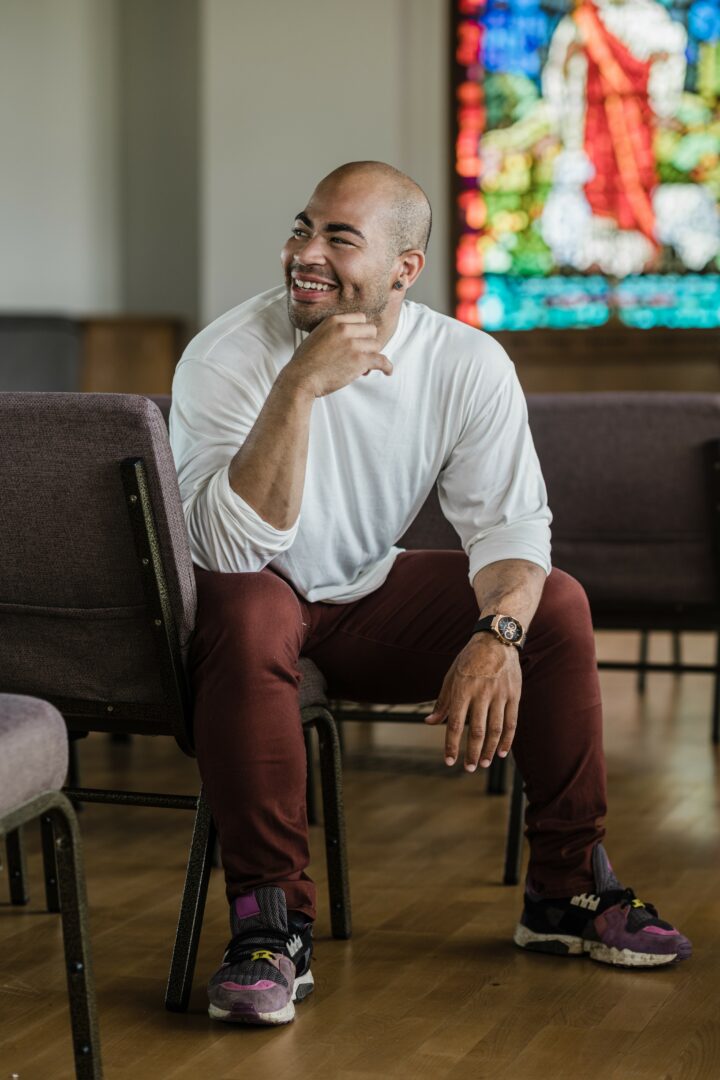
Great, so let’s take a few minutes and cover your story. What should folks know about you and what you do?
At the core of what I do is helping people and businesses become what they’re meant to become—financially, creatively, and structurally.
Professionally, I operate at the intersection of family office advisory, investment strategy, and creative business building. I work with founders, professionals, and families who are successful on paper but often fragmented behind the scenes—too many entities, too much tax friction, and no unified long-term strategy. My role is to help architect clarity: aligning capital, risk management, tax efficiency, and legacy into one cohesive system.
I talk about this a lot, but my real focus is very specific: taking entrepreneurs who are already in the $5 million to $25 million net-worth range and helping them get to $50 million, $100 million, and beyond. That stage is critical. It’s where complexity starts to outpace infrastructure, and where the right decisions can compound—or the wrong ones can quietly cap growth. My work is about helping clients make that transition intentionally, before opportunity turns into friction.
What excites me most about this work is that it’s not transactional. We’re not just moving money or selling products—we’re designing frameworks that allow people to think longer-term, take smarter risks, and operate with confidence. That often means rethinking how wealth is structured, how businesses scale responsibly, and how capital can be used as a tool for impact rather than stress.
My brand is built around intentional design. Whether that’s through advanced tax strategies, insurance-based risk mitigation, private investments, or strategic partnerships, the goal is always the same: reduce friction, protect downside, and create space for upside. I believe risk is not a feeling—it’s a number—and once you understand it, you can move decisively instead of hesitantly.
What’s especially meaningful to me is blending disciplines that are often kept separate. Finance, creativity, philanthropy, and entrepreneurship don’t need to live in silos. Some of the most exciting work I’m doing now involves helping clients integrate charitable structures, operating companies, and investment vehicles in ways that reflect who they are—not just what they earn.
As for what’s new, I’m currently focused on expanding a multi-family office platform that brings institutional-level planning and access to a more entrepreneurial, next-generation client base. We’re also developing new partnerships and offerings that support founders earlier in their lifecycle, so they don’t have to wait until a liquidity event to start thinking like long-term stewards of capital.
If there’s one thing I’d want readers to know, it’s that my work is deeply personal. I’ve seen what happens when people build success without structure—and when they build structure without purpose. The most powerful results come when those two are aligned. That’s the work I’m committed to, and that’s the direction everything I’m building is heading.
There is so much advice out there about all the different skills and qualities folks need to develop in order to succeed in today’s highly competitive environment and often it can feel overwhelming. So, if we had to break it down to just the three that matter most, which three skills or qualities would you focus on?
Looking back, three things had the greatest impact on my journey: self-trust, structural thinking, and resilience through accountability.
1. Self-trust (the ability to make decisions without certainty)
Early on, I spent a lot of time looking for external validation—mentors, credentials, timing, permission. Over time, I realized that clarity usually comes after action, not before it. Developing self-trust meant learning to make decisions with incomplete information and standing behind them long enough to see the outcome.
Advice for those early in their journey:
Start making small, reversible decisions on your own and live with the consequences. Don’t outsource conviction. You build self-trust the same way you build muscle—by using it, not by waiting until you feel “ready.”
2. Structural thinking (learning how systems actually work)
One of the biggest shifts for me was moving from hustle to architecture. Instead of asking “How do I make more?” I began asking “How is this built?”—how businesses scale, how incentives align, how capital compounds, how risk shows up over time. Understanding structure changed how I evaluate opportunities and where I put my energy.
Advice for those early in their journey:
Study systems, not just tactics. Learn basic accounting, incentives, and risk. Ask why something works, not just how. The people who build lasting success think in frameworks, not shortcuts.
3. Resilience through accountability (owning outcomes without excuses)
I’ve had wins and I’ve had very real setbacks. What mattered most wasn’t avoiding mistakes—it was taking ownership of them. Accountability gave me resilience. Once I stopped blaming circumstances or people, every outcome became usable data instead of emotional baggage.
Advice for those early in their journey:
When something doesn’t work, resist the urge to explain it away. Ask, “What was my role in this?” Accountability accelerates learning faster than talent ever will.
If I could summarize it simply: trust yourself enough to act, learn how things are actually built, and take full ownership of outcomes—good or bad. Those three habits compound quietly, but over time they change everything.
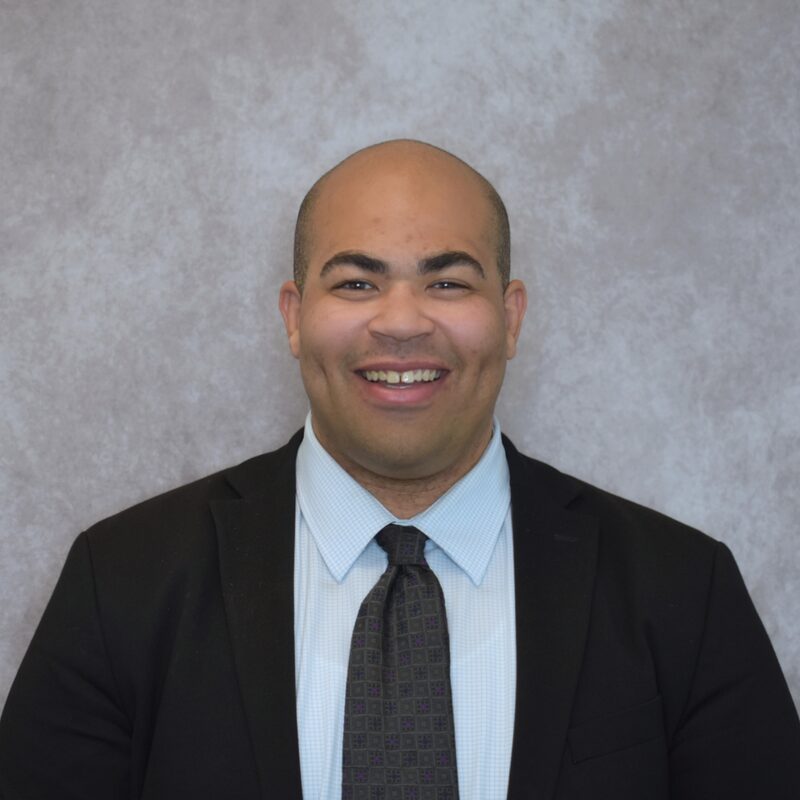
How would you describe your ideal client?
My ideal client is an entrepreneur or founder who has already built real success, typically in the $5 million to $25 million net-worth range, and is starting to feel the tension between growth and complexity.
They’re disciplined, curious, and self-aware enough to know that what got them here won’t get them to the next level. They’re not looking for quick fixes or one-off products—they want structure, strategy, and long-term thinking. They value thoughtful planning, are open to collaboration with advisors, and understand that the best decisions are often the least flashy.
The best clients I work with are builders, not gamblers. They’re willing to take risk, but only when it’s intentional and measured. They ask good questions, care about downside as much as upside, and want to understand why something works—not just whether it does.
Alignment matters a lot to me. Ideal clients are transparent, accountable, and willing to engage in honest conversations—even uncomfortable ones. They’re not afraid to look at blind spots in their businesses or personal finances, and they take ownership of decisions once a plan is in place.
Many are also thinking beyond themselves. They care about legacy, impact, family, and what their capital enables over decades—not just the next year. They want their wealth to support freedom, creativity, and contribution, not become a source of stress or fragmentation.
In short, my ideal client is someone who’s already done something hard, knows there’s more ahead, and wants a trusted strategic partner to help them scale responsibly—from where they are now toward $50 million, $100 million, and beyond.
Contact Info:
- Website: https://kenvinhansenfo.com/
- Linkedin: https://www.linkedin.com/in/jamal-hansen
so if you or someone you know deserves recognition please let us know here.