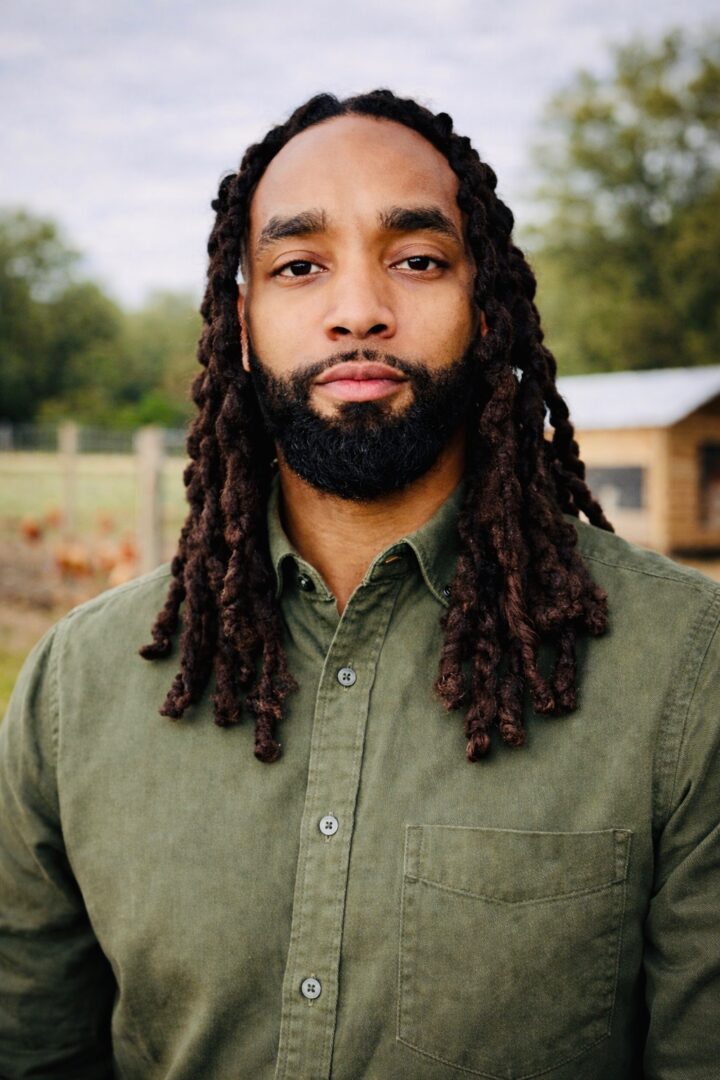
Alright – so today we’ve got the honor of introducing you to James Badue. We think you’ll enjoy our conversation, we’ve shared it below.
James, thanks so much for taking the time to share your insights and lessons with us today. We’re particularly interested in hearing about how you became such a resilient person. Where do you get your resilience from?
My resilience comes from being forced to become honest with myself early. When life strips away comfort, image, and illusion, you’re left with a choice: collapse into bitterness or learn how to build meaning from the inside then out. I didn’t grow up with the luxury of believing systems would save me, so I learned how to study them, survive them, and eventually reimagine them.
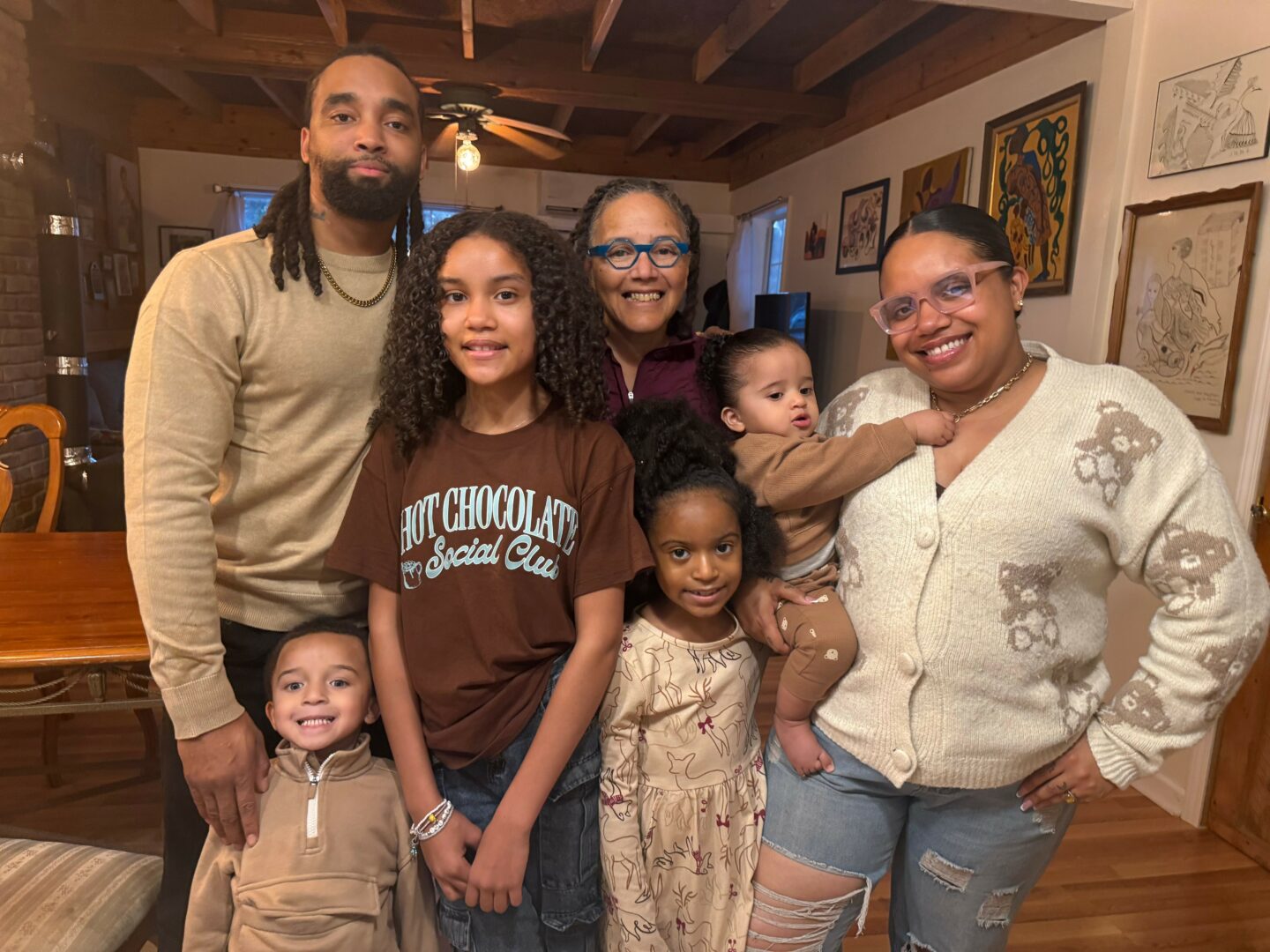
For me, resilience isn’t about toughness or endurance—it’s about responsibility. Responsibility to my family. Responsibility to my past. Responsibility to the communities who are often spoken about but rarely centered in decision-making. Every setback taught me how to think systemically, separate identity from circumstance, and continue building without losing my humanity.
At its core, my resilience is rooted in purpose. I don’t want success in isolation—I’m committed to helping build pathways where communities, particularly Foundational Black American communities, can experience dignity, self-sufficiency, and voice through land, labor, housing, and shared infrastructure. When that work is done well at the local level, it strengthens our capacity to contribute regionally and globally. When you’re carrying something larger than yourself, quitting stops being an option, it doesn’t exist.
Great, so let’s take a few minutes and cover your story. What should folks know about you and what you do?
What I’m focused on professionally is helping people move from survival into stability, and from stability into self-determination. Everything I do is about building systems that make that possible in real life, not just in theory. My work lives at the intersection of family, land, labor, and community — because that’s where dignity is either restored or denied.
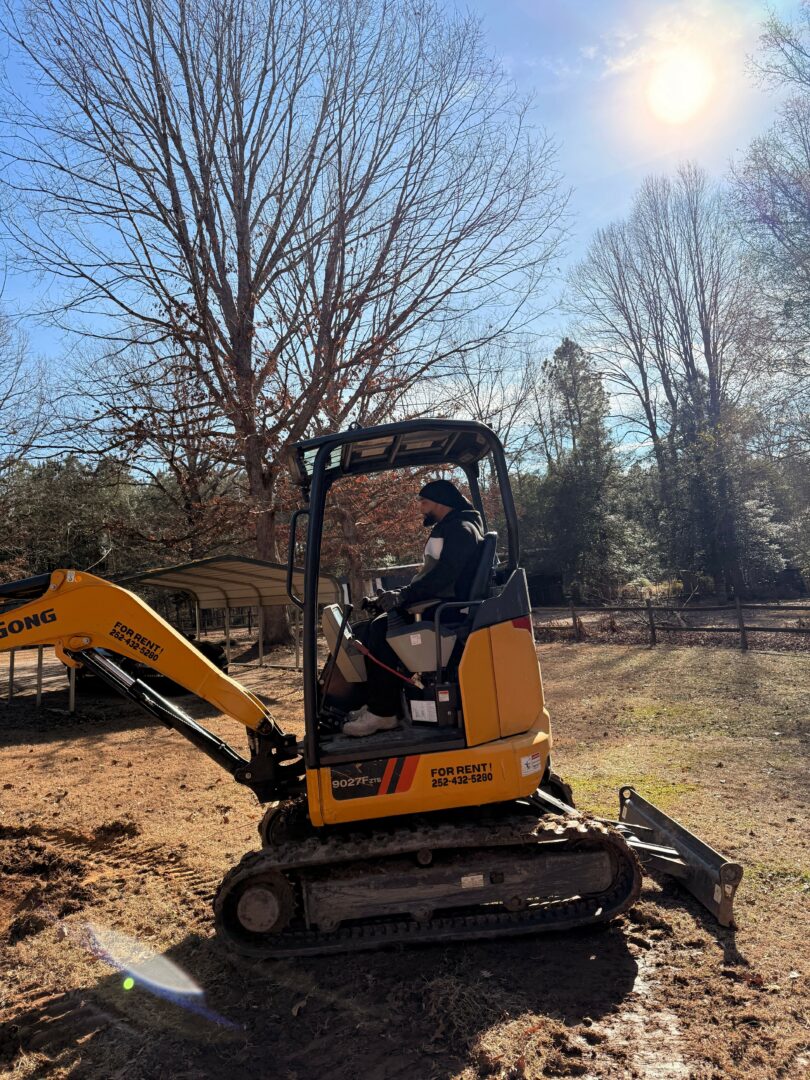
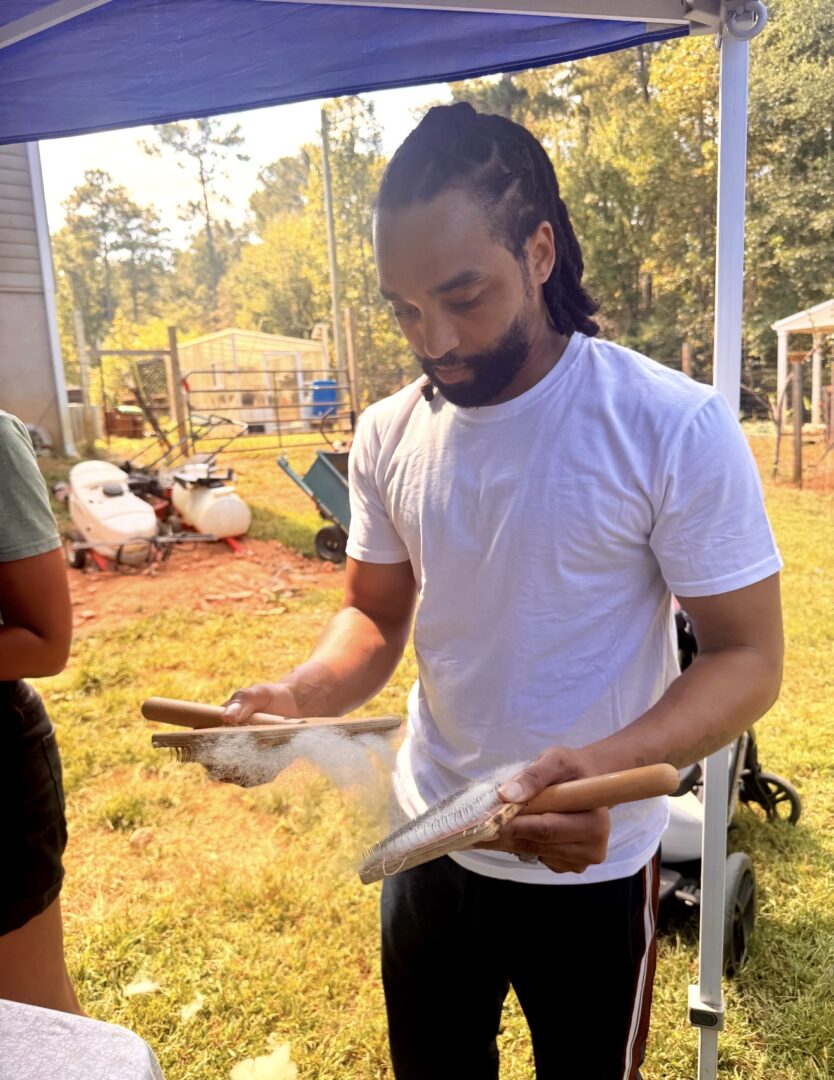
Through Heartland Oasis Farms, we’re focused on food sovereignty and building a local black led supply chain, but more than that, I’m focused on reminding people that the land beneath them still has something to offer. We grow food and steward small agricultural systems not as a lifestyle choice, but as proof — proof that families can produce value, build resilience, and regain confidence even when resources are limited. What excites me most is showing that liberation doesn’t always start with legislation or permission. Often, it starts at home, when people realize they still have agency in their hands.
That work is reinforced through Proof Ventures, where we focus on the physical infrastructure that makes stability possible in the first place. Proof Ventures exists to repair, rebuild, and strengthen homes, churches, and community spaces — the structures that hold daily life together. The relationship between the farm and the construction work is intentional: one produces food and economic grounding, the other builds and restores the spaces people live, gather, and grow in. Together, they show that stability isn’t abstract — it’s built through land, shelter, and skilled labor working in relationship.
Alongside this hands-on work, I’m developing a long-term vision I call Proofland. Proofland is my way of naming what happens when food production, infrastructure, labor, and care are no longer treated as separate efforts, but as parts of a connected ecosystem. It’s rooted in a simple belief: stability is built, not granted. When housing, land, work, and faith institutions are strong, communities have a chance to sustain themselves rather than constantly recover.
My perspective is shaped by lived experience, including incarceration, which forced me to confront how systems are designed and who they’re designed to serve. I don’t center my story as redemption. I center it as redesign. I’m less interested in proving that people can change and more interested in asking why so many systems make it so hard for people to succeed in the first place — and what it would look like to build ones that actually work.
What I want people to know about my work is that it isn’t motivational — it’s practical. I’m not trying to inspire people to feel better. I’m working to help build pathways people can actually walk. Right now, that looks like expanding production at the farm, restoring homes and community spaces through a Black-led team called Nelson’s Construction, strengthening local partnerships, and documenting what we’re learning as we go. Everything I’m building is grounded in the belief that when people have access to land, skill, shelter, and voice, resilience stops being a personal burden and becomes something we share.
Looking back, what do you think were the three qualities, skills, or areas of knowledge that were most impactful in your journey? What advice do you have for folks who are early in their journey in terms of how they can best develop or improve on these?
Looking back, three things have been most impactful in my journey: systems literacy, self-regulation, and the ability to build while learning.
First, systems literacy—understanding how institutions, incentives, and power structures actually work—changed everything for me. For a long time, I thought failure was personal, when in reality much of it was structural. Learning how systems function allowed me to move strategically instead of emotionally. My advice is to study the systems you’re moving through—finance, food, housing, labor—without romanticizing or demonizing them. When you understand how things work, you regain agency.
Second, self-regulation has been critical. Resilience isn’t just about endurance; it’s about knowing how to manage your nervous system under pressure. If you can’t think clearly when things are uncertain, you’ll sabotage your own progress. Early on, I had to learn how to slow down, reflect, and respond instead of react. For anyone early in their journey, I’d say: your ability to stay grounded during stress will matter more than raw talent. Build practices that help you regulate—whether that’s movement, reflection, faith, or solitude.
Third, the willingness to build while learning has been essential. I didn’t wait until I had everything figured out before starting. I learned by doing—growing, failing, adjusting, and refining in real time. Too many people get stuck waiting for perfect conditions. My advice is simple: start small, document what works, and let your work teach you. Clarity comes from movement, not from overthinking.
If there’s one through-line I’d offer, it’s this: don’t chase confidence—build competence. Confidence fades under pressure, but competence compounds. When you focus on learning how things actually work and showing up consistently, belief in yourself becomes a byproduct rather than a requirement.
One of our goals is to help like-minded folks with similar goals connect and so before we go we want to ask if you are looking to partner or collab with others – and if so, what would make the ideal collaborator or partner?
Yes, I’m open to collaboration with individuals and institutions committed to long-term, people-centered solutions. This includes growers, land stewards, educators, builders, community organizers, and systems thinkers, as well as professionals working within or alongside international bodies such as the United Nations and aligned NGOs focused on sustainable development, food security, community resilience, and self-determination.
I’m particularly interested in partnerships that support Black communities in strengthening their capacity for self-governance, sustainability, and advocacy—beginning at the local level through land, food systems, housing, and shared infrastructure, and extending toward regional and global contribution. I believe that when communities are rooted, organized, and self-sufficient, they are better positioned to contribute meaningfully to the world rather than operate from dependency.
For those who feel aligned—whether working in grassroots initiatives, construction and housing, agriculture, policy, research, education, or international development—the best way to connect is through Heartland Oasis Farms on Instagram. I’m most interested in collaborative efforts grounded in shared responsibility, practical implementation, and the development of models that can be tested locally and adapted more broadly over time.
Contact Info:
- Instagram: Heartlandoasisfarms
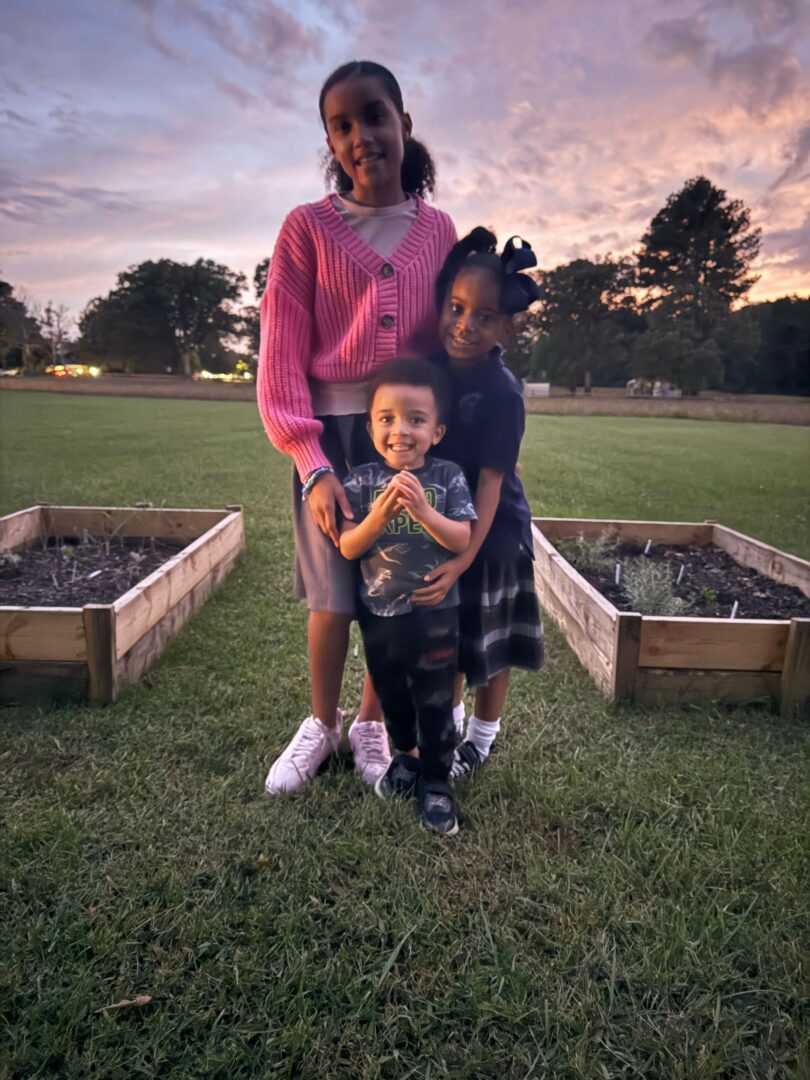
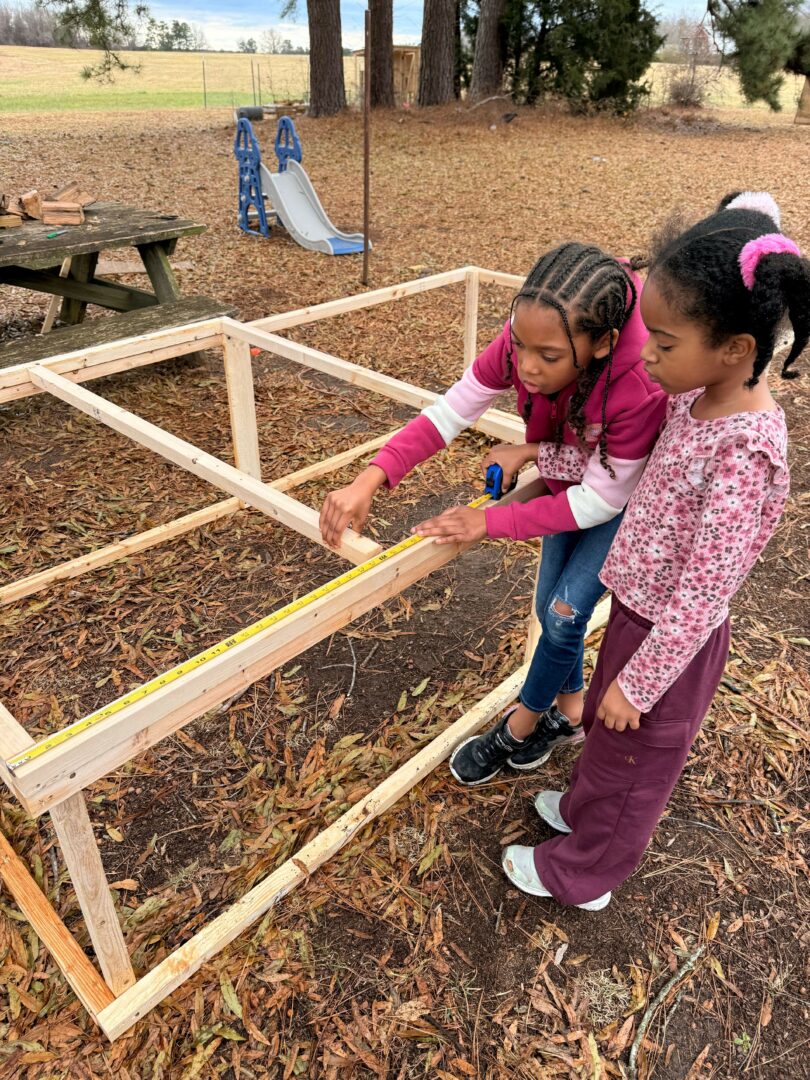
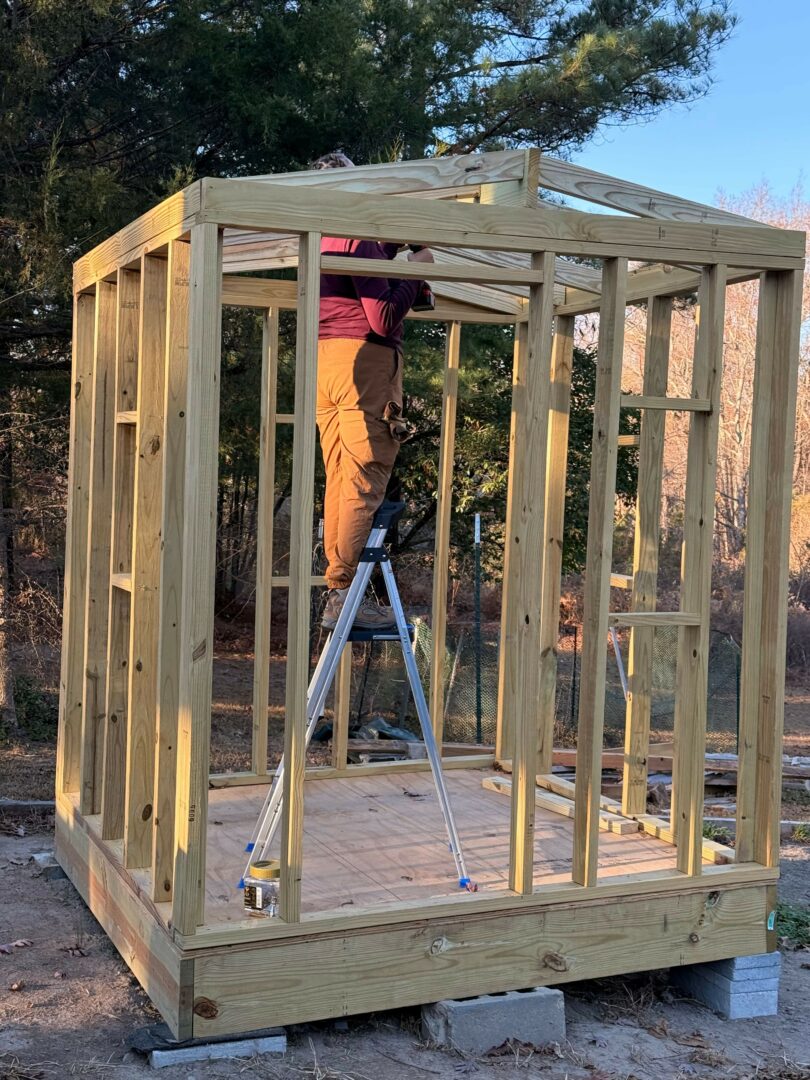
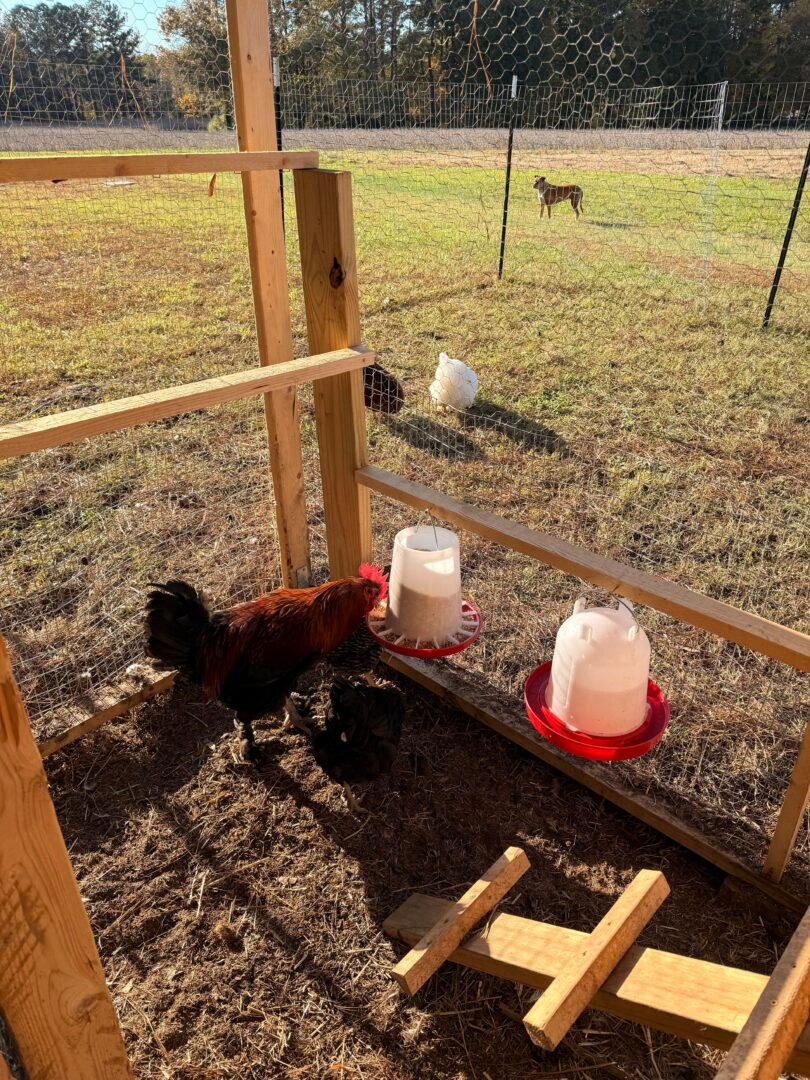
Image Credits
James Badue
so if you or someone you know deserves recognition please let us know here.