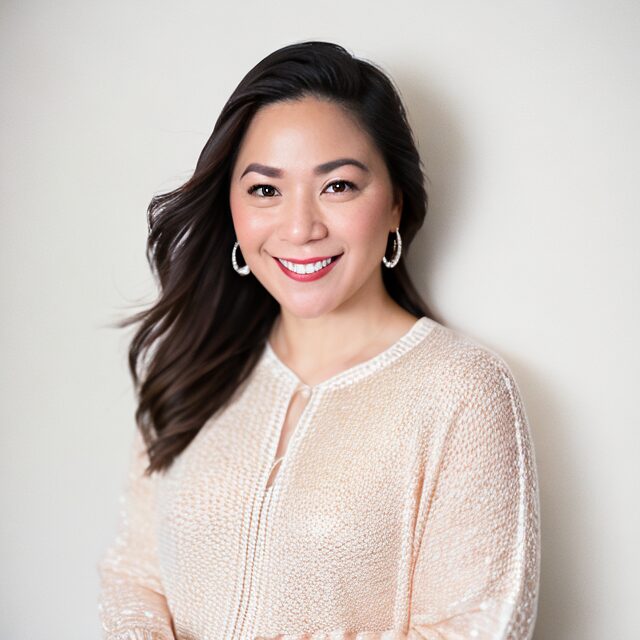
We recently connected with Janice Cahambing and have shared our conversation below.
Hi Janice, so excited to talk about all sorts of important topics with you today. The first one we want to jump into is about being the only one in the room – for some that’s being the only person of color or the only non-native English speaker or the only non-MBA, etc Can you talk to us about how you have managed to be successful even when you were the only one in the room that looked like you?
As a Filipino who moved to the United States at a very young age, fresh out of college, I often found myself in spaces where I was the only person of color, I had to learn early on how to navigate environments where I didn’t always see myself represented. What helped me succeed was embracing my identity rather than shrinking it. I reminded myself that my perspective, shaped by my culture, my upbringing, and my lived experience, is a strength—not a limitation.
I learned to ground myself in confidence, even when it felt uncomfortable. I prepared well, spoke up even when my voice shook, and reminded myself that I deserved to be in every room I worked hard to enter. Over time, being “the only one” taught me resilience, adaptability, and courage.
I also sought out mentors and communities—sometimes outside my immediate environment—who understood my background and could pour into me. Their guidance helped me see that representation is powerful, and that sometimes being the only one means you’re opening the door a little wider for those who come after you.
Most importantly, I let my work speak for itself. I focused on showing compassion, competence, and professionalism, and I allowed my cultural values—respect, humility, hard work, and warmth—to shine through. Those qualities not only helped me succeed, but helped me build trust and connection with the people around me.
Being the only one in the room isn’t always easy, but it taught me to stand tall in who I am—and to take pride in showing others what’s possible.
Great, so let’s take a few minutes and cover your story. What should folks know about you and what you do?
Here’s a polished, warm, and professional response you can use for a publication, interview, or feature:
—
**Please tell our readers about what you do, what you feel is most exciting or special about it, as well as anything else you’d like folks to know about your brand. If relevant, share anything new coming up.**
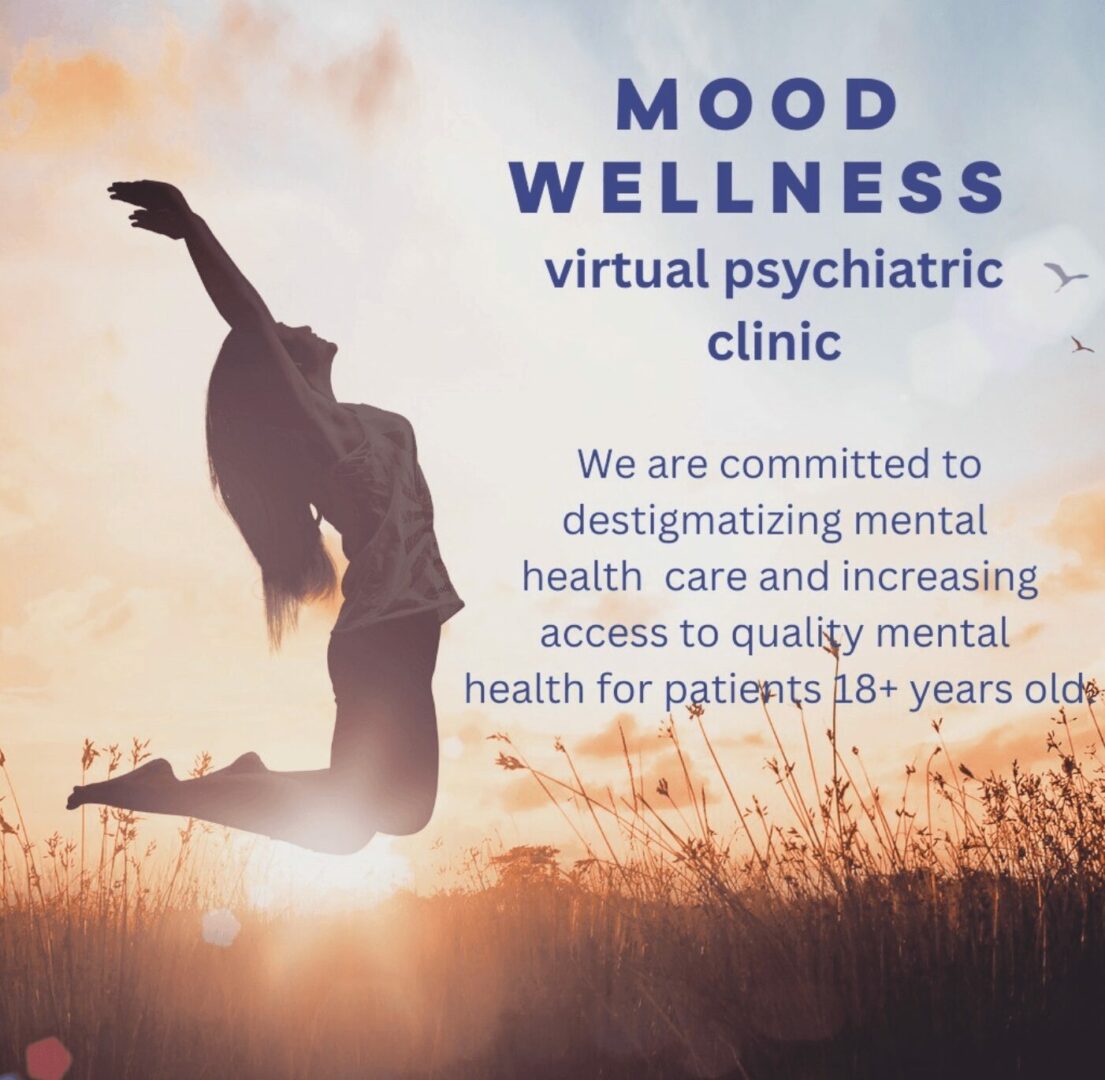
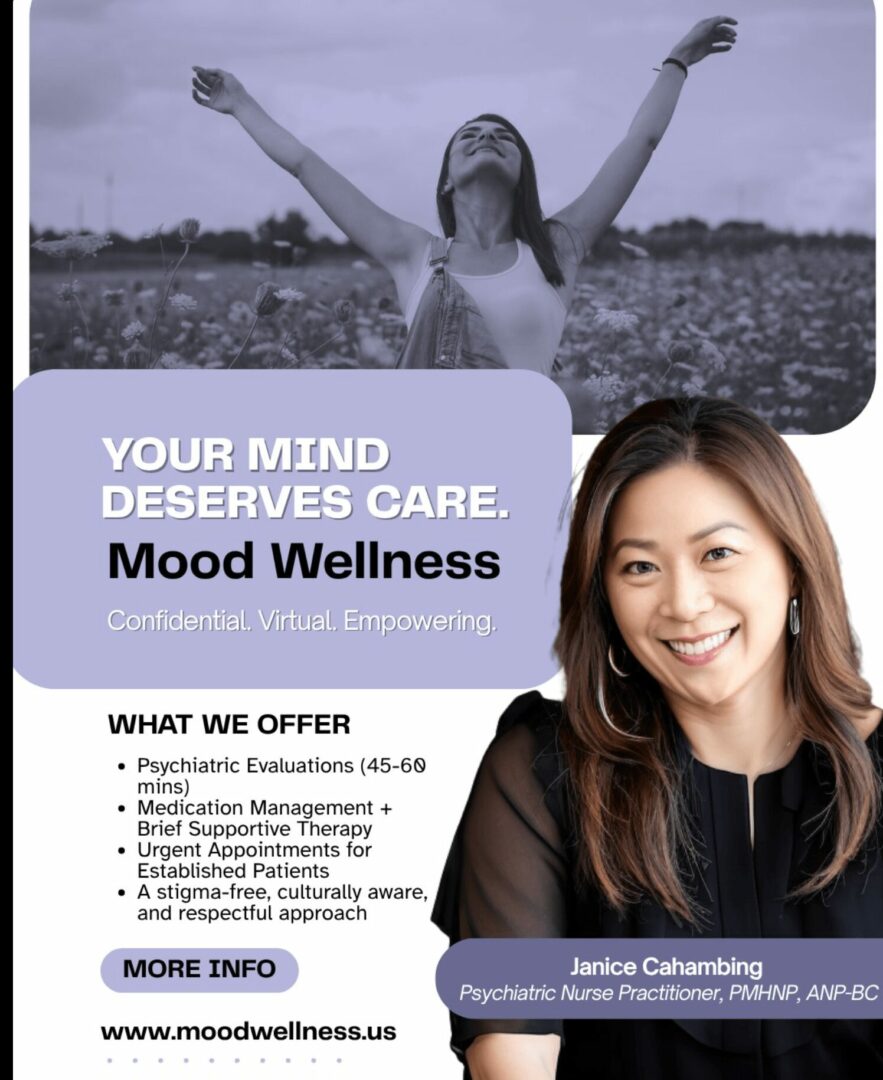
I am a Psychiatric Mental Health Nurse Practitioner and the founder of **Mood Wellness Psychiatry and Wellness Clinic**, where I provide compassionate, patient-centered mental health care for individuals and families. My work focuses on helping people understand their symptoms, feel empowered in their treatment, and ultimately find a better quality of life through evidence-based care, genuine connection, and a supportive healing environment.
What excites me most about this work is witnessing transformation—when a patient who once felt overwhelmed begins to feel hopeful again, or when someone finally feels seen, heard, and understood. Mental health is deeply personal, and being trusted to guide someone through that journey is something I never take for granted. I truly believe that access to mental health care is a basic human need, and I’m proud to provide a space where anyone can feel safe asking for help.
What makes our clinic special is the combination of cultural sensitivity, science-driven treatment, and individualized care. As a Filipino immigrant and a solo provider, I understand the importance of representation and being able to meet people exactly where they are—emotionally, culturally, and mentally. My approach is warm, direct, and collaborative. Patients are partners in their healing, not just recipients of care.
At the heart of everything I do is a simple commitment: **You deserve to feel your best, and you deserve care that treats you with dignity, understanding, and hope.** Mood Wellness Psychiatry exists to make that possible.

There is so much advice out there about all the different skills and qualities folks need to develop in order to succeed in today’s highly competitive environment and often it can feel overwhelming. So, if we had to break it down to just the three that matter most, which three skills or qualities would you focus on?
Looking back, the three qualities that were most impactful in my journey were resilience, cultural empathy, and a commitment to lifelong learning.
1. Resilience
As an immigrant building a career in a new country and later becoming a solo provider, resilience was essential. There were many moments of uncertainty and challenges that forced me to adapt and push forward. Over time, I learned to see obstacles as part of growth rather than signs of failure.
Advice: Embrace setbacks as lessons. Stay rooted in your purpose, practice self-compassion, and allow yourself to grow through discomfort.
2. Cultural Empathy
Being Filipino in a predominantly white environment taught me how important it is to truly understand people—where they come from, what they fear, what they value. This became one of my biggest strengths in patient care. I connect deeply with those I serve, and I learn from my patients every day. I genuinely enjoy conversations with them, and those interactions continually shape my perspective and help me become a better provider.
Advice: Stay curious. Listen more than you speak. Seek experiences that broaden your understanding of others. Cultural empathy grows when your heart stays open.
3. Lifelong Learning
Mental health care is always evolving, and so am I. Staying committed to learning—whether through training, research, mentorship, or even the insights shared by my patients—has given me confidence and clarity in my work.
Advice: Be a student forever. Ask questions, pursue education, and never assume you’ve reached the finish line. Growth is ongoing.
For those early in their journey: Be patient with yourself. Invest in the skills and qualities that matter to you, surround yourself with supportive people, and don’t underestimate the power of authentic connection. Success isn’t about being perfect—it’s about showing up, learning continuously, and staying true to who you are.

Looking back over the past 12 months or so, what do you think has been your biggest area of improvement or growth?
My biggest area of growth in the past 12 months has been learning to balance compassion with boundaries—both in my professional practice and in my personal life.
As a mental health provider and a solo practitioner, I naturally give a lot of myself to others. This year, I’ve grown in recognizing that sustainable, high-quality care requires protecting my own energy, time, and emotional space. I’ve learned to set clearer boundaries with patients, colleagues, and even myself, without losing the warmth and connection that define my practice.
Another major area of growth has been embracing leadership and expansion. With the upcoming merge and the clinic’s growth, I’ve had to step into a bigger role—strategic planning, trusting others to share the workload, and seeing the bigger picture of what Mood Wellness Psychiatry can become. It stretched me, but it also strengthened my confidence as both a clinician and a business owner.
And finally, I’ve grown in allowing myself to slow down and be present. I’ve made space to reflect, learn from my patients, enjoy meaningful conversations, and appreciate the small wins rather than focusing only on the next big goal.
This past year taught me that growth isn’t always loud or dramatic—sometimes it’s the quiet shifts that make the deepest impact. If you want, I can make it shorter, more personal, or more formal depending on where you’re using it.
Contact Info:
- Website: https://www.moodwellness.us
- Instagram: https://www.instagram.com/moodwellnessgoals/
- Facebook: https://www.facebook.com/Moodwellness1
- Other: Tiktok: https://www.tiktok.com/@moodwellness
so if you or someone you know deserves recognition please let us know here.