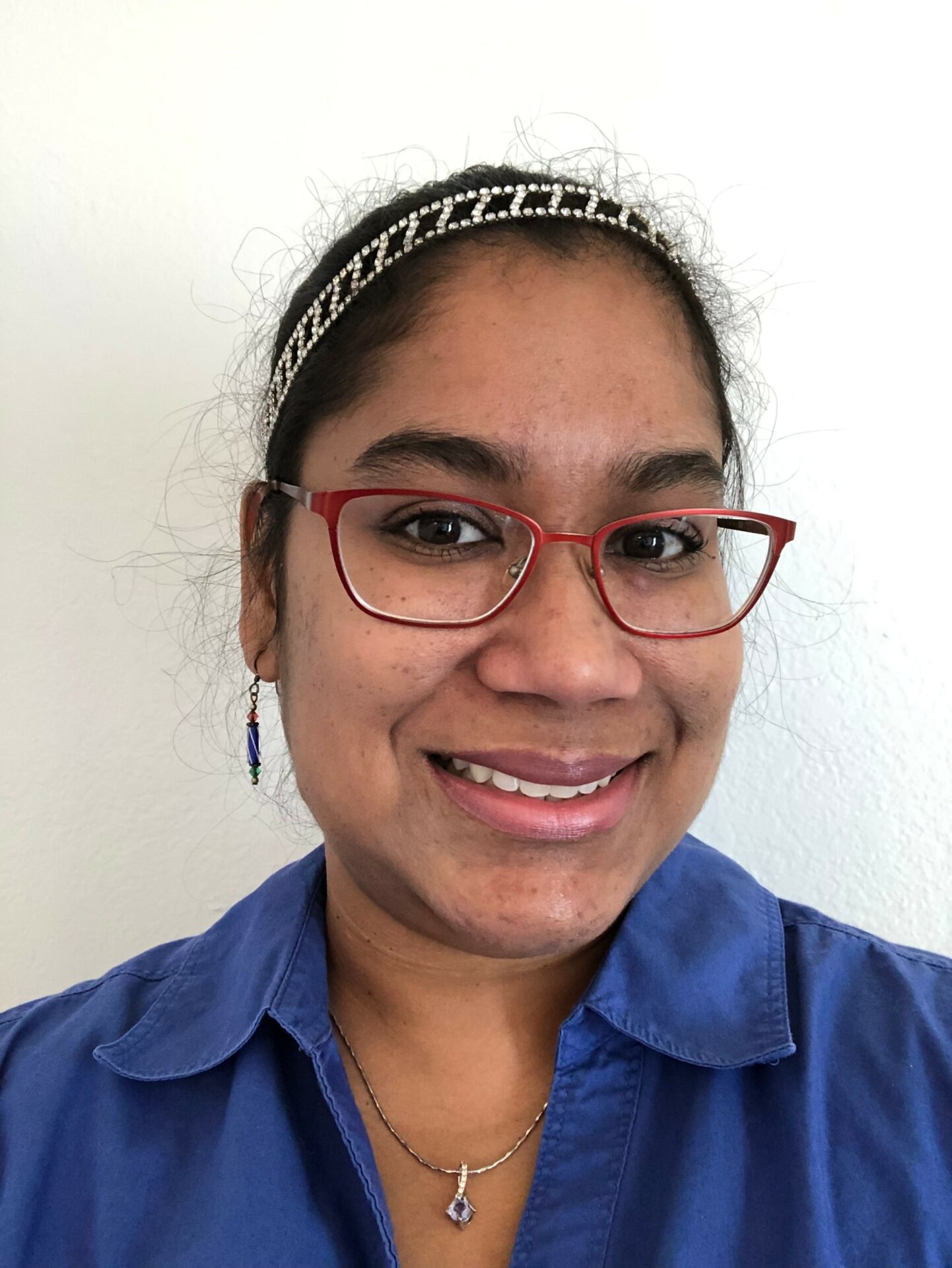
We recently connected with Jasmeen Miah and have shared our conversation below.
Jasmeen, sincerely appreciate your selflessness in agreeing to discuss your mental health journey and how you overcame and persisted despite the challenges. Please share with our readers how you overcame. For readers, please note this is not medical advice, we are not doctors, you should always consult professionals for advice and that this is merely one person sharing their story and experience.
I was born an orphan–literally, in an orphanage in Dhaka, Bangladesh. It was one of Mother Teresa’s orphanages, Shishu Bhavan. All I know is my birth mother’s first name. I laid in a bassinet in a row of pink bassinets (for the girls room) for 6 months. Though adopted at 6 months of age, that rupture of attachment from my biological mother left its mark. Today, we know more about the innate trauma of adoption, due to what many call the primal wound. I had to work hard to earn secure attachment and learn to conquer my fear of abandonment.
High school is where I thought I peaked. I was the top student, and everyone knew me to be a nerd. I broke records for academic achievement, and I got into Stanford University. However, high school is when I started to have some mental health issues. I struggled with rejection sensitivity among my friend group, but quickly realized something more was going on. I was having trouble regulating my emotions, and would end up having reactive outbursts toward my friends. I was fortunate to manage it with some support.
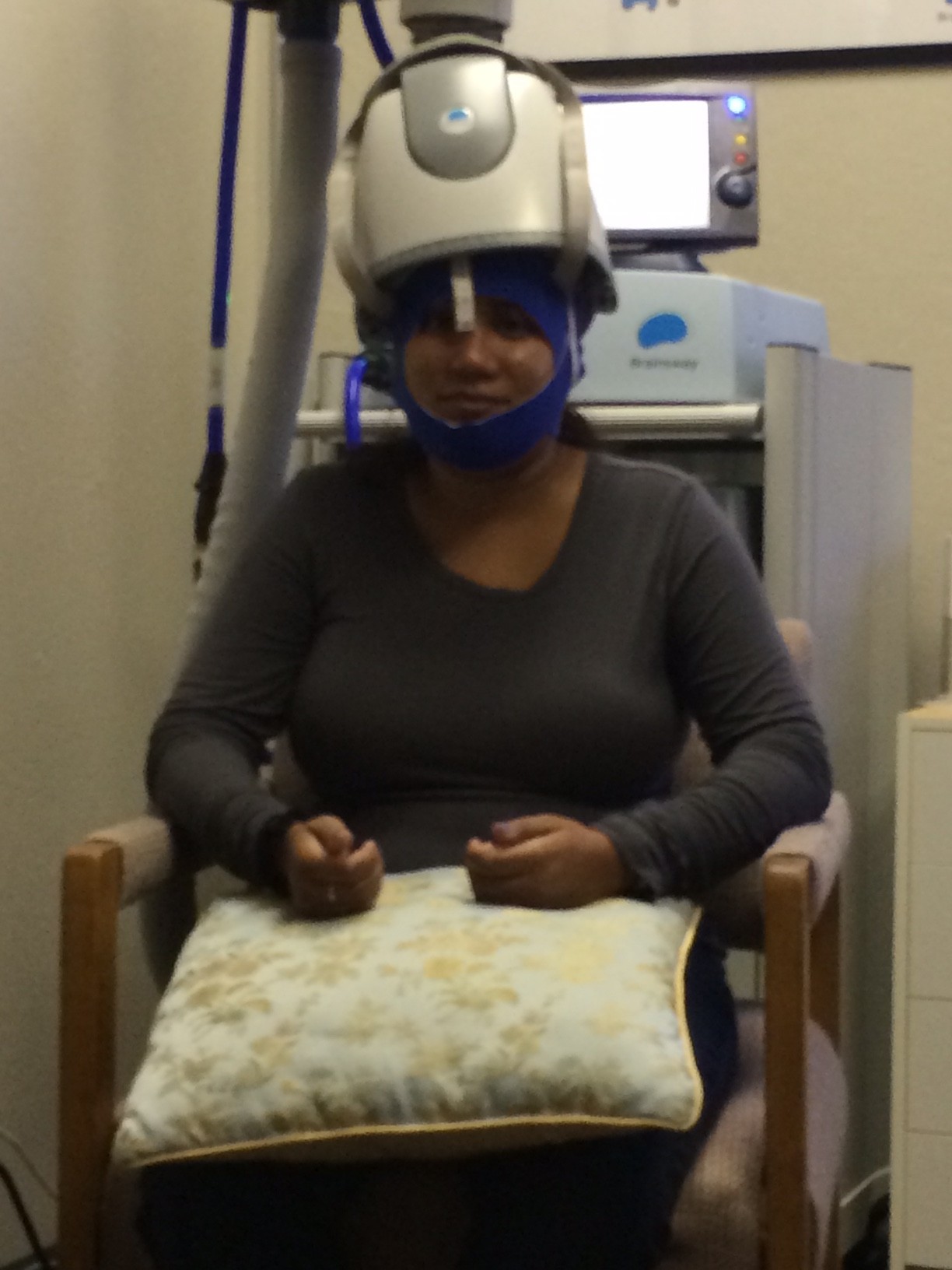
At Stanford I crashed hard after my first quarter, during which I had an awesome start. Winter quarter, though, more serious mental health issues surfaced. I faced many challenges and had to take 2 medical leaves of absence. I tried many treatment options, from therapy to medication to things like Transcranial Magnetic Stimulation (TMS), and became thoroughly intimate with the mental health care system.
The unfortunate thing was that something big got missed–something that interfered with my ability to truly “get better.” I found out I am autistic! My autism best explains my situation, which is that I consider myself “variably functioning.” I have days in which I can achieve seemingly endless amounts, and days in which trying to figure out what to wear or eat incapacitates me. I learned about meltdowns, stimming, and unmasking. With this increased understanding of myself, I have finally started thriving.
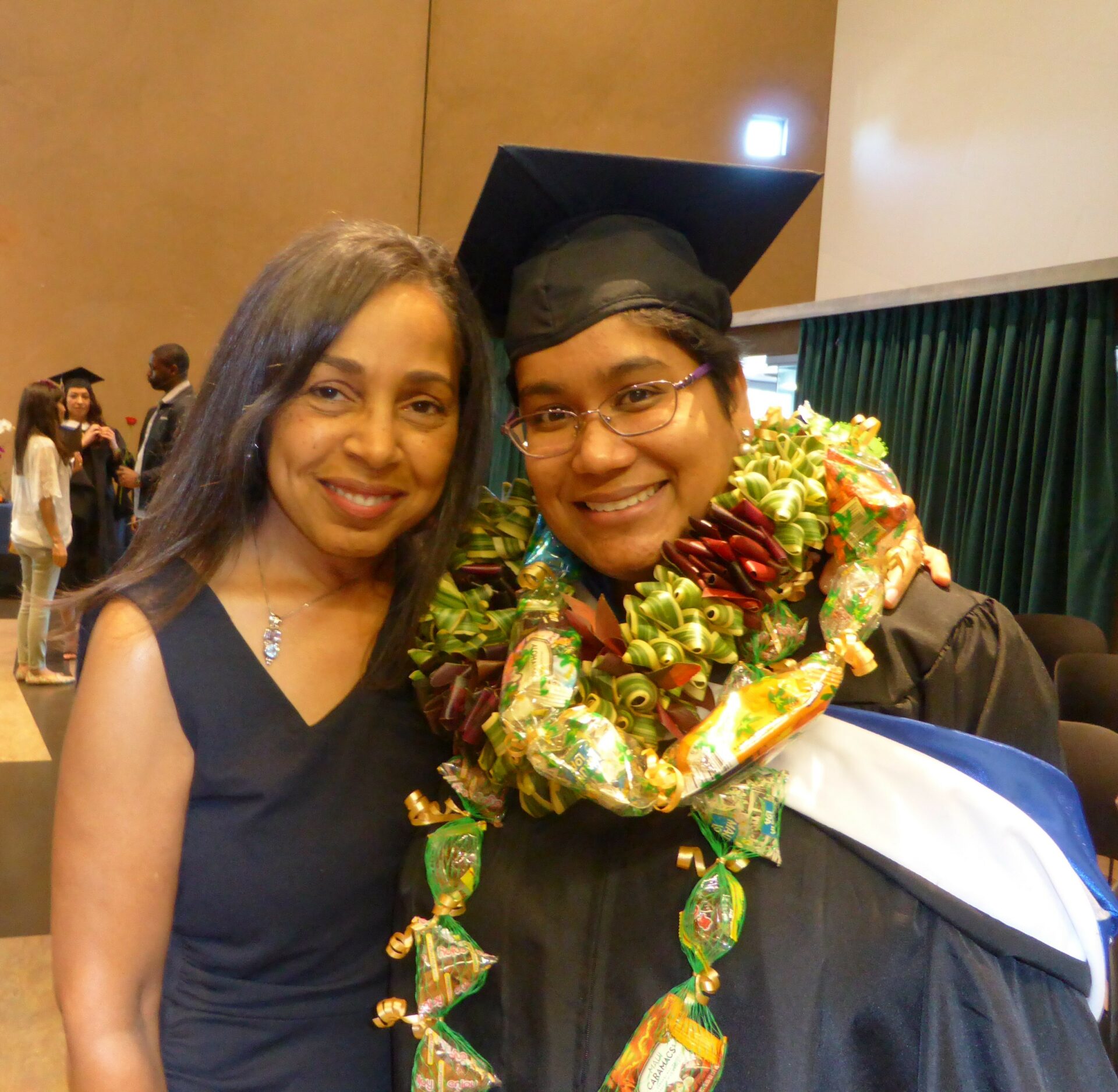
During my mental health journey, I had struggled with finding my purpose in life. I realized, sitting in group therapy at a Partial Hospitalization Program (PHP), that I wanted to be a therapist. I figured I had been in so much therapy at that point, I wanted to see what it was like on the other side of the couch. When I set my mind to something, I do it. I graduated PHP on a Friday and started grad school that next Monday.
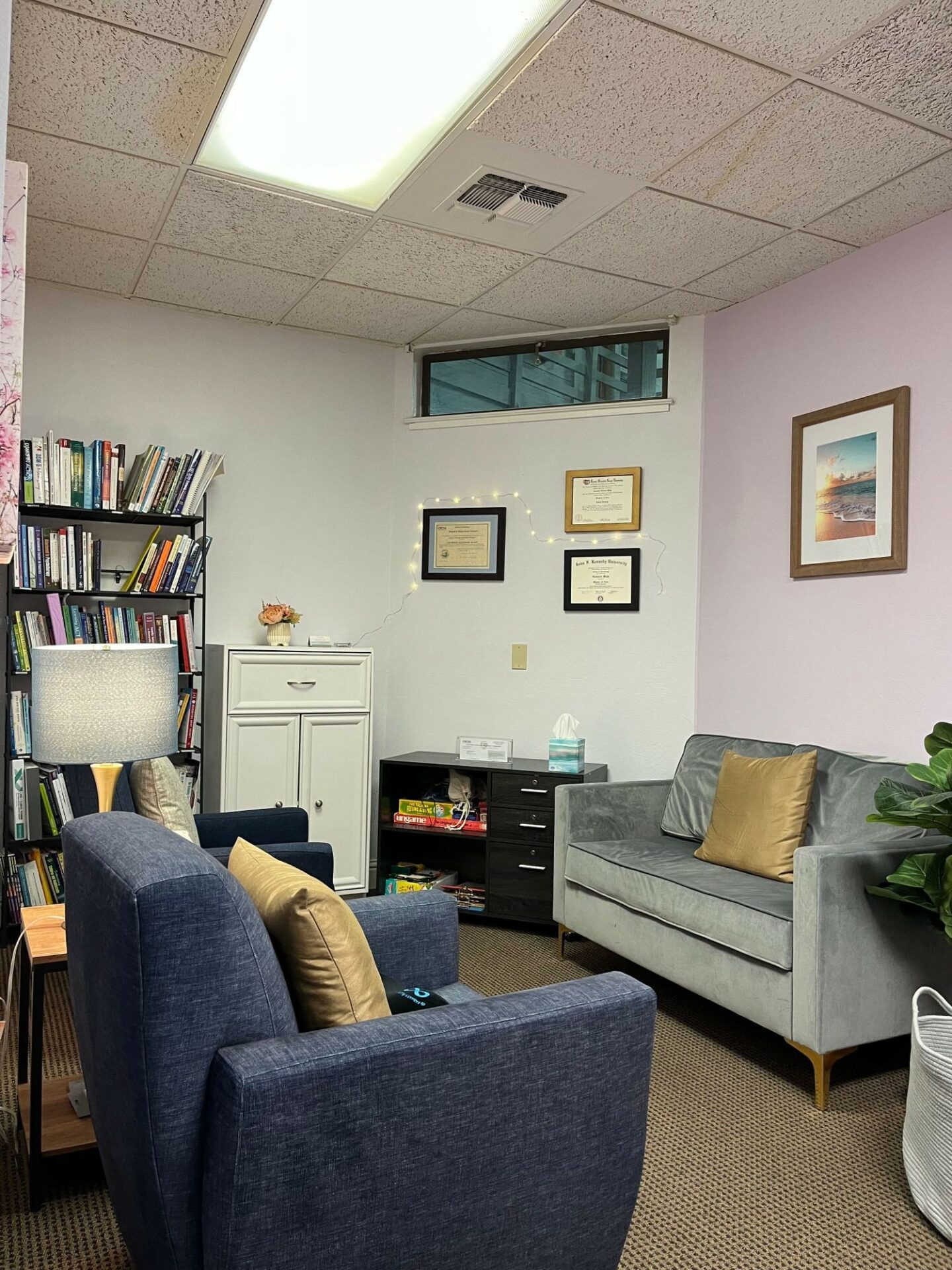
I am so fortunate to have found my calling. I now have a private practice based in Santa Cruz, California as a Licensed Marriage and Family Therapist. It still isn’t always easy, and I have created my own accommodations with respect to work. It was through my whole experience that I was truly humbled, and that I learned to embody deep compassion. I know what it is like to have intense struggles. I know what it is like to be disabled and not be able to function in the ways I want. I share my story in hopes that it helps break down stigma and inspires people to keep going, even if the destination isn’t always clear.
Appreciate the insights and wisdom. Before we dig deeper and ask you about the skills that matter and more, maybe you can tell our readers about yourself?
I am a psychotherapist who works with a wide range of clientele from children through adults, as individuals, couples, and sometimes families. I really enjoy getting to be a part of so many people’s journeys. I would like people to know that therapy, in my experience, is about the therapist holding the space for a client to figure out what they want to do, from a place of their own values. Therapy can include highlighting patterns or offering tools. I incorporate Dialectical Behavior Therapy (DBT), which has 4 amazing modules: Mindfulness, Distress Tolerance, Emotion Regulation, and Interpersonal Effectiveness. It is all about building a life worth living. I also weave in Acceptance and Commitment Therapy (ACT), which is about acknowledging how one feels and thinks without trying to change it, while also moving toward a meaningful life defined by one’s values.
If you had to pick three qualities that are most important to develop, which three would you say matter most?
I think my determination, perseverance, and empathy have been the most impactful qualities in my journey. I set my mind to something and will fight hard for it. I won’t let setbacks stop me, and I am always willing to try new things. I think expanding my empathetic capacity was key in my ability to do good work as a therapist. With empathy, I can drop in to meet any client where they are. People really need to be seen, witnessed, and validated, even if we don’t agree with their actions. It all starts with empathy.
If you are early in your journey towards becoming a therapist, my best advice is to find ways to cultivate empathy. Go to therapy and see what that feels like. Really try to listen to people, especially when you don’t agree.
Who has been most helpful in helping you overcome challenges or build and develop the essential skills, qualities or knowledge you needed to be successful?
My mom and my husband have been pivotal in my ability to persevere through challenges. They have been solidly by my side through unimaginable downs and struggles. I know the importance of a good support system, and I feel like I won the lottery with them.
I think recently, the person most helpful to me developing essential qualities to be successful has been my current therapist who understands autism. I have been learning to re-embrace who I really am, unmasked. Re-engaging with special interests, trying different self-stimulatory behaviors (stims), and accepting that my capacity fluctuates has been crucial in my emotion regulation and balance in functioning.
Contact Info:
- Website: https://www.whenmoodmatters.com/
- Linkedin: https://www.linkedin.com/in/jasmeenmiah/