
We were lucky to catch up with Jason Stewart recently and have shared our conversation below.
Jason, looking forward to learning from your journey. You’ve got an amazing story and before we dive into that, let’s start with an important building block. Where do you get your work ethic from?
My work ethic is deeply rooted in the influence of my parents and the environment I was raised in. Growing up, I firmly believe that the examples set before us as children play a significant role in shaping our character, values, and work habits as we mature.
I was raised in a two-parent household with loving parents who instilled in me and my siblings a strong sense of structure, responsibility, and the importance of hard work. From an early age, we were given chores, teaching us the value of contributing and being accountable. I vividly recall my father working his shifts at General Motors, returning home, and dedicating his time to other tasks—often helping others or volunteering at church. His commitment to service and work was inspiring.
My mother, on the other hand, managed a bank before transitioning to build her own financial advisory practice, working with high-earning clients. I remember her diligently studying late into the night to pass exams and certifications, embodying perseverance and dedication. Those same late nights often involved her helping me with my math homework, ensuring it was not only completed but accurate. Though I didn’t realize it then, she was teaching me the invaluable lesson of persistence and the importance of seeing things through to completion.
That kind of unwavering love and support builds resilience, confidence, and an innate belief that hard work leads to success. These lessons also shaped the way I manage stress and approach challenges. My mindset has always been forward-focused—learning from mistakes and continuously progressing. No matter the trial or task, I embrace the philosophy that effort and perseverance will always lead to victory.
Let’s take a small detour – maybe you can share a bit about yourself before we dive back into some of the other questions we had for you?
As a child, my parents quickly noticed my natural inclination toward the arts—drawing, designing, creating, and writing. I loved writing short stories, developing characters, and sketching them. Reading to my younger brother was also a joy, as was drawing anything I could see or imagine. I often found myself competing with other kids, constantly pushing to improve my artistic abilities. Recognizing this passion early on, my parents enrolled me in various summer programs focused on sculpture, painting, and other artistic disciplines, starting as early as middle school. These experiences allowed me to explore and refine my creative interests.
When I reached high school, I developed a strong interest in architecture, urban planning, and design. I immersed myself in summer programs and dedicated significant time to honing my skills in this field. I was certain I would become an architect, but when I began studying architecture in college, I realized it wasn’t the right path for me. Faced with uncertainty, I pivoted to graphic design, which was an emerging field at the time. The internet was just beginning to gain traction, and design for the web was still in its infancy.
I graduated with a Bachelor of Fine Arts in Graphic Design and entered the workforce immediately. My career quickly evolved as I embraced new trends and technologies, transitioning from graphic design to web design, and eventually into user experience (UX) and user interface (UI) design. While UX focuses on the overall experience of navigating a software interface, UI emphasizes the look, feel, and readability of the design. This progression led me to product design, which bridges the needs of the user with the goals of the business. I found great satisfaction in creating solutions that not only solved real-world problems but also aligned with business objectives.
Alongside my professional journey, I took on freelance clients, which taught me invaluable lessons in time management, client relations, and the intricacies of running a business. Over time, I built a robust network of referrals and began attracting opportunities to collaborate on larger ventures, including co-founding startups and consulting on software development projects.
One of my most notable projects is PreeMe+You, a NICU-focused software designed to enhance the care of premature infants by tracking their development through biomarkers and other metrics. This tool bridges the knowledge gap between parents and healthcare providers, providing a clearer picture of a baby’s progress during a critical period. We’re currently conducting trials in hospitals and pursuing partnerships with major pharmaceutical companies to secure funding for the next phase of development.
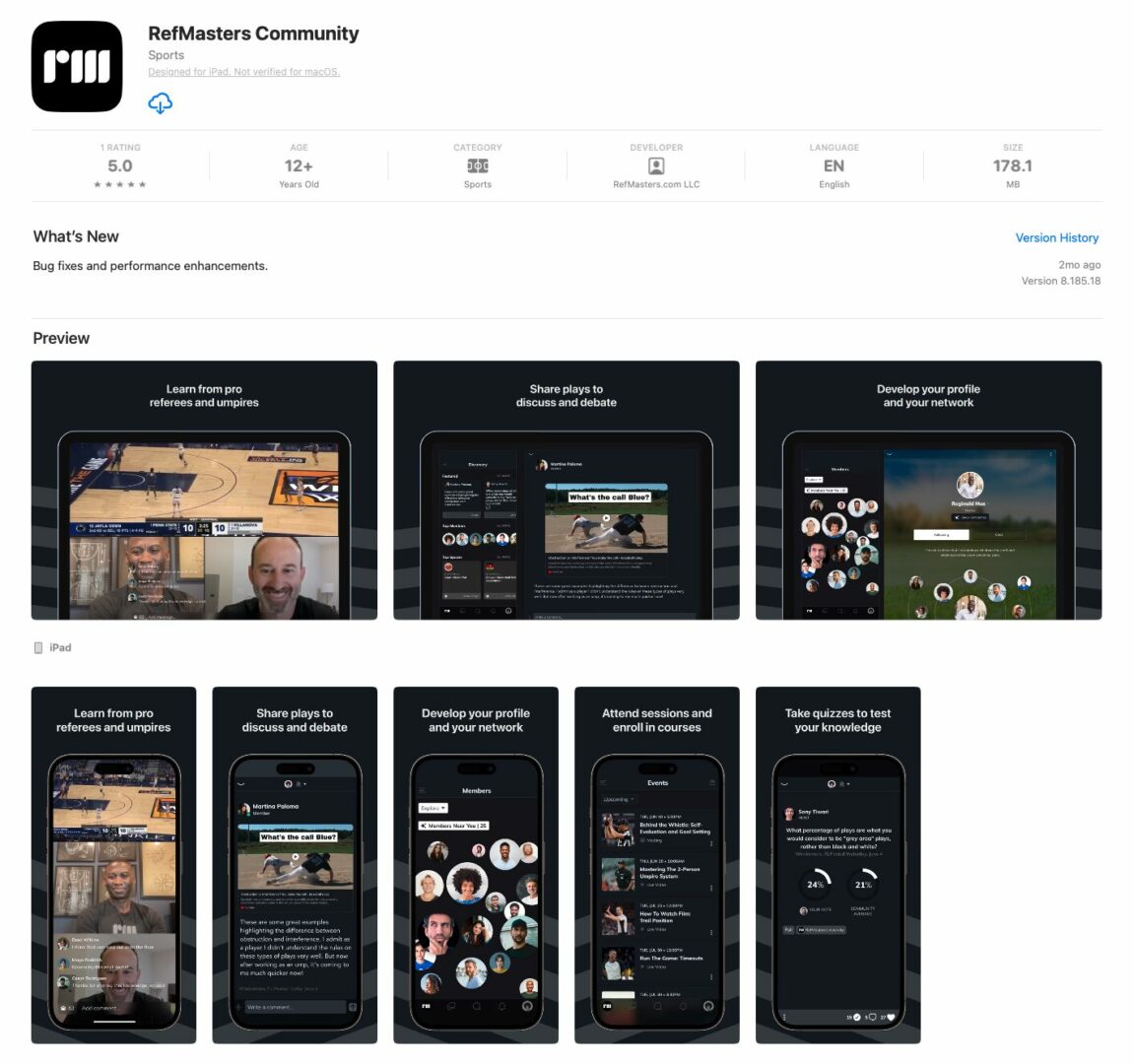
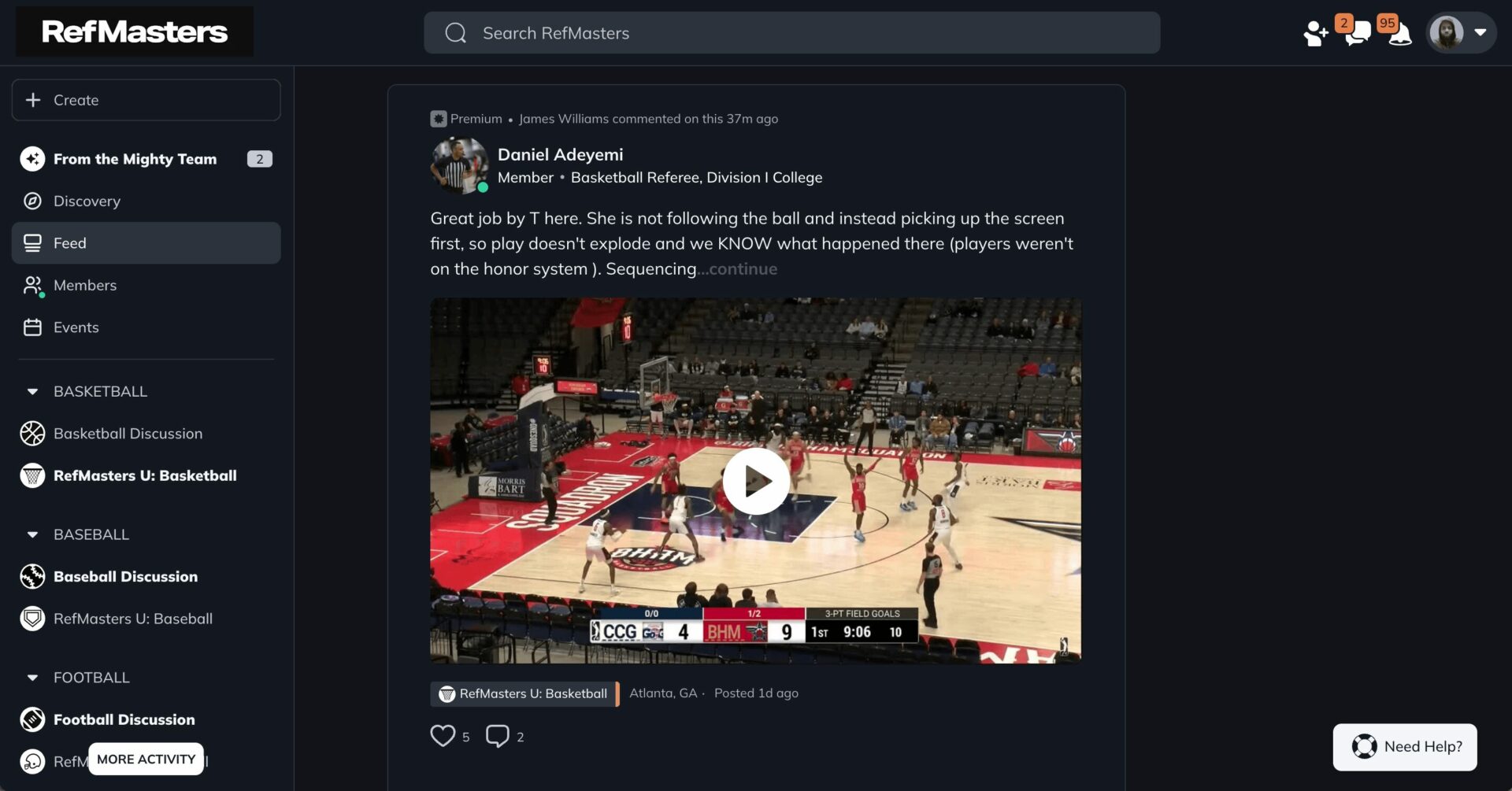
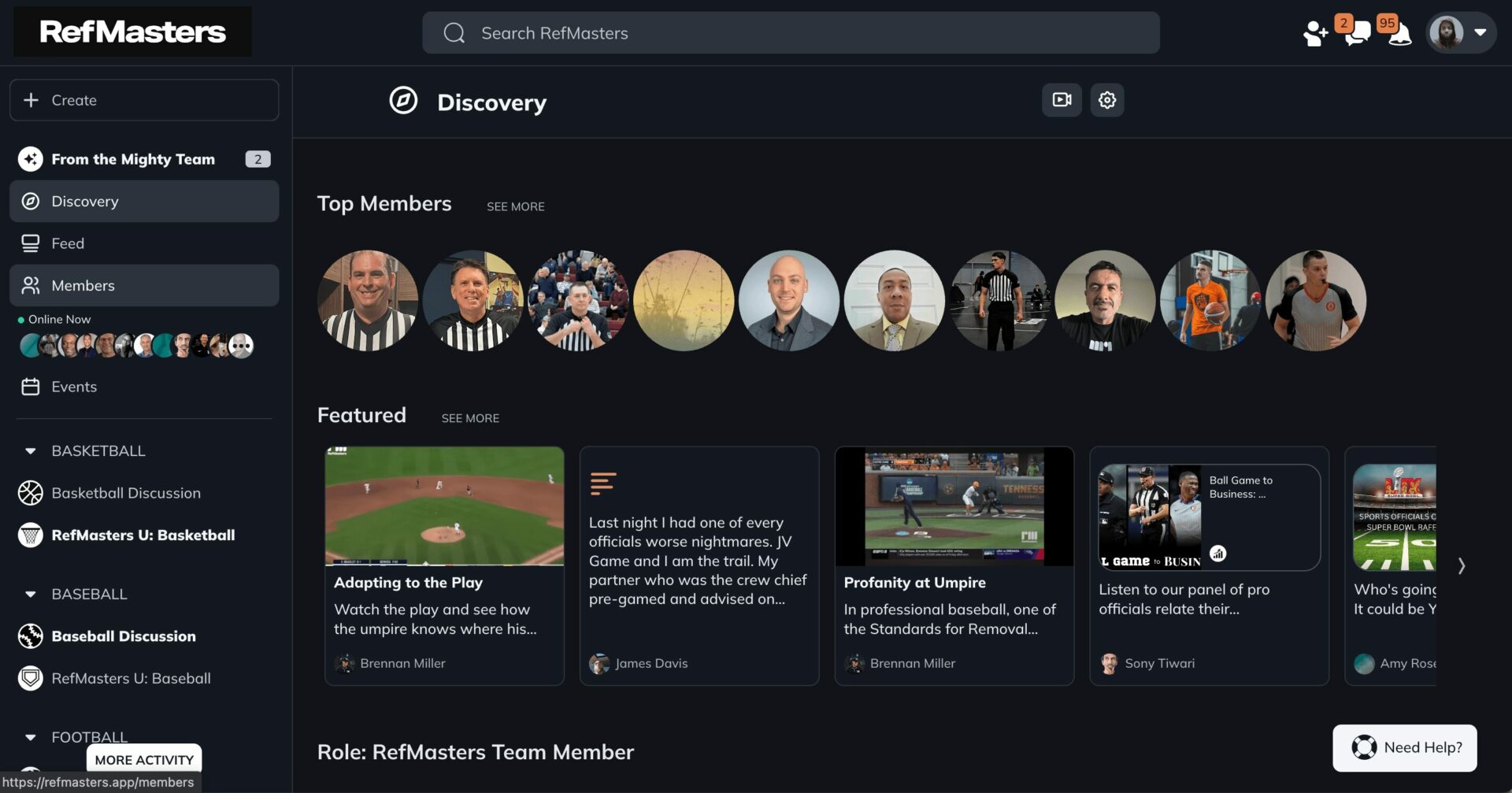
Another exciting venture I’m involved in is RefMasters, an educational and social platform designed for sports referees. It offers training programs, certifications, and an active community to help officials at all levels enhance their skills and effectively manage games. Currently focused on basketball, football, and baseball, the platform has plans to expand into additional sports. Over the past year, RefMasters has seen significant growth in user adoption and partnerships, demonstrating its potential to elevate officiating standards and improve the overall sports experience. This project also aligns with my personal passion for sports, stemming from my background as both a former athlete and an avid fan.
Additionally, I’m working on a health optimization app that leverages AI to help users build sustainable habits. Unlike traditional programs that are often rigid and short-term, our approach focuses on small, manageable habits that compound over time to create lasting impact. The app incorporates an AI assistant to provide personalized guidance, addressing setbacks and motivations unique to each user. By understanding individual needs and behaviors, this tool aims to deliver an experience unlike anything currently available in the market.

There is so much advice out there about all the different skills and qualities folks need to develop in order to succeed in today’s highly competitive environment and often it can feel overwhelming. So, if we had to break it down to just the three that matter most, which three skills or qualities would you focus on?
One of the most valuable skills to develop, especially in professional settings, is cultivating strong people skills and prioritizing the needs of others—whether it’s a client, customer, or colleague. This means respecting their time and ensuring they feel valued. These skills manifest in actions like active listening, asking thoughtful questions, taking notes, following up with clear summaries, and setting timelines, goals, and tasks to keep projects on track. These behaviors fall under the umbrella of people management and are essential for fostering trust and collaboration.
Another crucial skill is learning when to say no. It’s about understanding your worth and being confident enough to push back against unrealistic deadlines or projects that don’t align with your goals. While taking on diverse opportunities early in your career can help you learn and grow, there comes a point where you must define your strengths, process, and priorities. Saying no is a skill that evolves over time, allowing you to focus on work that aligns with your expertise and values.
For those new to product design—or transitioning into it from other industries—one of the most common questions I hear is, “How do I get started?” My advice begins with dreaming big. This applies not just to your career but to your life as a whole—your health, finances, family, and spirituality. Visualize the lifestyle you want, and then align your career aspirations with that vision. Too often, people prioritize work first, building their lives around their jobs. Instead, start with your dream life and pursue a profession that supports it. This intentional approach leads to fulfillment and motivation.
To break into product design, especially without a portfolio, start by finding real-world projects to work on. Platforms like Upwork provide opportunities to gain hands-on experience by bidding on projects or using project descriptions to create your own design solutions. These examples can form the foundation of your portfolio by showcasing your ability to solve real problems. Focus on quality over quantity—highlighting even a single project in detail can be more impactful than a broad array of surface-level work.
When building your portfolio, emphasize the work you’re most proud of. When you feel proud or confident about something, it naturally reflects in your body language and the way you speak about it. Develop a comprehensive presentation around one project, detailing every phase of the design process. Highlight how you made decisions, collaborated with team members, handled feedback, and incorporated user testing to refine your solutions. This approach not only gives interviewers insight into your skills and workflow but also sparks meaningful questions about how you’d fit into their team.
Finally, in interviews, take the opportunity to ask about the company’s challenges and areas for improvement. Every organization has aspects they’d like to change, and understanding these beforehand allows you to propose solutions early on and avoid surprises later. By demonstrating an interest in their specific needs, you position yourself as a proactive and thoughtful team member.
These insights—developing people skills, setting boundaries, aligning your career with your dreams, and strategically building your portfolio—have been invaluable in my journey and can help others navigate their paths in product design or any professional field.
How can folks who want to work with you connect?
We are actively seeking investors for our AI health optimization startup to support the development phase of our cutting-edge software, created in collaboration with the same team behind Fitbit and Tonal. Additionally, I’m eager to connect with former athletes, coaches, or ambassadors who share a passion for sports and safeguarding the integrity of the game through RefMasters, our sports officiating education and social platform. On the infant health side, I am looking to partner with professionals who can drive business development and help us expand our presence in hospitals with our premium NICU-focused software. I can be reached via email at [email protected].
Contact Info:
so if you or someone you know deserves recognition please let us know here.