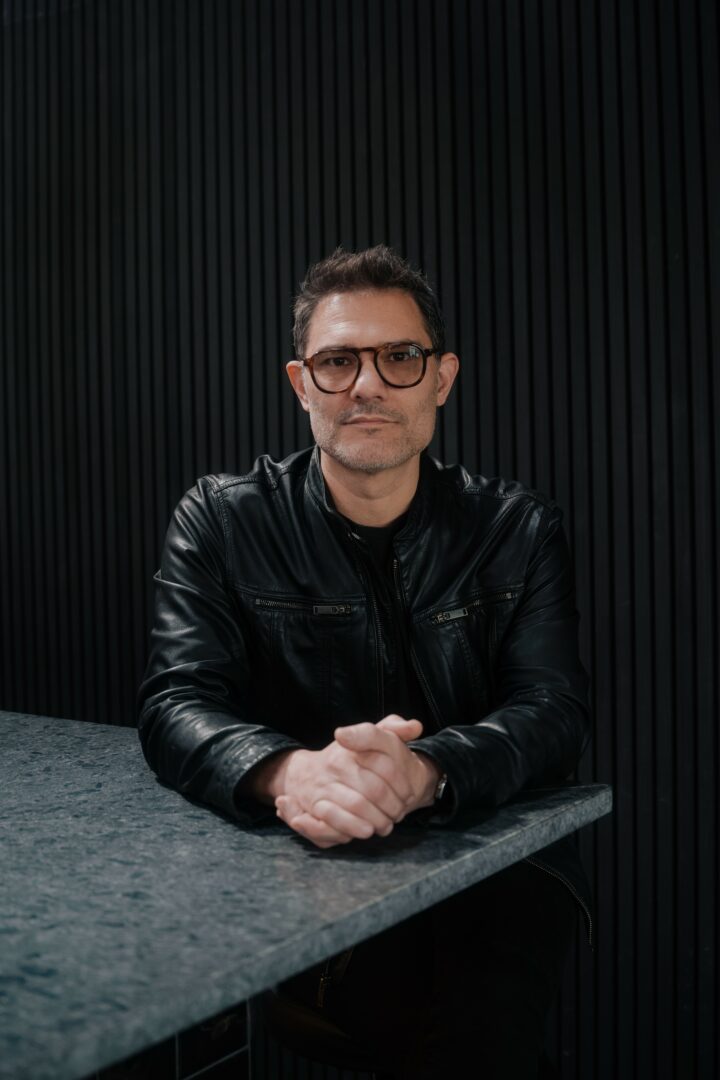
We were lucky to catch up with Javier Bardauil recently and have shared our conversation below.
Javier , thank you so much for making time for us. We’ve always admired your ability to take risks and so maybe we can kick things off with a discussion around how you developed your ability to take and bear risk?
When I look back, I realize I didn’t learn to take risks in a single moment, it was something that grew out of necessity, curiosity, and a bit of stubbornness.
Before I ever stepped into a professional kitchen, I had a motorcycle accident that changed the trajectory of my life. Everything stopped. When you face that kind of fragility so young, you lose the illusion that you can postpone your desires. That moment taught me that life moves fast, and if something matters, you cannot wait for the “right time.” That realization pushed me toward cooking with a sense of urgency and purpose, not to play it safe, but to actually live the life I wanted.
I started cooking in environments where the margin for error was small, but the desire to create something new was huge. Early in my career, I took a job that I wasn’t “ready” for on paper. I was terrified, but I knew that if I stayed only where I felt safe, I’d never discover what I was capable of. That period forced me to develop the discipline, focus, and resilience that became the backbone of how I work today. Every night in that kitchen felt like walking a tightrope, but it taught me that fear and opportunity often show up together.
Years later, when I decided to build my own path, new concepts, new cities, new teams, the risks were no longer only technical or professional; they were deeply personal. I had to trust my instincts, defend my vision, and learn to fail without losing my identity. The biggest shift happened when I realized that risk isn’t about being fearless, it’s about having a strong enough purpose that you’re willing to be uncomfortable.
What helps me take risks today isn’t bravado, it’s a set of habits I’ve built over time: listening more than I speak, surrounding myself with people who challenge me, finding stillness before making big choices, and remembering that creativity dies when comfort wins. Risk, for me, has become less about danger and more about possibility.
I’ve learned that every meaningful step forward in my career has come from moments when I chose to leap before I felt fully prepared. And those leaps have shaped not just my cooking, but who I am as a person
Thanks, so before we move on maybe you can share a bit more about yourself?
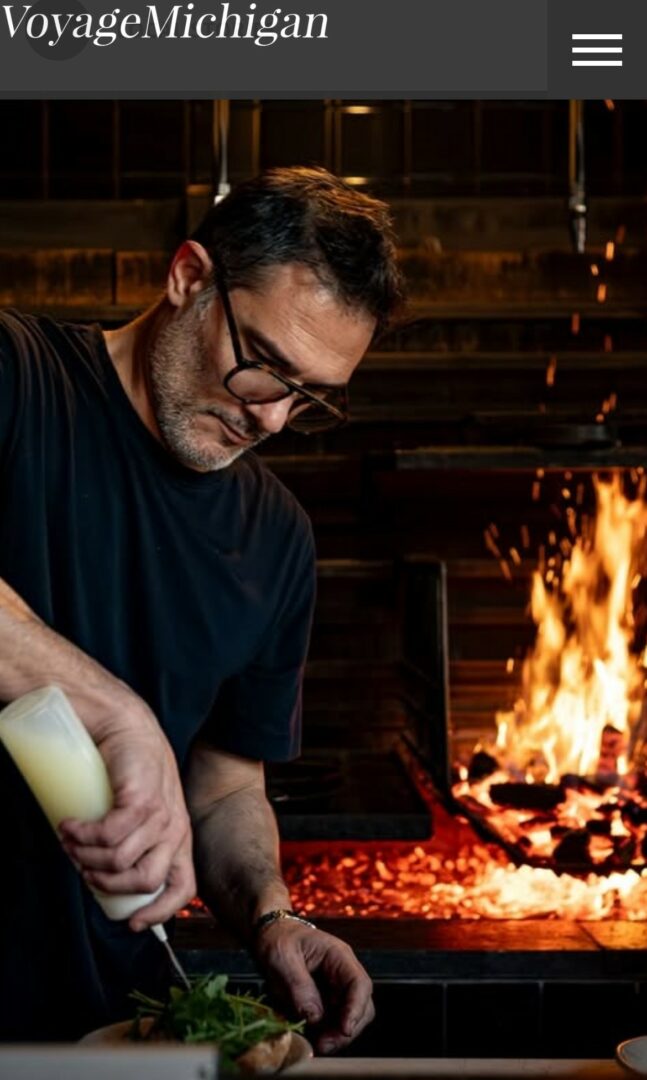
Professionally, I’m a chef, but more than anything, I’m a storyteller. Food is the medium I use to express memory, landscape, culture, and emotion. What excites me most about what I do is the ability to create experiences that connect people, to a place, a season, a feeling, or even to a part of themselves they didn’t expect to find at the table.
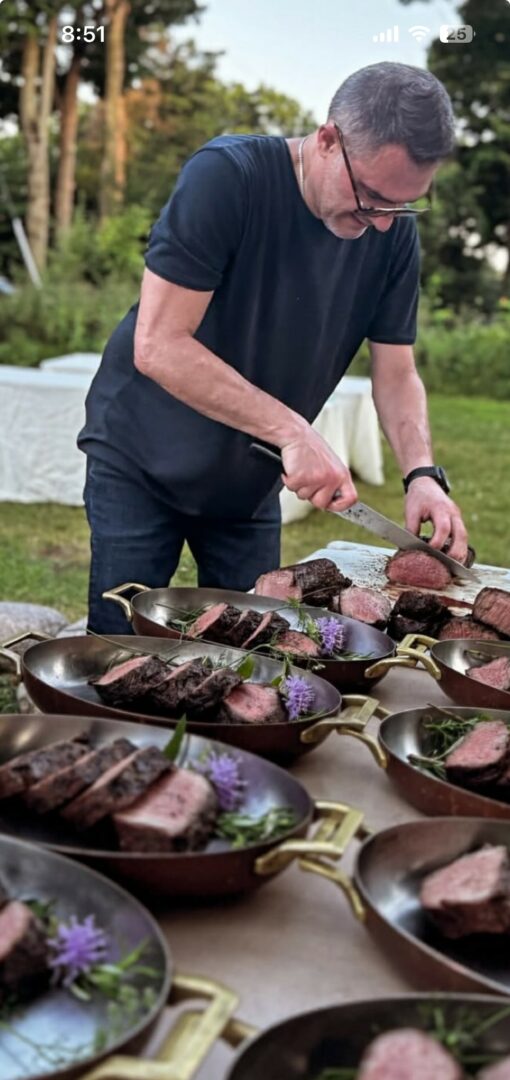
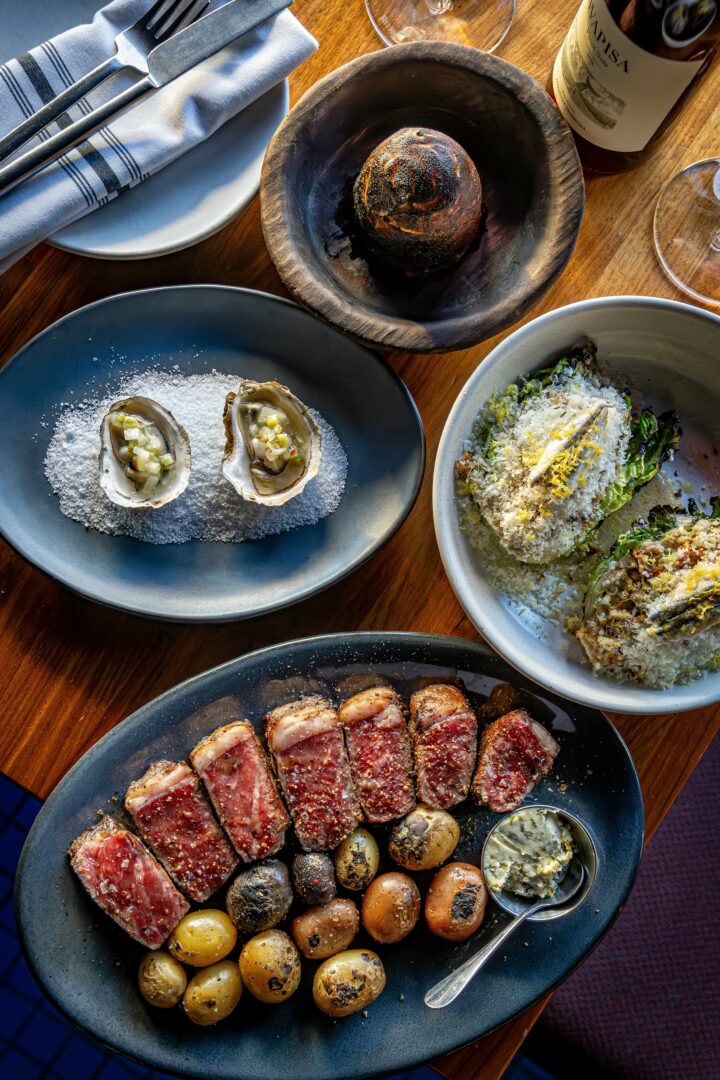
Barda, my first restaurant in Detroit, carries a different kind of fire, literally and philosophically. It’s built around live flame and inspired by the landscapes and cooking traditions of Patagonia. Barda taught me the power of simplicity and the beauty of restraint: just wood, flame, smoke, and product. It’s wild, primal, and deeply connected to nature. It was also the first place where I realized Detroit was ready for boldness, that this city embraces courage and rewards authenticity.
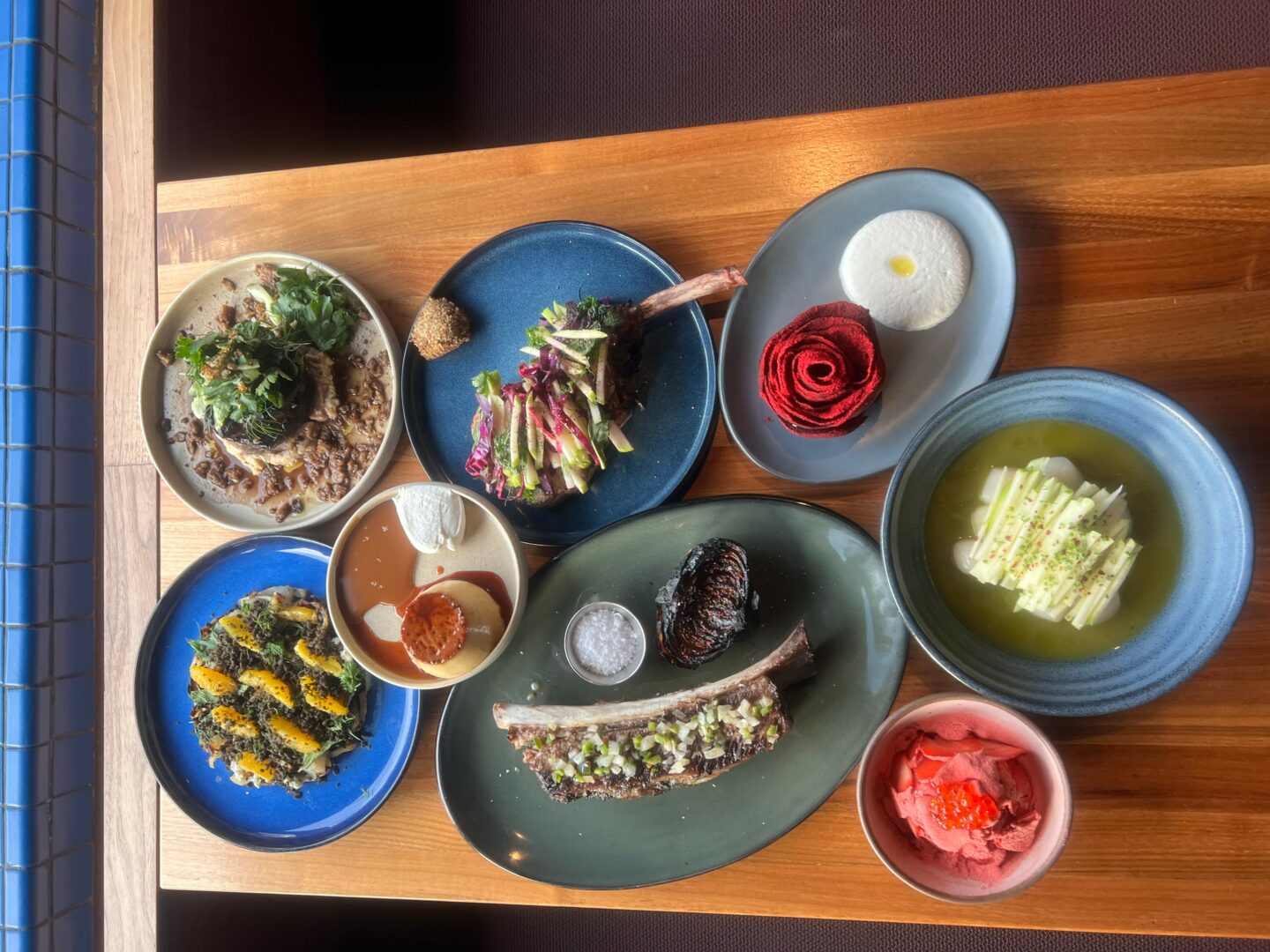
Puma, my most recent opening in Detroit, brings together two worlds that shaped me: the intensity, warmth, and emotional depth of Buenos Aires, and the seasonality and boldness I’ve discovered in Michigan. Puma is intimate, energetic, and driven by intention. We work with the rhythm of the seasons and build dishes that feel alive, sometimes raw, sometimes fire-driven, always rooted in honesty. What makes Puma special is not just the food, but the atmosphere: a space where energy, vulnerability, and creativity coexist.
Both brands share the same DNA: a commitment to craft, emotion, and bringing people together around something genuine. But they express different sides of my personality.
What ties them together is a philosophy: I don’t want to cook food that’s comfortable; I want to create food that wakes people up. I’m focused on continuing to push that idea forward, elevating the culture of dining in Detroit, building teams where creativity thrives, and using food as a way to tell stories that matter.
At this moment in my career, I’m excited. I feel like both restaurants are just beginning to show what they can become, and I’m focused on refining, exploring, and growing with the same purpose that has guided me since the beginning: to create spaces that feel alive and to cook with intention, emotion, and courage.
If you had to pick three qualities that are most important to develop, which three would you say matter most?
Looking back, three qualities have had the greatest impact on my journey: resilience, curiosity, and emotional clarity.
Resilience
Hospitality tests you constantly, physically, mentally, creatively. Early in my career, resilience came from simply refusing to quit, even on the hardest nights. Over time, I learned that real resilience isn’t about toughness; it’s about adaptability. It’s the ability to bend without breaking, to adjust without losing your identity.
Advice: If you’re early in your journey, don’t run from difficult moments. Let them teach you. Resilience is not built in comfort, it’s built in friction. Take on challenges that stretch you, and pay attention to how you respond. That awareness will become one of your most powerful tools.
Curiosity
Curiosity is the spark behind every evolution in my career. It’s what pushed me to leave Buenos Aires, to explore new landscapes and ingredients, to question tradition, and to build concepts like Barda and Puma. Curiosity keeps your craft alive.
Advice: Cultivate curiosity intentionally. Ask questions. Taste everything. Work with people who know more than you do. Never assume you’ve arrived. The moment you believe you know enough, you stop growing.
Emotional Clarity
For me, this became essential after my motorcycle accident, which taught me that life is too short to ignore your true desires. Emotional clarity is understanding why you want something, the purpose behind your choices. It helps you take risks for the right reasons and protects you from getting lost in ambition without intention.
Advice: Spend time getting honest with yourself. What do you really want? Not what others expect, but what you feel internally. When you understand your own “why,” decisions become clearer, risk becomes manageable, and your work becomes more authentic.
Before we go, maybe you can tell us a bit about your parents and what you feel was the most impactful thing they did for you?
The most impactful thing my parents did for me was give me freedom, real freedom. They didn’t push me toward a specific path or measure my choices against their expectations. Instead, they trusted me. They let me explore, make mistakes, question things, and follow my curiosity, even when it didn’t look like the safest or most conventional route.
That freedom helped me develop independence early. It taught me to take responsibility for my decisions and to build a life based on what I genuinely wanted, not what I thought I “should” do. When I chose cooking, they didn’t fully understand it at first, but they never tried to stop me. That space, that lack of pressure, gave me the courage to take risks, leave home, move to another country, and create the kind of life that I believed in.
Their trust became a foundation I still stand on today. It taught me that the most powerful support isn’t control, it’s confidence in someone’s ability to find their own way.
Contact Info:
- Instagram: Barda_detroit
- Other: Instagram: @Puma_detroit
so if you or someone you know deserves recognition please let us know here.